Until Dawn™ Thumbnail

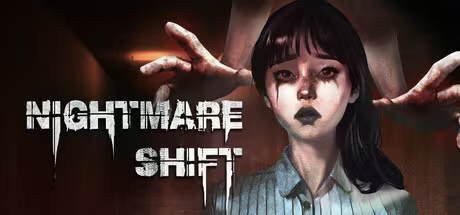
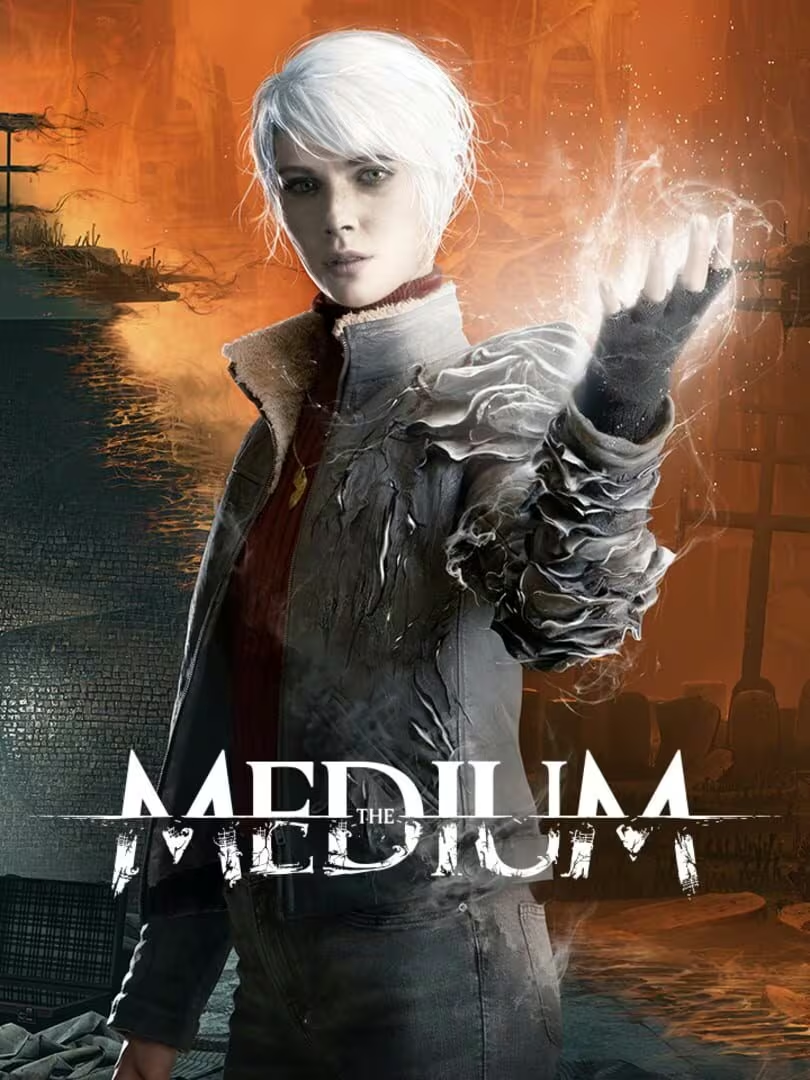
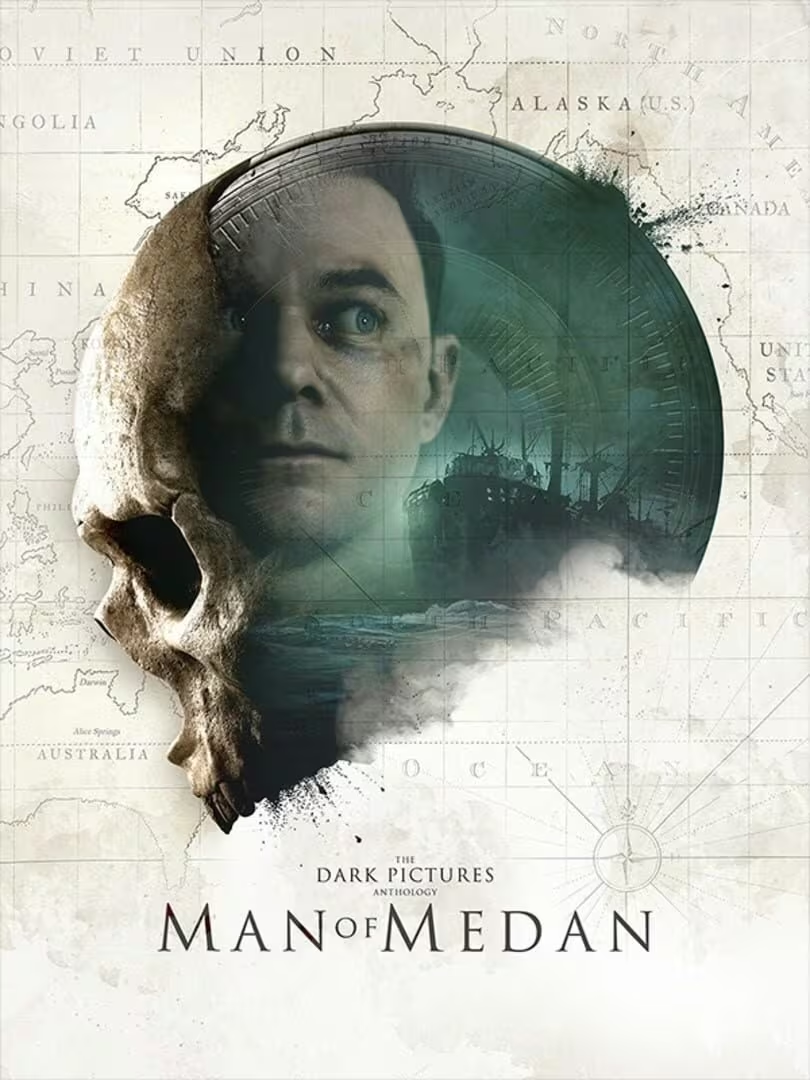
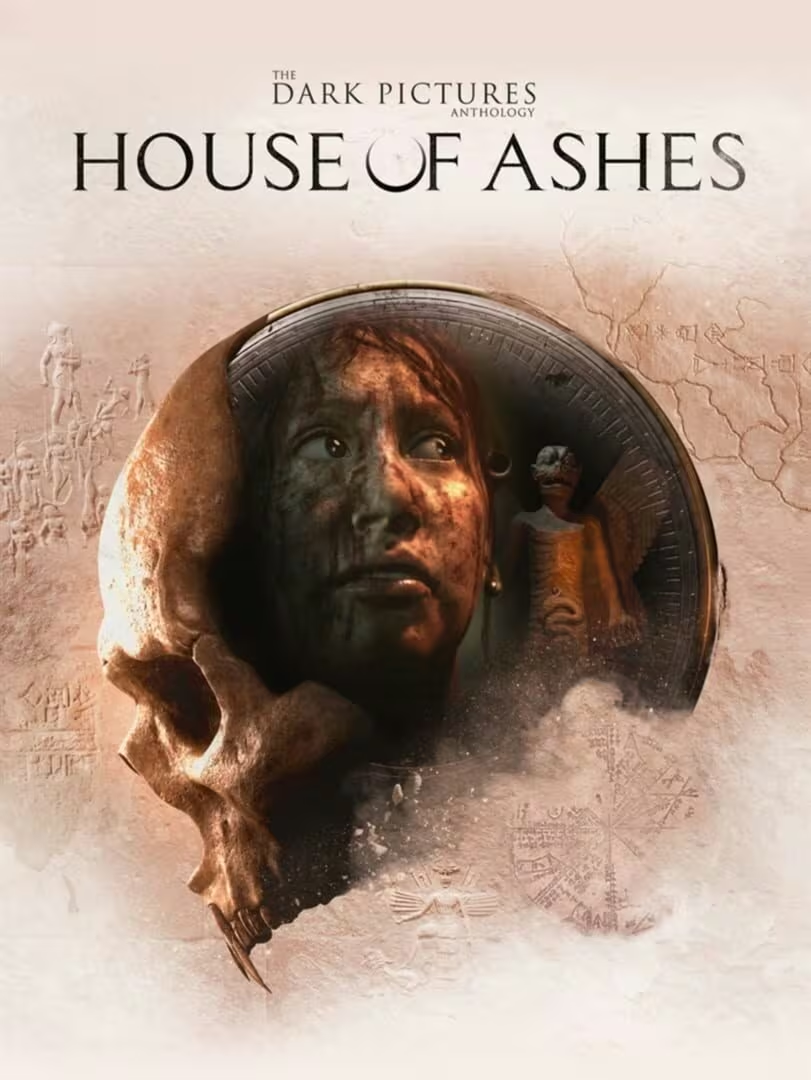
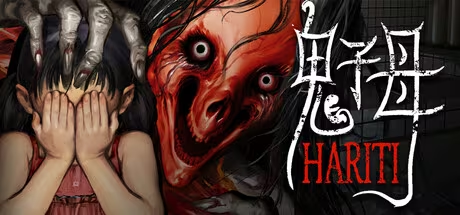
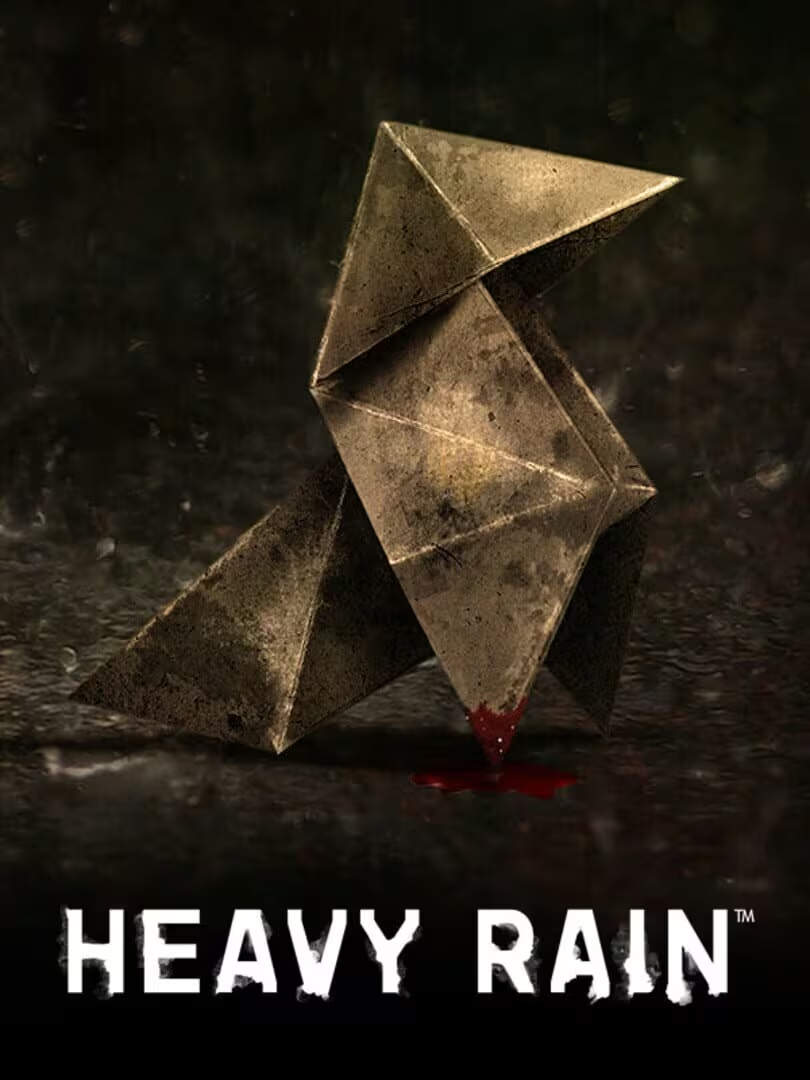
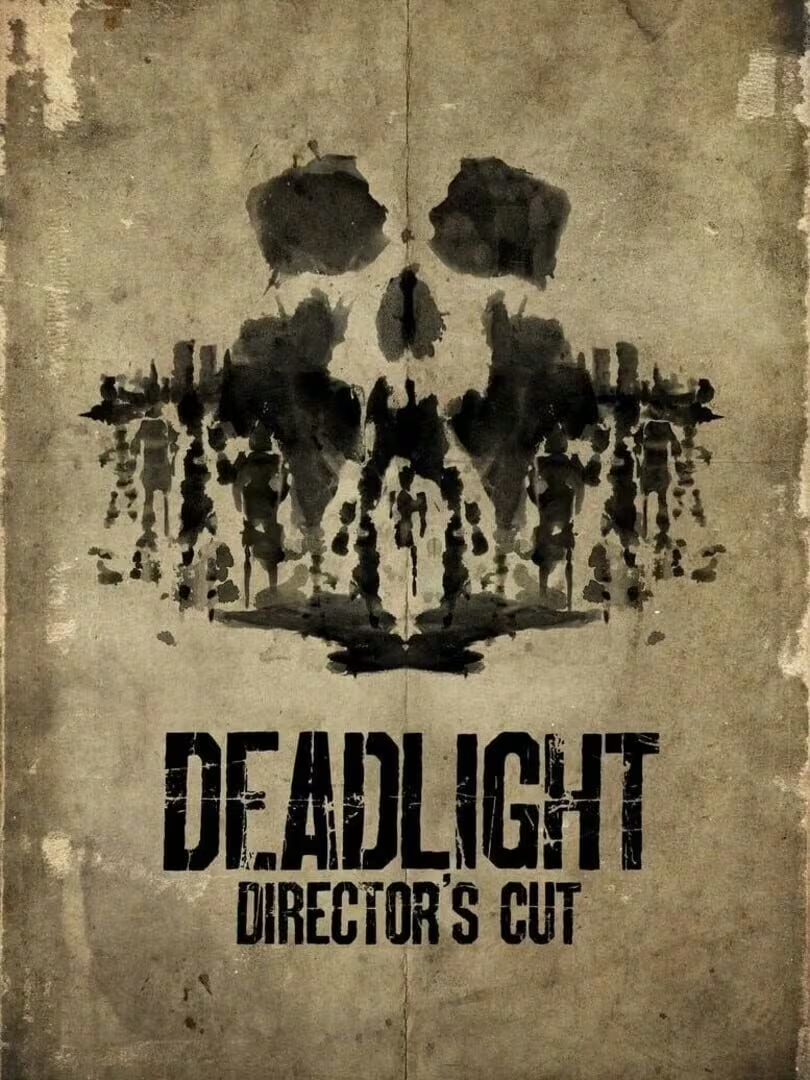
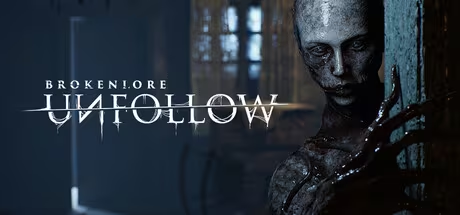
Until Dawn™ similar games & best alternatives
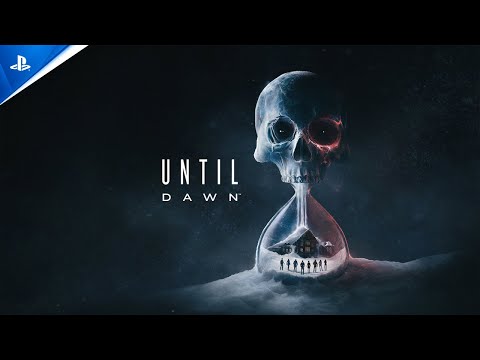
Until Dawn™

PC (Microsoft Windows), PlayStation 5 • 2024

Related articles

Quick resume

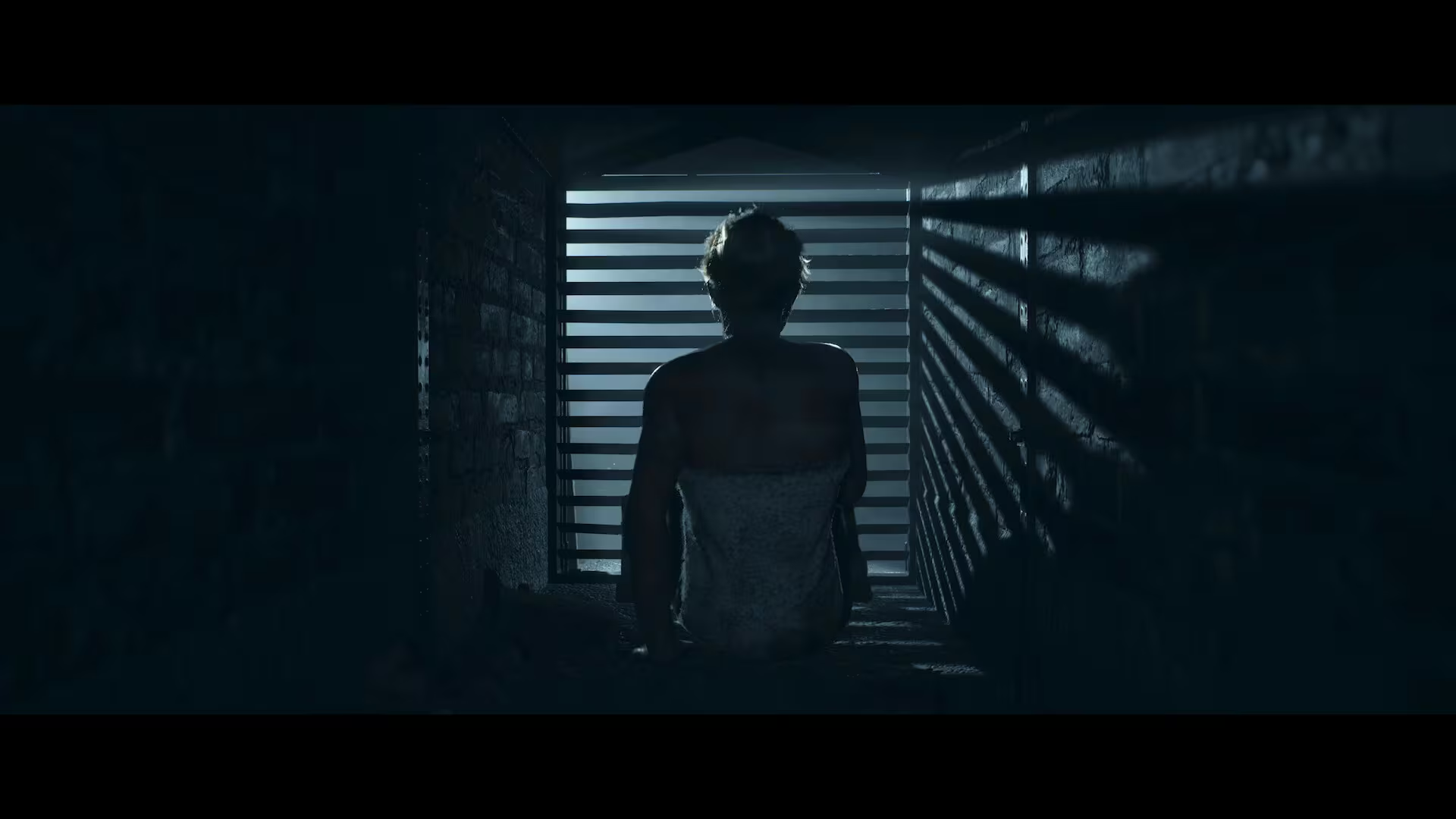
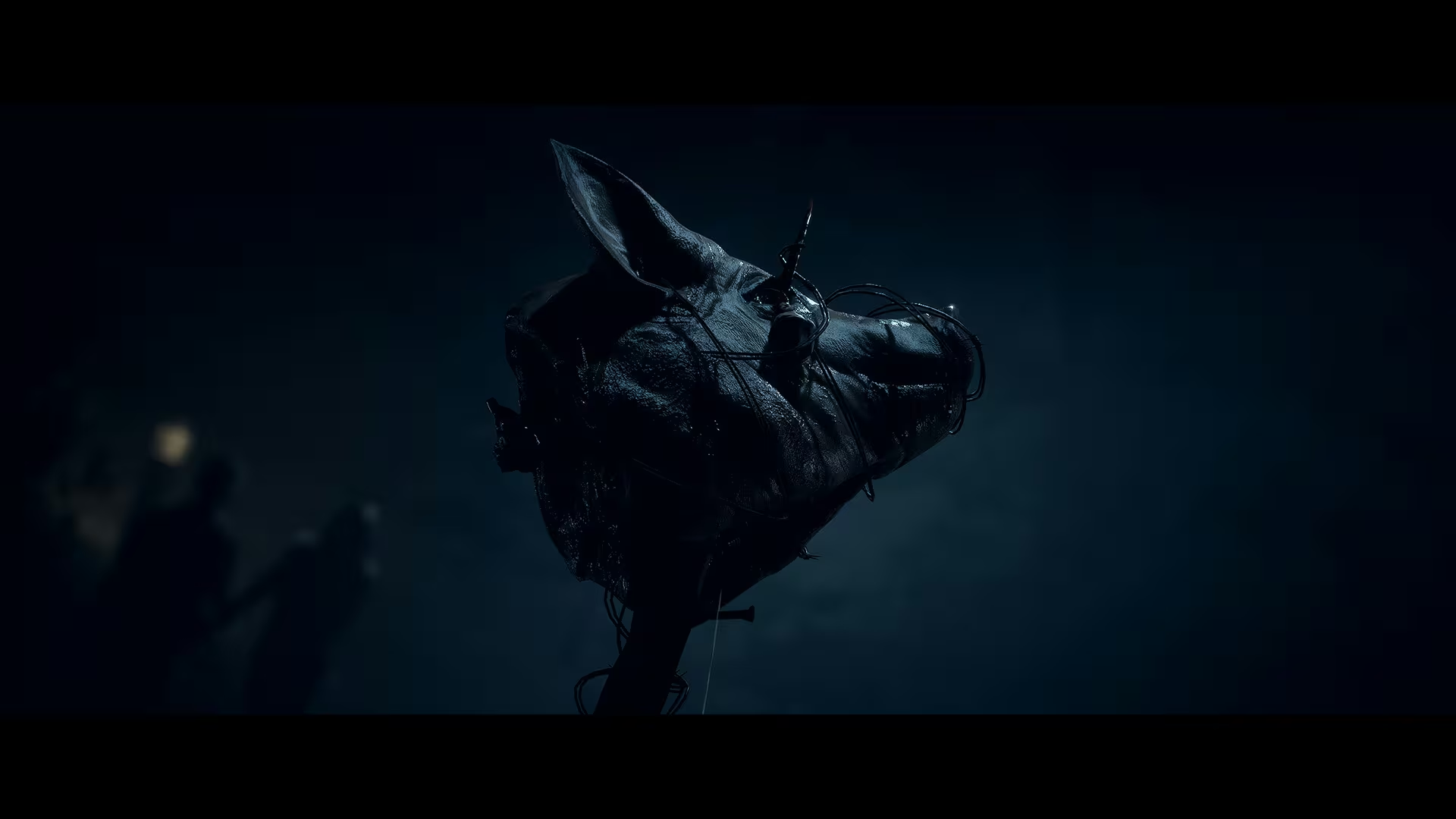
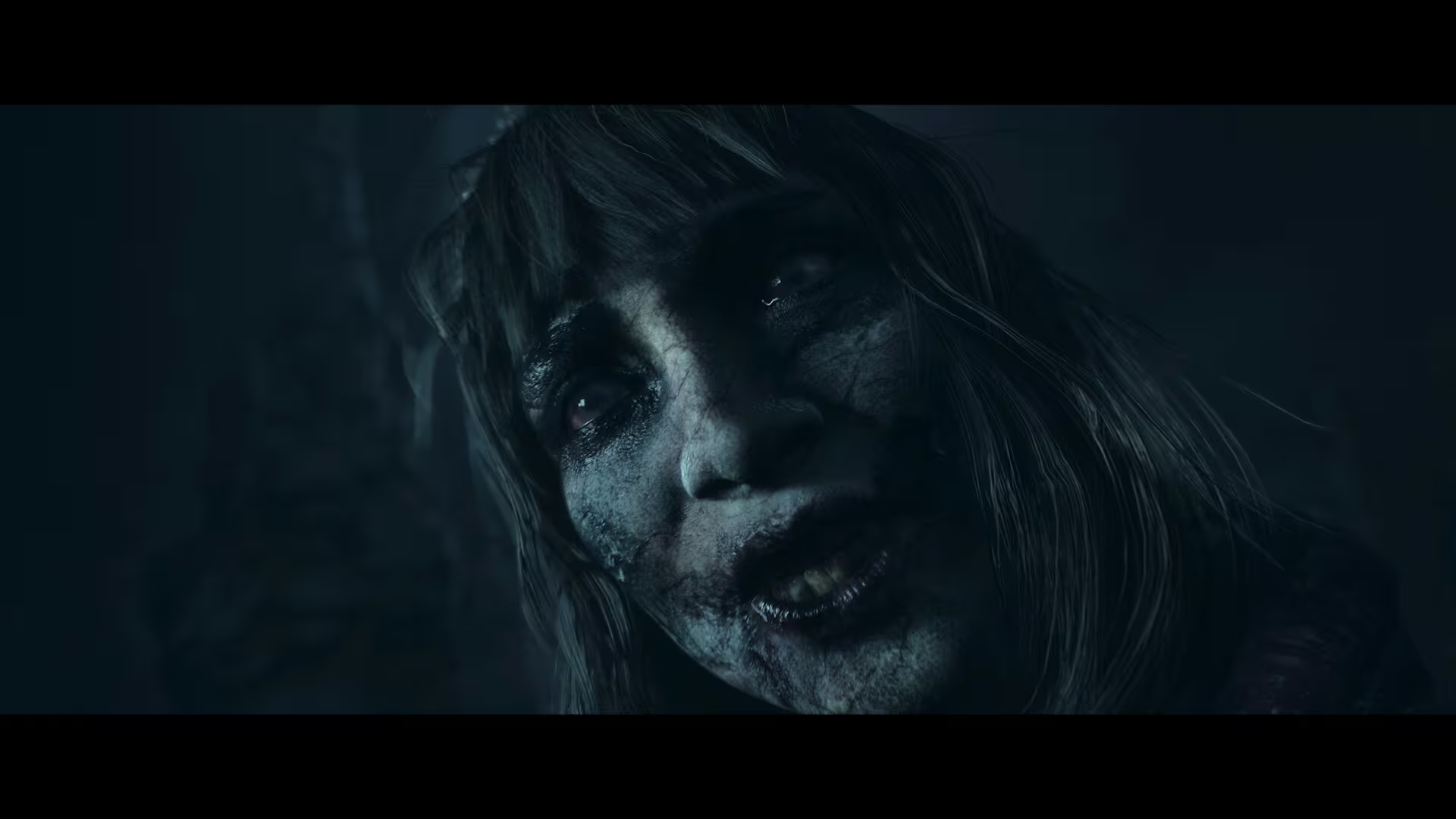
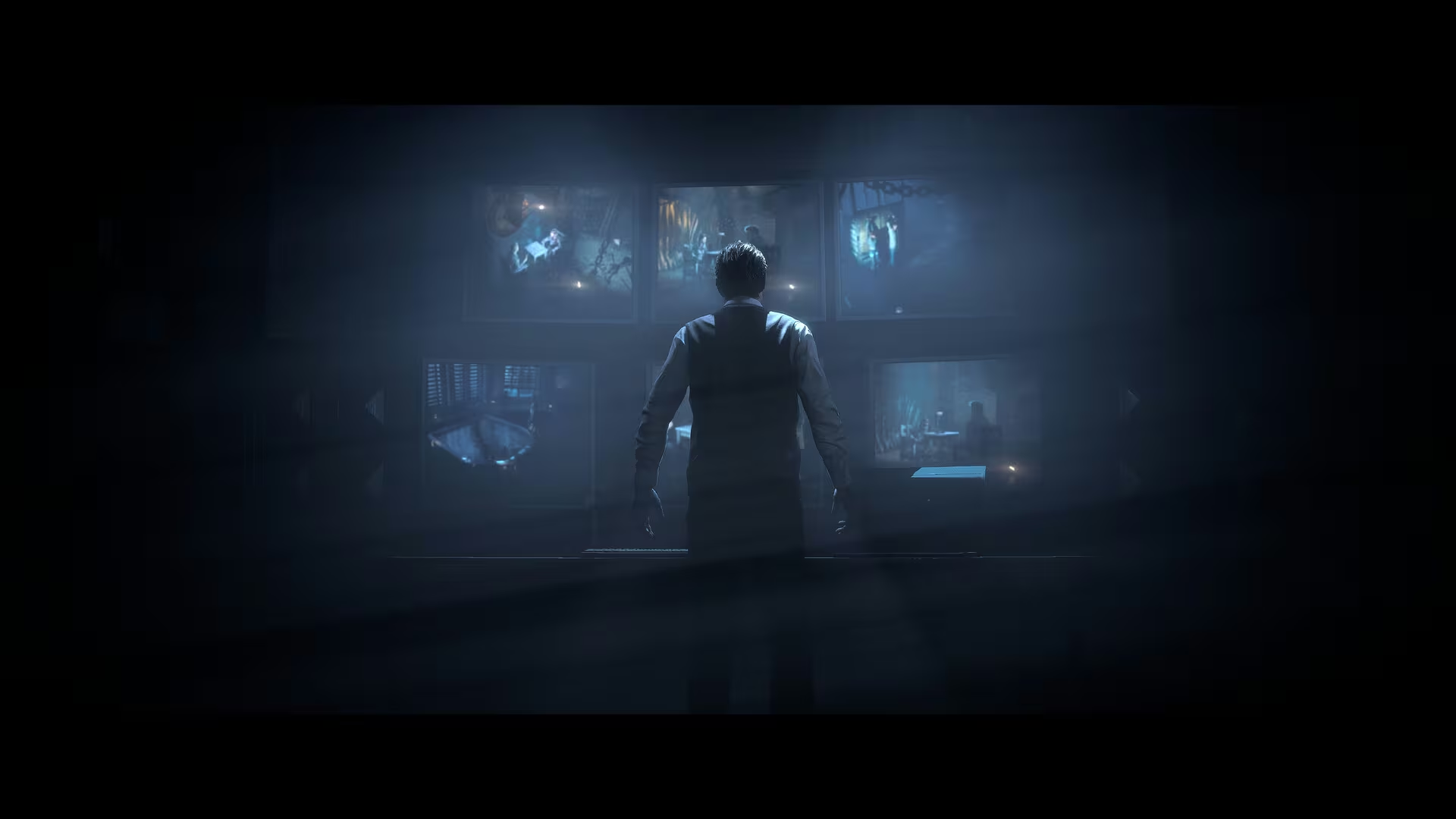
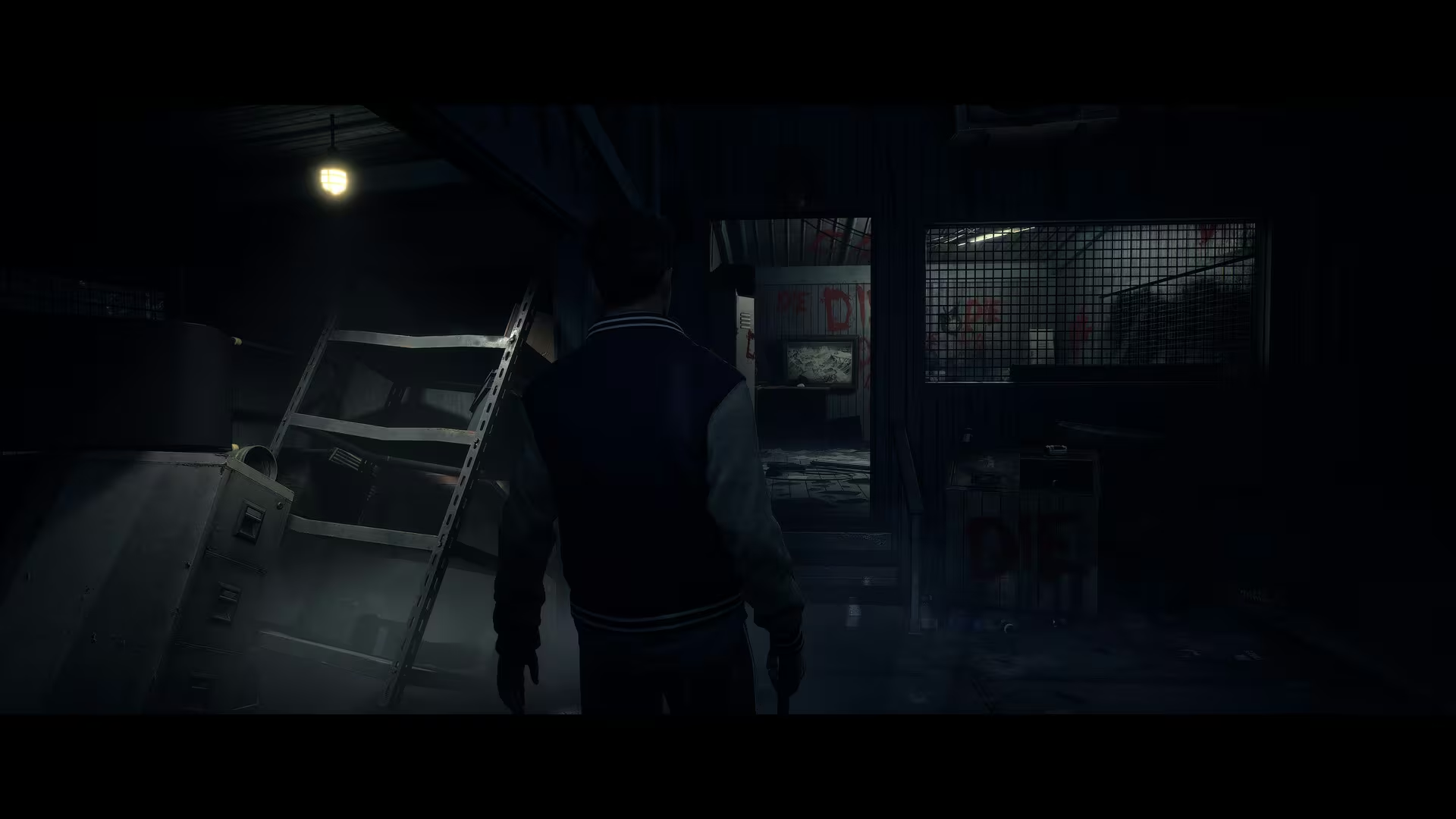
Rebuilt and enhanced for PC – Until Dawn invites you to relive the nightmare, and immerse yourself in a gripping slasher horror where every decision can make the difference between life and death.

Global score

82/100

Genres

Adventure

Similar games

    Pros

    • Engaging branching narrative with meaningful choices
    • High replayability due to multiple endings and collectibles
    • Immersive horror atmosphere and strong story
    • Improved graphics and cinematic presentation
    • Accessible gameplay suitable for a wide audience

    Cons

    • Technical issues including bugs, crashes, and performance drops
    • Overpriced for a remake with limited new content
    • Some players dislike changes to soundtrack and camera angles
    • Controls can be clunky and slow without sprint option
    • Requires playstation account for trophies, confusing for some

    Analysis

    Broadly representative of its motivational profile, with a few distinct shifts. Motivations that often define this kind of title include Expression, Fellowship, Cooperation, Competition. Here, the score leans higher than usual among comparable games on Violence. It leans lower than usual among comparable games on Value, Relaxation.

    How to use the graph
    Similar games map

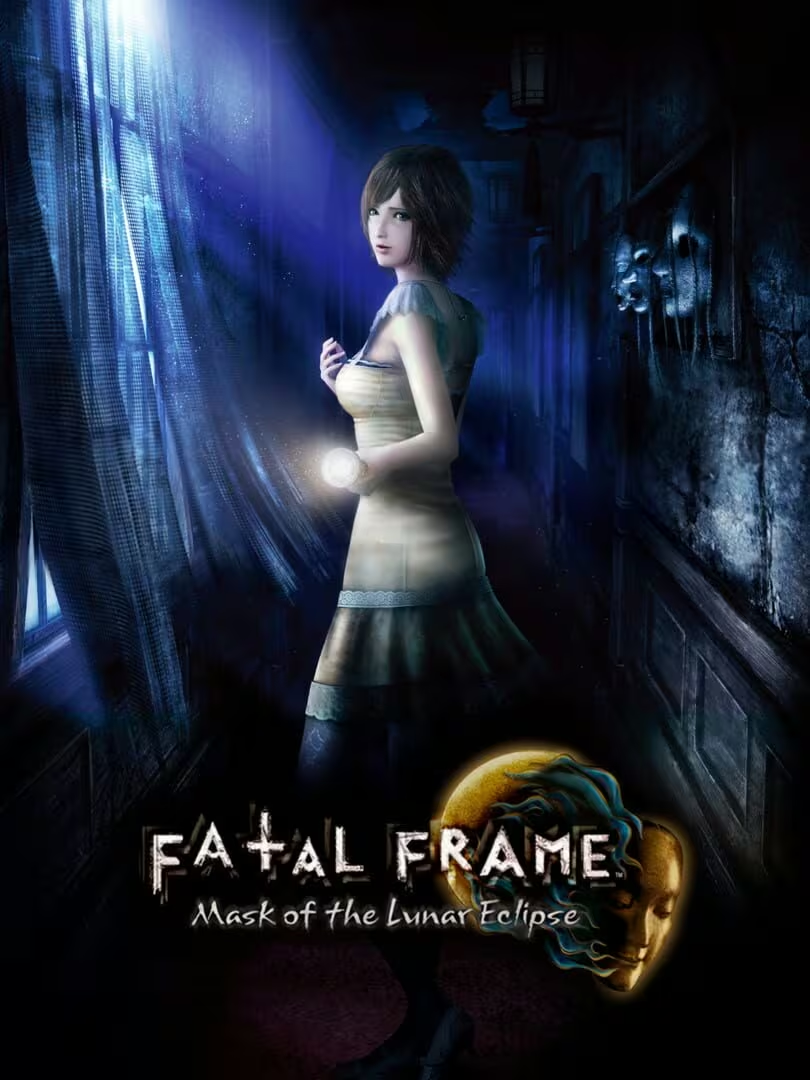
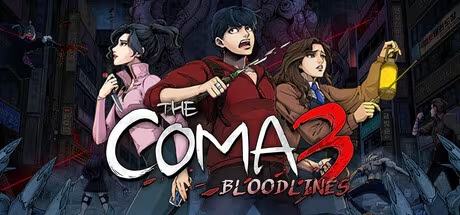
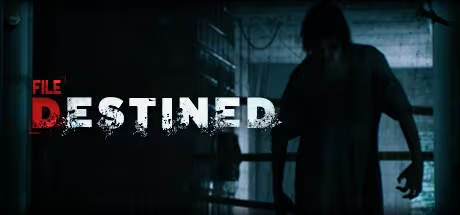
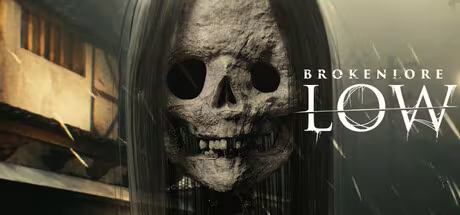
    Each dot is a game. They are arranged from the same motivation profile as in the “Motivations” section below. Closer dots usually mean more similar reasons to play (exploration, competition, relaxation, etc.)—not that one game is “better” than another.

    • Larger dot with a light outline: the game you are viewing.
    • Colour: groups of games with comparable motivation patterns (statistical clusters).
    • Hover a dot to see the game name; click to open its page.
    • Scroll or double-click the chart to zoom out and see more games.

    Why don’t the axes read like a score? This view uses t-SNE: it only keeps who is close to whom. The scales are not “good to bad” or hours played—they separate groups on the map. Read distance between dots, not the axis numbers.

    Motivations

    • Autonomy
      4

      "Players make meaningful choices that affect story outcomes and character fates, reflecting high personal control and decision-making freedom."

    • Competence
      2

      "Gameplay involves quick-time events and decision-making with some skill, but overall difficulty is low and accessible."

    • Competition
      -4

      "Focus is on personal narrative experience and exploration without competitive elements or player comparison."

    • Continuation
      3

      "Branching storylines and collectibles encourage replayability and extended engagement."

    • Cooperation
      -5

      "Single-player experience focused on individual play without multiplayer or cooperative mechanics."

    • Creativity
      1

      "Some creativity in exploring different story paths and outcomes, but gameplay follows predefined narrative structures."

    • Domination
      -5

      "No elements of exerting control or superiority over others; experience is solitary and narrative-driven."

    • Escapism
      5

      "Strong immersive horror atmosphere and narrative provide escape from real life through suspense and tension."

    • Expectation
      -4

      "Players engage voluntarily out of interest and enjoyment rather than obligation or external pressure."

    • Experimenting
      3

      "Encouraged to explore different choices and story branches, testing various outcomes and character fates."

    • Exploration
      3

      "Players explore environments to find collectibles and clues that deepen story understanding."

    • Expression
      -3

      "Limited customization; players express through choices but no avatar or environment personalization."

    • Fantasy
      4

      "Engages players in a fictional horror narrative with supernatural elements and cinematic storytelling."

    • Fellowship
      -4

      "Primarily a solo experience with minimal social interaction or community involvement."

    • Growth
      2

      "Players learn story details and improve timing in QTEs, but limited skill development overall."

    • Health
      -5

      "Sedentary gameplay with no physical activity or health-related mechanics."

    • Idle
      -3

      "Requires focused attention during story and QTEs; not designed for casual or background play."

    • Intimacy
      -3

      "Limited emotional connection through narrative but no social or relationship-building gameplay."

    • Leadership
      -5

      "No leadership or group management elements; player controls only their own choices."

    • Progression
      3

      "Progression through story advancement and unlocking collectibles and achievements."

    • Relaxation
      -2

      "Tense and suspenseful atmosphere creates emotional strain rather than relaxation."

    • Sensation
      3

      "Strong sensory stimulation through atmospheric visuals, sound design, and jump scares."

    • Status
      -4

      "No social status or recognition systems; experience is private and personal."

    • Story
      5

      "Narrative-driven game with branching plots, character development, and immersive storytelling."

    • Strategy
      1

      "Some planning in decision-making but mostly straightforward choices without complex problem solving."

    • Thrill
      5

      "High suspense and jump scares create thrilling and emotionally intense gameplay."

    • Value
      -1

      "Mixed opinions on price; some feel it is overpriced for a remake with bugs, others find value in story and graphics."

    • Violence
      4

      "Game features violent deaths and horror elements consistent with slasher and supernatural themes."

    • Survival
      4

      "Core gameplay revolves around keeping characters alive through choices and quick-time events."

    Last update: 29/04/2026