Leviathan: The Last Day of the Decade Thumbnail

Leviathan: The Last Day of the Decade similar games & best alternatives

Leviathan: The Last Day of the Decade

PC (Microsoft Windows), Mac • 2014

Related articles

Quick resume

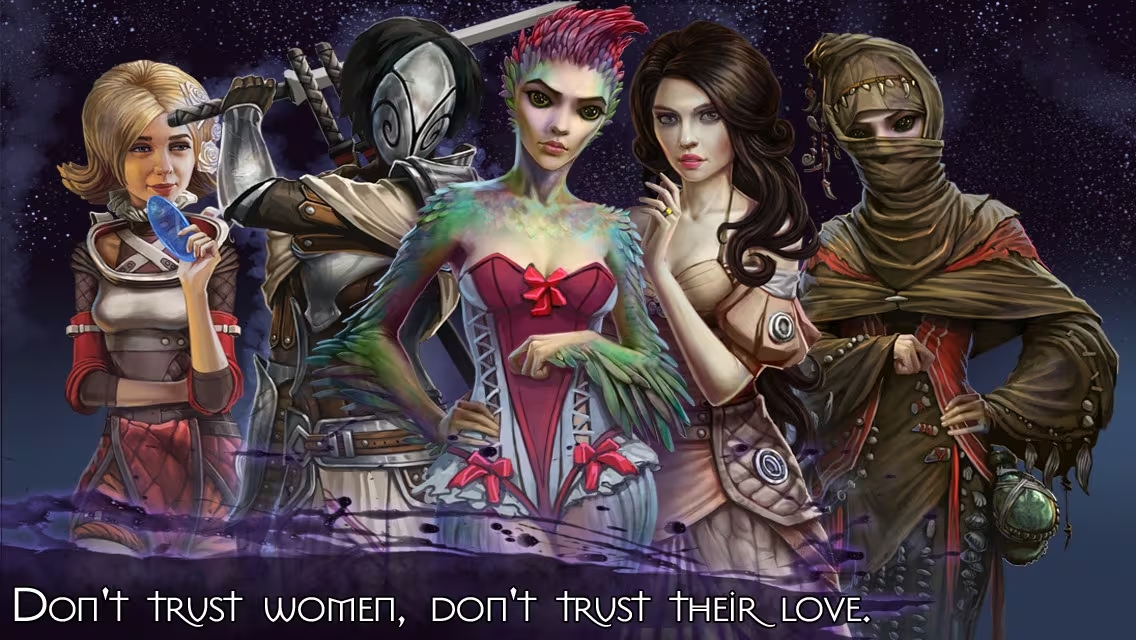
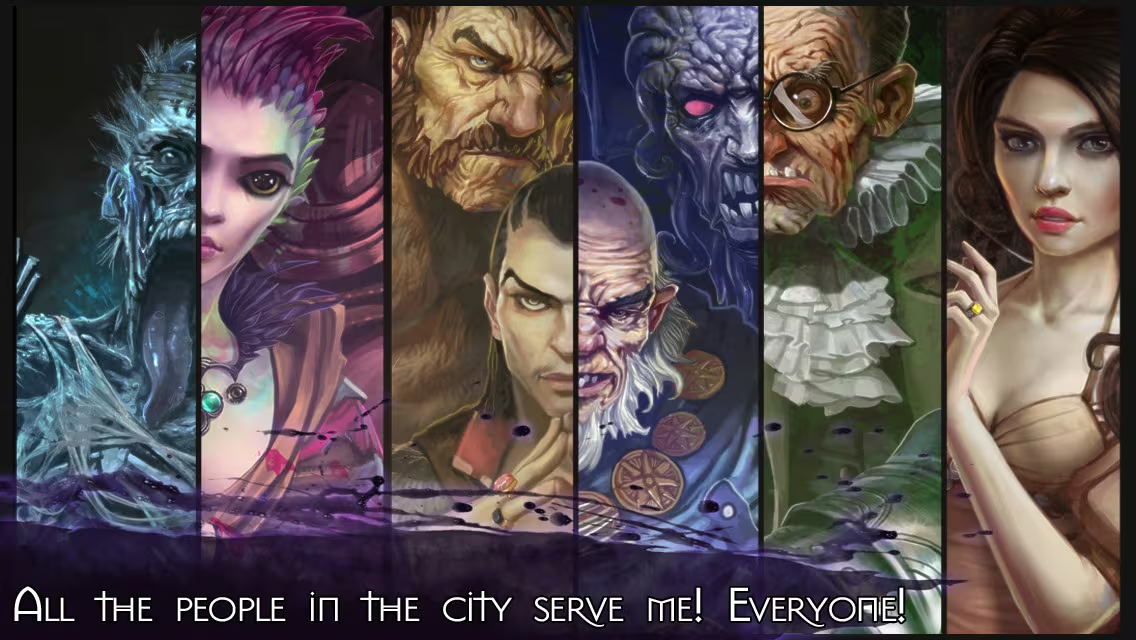
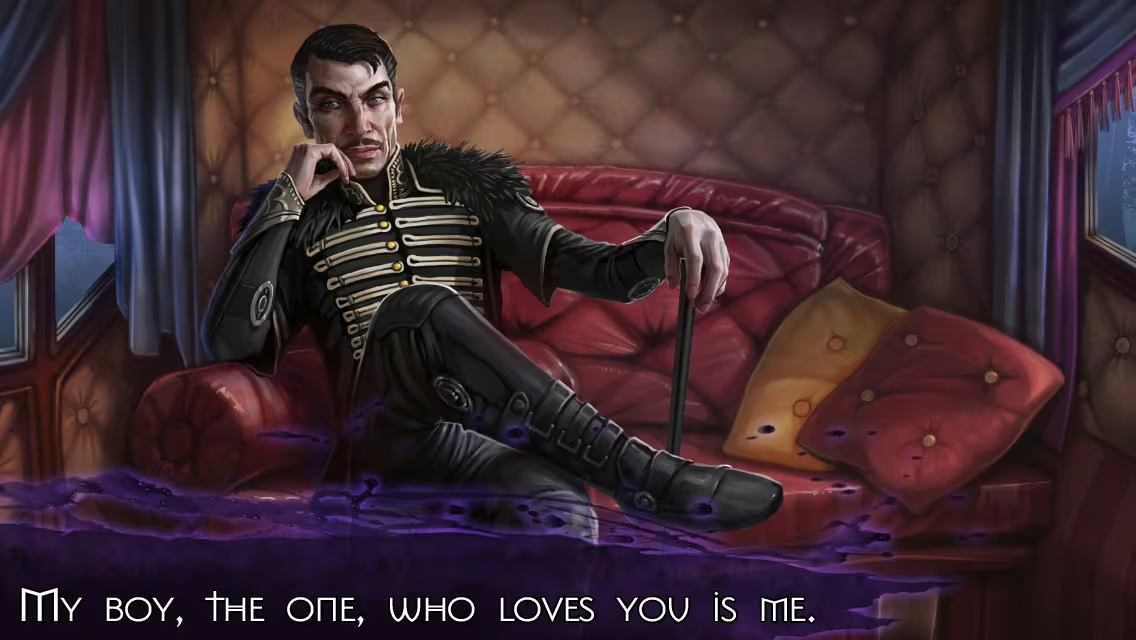
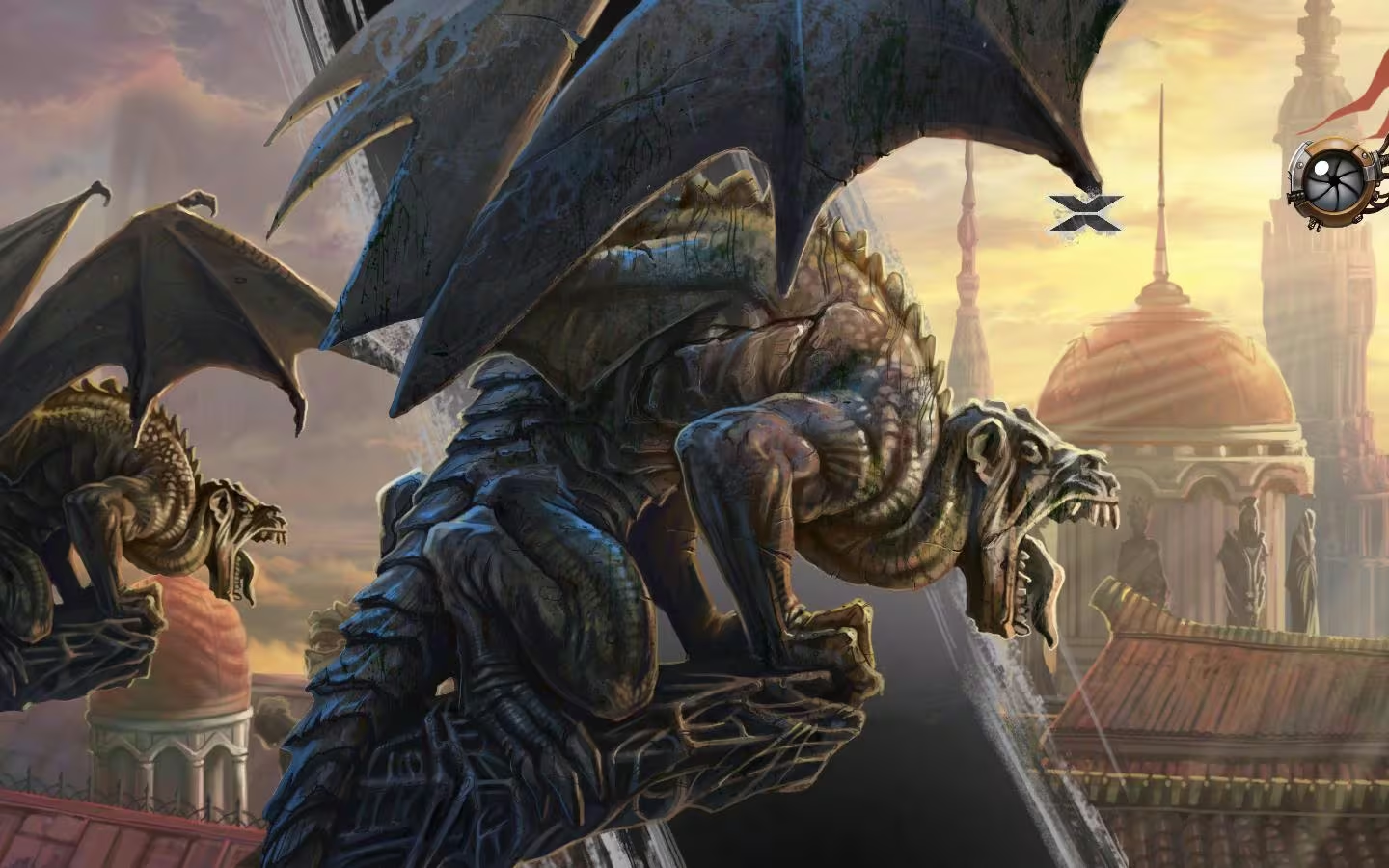
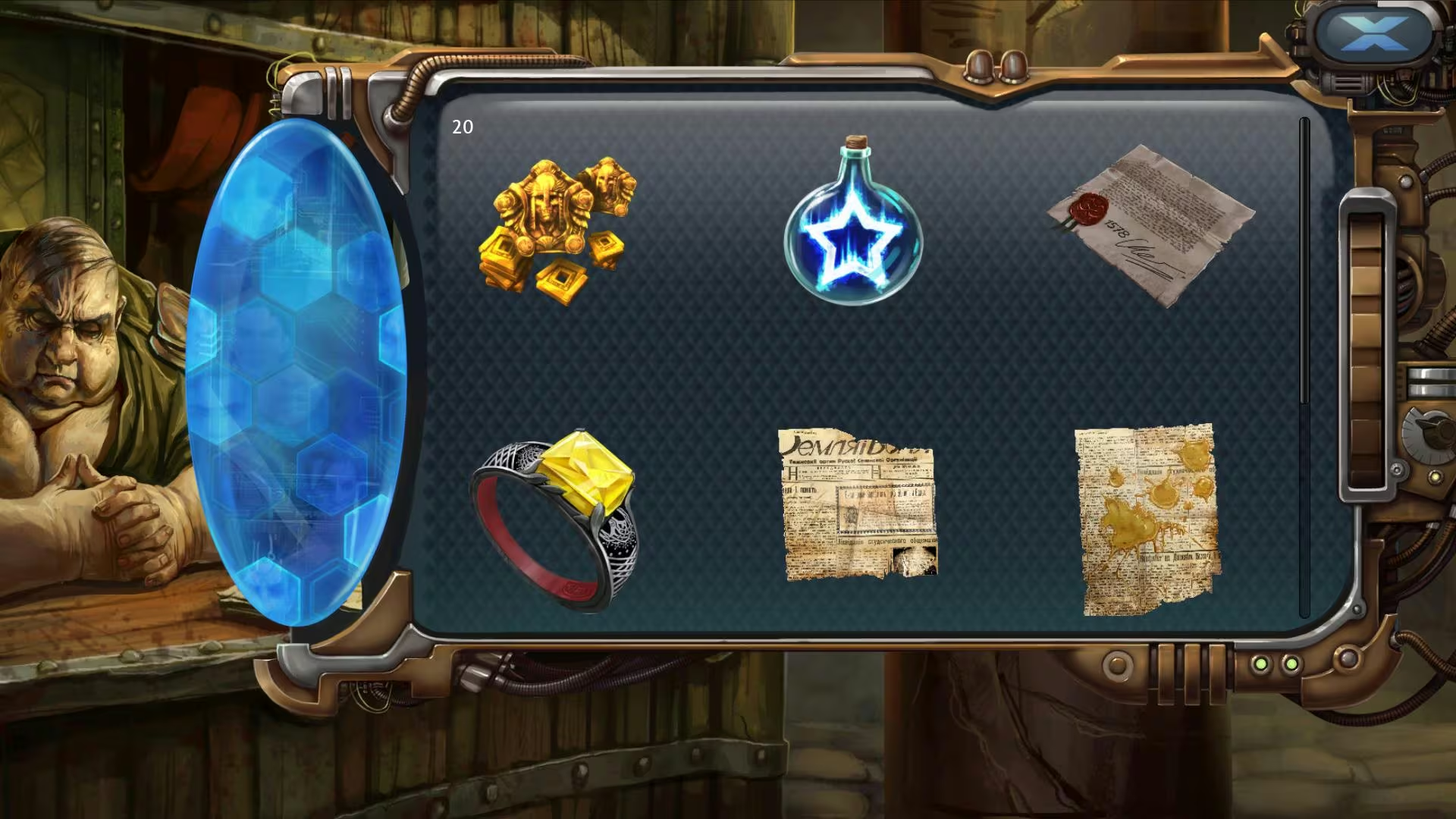
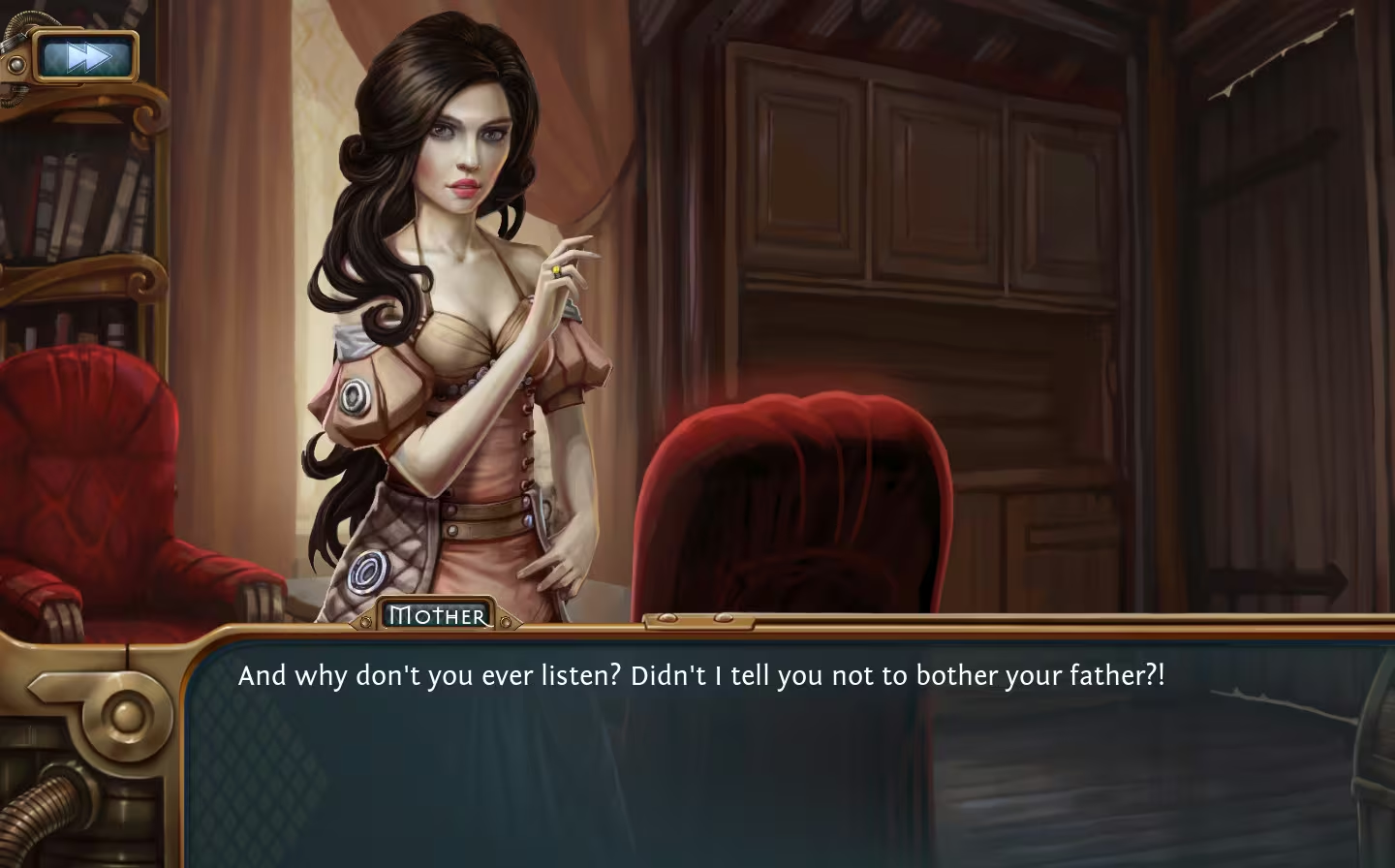
"Leviathan: The Last Day of the Decade" is a detective story told by a dweller of a cruel dark fantasy world affected by the pandemic. The world ruled by a five noble-born kins under the suzerainty of the undead Plague King.

Global score

79/100

Genres

Adventure, Indie, Visual Novel, Puzzle

Similar games

    Pros

    • Unique and richly detailed dark fantasy world
    • Engaging and morally complex story
    • Well-developed characters with emotional depth
    • Beautiful art and atmospheric music
    • Blend of visual novel and point-and-click adventure elements

    Cons

    • Rushed and unsatisfying ending with many loose plot threads
    • Limited meaningful player choice impact
    • Some awkward character behavior and inconsistent writing
    • Technical issues including save corruption and bugs
    • Lack of replayability due to linear narrative

    Analysis

    Less representative of its motivational profile, with noticeable differences. Motivations that often define this kind of title include Expression, Fellowship, Cooperation, Competition. Here, the score leans higher than usual among comparable games on Intimacy, Expression, Relaxation.

    How to use the graph
    Similar games map

    Each dot is a game. They are arranged from the same motivation profile as in the “Motivations” section below. Closer dots usually mean more similar reasons to play (exploration, competition, relaxation, etc.)—not that one game is “better” than another.

    • Larger dot with a light outline: the game you are viewing.
    • Colour: groups of games with comparable motivation patterns (statistical clusters).
    • Hover a dot to see the game name; click to open its page.
    • Scroll or double-click the chart to zoom out and see more games.

    Why don’t the axes read like a score? This view uses t-SNE: it only keeps who is close to whom. The scales are not “good to bad” or hours played—they separate groups on the map. Read distance between dots, not the axis numbers.

    Motivations

    • Autonomy
      3

      "Players can make choices affecting dialogue and some story outcomes, but overall the plot is mostly linear with limited meaningful branching."

    • Competence
      1

      "Gameplay involves point-and-click exploration and simple puzzles that require some attention but are not highly challenging."

    • Competition
      -5

      "Single-player visual novel with no competitive elements or player comparison."

    • Continuation
      2

      "Players often replay earlier episodes to explore different choices; however, some lose interest due to the rushed ending and incomplete story."

    • Cooperation
      -5

      "Entirely single-player experience with no cooperative gameplay."

    • Creativity
      3

      "Players explore a richly detailed, unique world with some freedom to investigate and interact with various elements."

    • Domination
      -5

      "No elements of exerting power or control over other players; focus is on personal story."

    • Escapism
      4

      "Dark fantasy setting and immersive story provide a strong escape from reality."

    • Expectation
      -3

      "Players engage voluntarily out of interest and curiosity rather than obligation."

    • Experimenting
      2

      "Some exploration of dialogue choices and minor puzzle solving, but overall follows a set narrative."

    • Exploration
      2

      "Players explore multiple locations and uncover lore, though environments are limited and mostly familiar after first playthrough."

    • Expression
      1

      "Limited character customization; some choices allow expression of morality or personality."

    • Fantasy
      5

      "Strong fantasy elements with demons, magic, steampunk technology, and a dark dystopian world."

    • Fellowship
      -5

      "No social or community features; purely single-player narrative."

    • Growth
      2

      "Players learn about the complex story, characters, and world; some skill in puzzle solving and decision making."

    • Health
      -5

      "Sedentary gameplay typical of visual novels with no physical activity."

    • Idle
      -3

      "Requires focused reading and interaction; not suitable for passive or background play."

    • Intimacy
      2

      "Emotional engagement with characters and story; some romantic subplots but limited depth."

    • Leadership
      -5

      "No leadership or group management elements."

    • Progression
      1

      "Some item collection and inventory management, but no significant power or skill progression."

    • Relaxation
      3

      "Atmospheric and immersive experience with moments of tension balanced by exploration and story."

    • Sensation
      2

      "Visual and auditory elements create mood and atmosphere but are not highly stimulating or intense."

    • Status
      -5

      "No social recognition or status systems."

    • Story
      5

      "Narrative-driven game with complex plot, character development, and moral ambiguity."

    • Strategy
      1

      "Limited strategic thinking required; mostly puzzle solving and decision making in dialogue."

    • Thrill
      3

      "Dark and suspenseful story elements create tension and emotional engagement."

    • Value
      2

      "Generally considered good value especially on sale; some disappointment due to incomplete story."

    • Violence
      2

      "Story involves murder, dark themes, and some violent acts, but gameplay is non-violent."

    • Survival
      1

      "Themes of survival in a plague-ridden world, but gameplay does not focus on survival mechanics."

    Last update: 29/04/2026