

LoveCraft Thumbnail

LoveCraft similar games & best alternatives

LoveCraft

PC (Microsoft Windows) • 2024

Related articles

Quick resume

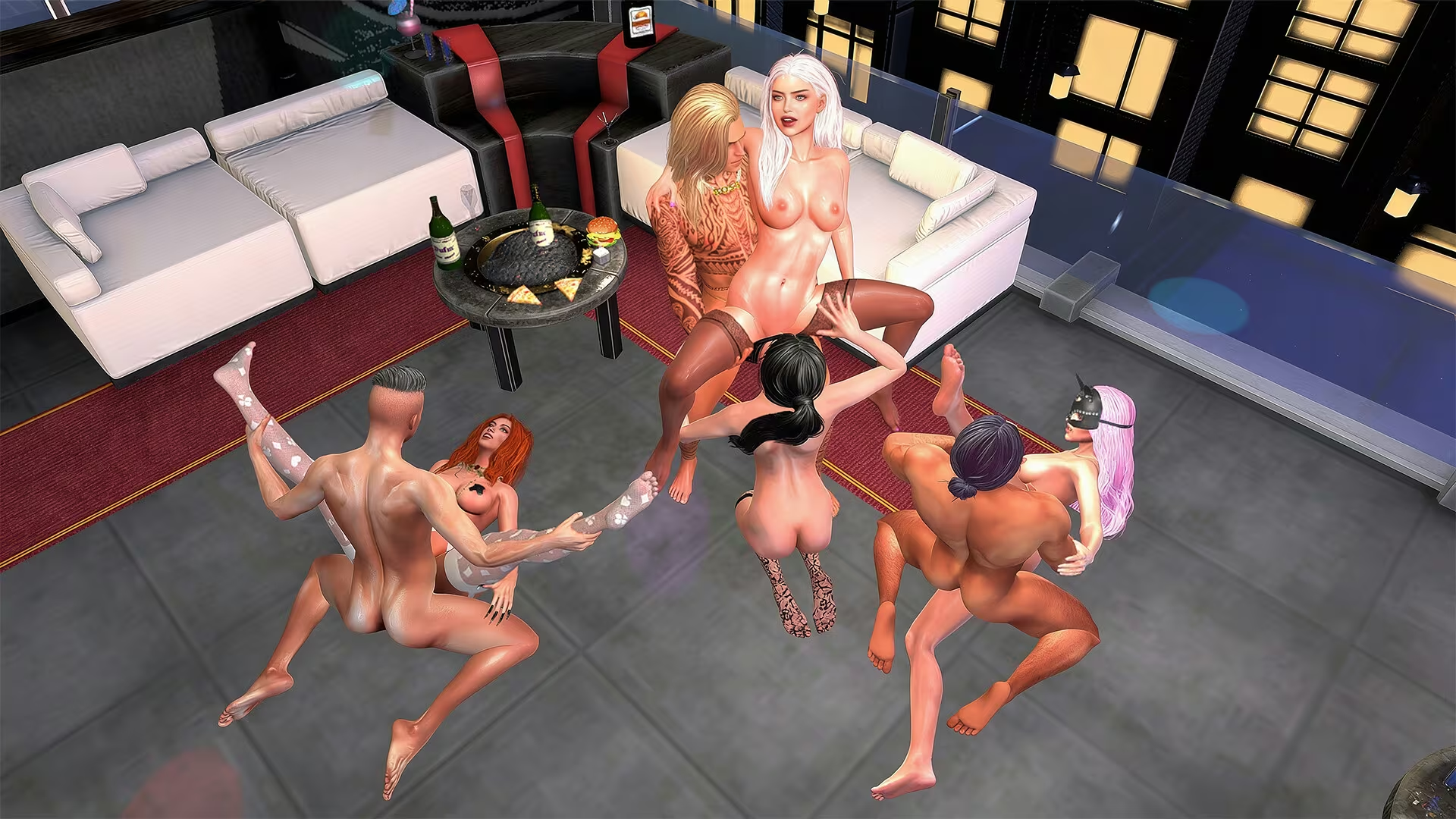
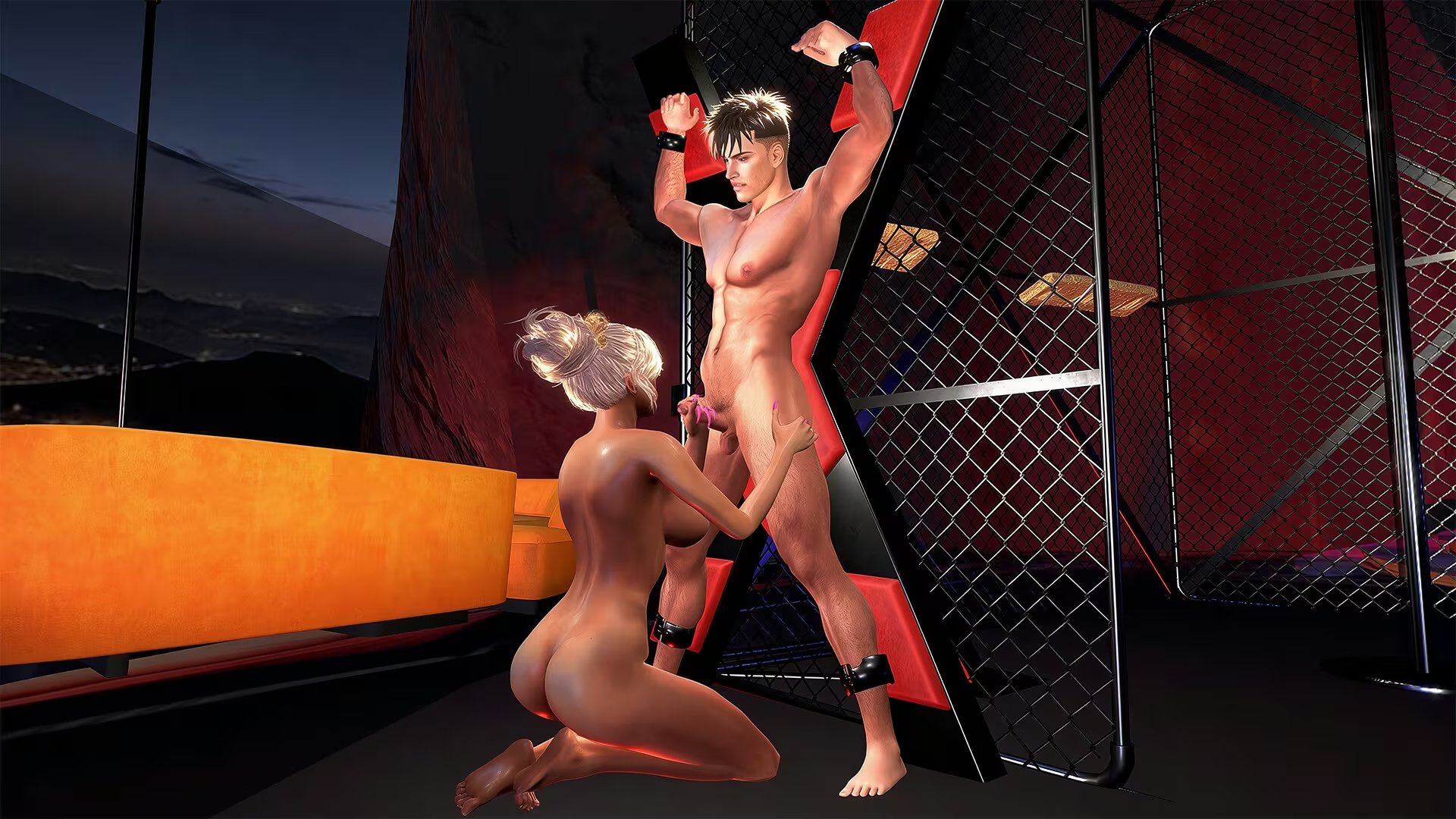
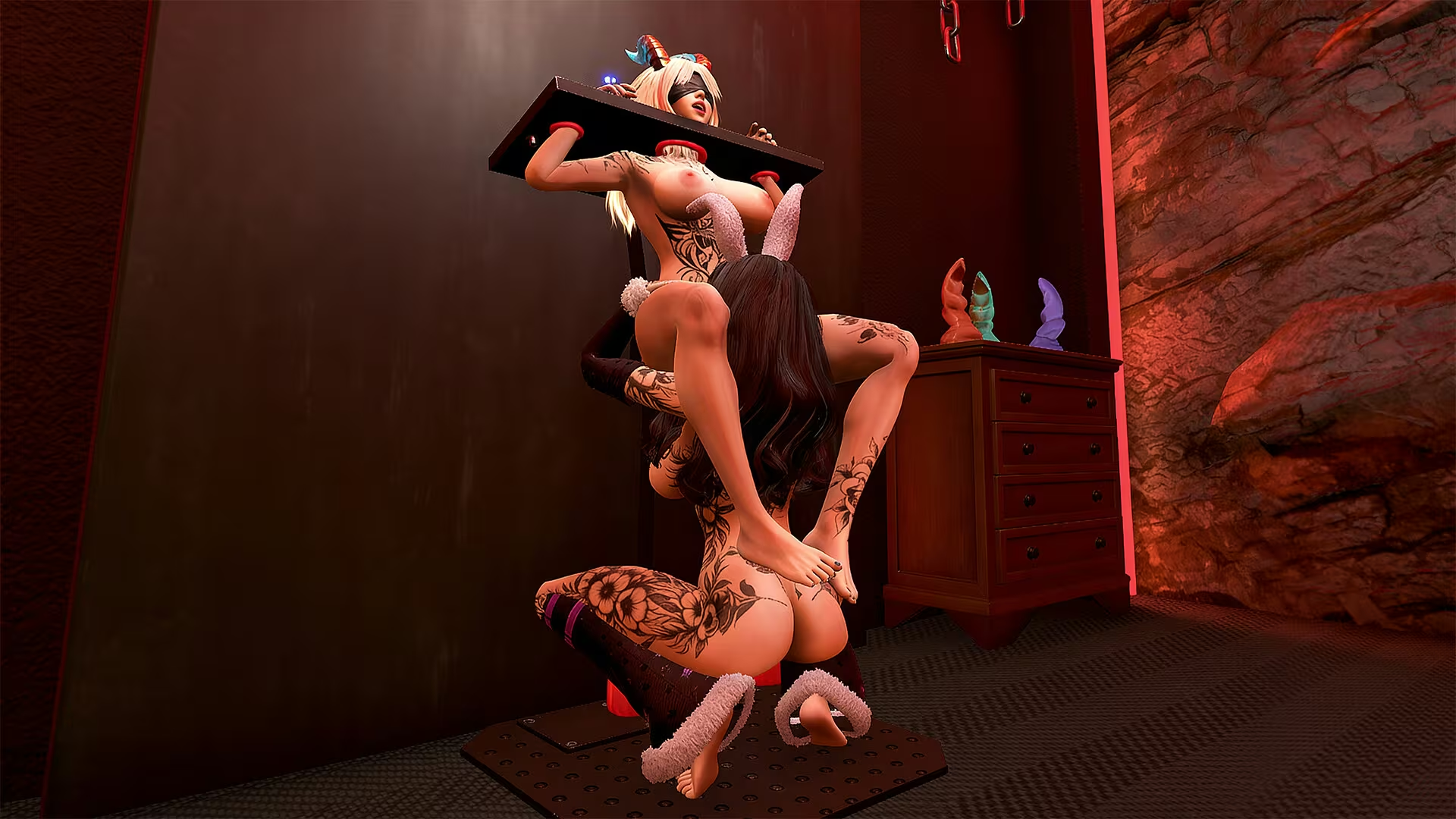
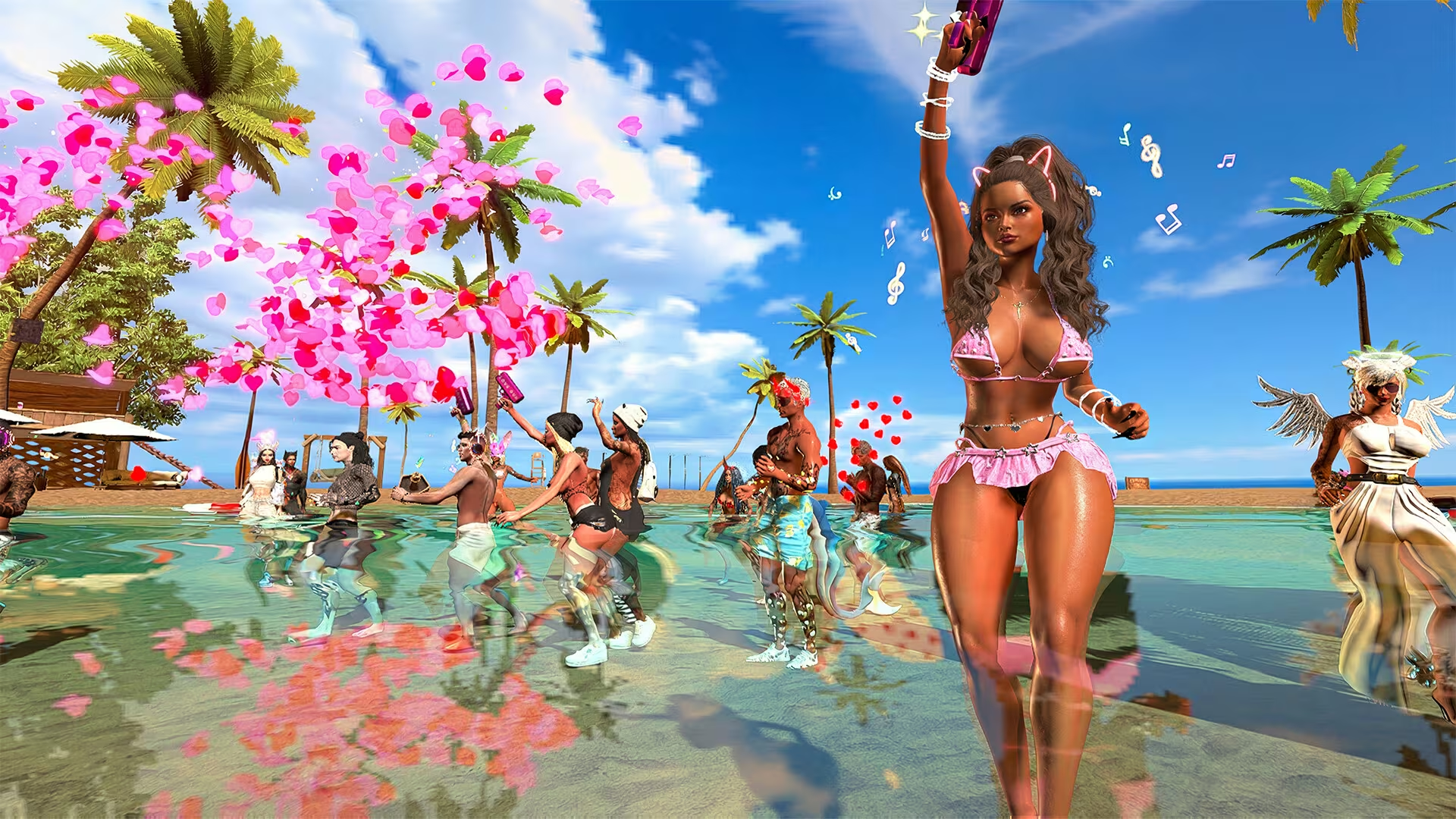
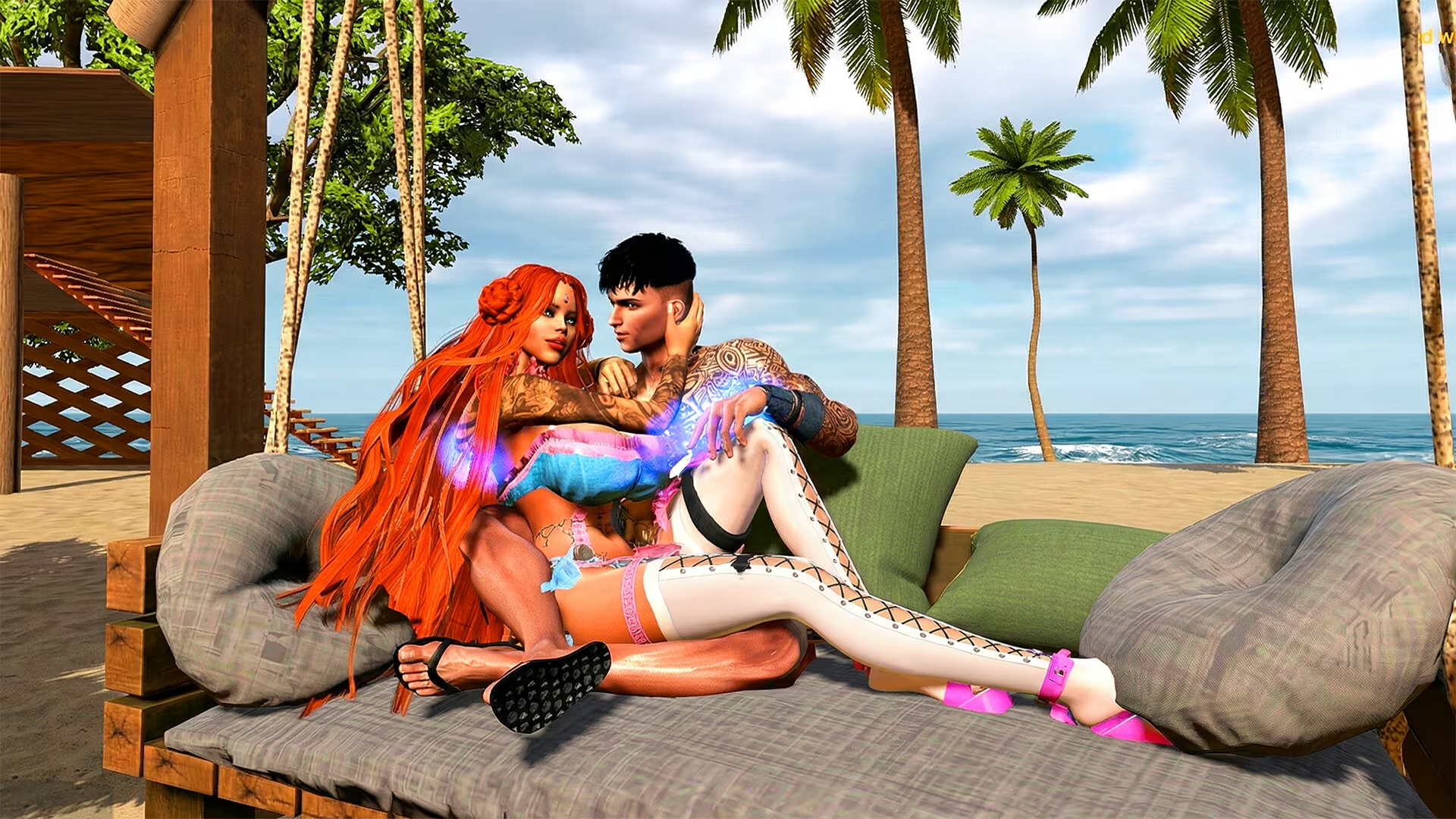
Welcome to LoveCraft - home to interesting people, hot parties, exploration and fulfilling relationships! Create your world, from a unique persona to your exciting adventures.

Global score

70/100

Genres

Casual, Massively Multiplayer, Simulator, Role-playing (RPG)

Similar games

    Pros

    • Strong community and social interaction
    • Extensive avatar and environment customization
    • Addictive and immersive social experience
    • Free-to-play with fair monetization
    • Regular updates and events

    Cons

    • Technical bugs and crashes reported
    • Performance issues on some systems
    • Limited gameplay depth beyond socializing
    • High prices for some cosmetic items
    • Occasional lag and server instability

    Analysis

    Less representative of its motivational profile, with noticeable differences. Motivations that often define this kind of title include Intimacy, Survival, Violence, Competition. Here, the score leans higher than usual among comparable games on Status, Leadership. It leans lower than usual among comparable games on Story.

    How to use the graph
    Similar games map

    Each dot is a game. They are arranged from the same motivation profile as in the “Motivations” section below. Closer dots usually mean more similar reasons to play (exploration, competition, relaxation, etc.)—not that one game is “better” than another.

    • Larger dot with a light outline: the game you are viewing.
    • Colour: groups of games with comparable motivation patterns (statistical clusters).
    • Hover a dot to see the game name; click to open its page.
    • Scroll or double-click the chart to zoom out and see more games.

    Why don’t the axes read like a score? This view uses t-SNE: it only keeps who is close to whom. The scales are not “good to bad” or hours played—they separate groups on the map. Read distance between dots, not the axis numbers.

    Motivations

    • Autonomy
      5

      "Players have extensive freedom to customize avatars, build environments, create events, and choose their social interactions without fixed goals."

    • Competence
      2

      "Some skill involved in building, event participation, and social navigation, but gameplay is mostly open-ended and social rather than skill-based challenges."

    • Competition
      -3

      "Focus is on socializing, personal expression, and community rather than competitive ranked modes or leaderboards."

    • Continuation
      4

      "Many players report addictive qualities, long play sessions, habitual socializing, and strong attachment to community and in-game friends."

    • Cooperation
      3

      "Players often join clans, collaborate in events, and help each other, though solo play is also common."

    • Creativity
      5

      "Strong emphasis on building, avatar customization, event creation, and personal expression."

    • Domination
      -4

      "Community described as friendly and supportive with shared decision-making; no evidence of dominance or power imposition."

    • Escapism
      5

      "Players use the game to escape real-life stress, explore identity, and find emotional relief."

    • Expectation
      -5

      "Engagement is voluntary and driven by personal desire and intrinsic interest rather than obligation."

    • Experimenting
      4

      "Players explore new social roles, avatar designs, and creative building; the game encourages trying new things."

    • Exploration
      3

      "Players explore various social hubs, maps, and environments, though the world is not vast or open-world style."

    • Expression
      5

      "High degree of avatar and environment customization supports self-expression."

    • Fantasy
      4

      "Game features imaginative, adult-themed social scenarios and avatar identities beyond realistic experiences."

    • Fellowship
      5

      "Strong community focus with friendships, clans, and social events forming a core part of the experience."

    • Growth
      3

      "Players develop social skills, creative building abilities, and personal expression over time."

    • Health
      -5

      "Primarily sedentary gameplay with no physical activity or health-related features."

    • Idle
      -3

      "Requires active social engagement and attention; not designed for passive or background play."

    • Intimacy
      4

      "Players form close social bonds, friendships, and emotional support networks within the community."

    • Leadership
      2

      "Some players lead clans or events, but many participate collaboratively without strong hierarchical roles."

    • Progression
      3

      "Players accumulate items, currency, and avatar upgrades, though no traditional leveling or power progression."

    • Relaxation
      4

      "Many players find the game calming, stress-relieving, and enjoyable for flow and relaxation."

    • Sensation
      3

      "Visuals, music, and social interactions provide sensory enjoyment and emotional fun."

    • Status
      2

      "Some social recognition through clans and cosmetic items, but not heavily focused on status or popularity."

    • Story
      -4

      "No structured narrative or plot; gameplay centers on emergent social interaction rather than story immersion."

    • Strategy
      -3

      "Minimal strategic or problem-solving gameplay; focus is on socializing and creativity."

    • Thrill
      1

      "Some excitement from social events and adult themes, but overall low suspense or risk."

    • Value
      3

      "Free-to-play with optional purchases; players feel they get good social and creative value for time invested."

    • Violence
      -5

      "No combat or destructive gameplay; emphasis on constructive social and creative activities."

    • Survival
      -5

      "No survival or threat mechanics; stable, low-risk social environment."

    Last update: 29/04/2026