Madrun Thumbnail

Madrun similar games & best alternatives

Madrun

PC (Microsoft Windows), Mac, Linux • 2020

Related articles

Quick resume

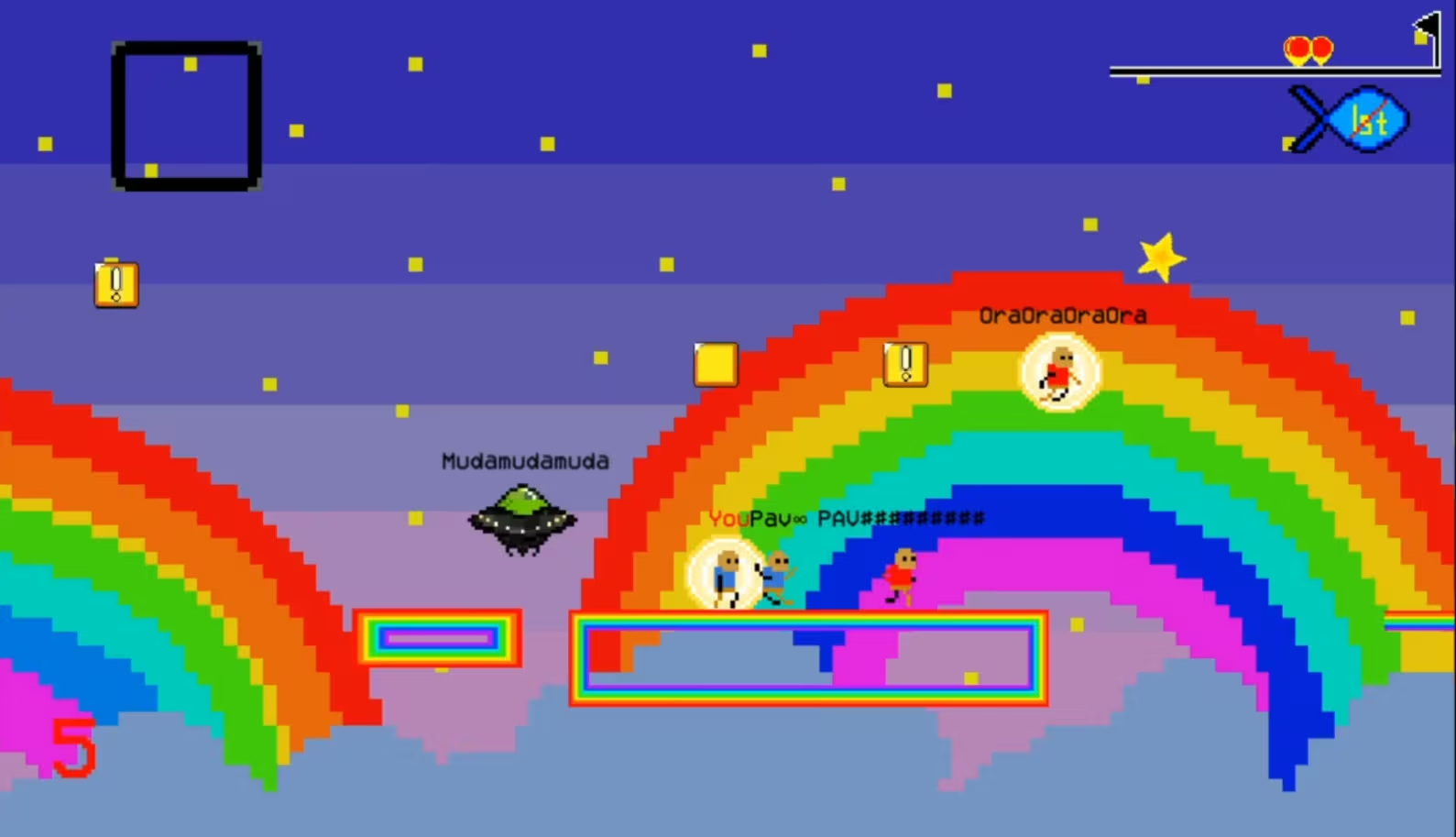
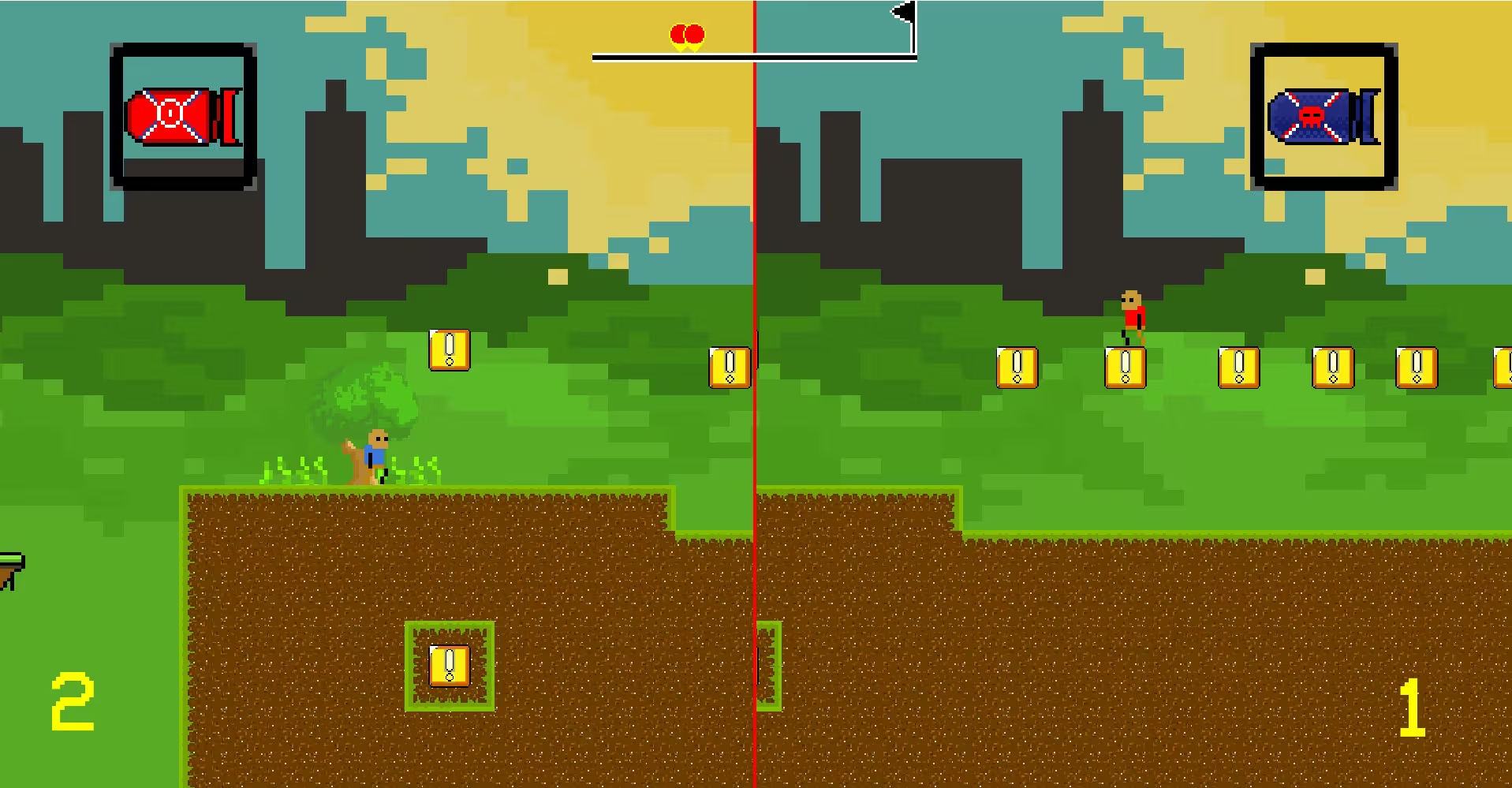
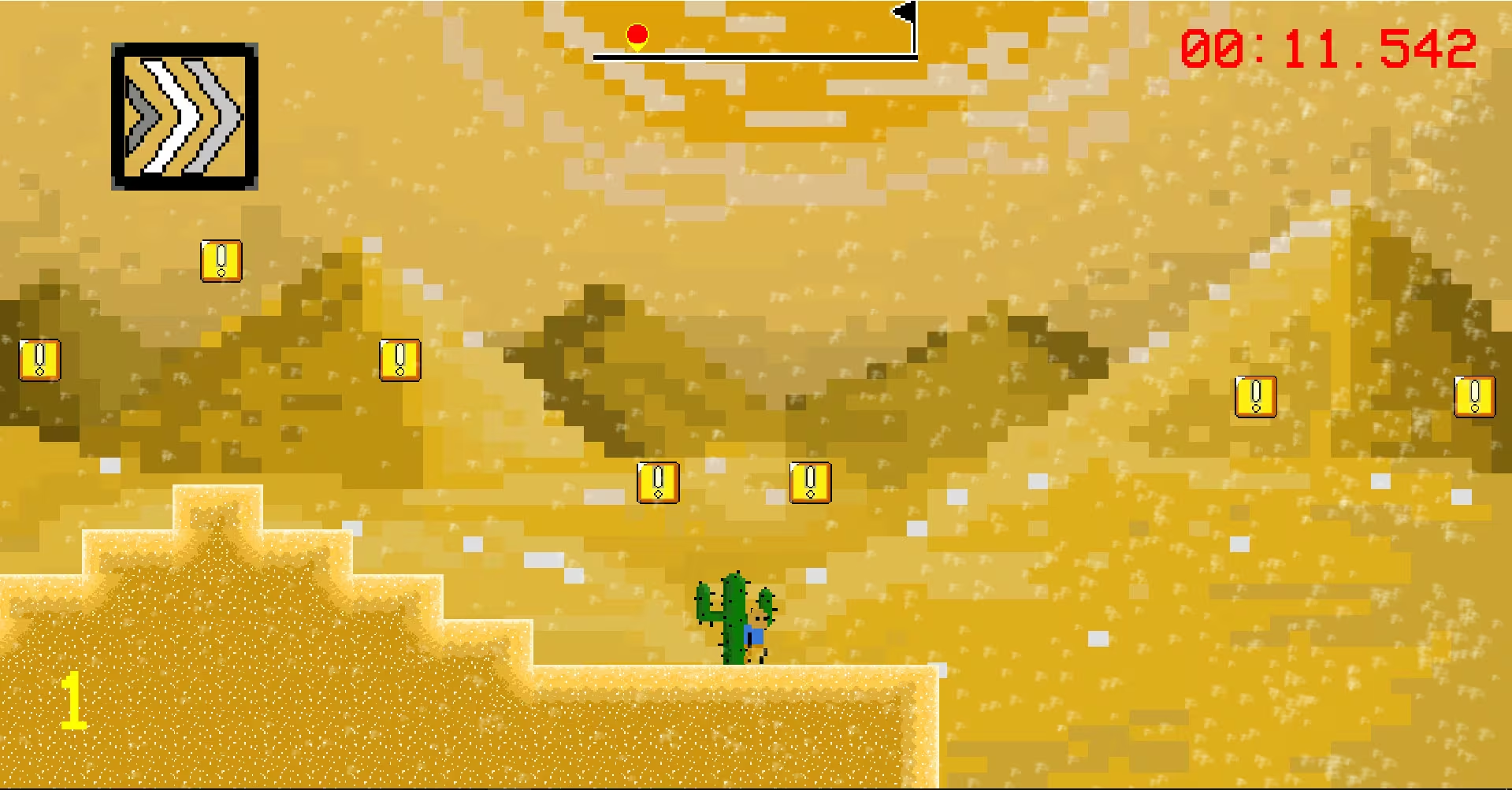
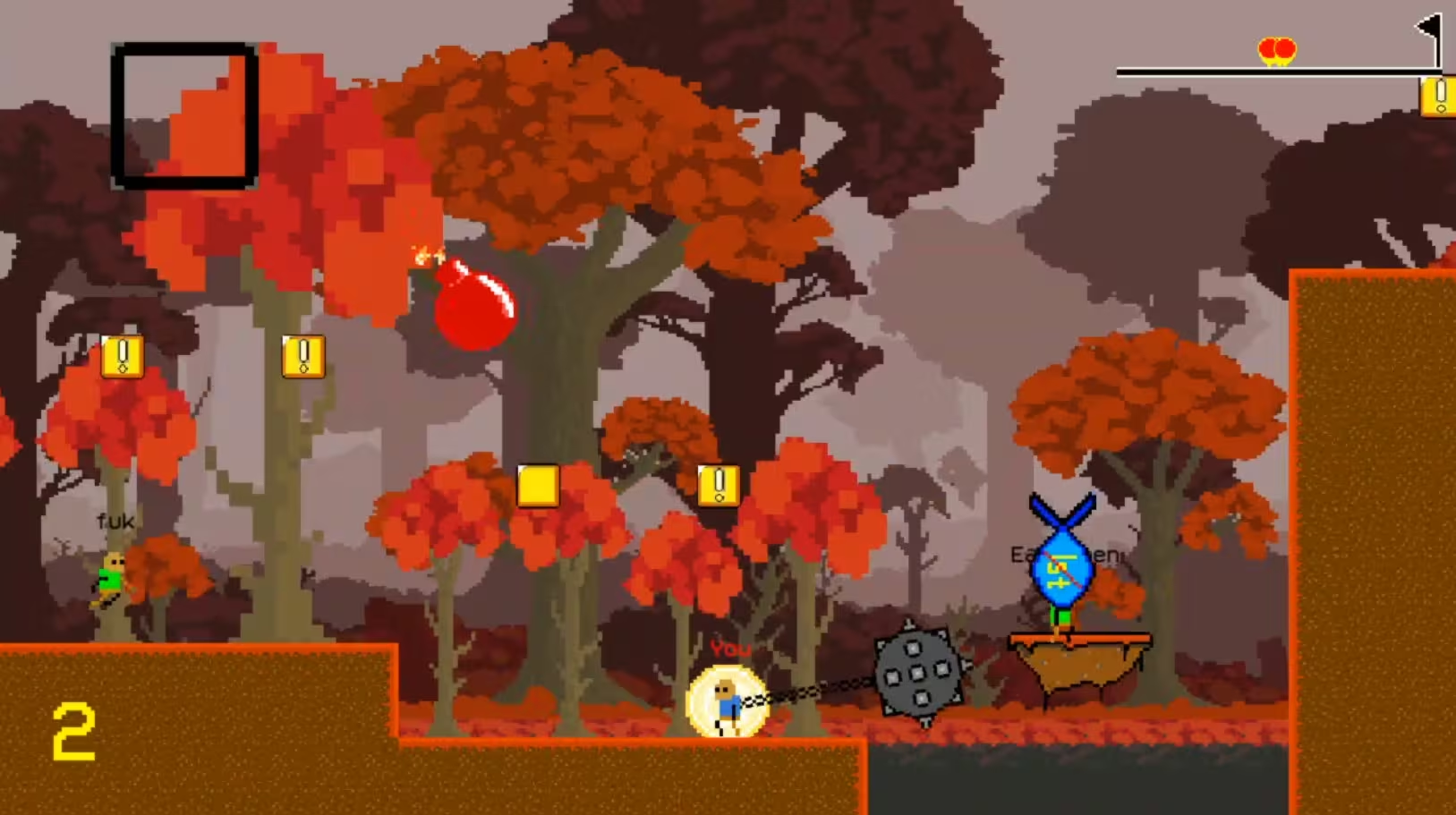
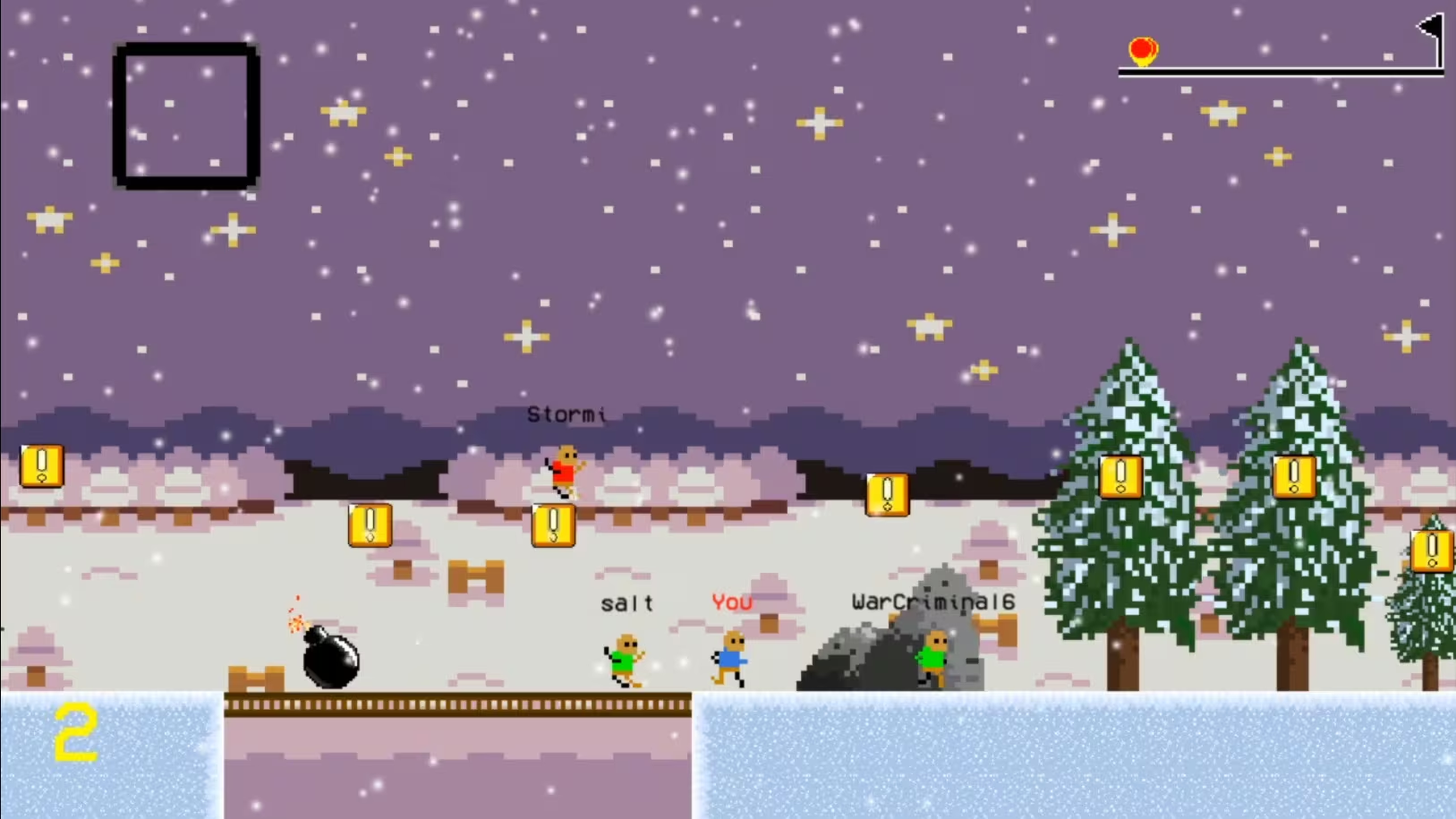
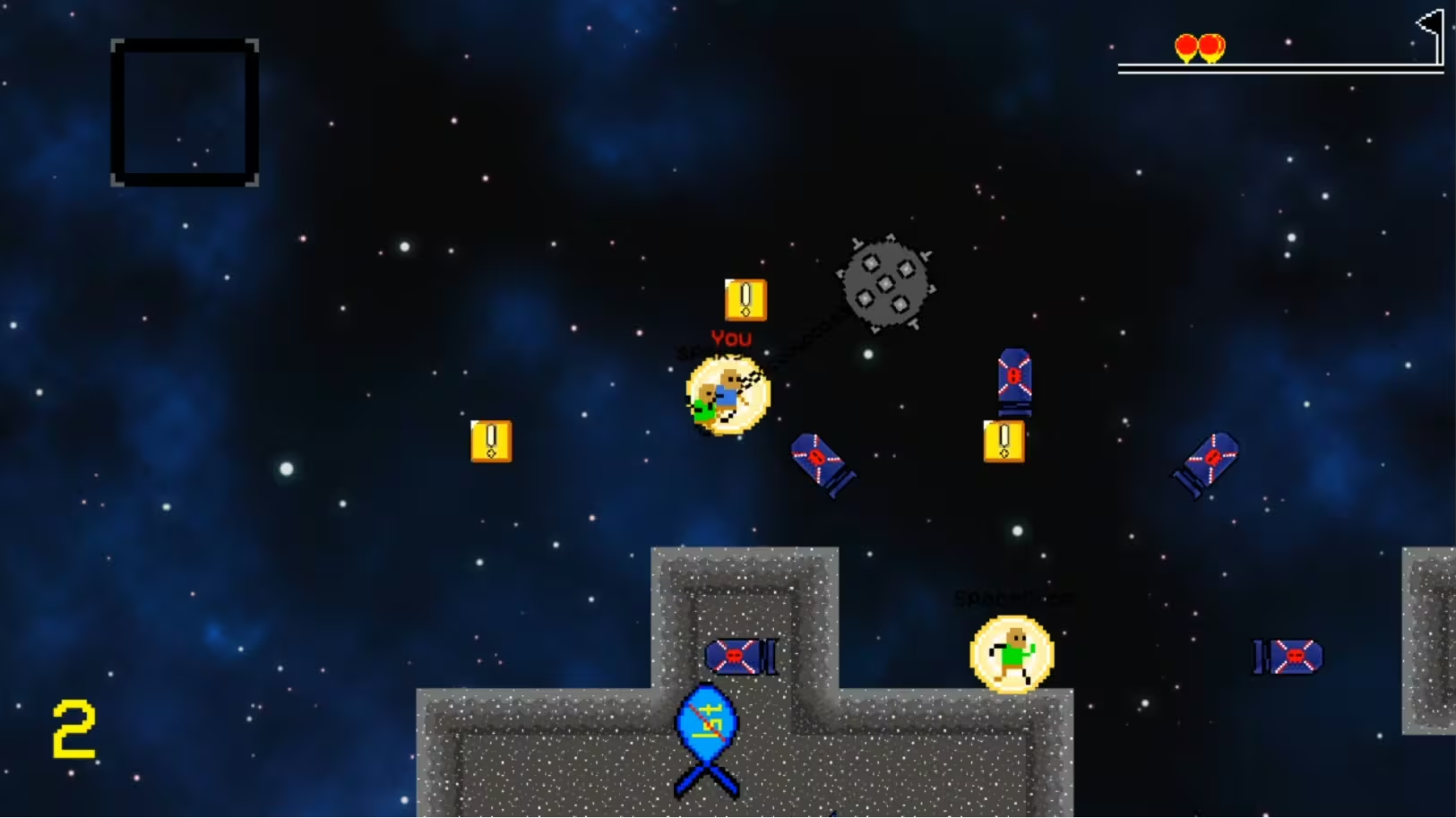
Race against up to 7 other players online and create catastrophic chaos with items beyond insanity. Breaking the tradition of single-player, story-based platformers. Interested? This is the brand new 2D platformer experience you want.

Global score

91/100

Genres

Action, Casual, Free To Play, Indie, Racing, Platform

Similar games

    Pros

    • Highly fun and chaotic multiplayer experience
    • Strong social and friendship bonding
    • Free to play and accessible
    • Innovative and well-designed levels
    • Engaging audiovisual presentation

    Cons

    • Frustrating and rage-inducing mechanics
    • Unbalanced power-ups (e.g. ufo, first place bomb)
    • Limited player base affecting matchmaking
    • Repetitive meta strategies and camping
    • No narrative or deep customization

    Analysis

    Less representative of its motivational profile, with noticeable differences. Motivations that often define this kind of title include Competition, Fellowship, Domination, Status. It leans lower than usual among comparable games on Cooperation, Expression, Creativity.

    How to use the graph
    Similar games map

    Each dot is a game. They are arranged from the same motivation profile as in the “Motivations” section below. Closer dots usually mean more similar reasons to play (exploration, competition, relaxation, etc.)—not that one game is “better” than another.

    • Larger dot with a light outline: the game you are viewing.
    • Colour: groups of games with comparable motivation patterns (statistical clusters).
    • Hover a dot to see the game name; click to open its page.
    • Scroll or double-click the chart to zoom out and see more games.

    Why don’t the axes read like a score? This view uses t-SNE: it only keeps who is close to whom. The scales are not “good to bad” or hours played—they separate groups on the map. Read distance between dots, not the axis numbers.

    Motivations

    • Autonomy
      3

      "Players have freedom to choose strategies and use power-ups in chaotic races, but meta strategies like camping boxes limit full autonomy."

    • Competence
      2

      "Game has a steep learning curve and requires skillful timing and strategy, though some randomness and power-up spam reduce skill dominance."

    • Competition
      5

      "Strong competitive focus with multiplayer races, leaderboards, and direct player-versus-player interaction."

    • Continuation
      4

      "Many players report habitual, repeated play sessions and strong attachment despite frustration."

    • Cooperation
      -3

      "Primarily competitive multiplayer with limited cooperation; some social play but focus on individual victory."

    • Creativity
      -2

      "Gameplay follows predefined race mechanics and power-ups; minimal player-driven creation or modification."

    • Domination
      4

      "Players exert control over others via power-ups and aggressive tactics, often frustrating friends."

    • Escapism
      4

      "Players use the game as a high-intensity distraction and emotional outlet, escaping real-life stress."

    • Expectation
      -4

      "Players engage voluntarily for fun and social interaction, not out of obligation or pressure."

    • Experimenting
      3

      "Players try different strategies and power-up uses, though meta strategies can limit novelty."

    • Exploration
      1

      "Some appreciation for level design and map variety, but focus is on racing rather than exploration."

    • Expression
      -3

      "Limited customization or personalization; standard characters and environments."

    • Fantasy
      2

      "Cartoonish, exaggerated power-ups and chaotic gameplay provide a light fantasy experience."

    • Fellowship
      4

      "Strong social component with friends playing together, shared experiences, and community bonding."

    • Growth
      2

      "Players develop skills and strategies over time, though randomness limits consistent mastery."

    • Health
      -5

      "Sedentary gameplay with no physical activity involved."

    • Idle
      -4

      "Requires continuous attention and active engagement during fast-paced races."

    • Intimacy
      2

      "Social interactions with friends create some emotional bonds, though mostly competitive."

    • Leadership
      -3

      "No clear leadership roles; players compete individually without group management."

    • Progression
      3

      "Progression through unlocking levels and power-ups, though no deep item collection or upgrades."

    • Relaxation
      -4

      "Gameplay is intense, chaotic, and often frustrating rather than relaxing."

    • Sensation
      4

      "Engaging audiovisuals and chaotic effects provide strong sensory stimulation and excitement."

    • Status
      3

      "Competitive multiplayer and leaderboards offer social recognition and status among peers."

    • Story
      -5

      "No narrative or story elements; gameplay is context-free racing."

    • Strategy
      3

      "Requires planning and tactical use of power-ups and positioning, despite randomness."

    • Thrill
      5

      "High suspense and tension from chaotic races and unpredictable power-ups."

    • Value
      5

      "Free to play with high entertainment value and social enjoyment."

    • Violence
      4

      "Enjoyment of combat-like power-ups and destructive effects against opponents."

    • Survival
      3

      "Players strive to avoid elimination and maintain lead under threat from attacks."

    Last update: 29/04/2026