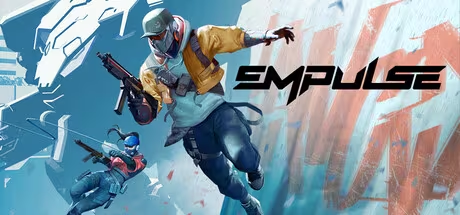
Out of Action Thumbnail

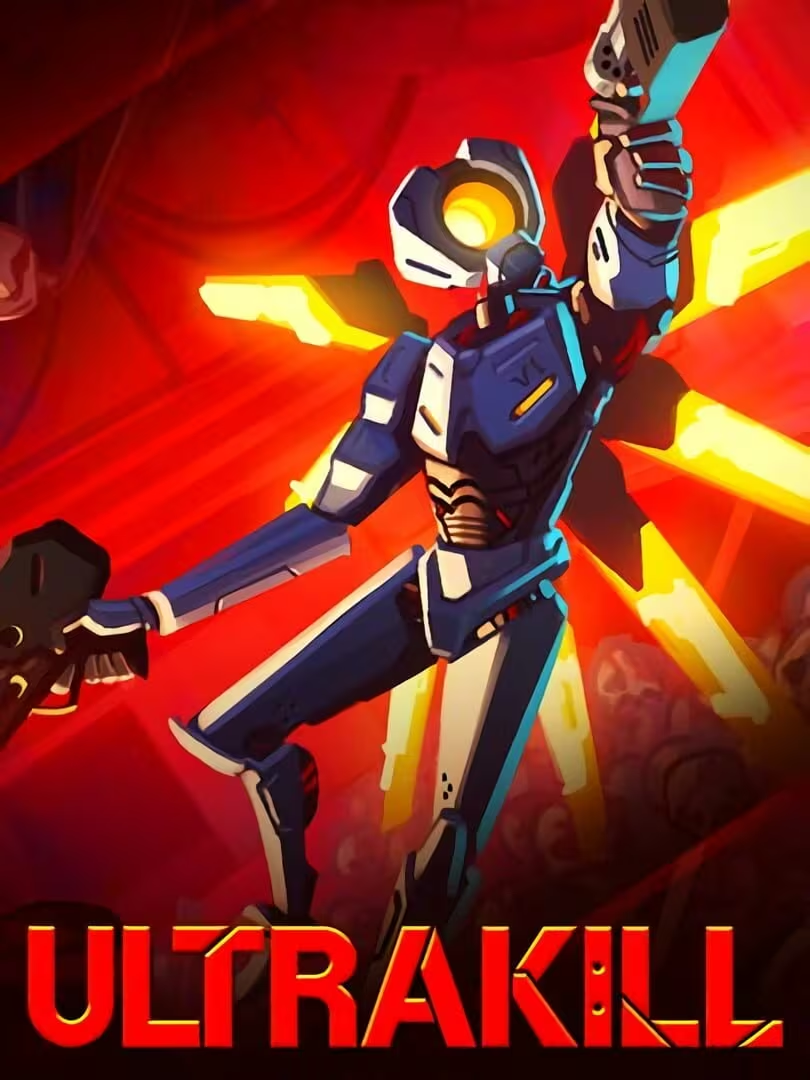
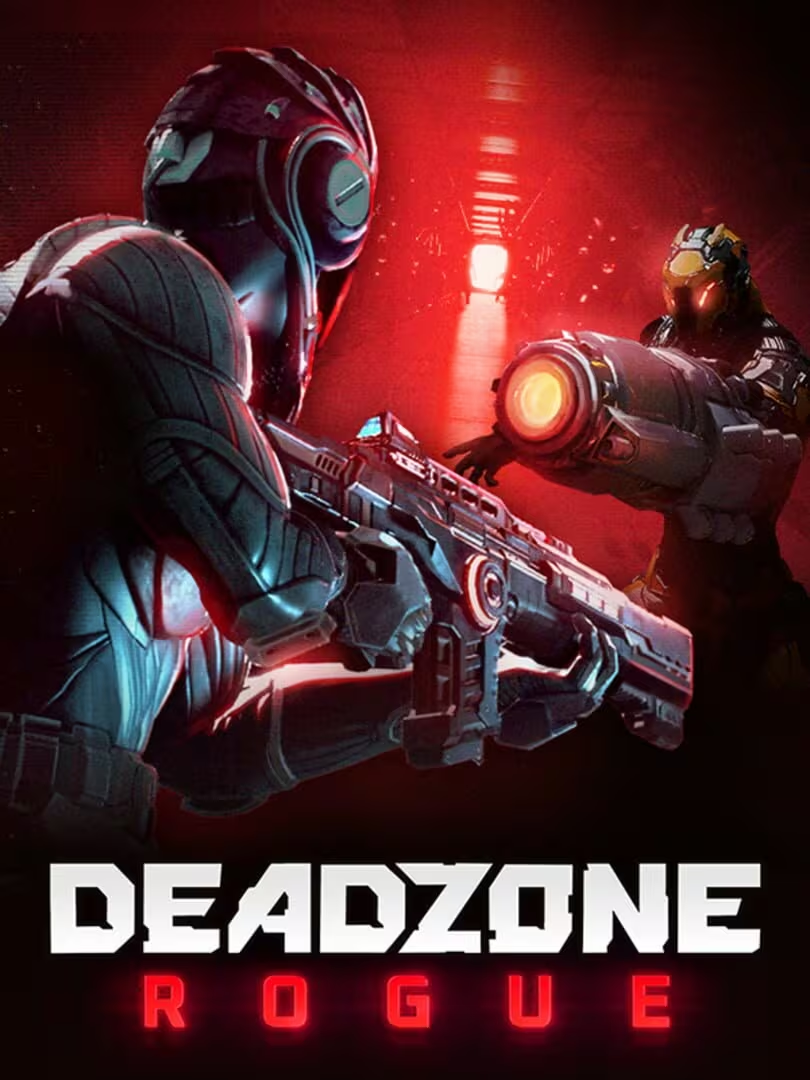
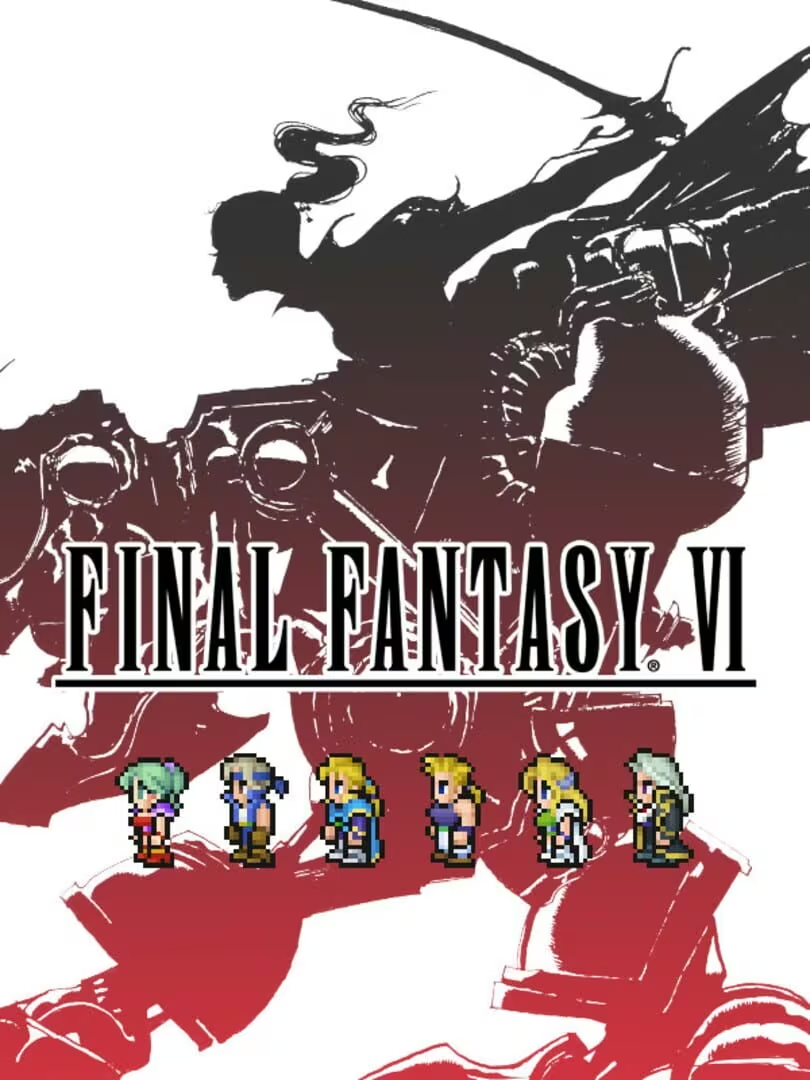
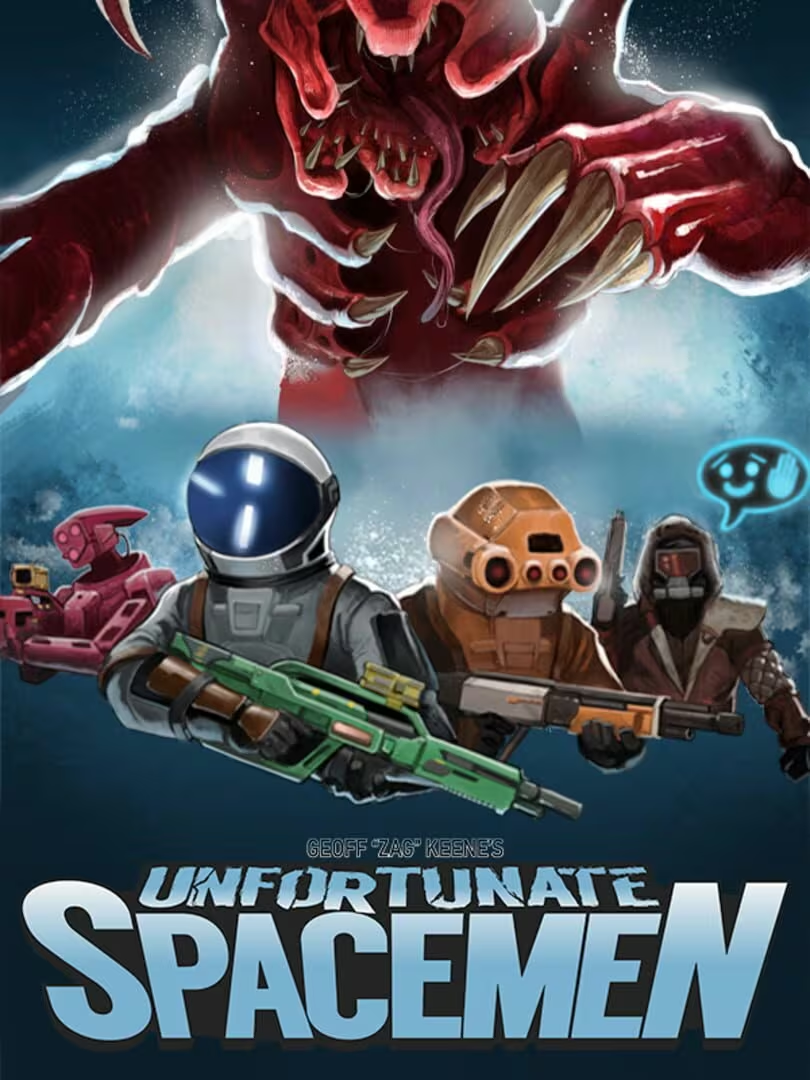
Out of Action similar games & best alternatives
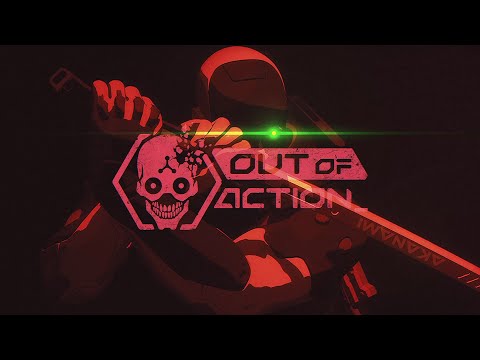
Out of Action

PC (Microsoft Windows) • 2026

Related articles

Quick resume

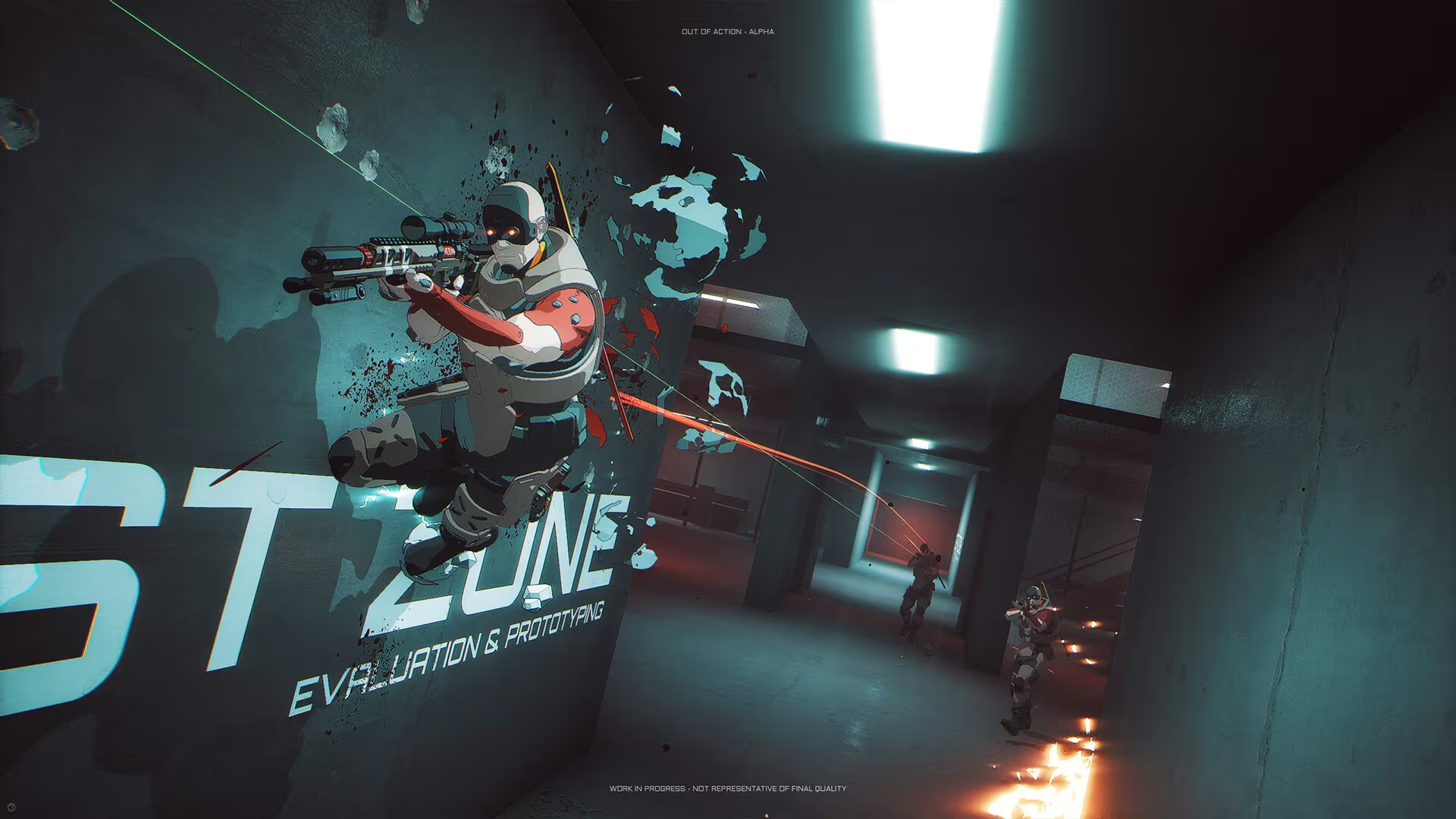
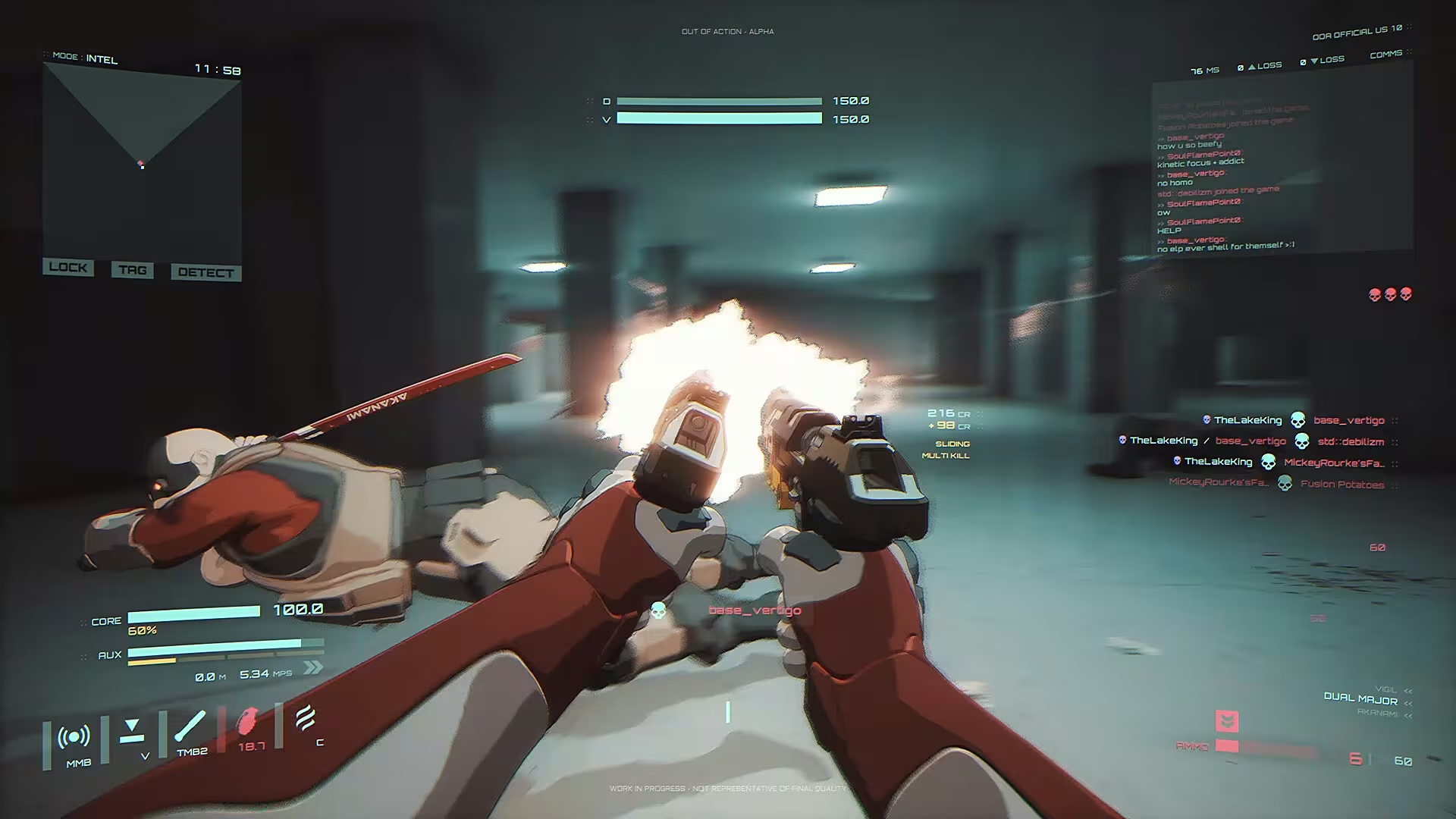
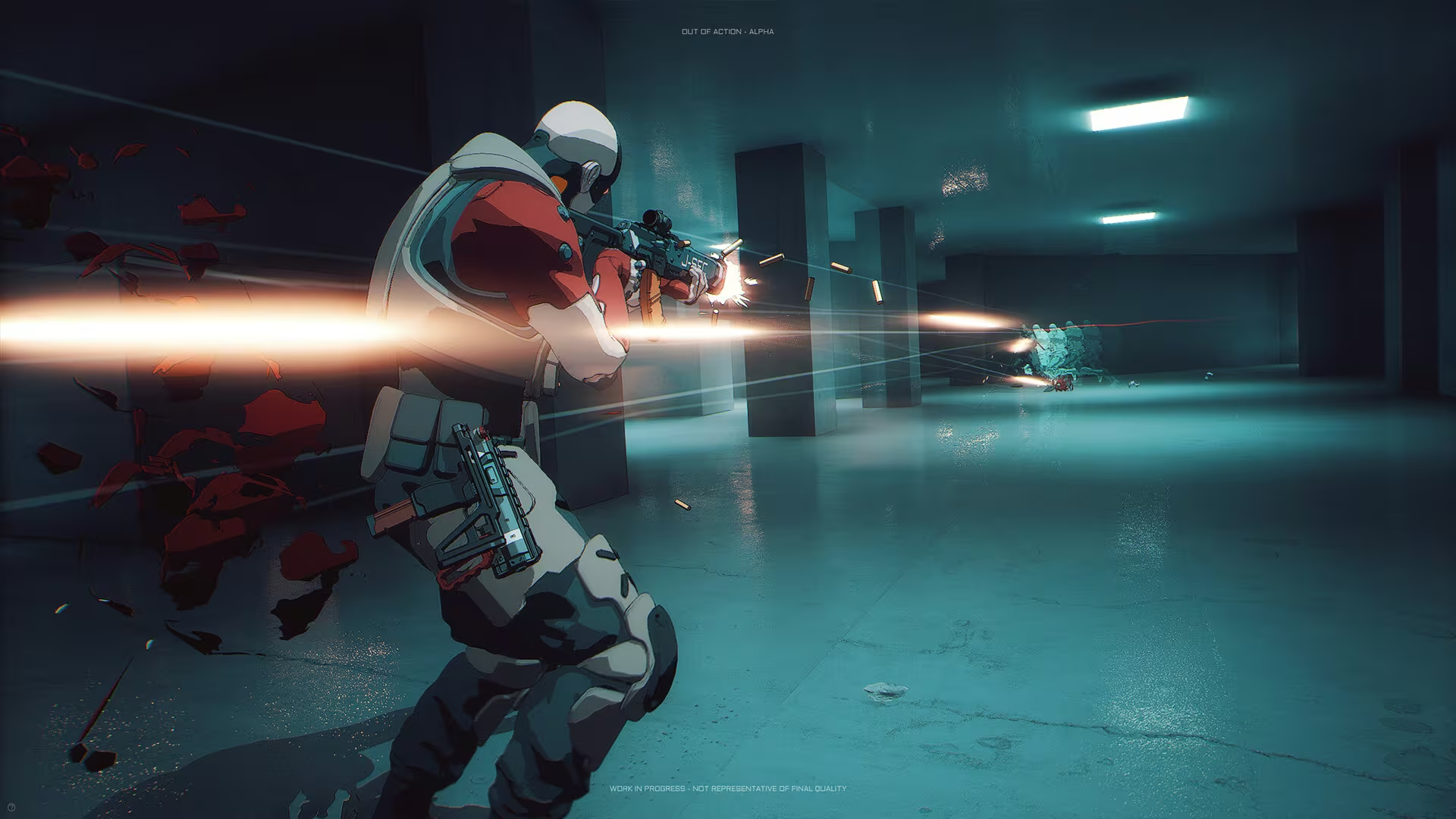
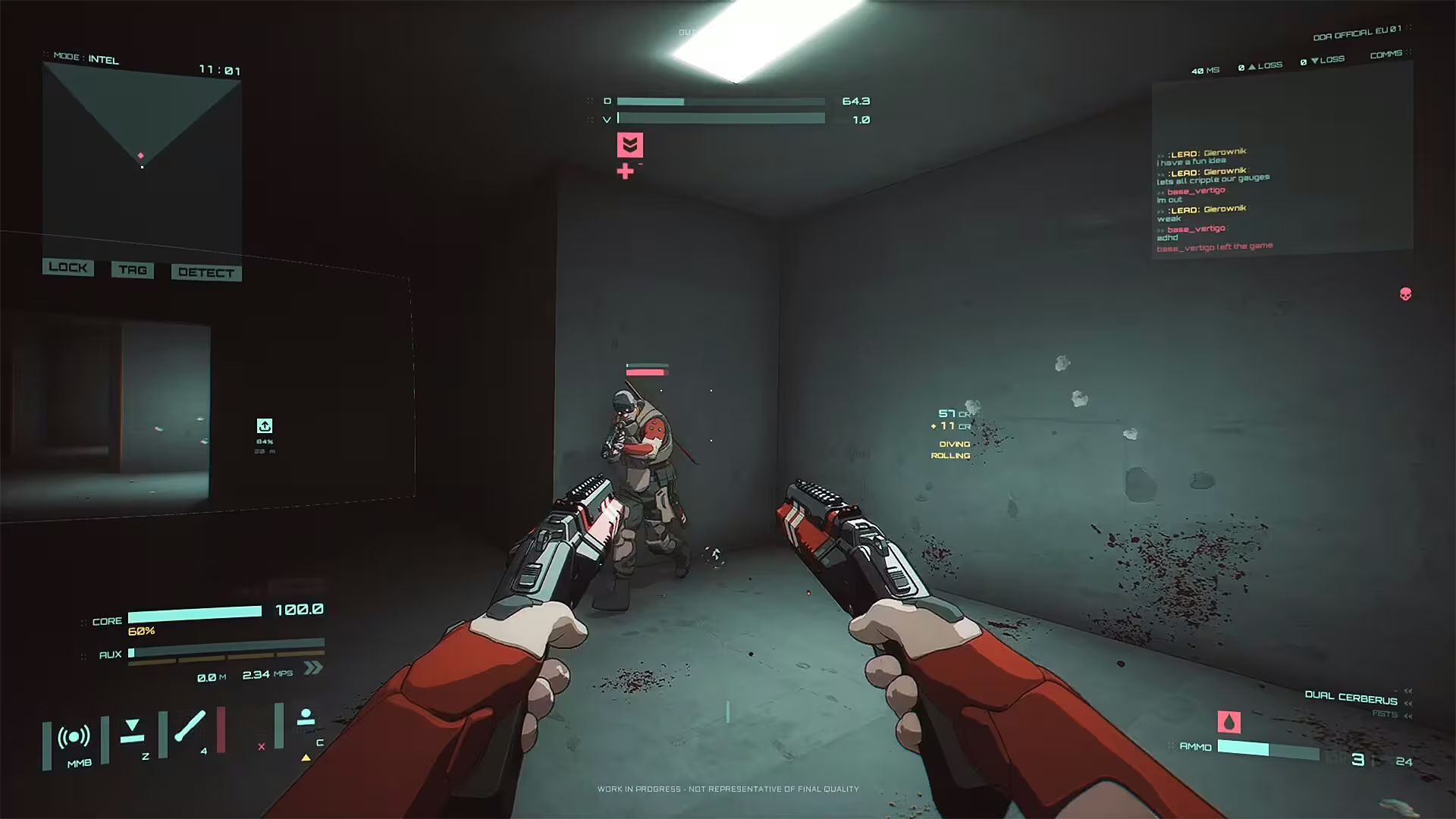
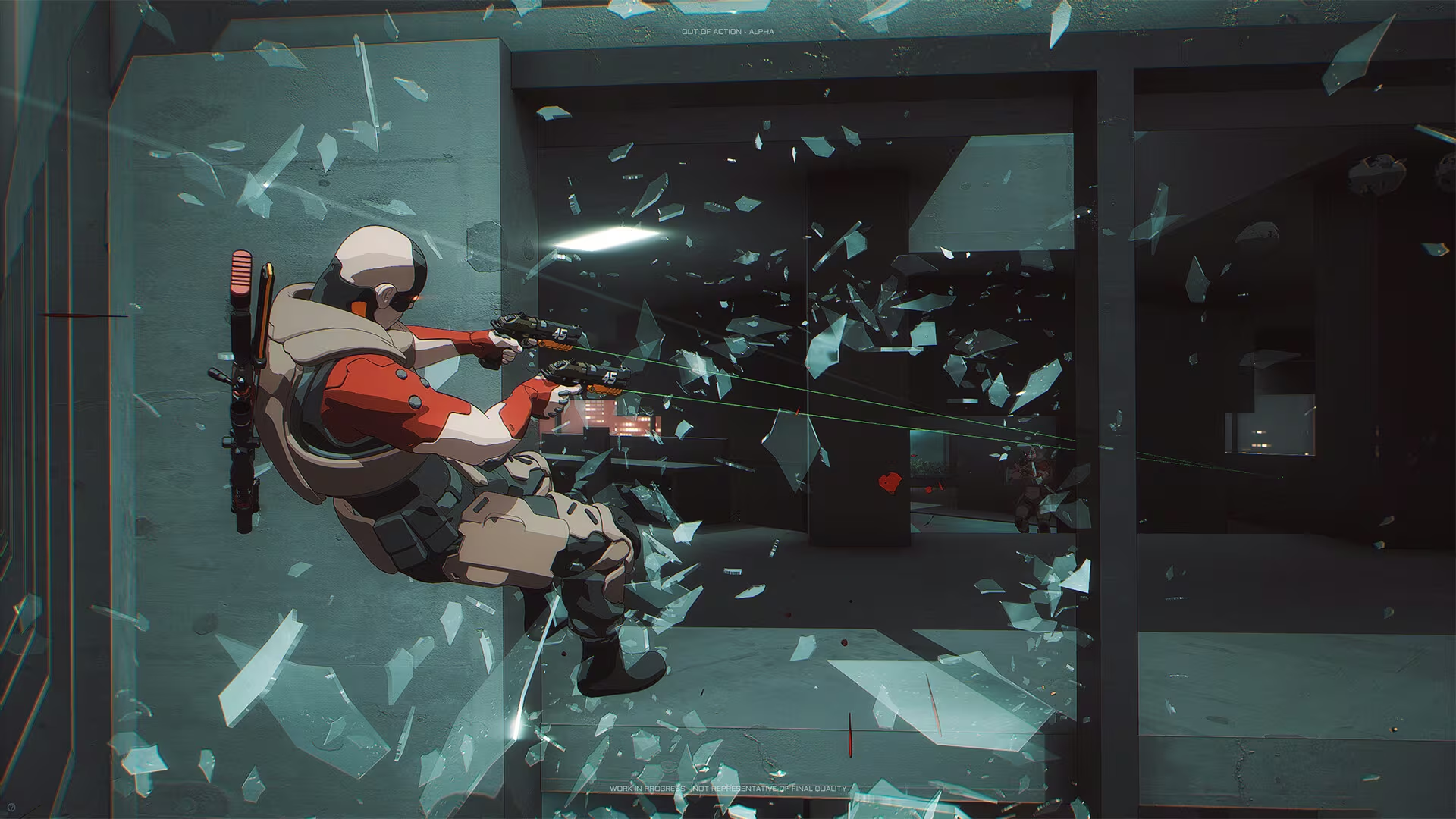
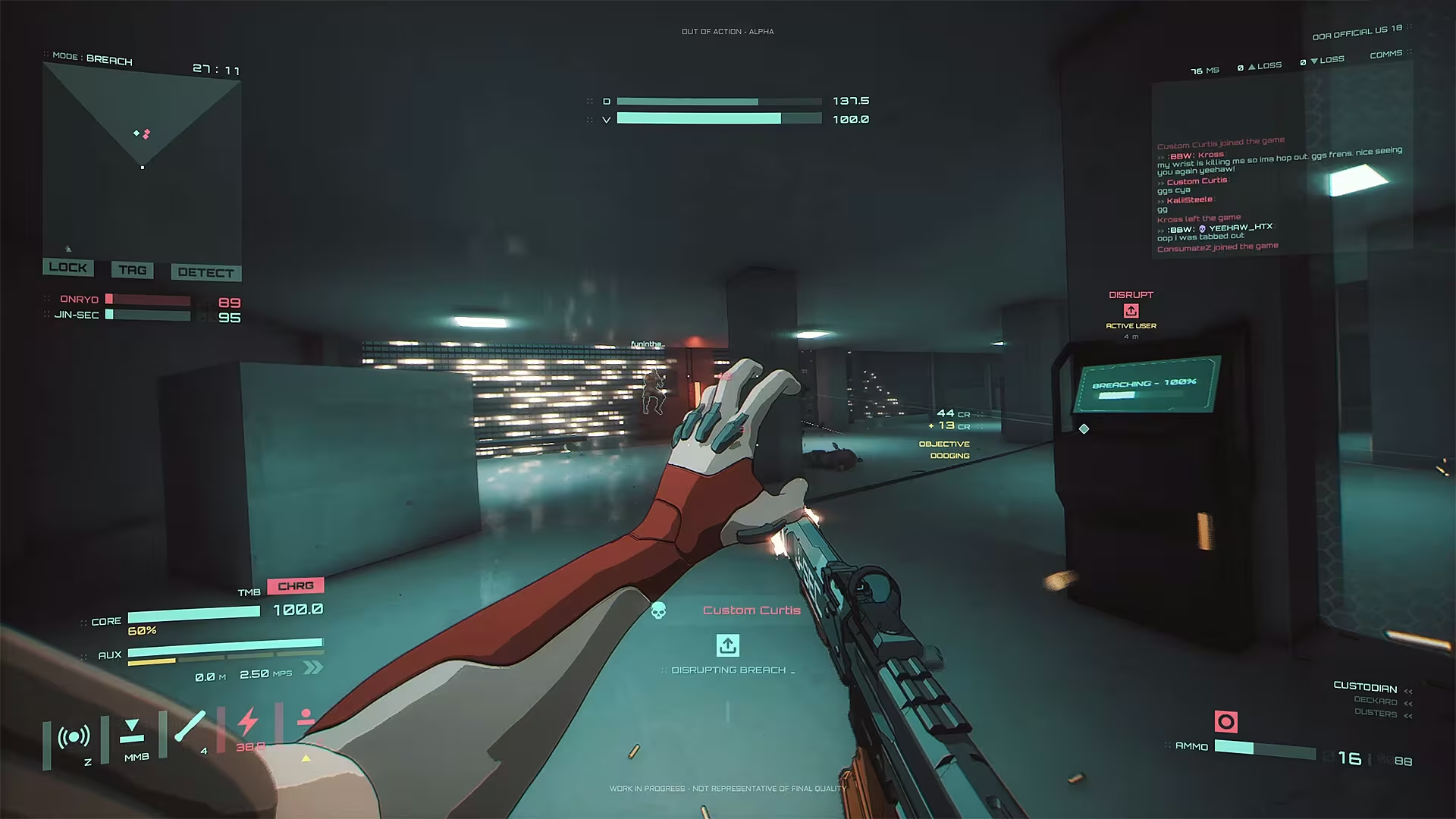
Action-packed PVP FPS, deep progression, replayable offline mode, and a unique dark anime aesthetic set in a brutal cyberpunk universe.

Global score

80/100

Genres

Action, Indie, Early Access

Similar games

    Pros

    • Deep and rewarding skill-based gameplay
    • Extensive build customization and experimentation
    • Fluid and satisfying movement mechanics
    • Strong community support and developer engagement
    • Unique cyberpunk aesthetic and style

    Cons

    • Steep learning curve and lack of tutorial onboarding
    • Limited map variety and game modes in early access
    • New players can be overwhelmed by veterans
    • Some ui complexity and information overload
    • Early access content incompleteness

    Analysis

    Less representative of its motivational profile, with noticeable differences. Motivations that often define this kind of title include Competition, Status, Story, Expression. Here, the score leans higher than usual among comparable games on Violence, Cooperation. It leans lower than usual among comparable games on Relaxation.

    How to use the graph
    Similar games map

    Each dot is a game. They are arranged from the same motivation profile as in the “Motivations” section below. Closer dots usually mean more similar reasons to play (exploration, competition, relaxation, etc.)—not that one game is “better” than another.

    • Larger dot with a light outline: the game you are viewing.
    • Colour: groups of games with comparable motivation patterns (statistical clusters).
    • Hover a dot to see the game name; click to open its page.
    • Scroll or double-click the chart to zoom out and see more games.

    Why don’t the axes read like a score? This view uses t-SNE: it only keeps who is close to whom. The scales are not “good to bad” or hours played—they separate groups on the map. Read distance between dots, not the axis numbers.

    Motivations

    • Autonomy
      5

      "Players have extensive freedom to customize builds, playstyles, and movement, enabling personal expression and control over gameplay."

    • Competence
      5

      "High skill ceiling with complex mechanics and rewarding mastery; players improve through learning and overcoming challenges."

    • Competition
      4

      "Strong emphasis on PvP with leaderboards and skill-based matchmaking via server choice; competitive but no formal ranked mode."

    • Continuation
      4

      "Players invest many hours to climb skill curve and experiment with builds; game encourages long-term engagement."

    • Cooperation
      1

      "Some team-based modes exist and players cooperate, but much focus is on individual skill and loadout optimization."

    • Creativity
      5

      "Extensive build crafting and loadout customization allow players to create unique playstyles and experiment."

    • Domination
      -2

      "Community described as helpful and supportive; while competitive, interactions emphasize mutual respect over dominance."

    • Escapism
      4

      "Players use the game as a challenging distraction with immersive cyberpunk aesthetics and deep gameplay."

    • Expectation
      -4

      "Players engage voluntarily driven by intrinsic interest and passion for skill-based shooters, not obligation."

    • Experimenting
      5

      "Game encourages trying new builds, movement techniques, and strategies; experimentation is core to progression."

    • Exploration
      -1

      "Limited map variety currently; focus is more on mastering mechanics than discovering new environments."

    • Expression
      4

      "Customization of characters and builds supports self-expression; cosmetics planned but limited in early access."

    • Fantasy
      4

      "Cyberpunk setting with futuristic weapons and abilities offers imaginative, non-realistic experience."

    • Fellowship
      2

      "Active community and developer engagement foster a sense of belonging, though gameplay is often individual-focused."

    • Growth
      5

      "Steep learning curve and complex systems promote continuous skill development and knowledge acquisition."

    • Health
      -5

      "Typical sedentary FPS gameplay with no physical activity elements."

    • Idle
      -3

      "Requires focused attention and continuous engagement due to fast-paced, skill-demanding gameplay."

    • Intimacy
      -3

      "Social interactions are mostly surface-level within multiplayer and community chats; limited emotional sharing."

    • Leadership
      -2

      "No strong evidence of leadership roles; players mostly participate as equals in team modes."

    • Progression
      5

      "Robust progression system with unlockable skills, weapons, and builds encourages accumulation and advancement."

    • Relaxation
      -3

      "Fast-paced, challenging gameplay creates tension rather than relaxation or flow states."

    • Sensation
      4

      "Visually stylish cyberpunk aesthetic and satisfying gunplay provide strong sensory and emotional stimulation."

    • Status
      3

      "Leaderboards and community recognition provide social status incentives for skilled players."

    • Story
      -4

      "Minimal narrative or lore engagement; gameplay focuses on multiplayer matches without strong story context."

    • Strategy
      4

      "Complex build crafting and tactical movement require planning and problem solving."

    • Thrill
      4

      "High stakes PvP and fast-paced combat generate suspense and excitement."

    • Value
      4

      "Players perceive strong value for price due to depth, polish, and ongoing development by solo dev."

    • Violence
      3

      "Combat and destruction are central to gameplay with gunplay and melee violence emphasized."

    • Survival
      3

      "Players must avoid death and manage resources like movement energy to survive in combat."

    Last update: 29/04/2026