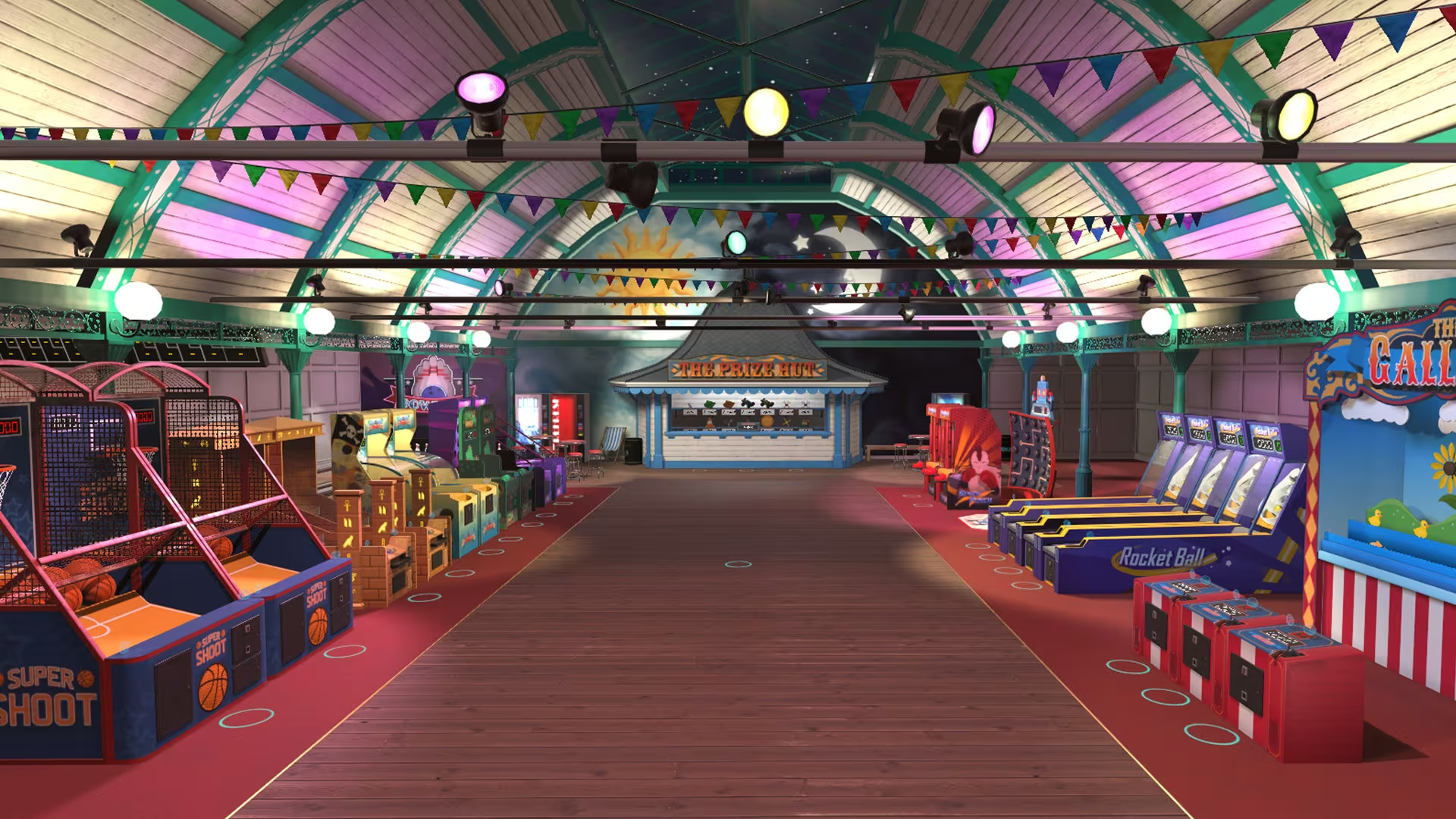
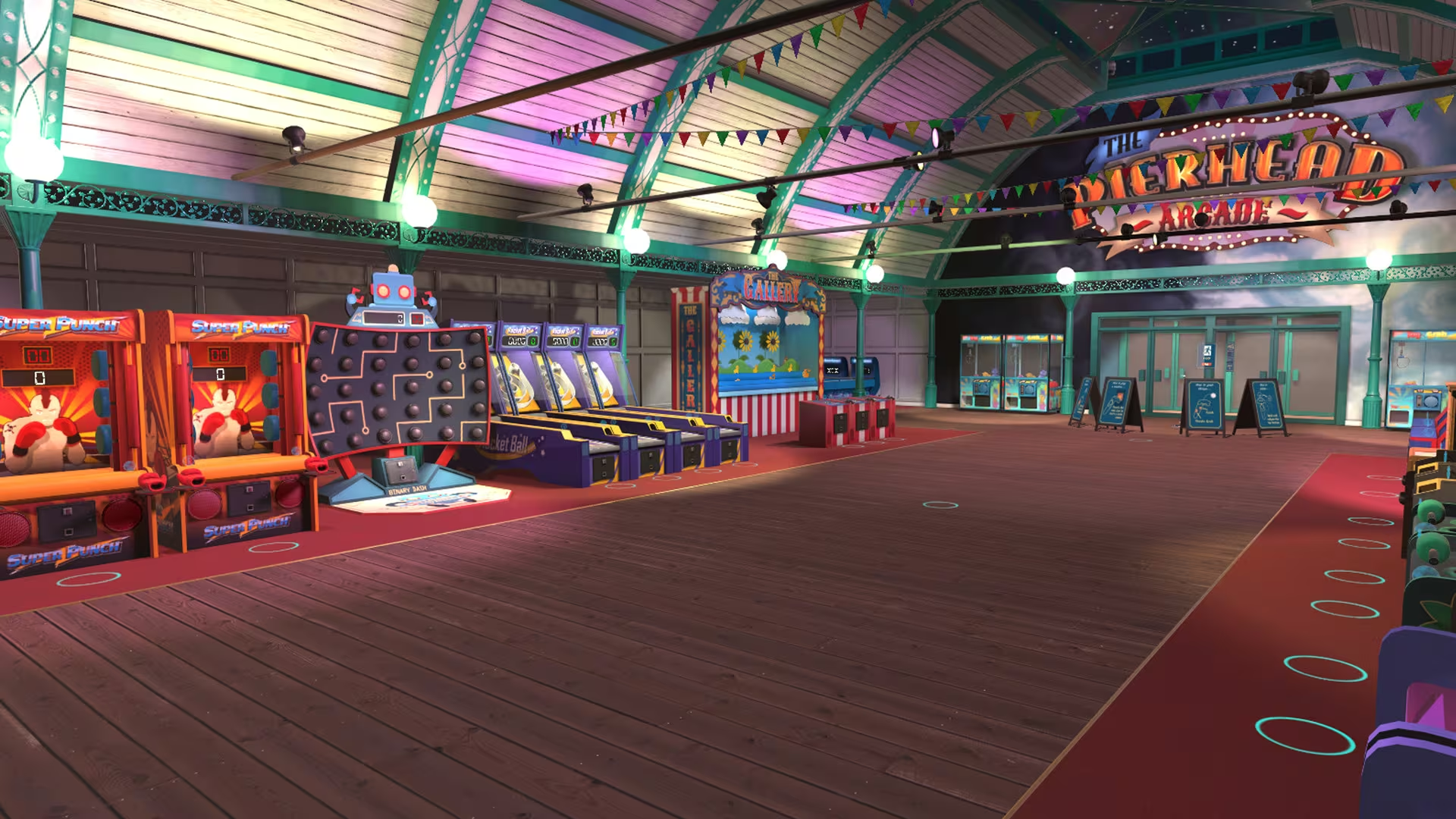
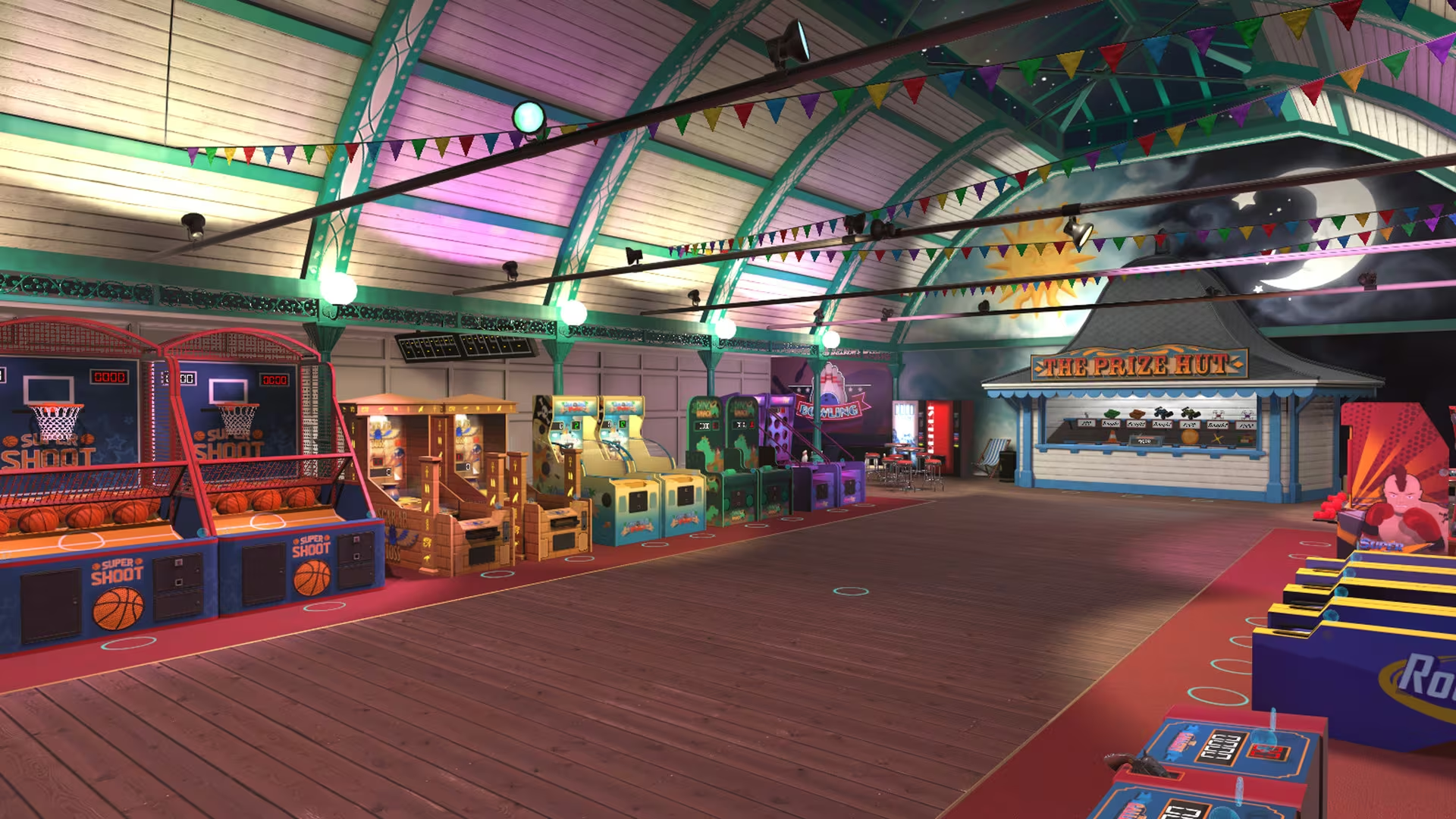
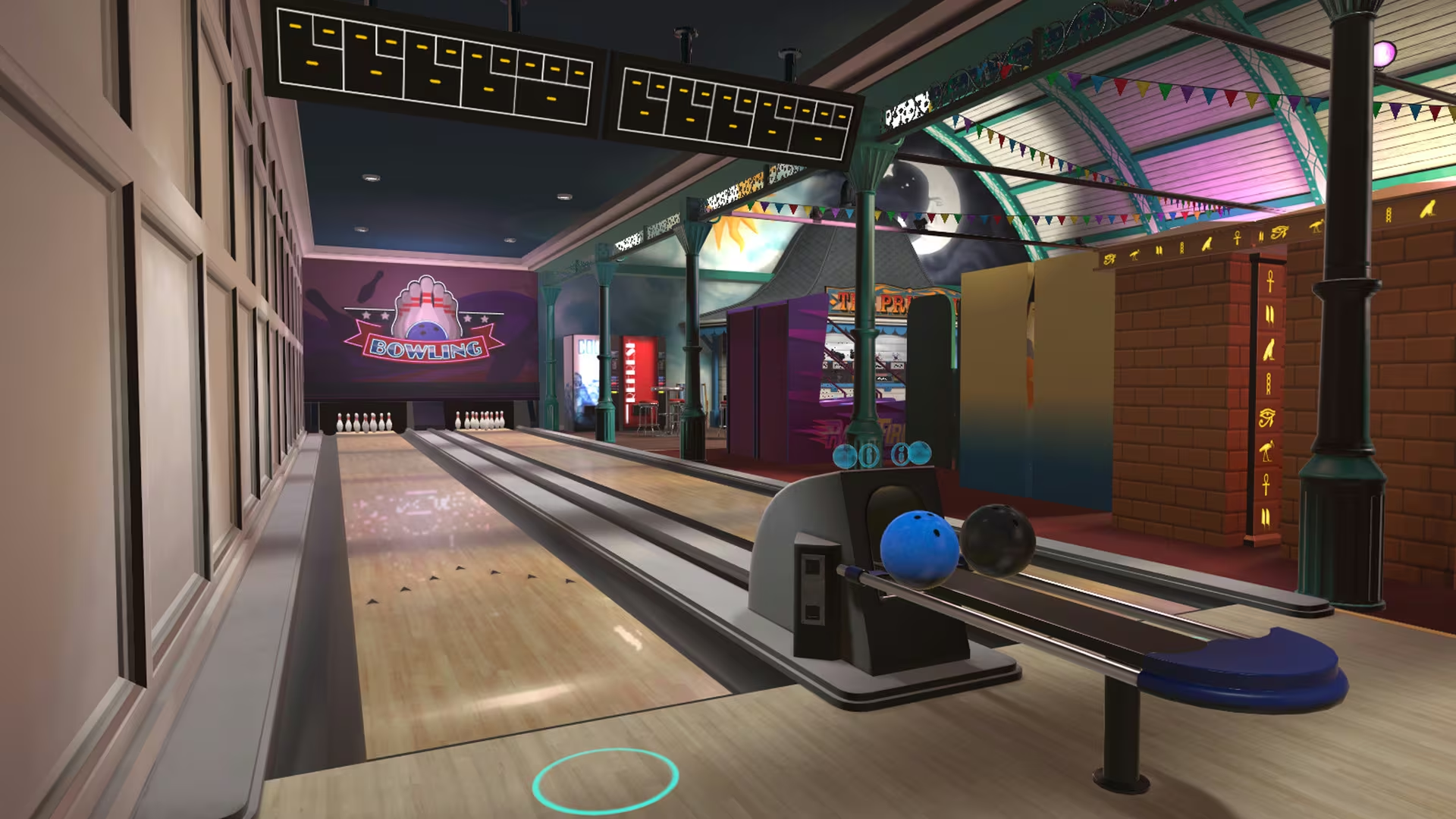
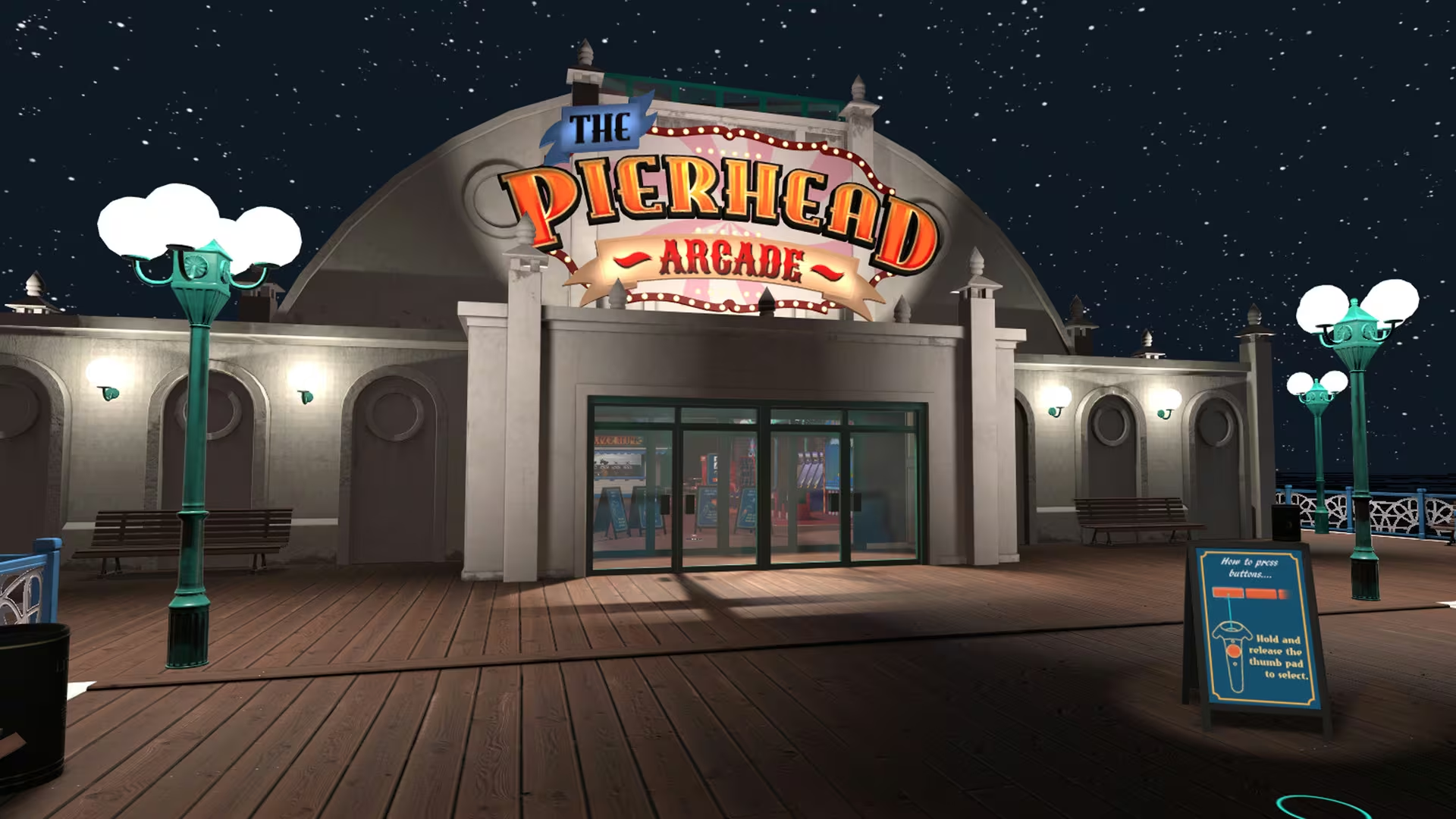
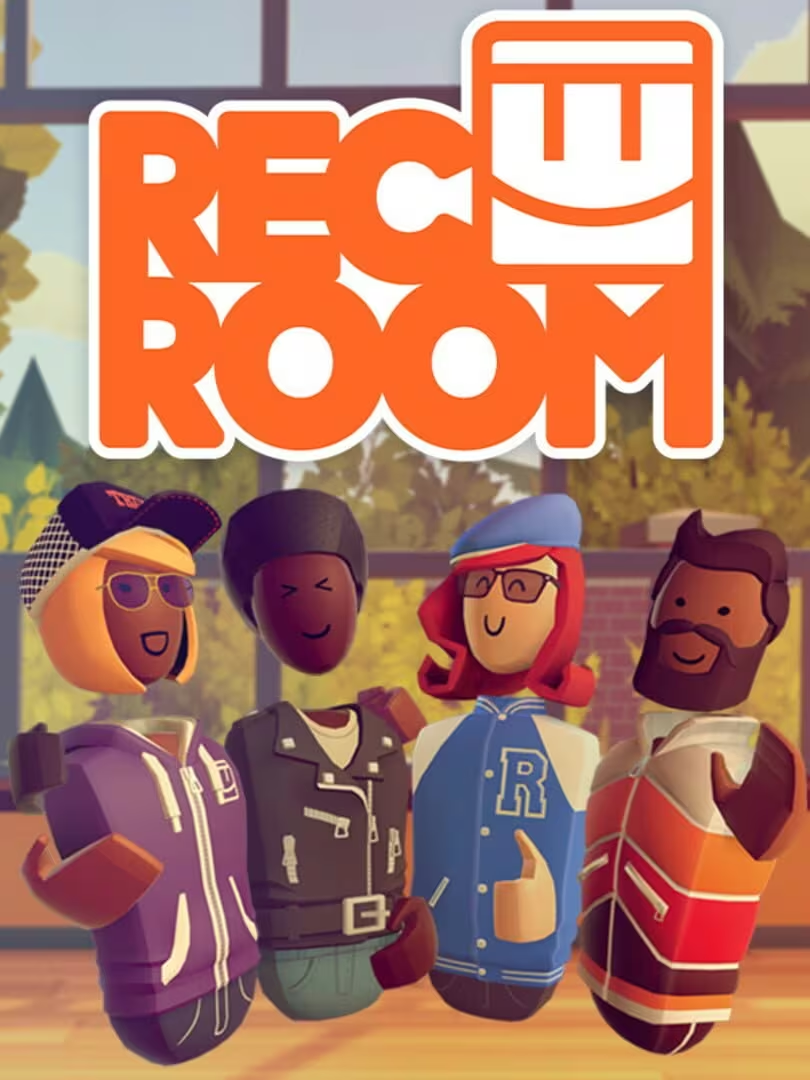
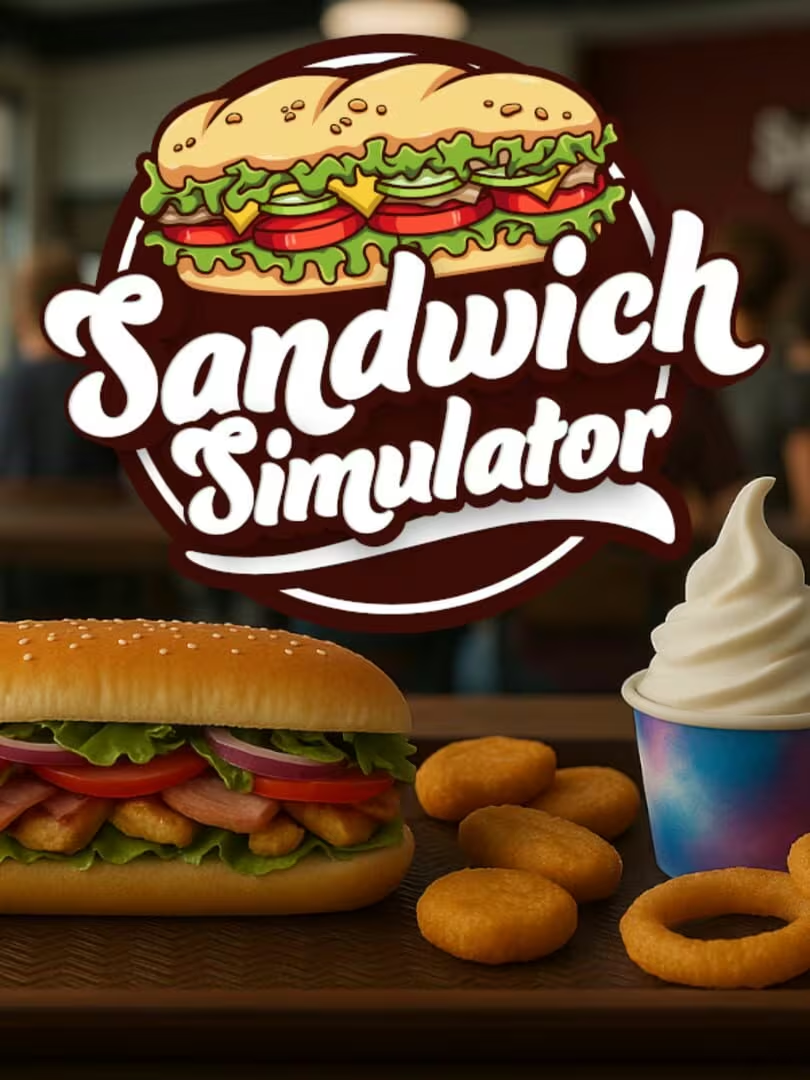
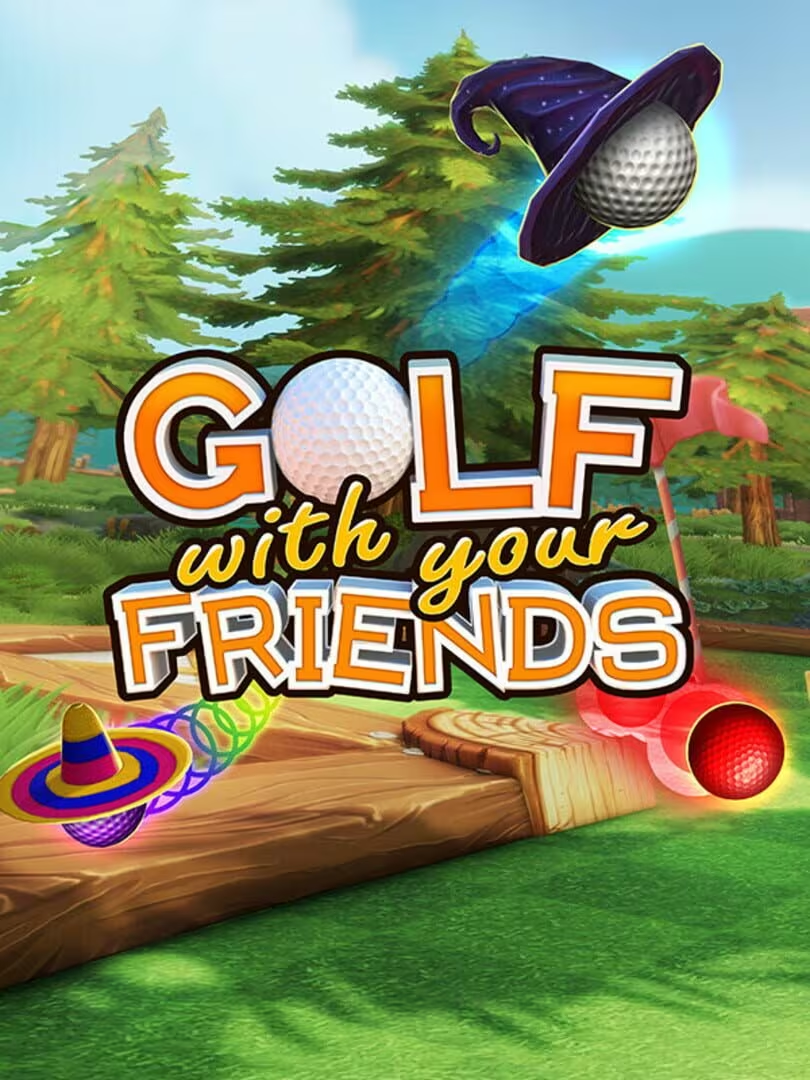
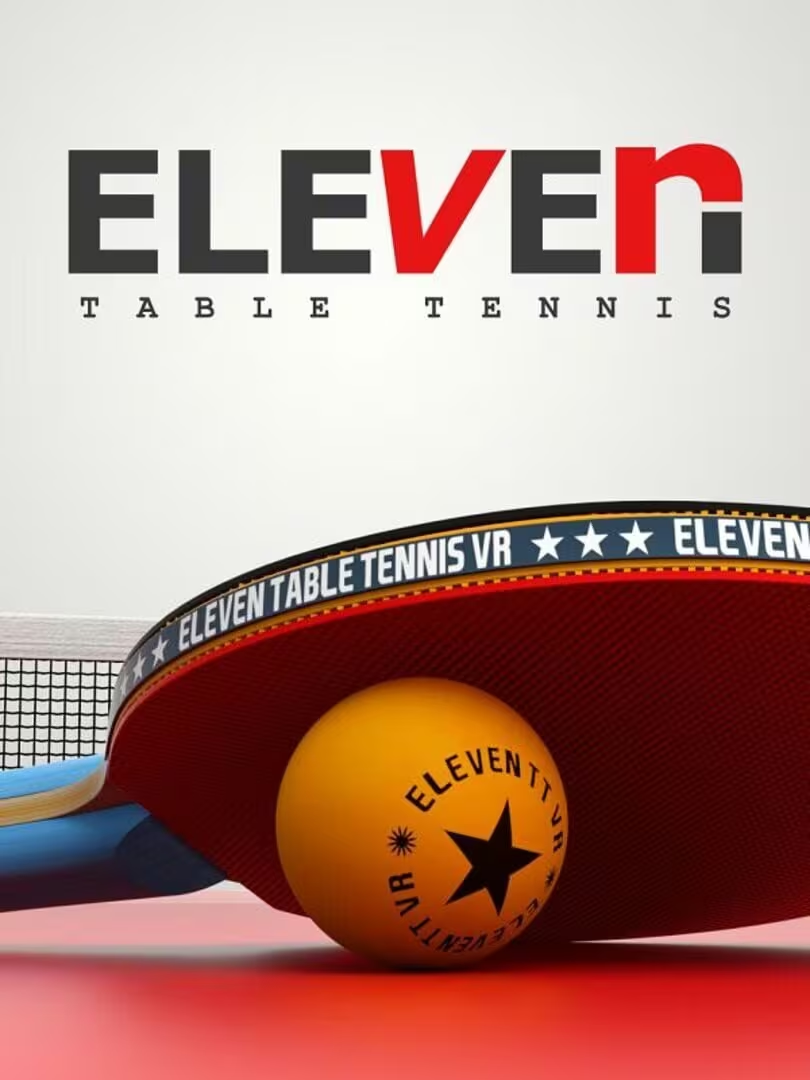
Pierhead Arcade Thumbnail

Pierhead Arcade similar games & best alternatives

Pierhead Arcade

PC (Microsoft Windows), PlayStation VR • 2016

Related articles

Quick resume

Play in your own virtual arcade with unlimited tokens.

Global score

87/100

Genres

Casual, Indie, Simulator, Arcade

Similar games

    Pros

    • Authentic and immersive vr arcade experience
    • Wide variety of well-implemented mini-games
    • Local and global leaderboards for competition
    • Ticket and prize system adds progression and fun
    • Frequent updates and active developer support

    Cons

    • Limited multiplayer player base and functionality
    • Some control and physics quirks in certain games
    • Lack of narrative or deeper game modes
    • Small arcade environment feels empty without players
    • Movement system can be restrictive for small play areas

    Analysis

    Less representative of its motivational profile, with noticeable differences. Motivations that often define this kind of title include Health, Story, Competition, Status. It leans lower than usual among comparable games on Fantasy, Survival, Violence.

    How to use the graph
    Similar games map

    Each dot is a game. They are arranged from the same motivation profile as in the “Motivations” section below. Closer dots usually mean more similar reasons to play (exploration, competition, relaxation, etc.)—not that one game is “better” than another.

    • Larger dot with a light outline: the game you are viewing.
    • Colour: groups of games with comparable motivation patterns (statistical clusters).
    • Hover a dot to see the game name; click to open its page.
    • Scroll or double-click the chart to zoom out and see more games.

    Why don’t the axes read like a score? This view uses t-SNE: it only keeps who is close to whom. The scales are not “good to bad” or hours played—they separate groups on the map. Read distance between dots, not the axis numbers.

    Motivations

    • Autonomy
      4

      "Players freely choose which arcade games to play and can explore the arcade environment at their own pace."

    • Competence
      3

      "Games require skill and practice to improve scores; leaderboards provide feedback on performance."

    • Competition
      4

      "Local, friendlist, and global leaderboards encourage competition among players."

    • Continuation
      3

      "Players return repeatedly for quick sessions or extended play to improve scores and enjoy various games."

    • Cooperation
      2

      "Multiplayer is supported but limited by small player base; some cooperative play possible."

    • Creativity
      -3

      "Gameplay follows established arcade game designs with minimal player modification or creation."

    • Domination
      -4

      "Interactions focus on fair competition and shared experiences rather than exerting control over others."

    • Escapism
      4

      "Provides immersive VR arcade experience that serves as a fun distraction and stress relief."

    • Expectation
      -4

      "Players engage voluntarily for enjoyment and nostalgia without obligation or pressure."

    • Experimenting
      2

      "Players try different arcade games and experiment with various play styles within the arcade."

    • Exploration
      2

      "Players explore the arcade environment and discover different games and prize systems."

    • Expression
      1

      "Some self-expression through prize collection and player scale customization, but limited overall."

    • Fantasy
      -4

      "Focuses on realistic simulation of classic arcade games and environments rather than imaginative fiction."

    • Fellowship
      3

      "Community aspects via multiplayer and shared leaderboards foster social connection."

    • Growth
      3

      "Players develop skills to improve scores and learn game mechanics over time."

    • Health
      2

      "Physical activity involved in throwing, hitting, and moving within VR provides light exercise."

    • Idle
      -3

      "Requires active engagement and attention during gameplay; not suited for passive or background play."

    • Intimacy
      1

      "Some social interaction possible in multiplayer, but limited emotional sharing described."

    • Leadership
      -4

      "No evidence of leadership roles; players participate equally in games and social features."

    • Progression
      3

      "Players accumulate tickets to redeem prizes, providing a sense of progression and reward."

    • Relaxation
      3

      "Game offers casual, enjoyable experiences that can be relaxing and stress-relieving."

    • Sensation
      3

      "Visuals, sounds, and physics provide satisfying sensory feedback and immersive fun."

    • Status
      3

      "Leaderboards and high scores provide recognition and social status among players."

    • Story
      -5

      "No narrative or plot; gameplay consists of context-free arcade mini-games."

    • Strategy
      2

      "Some mental challenge in timing and aiming, but mostly straightforward skill-based gameplay."

    • Thrill
      2

      "Some excitement from trying to beat high scores and win prizes, but low risk overall."

    • Value
      5

      "Highly praised for excellent value, frequent updates, and content relative to price."

    • Violence
      -5

      "No combat or destruction; gameplay centers on constructive, skill-based arcade games."

    • Survival
      -5

      "No survival elements; stable, low-risk environment focused on casual play."

    Last update: 29/04/2026