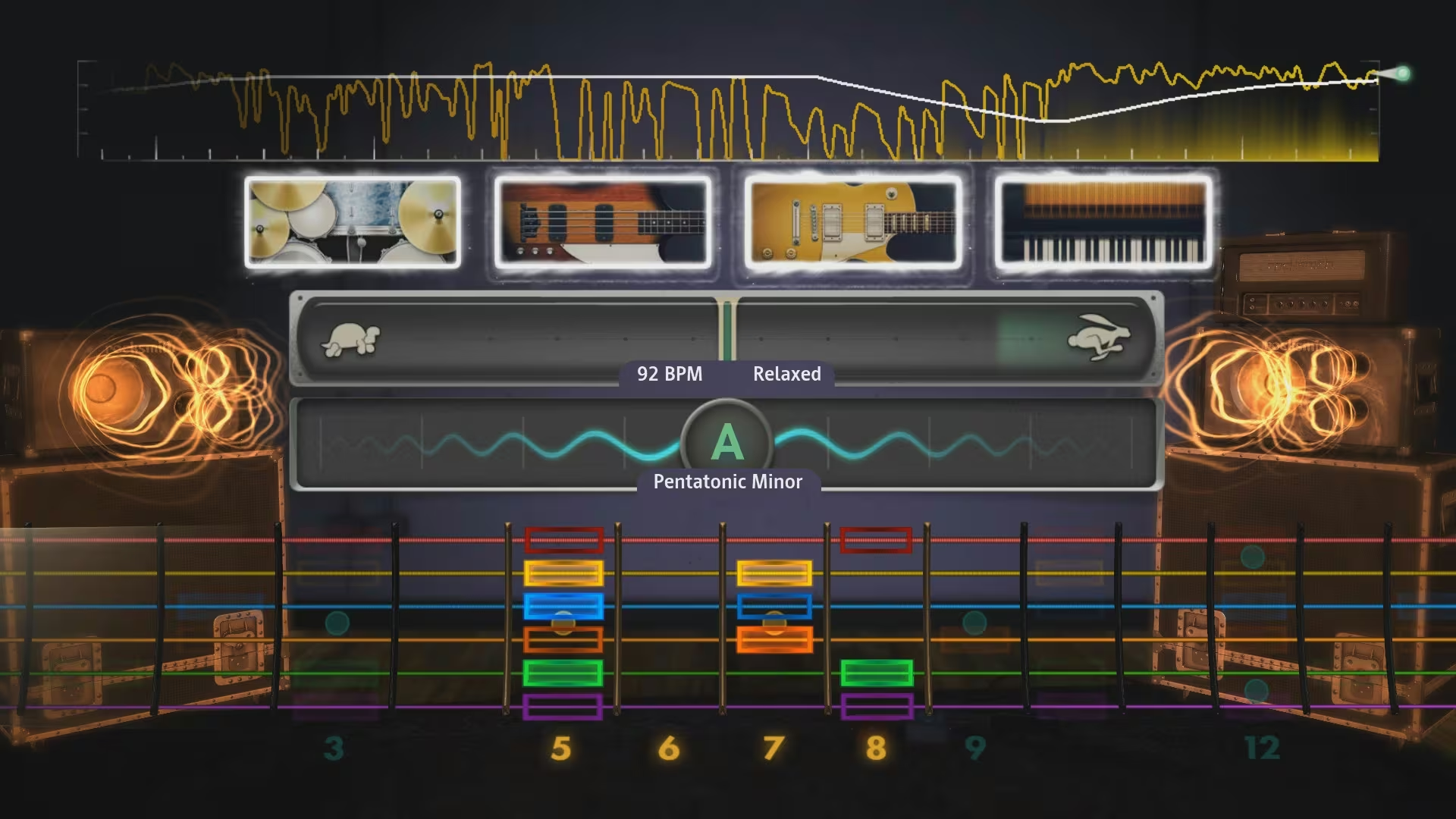
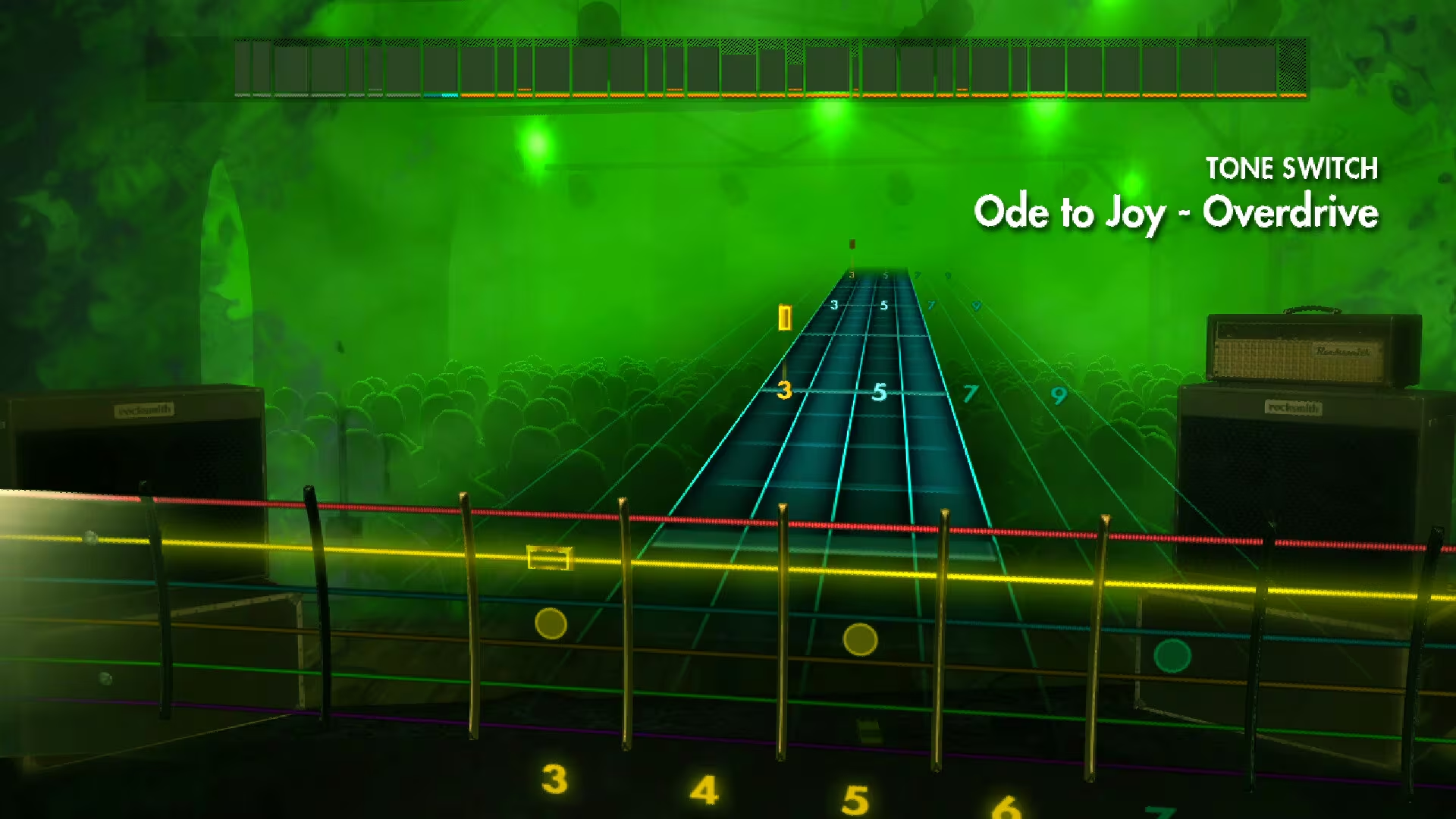
Rocksmith® 2014 Edition REMASTERED LEARN & PLAY Thumbnail

Rocksmith® 2014 Edition REMASTERED LEARN & PLAY similar games & best alternatives

Rocksmith® 2014 Edition REMASTERED LEARN & PLAY

PC (Microsoft Windows) • 2016

Related articles

Quick resume

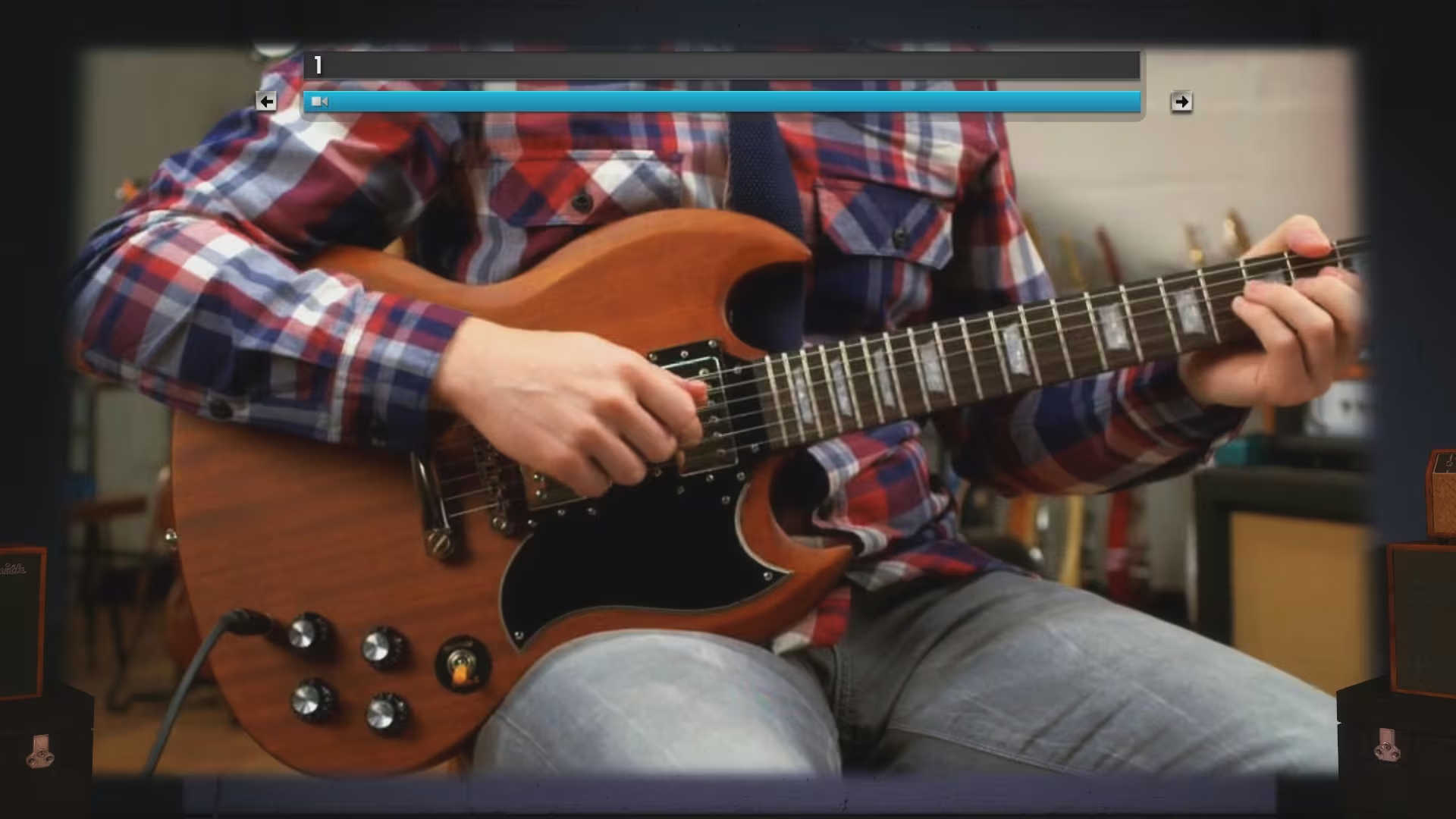
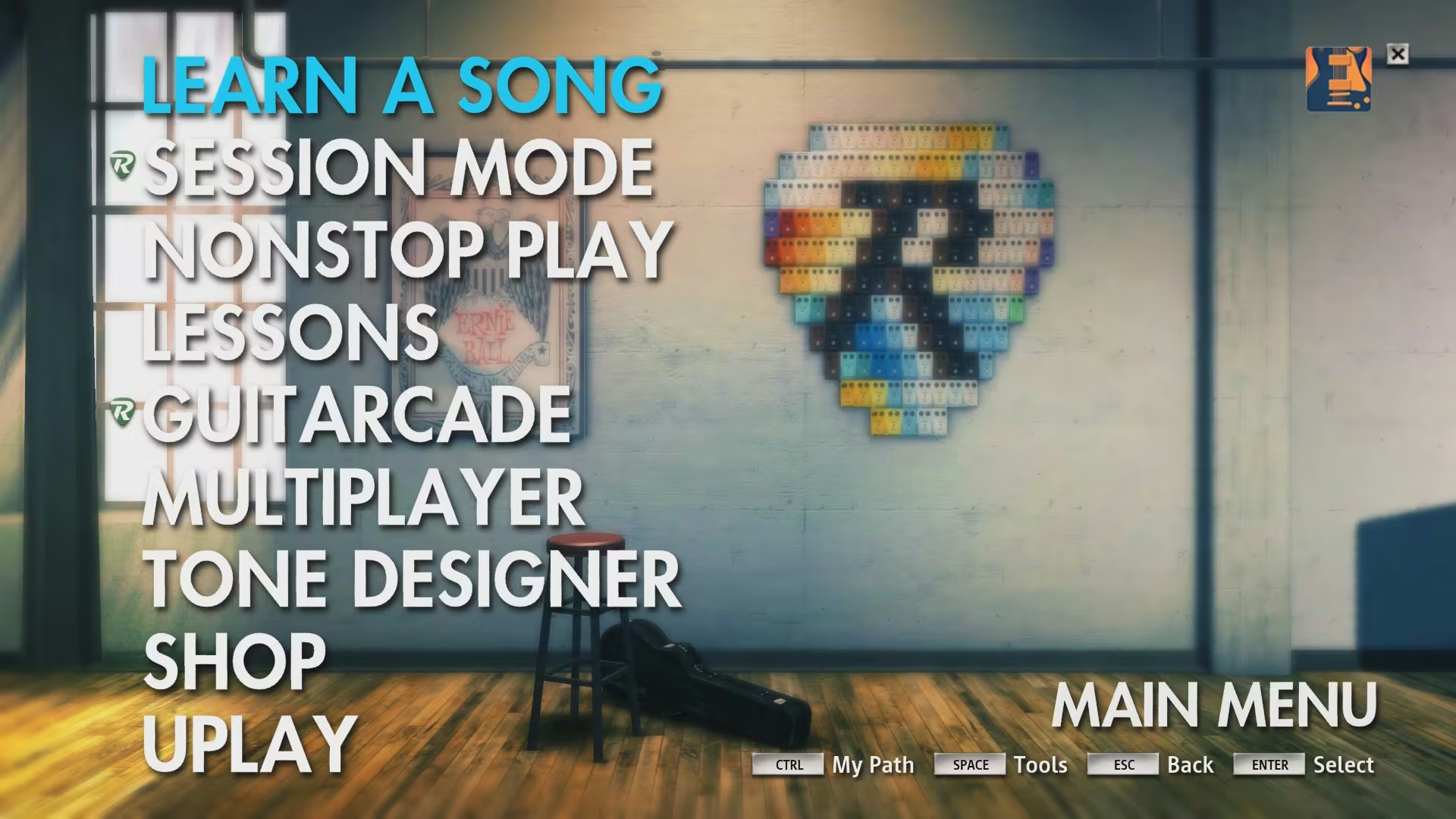
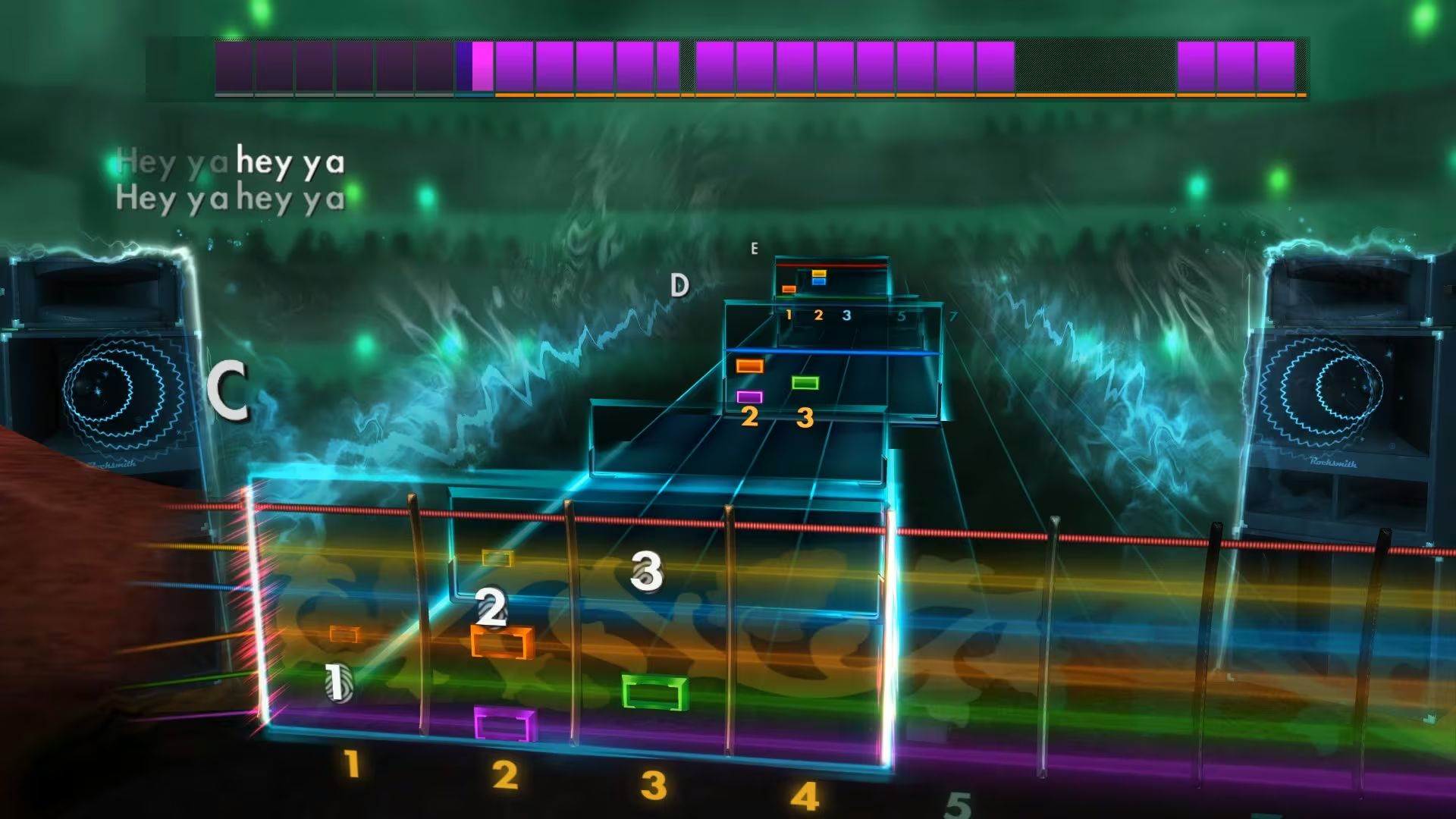
Play guitar or bass and start your musical journey with Rocksmith 2014 Remastered Learn & Play! Perfect for beginners and pros, learn at your own rythmm with 60 tracks and customizable tools. Get ready to rock!

Global score

88/100

Genres

Casual, Simulator

Similar games

    Pros

    • Effective guitar learning tool
    • Extensive song library and dlc
    • Dynamic difficulty and feedback
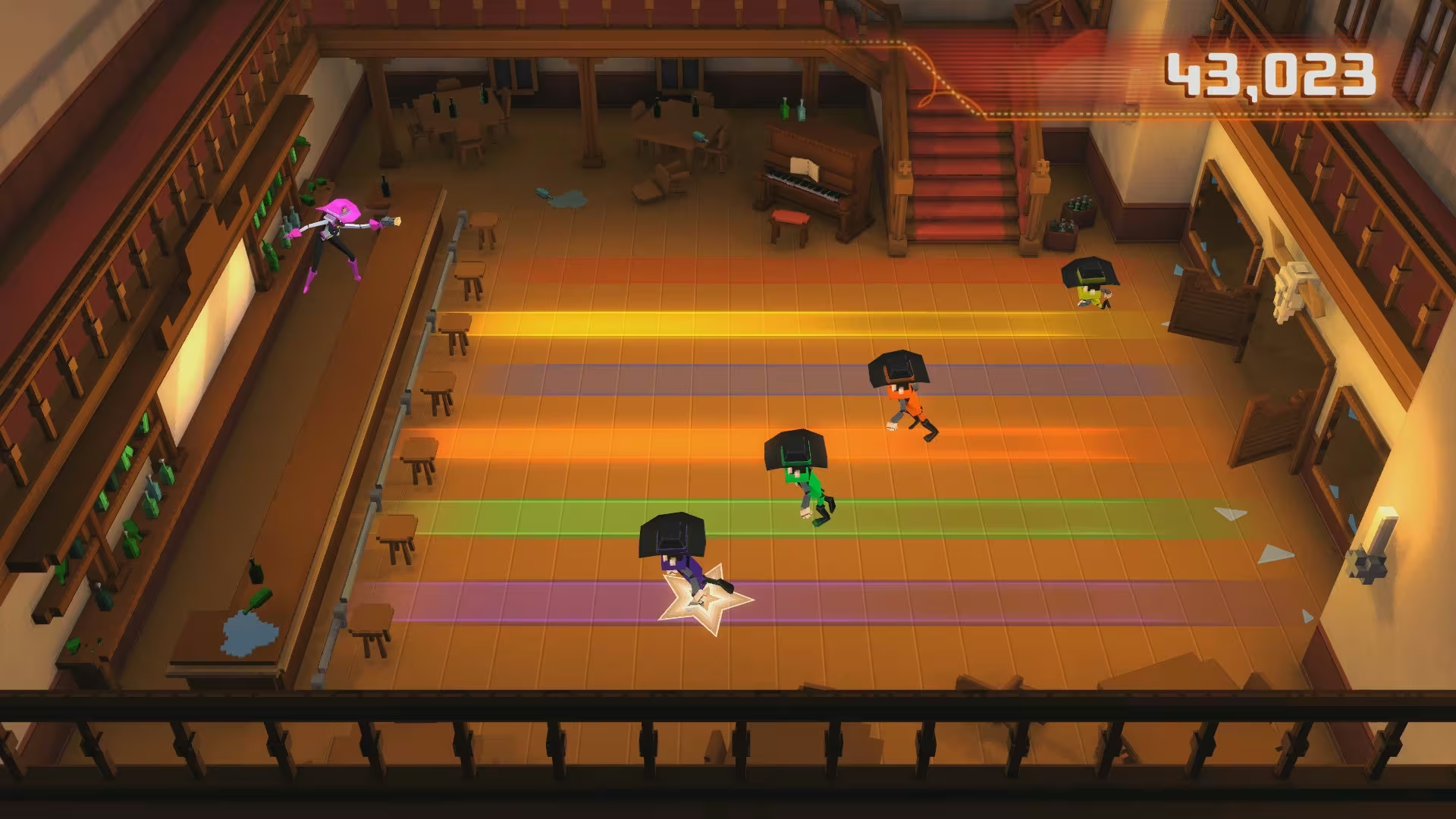
    • Engaging practice modes and minigames
    • Active modding and community support

    Cons

    • Requires purchase of real tone cable or workaround
    • Some latency and note detection issues
    • Dlc can be expensive
    • Lack of support for extended range guitars
    • No narrative or story content

    Analysis

    Less representative of its motivational profile, with noticeable differences. Motivations that often define this kind of title include Competition, Status, Story, Expression. Here, the score leans higher than usual among comparable games on Intimacy. It leans lower than usual among comparable games on Survival, Violence.

    How to use the graph
    Similar games map

    Each dot is a game. They are arranged from the same motivation profile as in the “Motivations” section below. Closer dots usually mean more similar reasons to play (exploration, competition, relaxation, etc.)—not that one game is “better” than another.

    • Larger dot with a light outline: the game you are viewing.
    • Colour: groups of games with comparable motivation patterns (statistical clusters).
    • Hover a dot to see the game name; click to open its page.
    • Scroll or double-click the chart to zoom out and see more games.

    Why don’t the axes read like a score? This view uses t-SNE: it only keeps who is close to whom. The scales are not “good to bad” or hours played—they separate groups on the map. Read distance between dots, not the axis numbers.

    Motivations

    • Autonomy
      4

      "Players have freedom to choose songs, practice modes, and customize their learning path; the game supports self-directed practice rather than fixed routines."

    • Competence
      5

      "The game provides skill challenges, dynamic difficulty, feedback on performance, and encourages mastery of guitar techniques."

    • Competition
      3

      "Includes leaderboards and score attack modes for comparing performance with others, though many players focus on personal improvement."

    • Continuation
      5

      "Many users report long play sessions, habitual practice, and high engagement over months or years."

    • Cooperation
      2

      "Supports multiplayer and session modes for jamming with others, but much of the experience is individual practice."

    • Creativity
      3

      "Players can customize tones, create session bands, and use modded/custom songs, fostering creative expression."

    • Domination
      -3

      "Interactions emphasize personal progress and mutual respect rather than exerting control or superiority over others."

    • Escapism
      4

      "Players use the game as a fun distraction and stress relief, immersing themselves in music and practice."

    • Expectation
      -4

      "Engagement is driven by intrinsic motivation and personal desire to learn and improve, not obligation or pressure."

    • Experimenting
      4

      "Players try new songs, techniques, tunings, and use various modes to explore and experiment with guitar playing."

    • Exploration
      3

      "Exploration occurs through discovering new songs, custom content, and session mode improvisation."

    • Expression
      3

      "Tone designer and customization options allow players to express their musical identity."

    • Fantasy
      -2

      "Focus is on realistic guitar playing and music practice rather than imaginative or fictional experiences."

    • Fellowship
      2

      "Community engagement through multiplayer, modding, and shared interests is present but not dominant."

    • Growth
      5

      "Strong emphasis on learning, skill acquisition, and personal development in guitar playing."

    • Health
      -3

      "Primarily sedentary activity with minimal physical exercise involved."

    • Idle
      -4

      "Requires focused attention and active participation rather than passive or background play."

    • Intimacy
      1

      "Some social interaction and community connection, but mostly surface-level and casual."

    • Leadership
      -3

      "Players mostly follow structured lessons or self-directed practice rather than leading others."

    • Progression
      5

      "Clear progression through song mastery, skill levels, and unlocking new content."

    • Relaxation
      3

      "Many players find the game relaxing and enjoyable, balancing challenge with flow."

    • Sensation
      3

      "Enjoyable auditory feedback and musical stimulation enhance the experience."

    • Status
      2

      "Leaderboards and achievements provide some recognition, but social status is not a primary focus."

    • Story
      -5

      "No narrative or plot; gameplay centers on skill practice and music performance."

    • Strategy
      3

      "Players plan practice routines, manage difficulty, and use techniques strategically to improve."

    • Thrill
      2

      "Some excitement from mastering difficult songs and competing on leaderboards, but low risk overall."

    • Value
      4

      "High perceived value from learning guitar and extensive content, though DLC costs can add up."

    • Violence
      -5

      "Focus on constructive musical skill development rather than combat or destruction."

    • Survival
      -5

      "Stable, low-risk environment focused on learning and practice."

    Last update: 29/04/2026