Ship Graveyard Simulator 2 Thumbnail

Ship Graveyard Simulator 2 similar games & best alternatives
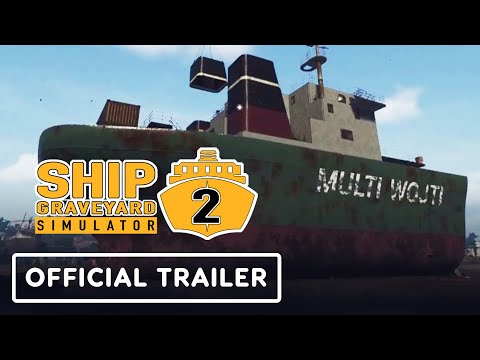
Ship Graveyard Simulator 2

PC (Microsoft Windows), Nintendo Switch, Xbox Series X|S, PlayStation 5 • 2023

Related articles

Quick resume

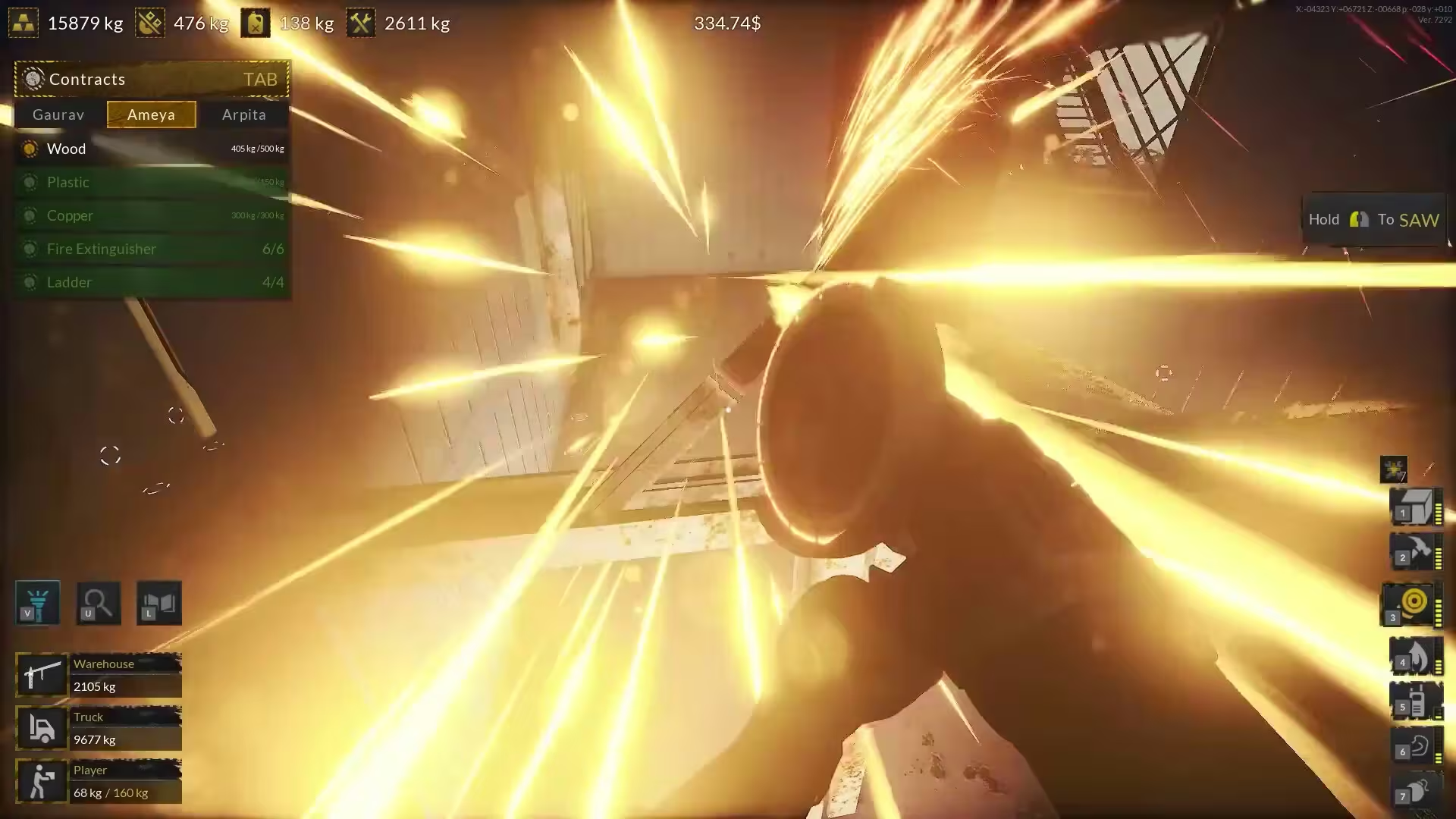
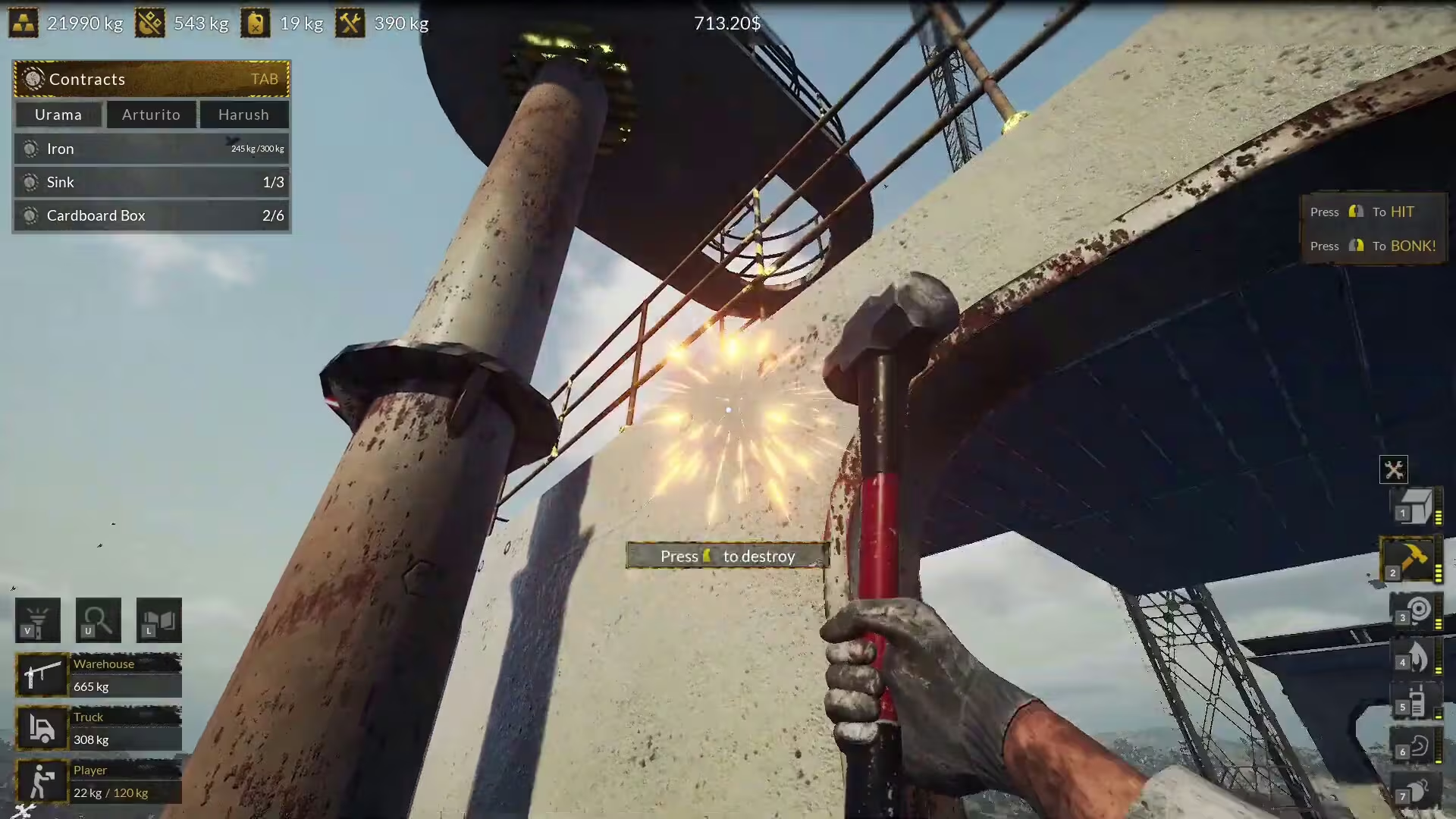
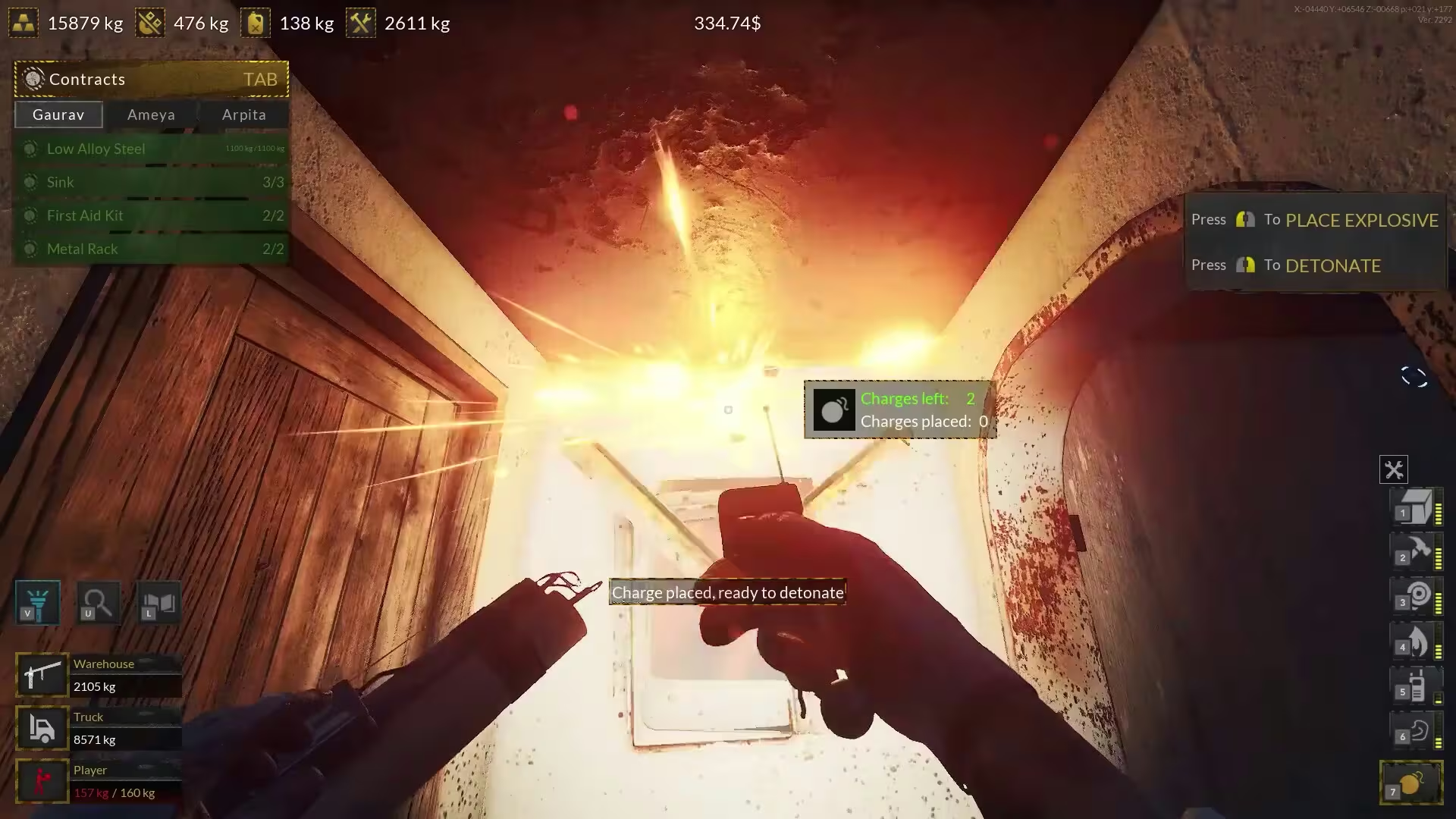
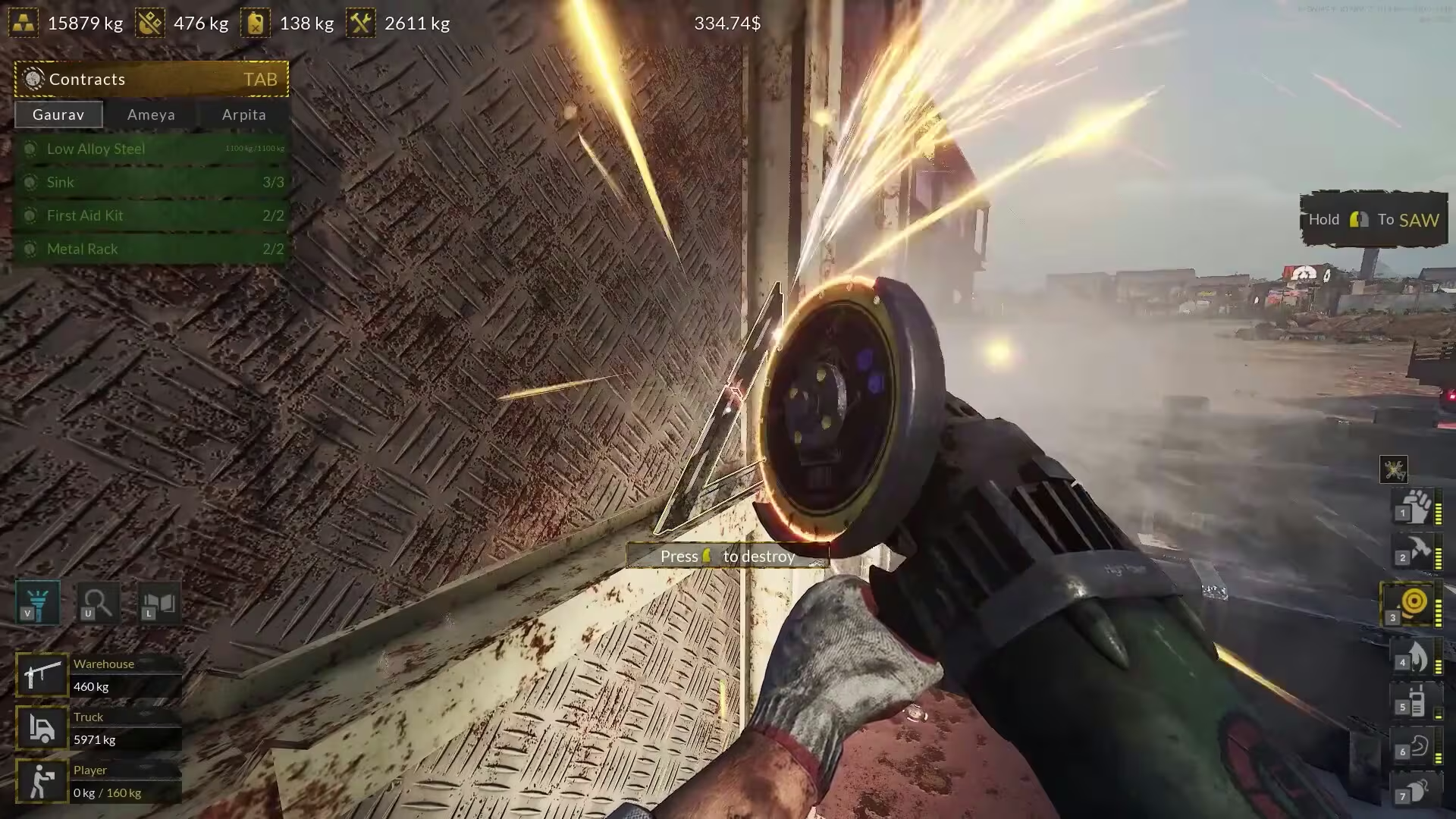
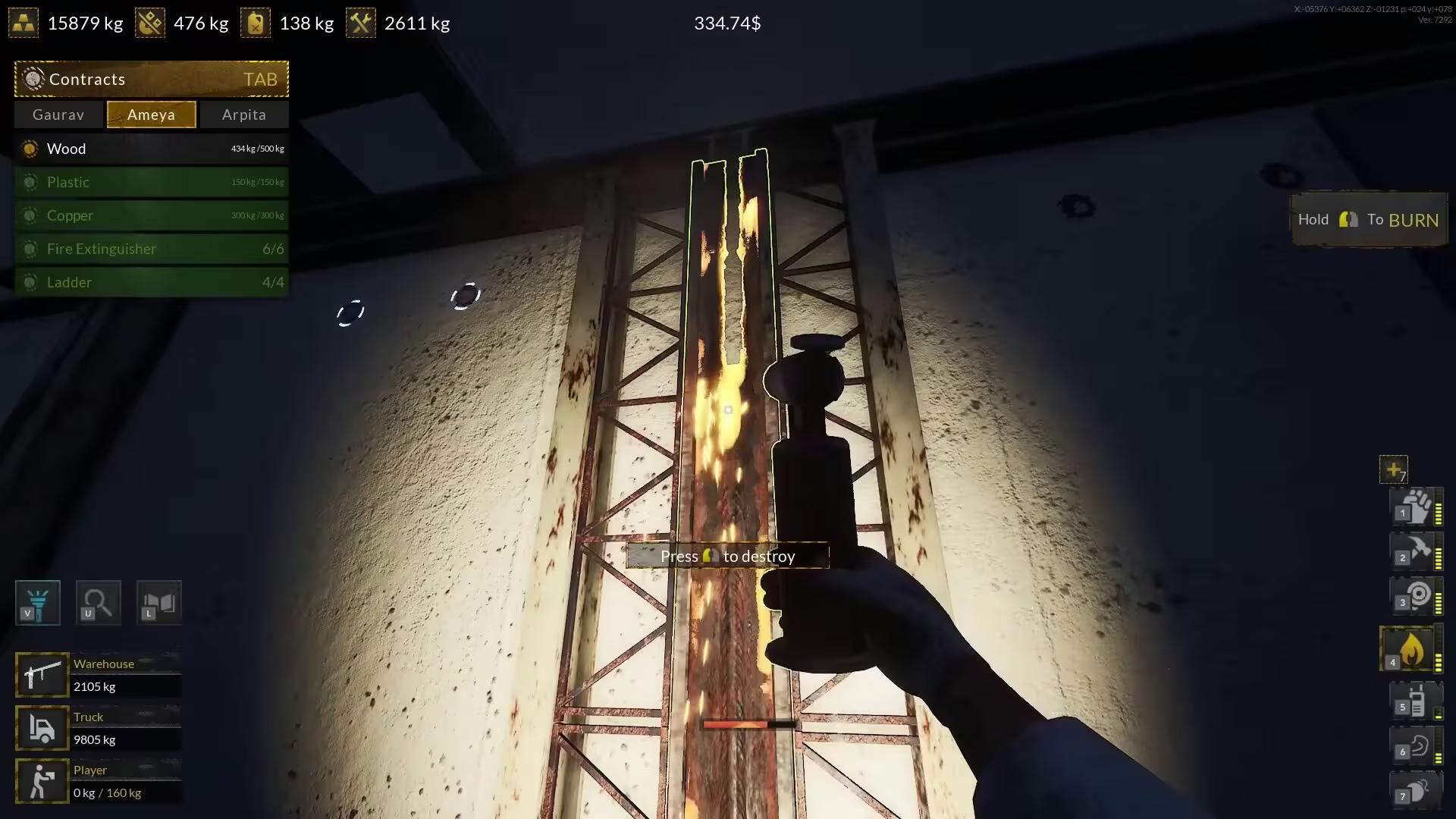
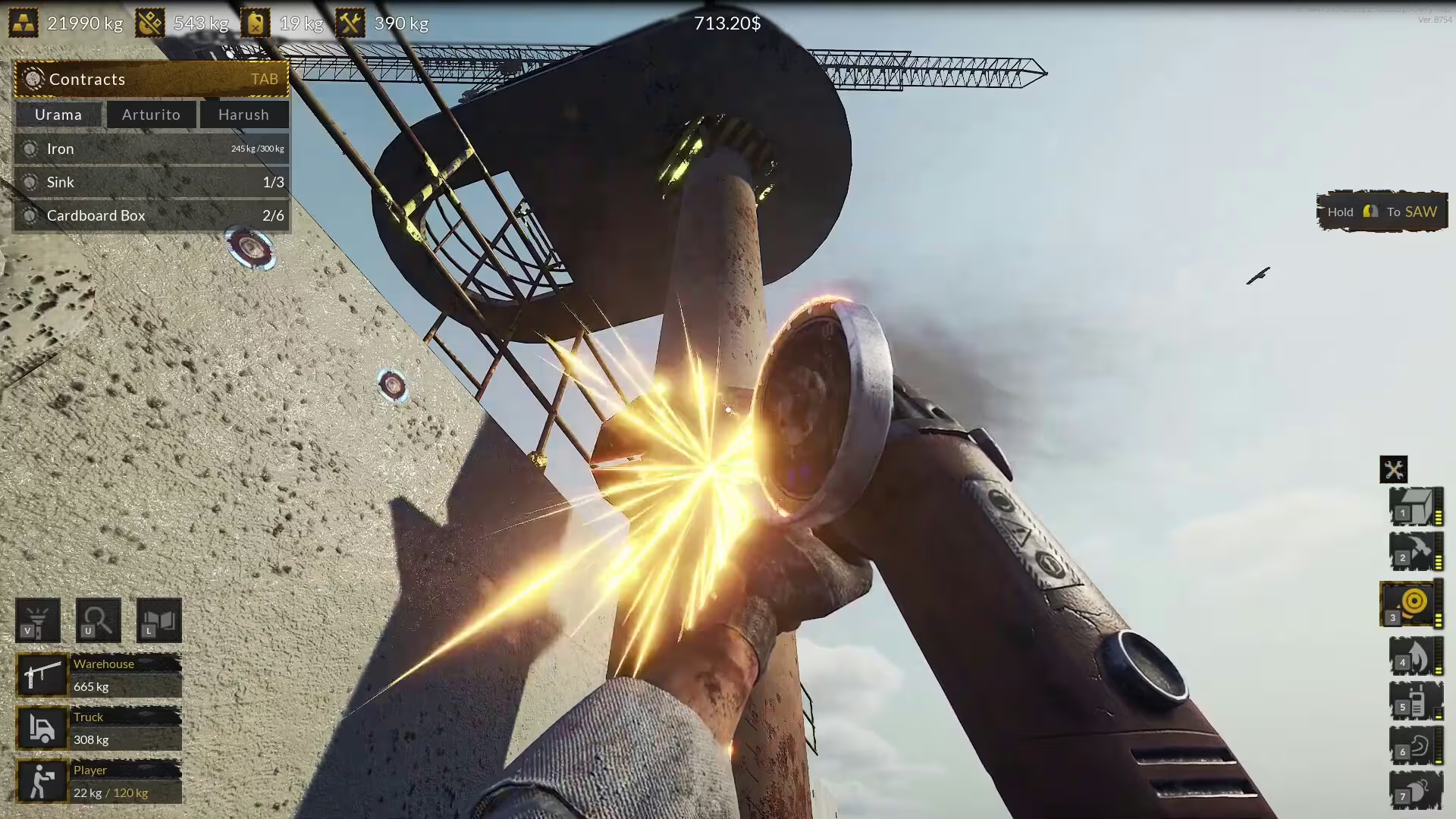
Dust off your torch and hammer - it's time to get back to work, you have a new job to do. Visit the new beach coast with the largest, biggest ship graveyard in the world, dismantle huge ship parts and collect tons of precious steel. Roll up your sleeves, it's time to get back to the business.

Global score

77/100

Genres

Action, Adventure, Casual, Indie, Simulator

Similar games

    Pros

    • Relaxing and zen-like gameplay
    • Freedom in dismantling approach
    • Satisfying progression and upgrades
    • Good variety of ships and tools
    • Active developer support and updates

    Cons

    • Repetitive gameplay loop
    • Bugs and physics glitches
    • Limited social and narrative content
    • Sorting mini-game can be tedious
    • Performance issues on some systems

    Analysis

    A very typical example of its motivational profile. Motivations that often define this kind of title include Fantasy, Violence, Story, Thrill. Here, the score leans higher than usual among comparable games on Cooperation, Fellowship. It leans lower than usual among comparable games on Expression.

    How to use the graph
    Similar games map

    Each dot is a game. They are arranged from the same motivation profile as in the “Motivations” section below. Closer dots usually mean more similar reasons to play (exploration, competition, relaxation, etc.)—not that one game is “better” than another.

    • Larger dot with a light outline: the game you are viewing.
    • Colour: groups of games with comparable motivation patterns (statistical clusters).
    • Hover a dot to see the game name; click to open its page.
    • Scroll or double-click the chart to zoom out and see more games.

    Why don’t the axes read like a score? This view uses t-SNE: it only keeps who is close to whom. The scales are not “good to bad” or hours played—they separate groups on the map. Read distance between dots, not the axis numbers.

    Motivations

    • Autonomy
      4

      "Players have freedom to dismantle ships in any order and style they prefer, with no forced story or scripted events."

    • Competence
      3

      "Upgradable tools and increasing ship complexity provide a sense of skill progression and mastery."

    • Competition
      -4

      "Focus is on personal pace and relaxation; no mention of leaderboards or competitive modes."

    • Continuation
      4

      "Many players report long play sessions and habitual grinding to upgrade tools and dismantle bigger ships."

    • Cooperation
      1

      "Co-op mode exists but is newly added and not a core focus; most play is solo."

    • Creativity
      3

      "Players can choose how to dismantle ships and use tools in different ways, allowing some creative problem solving."

    • Domination
      -5

      "Interactions are individual and cooperative without power dynamics or superiority over others."

    • Escapism
      4

      "Players use the game as a relaxing, zen-like escape from stress and real-life pressures."

    • Expectation
      -4

      "Players engage voluntarily for intrinsic interest and relaxation, not out of obligation."

    • Experimenting
      2

      "Some experimentation with tool upgrades and dismantling order, but gameplay loop is repetitive."

    • Exploration
      2

      "Players discover new ships and hidden rooms, but environments are limited and repetitive."

    • Expression
      -3

      "Limited customization; focus is on dismantling rather than avatar or environment personalization."

    • Fantasy
      -2

      "Game simulates realistic ship dismantling scenarios without fictional or mythical elements."

    • Fellowship
      1

      "Some community interaction via co-op and shared interests, but mostly solo play."

    • Growth
      3

      "Players develop skills in dismantling and tool upgrading, with learning curve in puzzle elements."

    • Health
      -5

      "Sedentary gameplay with no physical activity or health-related mechanics."

    • Idle
      -3

      "Requires focused attention during dismantling and sorting; not designed for background play."

    • Intimacy
      -4

      "Minimal social interaction; no close relationships or emotional sharing described."

    • Leadership
      -5

      "No leadership or authoritative roles; players act independently or cooperatively without hierarchy."

    • Progression
      4

      "Strong progression through tool upgrades, ship tiers, and contract completion."

    • Relaxation
      5

      "Frequently described as zen, stress-relieving, and relaxing gameplay experience."

    • Sensation
      2

      "Visual and auditory feedback is satisfying but not intense; calming rather than thrilling."

    • Status
      -4

      "No social status or recognition systems; achievements are personal and not publicly ranked."

    • Story
      -4

      "No significant narrative; game focuses on dismantling without story or lore immersion."

    • Strategy
      2

      "Some puzzle and planning elements in dismantling order and hazard avoidance, but overall straightforward."

    • Thrill
      -3

      "Low risk and tension; hazards exist but do not cause failure or death."

    • Value
      3

      "Players feel the game offers good value for time spent, especially on sale."

    • Violence
      -4

      "Destruction is mechanical and constructive in nature; no combat or chaotic violence."

    • Survival
      -4

      "No survival mechanics; hazards slow progress but do not threaten player survival."

    Last update: 29/04/2026