Signal Simulator Thumbnail

Signal Simulator similar games & best alternatives
Signal Simulator

PC (Microsoft Windows), Linux • 2018

Related articles

Quick resume

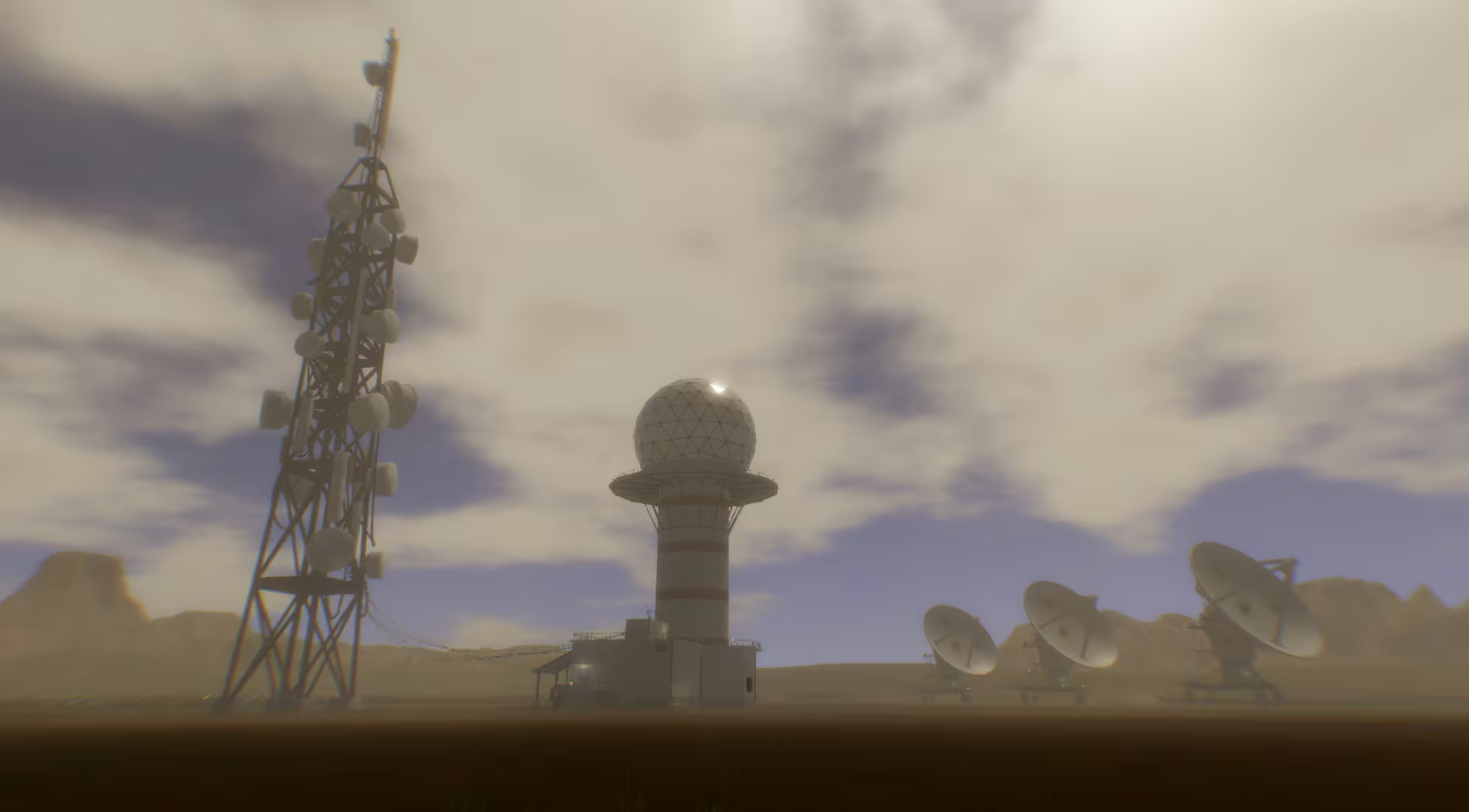
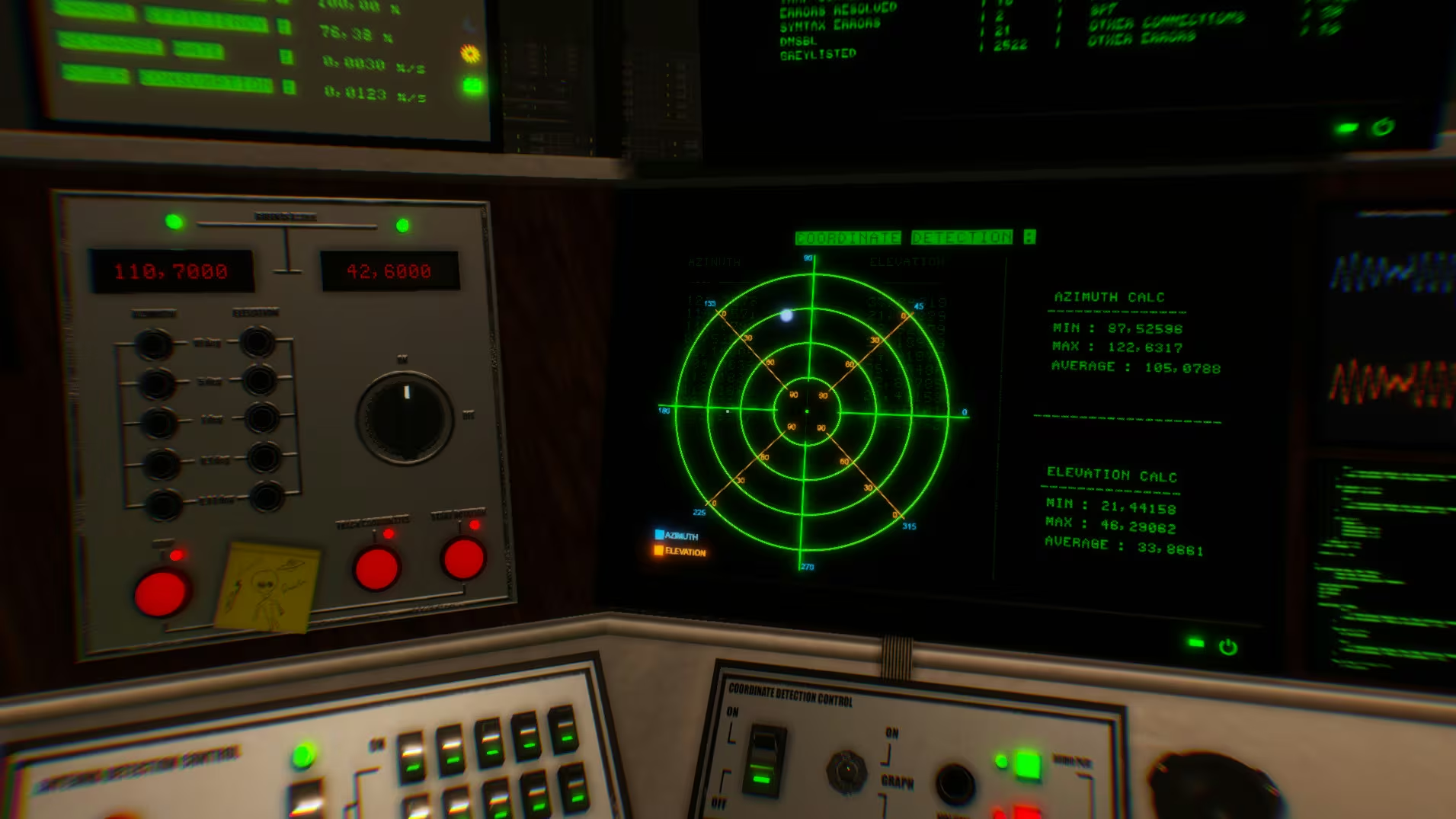
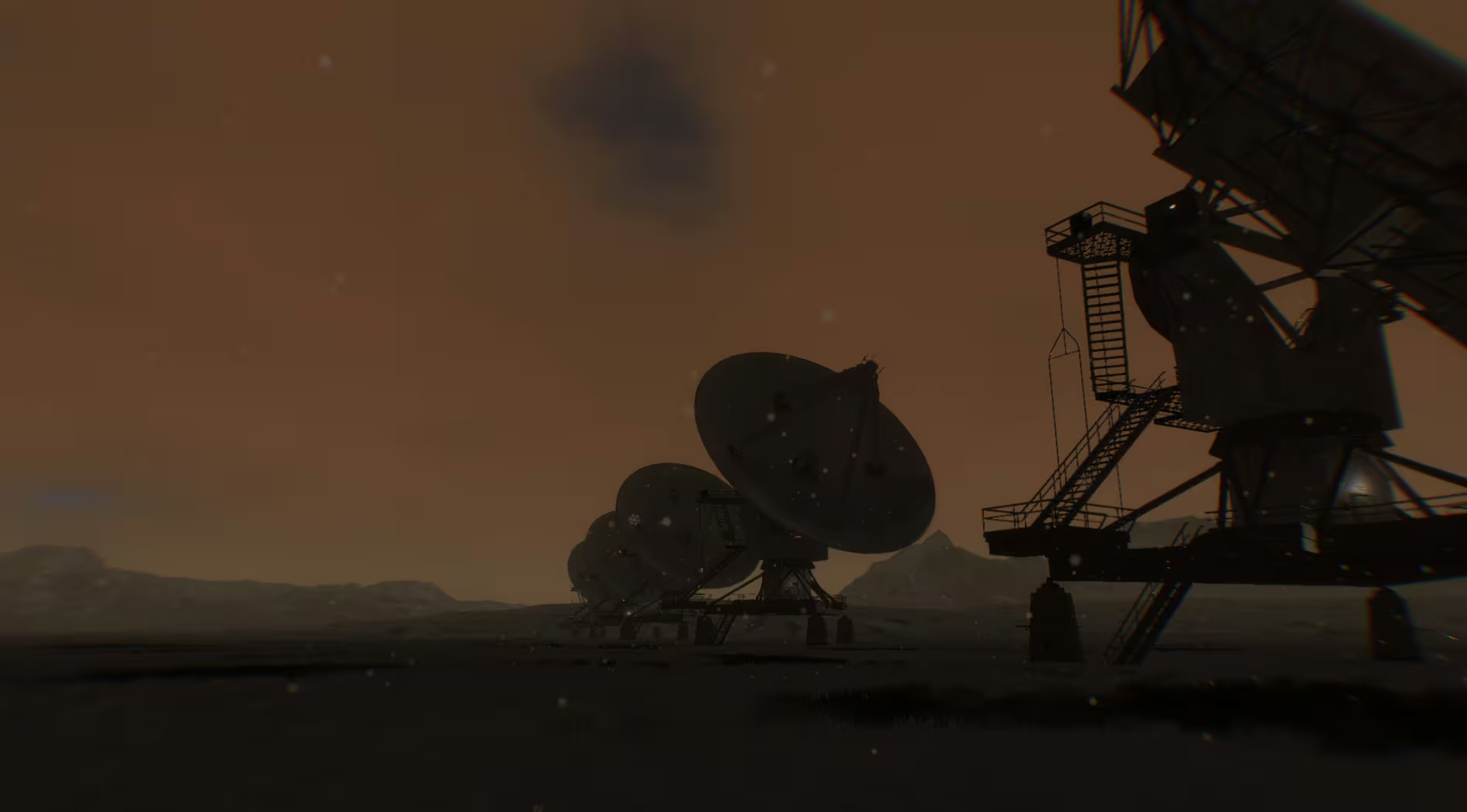
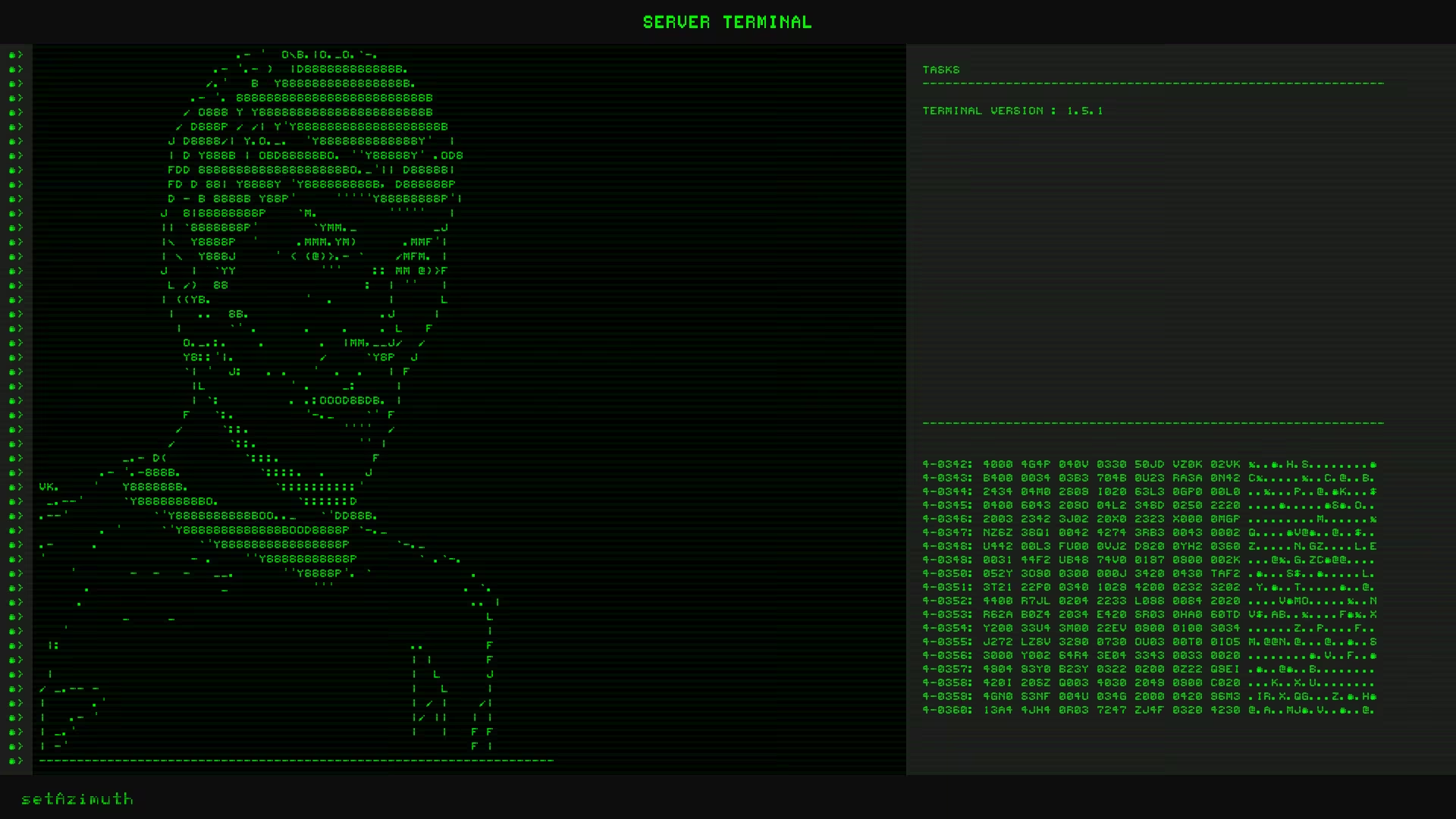
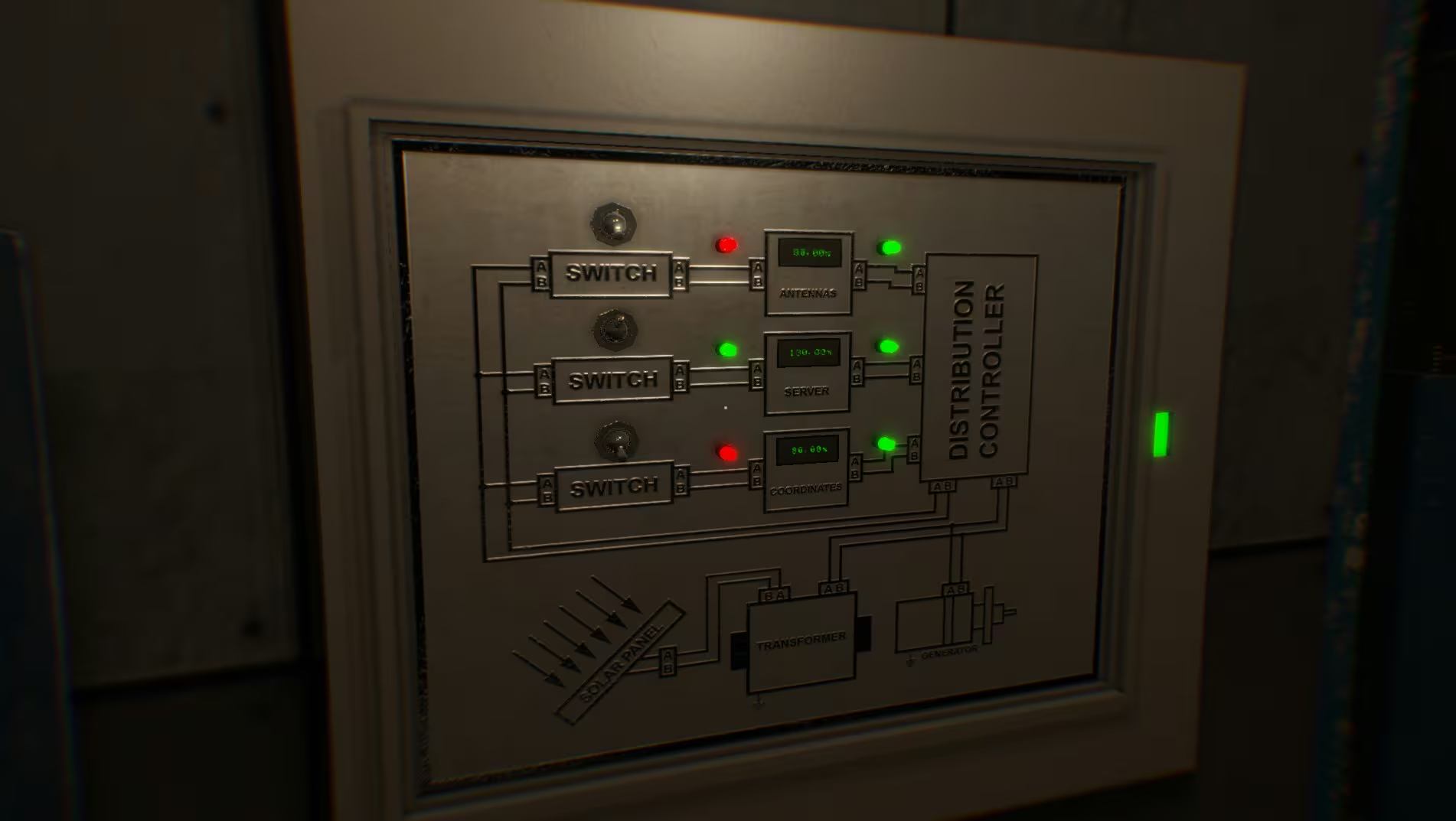
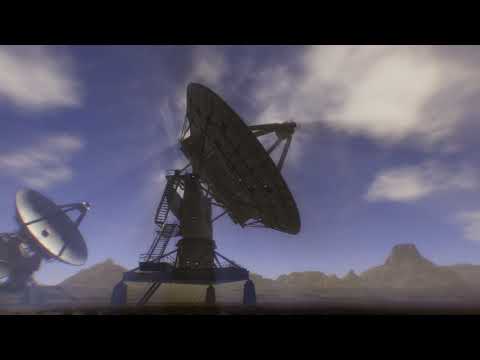
Game inspired by SETI. Take the role of a scientist to find an extraterrestrial signal .Control massive Radio Antennas by using interactive control in your Observatory. Detect , download and decode unknown or story telling signals. Manage and Maintain an electrical system to improve your systems and make it more efficient.

Global score

80/100

Genres

Indie, Simulator

Similar games

    Pros

    • Unique and immersive atmosphere
    • Complex and satisfying simulation mechanics
    • Relaxing and meditative gameplay
    • Frequent developer updates (historically)
    • Customizable radio and video playback

    Cons

    • Steep learning curve and poor tutorial
    • Slow and repetitive gameplay
    • Limited content and story depth
    • Developer abandonment concerns
    • Performance issues on some pcs

    Analysis

    A very typical example of its motivational profile. Motivations that often define this kind of title include Idle, Thrill, Violence, Survival. Here, the score leans higher than usual among comparable games on Story, Thrill, Survival.

    How to use the graph
    Similar games map

    Each dot is a game. They are arranged from the same motivation profile as in the “Motivations” section below. Closer dots usually mean more similar reasons to play (exploration, competition, relaxation, etc.)—not that one game is “better” than another.

    • Larger dot with a light outline: the game you are viewing.
    • Colour: groups of games with comparable motivation patterns (statistical clusters).
    • Hover a dot to see the game name; click to open its page.
    • Scroll or double-click the chart to zoom out and see more games.

    Why don’t the axes read like a score? This view uses t-SNE: it only keeps who is close to whom. The scales are not “good to bad” or hours played—they separate groups on the map. Read distance between dots, not the axis numbers.

    Motivations

    • Autonomy
      4

      "Players have control over equipment calibration, signal hunting, and maintenance tasks, allowing personal decision-making and freedom in managing the observatory."

    • Competence
      3

      "The game involves mastering complex systems, learning to optimize antenna positioning and signal decoding, providing skill challenges and feedback."

    • Competition
      -4

      "Focus is on solo play and personal progress without leaderboards or direct player comparison."

    • Continuation
      2

      "Players report addictive qualities and long play sessions, though some find it repetitive and prone to abandonment."

    • Cooperation
      -5

      "Entirely single-player experience with no multiplayer or cooperative elements."

    • Creativity
      1

      "Players can customize radio stations and videos played in-game, but core gameplay follows preset simulation mechanics."

    • Domination
      -5

      "No elements of exerting control over others; interactions are individual and non-competitive."

    • Escapism
      4

      "Strong atmosphere of isolation and mystery provides psychological escape and immersion away from real life."

    • Expectation
      -4

      "Players engage voluntarily for intrinsic interest in space, mystery, and simulation rather than obligation."

    • Experimenting
      2

      "Players explore signal hunting mechanics and experiment with equipment upgrades and strategies."

    • Exploration
      3

      "Game encourages discovering new signals, secret events, and exploring the observatory grounds."

    • Expression
      1

      "Limited self-expression through customizing radio stations and video playback, but no avatar or environment personalization."

    • Fantasy
      2

      "Game features sci-fi and cosmic horror elements with imaginative alien signals and mysterious events."

    • Fellowship
      -4

      "Minimal social connection; primarily solitary experience with some community support outside the game."

    • Growth
      3

      "Players learn complex systems and improve skills in signal detection and equipment management."

    • Health
      -4

      "Sedentary gameplay with no physical activity or health-related features."

    • Idle
      3

      "Gameplay involves waiting periods and downtime, with players often multitasking or watching videos during slow moments."

    • Intimacy
      -5

      "No close relationships or emotional social interactions within the game."

    • Leadership
      -5

      "No leadership or group management roles; purely individual gameplay."

    • Progression
      3

      "Players accumulate credits and upgrades to improve equipment and efficiency."

    • Relaxation
      4

      "Many players find the game relaxing and meditative despite occasional suspenseful moments."

    • Sensation
      2

      "Atmospheric audio and visual elements create eerie and immersive sensory experiences."

    • Status
      -5

      "No social recognition or status systems present."

    • Story
      3

      "Narrative elements are embedded in discovered signals and events, creating a mysterious overarching plot."

    • Strategy
      3

      "Players plan antenna positioning, power management, and signal hunting strategies."

    • Thrill
      2

      "Psychological suspense and occasional spooky events provide mild thrills rather than constant tension."

    • Value
      1

      "Players feel the game offers reasonable value especially on sale, though some find content limited for full price."

    • Violence
      -5

      "No combat or destructive gameplay; focus is on constructive simulation and maintenance."

    • Survival
      1

      "Players manage power and equipment failures to avoid downtime, but no life-or-death threats."

    Last update: 29/04/2026