Juno: New Origins Thumbnail

Juno: New Origins similar games & best alternatives
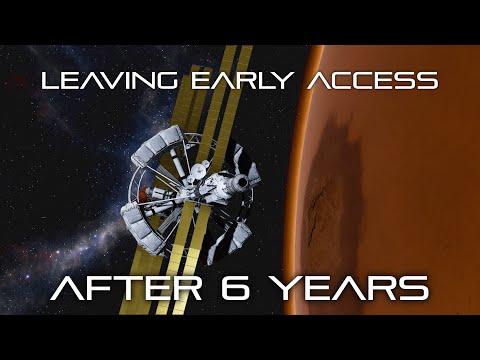
Juno: New Origins

PC (Microsoft Windows), iOS, Mac, Android • 2023

Related articles

Quick resume

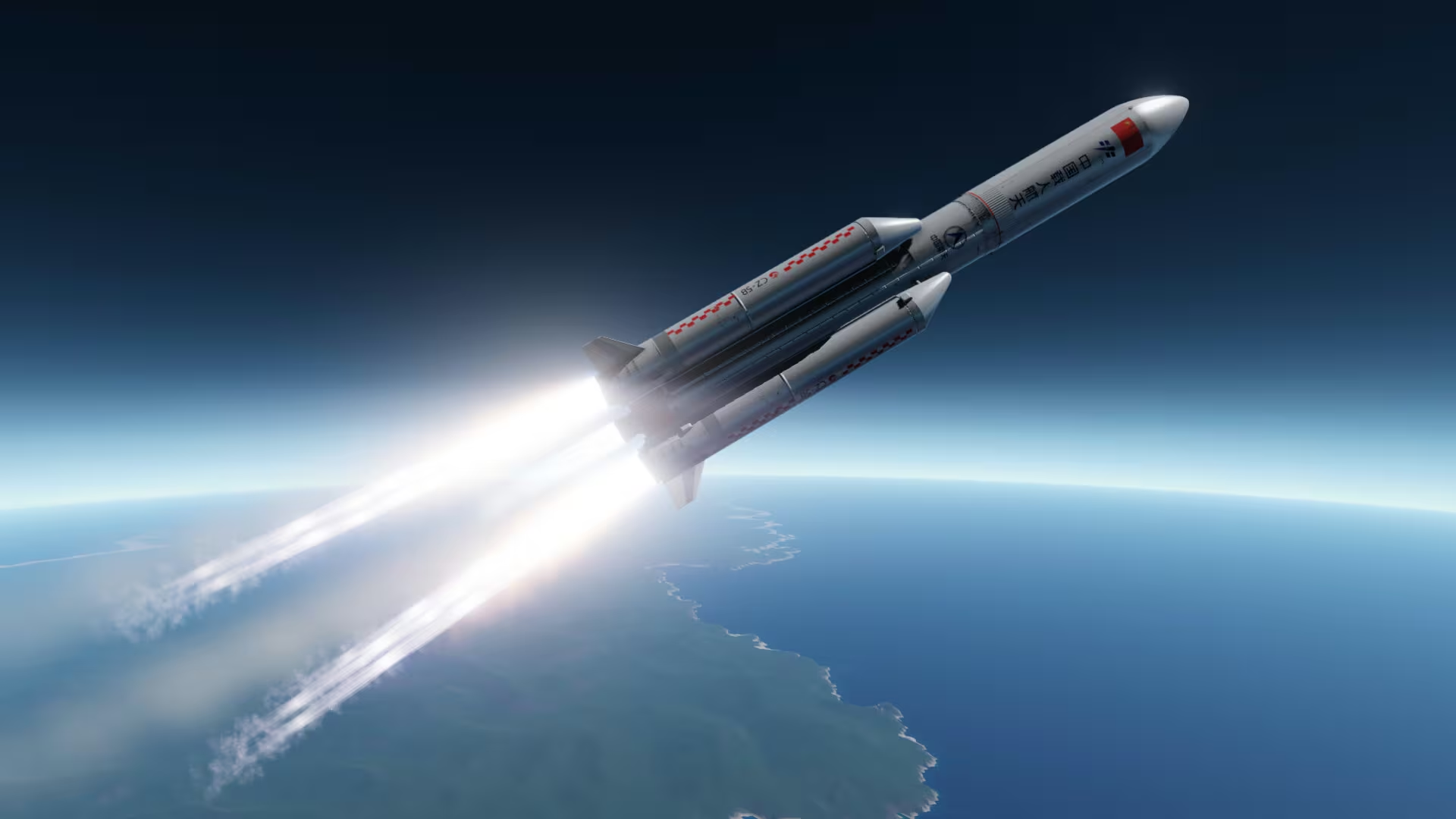
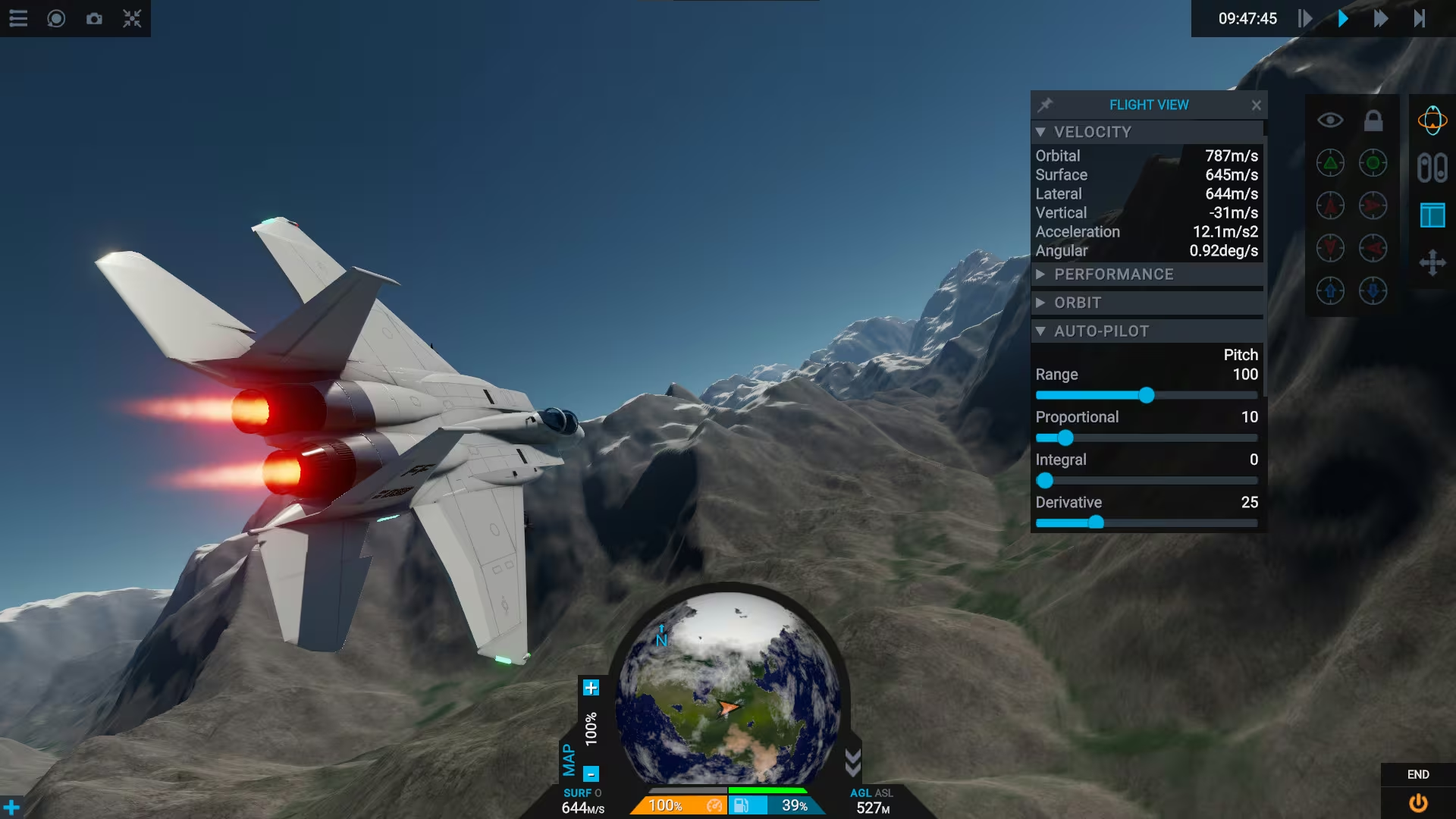
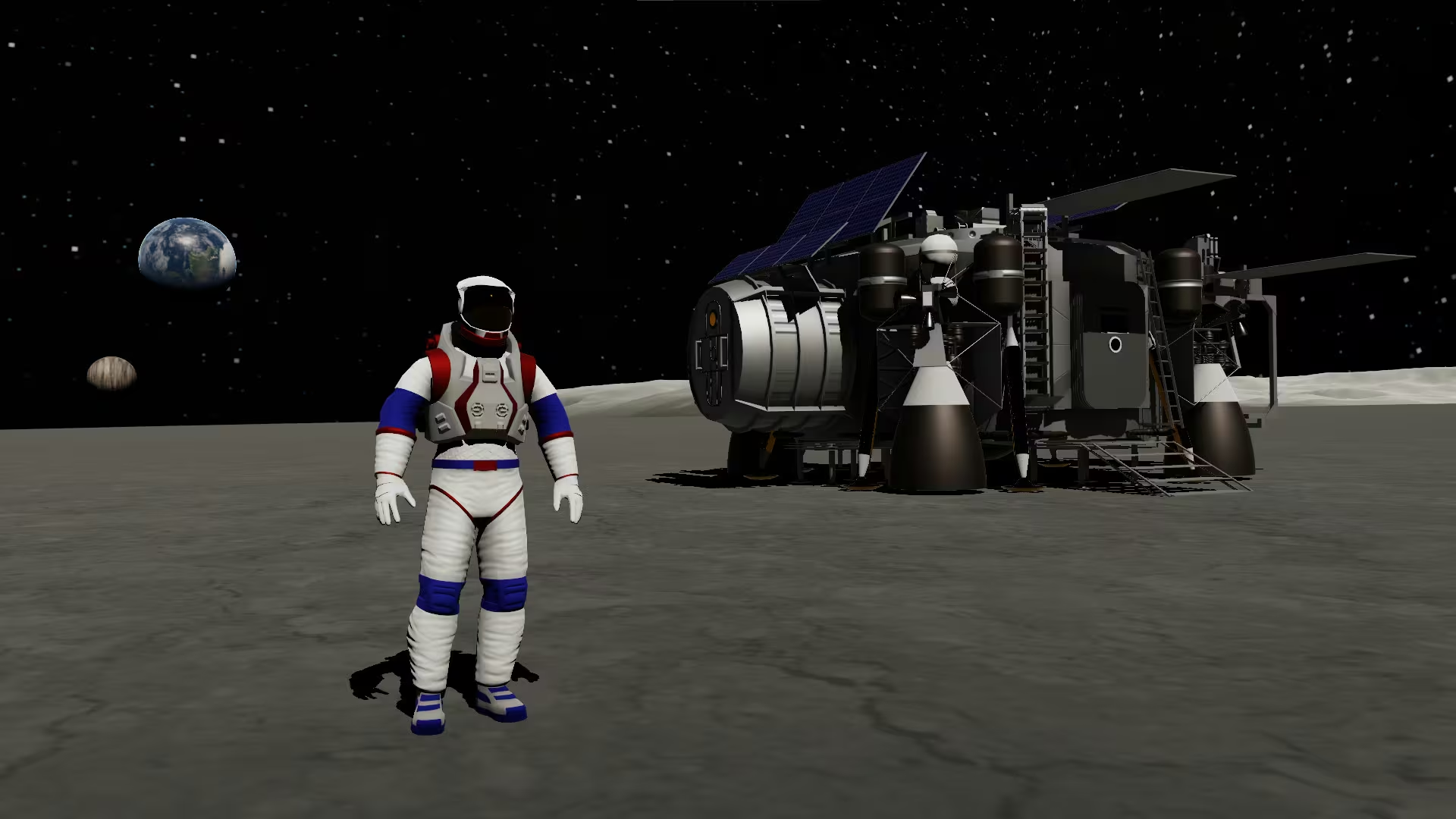
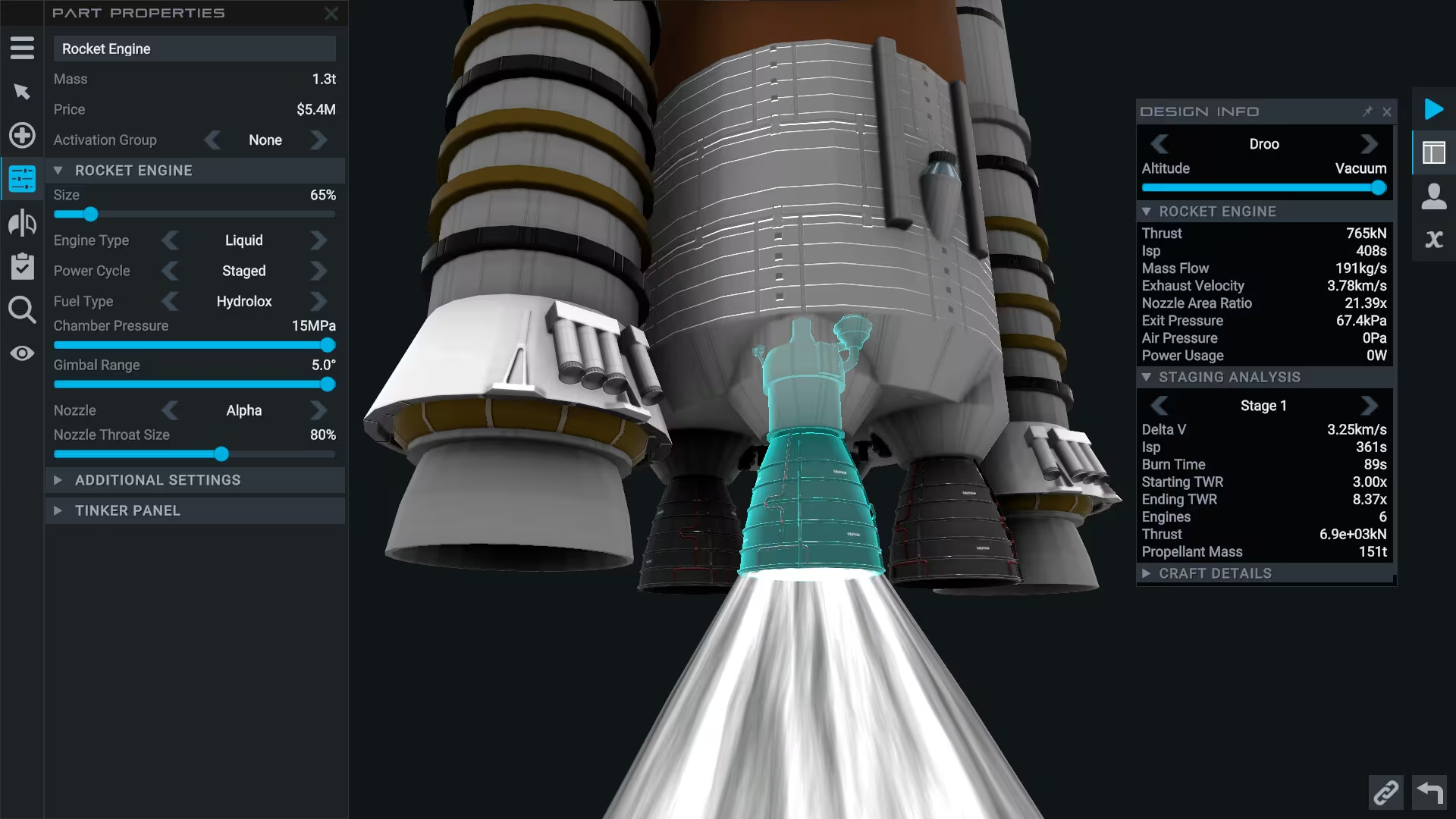
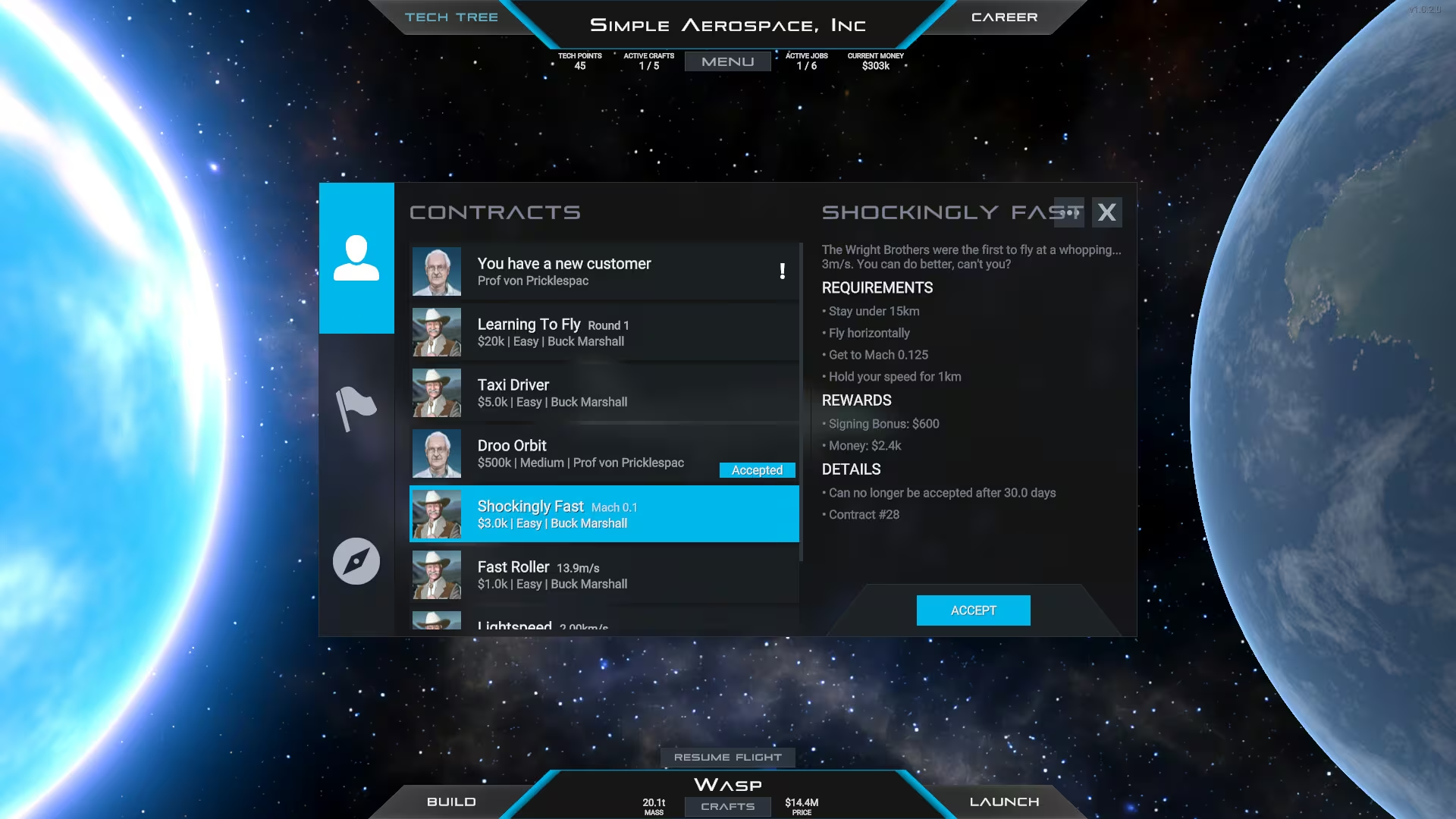
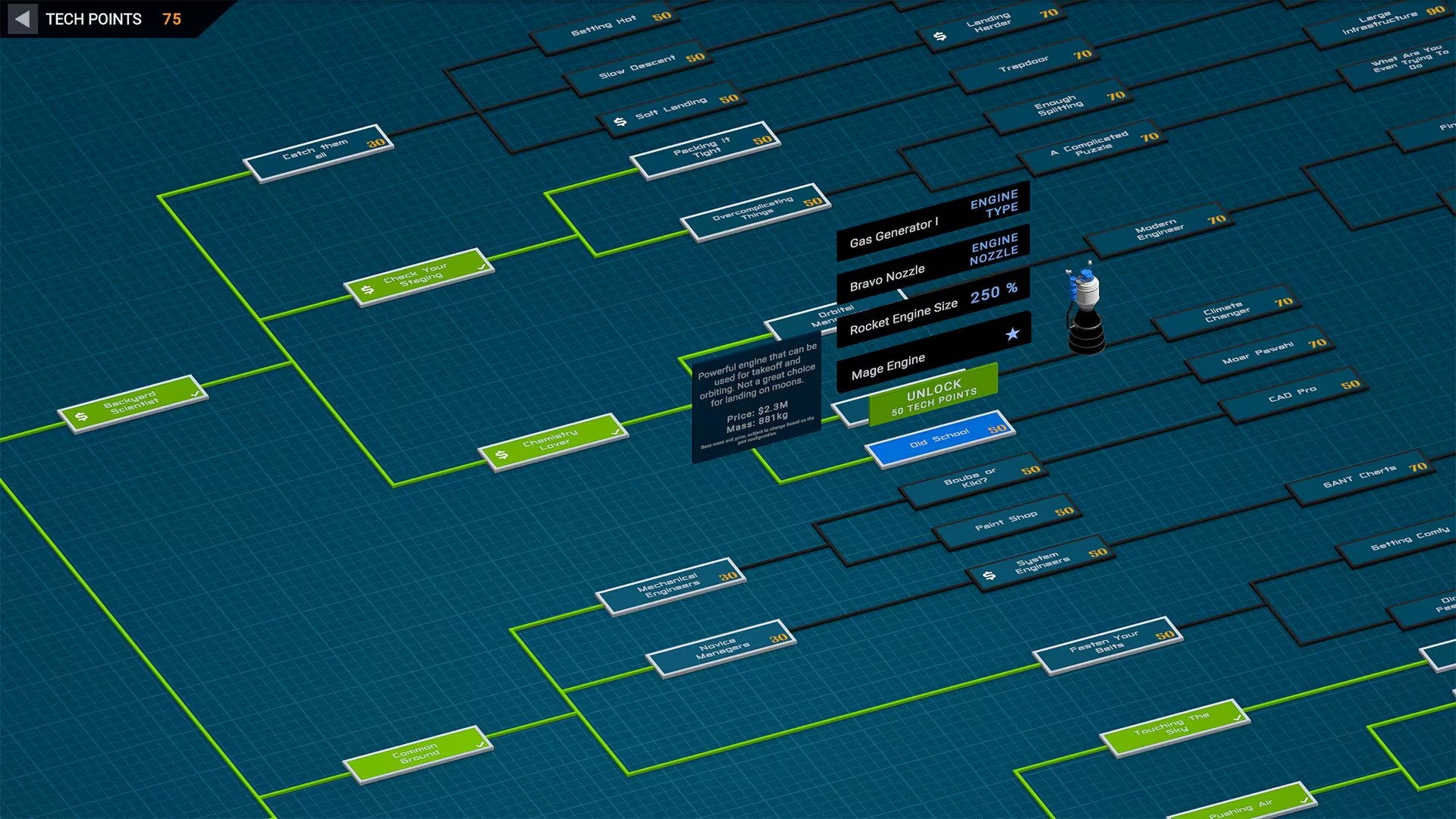
Bring to life anything you can imagine from rockets and airplanes to cars and more. Automate them with a visual programming language. Explore 3D planets and make your own. Share your creations online. Complete contracts, conquer milestones, and unlock technology in the newly added Career Mode.

Global score

89/100

Genres

Indie, Simulator

Similar games

    Pros

    • Highly customizable procedural parts
    • Intuitive programming automation system (vizzy)
    • Well-designed career mode with contracts and milestones
    • Good performance even on low-end hardware
    • Active developer support and modding community

    Cons

    • Lacks charm and character compared to ksp
    • Limited social and cooperative features
    • Some ui and control quirks, especially camera
    • Planetary environments can feel barren
    • Steep learning curve for beginners

    Analysis

    A very typical example of its motivational profile. Motivations that often define this kind of title include Fantasy, Violence, Story, Thrill. Here, the score leans higher than usual among comparable games on Survival, Story, Expression.

    How to use the graph
    Similar games map

    Each dot is a game. They are arranged from the same motivation profile as in the “Motivations” section below. Closer dots usually mean more similar reasons to play (exploration, competition, relaxation, etc.)—not that one game is “better” than another.

    • Larger dot with a light outline: the game you are viewing.
    • Colour: groups of games with comparable motivation patterns (statistical clusters).
    • Hover a dot to see the game name; click to open its page.
    • Scroll or double-click the chart to zoom out and see more games.

    Why don’t the axes read like a score? This view uses t-SNE: it only keeps who is close to whom. The scales are not “good to bad” or hours played—they separate groups on the map. Read distance between dots, not the axis numbers.

    Motivations

    • Autonomy
      4

      "Players have extensive control over building and programming rockets, enabling self-directed play and automation."

    • Competence
      4

      "The game challenges players with realistic rocket design, orbital mechanics, and mission objectives requiring skill and learning."

    • Competition
      -3

      "Focus is on personal progression and experimentation rather than direct competition or leaderboards."

    • Continuation
      3

      "Many players report long play sessions and habitual engagement due to career mode and creative building."

    • Cooperation
      -4

      "Gameplay is primarily single-player with limited social or cooperative mechanics."

    • Creativity
      5

      "Highly emphasized procedural parts and customization allow for extensive creative expression."

    • Domination
      -5

      "No evidence of dominance or power over others; interactions are individual and respectful."

    • Escapism
      3

      "Players use the game as a complex, immersive space simulation to escape and engage with spaceflight."

    • Expectation
      -4

      "Players engage voluntarily out of interest and intrinsic motivation rather than obligation."

    • Experimenting
      5

      "Strong emphasis on trying new designs, tweaking parts, and exploring mechanics."

    • Exploration
      3

      "Players explore planets and solar systems, though some find planetary environments less detailed."

    • Expression
      4

      "Customization of parts and skins supports personal expression in craft design."

    • Fantasy
      -3

      "Focus on realistic physics and plausible spaceflight rather than fictional or mythological elements."

    • Fellowship
      -4

      "Minimal social features; mostly solo play with some community sharing outside the game."

    • Growth
      4

      "Career mode and learning rocket science concepts promote personal development and skill acquisition."

    • Health
      -5

      "Typical sedentary gameplay with no physical activity or health-related features."

    • Idle
      -3

      "Requires focused attention for building and flight; not suited for passive or background play."

    • Intimacy
      -5

      "No evidence of close social relationships or emotional sharing within gameplay."

    • Leadership
      -5

      "No leadership or group management roles; gameplay is individual."

    • Progression
      4

      "Career mode features tech trees, contracts, and milestones driving progression and upgrades."

    • Relaxation
      2

      "Some players find the game relaxing and satisfying, though others note a steep learning curve."

    • Sensation
      2

      "Visuals and sound are decent but not highly stimulating; focus is on intellectual engagement."

    • Status
      -4

      "Achievements and community recognition are limited; focus is on personal accomplishment."

    • Story
      1

      "Career mode provides some narrative structure but lacks deep story or character interaction."

    • Strategy
      4

      "Players engage in complex problem solving, planning, and optimization of rocket designs and missions."

    • Thrill
      1

      "Some tension in mission challenges but overall gameplay is more methodical than thrilling."

    • Value
      4

      "Players perceive good value for money due to depth, mod support, and performance."

    • Violence
      -5

      "No combat or destructive gameplay; focus is on constructive engineering and exploration."

    • Survival
      2

      "Players must manage resources and avoid mission failure, but environment is stable and predictable."

    Last update: 29/04/2026