STASIS Thumbnail

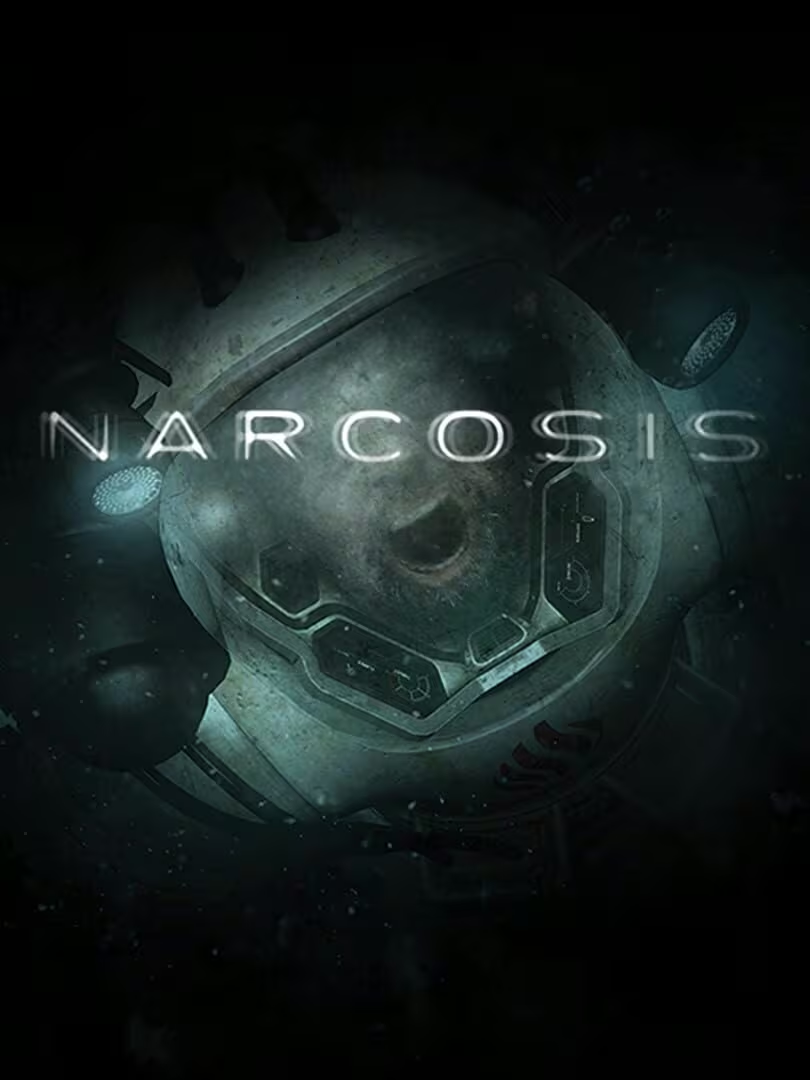
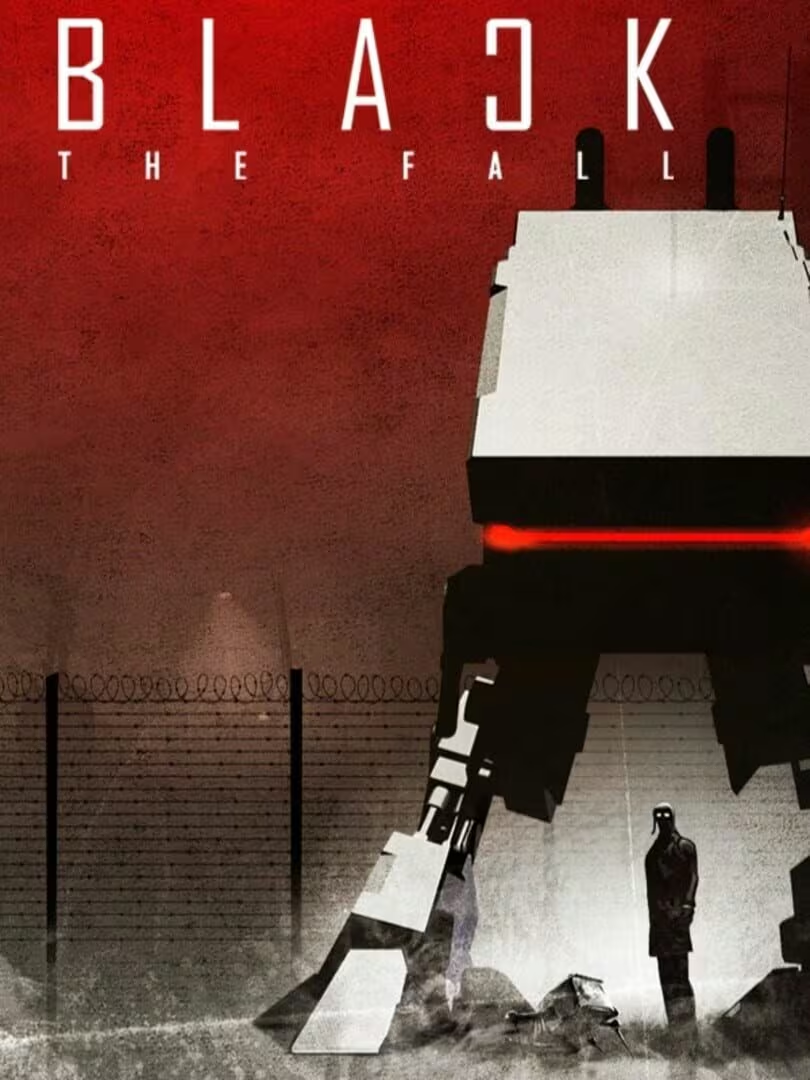
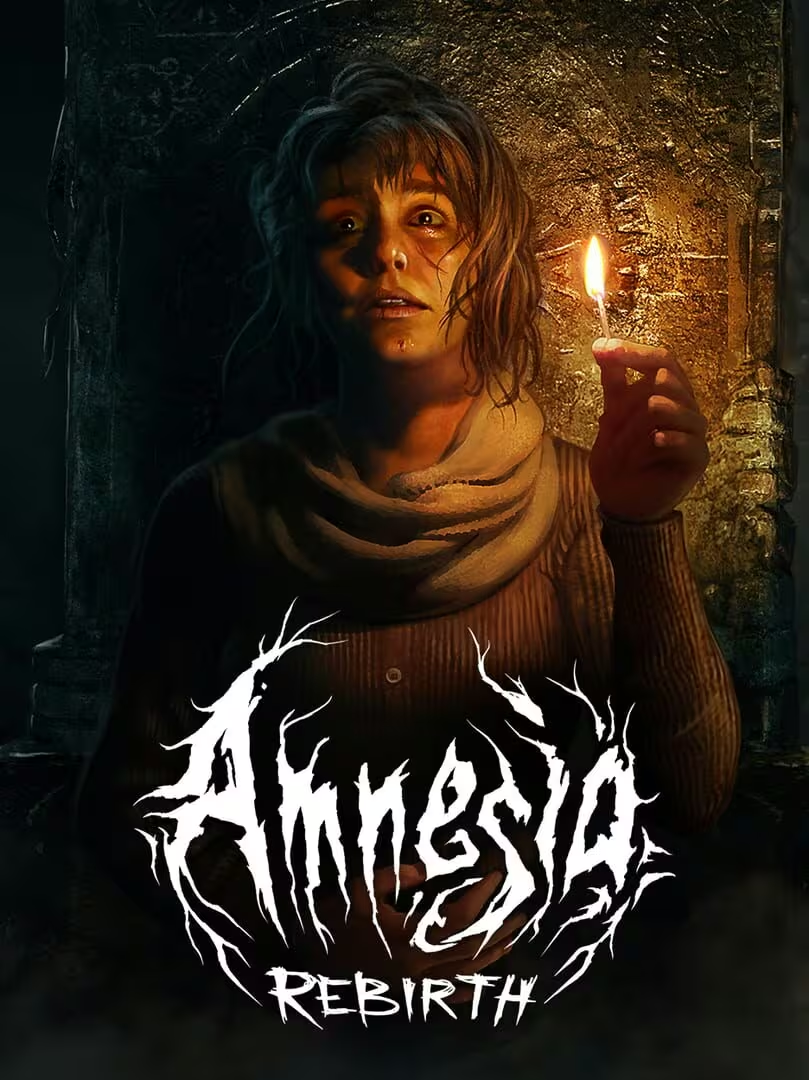
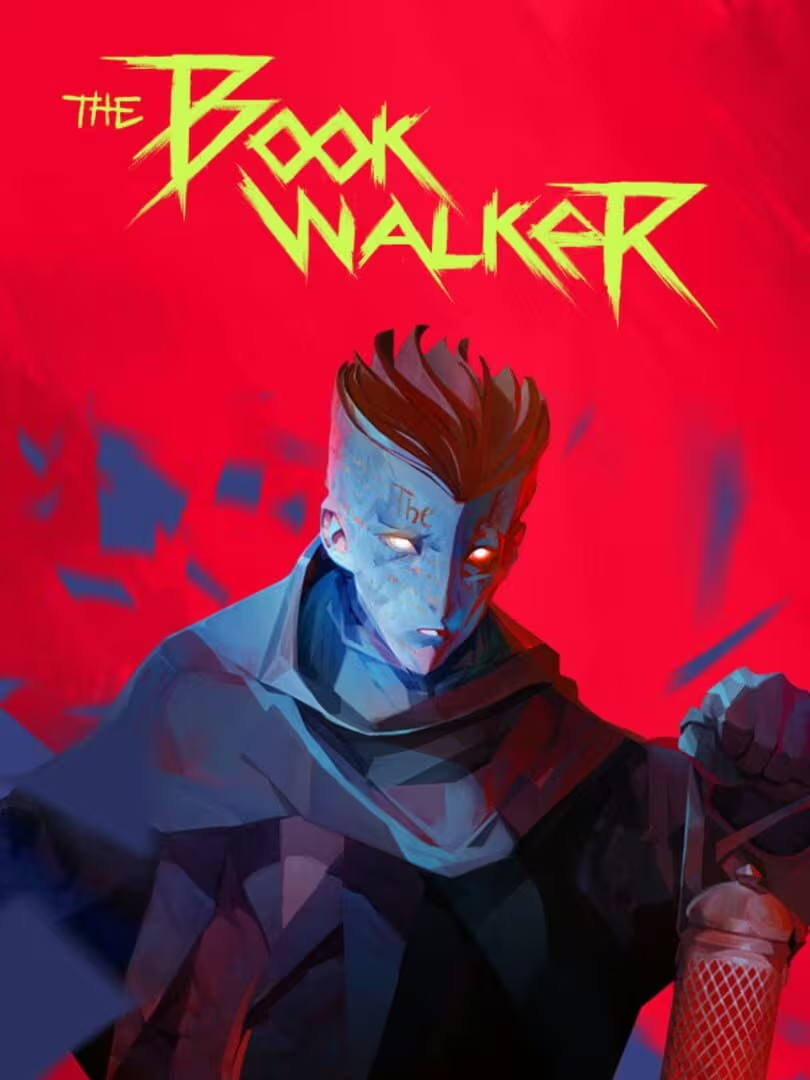
STASIS similar games & best alternatives

STASIS

PC (Microsoft Windows) • 2015

Related articles

Quick resume

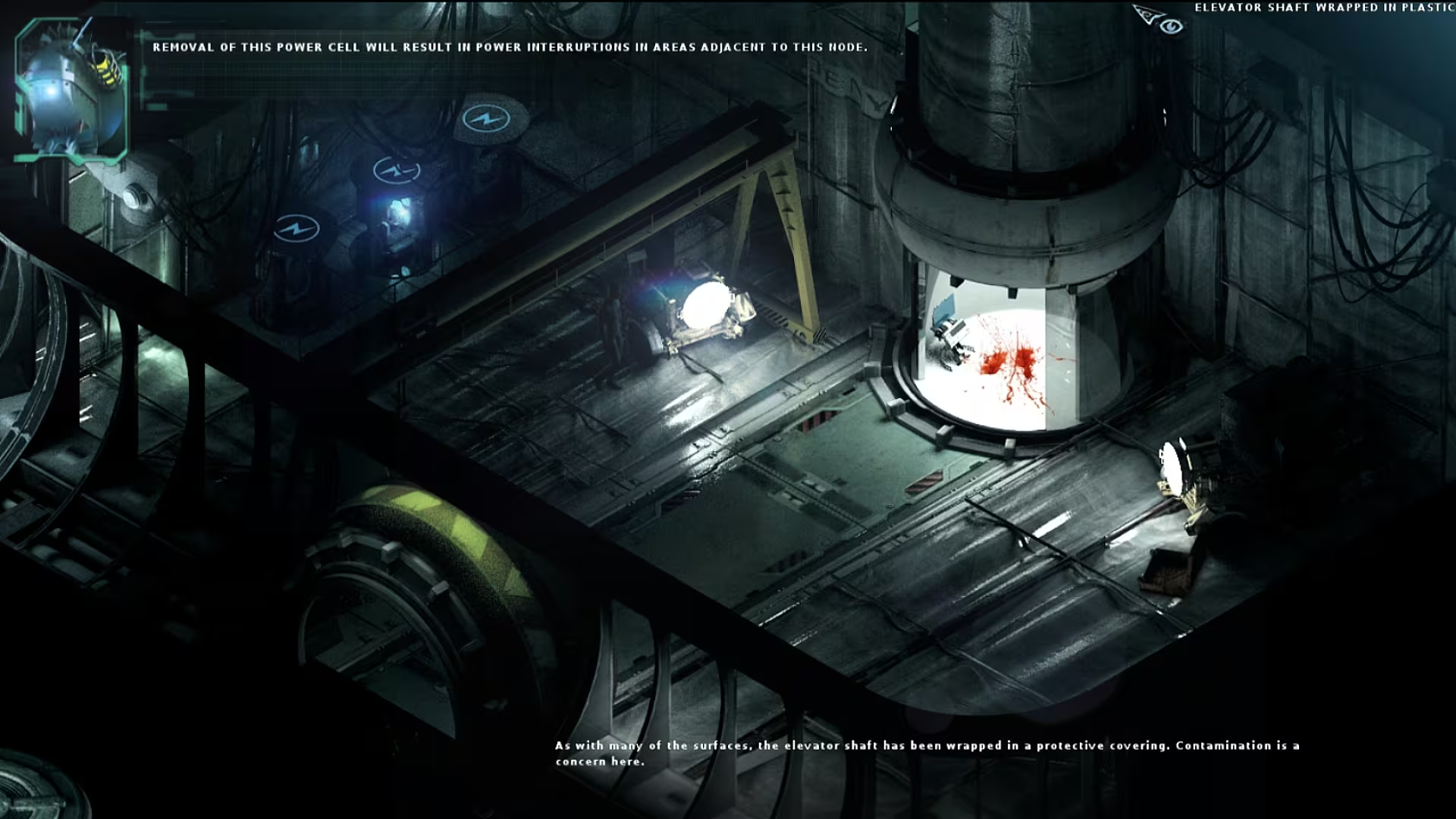
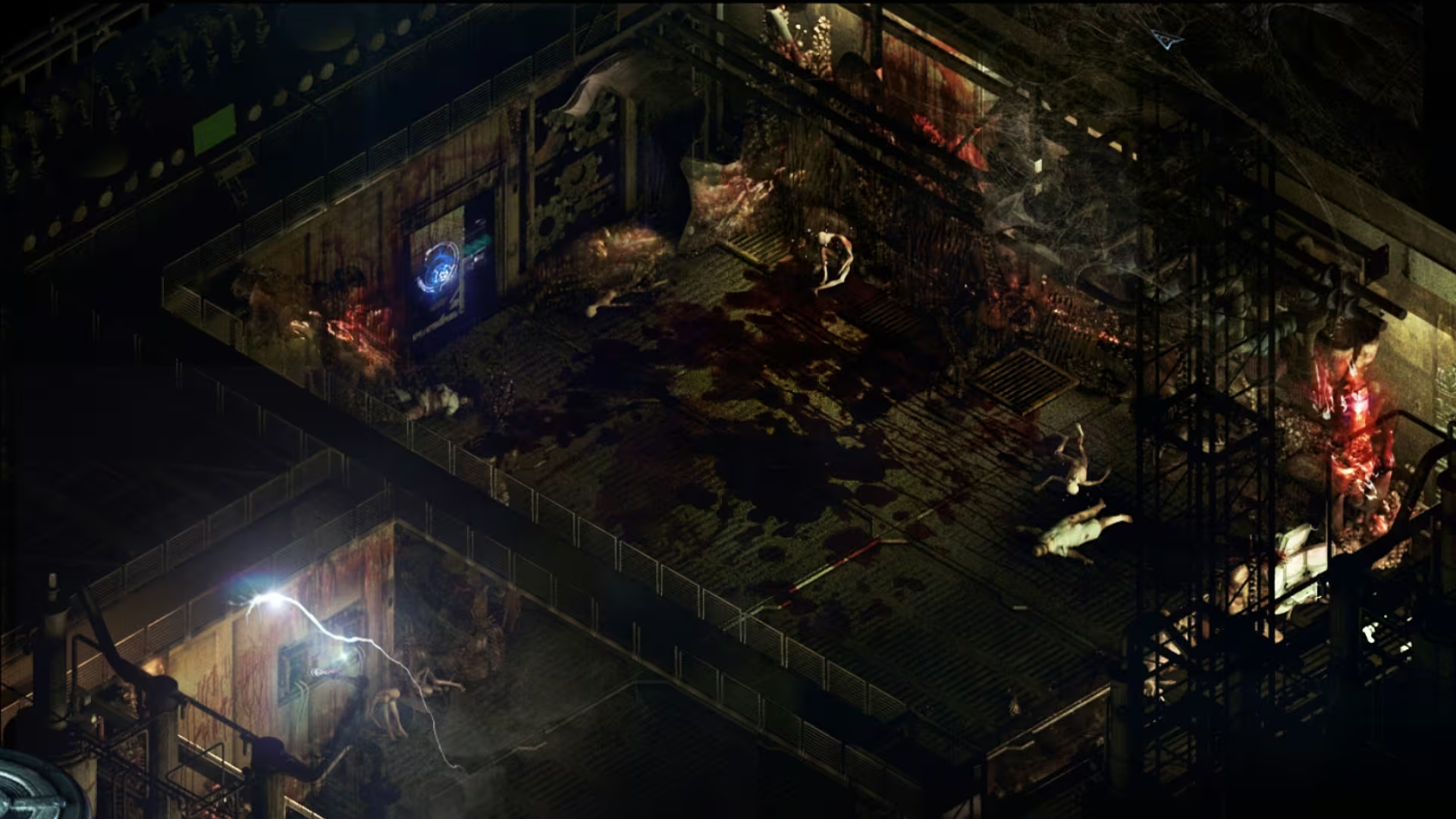
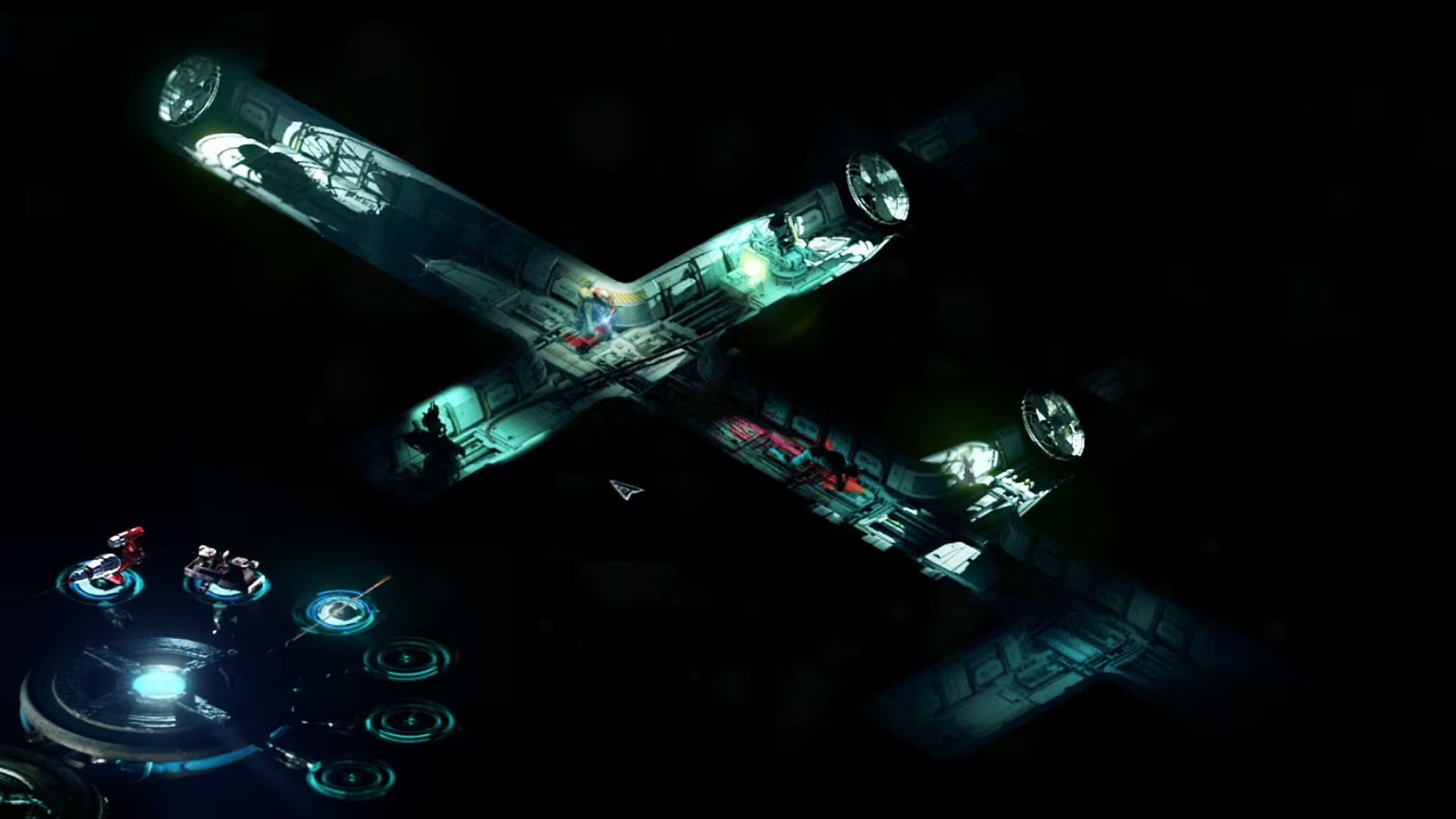
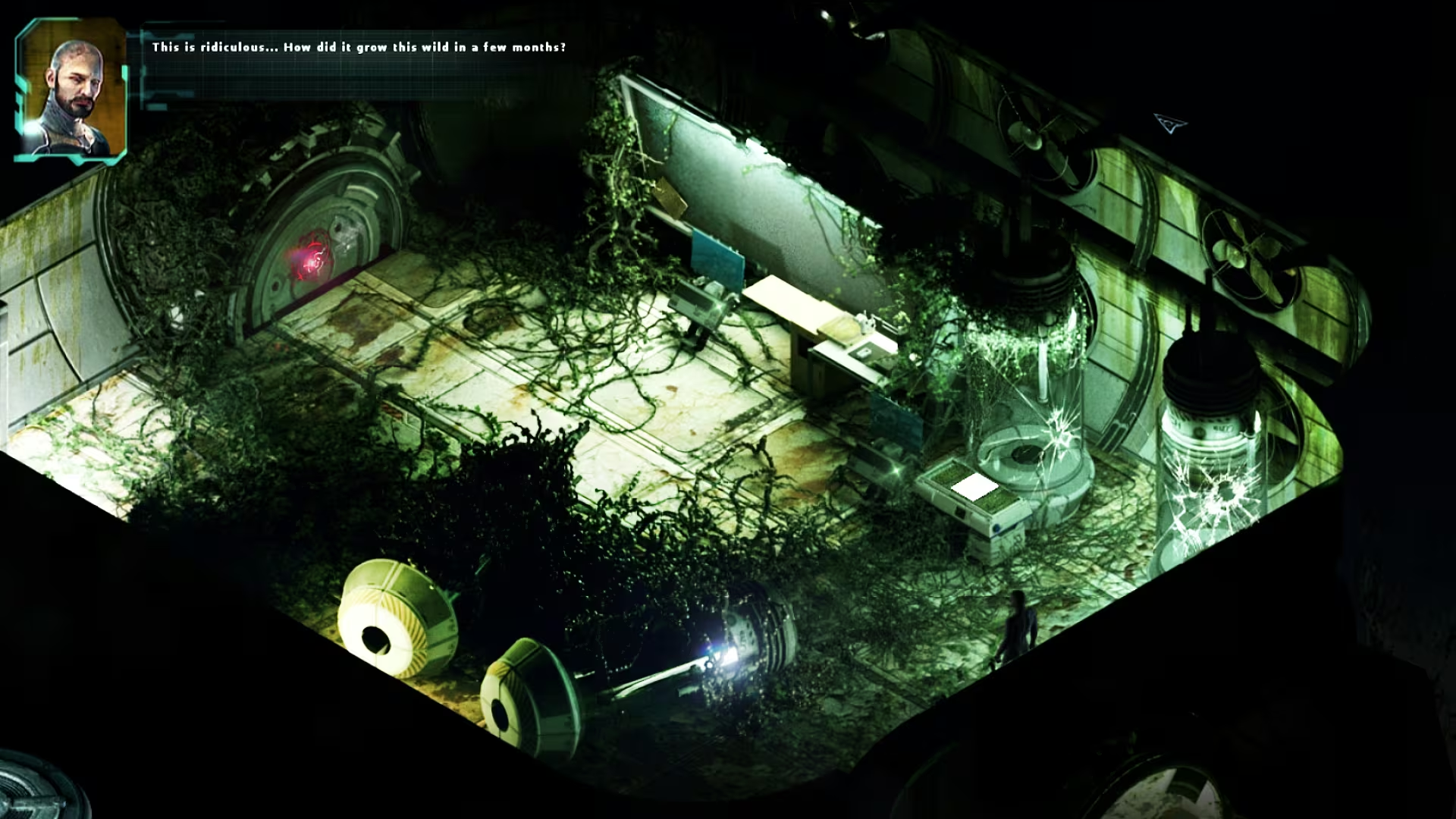
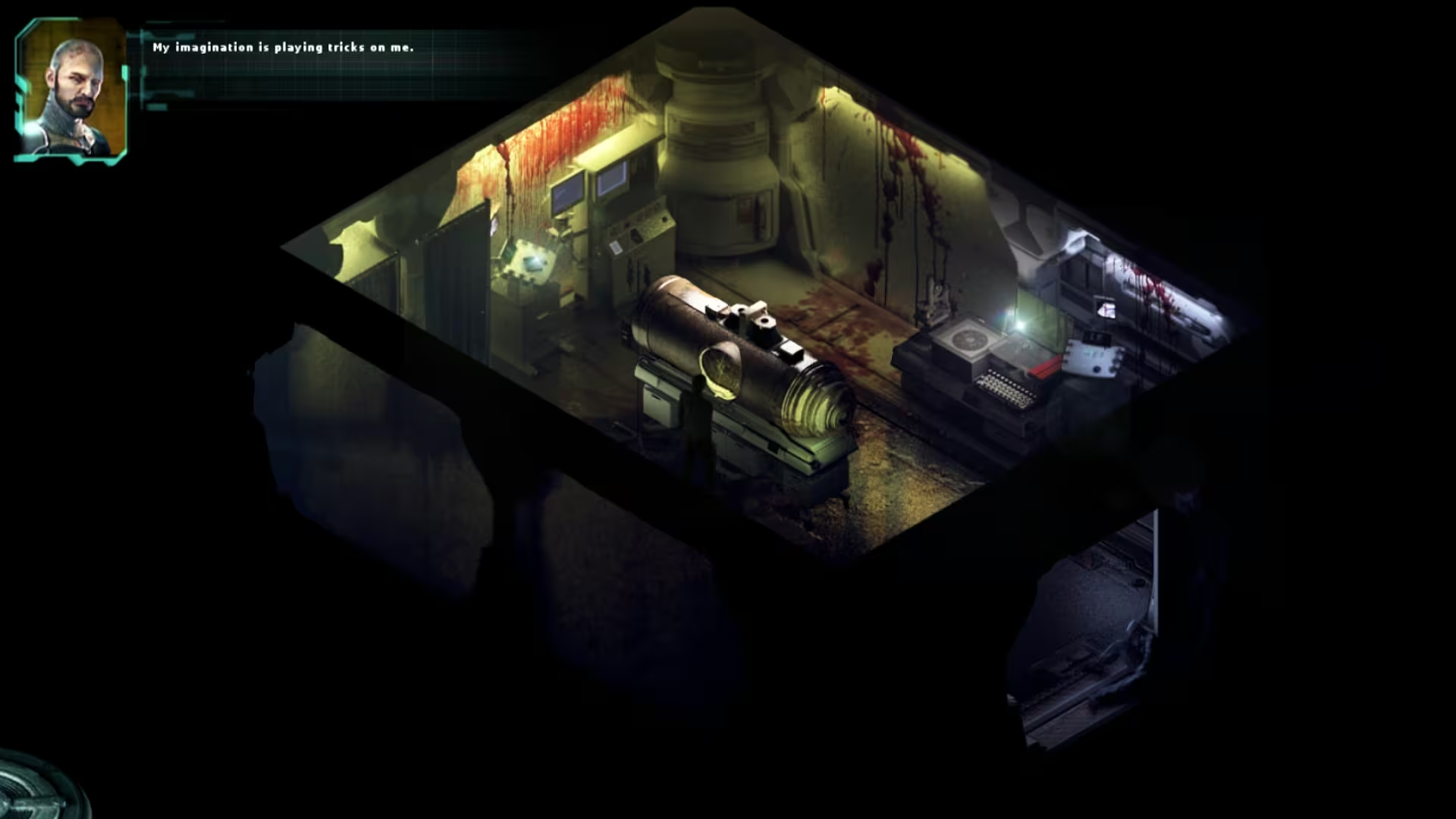
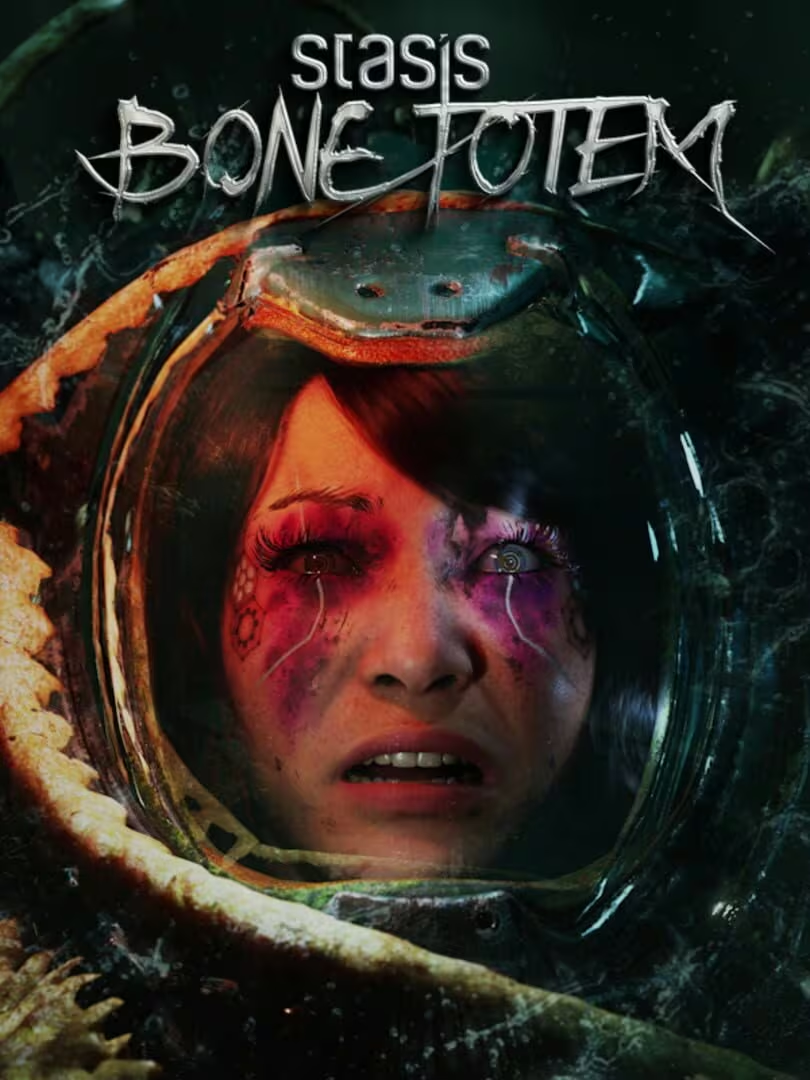
STASIS The isometric, point-and-click, sci-fi horror adventure game! In the distant future aboard a seemingly abandoned spacecraft, John Maracheck awakes from stasis. He must push himself to new physical and emotional limits and unravel the mysteries around him.

Global score

82/100

Genres

Adventure, Indie, Strategy, Card & Board Game

Similar games

    Pros

    • Strong atmospheric horror and immersive story
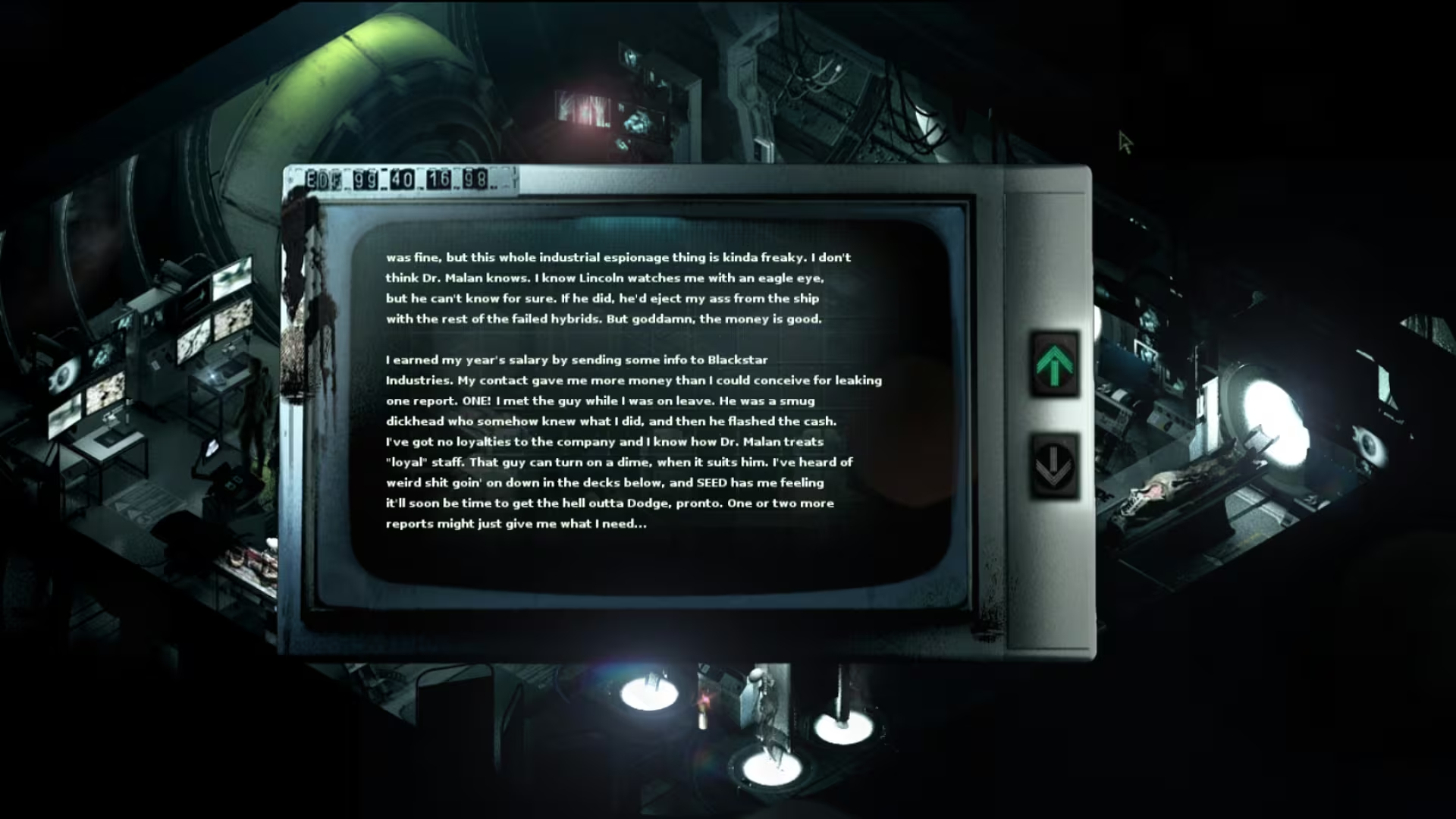
    • Well-written narrative and character logs
    • Logical and engaging puzzles
    • Detailed isometric graphics and sound design
    • Responsive developer support

    Cons

    • Linear gameplay with no replayability
    • Some puzzles rely on trial and error or pixel hunting
    • Technical issues and lack of in-game settings
    • Clunky animations and interface
    • No multiplayer or social features

    Analysis

    A very typical example of its motivational profile. Motivations that often define this kind of title include Expression, Fellowship, Cooperation, Competition. Here, the score leans higher than usual among comparable games on Story. It leans lower than usual among comparable games on Expression, Relaxation.

    How to use the graph
    Similar games map

    Each dot is a game. They are arranged from the same motivation profile as in the “Motivations” section below. Closer dots usually mean more similar reasons to play (exploration, competition, relaxation, etc.)—not that one game is “better” than another.

    • Larger dot with a light outline: the game you are viewing.
    • Colour: groups of games with comparable motivation patterns (statistical clusters).
    • Hover a dot to see the game name; click to open its page.
    • Scroll or double-click the chart to zoom out and see more games.

    Why don’t the axes read like a score? This view uses t-SNE: it only keeps who is close to whom. The scales are not “good to bad” or hours played—they separate groups on the map. Read distance between dots, not the axis numbers.

    Motivations

    • Autonomy
      3

      "Players have freedom to explore the spaceship and solve puzzles with some trial and error, but the game is ultimately linear with no alternative paths."

    • Competence
      3

      "Puzzles require logical thinking and experimentation; some are challenging and require skillful observation, though some rely on trial and error."

    • Competition
      -5

      "Single-player experience focused on personal progress without any competitive elements."

    • Continuation
      1

      "Players tend to complete the game in one or two sessions; some replay for achievements but overall limited replayability."

    • Cooperation
      -5

      "Entirely single-player with no cooperative or multiplayer features."

    • Creativity
      1

      "Players combine items and solve puzzles creatively, but within a fixed narrative and environment."

    • Domination
      -5

      "No social or multiplayer interaction involving dominance or control."

    • Escapism
      4

      "Strong atmospheric horror and immersive story provide a means to escape reality and experience psychological and body horror."

    • Expectation
      -4

      "Players engage voluntarily out of interest in sci-fi horror and adventure; no external pressure reported."

    • Experimenting
      3

      "Encouraged to experiment with item combinations and puzzle solutions, though some puzzles require trial and error."

    • Exploration
      2

      "Exploration of various spaceship areas with discovery of logs and story elements, but within a linear path."

    • Expression
      -5

      "No character customization or player expression options."

    • Fantasy
      4

      "Set in a dark sci-fi horror universe with body horror and speculative fiction elements."

    • Fellowship
      -5

      "No community or social group involvement; strictly solo play."

    • Growth
      2

      "Players develop problem-solving skills and learn puzzle solutions; story comprehension grows through reading logs."

    • Health
      -5

      "Sedentary gameplay with no physical activity involved."

    • Idle
      -3

      "Requires focused attention and puzzle solving; not suitable for casual or background play."

    • Intimacy
      -5

      "No social or emotional relationship building with other players."

    • Leadership
      -5

      "No leadership or group management roles."

    • Progression
      3

      "Progression through acquiring and combining items to solve puzzles and advance the story."

    • Relaxation
      -2

      "Tense, oppressive atmosphere with horror elements creates sustained tension rather than relaxation."

    • Sensation
      3

      "Strong sensory stimulation through dark visuals, sound design, and horror atmosphere."

    • Status
      -5

      "No social recognition or status systems."

    • Story
      5

      "Narrative-driven game with rich lore revealed through logs, character interactions, and immersive storytelling."

    • Strategy
      2

      "Requires logical thinking and puzzle solving, though some puzzles rely on trial and error."

    • Thrill
      3

      "Horror and suspense elements create moments of tension and relief."

    • Value
      3

      "Generally considered good value for the price, especially during sales, with a solid story and atmosphere."

    • Violence
      3

      "Contains graphic violence and body horror as part of the narrative and atmosphere."

    • Survival
      2

      "Player must avoid death and solve puzzles to survive and progress, though no combat or resource management."

    Last update: 29/04/2026