Layers of Fear Thumbnail

Layers of Fear similar games & best alternatives

Layers of Fear

PC (Microsoft Windows), Mac, iOS, Xbox One, PlayStation 4, Linux • 2023

Related articles

Quick resume

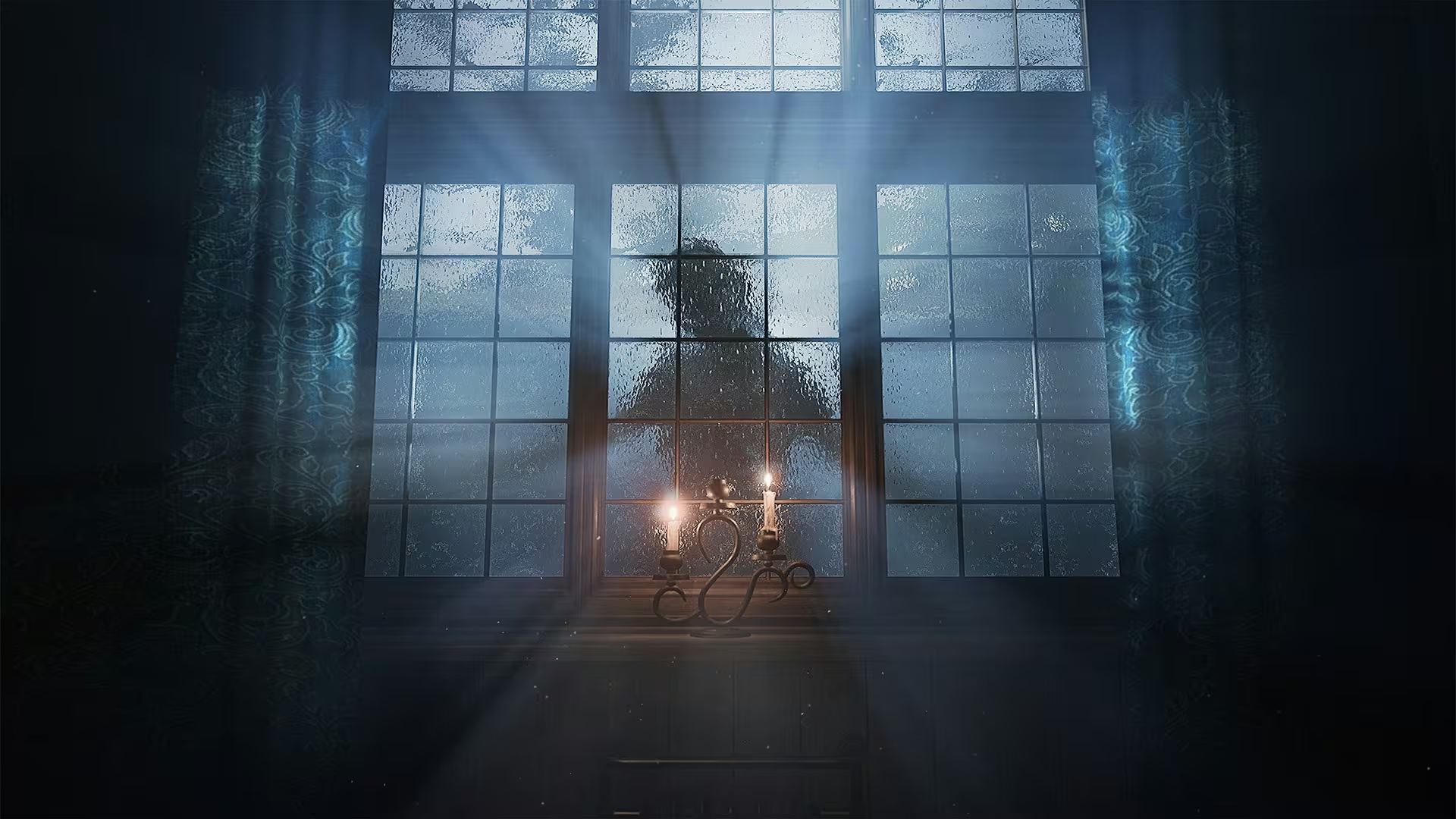
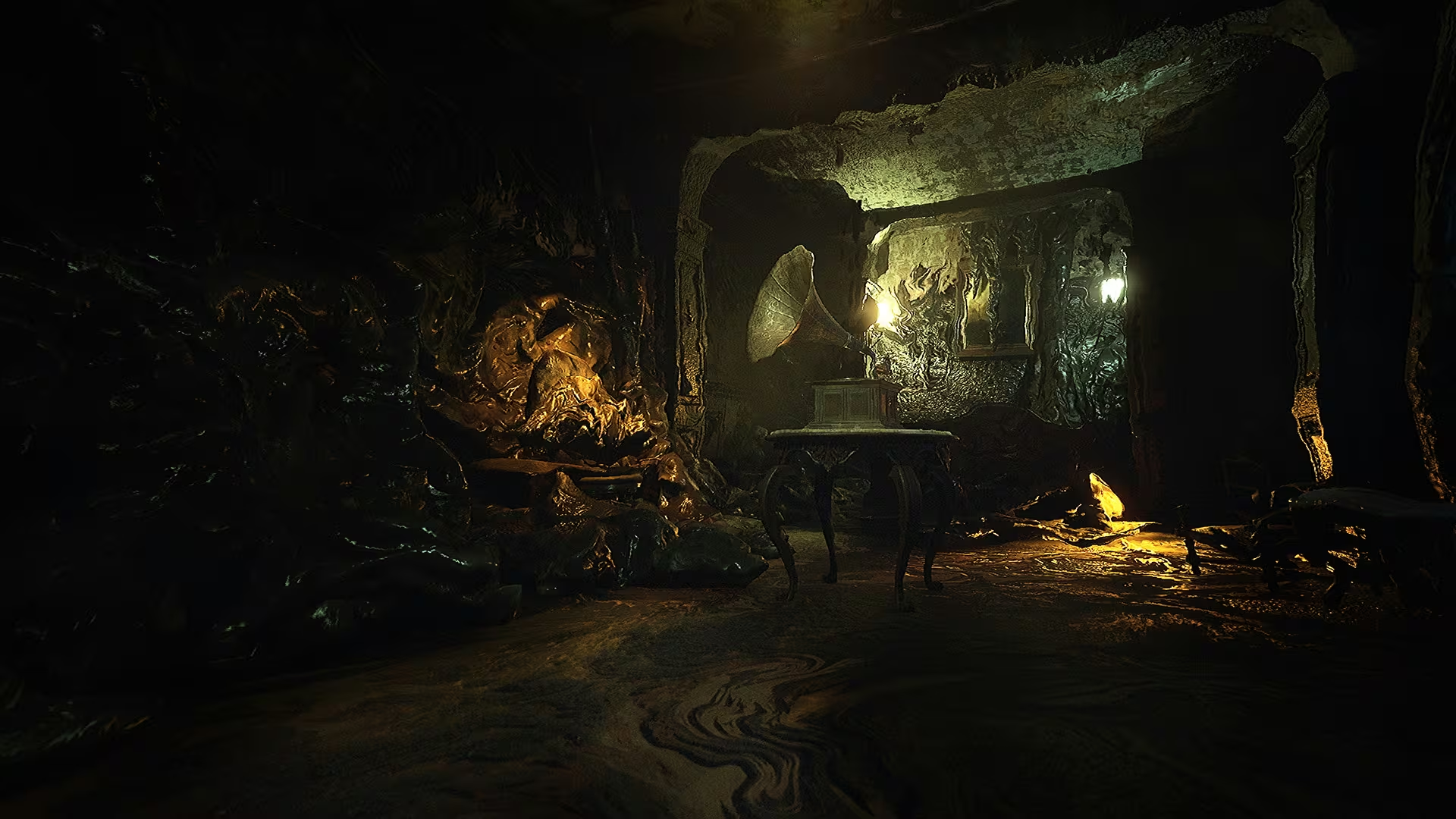
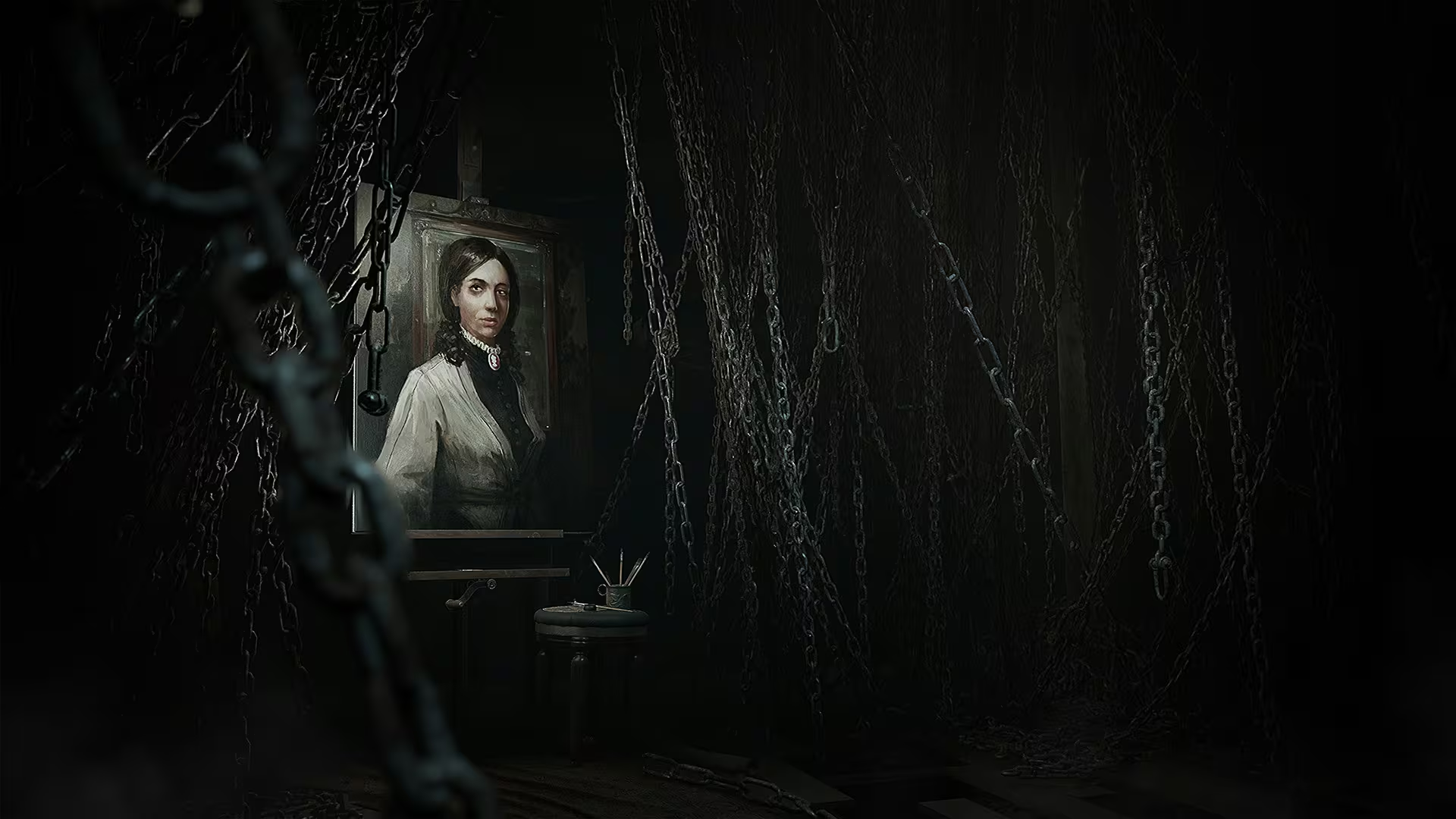
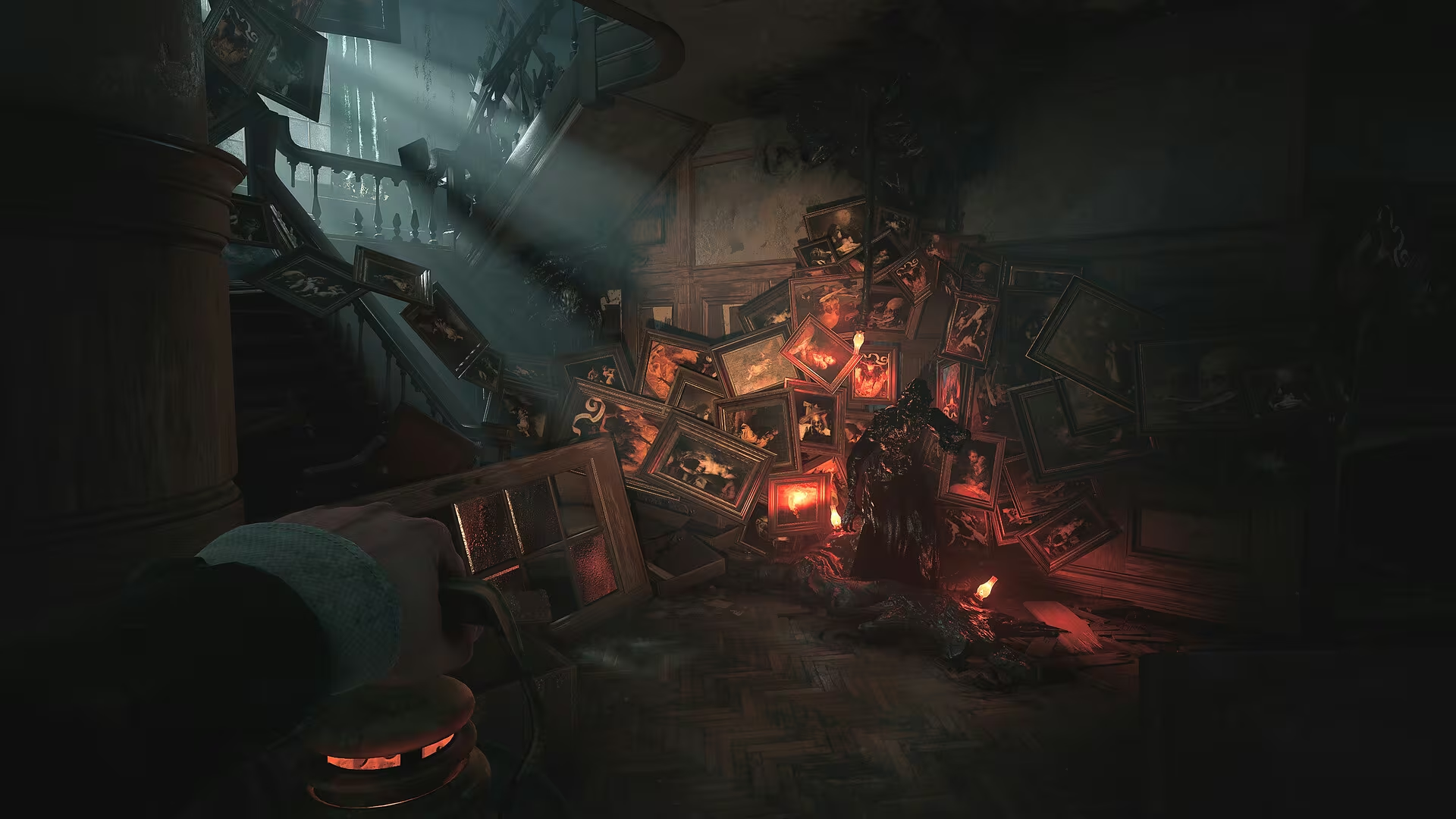
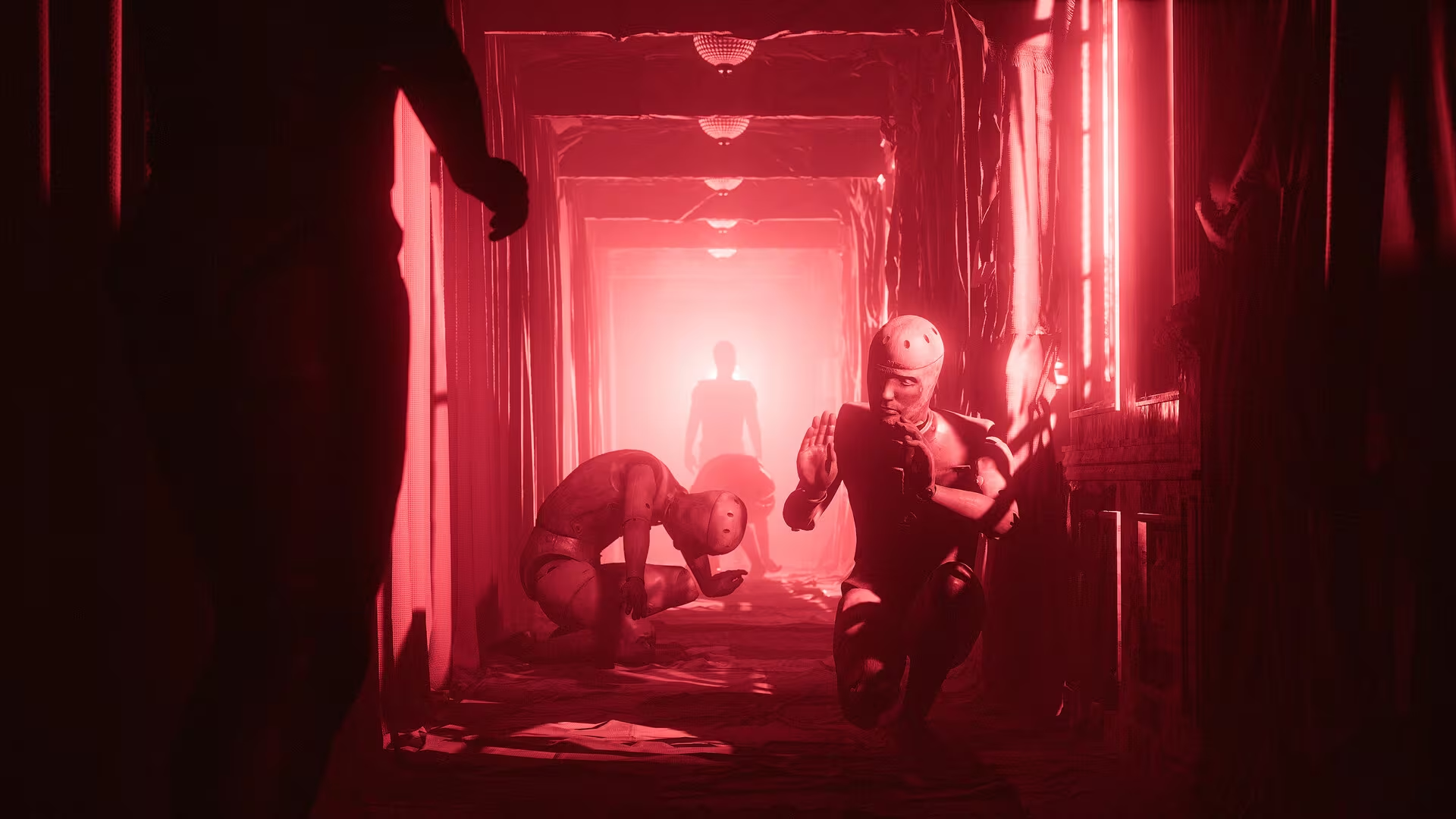
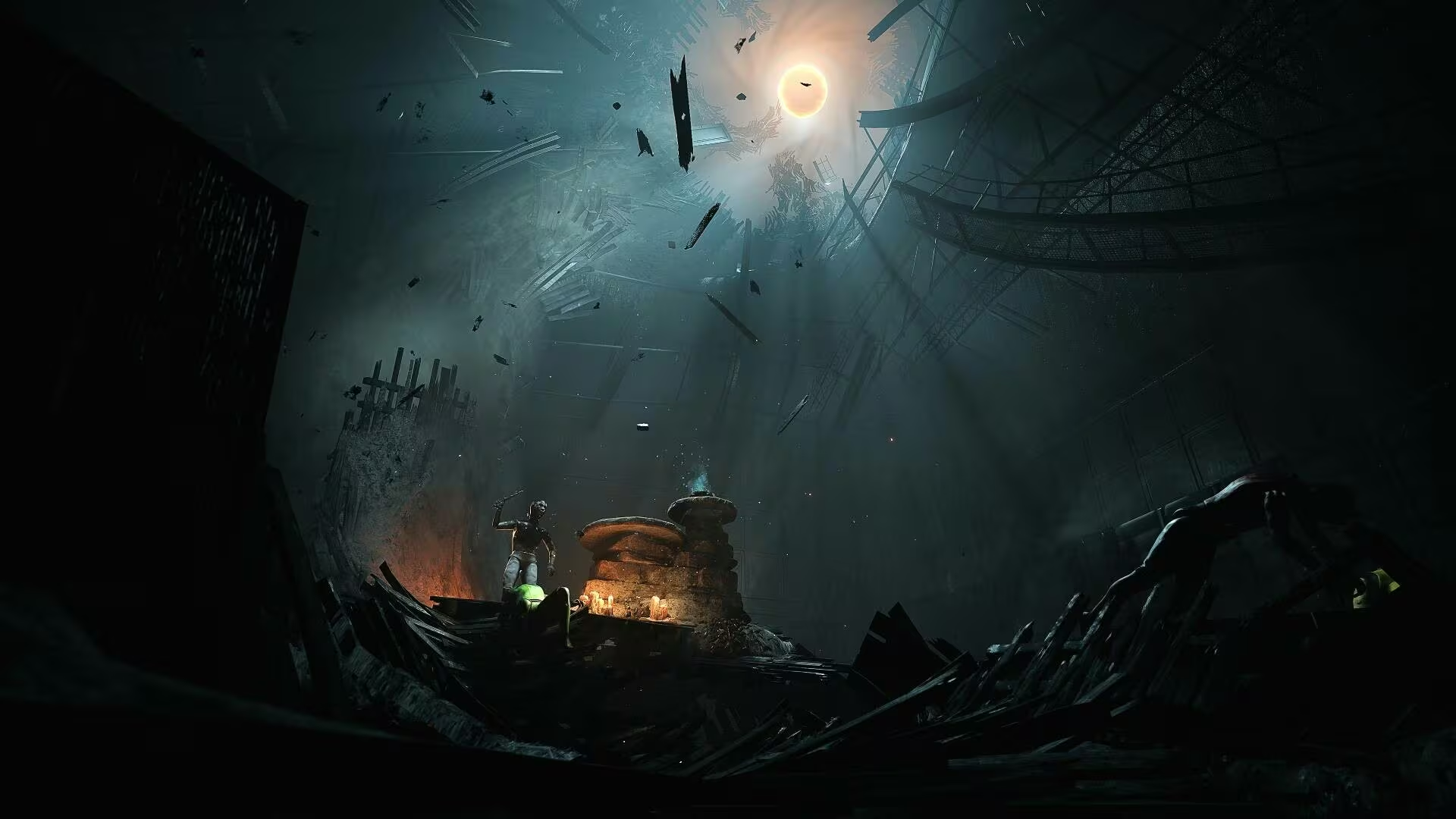
All stories must come to an end, even twisted and eerie ones. The canvas. The stage. The novel. This narrative-focused psychological horror experience is ready for its final brushstrokes, its curtain call, its final chapter. Are you ready to return and face your fears one last time?

Global score

79/100

Genres

Adventure, Indie, Puzzle

Similar games

    Pros

    • Stunning visuals with unreal engine 5
    • Immersive psychological horror atmosphere
    • Multiple stories and dlc included
    • Strong narrative and storytelling
    • Good value for price

    Cons

    • Some frustrating chase sequences
    • Minor bugs and glitches reported
    • Voice acting quality inconsistent
    • Some players find parts tedious or repetitive
    • Lack of gameplay depth beyond walking and puzzles

    Analysis

    A very typical example of its motivational profile. Motivations that often define this kind of title include Expression, Fellowship, Cooperation, Competition. Here, the score leans higher than usual among comparable games on Exploration. It leans lower than usual among comparable games on Violence, Strategy.

    How to use the graph
    Similar games map

    Each dot is a game. They are arranged from the same motivation profile as in the “Motivations” section below. Closer dots usually mean more similar reasons to play (exploration, competition, relaxation, etc.)—not that one game is “better” than another.

    • Larger dot with a light outline: the game you are viewing.
    • Colour: groups of games with comparable motivation patterns (statistical clusters).
    • Hover a dot to see the game name; click to open its page.
    • Scroll or double-click the chart to zoom out and see more games.

    Why don’t the axes read like a score? This view uses t-SNE: it only keeps who is close to whom. The scales are not “good to bad” or hours played—they separate groups on the map. Read distance between dots, not the axis numbers.

    Motivations

    • Autonomy
      3

      "Players have freedom to explore and make some choices affecting endings, but gameplay is mostly walking simulator with some scripted sequences."

    • Competence
      1

      "Game involves puzzle solving and some light combat mechanics, but overall low skill requirement and some frustration with chase sequences."

    • Competition
      -5

      "No evidence of competitive elements; focus is on personal experience and story."

    • Continuation
      3

      "Players report long playtime with multiple stories and endings encouraging replay, though some find parts tedious."

    • Cooperation
      -5

      "Single-player experience with no cooperative gameplay."

    • Creativity
      2

      "Game features exploration of changing environments and symbolic artistic elements, but limited player creation or modification."

    • Domination
      -5

      "No evidence of exerting control or superiority over others; single-player narrative focus."

    • Escapism
      4

      "Strong psychological horror and immersive atmosphere provide escape from reality."

    • Expectation
      -4

      "Players engage voluntarily out of interest in story and atmosphere; no obligation or pressure noted."

    • Experimenting
      1

      "Some exploration and discovery of new story layers and environments, but gameplay largely follows established routines."

    • Exploration
      4

      "Players explore shifting, surreal environments with hidden collectibles and lore."

    • Expression
      -3

      "Limited customization or self-expression; players experience predefined narrative and environments."

    • Fantasy
      4

      "Strong psychological horror with surreal, supernatural, and artistic elements."

    • Fellowship
      -5

      "Single-player game with minimal social interaction."

    • Growth
      2

      "Players learn story details and solve puzzles, gaining understanding of complex narrative."

    • Health
      -5

      "No physical activity or health-related gameplay."

    • Idle
      -3

      "Requires focused attention to narrative and environment; not a casual or background game."

    • Intimacy
      -4

      "Minimal social connection; emotional engagement is with narrative rather than other players."

    • Leadership
      -5

      "No leadership or group management elements."

    • Progression
      3

      "Players collect items, unlock story chapters, and achieve multiple endings."

    • Relaxation
      -1

      "Atmosphere is tense and eerie, but some players find it immersive and engaging rather than stressful."

    • Sensation
      4

      "High sensory stimulation through visuals, lighting, sound design, and psychological horror elements."

    • Status
      -5

      "No social recognition or status systems."

    • Story
      5

      "Strong narrative focus with multiple intertwining stories and psychological depth."

    • Strategy
      0

      "Some puzzle solving and light combat mechanics, but mostly straightforward exploration."

    • Thrill
      3

      "Psychological horror and chase sequences provide suspense and tension."

    • Value
      4

      "Players praise the amount of content for price, including multiple games and DLC remade in UE5."

    • Violence
      -3

      "Limited combat mostly involving light mechanics to repel enemies; emphasis on psychological horror over violence."

    • Survival
      2

      "Some chase and avoidance mechanics create survival tension, but overall low risk gameplay."

    Last update: 29/04/2026