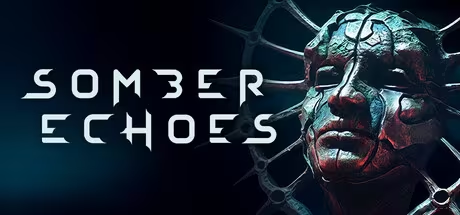
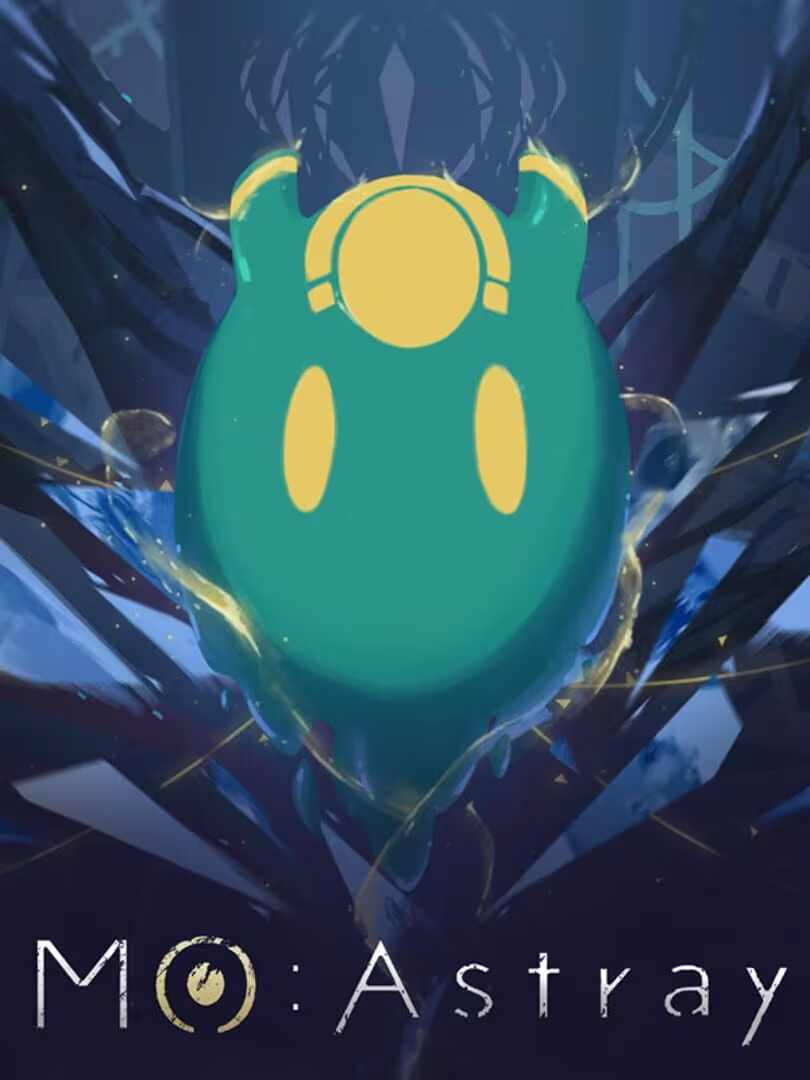
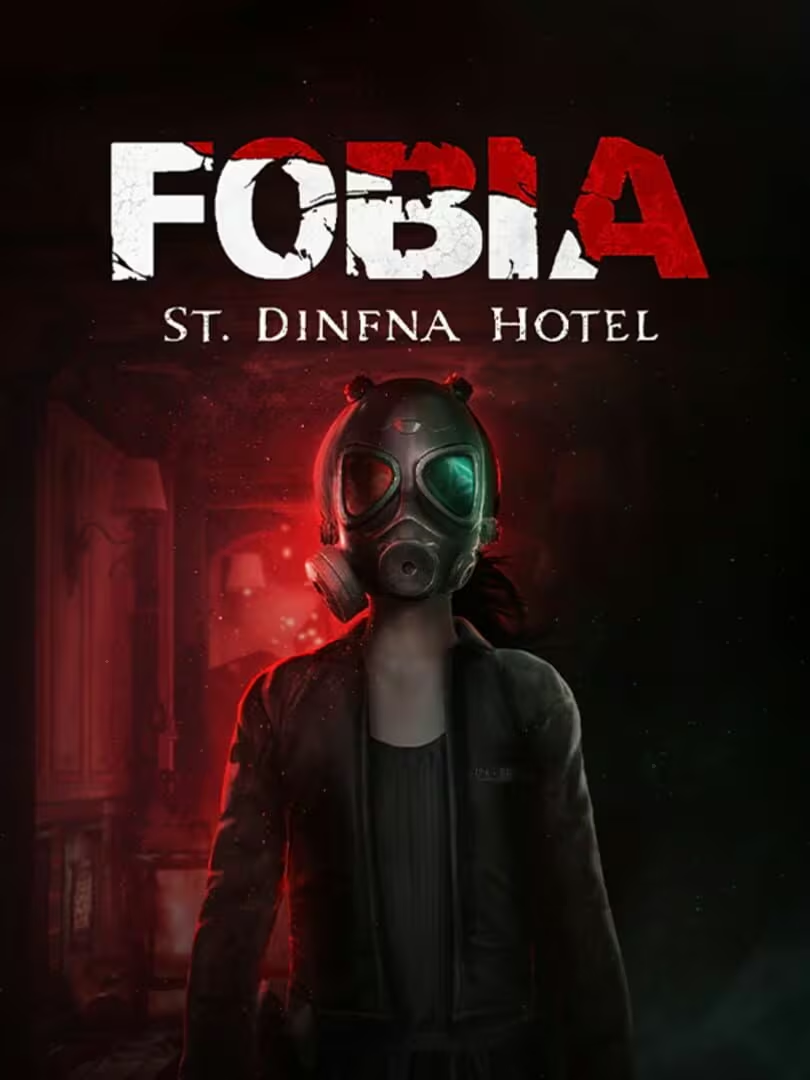
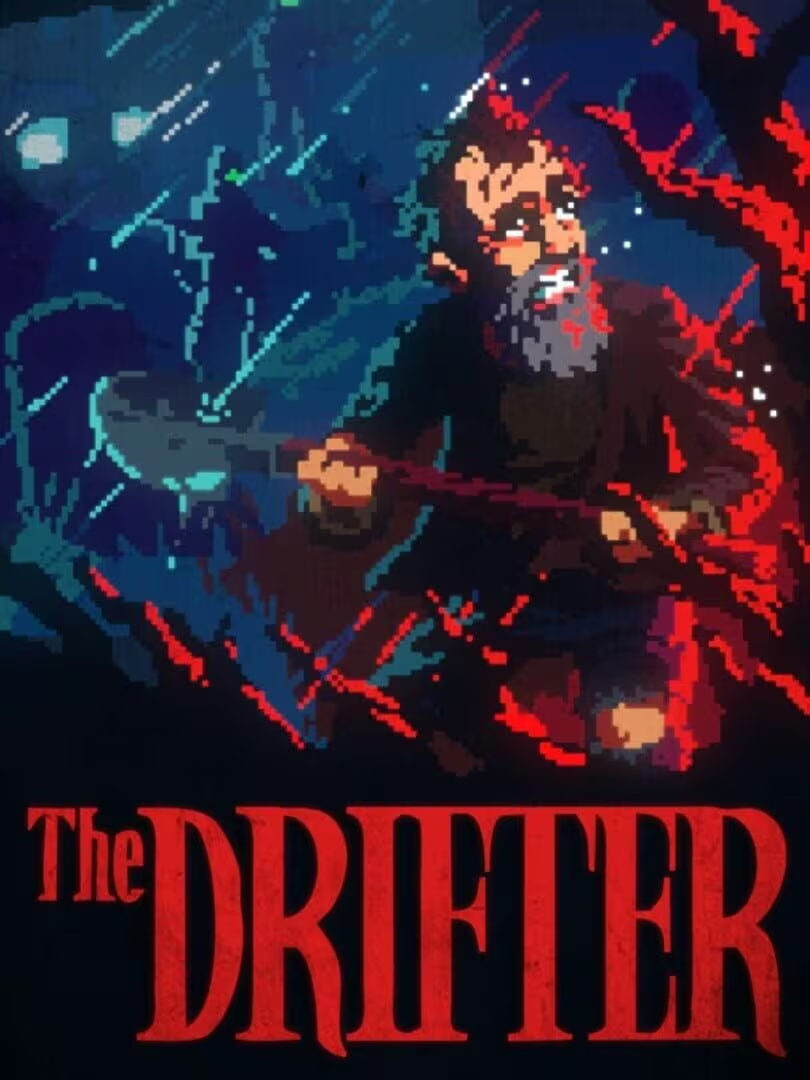
Enigma of Fear Thumbnail

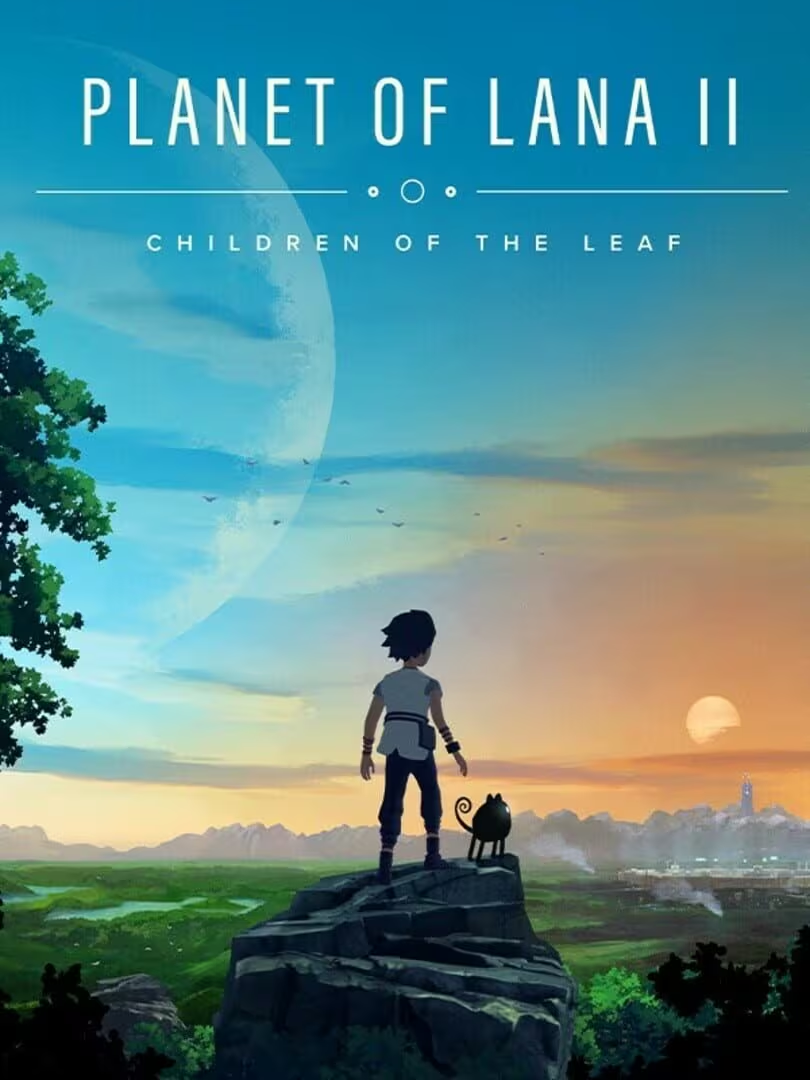
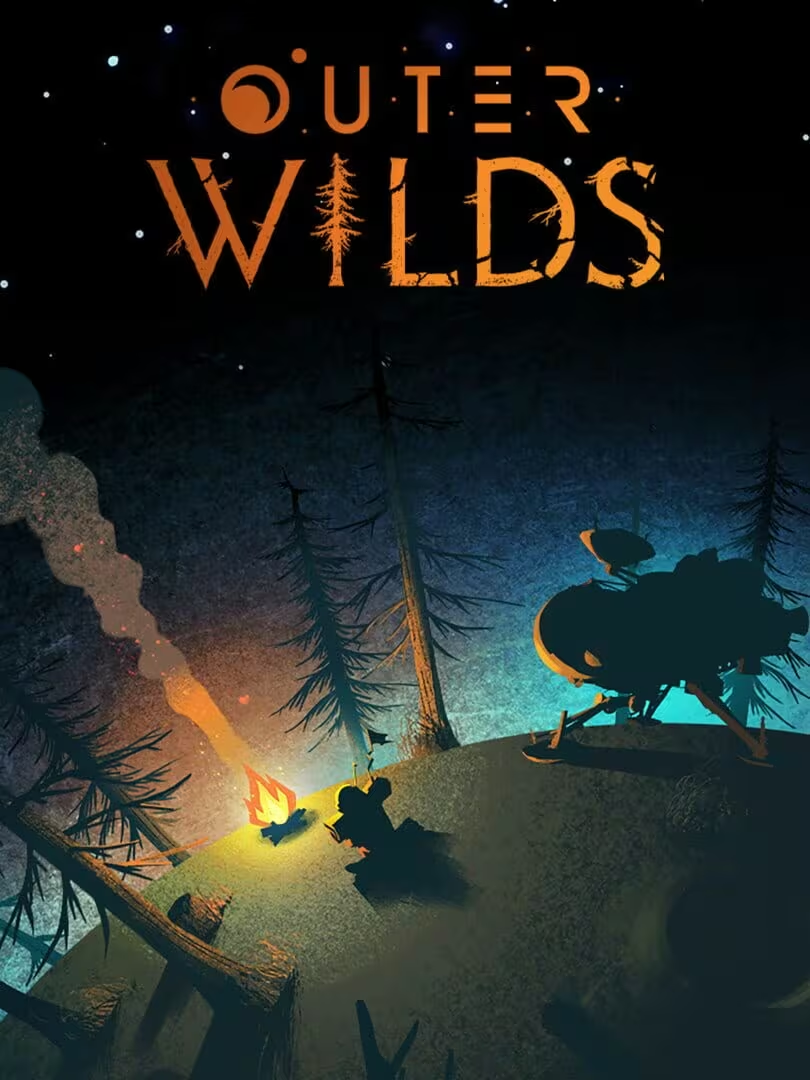
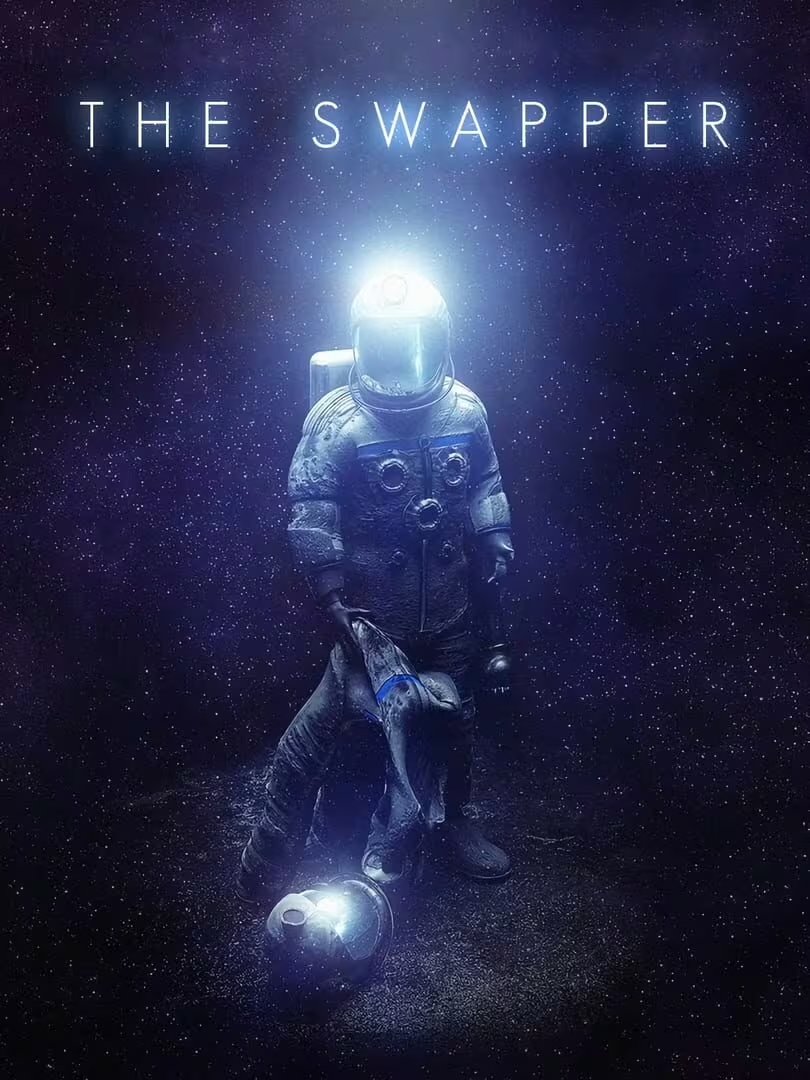
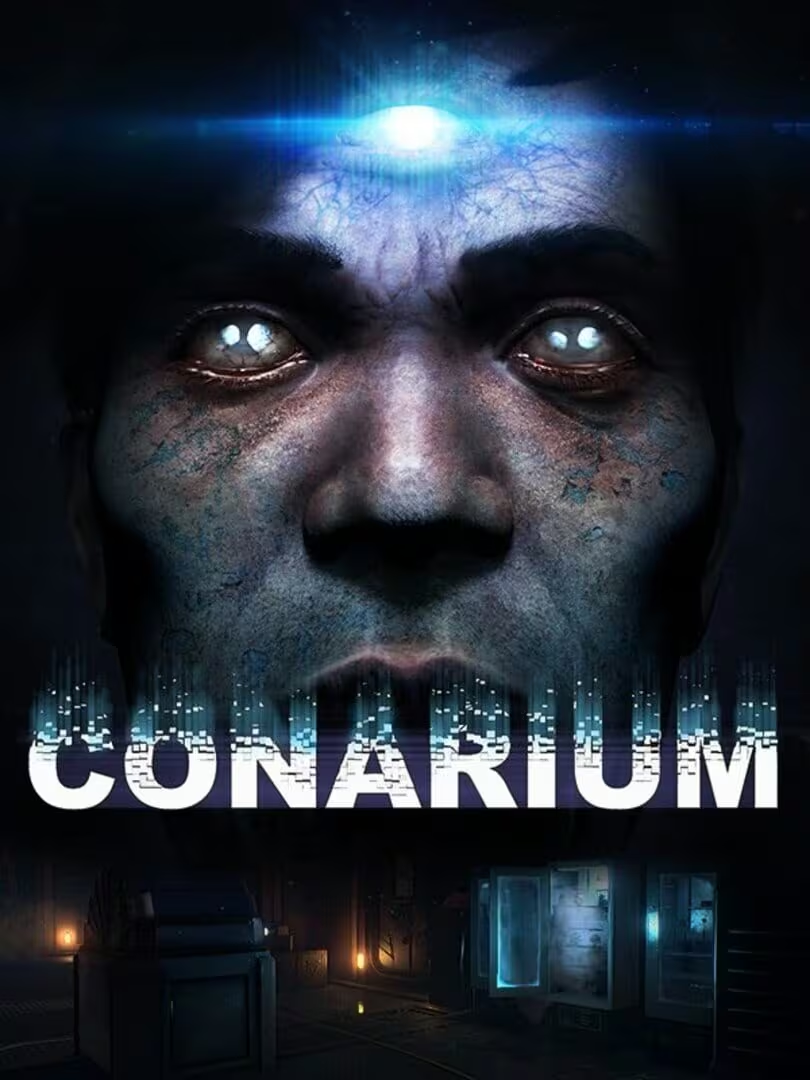
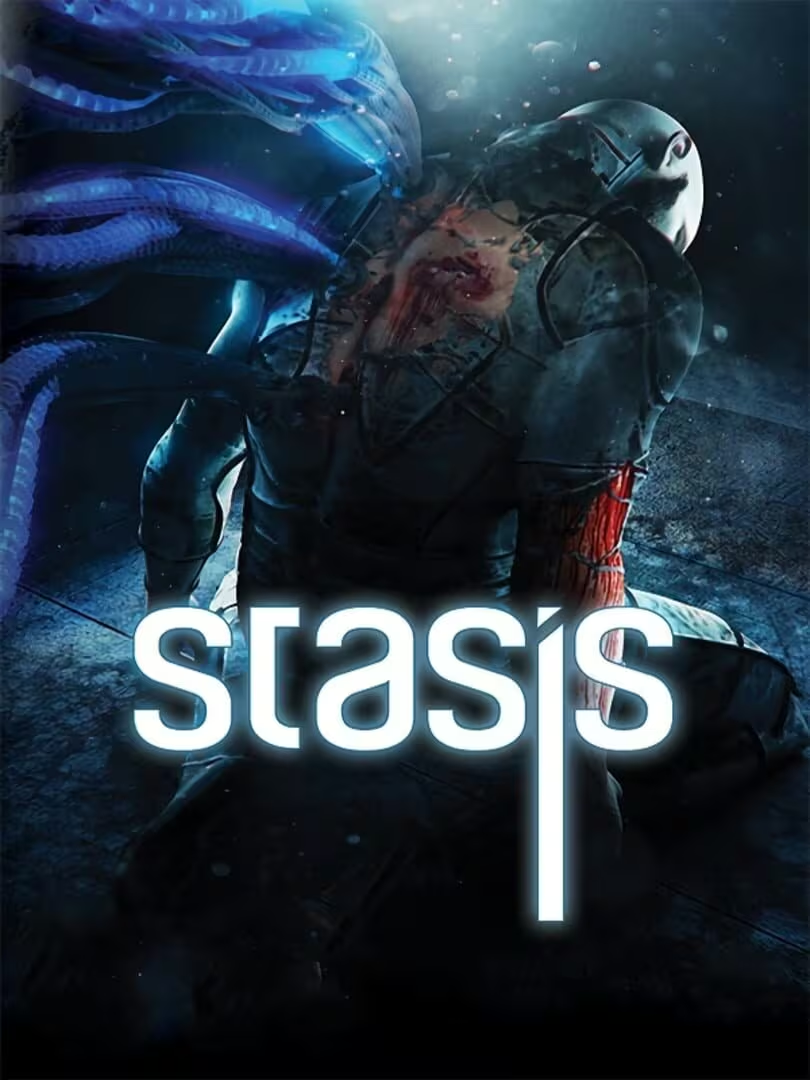
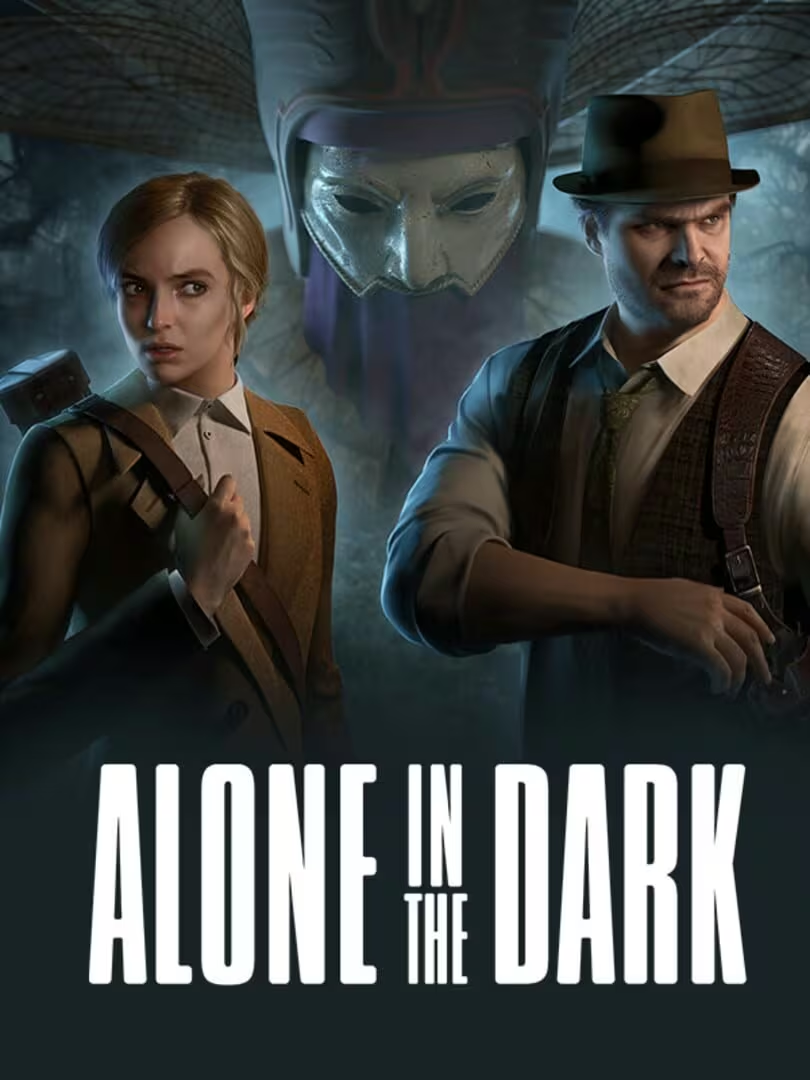
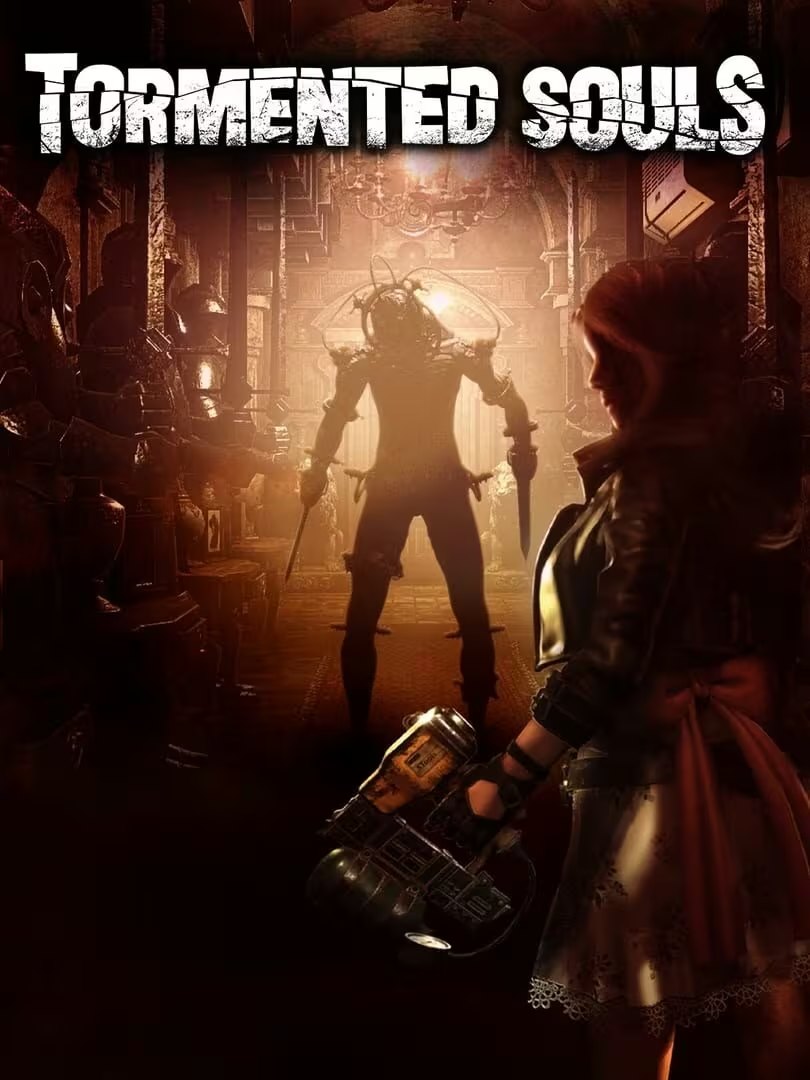
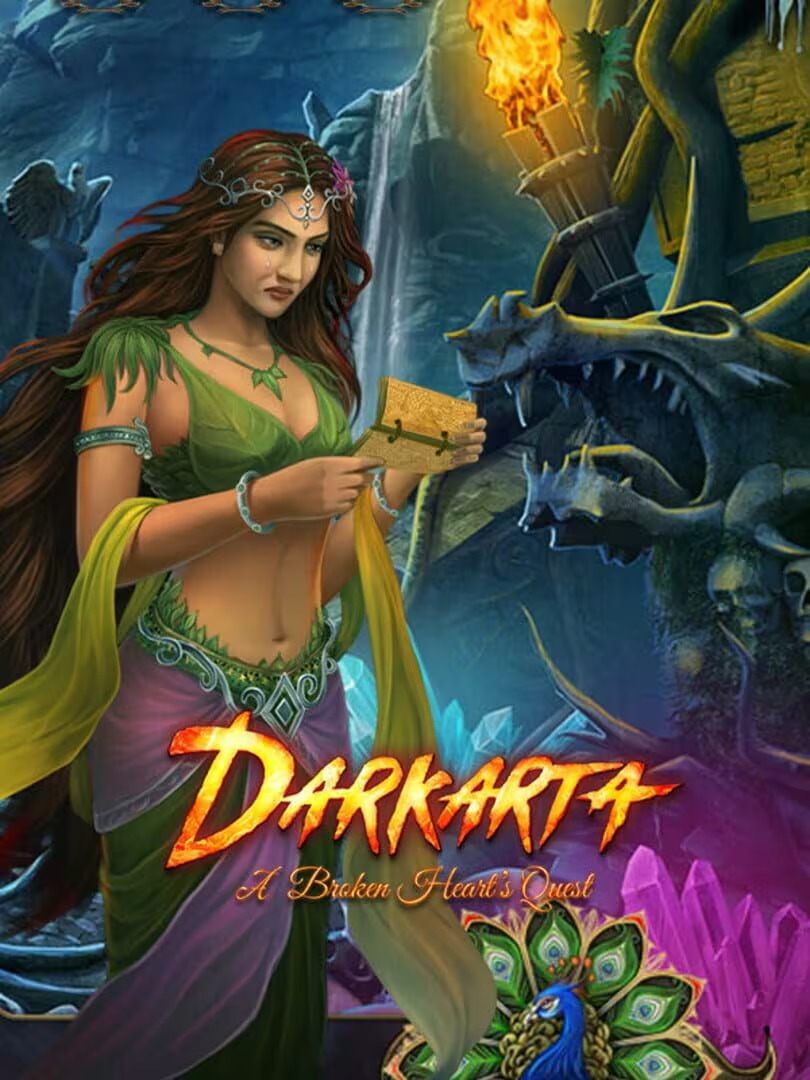
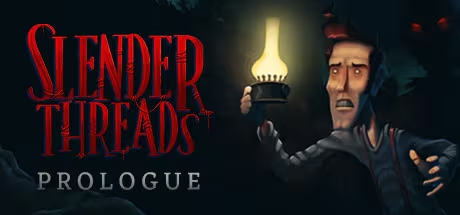
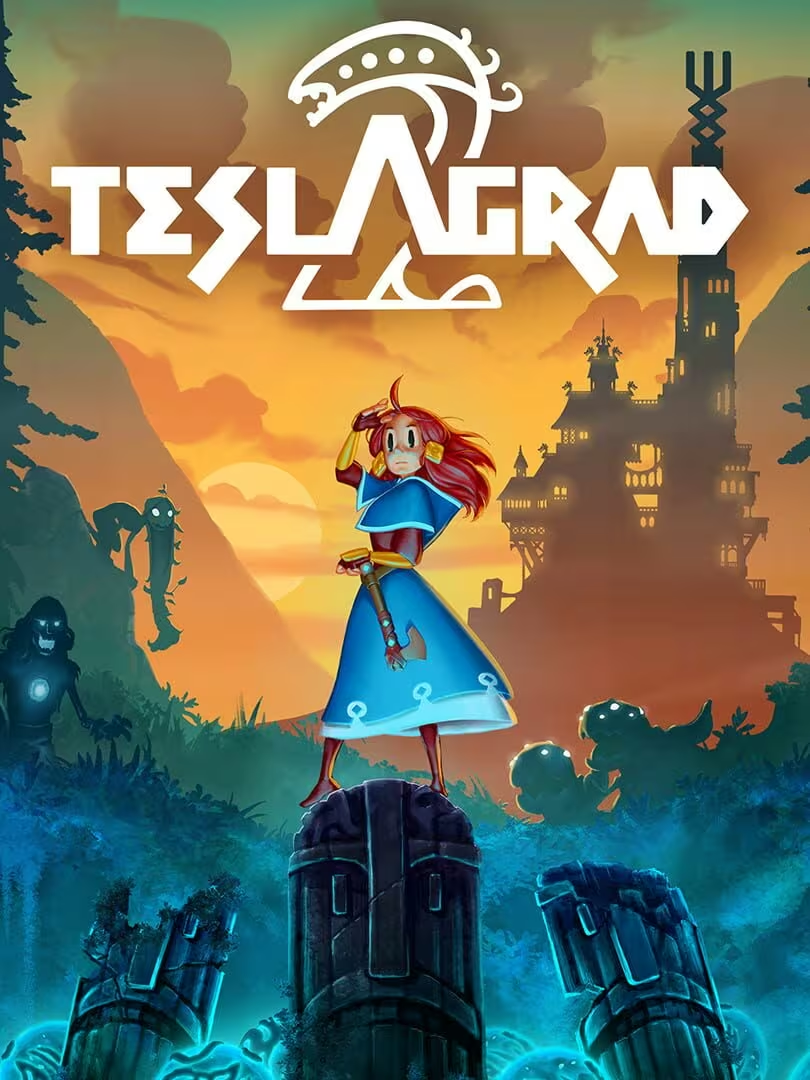
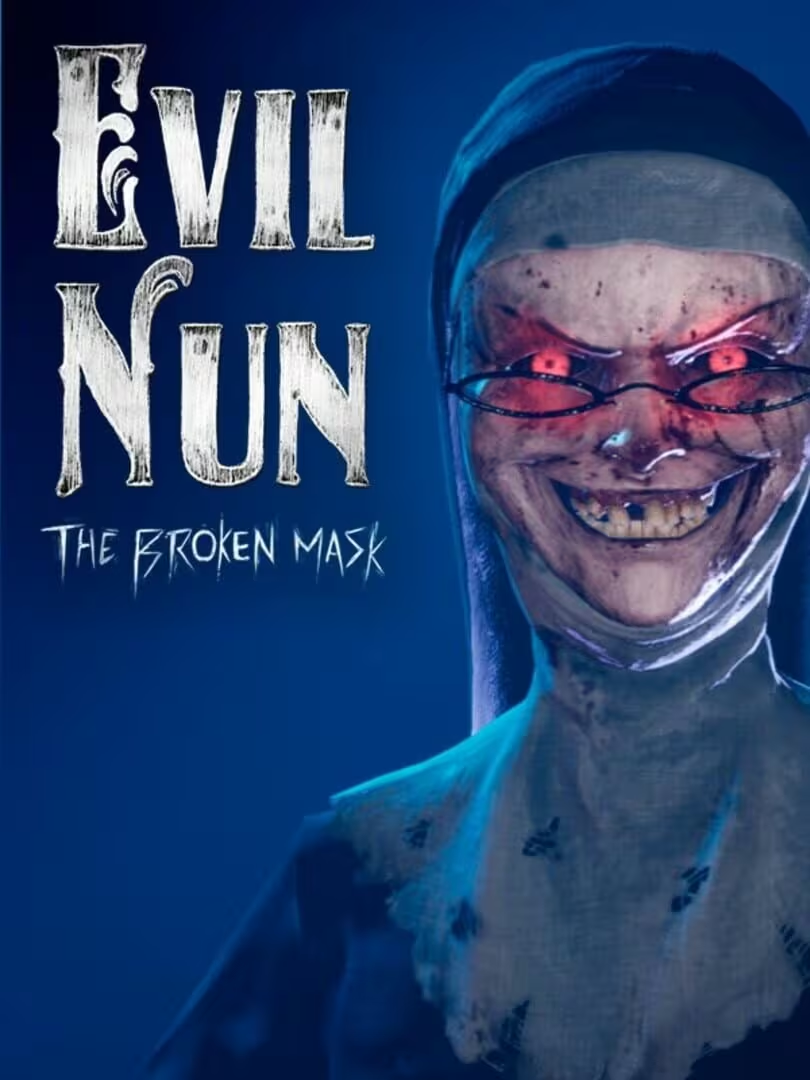
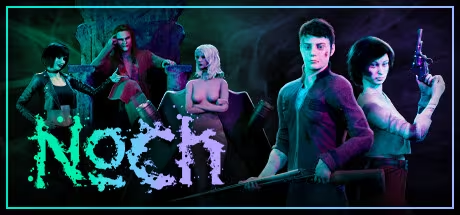
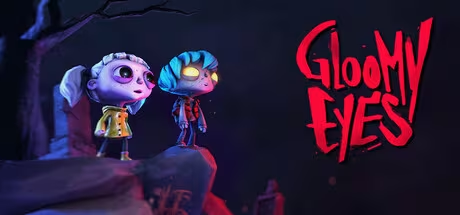
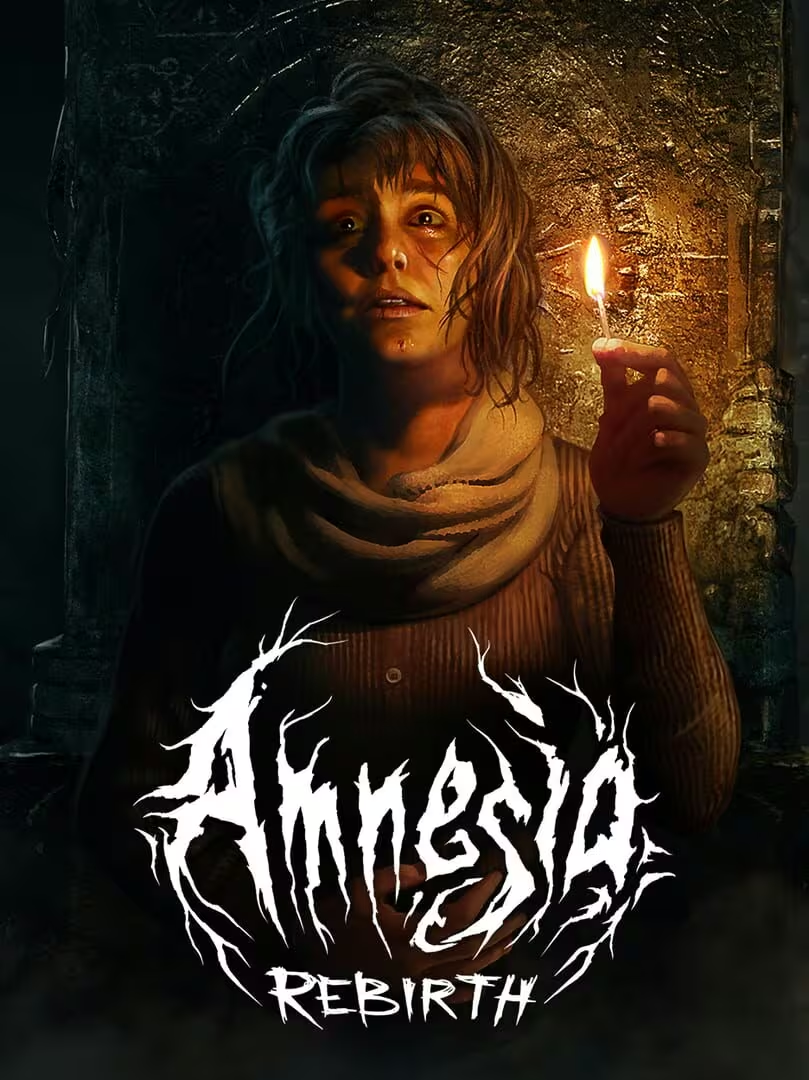
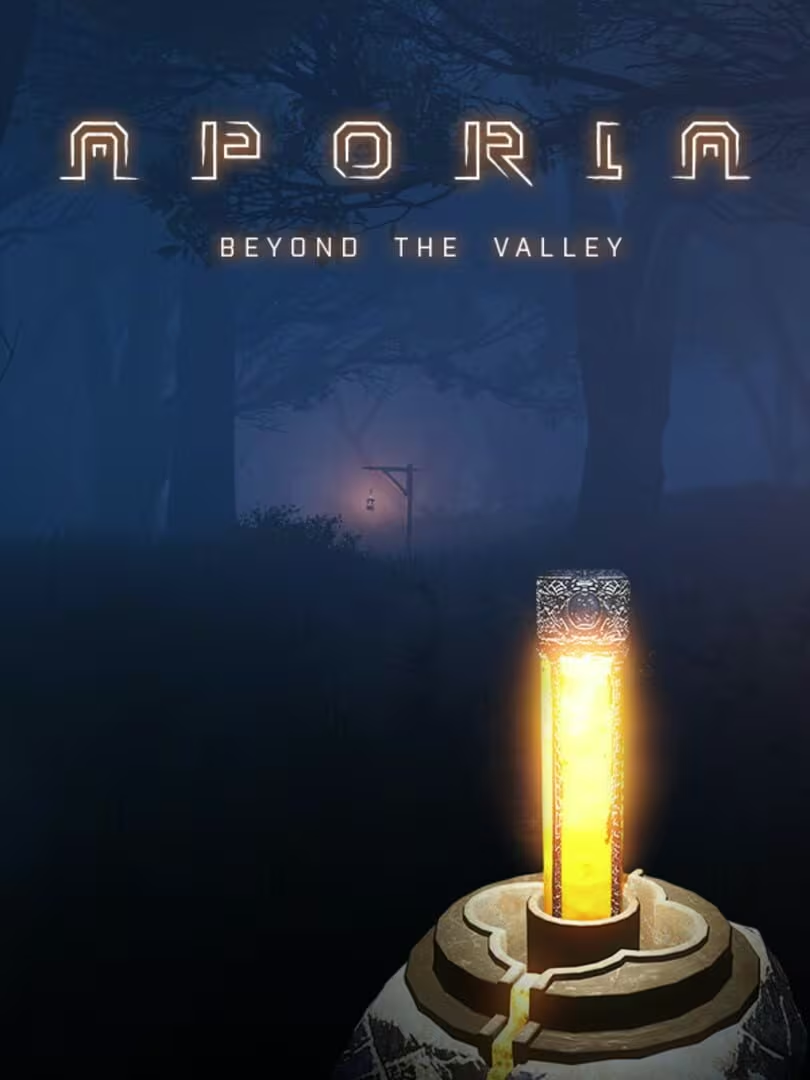
Enigma of Fear similar games & best alternatives

Enigma of Fear

PC (Microsoft Windows) • 2024

Related articles

Quick resume

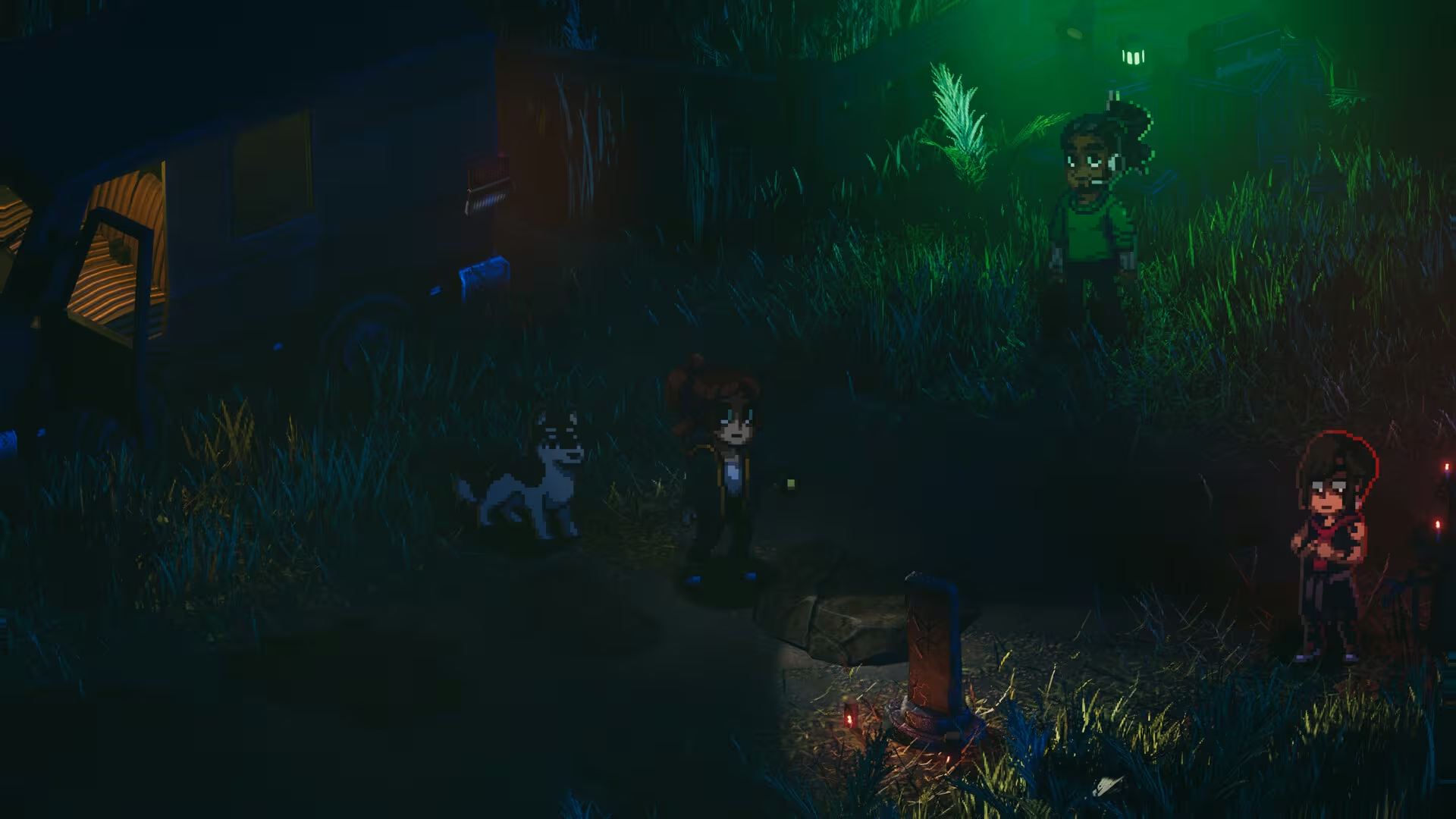
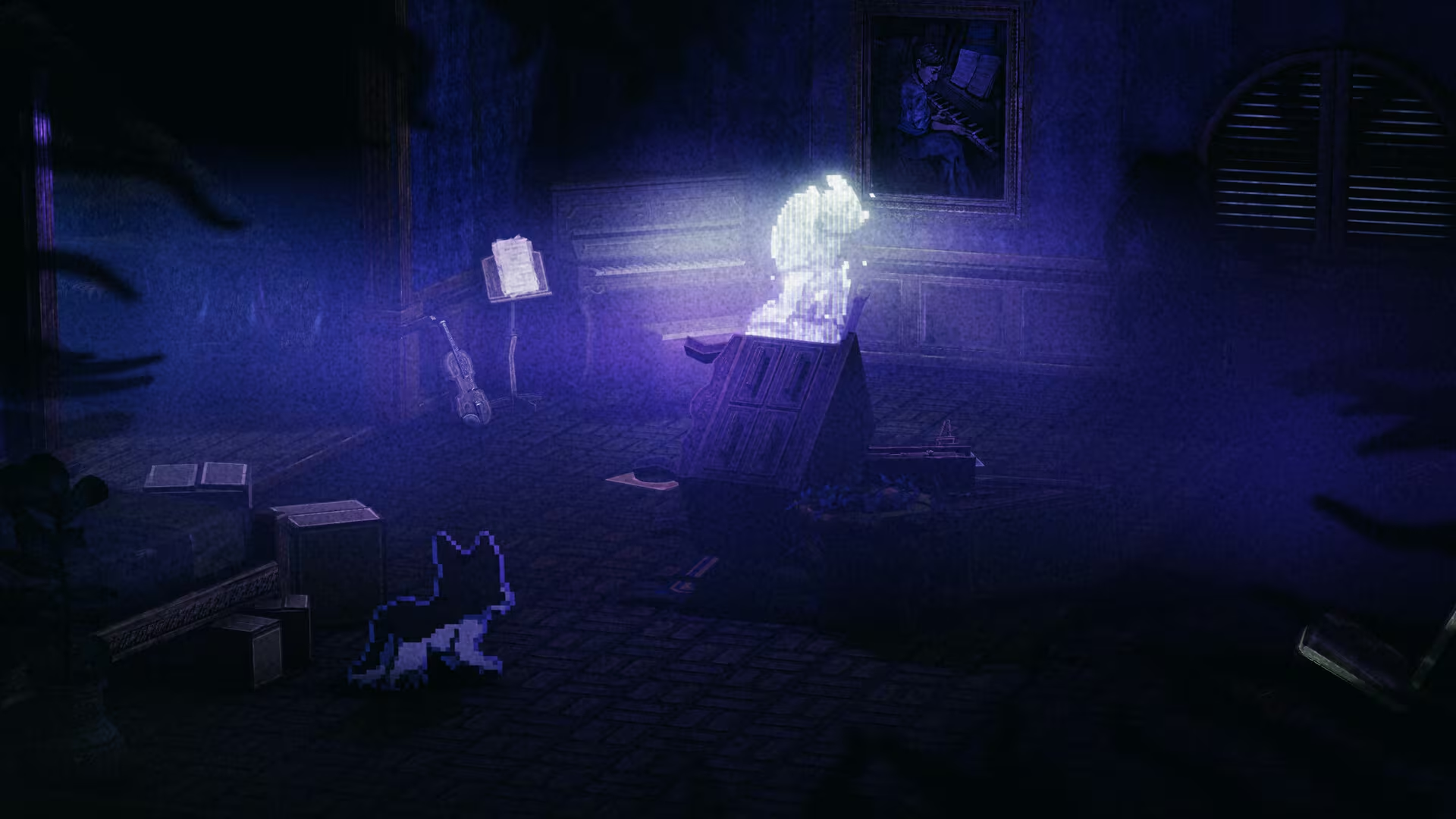
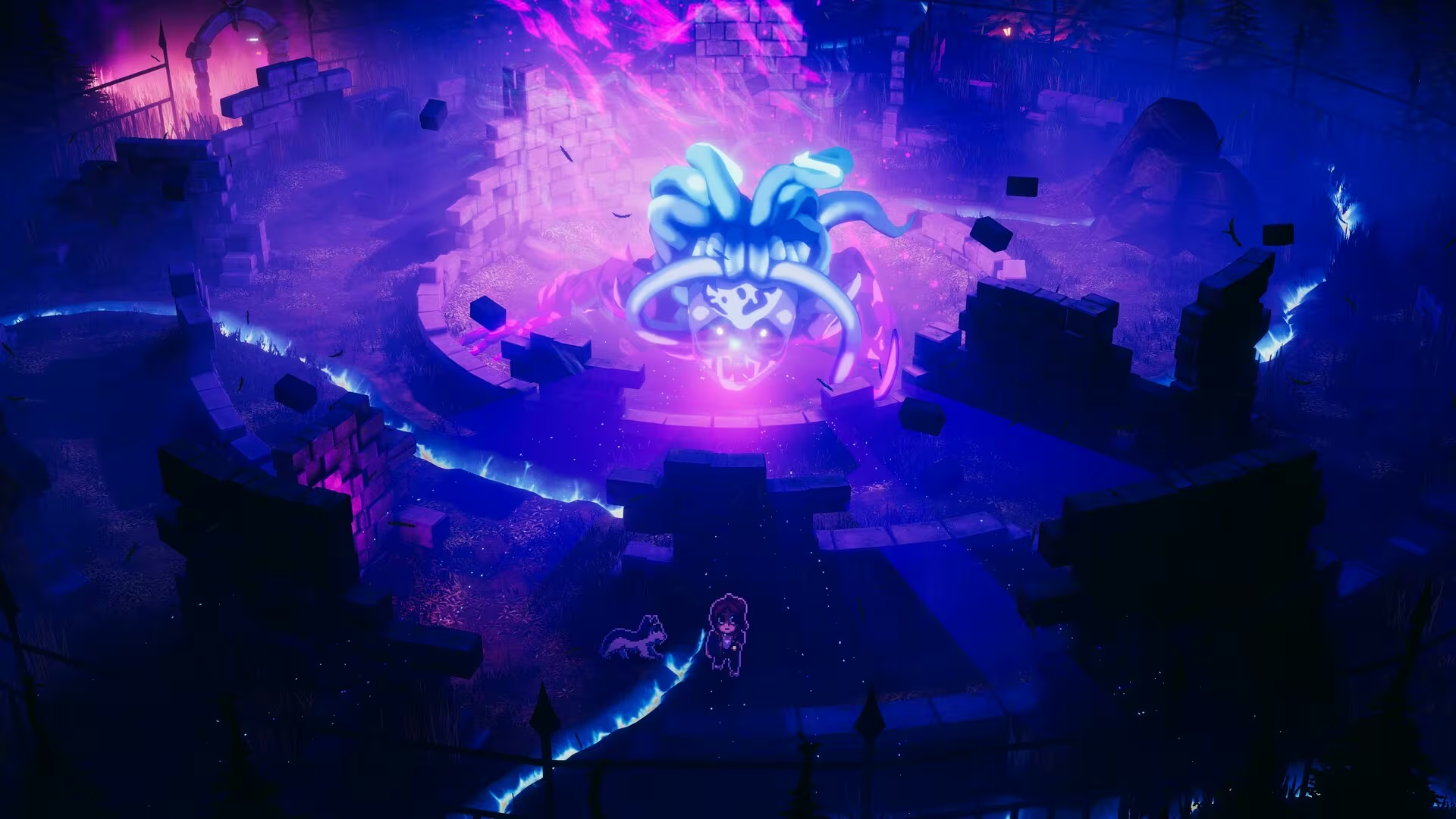
Become Mia, a paranormal detective searching for her missing father inside the Perimeter - a place that doesn't exist. Investigate clues like a real detective and unravel the mysteries behind the Enigma of Fear, defeating the terrible monsters who'll try to stop you.

Global score

97/100

Genres

Action, Adventure, Indie, Puzzle

Similar games

    Pros

    • Engaging and challenging puzzles
    • Immersive and emotional story
    • Unique art style and atmosphere
    • Deep exploration and mystery
    • Dedicated developer support and patches

    Cons

    • Performance and optimization issues
    • Some bugs affecting gameplay
    • Combat mechanics are clunky and frustrating
    • Lack of tutorials can be difficult for some players
    • Map and ui navigation can be unintuitive

    Analysis

    Broadly representative of its motivational profile, with a few distinct shifts. Motivations that often define this kind of title include Fellowship, Cooperation, Leadership, Violence. Here, the score leans higher than usual among comparable games on Story. It leans lower than usual among comparable games on Violence, Expression.

    How to use the graph
    Similar games map

    Each dot is a game. They are arranged from the same motivation profile as in the “Motivations” section below. Closer dots usually mean more similar reasons to play (exploration, competition, relaxation, etc.)—not that one game is “better” than another.

    • Larger dot with a light outline: the game you are viewing.
    • Colour: groups of games with comparable motivation patterns (statistical clusters).
    • Hover a dot to see the game name; click to open its page.
    • Scroll or double-click the chart to zoom out and see more games.

    Why don’t the axes read like a score? This view uses t-SNE: it only keeps who is close to whom. The scales are not “good to bad” or hours played—they separate groups on the map. Read distance between dots, not the axis numbers.

    Motivations

    • Autonomy
      4

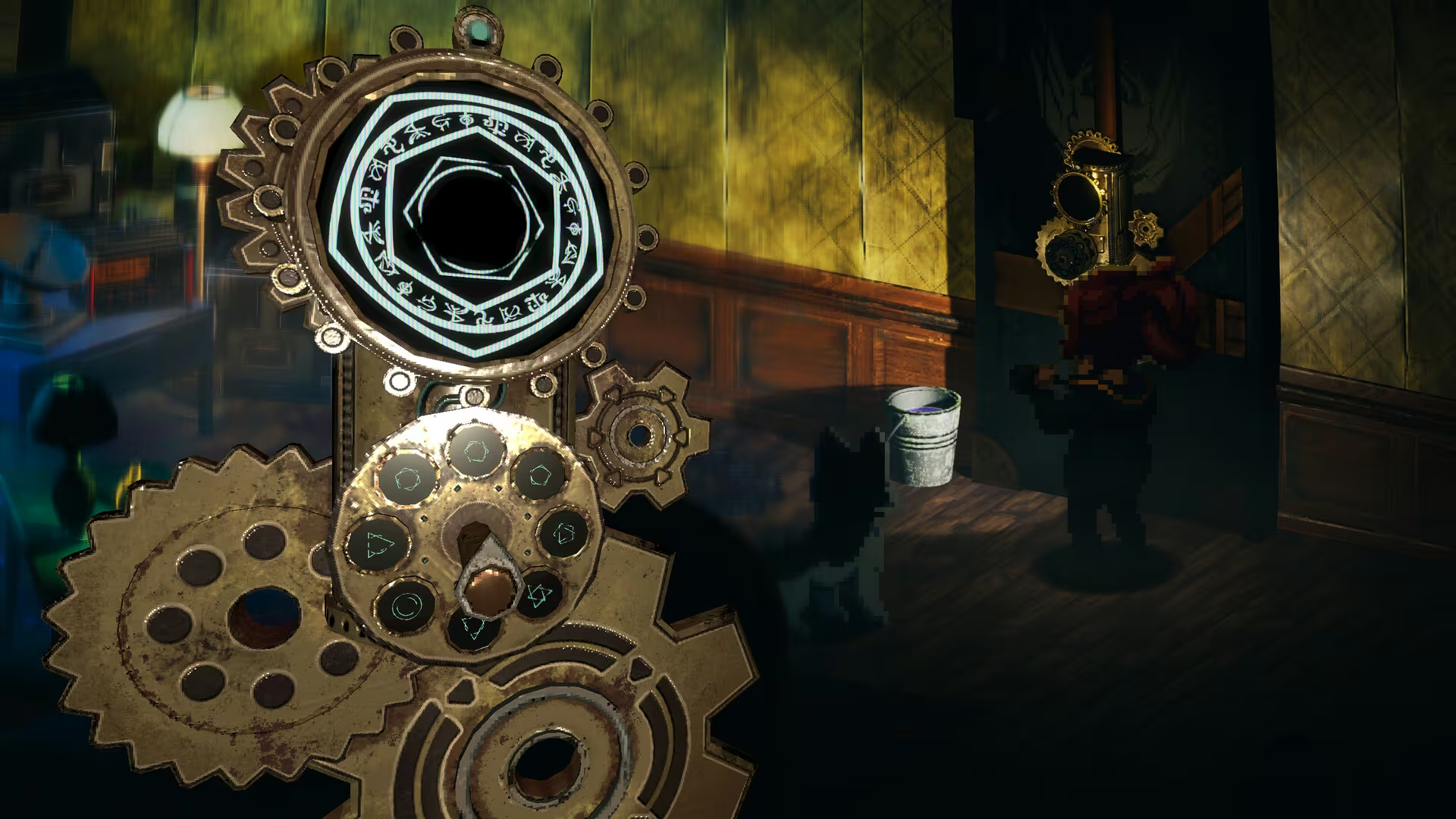
      "Players must explore, investigate, and solve puzzles largely on their own without hand-holding or tutorials, reflecting high autonomy."

    • Competence
      3

      "Puzzles provide a rewarding challenge that requires skill and thought, with feedback through puzzle solving and story progression."

    • Competition
      -5

      "Game focuses on personal investigation and puzzle solving without any competitive or ranked elements."

    • Continuation
      4

      "Many players report long playtimes, immersion, and desire to keep playing to uncover mysteries and complete puzzles."

    • Cooperation
      -5

      "Single-player experience focused on individual puzzle solving and exploration, no multiplayer or teamwork."

    • Creativity
      3

      "Players create their own mental maps, take notes, and piece clues together, engaging creative problem solving."

    • Domination
      -5

      "No evidence of exerting control or superiority over others; experience is solitary and cooperative social dominance is absent."

    • Escapism
      4

      "Players use the game to immerse themselves in a mysterious, supernatural world, escaping real life through exploration and story."

    • Expectation
      -4

      "Players engage voluntarily out of intrinsic interest and passion for puzzles, mystery, and story, not obligation."

    • Experimenting
      3

      "Exploration and puzzle solving encourage trying new approaches and hypotheses to progress."

    • Exploration
      4

      "Strong emphasis on discovering new areas, clues, and secrets in a richly detailed environment."

    • Expression
      -3

      "Limited customization or avatar personalization; focus is on narrative and puzzle solving rather than self-expression."

    • Fantasy
      4

      "Set in a supernatural horror universe with fictional characters and events, emphasizing imaginative fiction."

    • Fellowship
      -4

      "Primarily a solo experience with minimal social interaction or community involvement during play."

    • Growth
      3

      "Players develop investigative skills, puzzle-solving abilities, and knowledge of the story and universe."

    • Health
      -5

      "Sedentary gameplay with no physical activity or health-related mechanics."

    • Idle
      -4

      "Requires focused attention and active problem solving; not a casual or background game."

    • Intimacy
      -4

      "Minimal social or emotional connections with other players; experience is solitary."

    • Leadership
      -5

      "No leadership or group management elements; single-player focused."

    • Progression
      3

      "Progression through solving puzzles, unlocking story elements, and exploring new areas."

    • Relaxation
      2

      "While immersive and atmospheric, some tension exists due to horror elements and challenging puzzles."

    • Sensation
      3

      "Strong sensory appeal through art style, music, and atmosphere, providing emotional engagement."

    • Status
      -5

      "No social recognition or ranking systems; achievements are personal and not socially emphasized."

    • Story
      5

      "Narrative immersion is a core aspect, with a rich, emotional story driving player engagement."

    • Strategy
      3

      "Puzzle solving and exploration require logical thinking, planning, and problem solving."

    • Thrill
      2

      "Some suspense and tension from horror elements and boss fights, but balanced with exploration."

    • Value
      4

      "Players perceive strong value from the game's content, story, and experience despite some bugs."

    • Violence
      -3

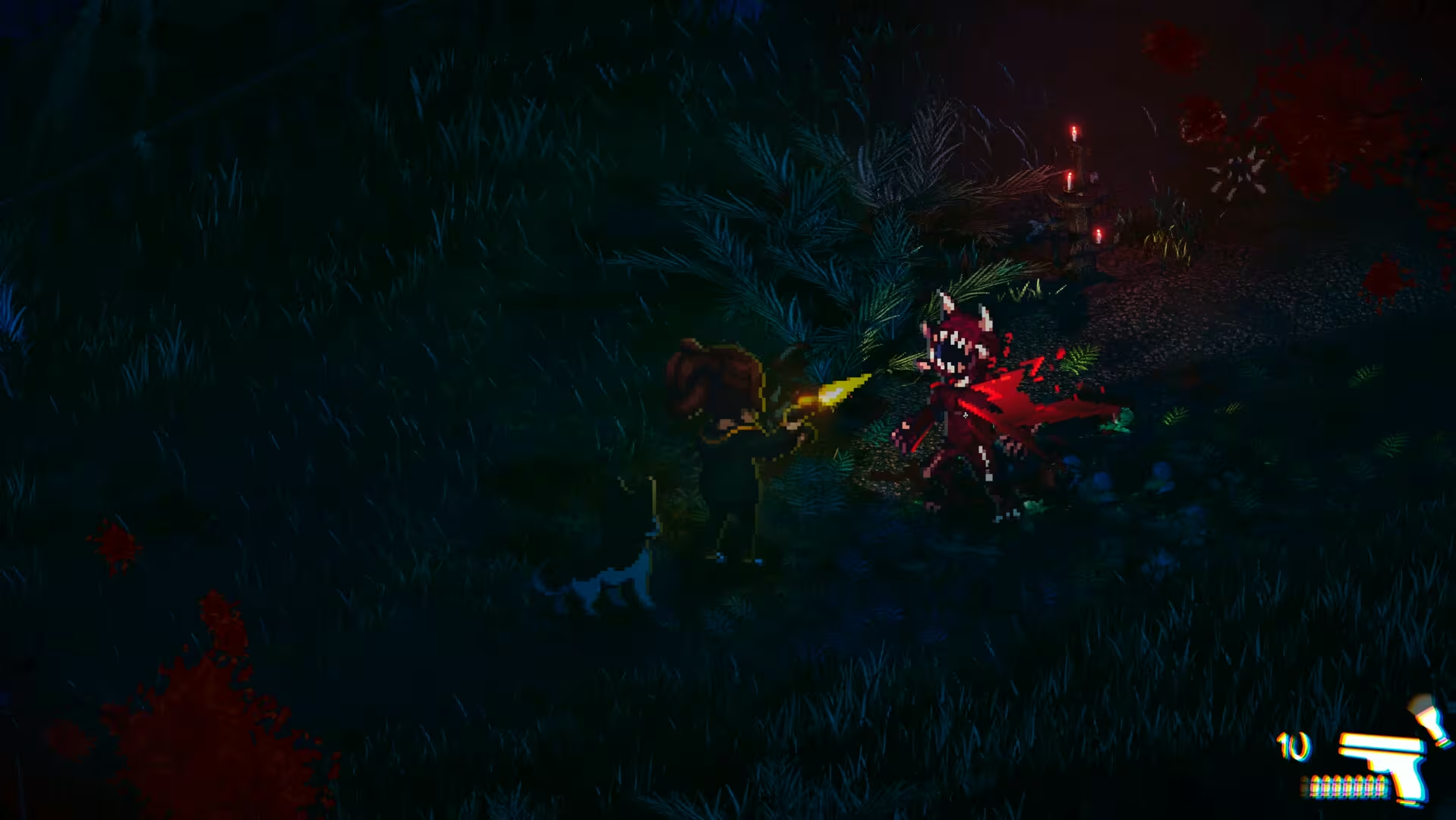
      "Combat exists but is minimal and not the focus; emphasis is on puzzles and investigation rather than violence."

    • Survival
      1

      "Some survival elements in combat and resource management, but not dominant in gameplay."

    Last update: 29/04/2026