The Rogue Prince of Persia Thumbnail

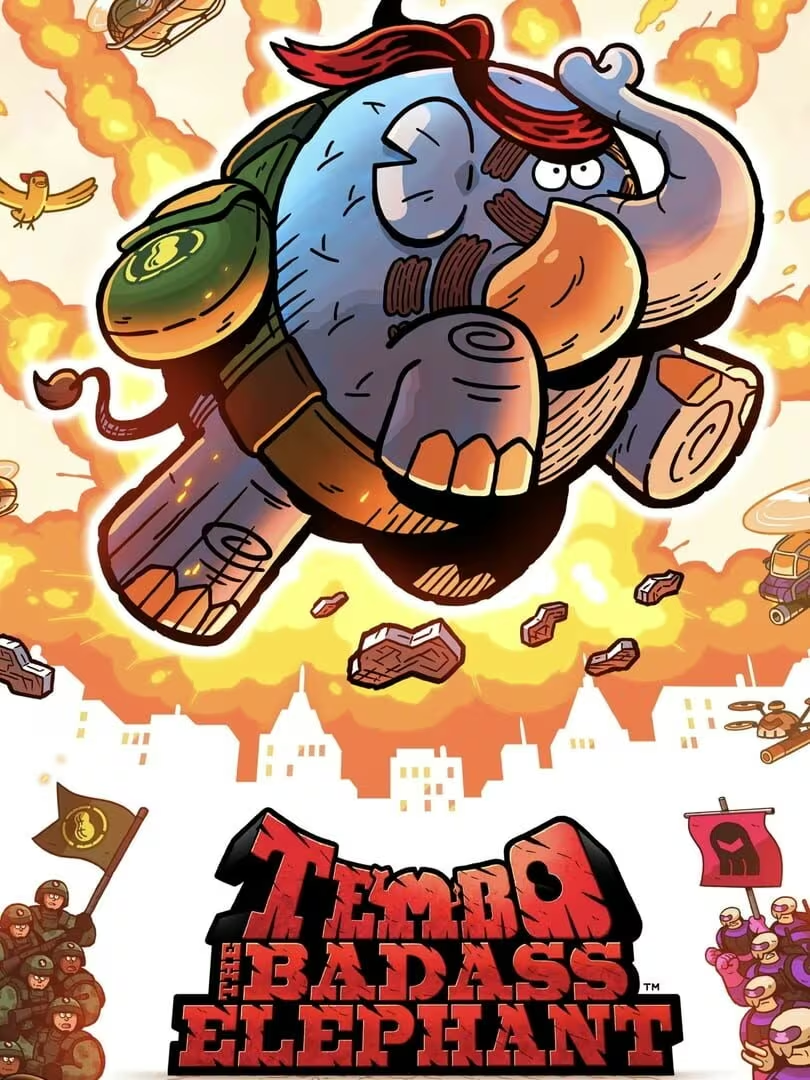
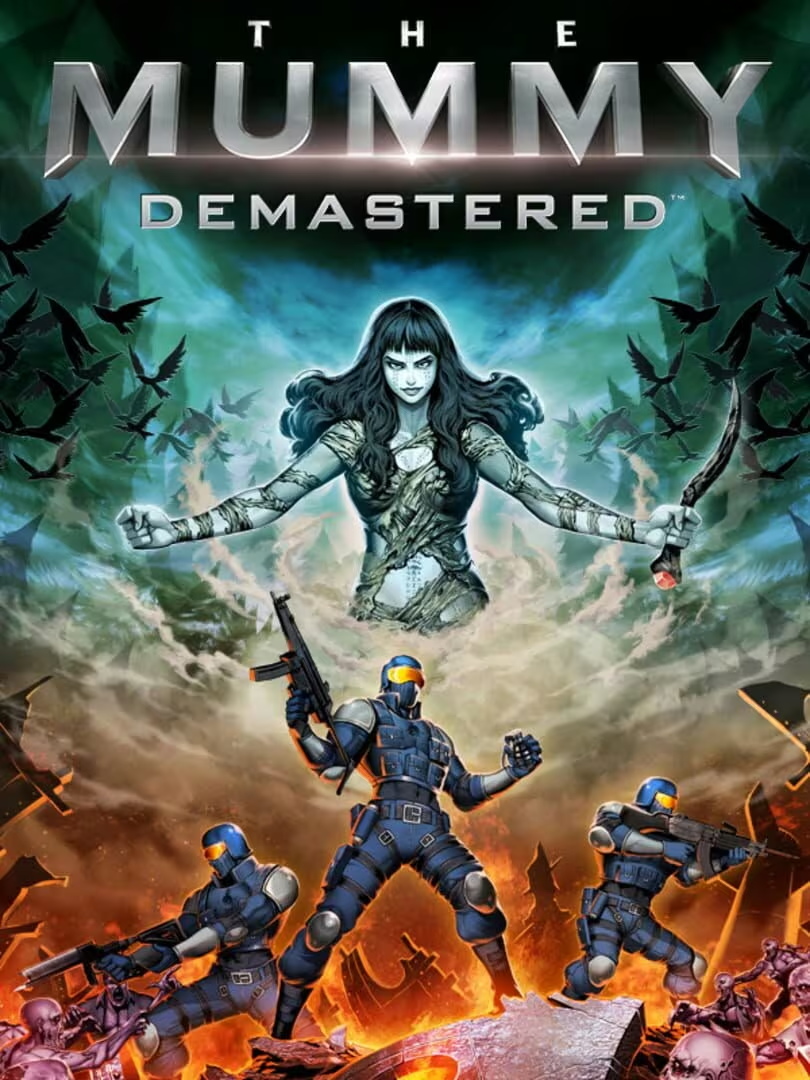
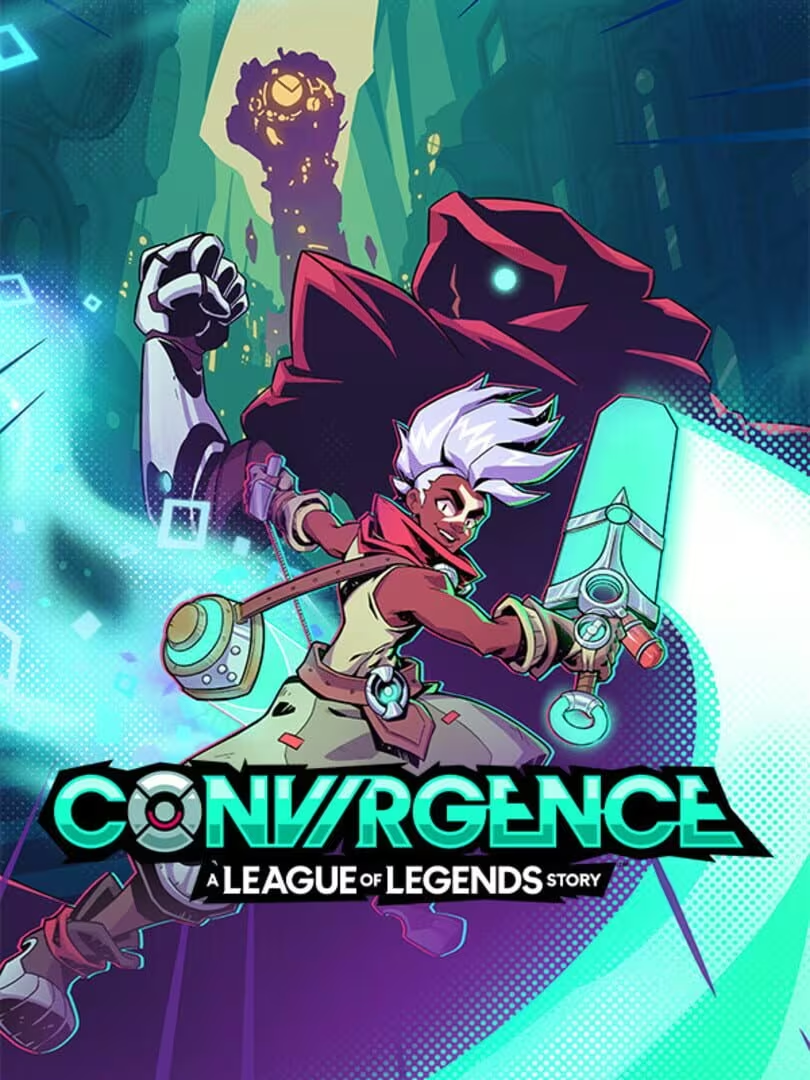
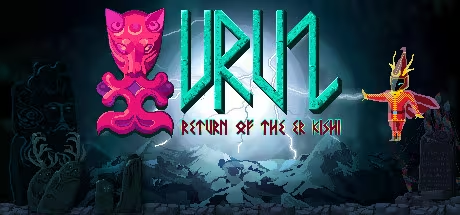
The Rogue Prince of Persia similar games & best alternatives

The Rogue Prince of Persia

PC (Microsoft Windows), Xbox Series X|S, Nintendo Switch, PlayStation 5, Nintendo Switch 2 • 2025

Related articles

Quick resume

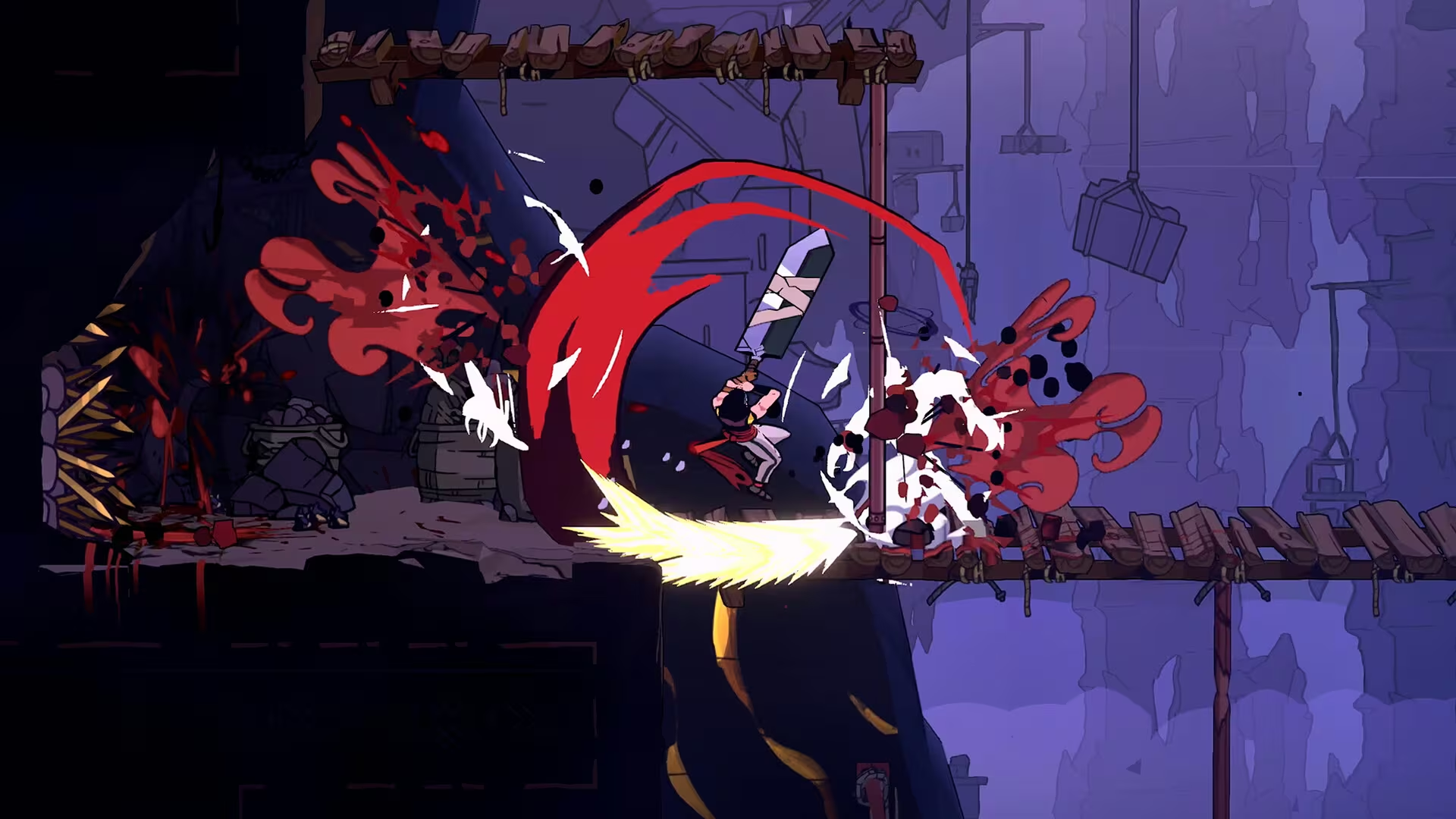
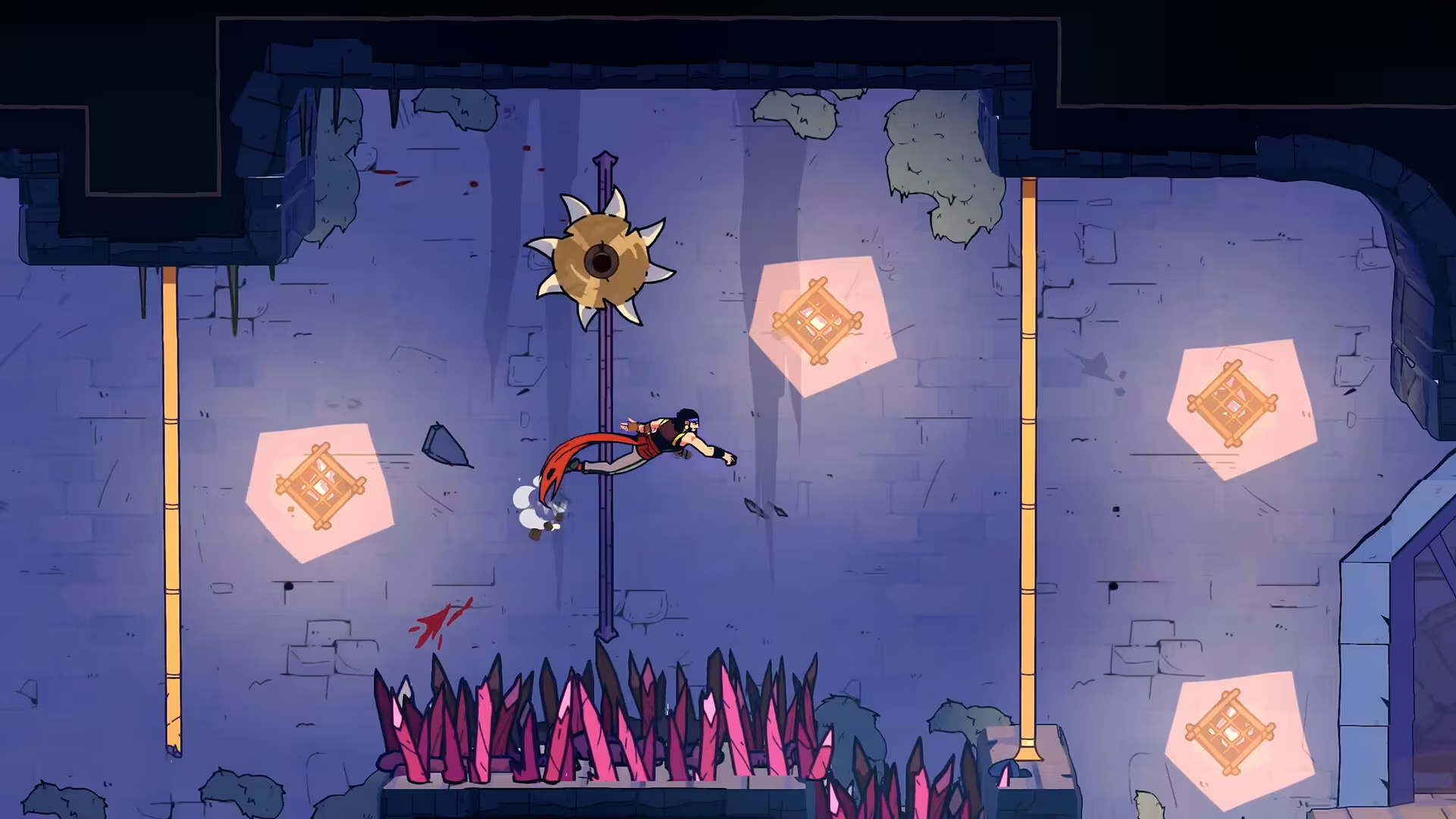
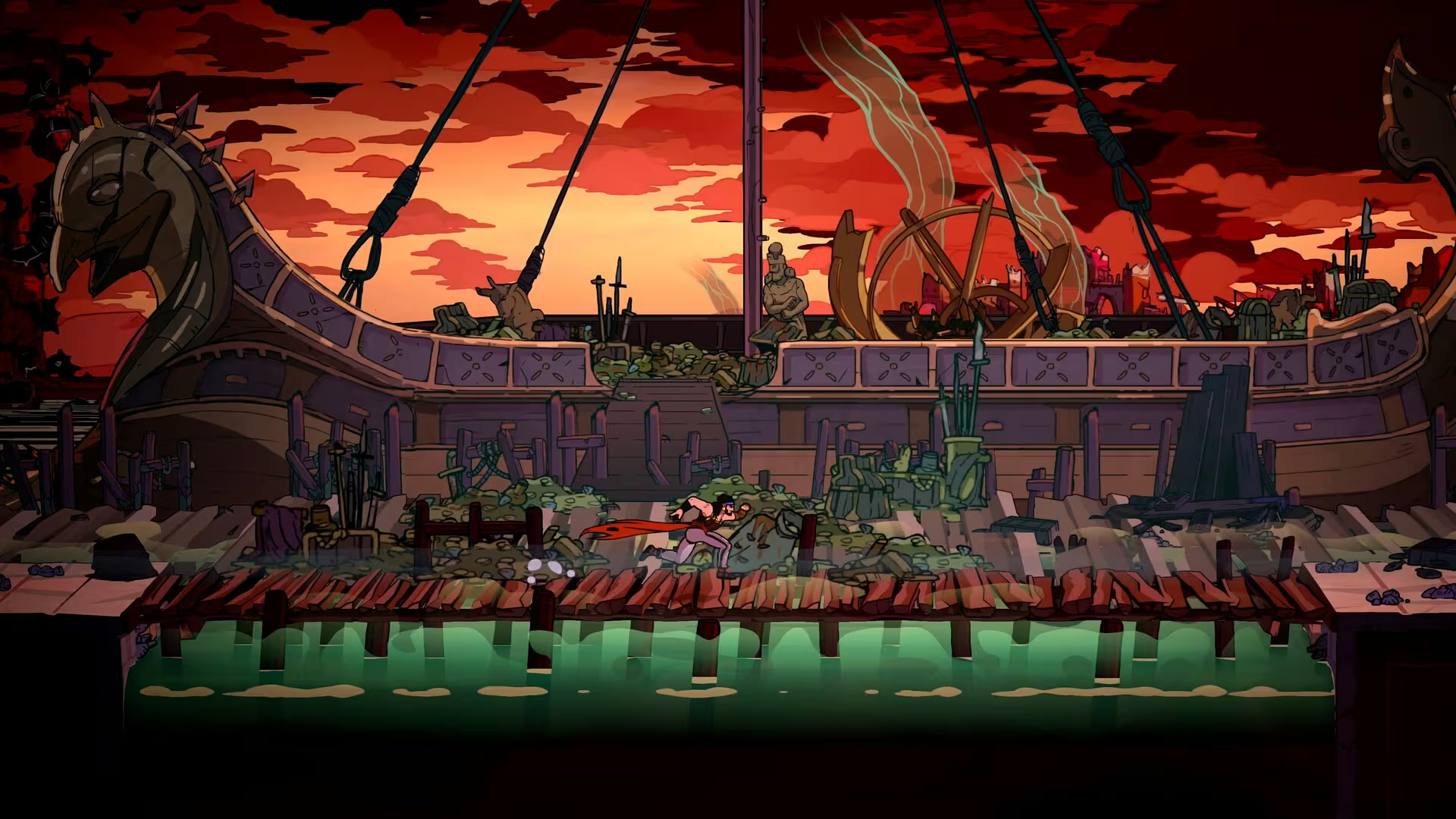
Sprint on the walls with a unique 2D movement, flowing seamlessly into fast-paced acrobatic combat as you tear through an army invading your capital city, in this action-platformer roguelite installment in the Prince of Persia series.

Global score

90/100

Genres

Action, Adventure, Platform, Hack and slash/Beat 'em up

Similar games

    Pros

    • Fluid and satisfying parkour and combat
    • Excellent and memorable soundtrack
    • Distinctive art style and animations
    • Frequent developer updates and content additions
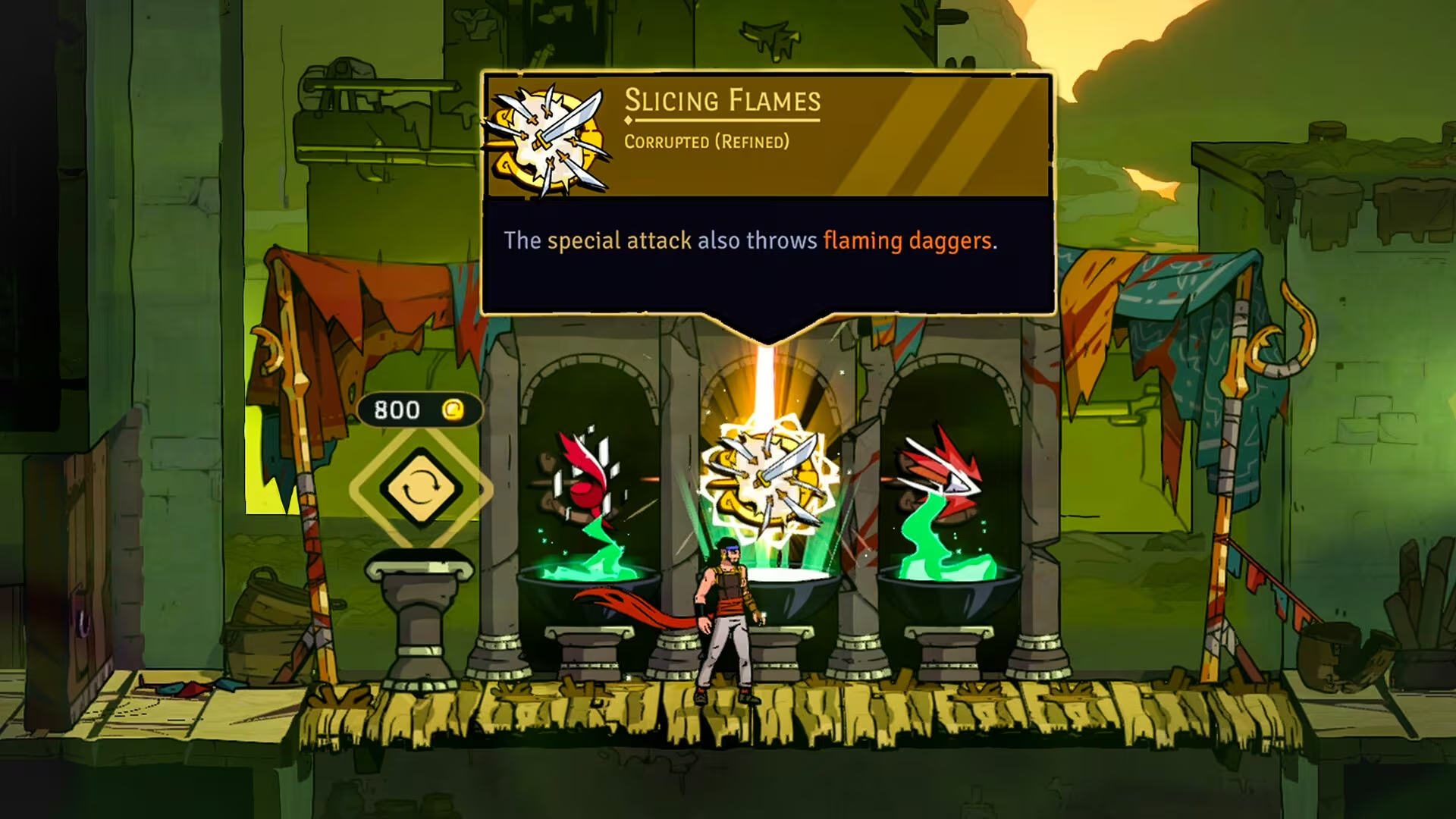
    • Engaging meta progression and skill systems

    Cons

    • Currently limited content and biomes
    • Some bugs and performance issues reported
    • Combat can feel less deep than similar games
    • Early access state means incomplete features
    • Lack of multiplayer or social features

    Analysis

    A very typical example of its motivational profile. Motivations that often define this kind of title include Fellowship, Cooperation, Leadership, Violence. Here, the score leans higher than usual among comparable games on Survival. It leans lower than usual among comparable games on Intimacy, Value.

    How to use the graph
    Similar games map

    Each dot is a game. They are arranged from the same motivation profile as in the “Motivations” section below. Closer dots usually mean more similar reasons to play (exploration, competition, relaxation, etc.)—not that one game is “better” than another.

    • Larger dot with a light outline: the game you are viewing.
    • Colour: groups of games with comparable motivation patterns (statistical clusters).
    • Hover a dot to see the game name; click to open its page.
    • Scroll or double-click the chart to zoom out and see more games.

    Why don’t the axes read like a score? This view uses t-SNE: it only keeps who is close to whom. The scales are not “good to bad” or hours played—they separate groups on the map. Read distance between dots, not the axis numbers.

    Motivations

    • Autonomy
      4

      "Players have freedom to choose weapons, tools, and skill trees; movement and combat allow flexible player-driven parkour and attack strategies."

    • Competence
      4

      "Combat and parkour mechanics have a high skill ceiling; players report satisfying mastery and flow states."

    • Competition
      -3

      "Focus is on personal progression and self-improvement rather than direct competition or leaderboards."

    • Continuation
      4

      "Players report habitual play, long sessions, and engagement with ongoing updates and meta progression."

    • Cooperation
      -5

      "Game is single-player focused with no cooperative multiplayer elements."

    • Creativity
      3

      "Players can customize builds with weapons, tools, medallions, and skill trees, encouraging experimentation within structured systems."

    • Domination
      -5

      "Interactions are individual and balanced; no evidence of exerting control or superiority over others."

    • Escapism
      4

      "Players use the game for immersive distraction and flow, escaping real life through engaging gameplay and atmosphere."

    • Expectation
      -4

      "Players engage voluntarily out of intrinsic interest and enjoyment rather than obligation or pressure."

    • Experimenting
      3

      "Players try different builds, weapons, and parkour techniques; game rewards exploration of mechanics."

    • Exploration
      3

      "Game features multiple biomes, secrets, and encourages exploration through Mind Map and level design."

    • Expression
      2

      "Players unlock skins and customize equipment, though customization is limited compared to some games."

    • Fantasy
      4

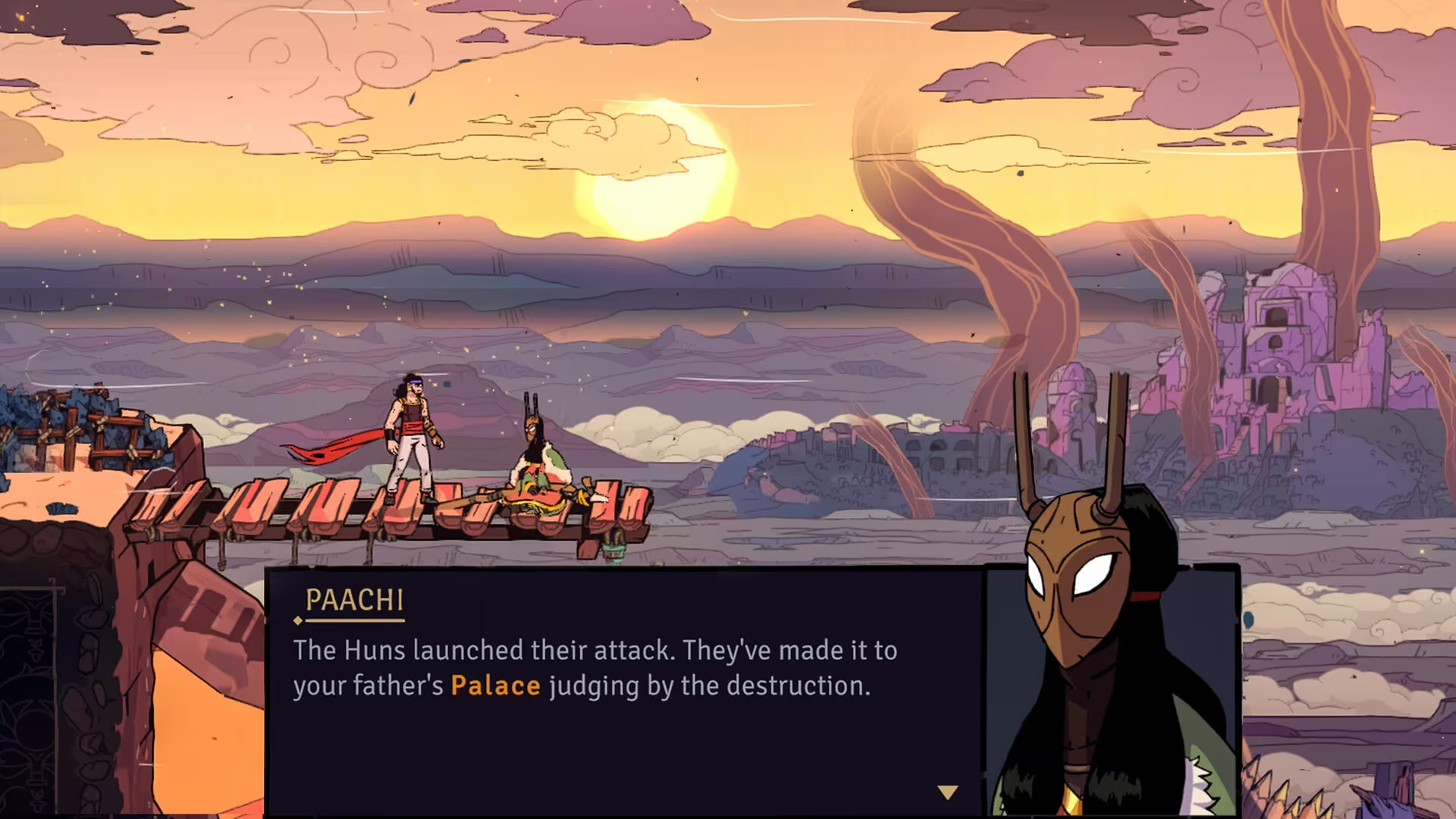
      "Game is set in a stylized, fantastical version of Persian history with mythological references and imaginative fiction."

    • Fellowship
      -4

      "Primarily a solo experience with minimal social interaction beyond community forums."

    • Growth
      4

      "Players develop skills, unlock upgrades, and improve through meta progression and skill trees."

    • Health
      -4

      "Sedentary gameplay with no physical activity components."

    • Idle
      -3

      "Requires focused attention and continuous engagement during runs; not designed for idle play."

    • Intimacy
      -5

      "No evidence of close social relationships or emotional sharing within gameplay."

    • Leadership
      -5

      "No leadership or group management roles; purely individual gameplay."

    • Progression
      4

      "Strong meta progression with skill trees, unlockable weapons, and upgrades rewarding continued play."

    • Relaxation
      3

      "Players experience flow and catharsis through smooth movement and satisfying combat."

    • Sensation
      3

      "Game offers sensory stimulation through vibrant art, fluid animations, and a praised soundtrack."

    • Status
      -4

      "Achievements and progress are mostly personal; limited social recognition or visibility."

    • Story
      2

      "Narrative is present but simple; integrated into roguelite structure but not a major focus."

    • Strategy
      3

      "Players plan builds, use elemental synergies, and devise combat and traversal tactics."

    • Thrill
      3

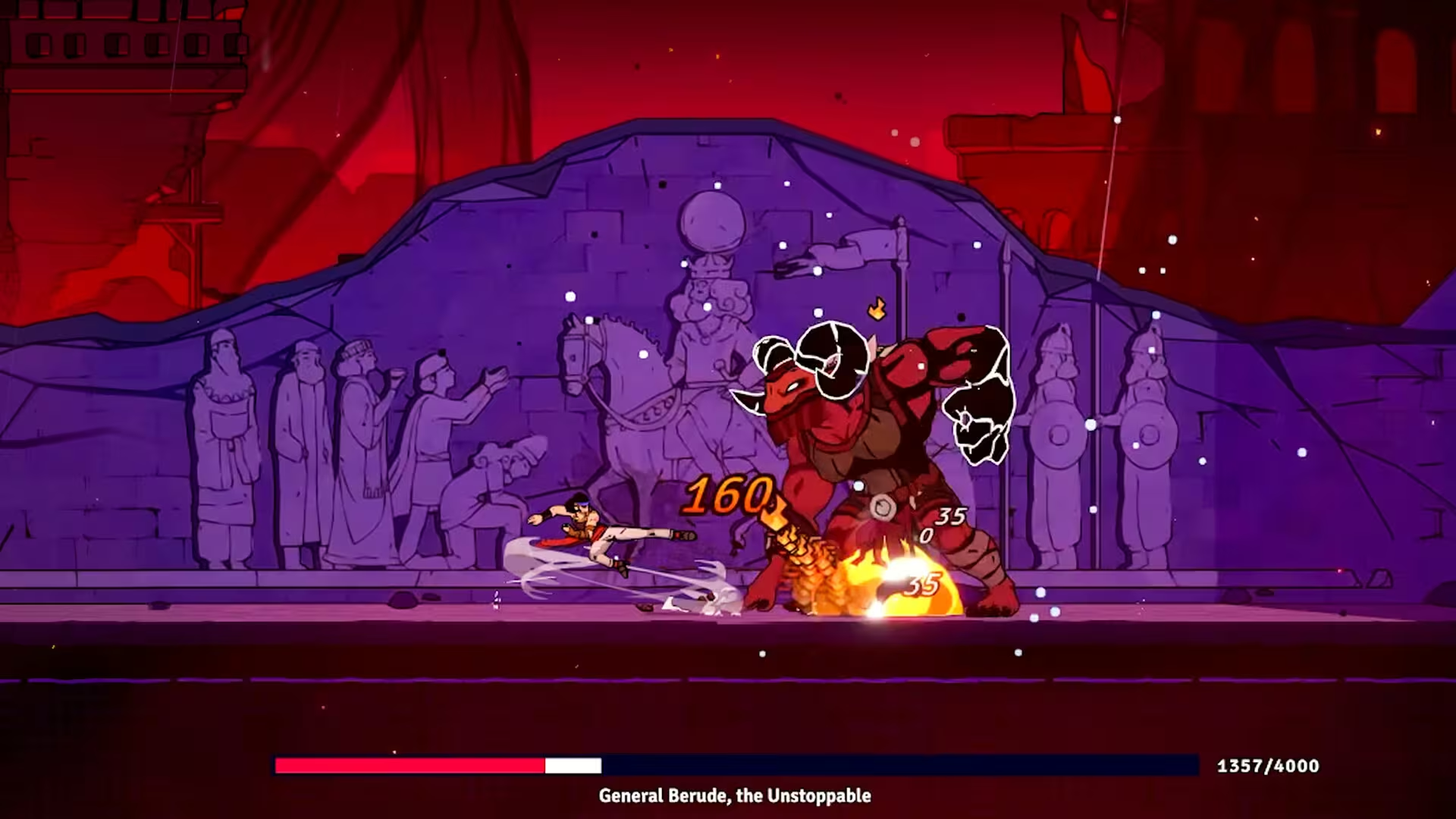
      "Players enjoy suspense and challenge from boss fights and difficulty modifiers."

    • Value
      3

      "Players perceive good value especially with ongoing updates and content additions."

    • Violence
      2

      "Combat involves defeating enemies with weapons and environmental hazards; violence is stylized and integrated with parkour."

    • Survival
      3

      "Players must avoid death and manage resources during runs; boss fights and enemy threats present survival challenges."

    Last update: 29/04/2026