Prince of Persia The Lost Crown Thumbnail

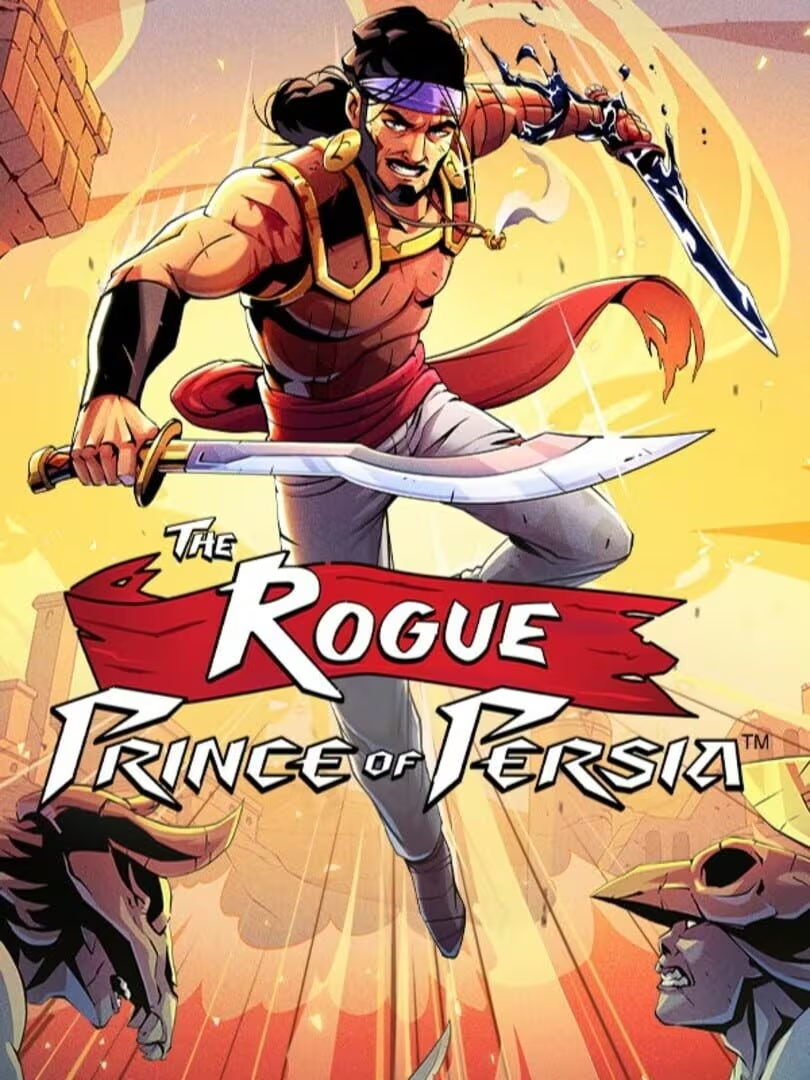
Prince of Persia The Lost Crown similar games & best alternatives
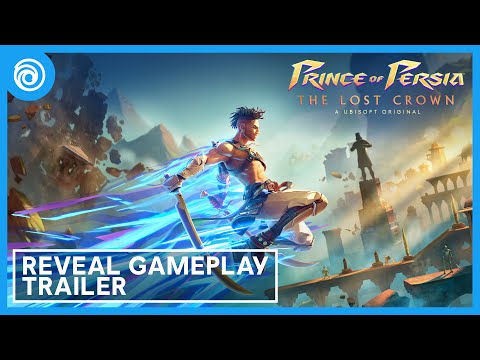
Prince of Persia The Lost Crown

PC (Microsoft Windows), iOS, Android • 2024

Related articles

Quick resume

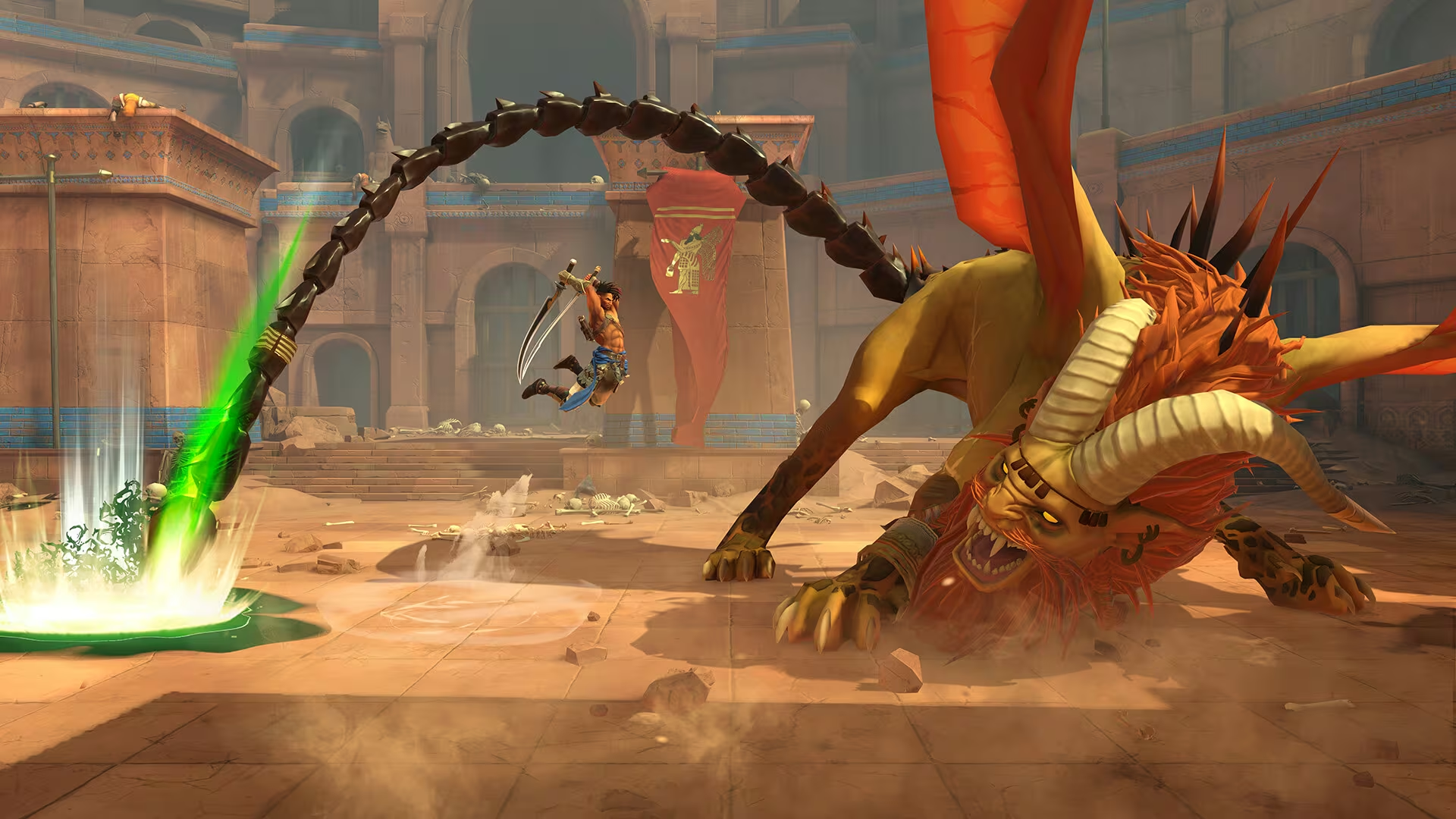
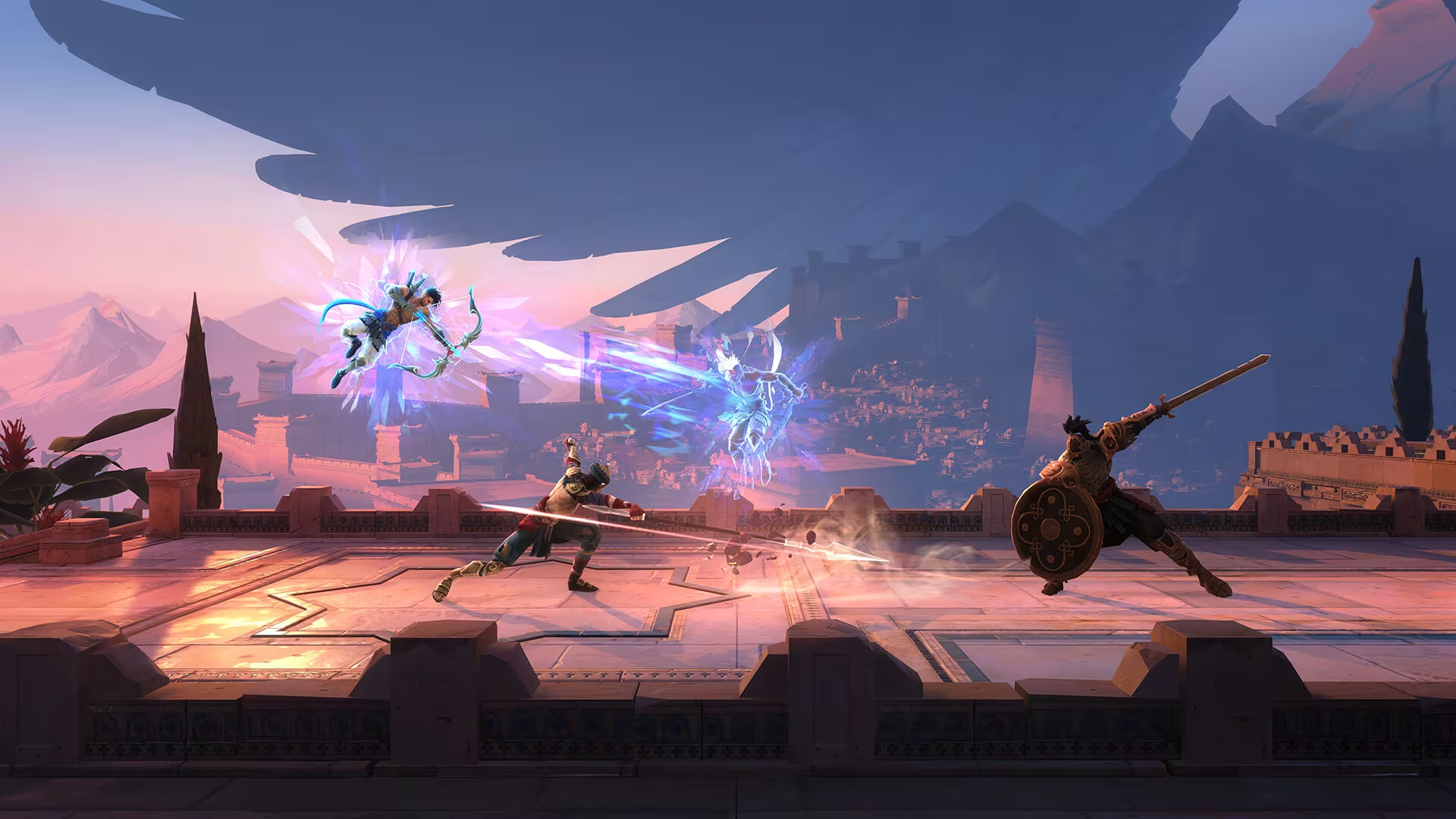
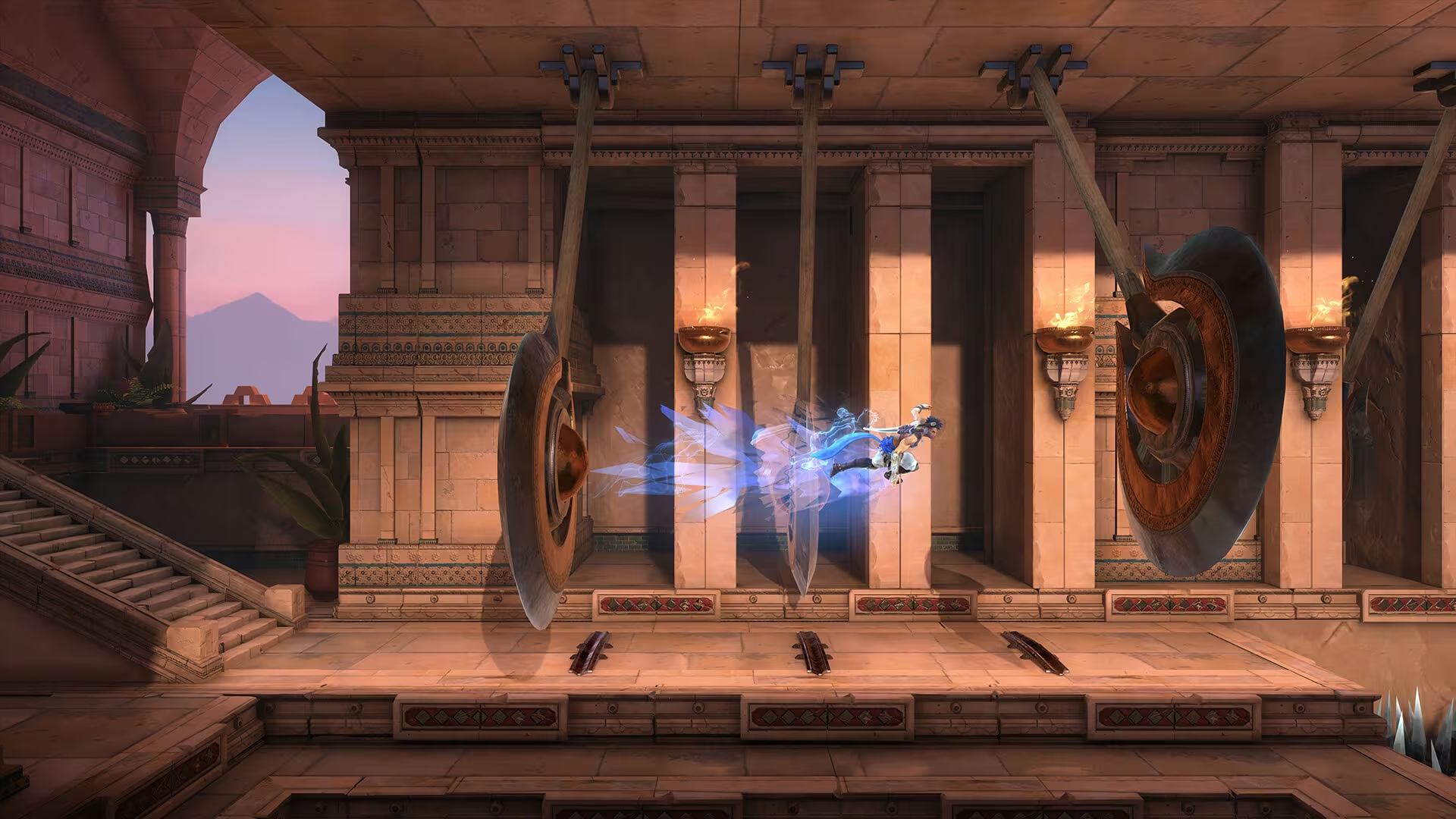
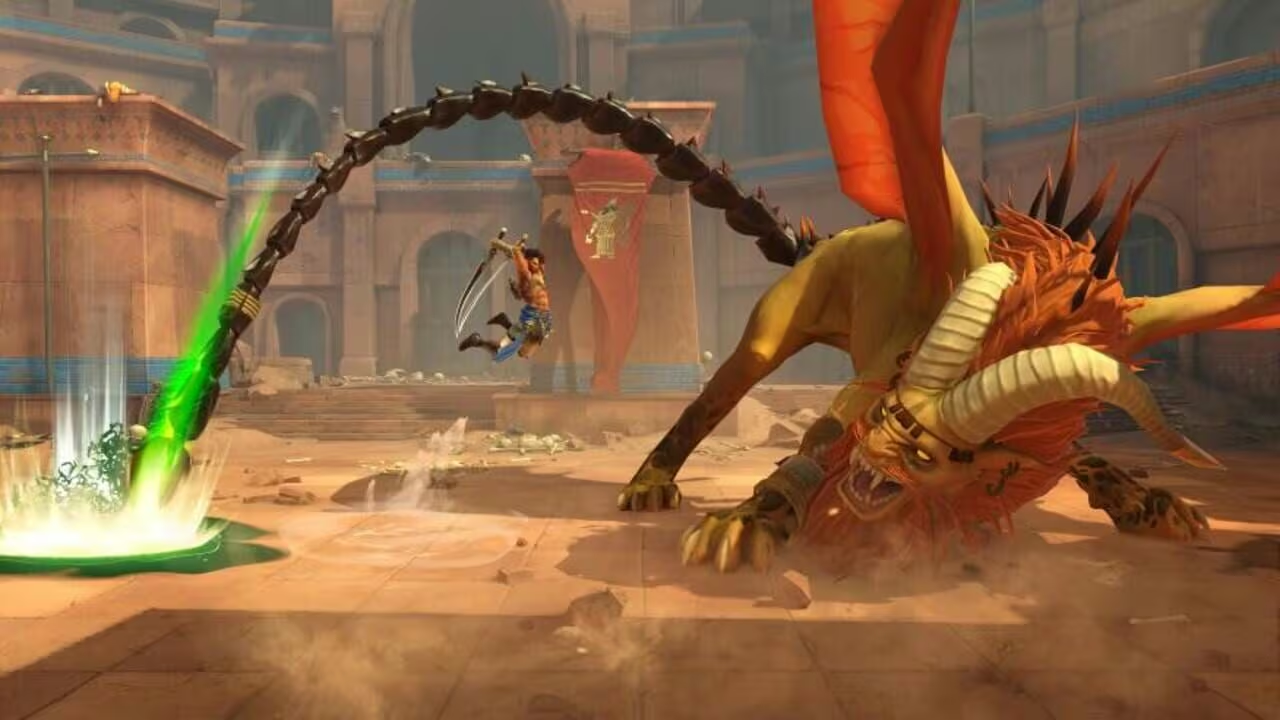
Dash into a stylish and thrilling action-adventure platformer set in a mythological Persian world where the boundaries of time and space are yours to manipulate.

Global score

84/100

Genres

Action, Adventure, Platform

Similar games

    Pros

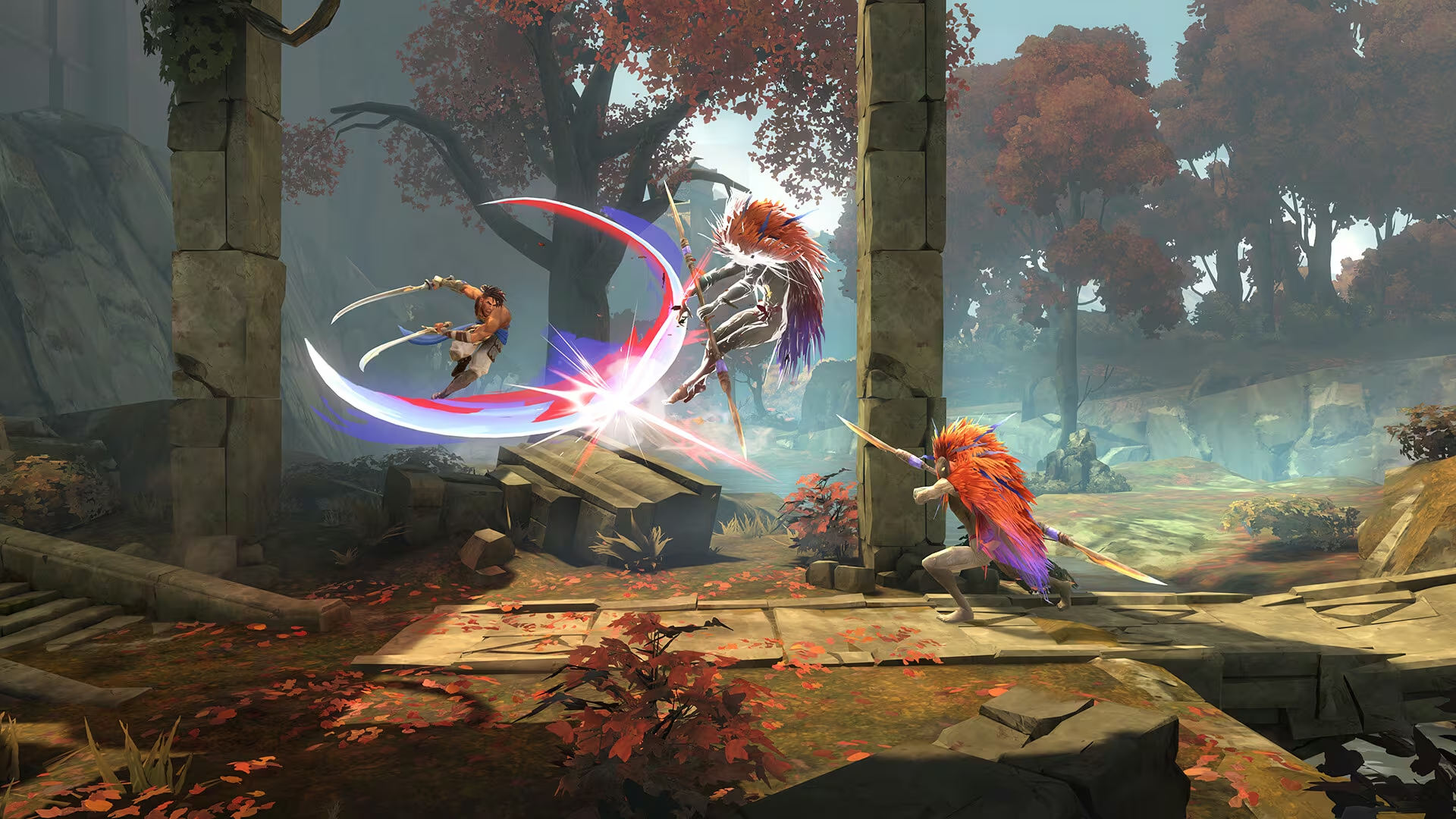
    • Fluid and responsive combat and platforming
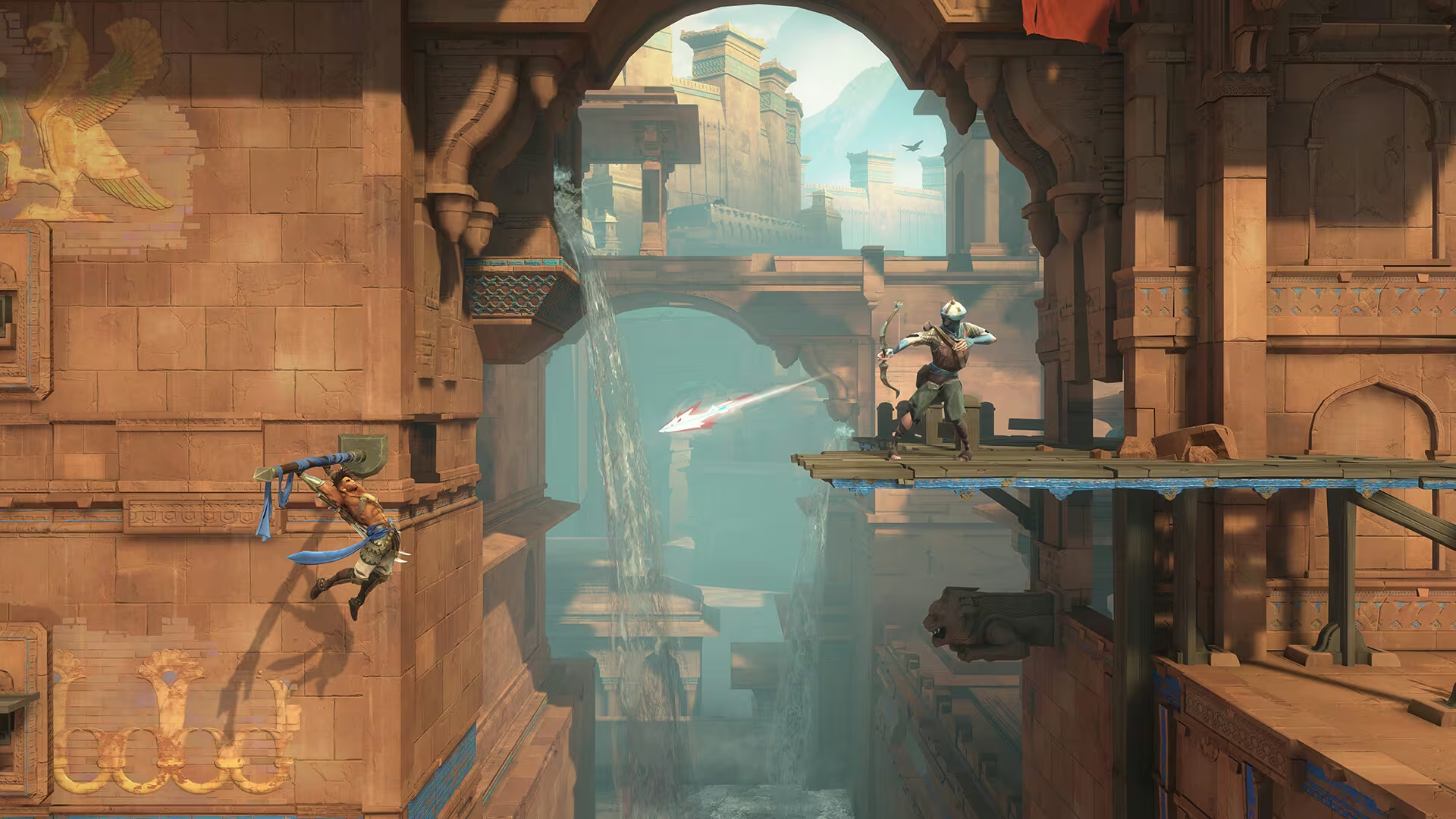
    • Large, beautifully designed interconnected map
    • Innovative map screenshot and marker system
    • Challenging but fair difficulty with accessibility options
    • Strong progression and customization options

    Cons

    • Ubisoft connect launcher and cloud save issues
    • Story and characters considered weak or underdeveloped
    • Some bugs and occasional technical issues
    • Dlc criticized for difficulty and design
    • Lack of multiplayer or social features

    Analysis

    A very typical example of its motivational profile. Motivations that often define this kind of title include Fellowship, Cooperation, Leadership, Violence. Here, the score leans higher than usual among comparable games on Violence, Exploration. It leans lower than usual among comparable games on Intimacy.

    How to use the graph
    Similar games map

    Each dot is a game. They are arranged from the same motivation profile as in the “Motivations” section below. Closer dots usually mean more similar reasons to play (exploration, competition, relaxation, etc.)—not that one game is “better” than another.

    • Larger dot with a light outline: the game you are viewing.
    • Colour: groups of games with comparable motivation patterns (statistical clusters).
    • Hover a dot to see the game name; click to open its page.
    • Scroll or double-click the chart to zoom out and see more games.

    Why don’t the axes read like a score? This view uses t-SNE: it only keeps who is close to whom. The scales are not “good to bad” or hours played—they separate groups on the map. Read distance between dots, not the axis numbers.

    Motivations

    • Autonomy
      4

      "Players have freedom to explore a large interconnected map, choose upgrades and combat styles, and use various abilities creatively."

    • Competence
      4

      "The game offers challenging combat, platforming, and puzzles with skill-based progression and satisfying mastery."

    • Competition
      -3

      "Focus is on single-player experience without mention of competitive or ranked multiplayer modes."

    • Continuation
      4

      "Players report long playtimes, 100% completion, and desire to replay or engage with DLC and challenges."

    • Cooperation
      -5

      "Entirely a single-player experience with no cooperative multiplayer or teamwork elements."

    • Creativity
      3

      "Players can customize upgrades and combat combos; map screenshot feature supports creative exploration."

    • Domination
      -5

      "No evidence of exerting control over others; gameplay is individual and cooperative elements are absent."

    • Escapism
      4

      "Players appreciate immersive exploration and engaging combat as a form of escape and enjoyment."

    • Expectation
      -4

      "Players engage voluntarily out of intrinsic interest and enjoyment rather than obligation or pressure."

    • Experimenting
      3

      "Game encourages trying new abilities, combos, and exploration strategies; some players enjoy optional challenges."

    • Exploration
      5

      "Large, diverse interconnected map with secrets, collectibles, and innovative map markers encourages discovery."

    • Expression
      2

      "Players can customize character appearance with skins and equip amulets to modify abilities."

    • Fantasy
      4

      "Game features Persian mythology, fantastical settings, and imaginative narrative elements."

    • Fellowship
      -5

      "No social or community features; experience is solitary and focused on individual play."

    • Growth
      4

      "Skill acquisition, learning combat mechanics, and mastering platforming challenges are core to progression."

    • Health
      -5

      "No physical activity or health-related gameplay elements; typical sedentary gaming experience."

    • Idle
      -4

      "Requires focused attention and continuous engagement due to challenging combat and platforming."

    • Intimacy
      -5

      "No evidence of forming close social relationships or emotional sharing within the game."

    • Leadership
      -5

      "No leadership or group management roles; gameplay is individual and self-directed."

    • Progression
      5

      "Strong emphasis on acquiring upgrades, new abilities, collectibles, and completing challenges."

    • Relaxation
      3

      "Players find flow and satisfaction in balanced challenge and skill, though some sections are intense."

    • Sensation
      4

      "Visually striking art style, smooth animations, and satisfying combat provide sensory enjoyment."

    • Status
      -4

      "No social recognition or leaderboards; focus is on personal achievement and exploration."

    • Story
      2

      "Story and characters are present but considered weaker or less central by some players."

    • Strategy
      3

      "Combat and exploration require planning, timing, and problem solving, though not overly complex."

    • Thrill
      3

      "Combat and platforming provide moments of tension and satisfaction, with some challenging boss fights."

    • Value
      3

      "Players perceive good value for time invested, especially with extensive content and replayability."

    • Violence
      4

      "Combat involves defeating enemies and bosses with various attacks and combos."

    • Survival
      3

      "Players must avoid failure in combat and platforming, managing health and timing to progress."

    Last update: 29/04/2026