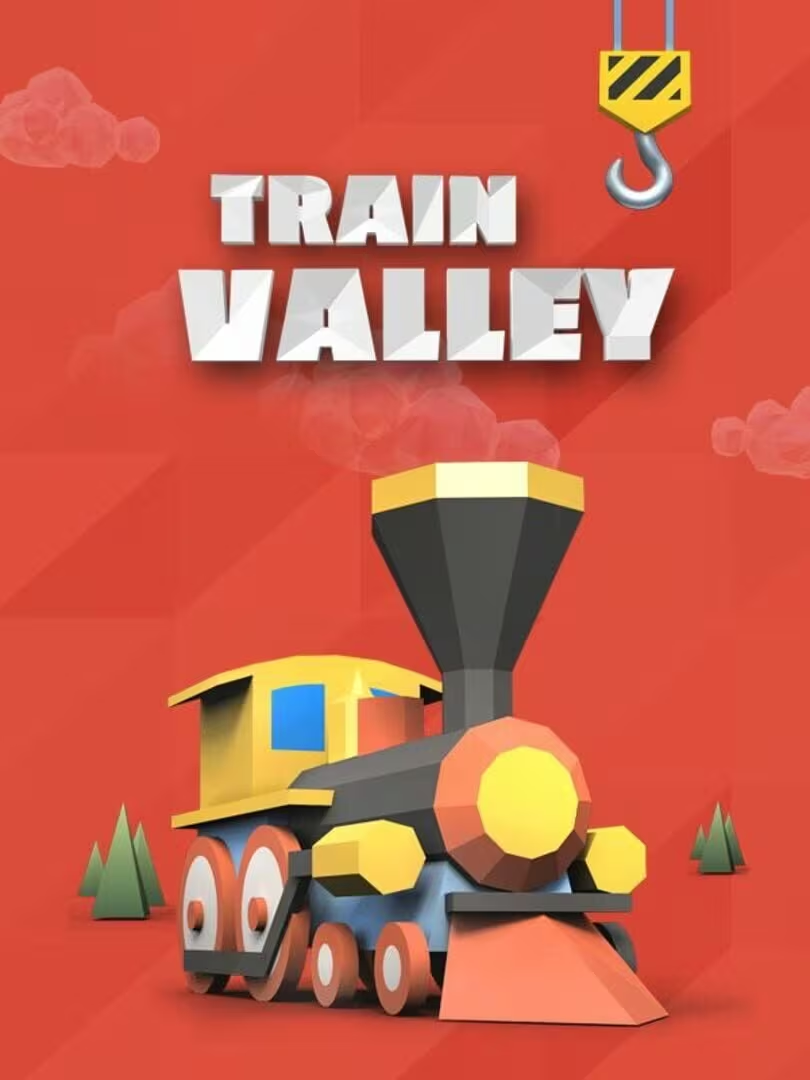
Train Valley 2 Thumbnail

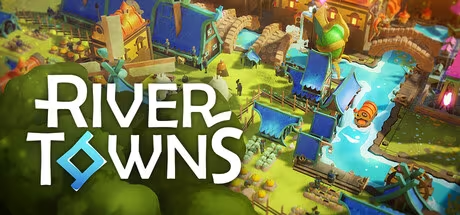
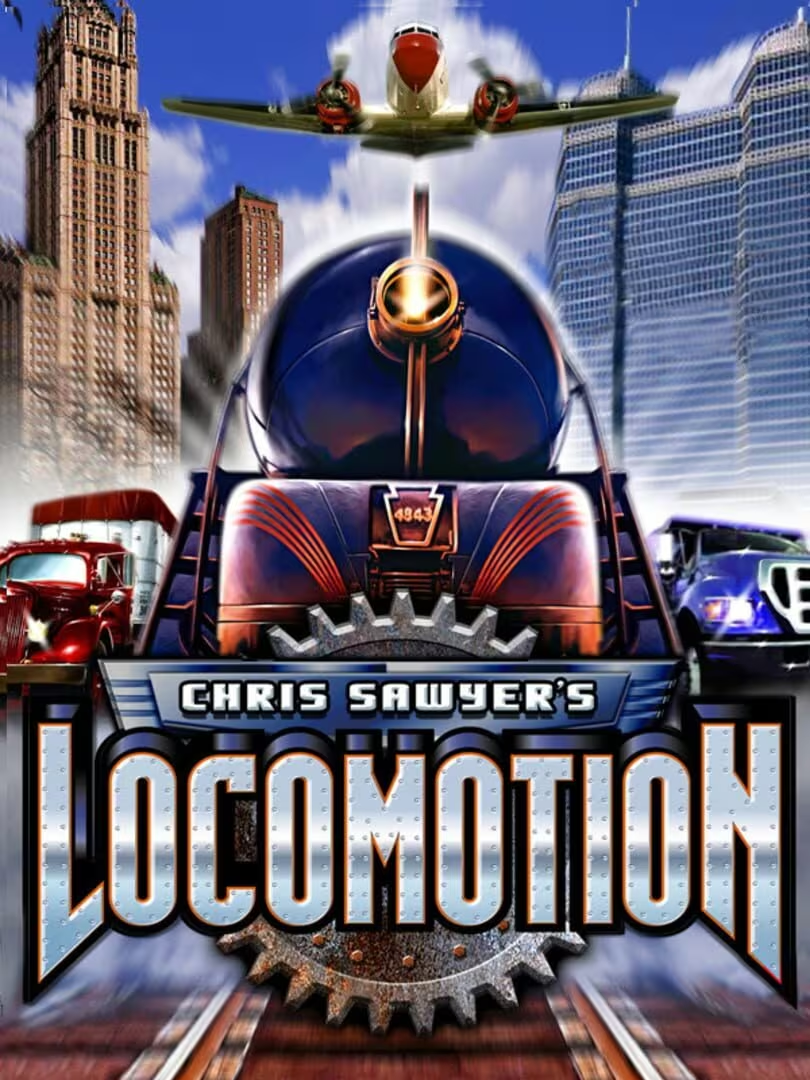
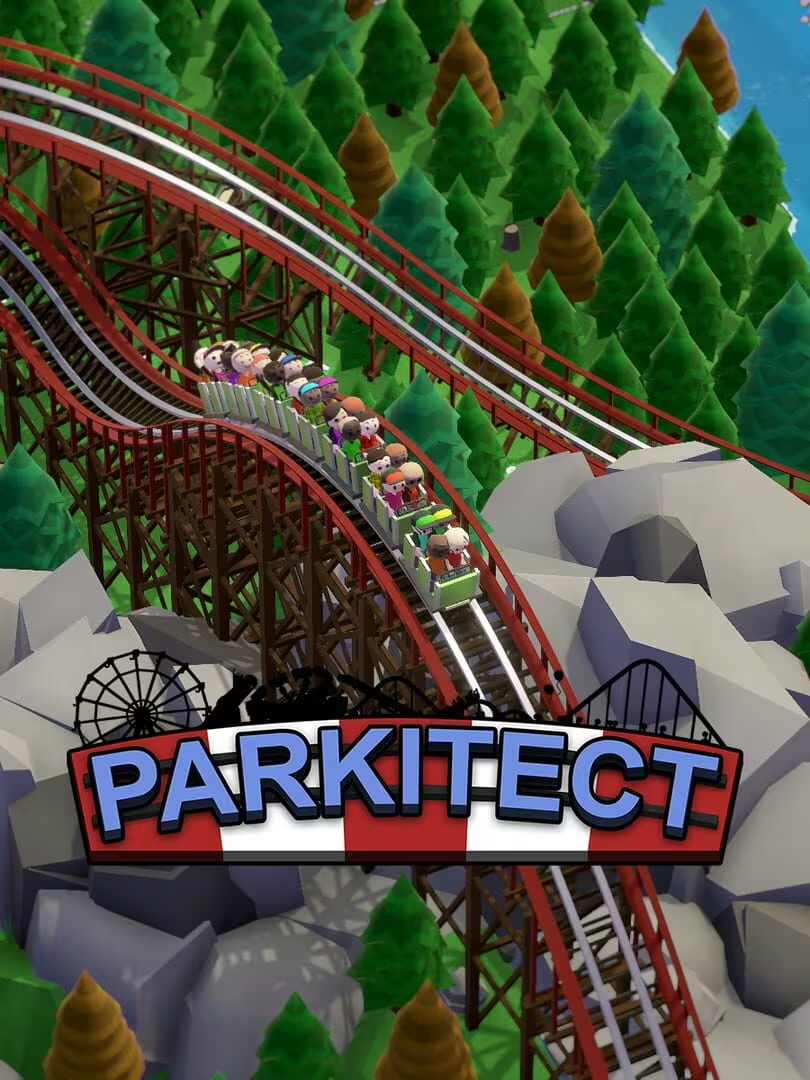
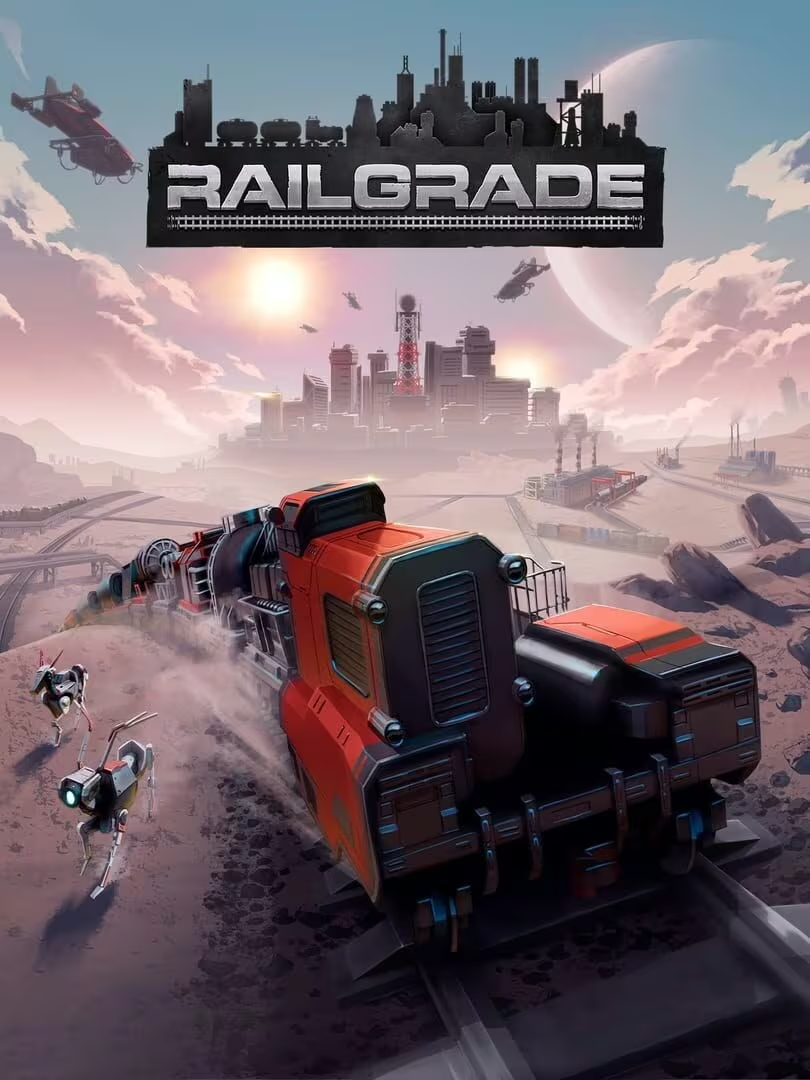
Train Valley 2 similar games & best alternatives
Train Valley 2

PC (Microsoft Windows), iOS, Mac, Android, Linux • 2019

Related articles

Quick resume

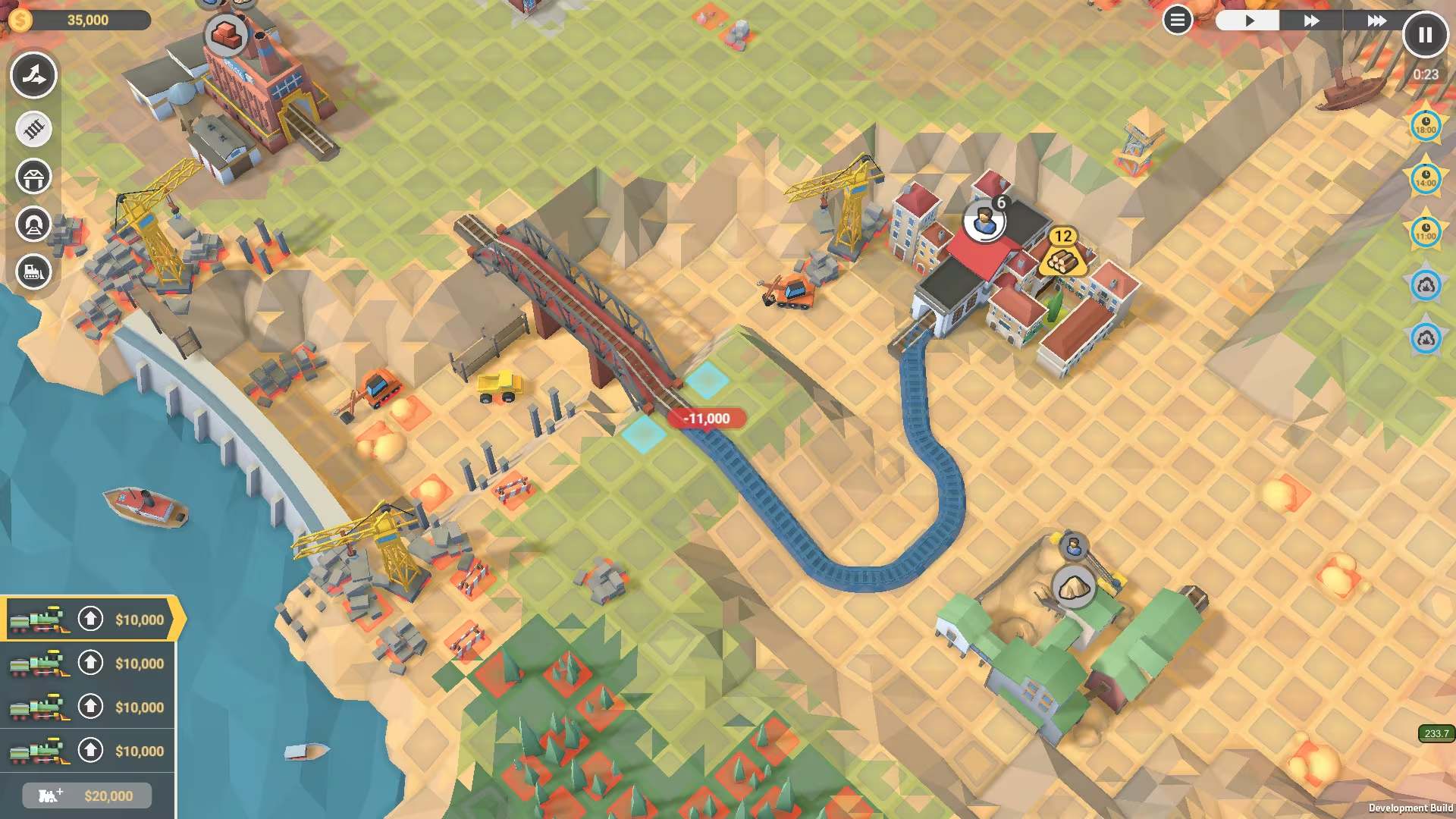
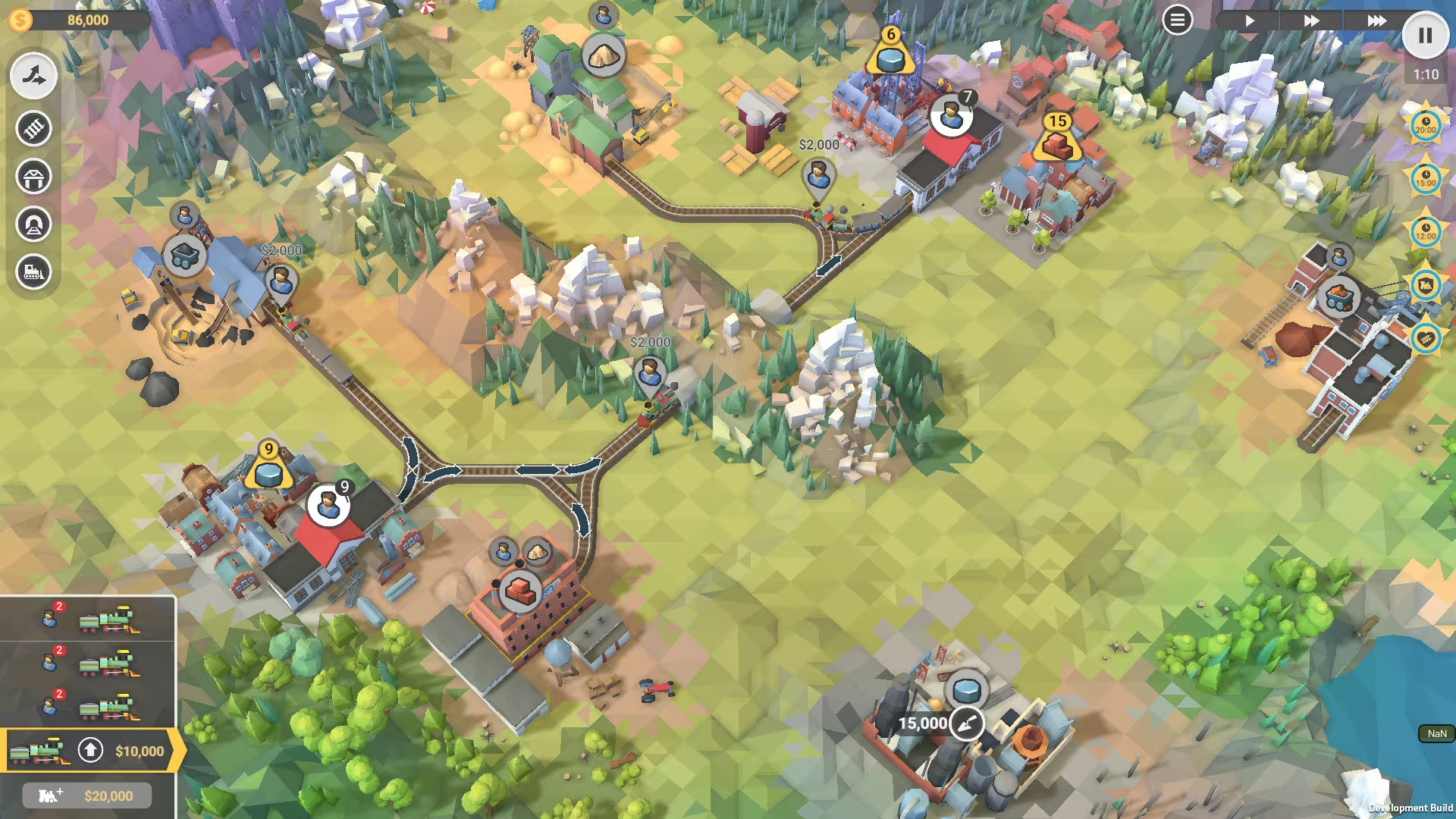
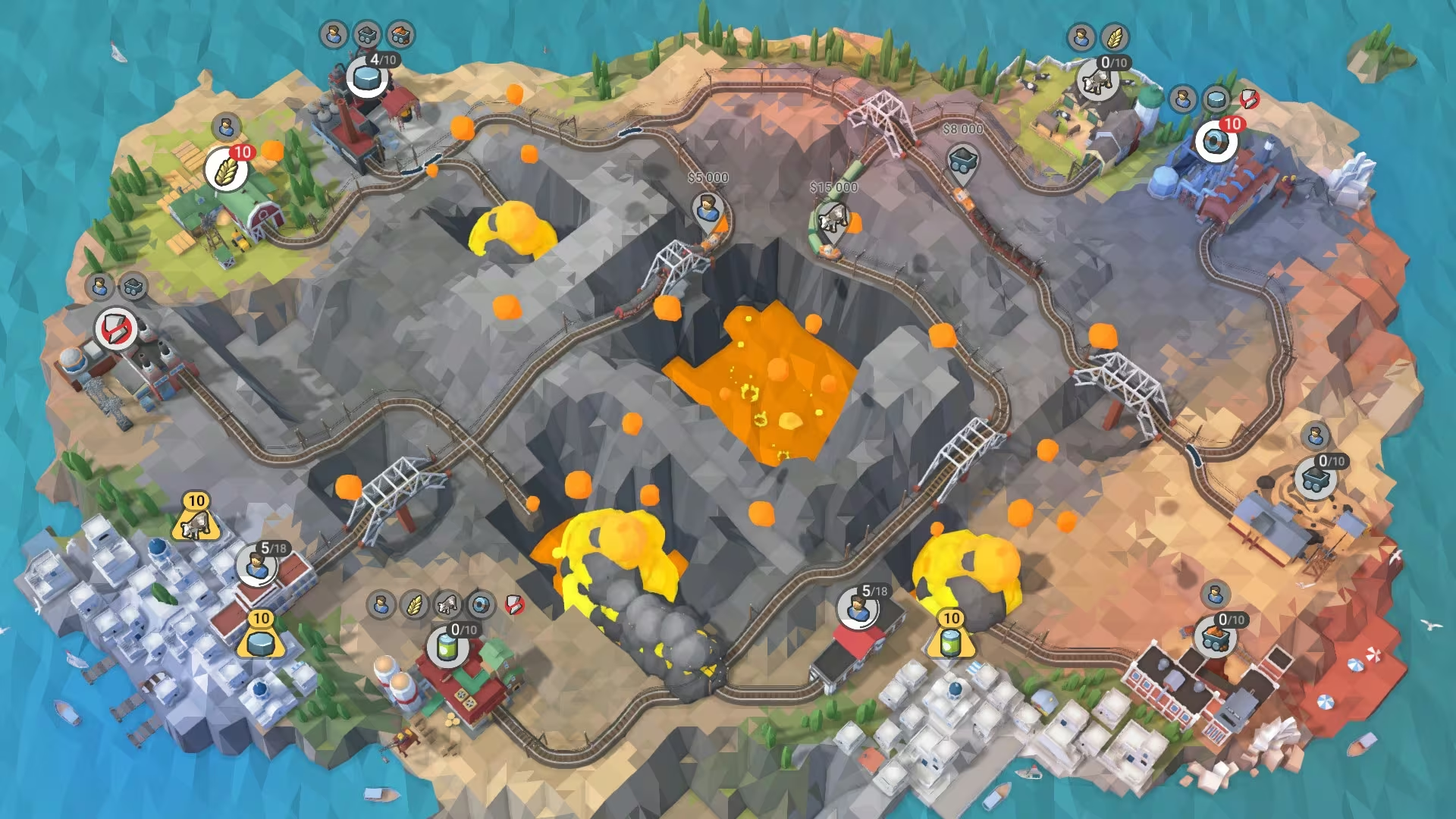
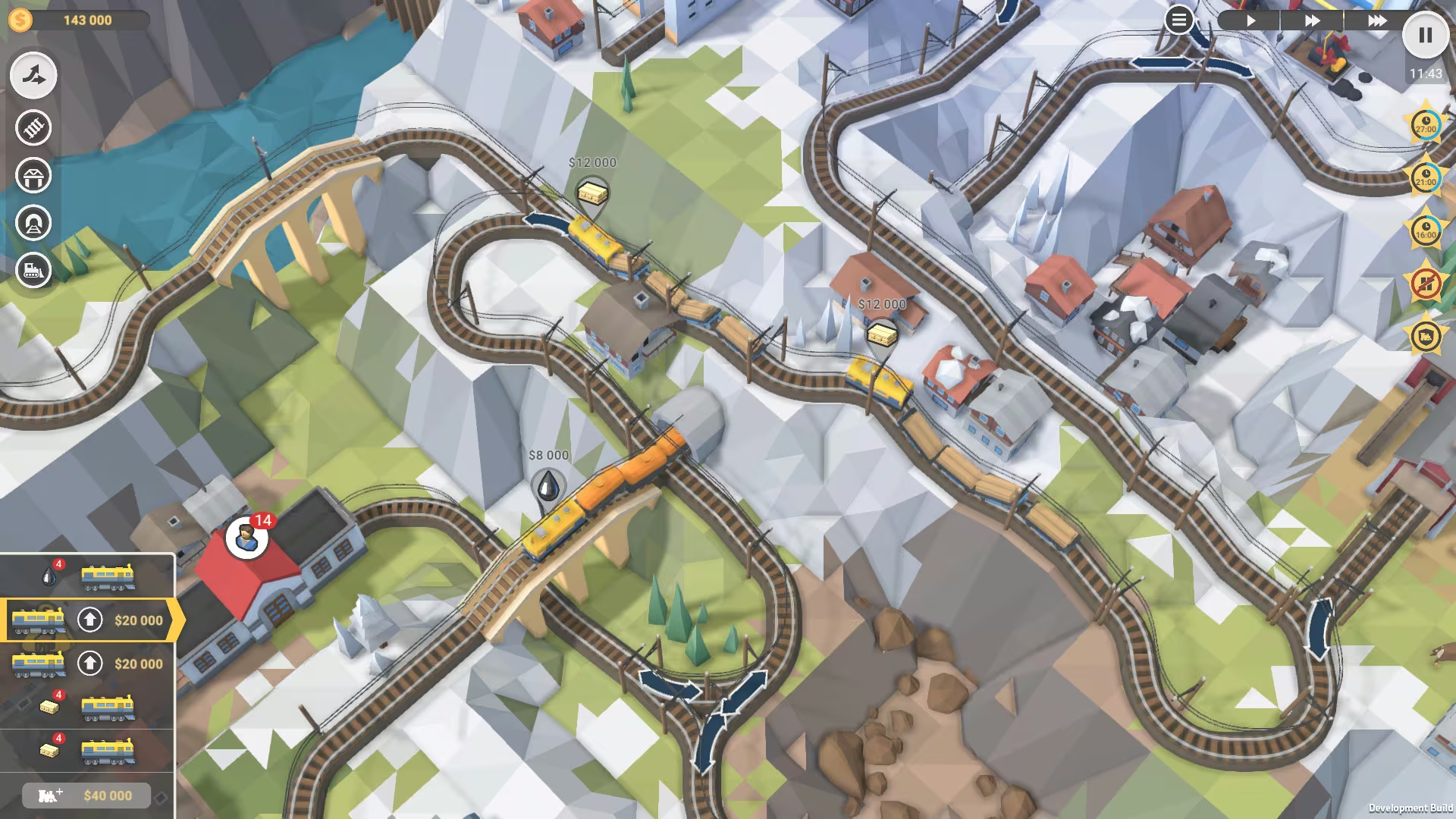
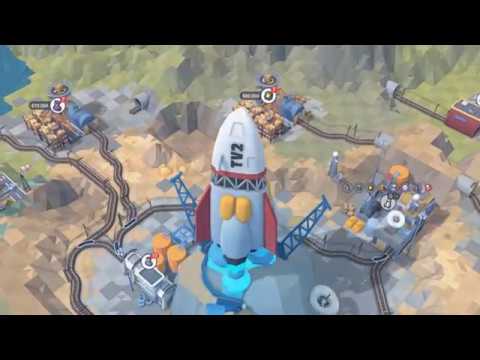
Build bigger and more complex railway networks than ever before! Building on the success of the original, you’ll get more of what you loved about the original and then some. With increasingly difficult and complex challenges from local industries, the Valley has never felt so vast! ALL ABOARD!

Global score

90/100

Genres

Adventure, Casual, Indie, Racing, Simulator, Strategy, Puzzle

Similar games

    Pros

    • Engaging and challenging puzzle gameplay
    • Extensive content with 50+ levels and workshop maps
    • Level editor and community map sharing
    • Active developer support and community contests
    • Relaxing music and charming visuals

    Cons

    • Some levels can be frustratingly difficult or long
    • Lack of mid-level save or undo features
    • Tutorial and ui could be improved
    • Terrain readability issues
    • Limited social interaction and multiplayer

    Analysis

    A very typical example of its motivational profile. Motivations that often define this kind of title include Competition, Status, Story, Expression. Here, the score leans higher than usual among comparable games on Fellowship. It leans lower than usual among comparable games on Fantasy, Story.

    How to use the graph
    Similar games map

    Each dot is a game. They are arranged from the same motivation profile as in the “Motivations” section below. Closer dots usually mean more similar reasons to play (exploration, competition, relaxation, etc.)—not that one game is “better” than another.

    • Larger dot with a light outline: the game you are viewing.
    • Colour: groups of games with comparable motivation patterns (statistical clusters).
    • Hover a dot to see the game name; click to open its page.
    • Scroll or double-click the chart to zoom out and see more games.

    Why don’t the axes read like a score? This view uses t-SNE: it only keeps who is close to whom. The scales are not “good to bad” or hours played—they separate groups on the map. Read distance between dots, not the axis numbers.

    Motivations

    • Autonomy
      4

      "Players have full control over train dispatching, track building, and strategic planning with no random elements."

    • Competence
      5

      "The game offers challenging puzzles requiring skillful planning, timing, and multitasking with clear feedback on performance."

    • Competition
      3

      "Includes leaderboards, weekly challenges, and community competitions encouraging comparison with others."

    • Continuation
      5

      "Players report long playtimes, replaying levels for 5 stars, and engaging with extensive workshop content."

    • Cooperation
      -4

      "Gameplay is primarily single-player focused with limited social interaction; cooperation mainly through community content sharing."

    • Creativity
      4

      "Level editor and workshop support enable players to create and share custom maps, fostering creativity."

    • Domination
      -3

      "Interactions are balanced and respectful; no evidence of power imposition or trash talk."

    • Escapism
      4

      "Players use the game as a relaxing distraction and stress relief, immersing in train logistics puzzles."

    • Expectation
      -4

      "Players engage voluntarily out of intrinsic interest and enjoyment, not obligation."

    • Experimenting
      4

      "Players experiment with track layouts, train scheduling, and strategies to optimize performance."

    • Exploration
      2

      "Players explore new maps and community levels, though environments are stylized and fixed."

    • Expression
      3

      "Customization of trains via skins unlocked by stars allows personal expression."

    • Fantasy
      -2

      "Game is grounded in plausible train logistics and production chains with stylized but realistic settings."

    • Fellowship
      2

      "Community sharing and contests foster a sense of belonging, though gameplay is solo."

    • Growth
      4

      "Players develop planning, multitasking, and optimization skills through increasingly complex levels."

    • Health
      -5

      "Sedentary gameplay with no physical activity involved."

    • Idle
      -3

      "Requires focused attention and active management rather than casual or background play."

    • Intimacy
      -4

      "Social interactions are minimal and surface-level, mostly limited to community forums and contests."

    • Leadership
      -4

      "No leadership roles; players act independently without managing others."

    • Progression
      4

      "Players accumulate stars, unlock train upgrades, and progress through increasingly difficult levels."

    • Relaxation
      3

      "Game balances challenge and flow, providing satisfying and sometimes relaxing gameplay."

    • Sensation
      2

      "Enjoyable visuals and music provide moderate sensory stimulation without overwhelming excitement."

    • Status
      3

      "Leaderboards and community recognition provide social status opportunities."

    • Story
      -4

      "Gameplay is context-free puzzle and management without narrative immersion."

    • Strategy
      5

      "Strong emphasis on planning, problem solving, and optimizing train routes and production chains."

    • Thrill
      2

      "Some tension from time limits and risk of train crashes, but overall controlled and predictable."

    • Value
      5

      "Players report excellent value for money with extensive content and replayability."

    • Violence
      -3

      "No destructive violence; crashes cause resource loss but focus is on constructive management."

    • Survival
      2

      "Players must avoid train crashes and manage resources to complete levels, involving risk management."

    Last update: 29/04/2026