Ark Nova Thumbnail

Ark Nova similar games & best alternatives

Ark Nova

PC (Microsoft Windows), Mac • 2025

Related articles

Quick resume

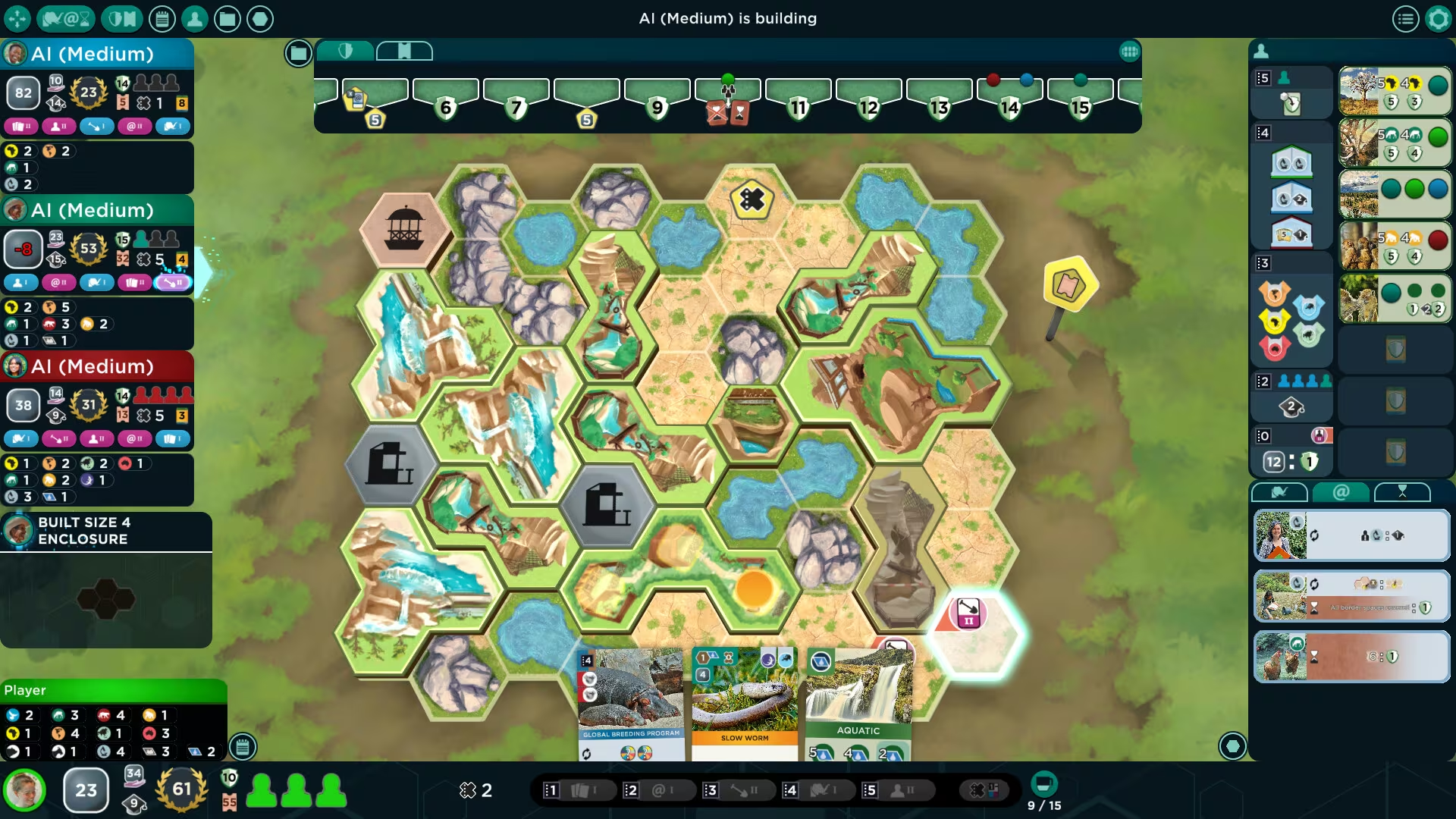
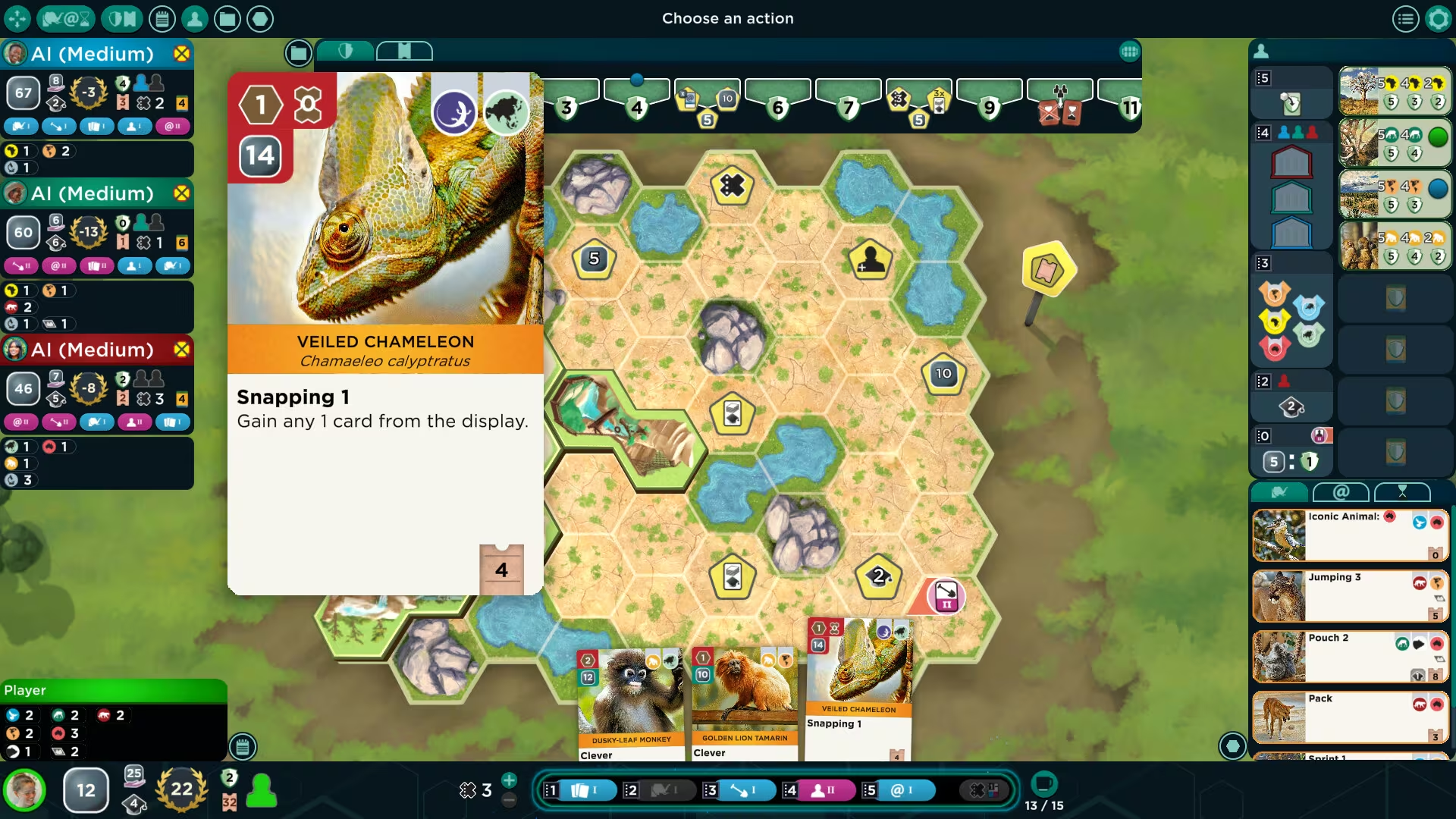
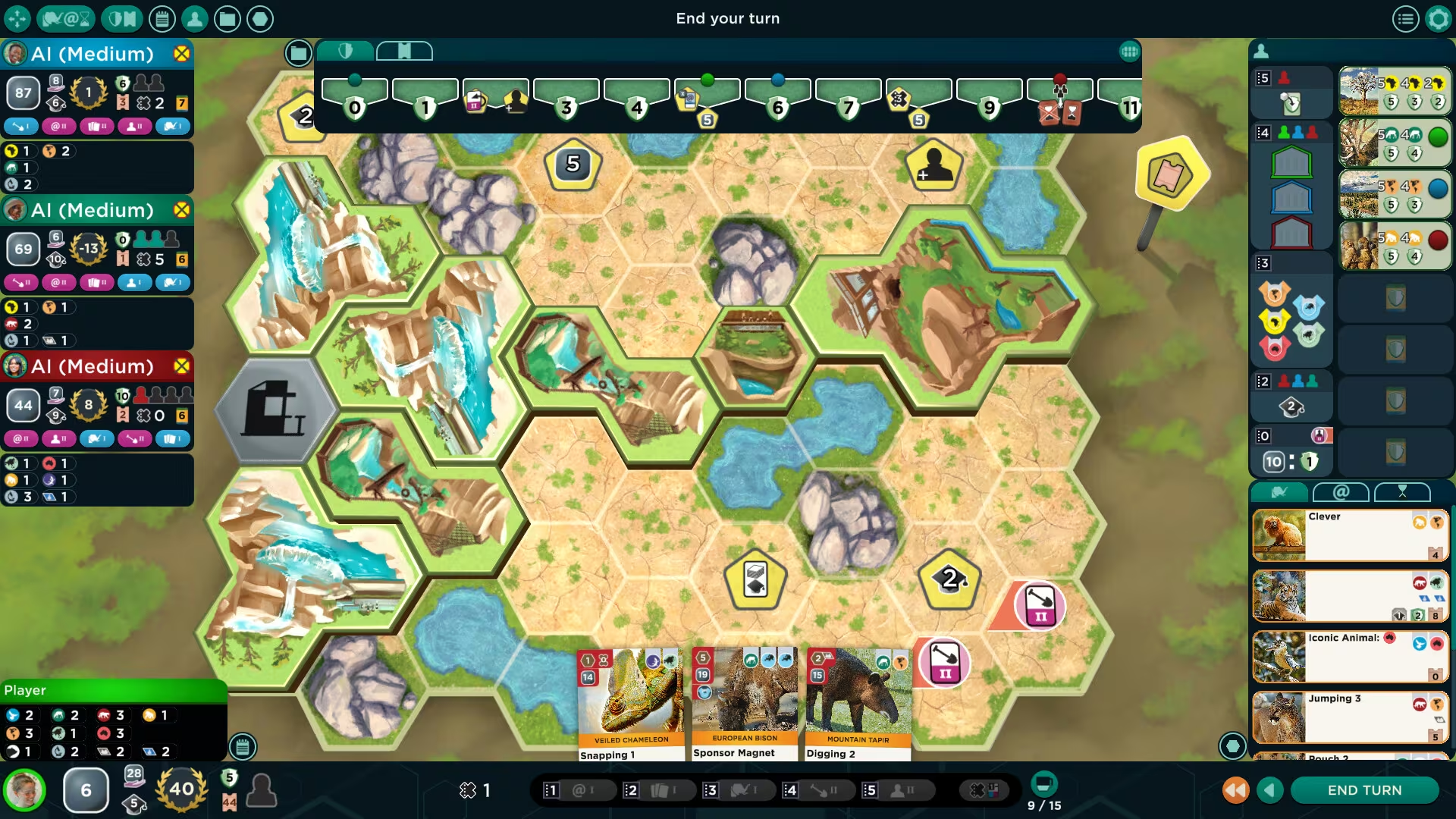
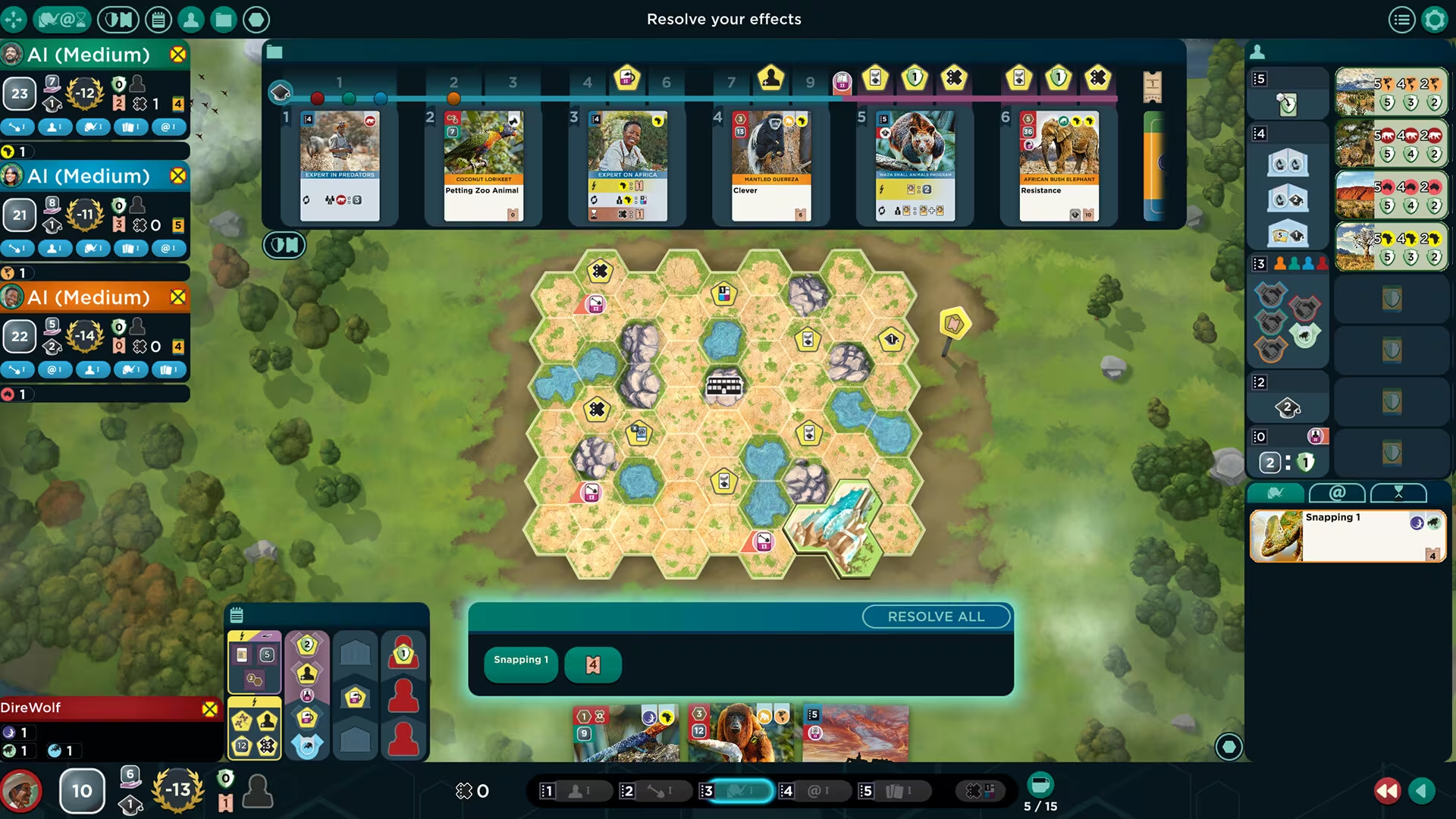
Plan and build a modern, scientifically managed zoo to support conservation projects in an acclaimed strategy board game.

Global score

94/100

Genres

Strategy, Card & Board Game

Similar games

    Pros

    • Faithful and polished digital adaptation
    • Challenging and smart ai
    • High replayability with challenges and events
    • Intuitive ui with helpful automation
    • Engaging strategic gameplay

    Cons

    • Lack of ranked matchmaking and multiplayer population
    • Ui can be cluttered and hard to navigate at first
    • Some bugs and performance issues reported
    • No current expansions included
    • Steep learning curve for new players

    Analysis

    A very typical example of its motivational profile. Motivations that often define this kind of title include Competition, Status, Story, Expression. Here, the score leans higher than usual among comparable games on Story, Fantasy. It leans lower than usual among comparable games on Violence.

    How to use the graph
    Similar games map

    Each dot is a game. They are arranged from the same motivation profile as in the “Motivations” section below. Closer dots usually mean more similar reasons to play (exploration, competition, relaxation, etc.)—not that one game is “better” than another.

    • Larger dot with a light outline: the game you are viewing.
    • Colour: groups of games with comparable motivation patterns (statistical clusters).
    • Hover a dot to see the game name; click to open its page.
    • Scroll or double-click the chart to zoom out and see more games.

    Why don’t the axes read like a score? This view uses t-SNE: it only keeps who is close to whom. The scales are not “good to bad” or hours played—they separate groups on the map. Read distance between dots, not the axis numbers.

    Motivations

    • Autonomy
      4

      "Players have freedom to choose actions, cards, and strategies with multiple options and no forced routines."

    • Competence
      4

      "The game offers challenging AI and complex strategic decisions requiring skill and planning."

    • Competition
      2

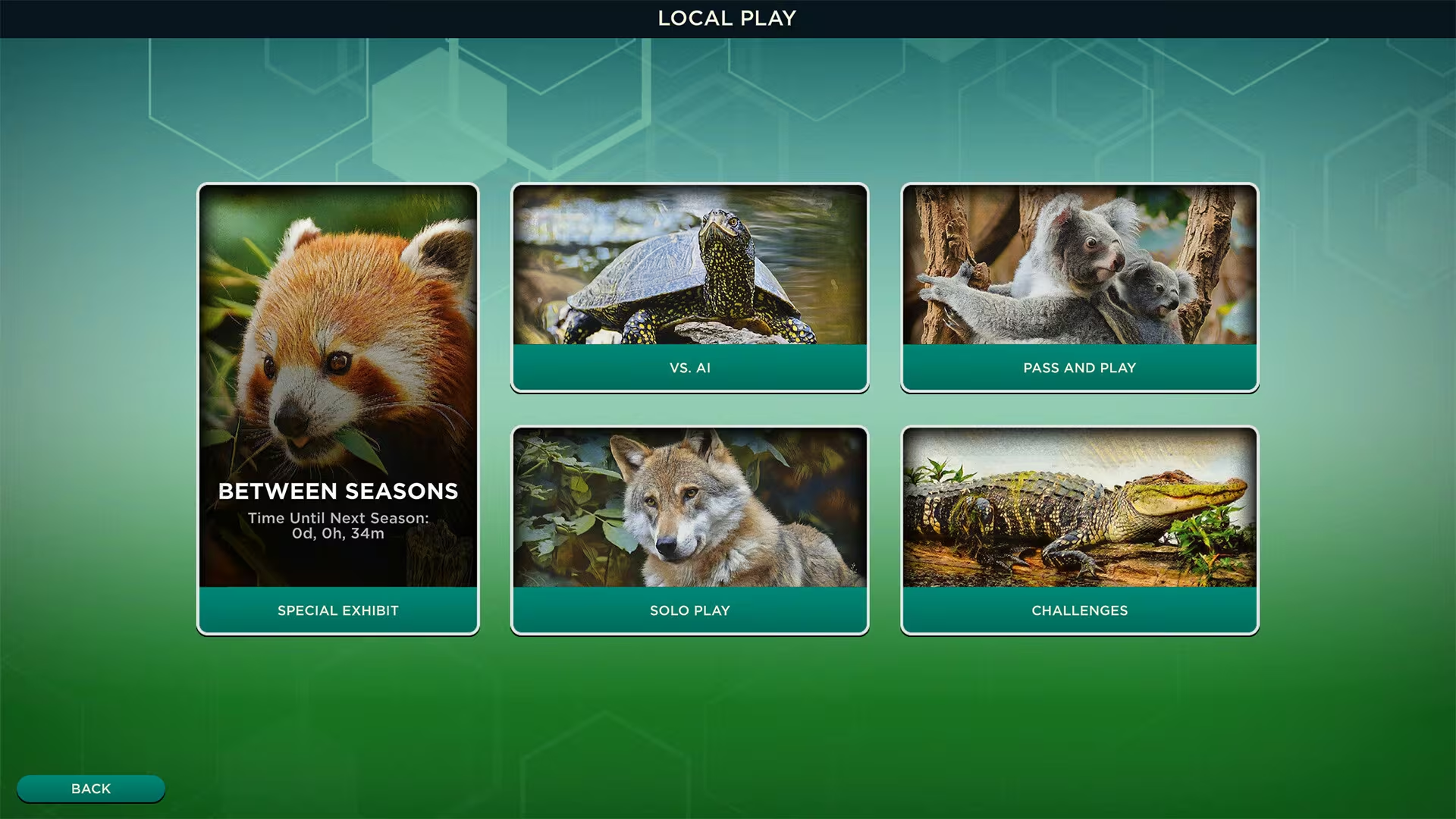
      "Includes multiplayer modes and leaderboards, but also supports solo play and casual matches without ranked modes."

    • Continuation
      4

      "High replayability with many hours logged, challenges, and seasonal events encourage habitual play."

    • Cooperation
      -3

      "Primarily competitive or solo play with limited direct cooperation between players."

    • Creativity
      3

      "Players customize their zoo layouts and card combinations, enabling creative strategic expression."

    • Domination
      -4

      "Interactions are balanced and respectful; no evidence of power imposition or trash talk."

    • Escapism
      4

      "Players use the game as a complex, immersive distraction from real life with engaging thematic content."

    • Expectation
      -4

      "Players engage voluntarily out of interest and enjoyment rather than obligation or pressure."

    • Experimenting
      4

      "High variability in cards and strategies encourages players to try new approaches and tactics."

    • Exploration
      2

      "Different maps and scenarios provide some novelty, though the core environment is familiar."

    • Expression
      3

      "Players personalize their zoos and strategies, though cosmetic customization is limited."

    • Fantasy
      3

      "Thematic zoo building with animals and conservation projects offers an imaginative experience."

    • Fellowship
      1

      "Some social features like chat and multiplayer exist, but many play solo or asynchronously."

    • Growth
      4

      "Players learn complex rules, improve strategies, and develop skills over many hours."

    • Health
      -5

      "Sedentary digital board game with no physical activity involved."

    • Idle
      -3

      "Requires focused attention and strategic thinking; not suited for casual background play."

    • Intimacy
      -3

      "Limited social interaction mostly surface-level; no evidence of close emotional connections."

    • Leadership
      -4

      "No leadership or management roles; players act independently or competitively."

    • Progression
      4

      "Players accumulate cards, upgrades, and points, progressing through complex game states."

    • Relaxation
      3

      "Despite challenge, the game offers a satisfying flow and engaging pacing for many players."

    • Sensation
      2

      "Visuals and sounds are pleasant but not intense; moderate sensory stimulation."

    • Status
      2

      "Leaderboards and achievements provide recognition, though many play casually without social evaluation."

    • Story
      1

      "Thematic elements exist but no strong narrative or plot-driven immersion."

    • Strategy
      5

      "Core gameplay revolves around deep strategic planning, resource management, and problem solving."

    • Thrill
      2

      "Some tension from competition and timing, but overall controlled and thoughtful gameplay."

    • Value
      4

      "Players report high enjoyment and replay value relative to time and cost invested."

    • Violence
      -5

      "Non-violent gameplay focused on building and management rather than combat or destruction."

    • Survival
      1

      "Some resource management and risk elements, but low threat and failure consequences."

    Last update: 29/04/2026