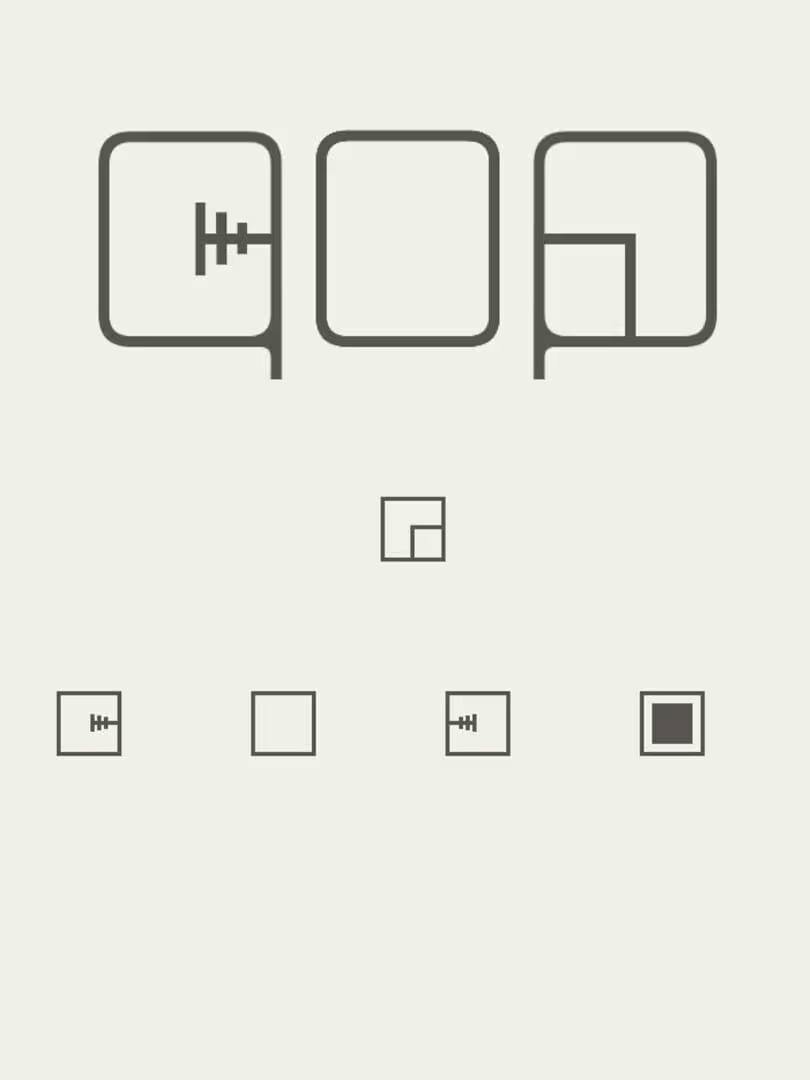
Zen Chess: Mate in One Thumbnail

Zen Chess: Mate in One similar games & best alternatives

Zen Chess: Mate in One

PC (Microsoft Windows), Mac • 2018

Related articles

Quick resume

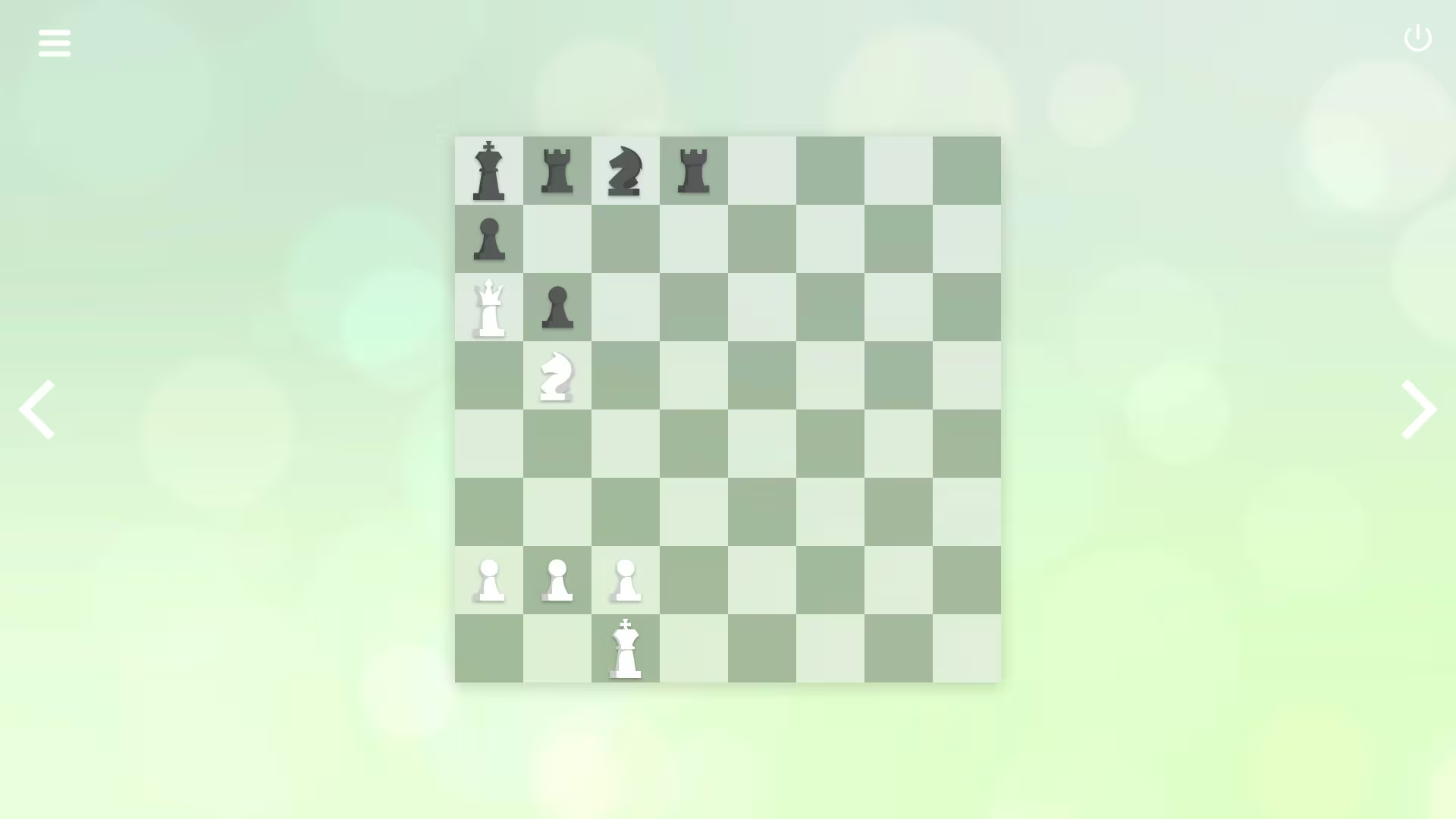
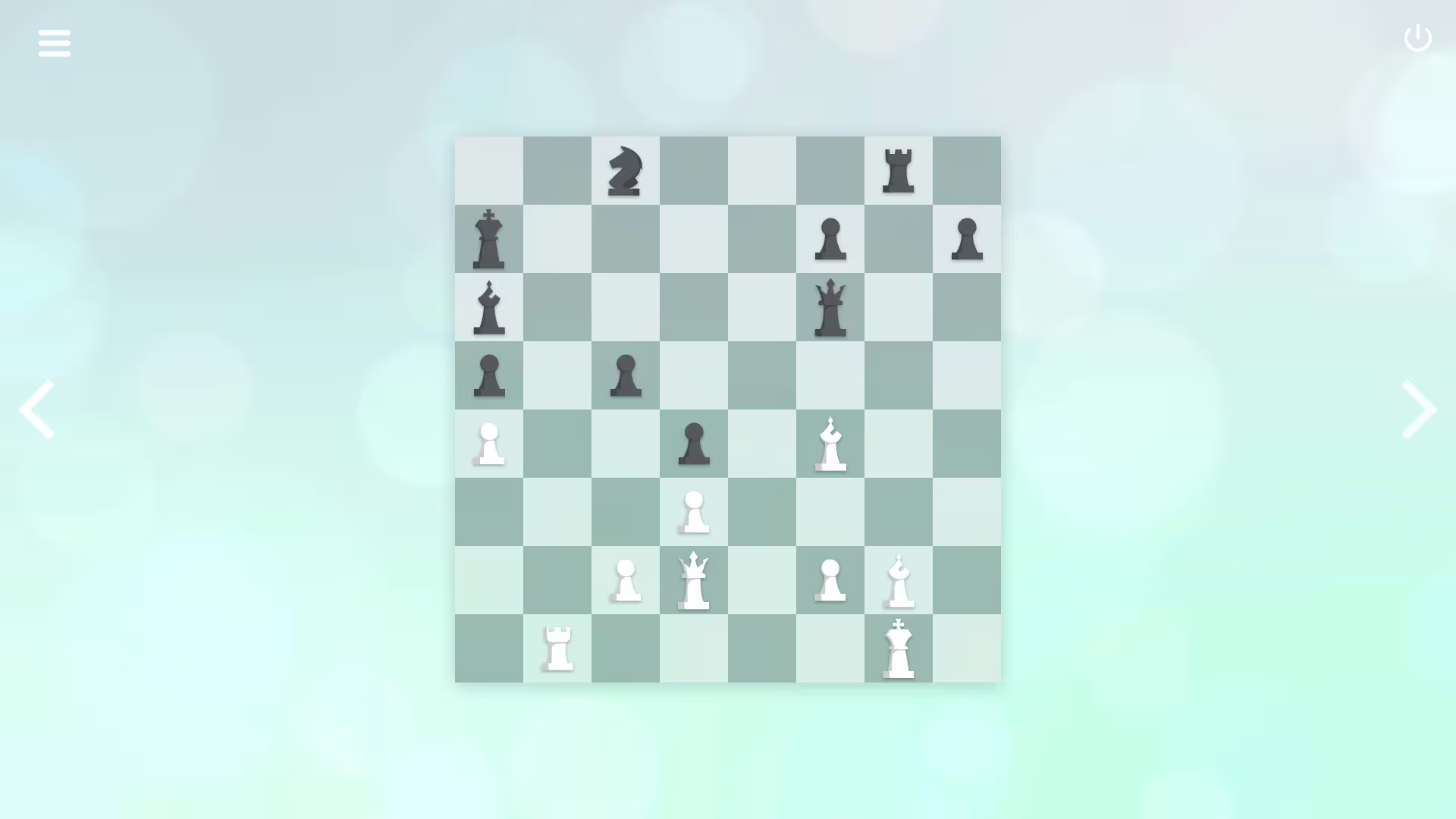
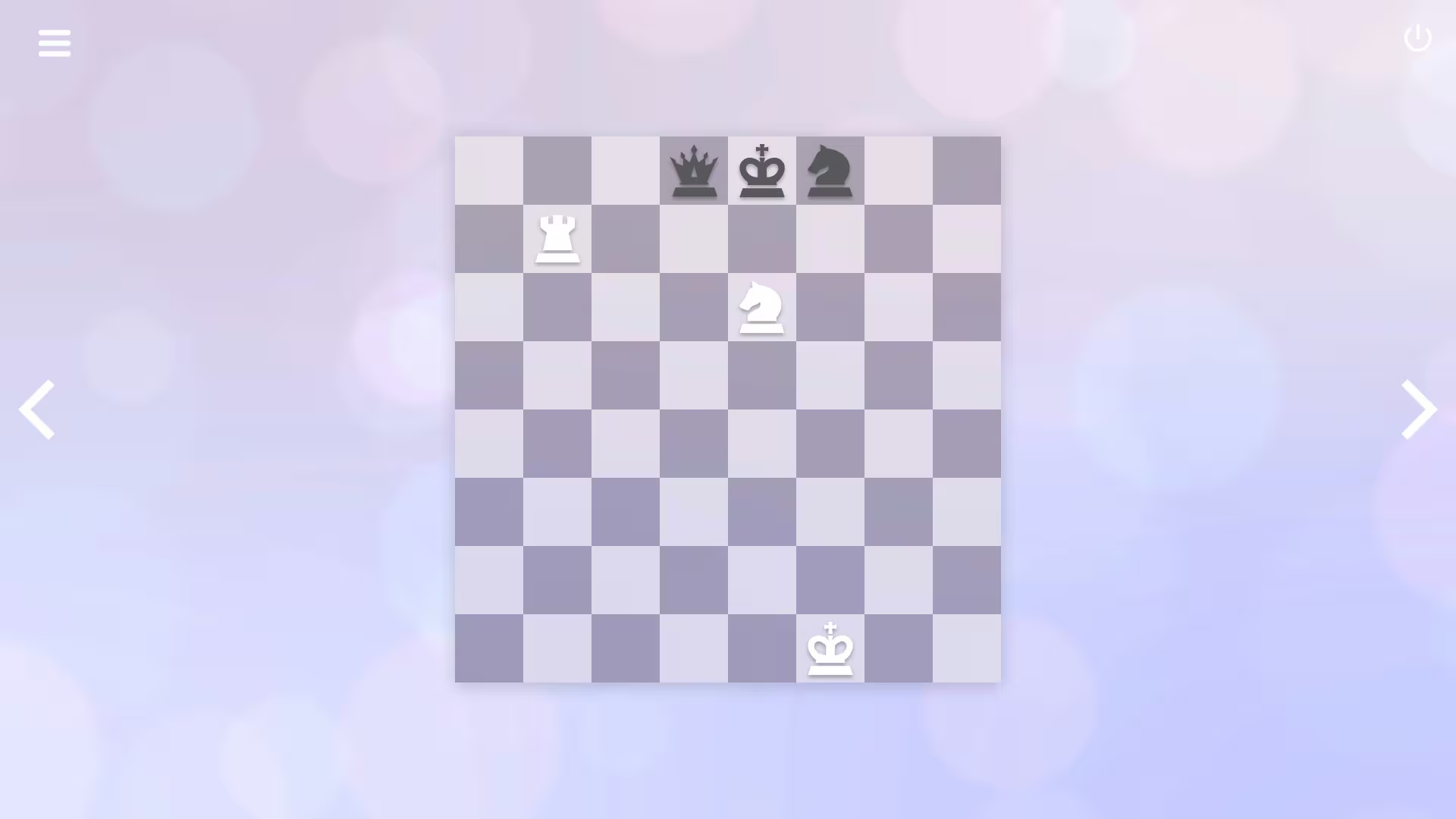
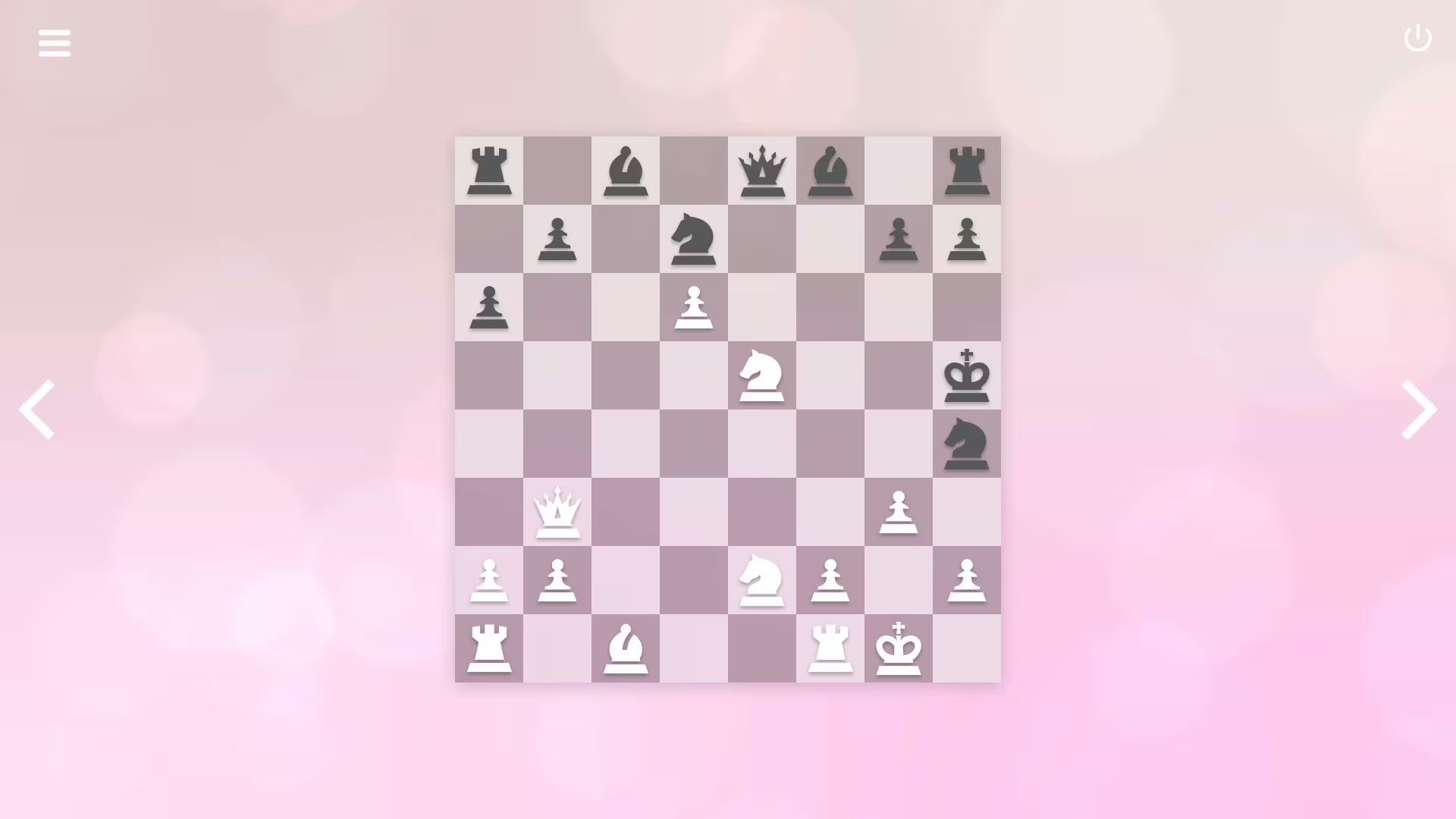
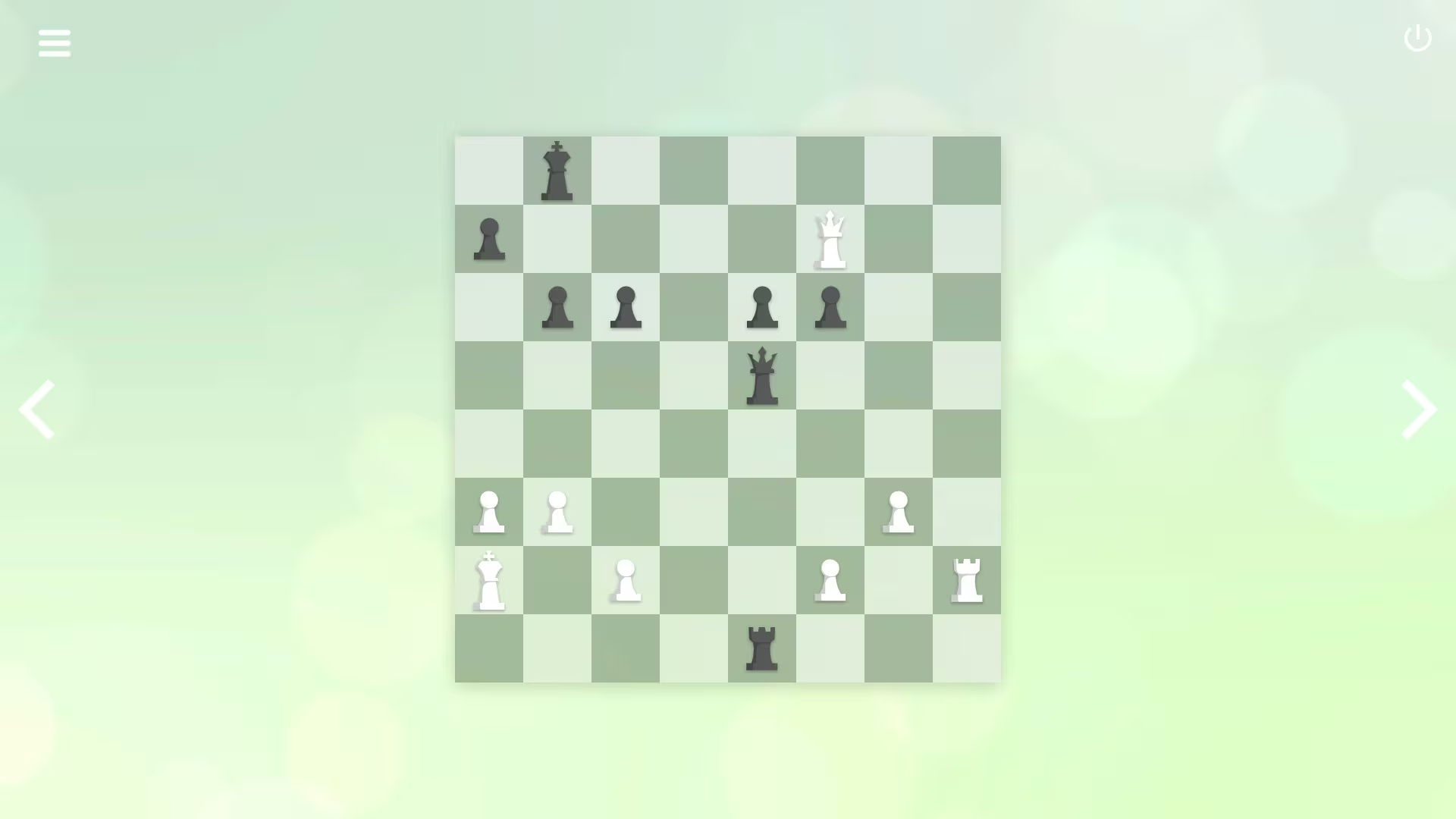
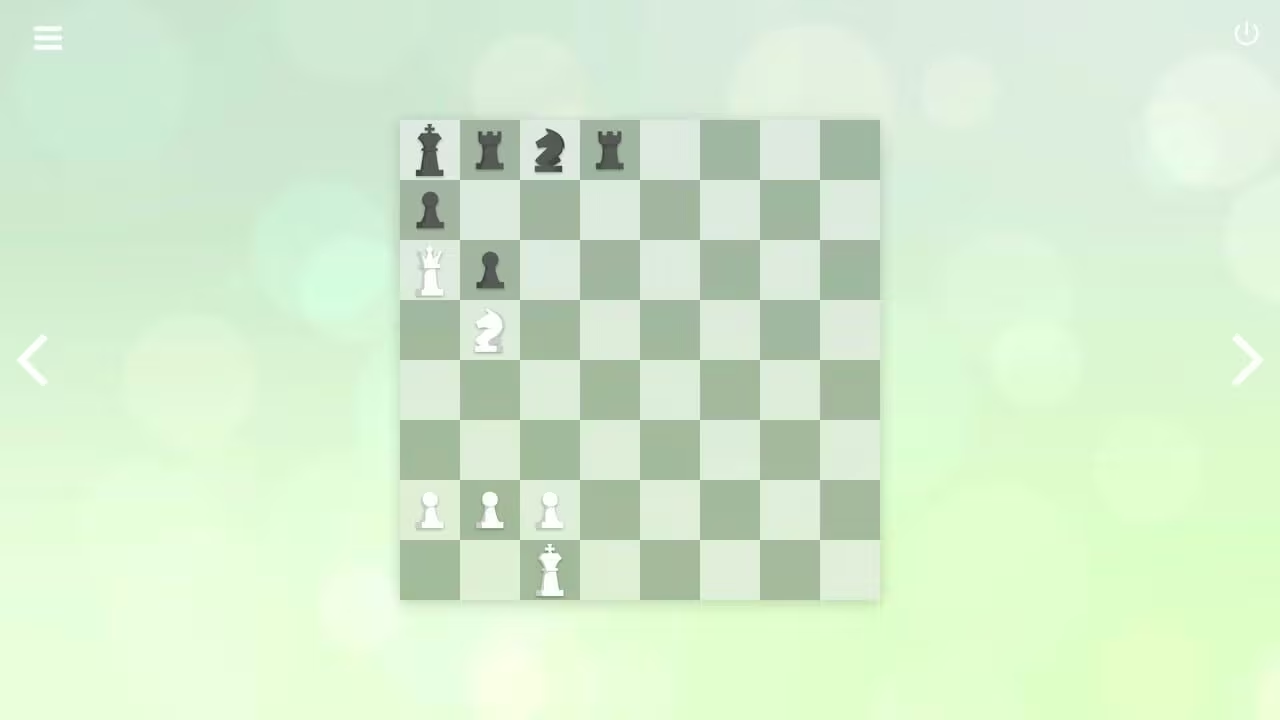
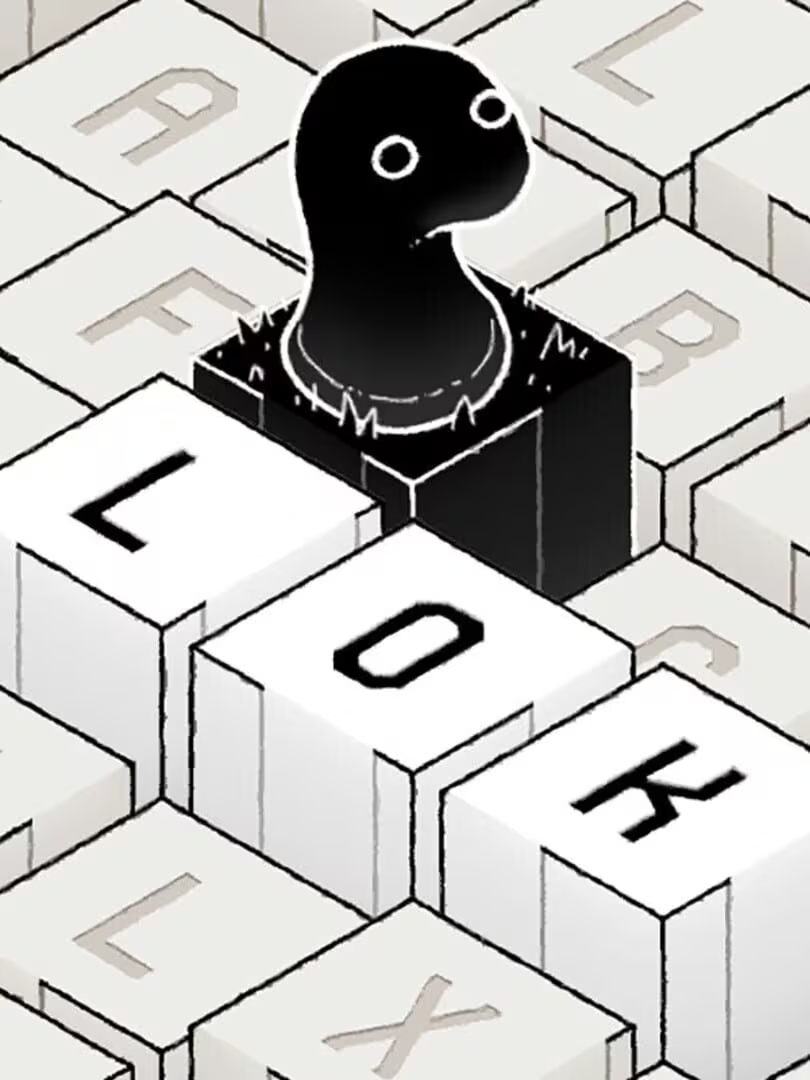
Zen Chess: Mate in One is a minimalist chess puzzle game. Solve mate-in-one problems in a beautifully designed chess board.

Global score

88/100

Genres

Casual, Strategy, Puzzle

Similar games

    Pros

    • Large number of puzzles (300) for a low price
    • Relaxing and minimalistic design with calming music
    • Good for beginners and intermediate players to improve pattern recognition
    • Simple, accessible gameplay with no pressure or time limits
    • Polished and functional despite minimalism

    Cons

    • Only one accepted solution per puzzle despite some having multiple
    • No volume control or windowed mode
    • Allowing illegal moves without clear feedback
    • Limited challenge due to mate-in-one format
    • No multiplayer, social, or narrative features

    Analysis

    Less representative of its motivational profile, with noticeable differences. Motivations that often define this kind of title include Fantasy, Violence, Story, Thrill. It leans lower than usual among comparable games on Creativity, Exploration, Experimenting.

    How to use the graph
    Similar games map

    Each dot is a game. They are arranged from the same motivation profile as in the “Motivations” section below. Closer dots usually mean more similar reasons to play (exploration, competition, relaxation, etc.)—not that one game is “better” than another.

    • Larger dot with a light outline: the game you are viewing.
    • Colour: groups of games with comparable motivation patterns (statistical clusters).
    • Hover a dot to see the game name; click to open its page.
    • Scroll or double-click the chart to zoom out and see more games.

    Why don’t the axes read like a score? This view uses t-SNE: it only keeps who is close to whom. The scales are not “good to bad” or hours played—they separate groups on the map. Read distance between dots, not the axis numbers.

    Motivations

    • Autonomy
      4

      "Players freely choose moves to solve puzzles, with no forced routines, though limited to one correct solution per puzzle."

    • Competence
      3

      "Puzzles provide skill challenges in pattern recognition and tactical thinking, though mate-in-one limits complexity."

    • Competition
      -4

      "No competitive or ranked modes; focus is on individual puzzle solving at personal pace."

    • Continuation
      2

      "Players engage in multiple sessions and replay puzzles, but some find the challenge plateaus leading to less engagement."

    • Cooperation
      -5

      "Entirely single-player with no cooperative or multiplayer elements."

    • Creativity
      -3

      "Players solve predefined puzzles with no creation or modification of content."

    • Domination
      -5

      "No social dominance or power exertion; purely individual puzzle solving."

    • Escapism
      3

      "Relaxing music and minimalistic design provide a calming, meditative experience for stress relief."

    • Expectation
      -4

      "Players engage voluntarily for enjoyment and learning, not out of obligation or pressure."

    • Experimenting
      -2

      "Limited experimentation due to fixed puzzles and single solutions; some trial and error involved."

    • Exploration
      -5

      "No exploration of new areas; puzzles are static and predefined."

    • Expression
      -4

      "Minimal customization limited to piece sets and board colors; no avatar or environment personalization."

    • Fantasy
      -5

      "Realistic chess scenarios without fictional or imaginative elements."

    • Fellowship
      -5

      "No community or social features; entirely solo experience."

    • Growth
      4

      "Players improve chess pattern recognition and tactical skills through puzzle practice."

    • Health
      -5

      "Sedentary gameplay with no physical activity involved."

    • Idle
      -3

      "Requires focused attention to solve puzzles; not designed for background or idle play."

    • Intimacy
      -5

      "No social or emotional connections formed within the game."

    • Leadership
      -5

      "No leadership or group management elements."

    • Progression
      3

      "Progression through 300 puzzles and achievements provides a sense of advancement."

    • Relaxation
      4

      "Calming music and simple gameplay create a relaxing and zen-like atmosphere."

    • Sensation
      -1

      "Minimal sensory stimulation; simple visuals and ambient music provide moderate sensory input."

    • Status
      -5

      "No social recognition or status systems present."

    • Story
      -5

      "No narrative or story elements; purely puzzle-based."

    • Strategy
      3

      "Requires tactical thinking and pattern recognition to find checkmate moves."

    • Thrill
      -3

      "Low suspense or risk; puzzles are predictable with no real danger."

    • Value
      4

      "High value for price with 300 puzzles and relaxing gameplay."

    • Violence
      -5

      "No combat or destruction; gameplay is constructive and intellectual."

    • Survival
      -5

      "No survival or threat avoidance elements."

    Last update: 29/04/2026