Alchemy Mysteries: Prague Legends Thumbnail

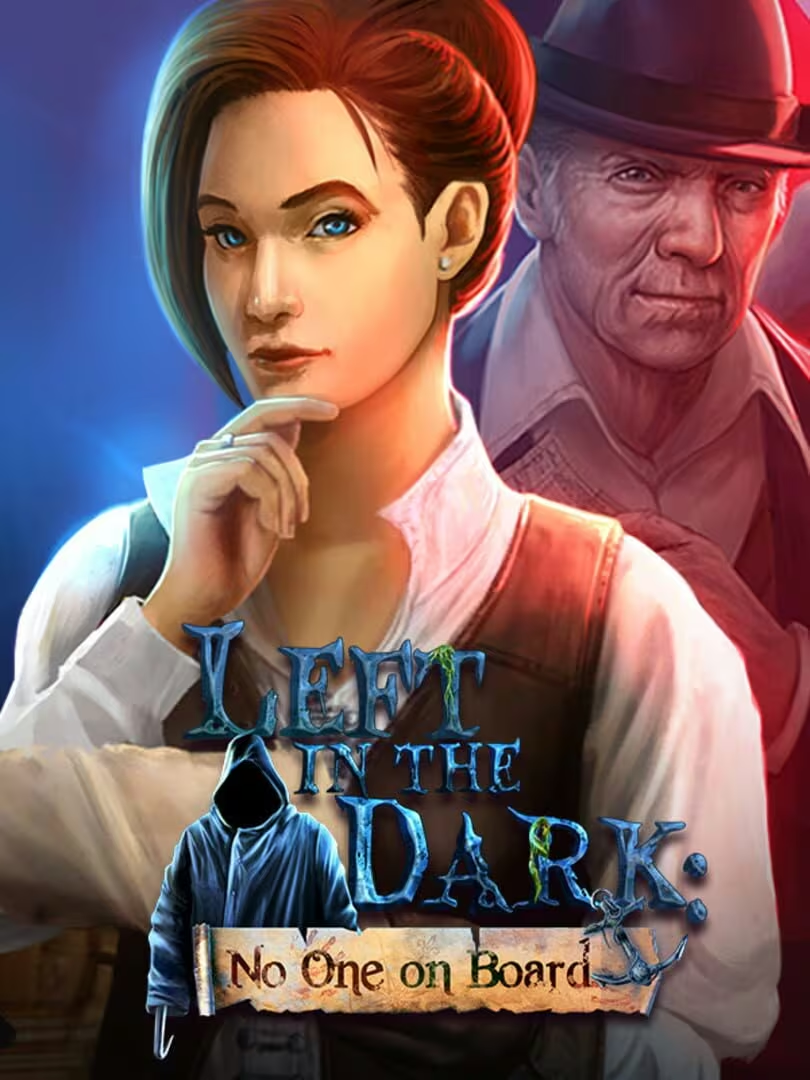
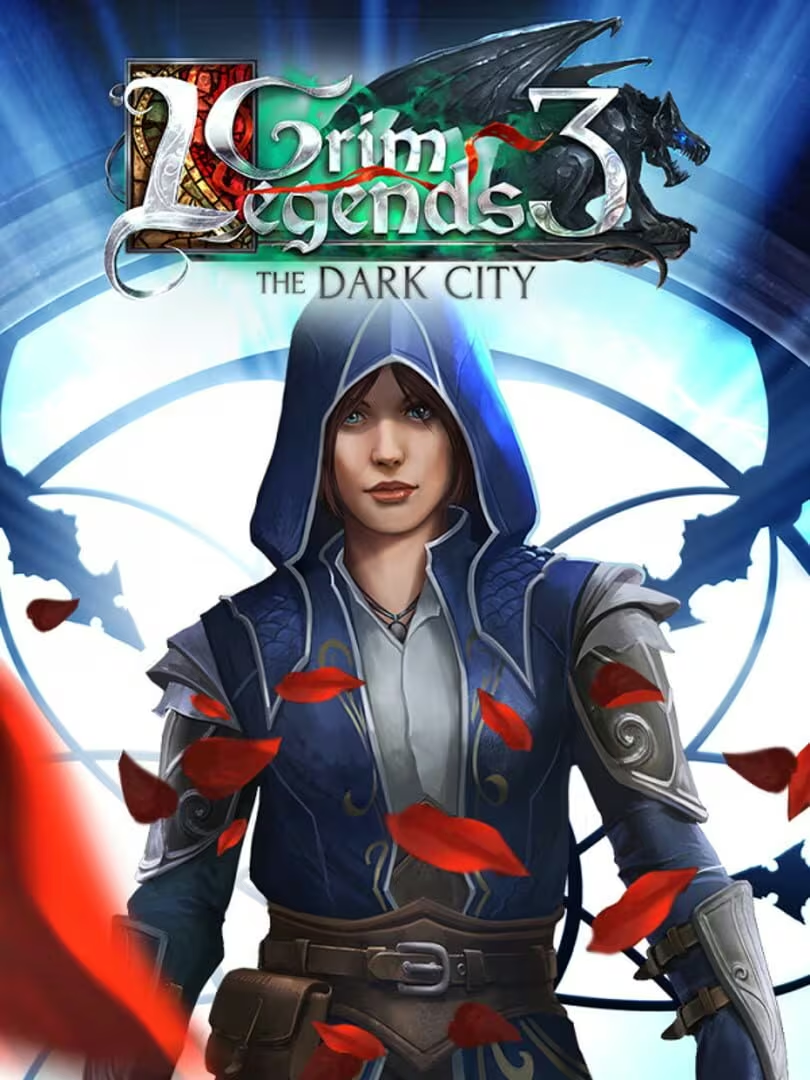
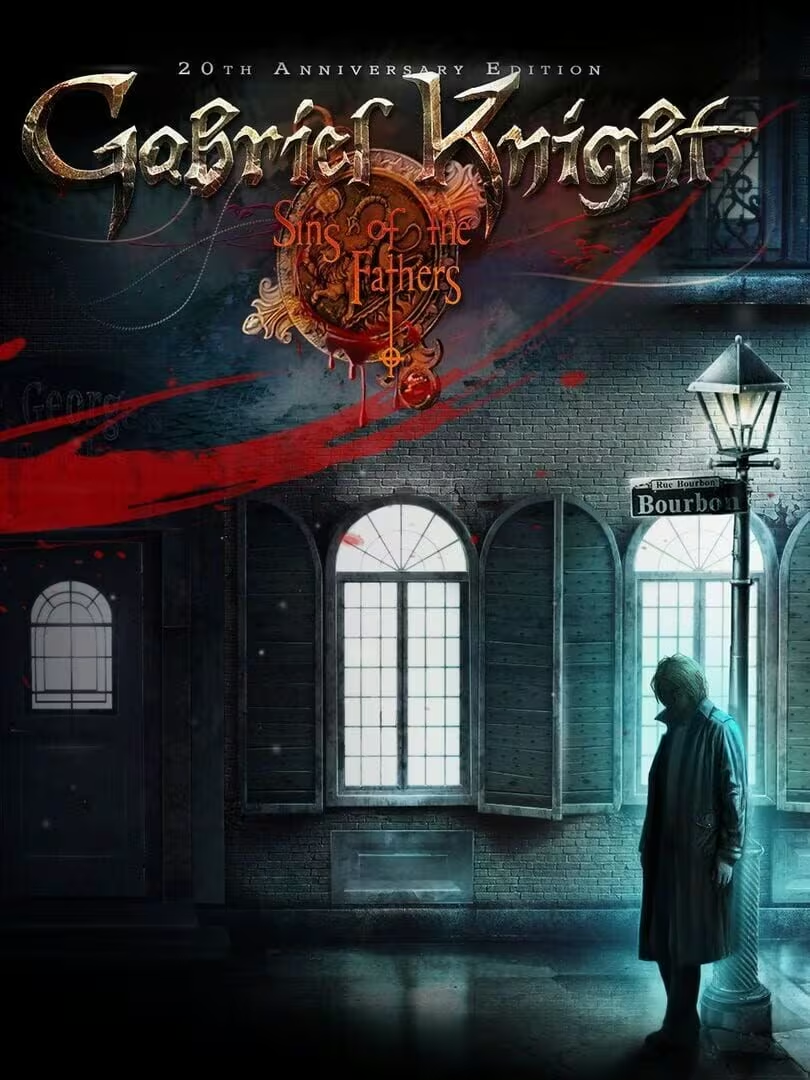
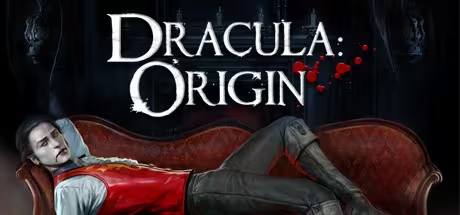
Alchemy Mysteries: Prague Legends similar games & best alternatives

Alchemy Mysteries: Prague Legends

PC (Microsoft Windows), iOS, Linux • 2014

Related articles

Quick resume

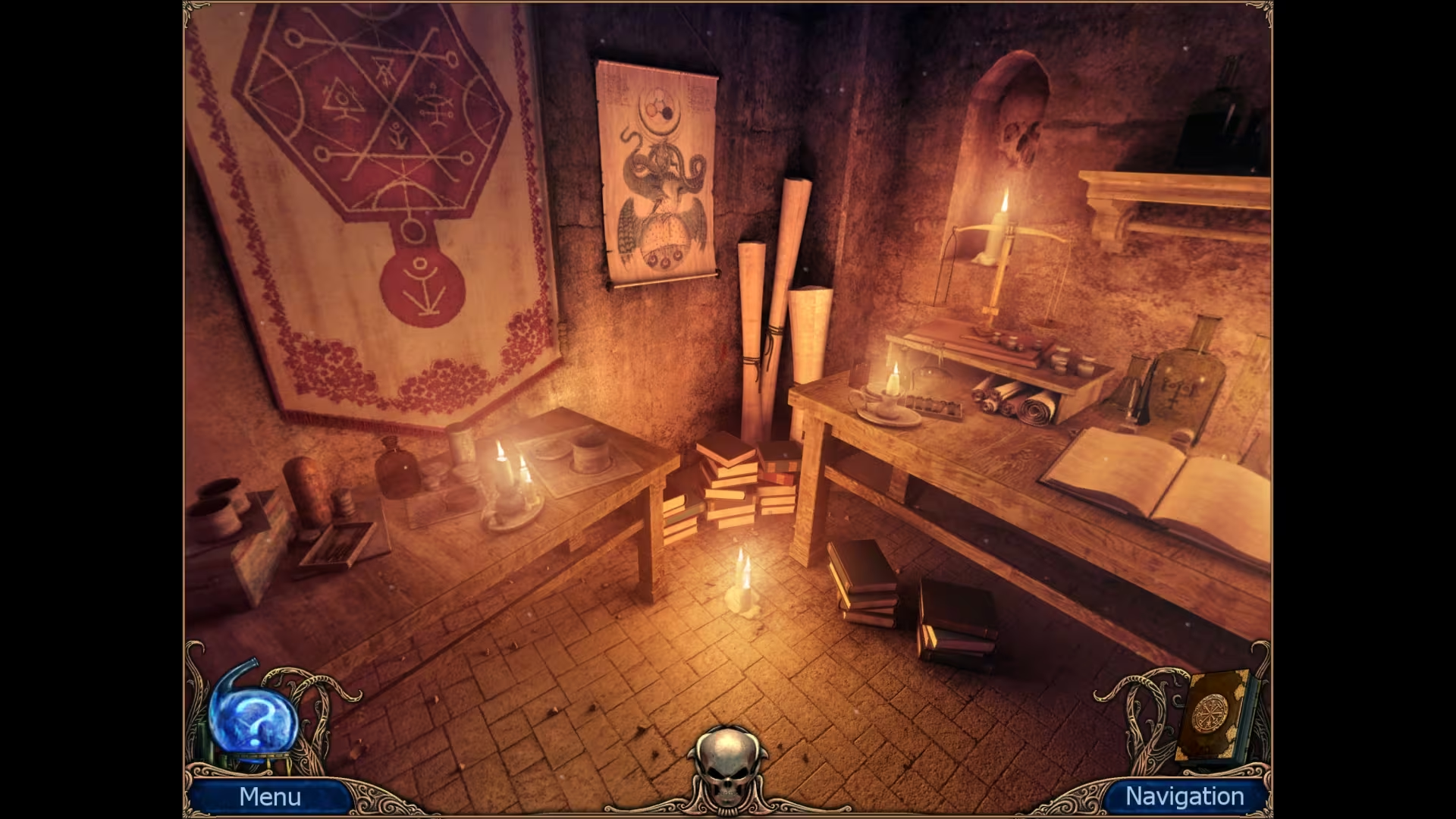
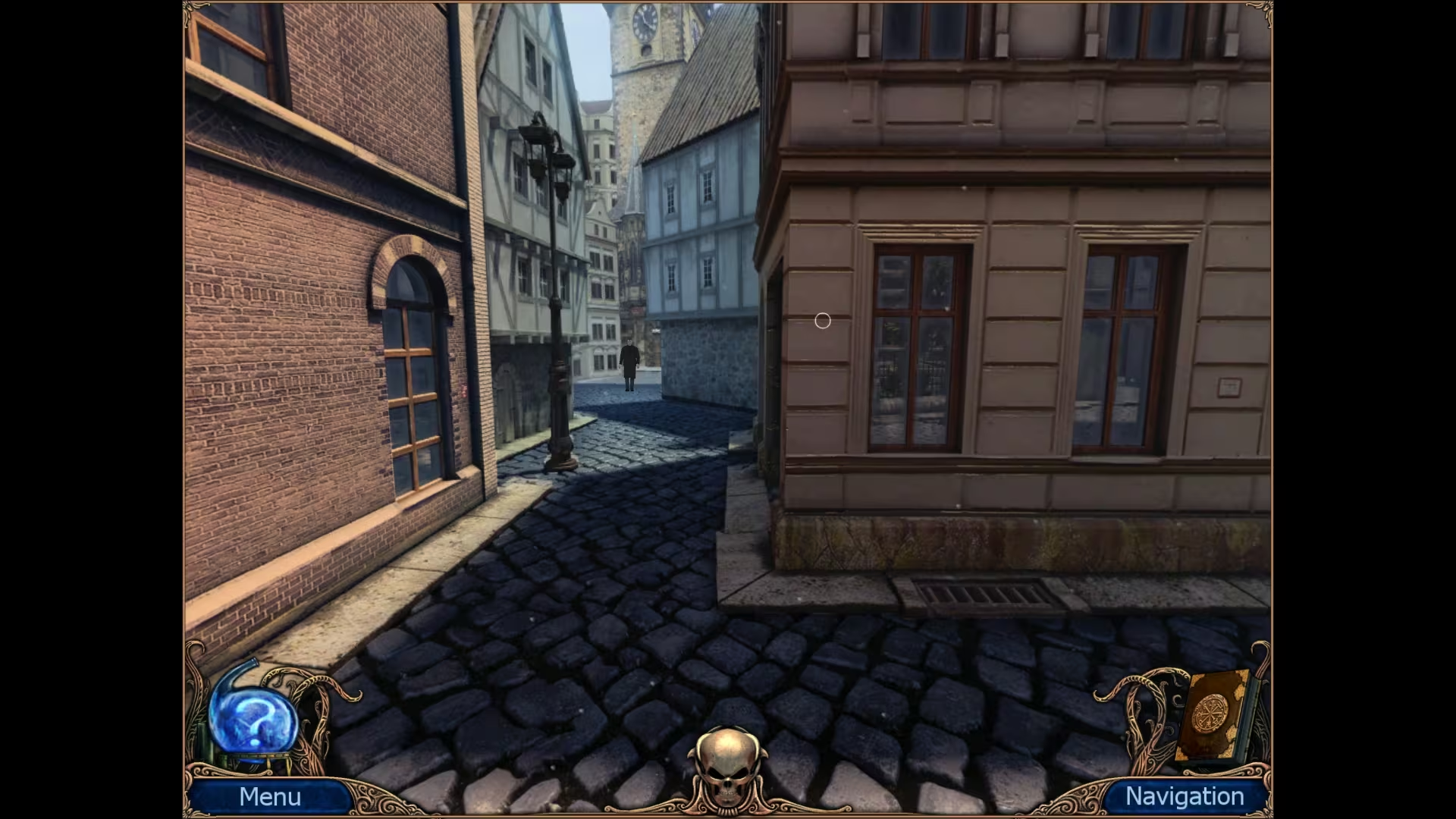
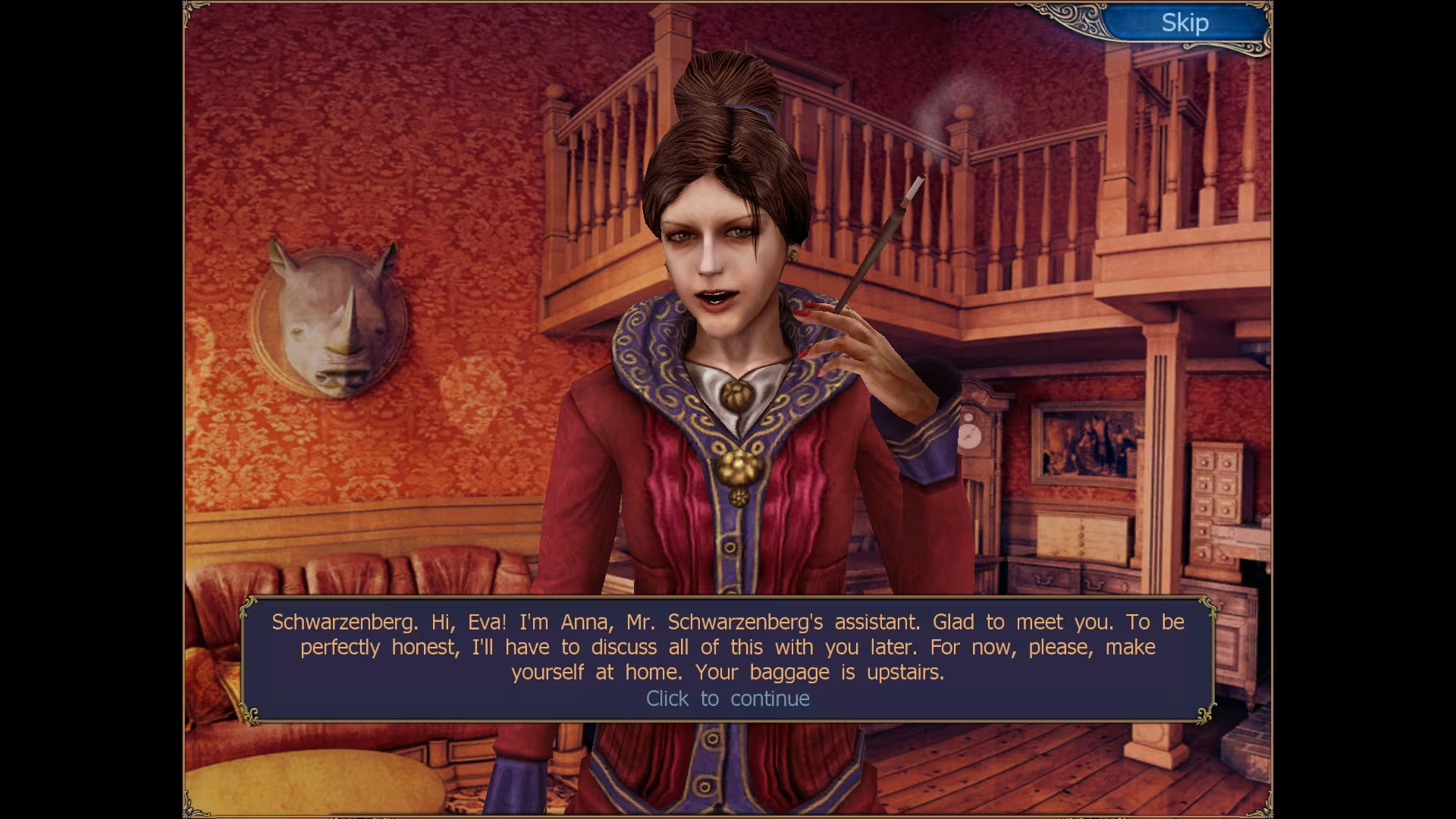
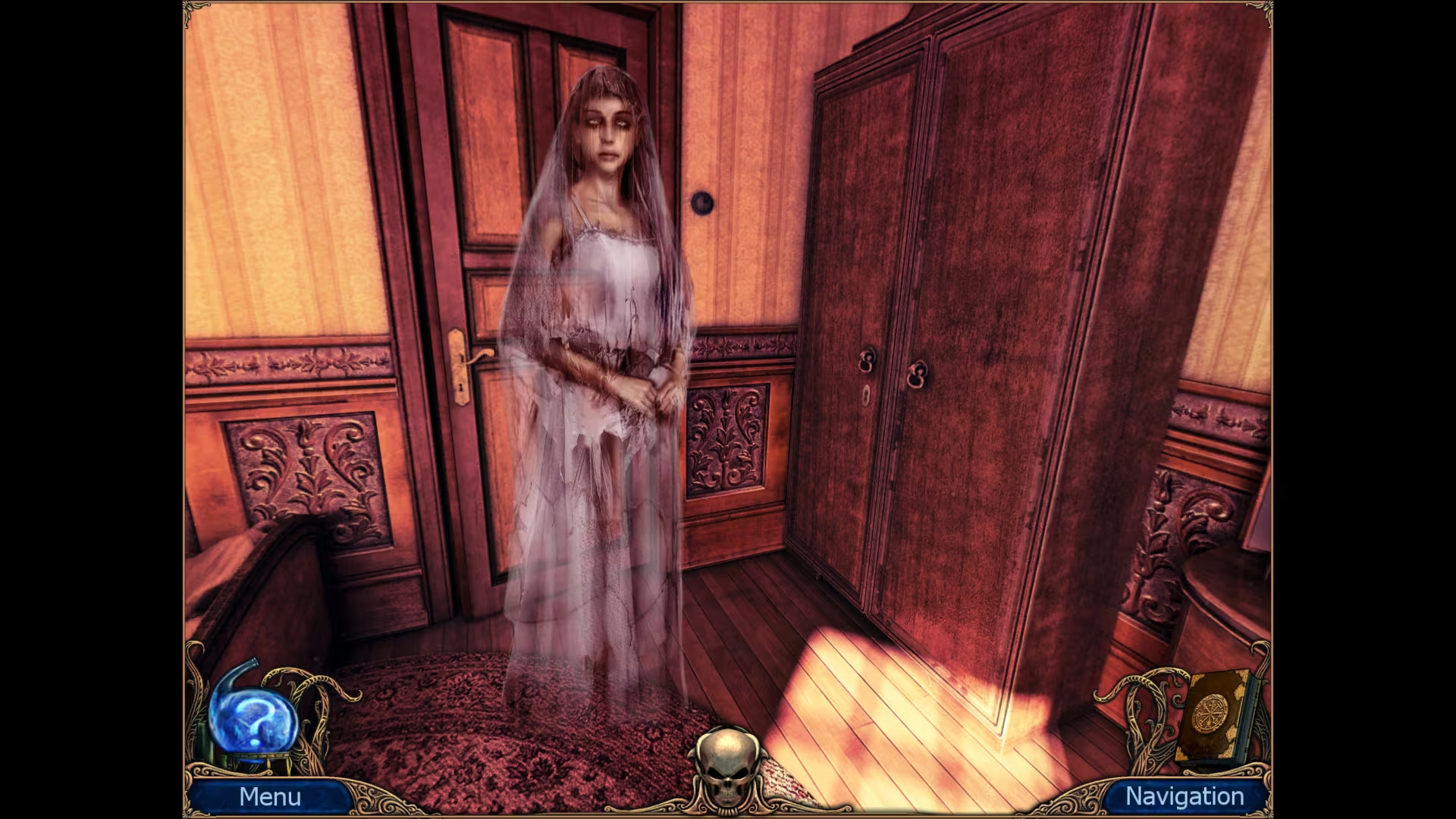
Follow orphan Eva on a trip to mystical Prague in Alchemy Mysteries: Prague Legends.

Global score

78/100

Genres

Adventure, Casual, Indie

Similar games

    Pros

    • Engaging mystical story
    • Challenging and varied puzzles
    • 360-degree room exploration
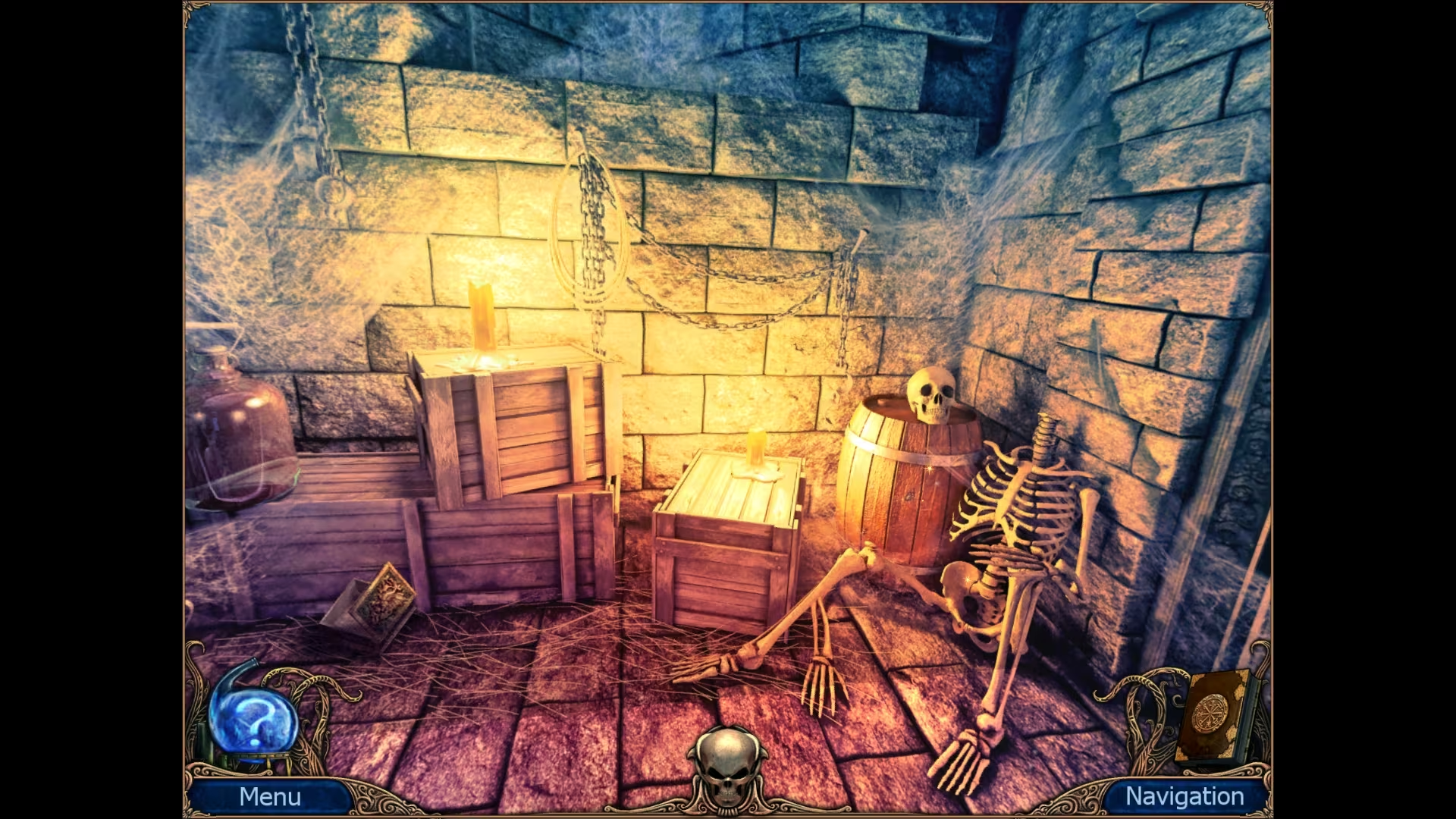
    • Atmospheric music and sound
    • Good value especially on sale

    Cons

    • Somewhat abrupt or shallow ending
    • Occasional navigation confusion
    • Dated graphics and low resolution in hidden object scenes
    • Some puzzles require trial and error or hints
    • Limited replay value

    Analysis

    A very typical example of its motivational profile. Motivations that often define this kind of title include Survival, Violence, Fellowship, Expression. Here, the score leans higher than usual among comparable games on Thrill. It leans lower than usual among comparable games on Creativity, Survival.

    How to use the graph
    Similar games map

    Each dot is a game. They are arranged from the same motivation profile as in the “Motivations” section below. Closer dots usually mean more similar reasons to play (exploration, competition, relaxation, etc.)—not that one game is “better” than another.

    • Larger dot with a light outline: the game you are viewing.
    • Colour: groups of games with comparable motivation patterns (statistical clusters).
    • Hover a dot to see the game name; click to open its page.
    • Scroll or double-click the chart to zoom out and see more games.

    Why don’t the axes read like a score? This view uses t-SNE: it only keeps who is close to whom. The scales are not “good to bad” or hours played—they separate groups on the map. Read distance between dots, not the axis numbers.

    Motivations

    • Autonomy
      3

      "Players control Eva and freely explore rooms with 360-degree views, solve puzzles, and choose when to use hints or skip puzzles."

    • Competence
      2

      "Puzzles vary in difficulty with some challenging ones; gameplay involves skillful object finding and puzzle solving, but overall accessible."

    • Competition
      -4

      "Game is single-player with no competitive elements or leaderboards; focus is on personal progress."

    • Continuation
      1

      "Players spend several hours in one session; some mention replaying puzzles but overall moderate habitual play."

    • Cooperation
      -5

      "Entirely single-player experience with no multiplayer or cooperative gameplay."

    • Creativity
      1

      "Players combine inventory items and solve puzzles creatively, but mostly follow preset story and puzzle designs."

    • Domination
      -5

      "No social or power dynamics; player participates individually without exerting control over others."

    • Escapism
      4

      "Mystical story, eerie atmosphere, and puzzles provide distraction and immersion away from real life."

    • Expectation
      -4

      "Players engage voluntarily for entertainment and personal interest, often on sale or as casual pastime."

    • Experimenting
      2

      "Some puzzle variation and randomized elements encourage trying different approaches."

    • Exploration
      3

      "360-degree room views and map navigation encourage discovering new areas and revisiting locations."

    • Expression
      -3

      "Limited character customization or self-expression; mostly standardized protagonist and environments."

    • Fantasy
      4

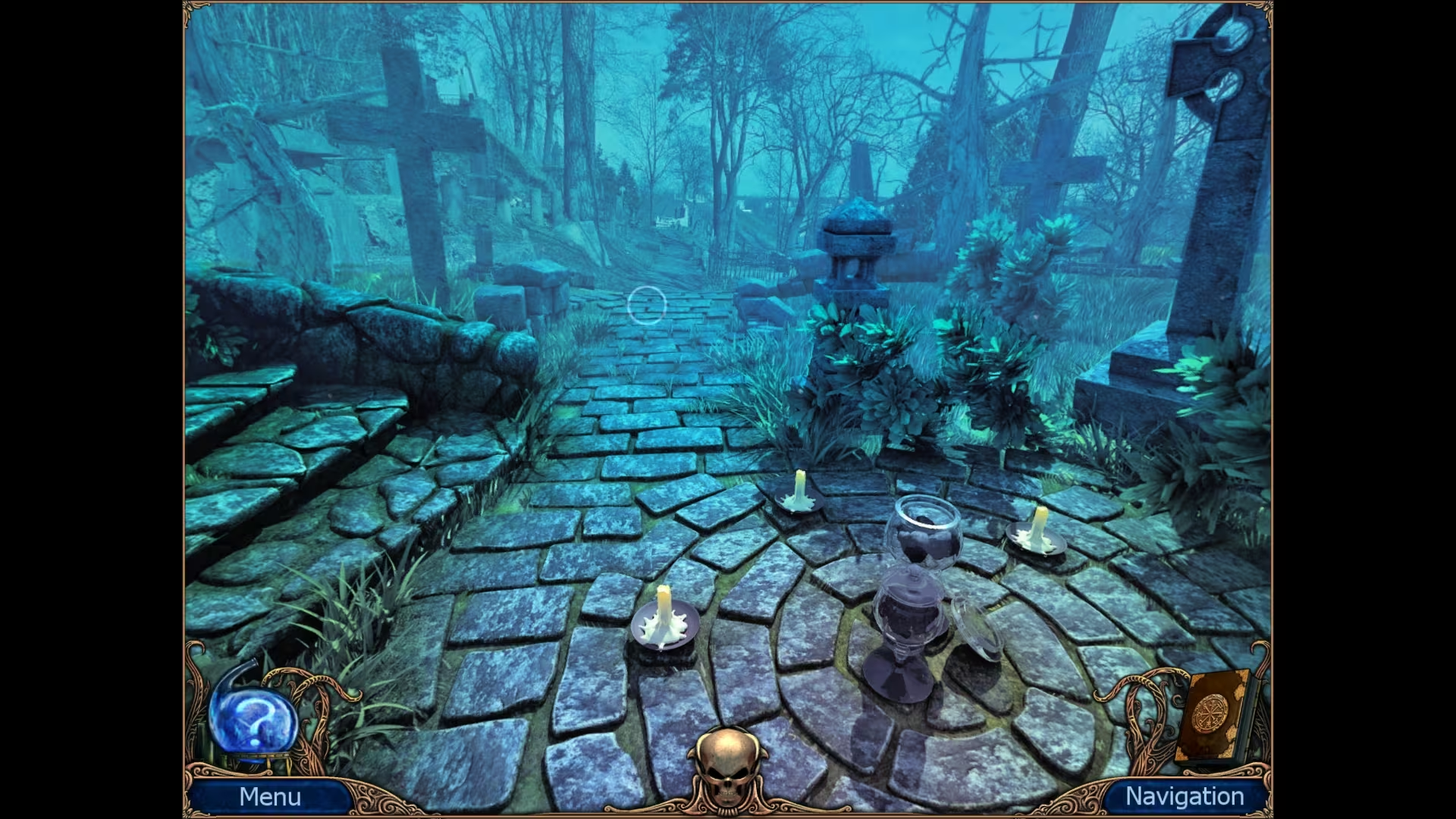
      "Game features supernatural elements, alchemy, golems, and mystical storylines."

    • Fellowship
      -5

      "No social or community features; solo play only."

    • Growth
      2

      "Players develop puzzle-solving skills and learn game mechanics through play."

    • Health
      -5

      "Sedentary gameplay with no physical activity involved."

    • Idle
      -3

      "Requires focused attention to find objects and solve puzzles; not a background or idle game."

    • Intimacy
      -4

      "Minimal social interaction; story includes some character relationships but no player socializing."

    • Leadership
      -5

      "No leadership or group management roles; single-player experience."

    • Progression
      3

      "Players collect items, unlock new areas, and complete puzzles to advance story."

    • Relaxation
      3

      "Atmospheric music and moderate puzzle challenge provide a relaxing experience."

    • Sensation
      2

      "Visual and audio effects create mood but are not intense; some jump scares add mild excitement."

    • Status
      -4

      "No social recognition or ranking; achievements exist but are personal."

    • Story
      3

      "Narrative driven with mystical plot and character interactions, though some find it abrupt or shallow."

    • Strategy
      2

      "Puzzles require logical thinking and problem solving, but gameplay is straightforward overall."

    • Thrill
      1

      "Some suspenseful moments and jump scares, but mostly controlled and calm gameplay."

    • Value
      4

      "Players report good value especially when purchased on sale; achievements and cards add to appeal."

    • Violence
      -4

      "No combat or destruction; gameplay focuses on exploration and puzzle solving."

    • Survival
      -5

      "No survival elements or threat avoidance; stable and safe game environment."

    Last update: 29/04/2026