Amazing Frog? Thumbnail

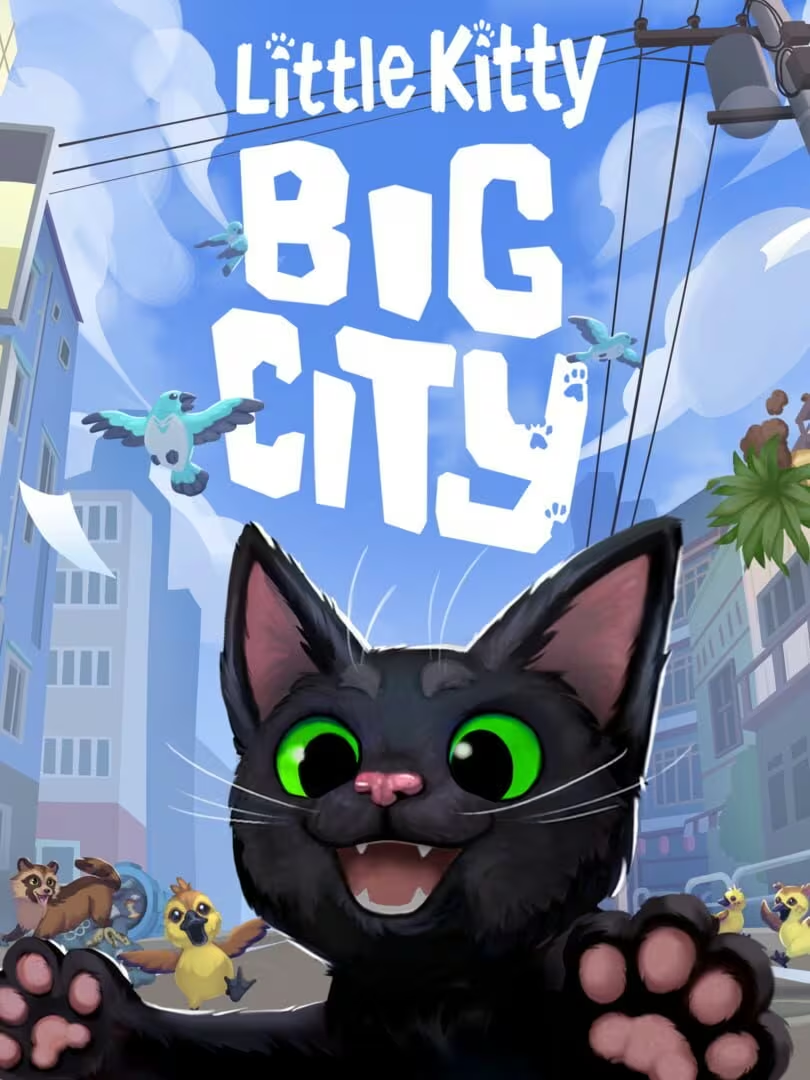
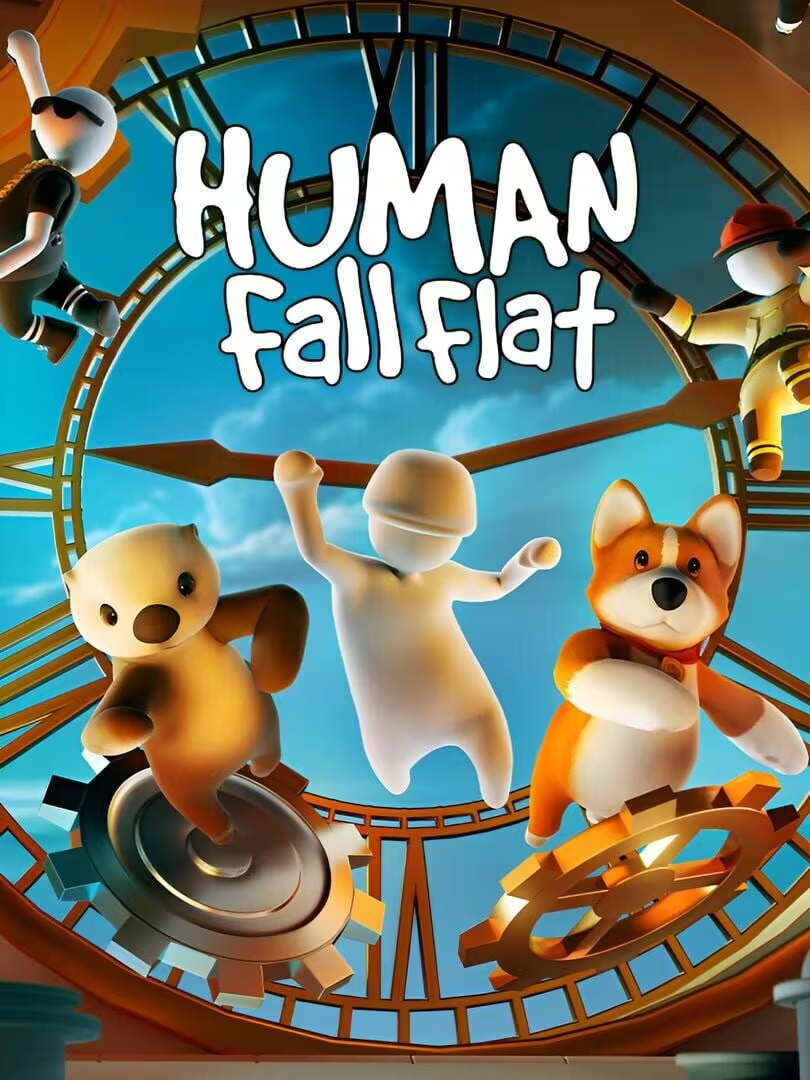
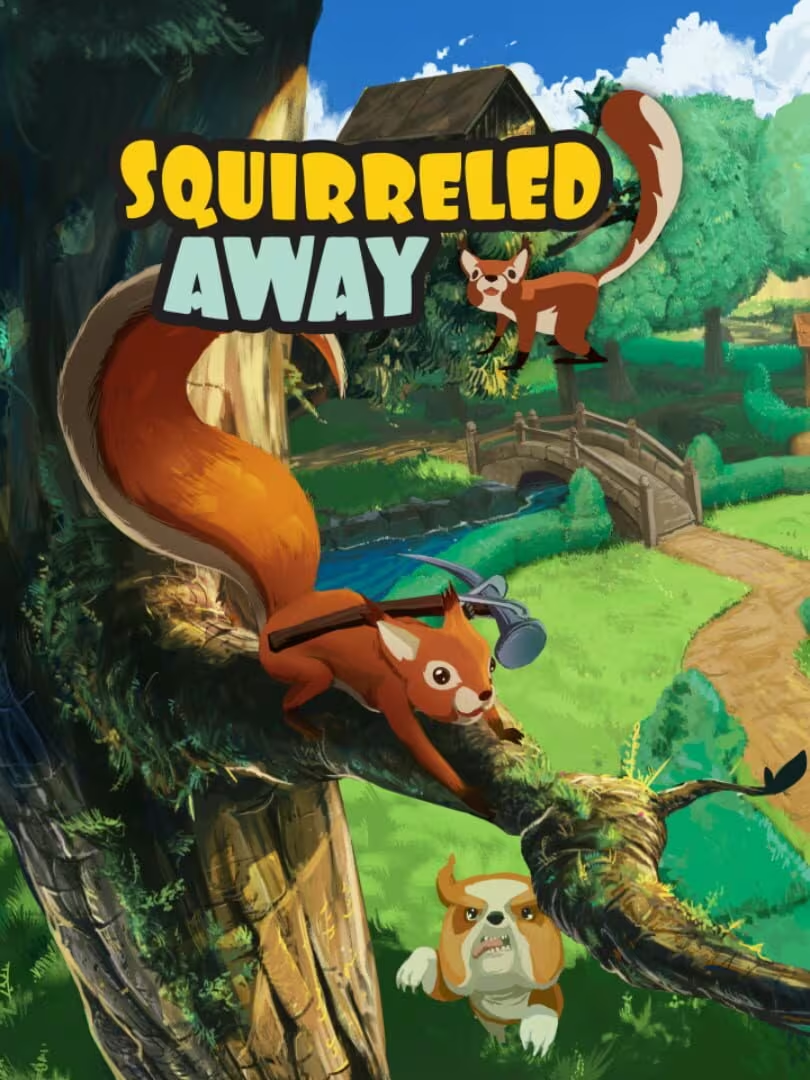
Amazing Frog? similar games & best alternatives
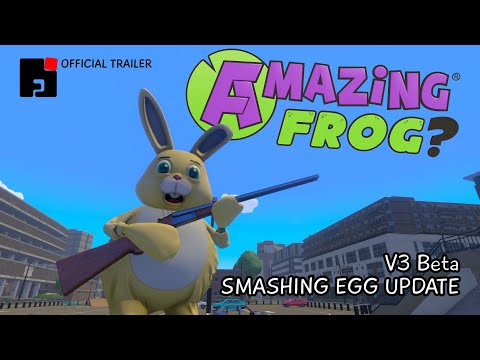
Amazing Frog?

PC (Microsoft Windows), iOS, Mac, Xbox Series X|S, Linux • 2014

Related articles

Quick resume

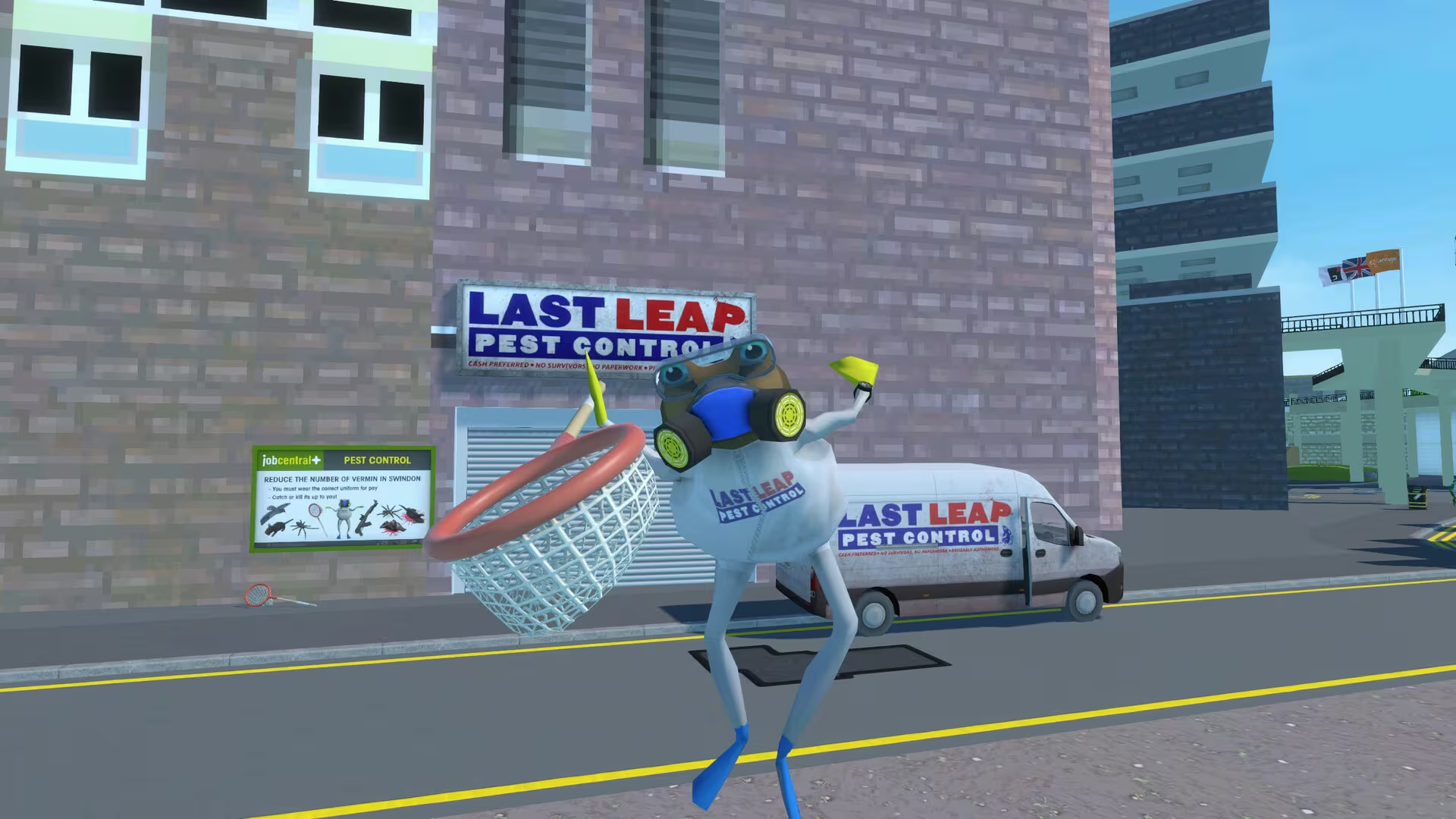
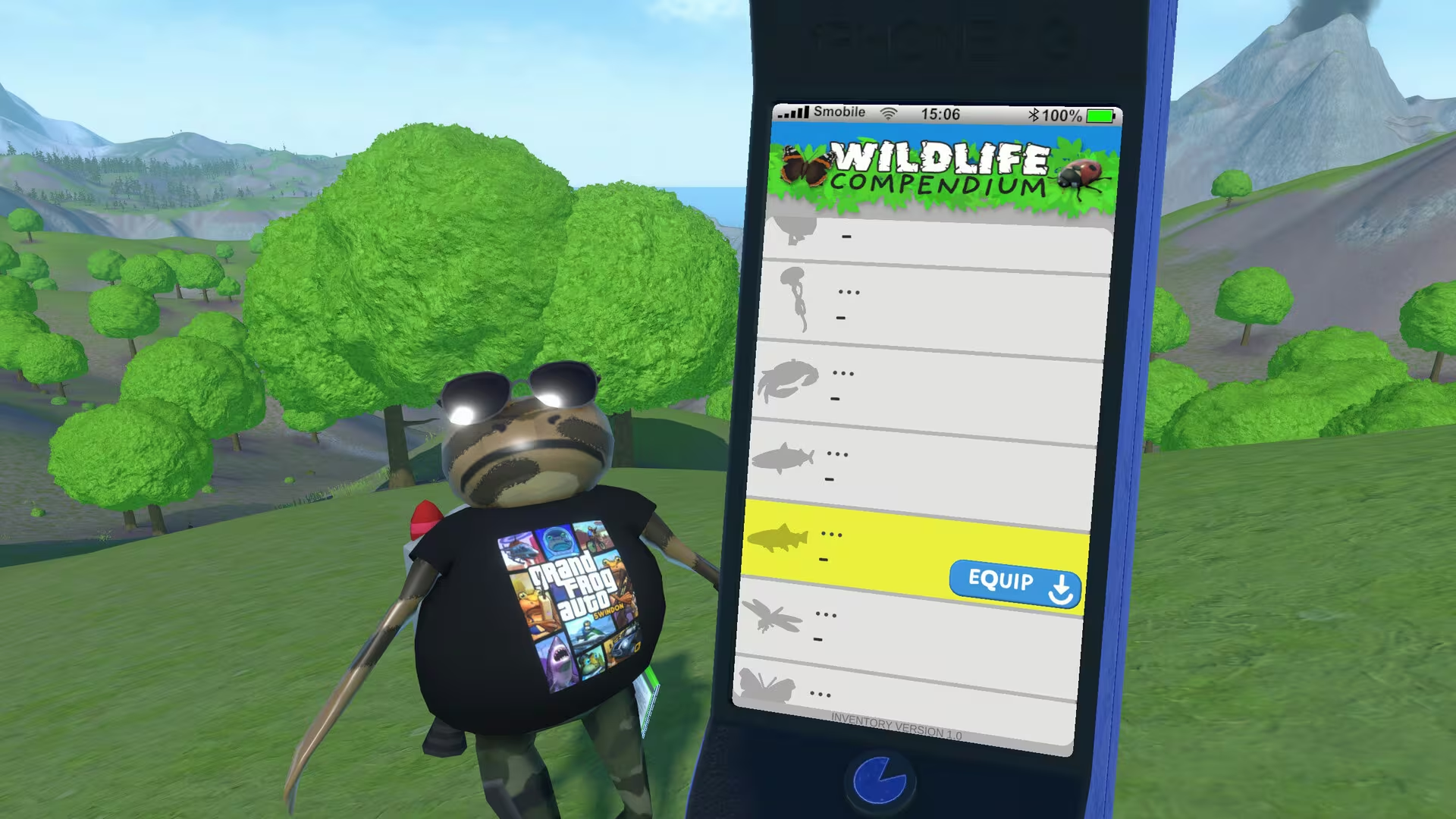
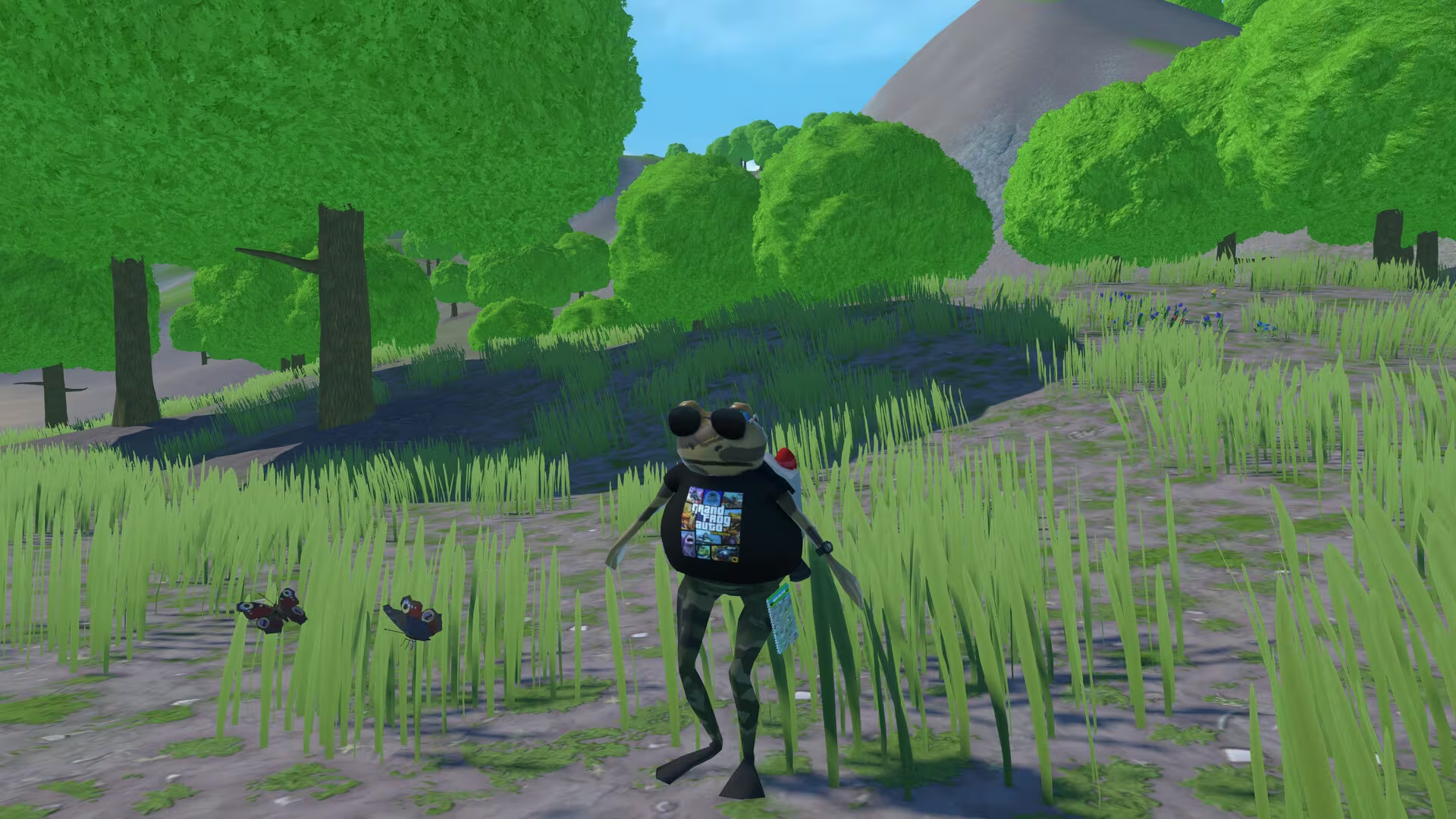
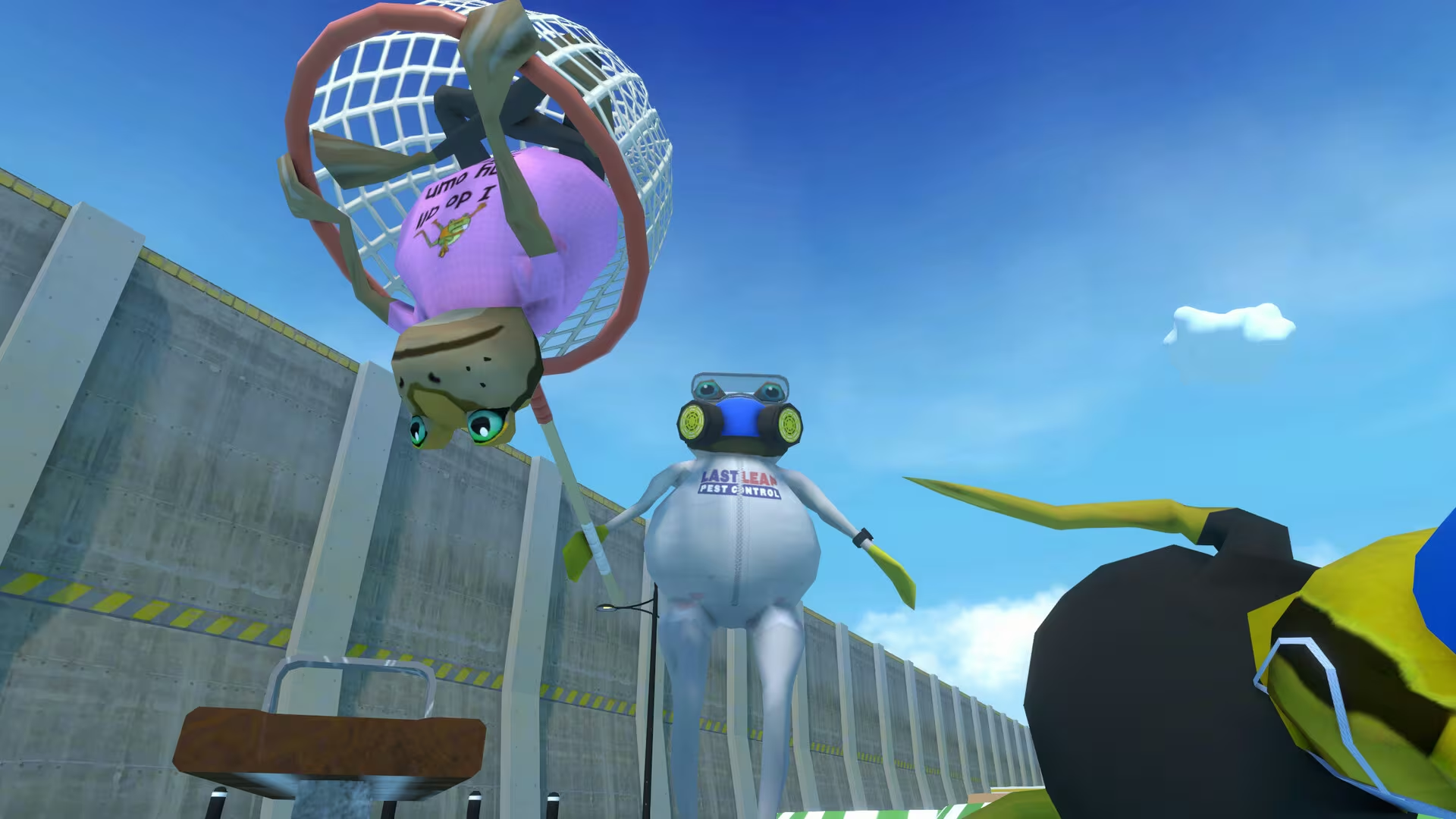
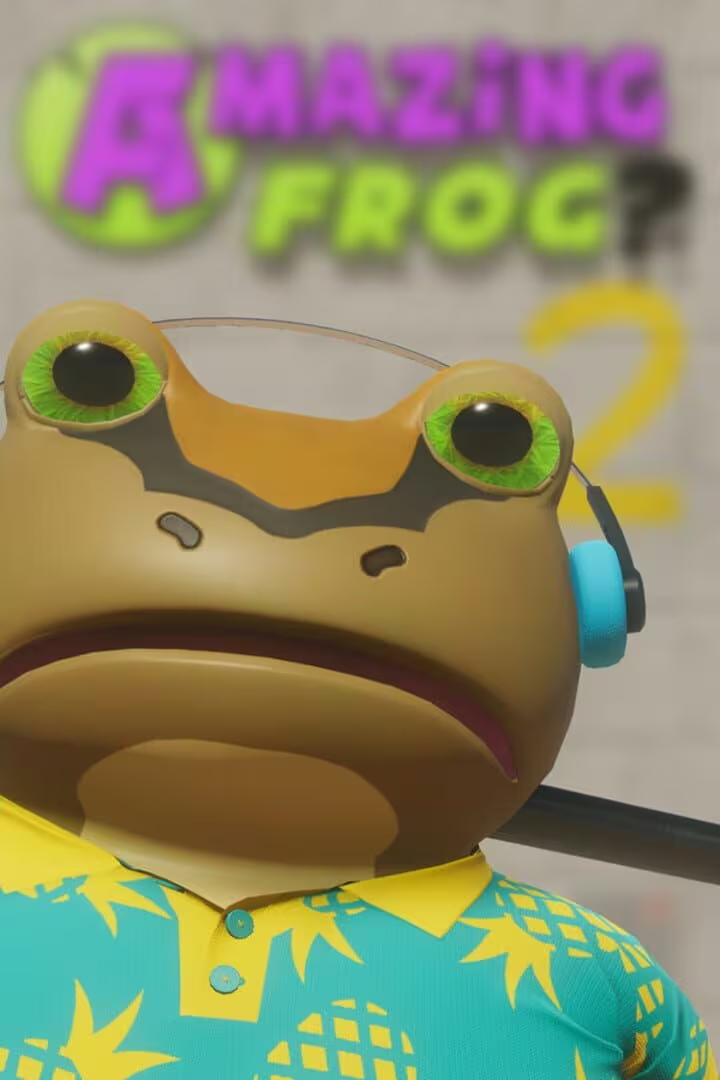
Amazing Frog? is the original open world buffet of bonkers physics sandbox mayhem. For one to four players.

Global score

94/100

Genres

Action, Adventure, Indie, Early Access

Similar games

    Pros

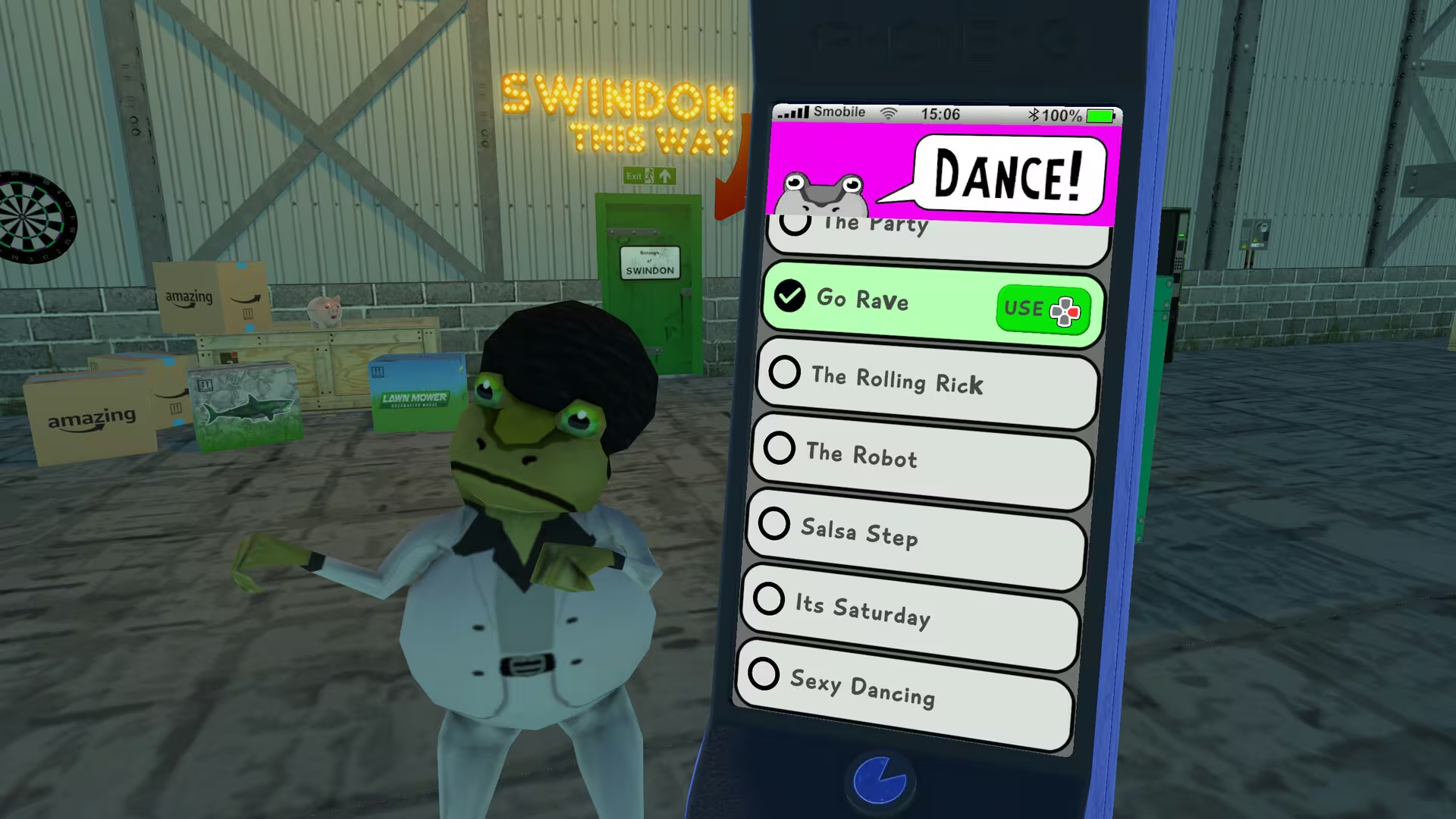
    • Funny and goofy physics
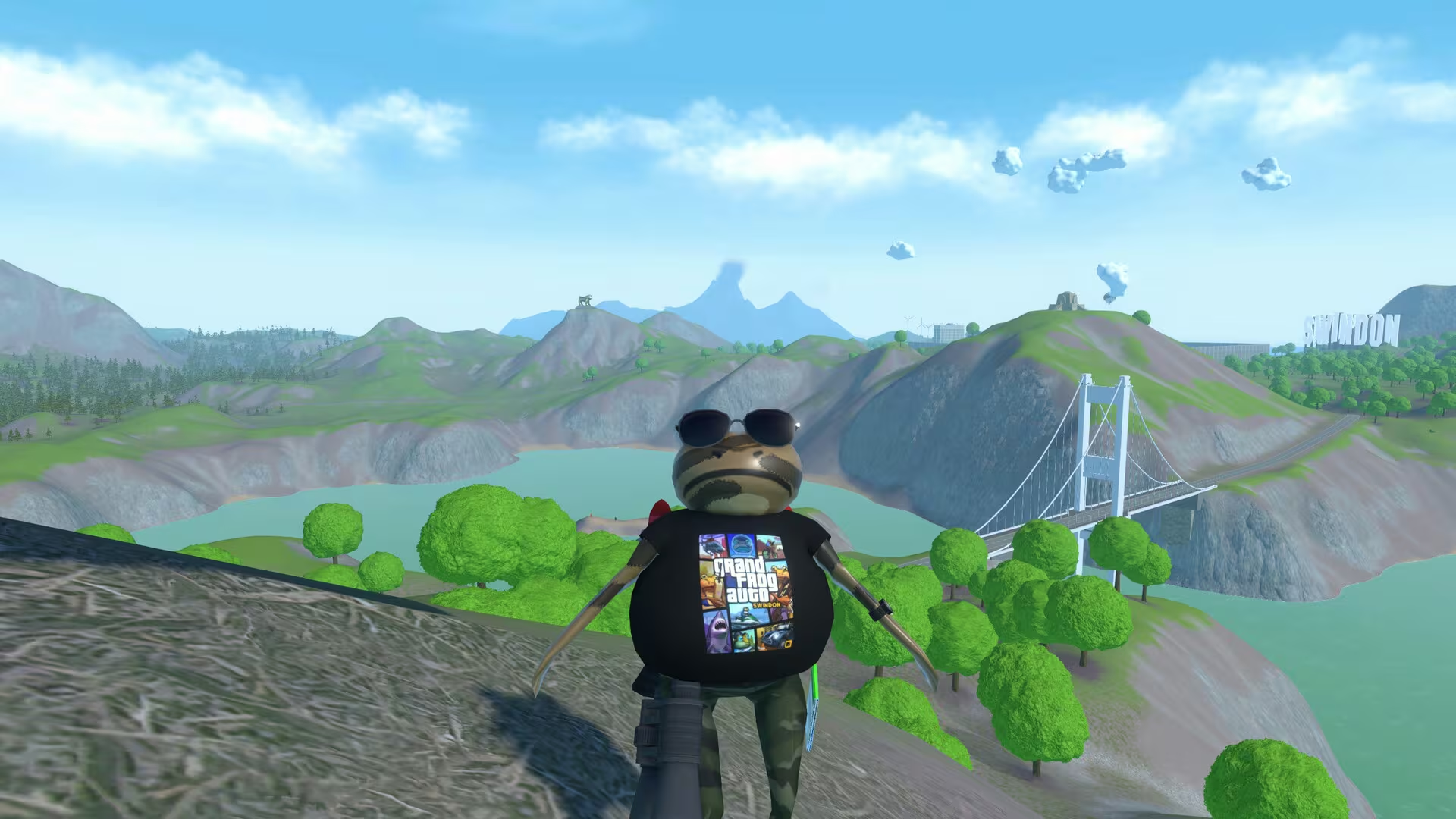
    • Large open world with many secrets
    • Local multiplayer and co-op
    • Frequent developer updates
    • Character customization and humor

    Cons

    • Performance and optimization issues
    • Some empty or barren map areas
    • Clunky controls and physics can frustrate
    • Lack of online multiplayer currently
    • Slow update frequency due to small dev team

    Analysis

    Broadly representative of its motivational profile, with a few distinct shifts. Motivations that often define this kind of title include Intimacy, Survival, Violence, Competition. Here, the score leans higher than usual among comparable games on Cooperation, Violence. It leans lower than usual among comparable games on Story.

    How to use the graph
    Similar games map

    Each dot is a game. They are arranged from the same motivation profile as in the “Motivations” section below. Closer dots usually mean more similar reasons to play (exploration, competition, relaxation, etc.)—not that one game is “better” than another.

    • Larger dot with a light outline: the game you are viewing.
    • Colour: groups of games with comparable motivation patterns (statistical clusters).
    • Hover a dot to see the game name; click to open its page.
    • Scroll or double-click the chart to zoom out and see more games.

    Why don’t the axes read like a score? This view uses t-SNE: it only keeps who is close to whom. The scales are not “good to bad” or hours played—they separate groups on the map. Read distance between dots, not the axis numbers.

    Motivations

    • Autonomy
      4

      "Players have freedom to explore a large open world, choose activities, and set their own goals without strict routines."

    • Competence
      2

      "Some skill is involved in platforming and controlling the frog, but many tasks are goofy and forgiving."

    • Competition
      -3

      "Focus is on casual, personal play and local co-op; no current online competitive modes or leaderboards."

    • Continuation
      4

      "Many players report long playtimes and habitual return to the game, especially after updates."

    • Cooperation
      3

      "Local multiplayer and split-screen co-op are highlighted as fun features; online multiplayer is planned."

    • Creativity
      3

      "Players can customize characters and experiment with physics and sandbox elements, though no full building mode yet."

    • Domination
      -4

      "Interactions are mostly playful and equal; no evidence of power imposition or trash talk."

    • Escapism
      5

      "The game offers a goofy, stress-free environment for players to escape real-life pressures."

    • Expectation
      -4

      "Players engage voluntarily for fun and social reasons, not out of obligation or pressure."

    • Experimenting
      4

      "Players enjoy trying new things, discovering secrets, and testing game mechanics."

    • Exploration
      5

      "Large open world with many hidden items and areas encourages curiosity-driven exploration."

    • Expression
      4

      "Character customization and wardrobe options allow for personal expression."

    • Fantasy
      4

      "The game features absurd, imaginative scenarios and characters beyond realistic experiences."

    • Fellowship
      4

      "Strong community and social play through local co-op and shared humor."

    • Growth
      2

      "Players develop skills in controlling the frog and discovering game content, though learning curve is moderate."

    • Health
      -5

      "Sedentary gameplay with no physical activity or rehab elements."

    • Idle
      -3

      "Requires active engagement and attention; not designed for background or idle play."

    • Intimacy
      2

      "Social interactions mainly through cooperative play and community, but not focused on close emotional bonds."

    • Leadership
      -4

      "No evidence of leadership roles; players participate as equals in cooperative play."

    • Progression
      3

      "Players collect costumes, unlock items, and discover secrets, showing some accumulation and advancement."

    • Relaxation
      4

      "Game provides a chill, low-stress experience with humor and playful physics."

    • Sensation
      3

      "Enjoyable ragdoll physics and humorous effects provide sensory and emotional fun."

    • Status
      -3

      "No strong emphasis on social recognition or leaderboards; focus is on personal and group enjoyment."

    • Story
      -2

      "Minimal narrative; gameplay centers on sandbox antics rather than plot immersion."

    • Strategy
      -2

      "Gameplay involves simple problem solving and exploration rather than deep strategic planning."

    • Thrill
      1

      "Some excitement from chaotic physics and unexpected events, but overall low tension."

    • Value
      4

      "Players feel the game offers good value for money and time, especially with ongoing updates."

    • Violence
      1

      "Some combat elements exist (zombies, cops), but overall playful and cartoonish rather than violent."

    • Survival
      -3

      "Low risk environment; survival elements are minimal and not central to gameplay."

    Last update: 29/04/2026