Aotenjo: Infinite Hands Thumbnail

Aotenjo: Infinite Hands similar games & best alternatives

Aotenjo: Infinite Hands

PC (Microsoft Windows), Mac • 2025

Related articles

Quick resume

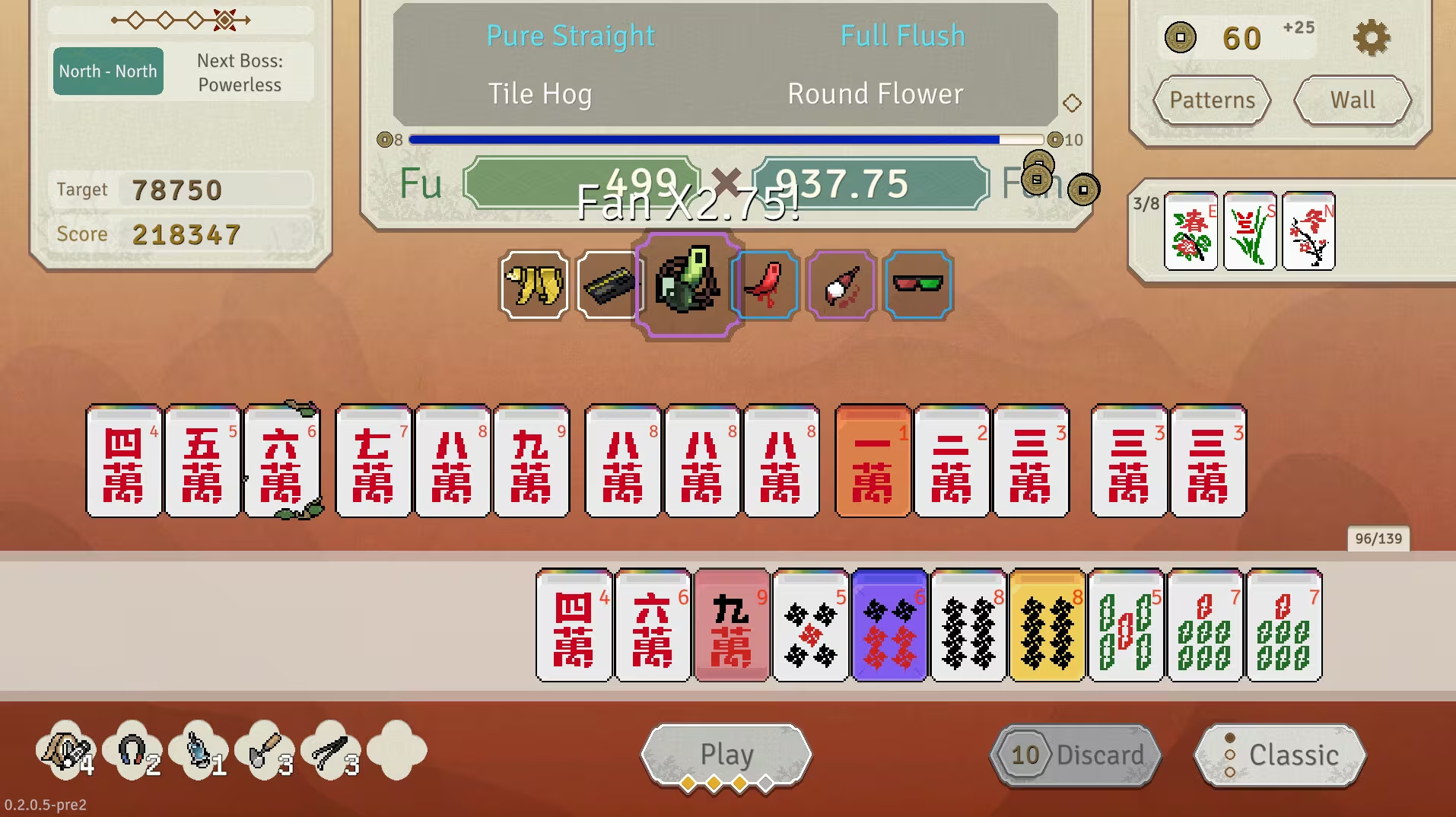
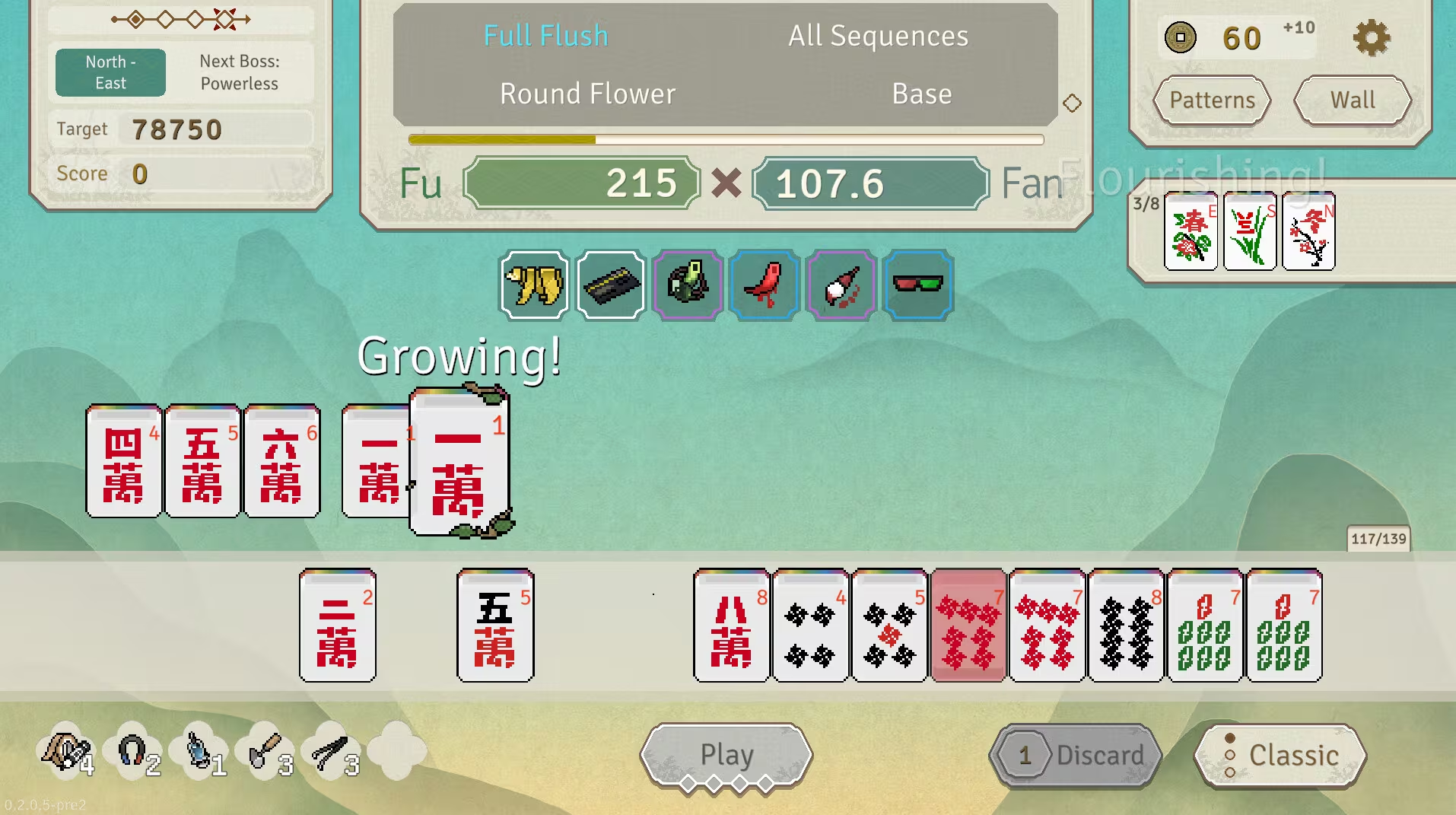
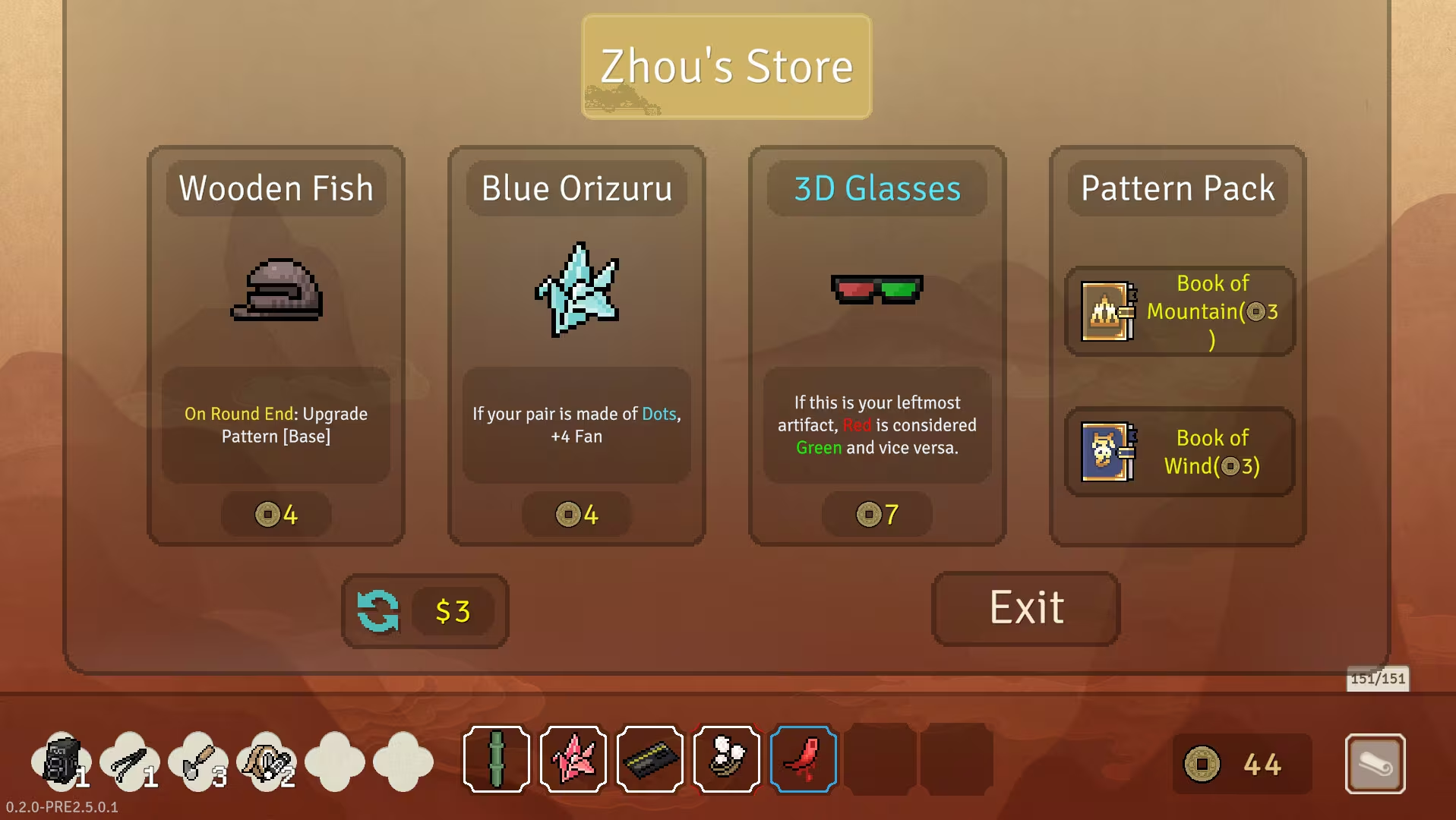
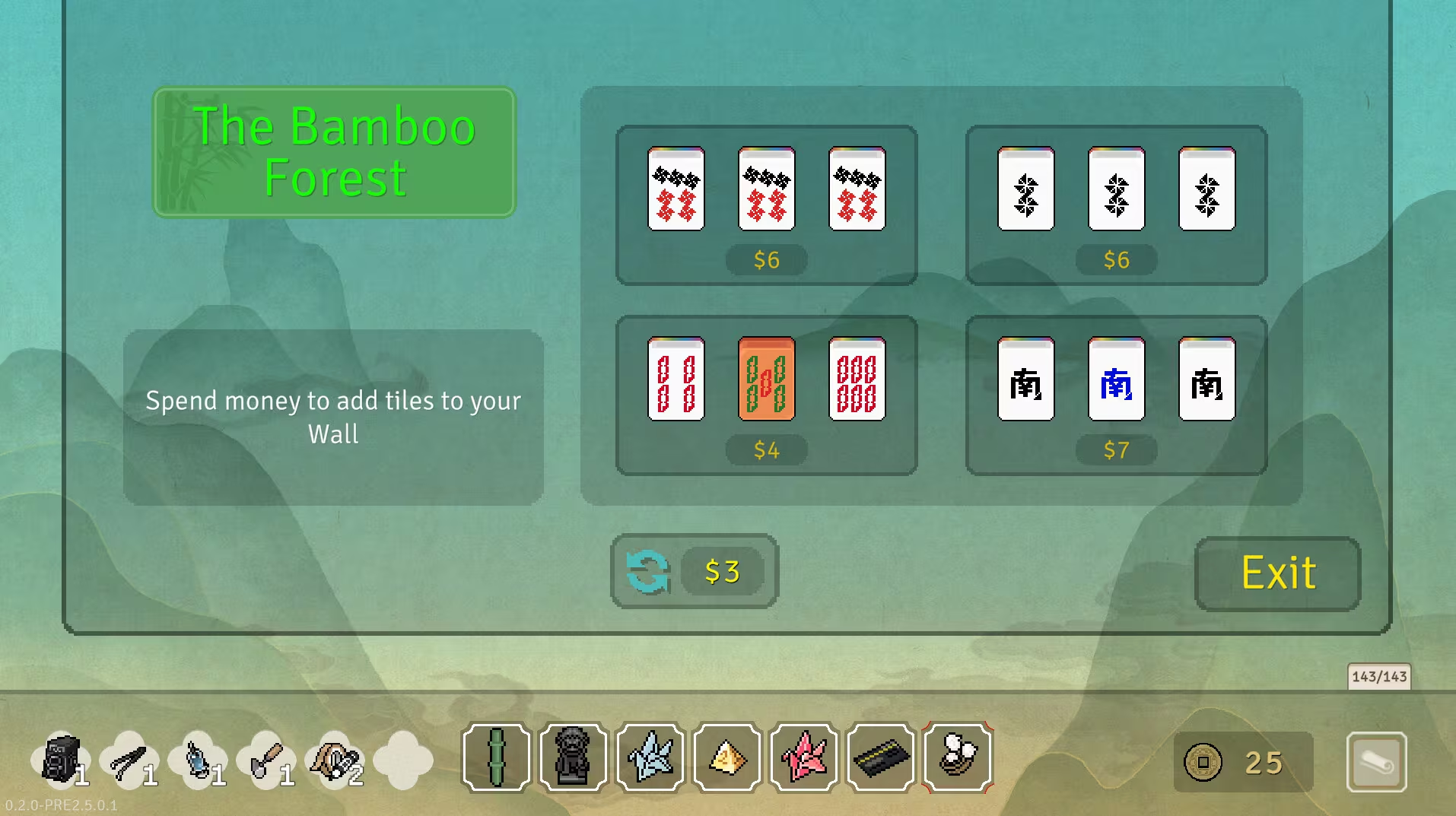
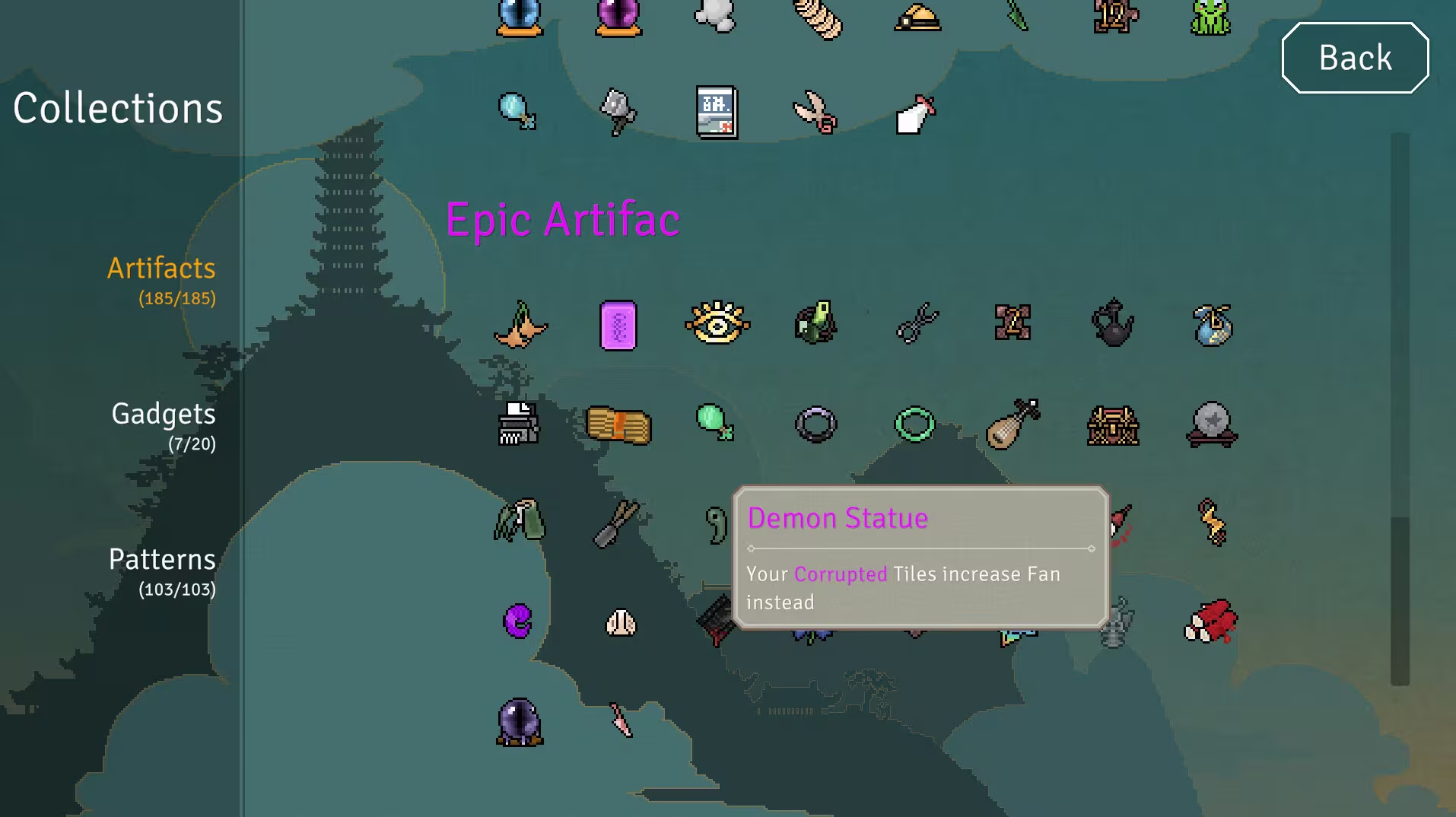
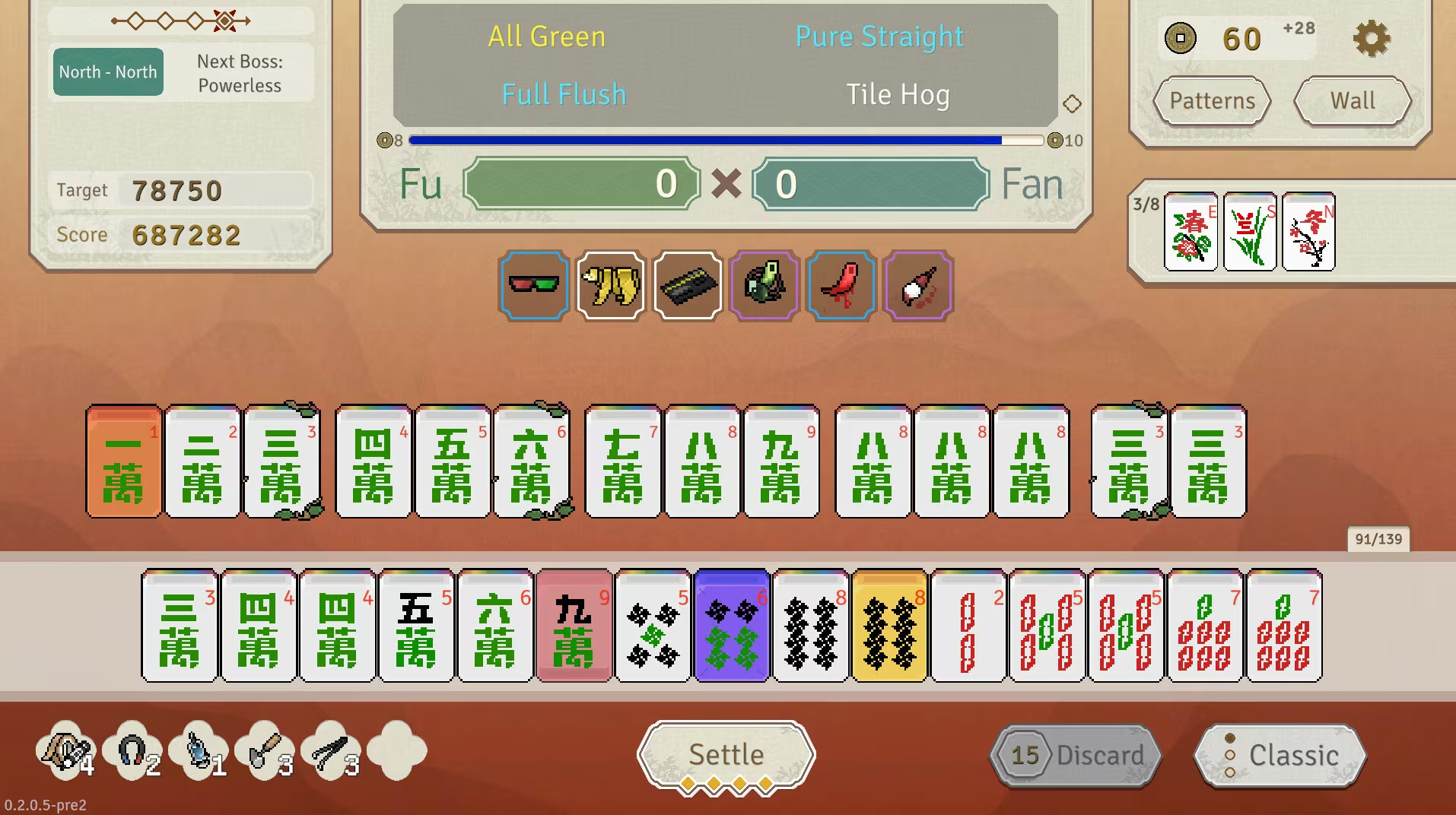
The Mahjong Roguelike. Aotenjo: Infinite Hands is an deckbuilder where you will use Mahjong styles all over the world to beat innate threats, play different Patterns and combos, reach the "bottom" of Aotenjo, and discover ancient secrets....

Global score

88/100

Genres

Casual, Indie, Simulator, Strategy, Early Access, Card & Board Game

Similar games

    Pros

    • Addictive and deep gameplay
    • Good value for price
    • Accessible for mahjong beginners
    • Unique roguelike deckbuilding mechanics
    • Continuous updates and improvements

    Cons

    • Steep learning curve for new players
    • Some ui and translation issues
    • Randomness can frustrate players
    • Lack of multiplayer or social features
    • Presentation could be more polished

    Analysis

    A very typical example of its motivational profile. Motivations that often define this kind of title include Fantasy, Violence, Story, Thrill. Here, the score leans higher than usual among comparable games on Survival, Thrill. It leans lower than usual among comparable games on Story.

    How to use the graph
    Similar games map

    Each dot is a game. They are arranged from the same motivation profile as in the “Motivations” section below. Closer dots usually mean more similar reasons to play (exploration, competition, relaxation, etc.)—not that one game is “better” than another.

    • Larger dot with a light outline: the game you are viewing.
    • Colour: groups of games with comparable motivation patterns (statistical clusters).
    • Hover a dot to see the game name; click to open its page.
    • Scroll or double-click the chart to zoom out and see more games.

    Why don’t the axes read like a score? This view uses t-SNE: it only keeps who is close to whom. The scales are not “good to bad” or hours played—they separate groups on the map. Read distance between dots, not the axis numbers.

    Motivations

    • Autonomy
      4

      "Players have freedom to build their own tile sets, choose artifacts, gadgets, and play styles; runs involve strategic planning and personal decision-making."

    • Competence
      4

      "Game involves mastering complex mahjong patterns, strategic use of items, and overcoming challenging bosses, providing skill-based feedback."

    • Competition
      -3

      "Focus is on personal runs and beating score thresholds rather than direct player-vs-player competition or leaderboards."

    • Continuation
      4

      "Many reviews mention addictive gameplay, long sessions, and repeated runs with evolving strategies."

    • Cooperation
      -5

      "Single-player roguelike experience with no multiplayer or cooperative elements."

    • Creativity
      4

      "Players can customize decks, use gadgets to modify tiles, and experiment with many unique patterns and artifacts."

    • Domination
      -5

      "No evidence of exerting control over others; gameplay is individual and self-directed."

    • Escapism
      4

      "Players use the game as a relaxing, absorbing distraction with a soothing soundtrack and engaging mechanics."

    • Expectation
      -4

      "Players engage voluntarily out of interest and enjoyment, not obligation or external pressure."

    • Experimenting
      4

      "Game encourages trying new combos, artifacts, decks, and strategies to find effective runs."

    • Exploration
      3

      "Players explore many different mahjong patterns, decks, and artifact combinations, though physical exploration is limited."

    • Expression
      2

      "Some customization through decks and tile modifications, but limited cosmetic personalization."

    • Fantasy
      -2

      "Game is based on realistic mahjong mechanics with some fictionalized patterns, but largely grounded in real-world gameplay."

    • Fellowship
      -5

      "No multiplayer or social community features described; focus is on solo play."

    • Growth
      4

      "Players learn mahjong rules, improve strategies, and unlock new patterns and decks over time."

    • Health
      -5

      "Sedentary gameplay with no physical activity or health-related features."

    • Idle
      -4

      "Requires focused attention and strategic thinking; not suitable for passive or background play."

    • Intimacy
      -5

      "No evidence of close social relationships or emotional sharing; solo experience."

    • Leadership
      -5

      "No leadership or group management roles; purely individual gameplay."

    • Progression
      4

      "Players accumulate artifacts, upgrade patterns, and improve decks to progress through runs."

    • Relaxation
      3

      "Described as relaxing with chill music and satisfying gameplay, though some tension exists in challenging runs."

    • Sensation
      2

      "Enjoyable auditory and visual feedback, but presentation is described as clean and subdued rather than flashy."

    • Status
      -5

      "No social recognition or ranking systems mentioned; focus is on personal achievement."

    • Story
      -5

      "No narrative or plot elements; gameplay is context-free and focused on mechanics."

    • Strategy
      5

      "High emphasis on mental challenge, planning, and problem solving with complex scoring and deckbuilding."

    • Thrill
      2

      "Some suspense and tension from RNG and boss fights, but overall controlled and methodical gameplay."

    • Value
      4

      "Many reviews praise the game as a good value for price, with extensive content and replayability."

    • Violence
      -5

      "No combat or destructive gameplay; focus on constructive tile building and scoring."

    • Survival
      3

      "Players must avoid failure by managing resources and overcoming threats in runs, though not a traditional survival game."

    Last update: 29/04/2026