Clatter Thumbnail

Clatter similar games & best alternatives

Clatter

PC (Microsoft Windows) • 2018

Related articles

Quick resume

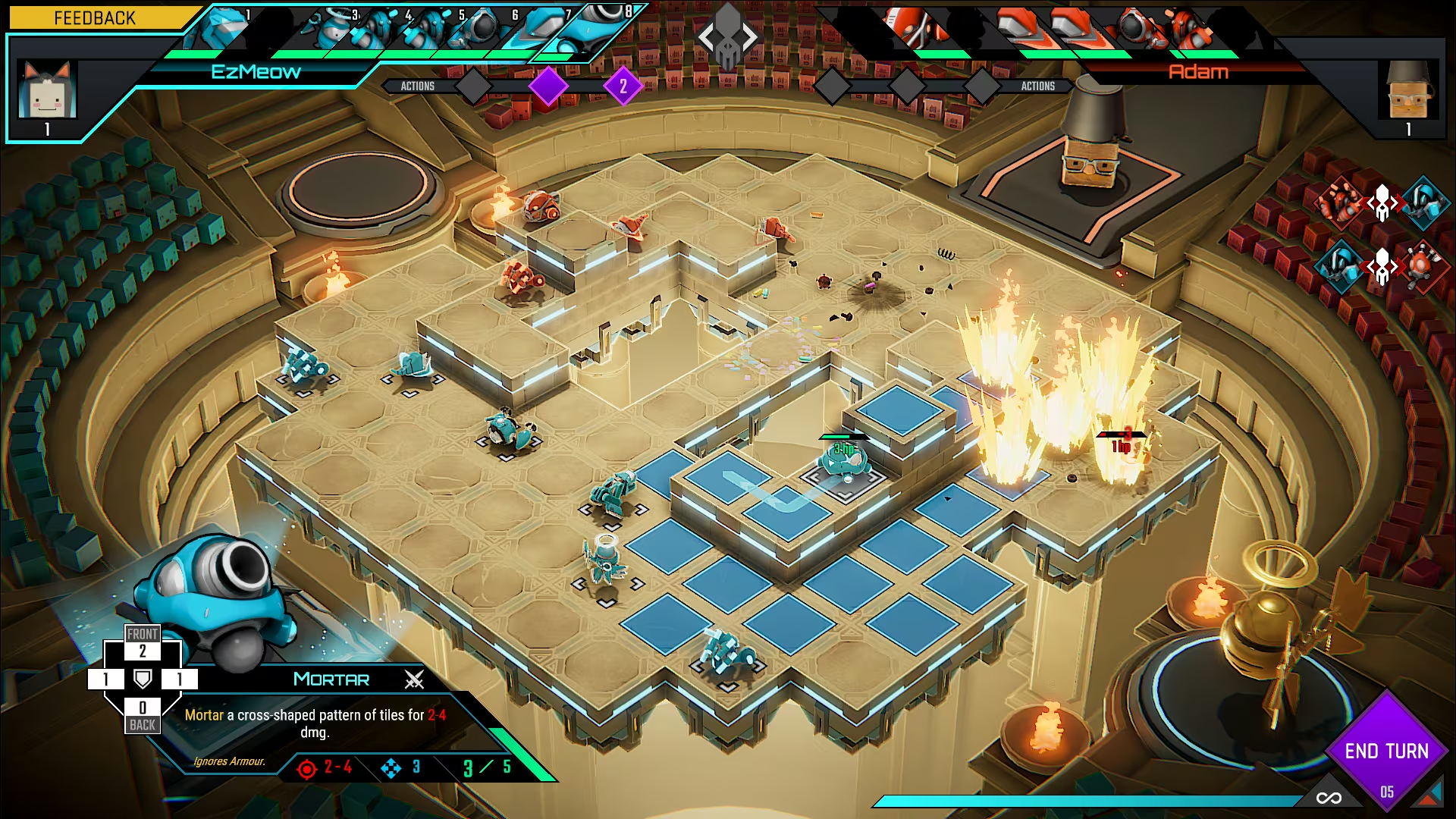
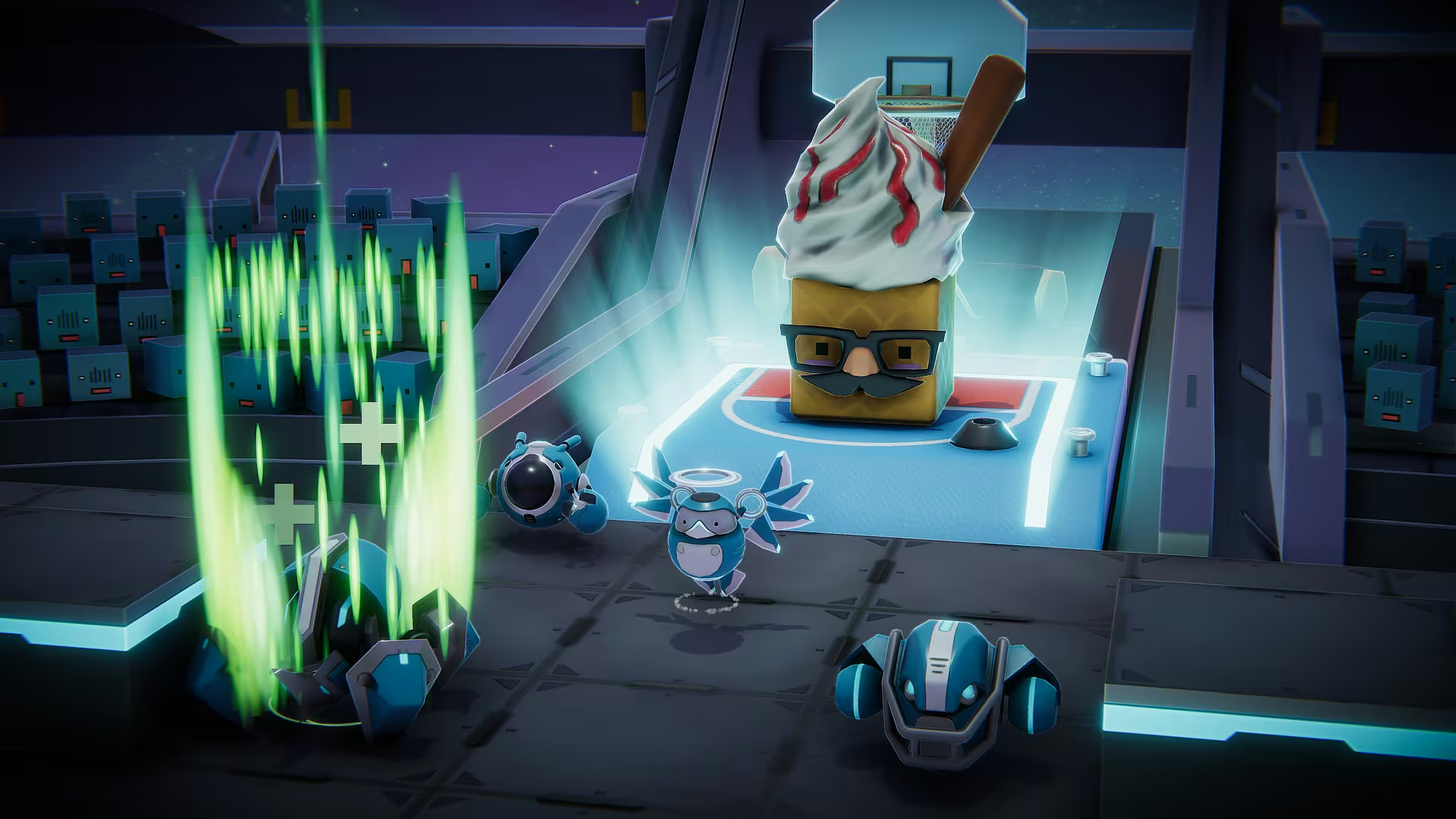
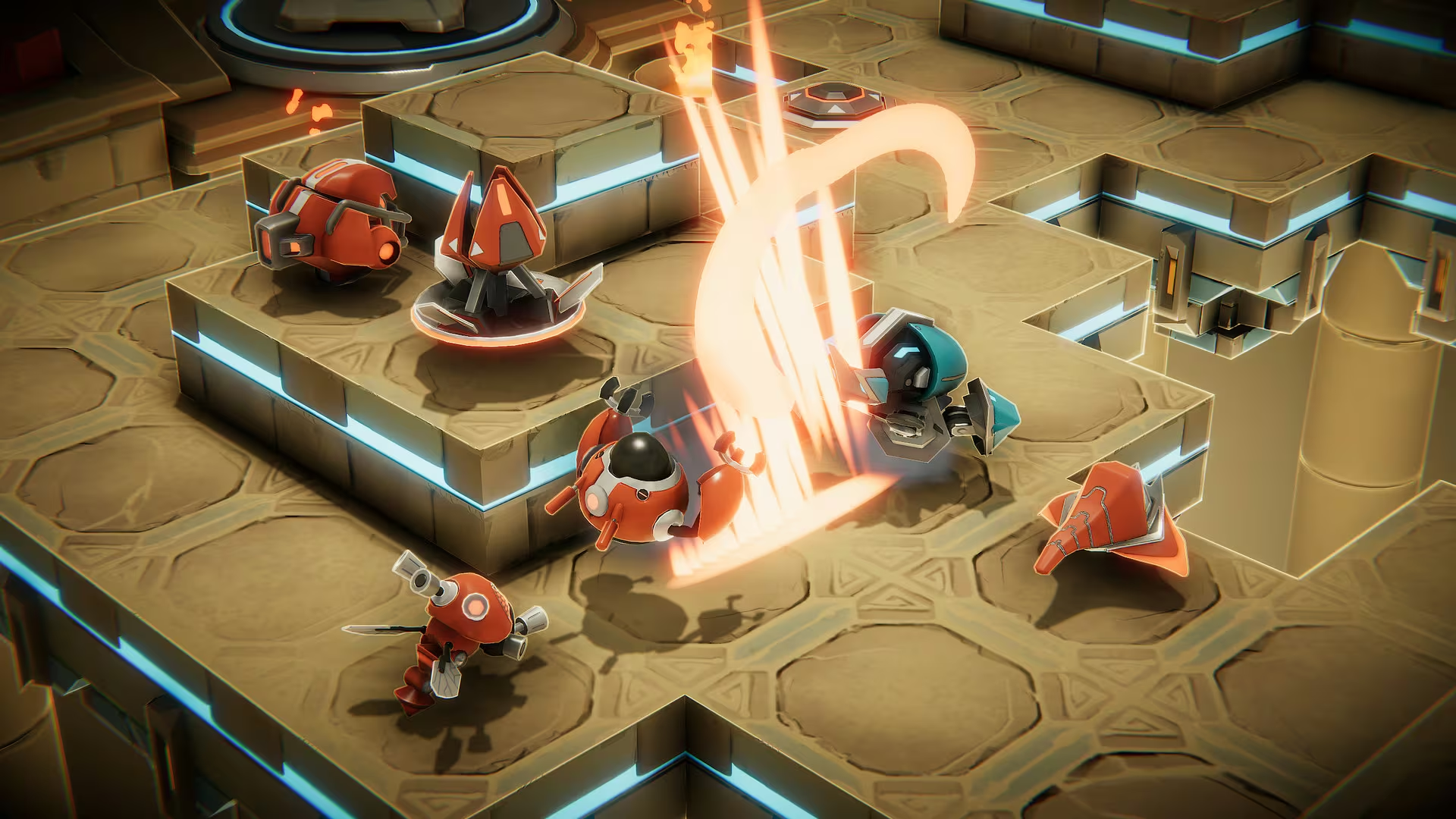
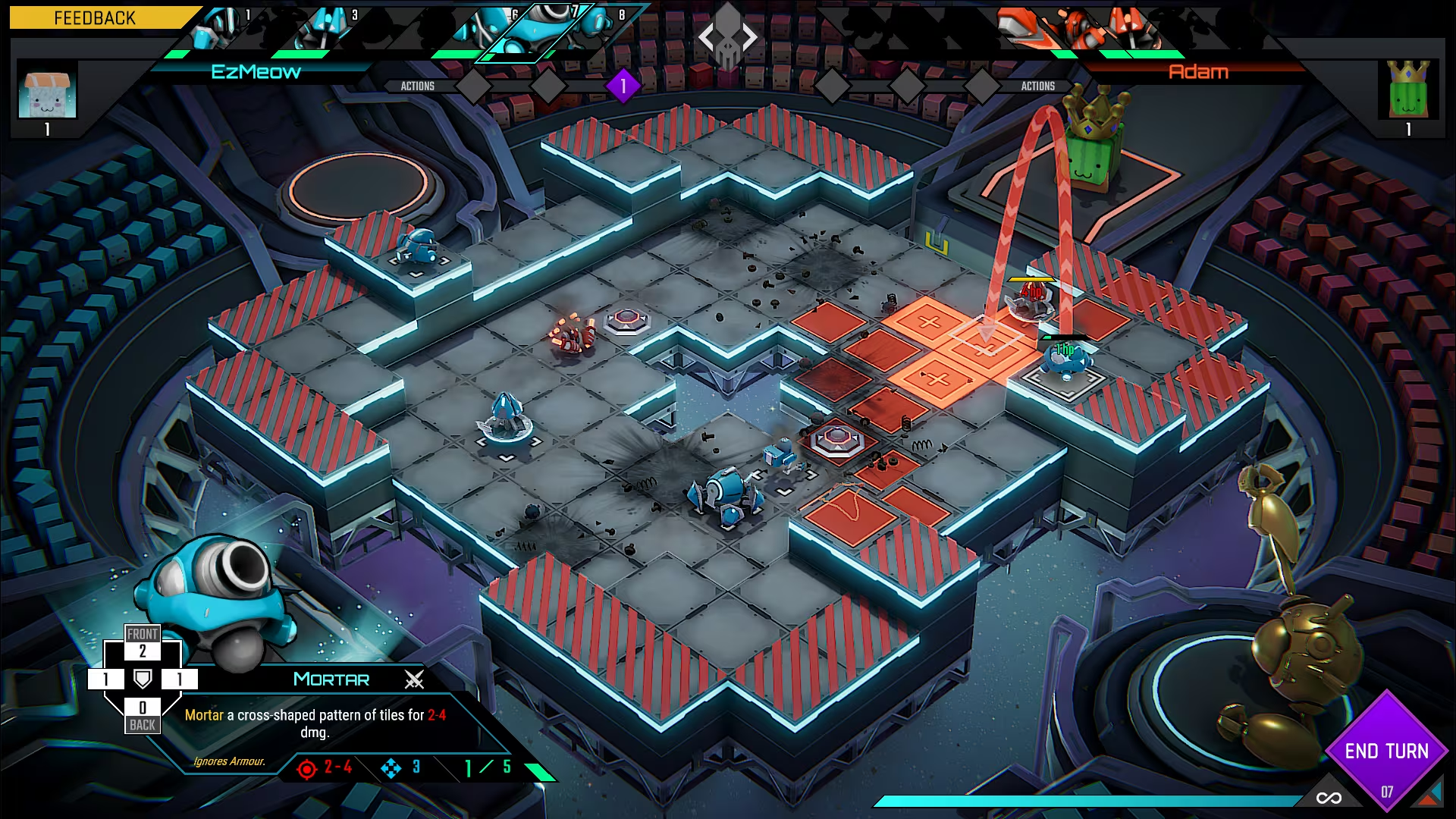
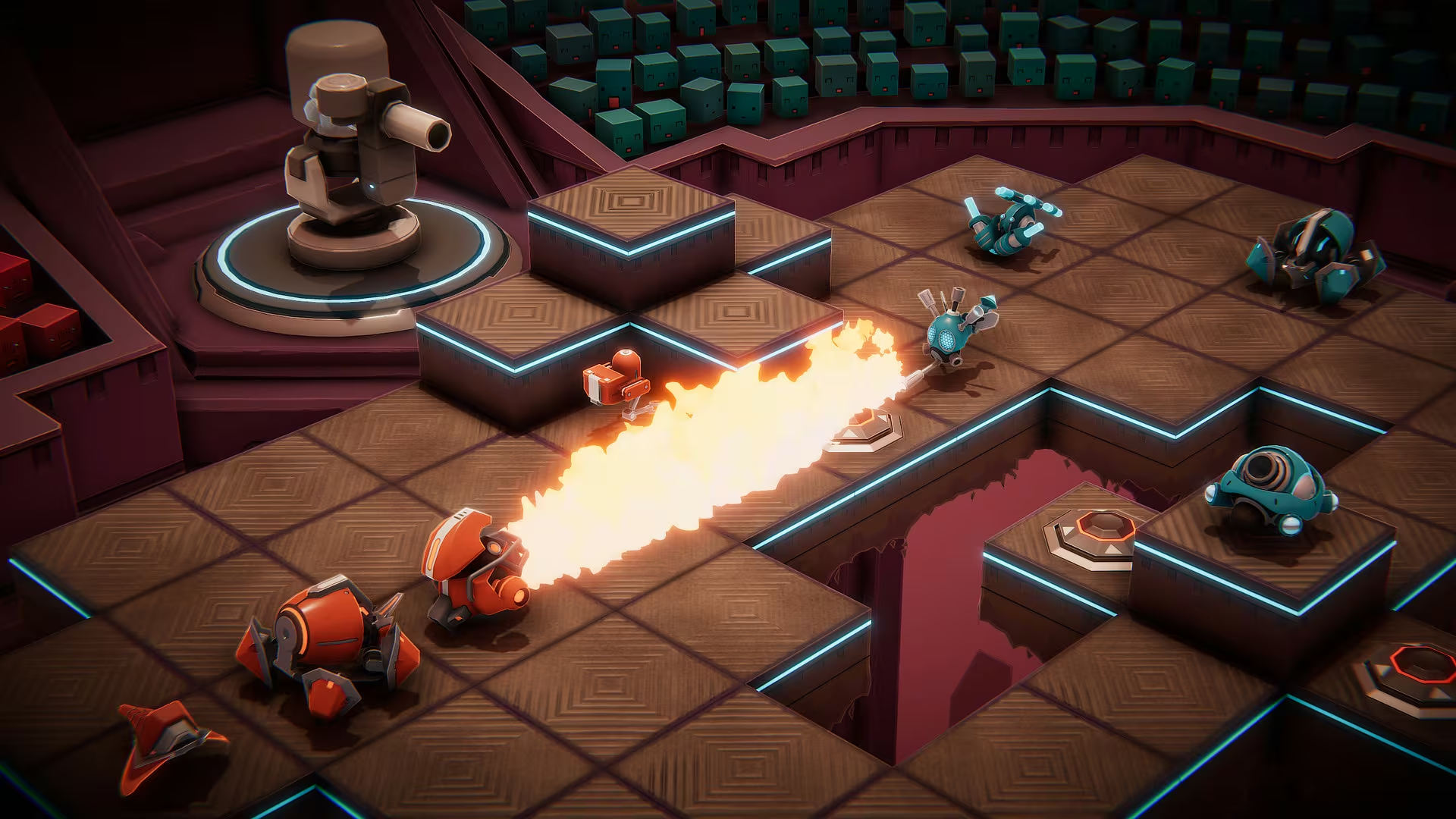
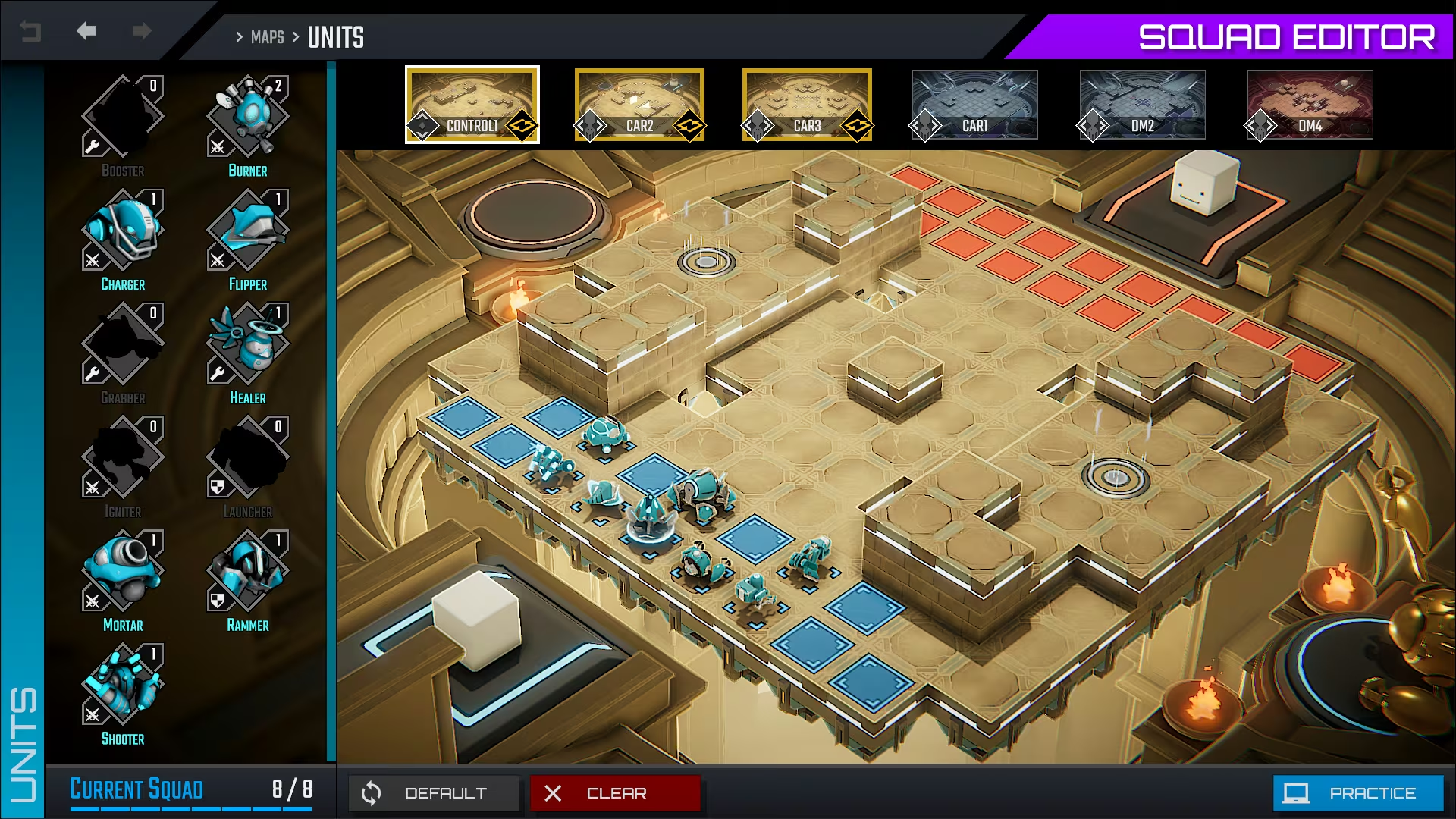
Create and command your own customizable squads of fighting robots in this turn-based, arena tactics game.

Global score

83/100

Genres

Indie, Strategy, Simulator

Similar games

    Pros

    • Engaging turn-based tactical gameplay
    • Accessible yet deep strategy
    • Career mode with team management
    • Customizable teams and logos
    • Good value for price

    Cons

    • Small and inactive multiplayer community
    • Limited map variety and repetitive multiplayer rotation
    • Steep learning curve for new players
    • Some ui and balance issues reported
    • Durability system can be frustrating

    Analysis

    Broadly representative of its motivational profile, with a few distinct shifts. Motivations that often define this kind of title include Competition, Status, Story, Expression. Here, the score leans higher than usual among comparable games on Leadership, Violence. It leans lower than usual among comparable games on Exploration.

    How to use the graph
    Similar games map

    Each dot is a game. They are arranged from the same motivation profile as in the “Motivations” section below. Closer dots usually mean more similar reasons to play (exploration, competition, relaxation, etc.)—not that one game is “better” than another.

    • Larger dot with a light outline: the game you are viewing.
    • Colour: groups of games with comparable motivation patterns (statistical clusters).
    • Hover a dot to see the game name; click to open its page.
    • Scroll or double-click the chart to zoom out and see more games.

    Why don’t the axes read like a score? This view uses t-SNE: it only keeps who is close to whom. The scales are not “good to bad” or hours played—they separate groups on the map. Read distance between dots, not the axis numbers.

    Motivations

    • Autonomy
      4

      "Players have control over team composition, unit selection, and tactical decisions in matches, including managing squads and upgrades."

    • Competence
      4

      "Game features a high skill ceiling with strategic depth, challenging AI, and competitive multiplayer with ranking systems."

    • Competition
      4

      "Includes ranked multiplayer, leaderboards, leagues, and tournaments encouraging player vs player competition."

    • Continuation
      3

      "Players report addictive gameplay with long sessions and career mode seasons, though some mention community size limits replay."

    • Cooperation
      -3

      "Focus is primarily on 1v1 competitive matches and solo career mode; limited evidence of cooperative gameplay."

    • Creativity
      3

      "Players can customize teams, create logos, and modify units with upgrades and mods, allowing creative team building."

    • Domination
      -2

      "Interactions emphasize fair competition and balanced play rather than dominance or trash talk; some AI trash talk but no player reports."

    • Escapism
      3

      "Players use the game as a fun distraction and stress relief with engaging tactical gameplay and sports-like atmosphere."

    • Expectation
      -4

      "Players engage voluntarily out of interest and enjoyment; no reports of obligation or external pressure to play."

    • Experimenting
      3

      "Encourages trying different unit combinations, strategies, and team builds; players explore mechanics and tactics."

    • Exploration
      -2

      "Game maps are limited and symmetrical with a small rotation; focus is on tactical play rather than discovering new areas."

    • Expression
      3

      "Customization of team logos, colors, and unit mods allows personal expression within the game."

    • Fantasy
      2

      "Futuristic robot sports theme with imaginative units and abilities, but grounded in tactical chess-like gameplay."

    • Fellowship
      -3

      "Small player base and limited multiplayer activity reduce sense of community; mostly solo or paired play."

    • Growth
      3

      "Career mode progression, learning unit abilities, and improving strategy provide personal development opportunities."

    • Health
      -5

      "No physical activity or health-related features; typical sedentary computer gameplay."

    • Idle
      -3

      "Requires focused attention during matches; not designed for background or idle play."

    • Intimacy
      -4

      "Minimal social interaction beyond competitive matches; no evidence of close relationship building."

    • Leadership
      2

      "Players manage teams and make strategic decisions, akin to a team manager role in career mode."

    • Progression
      4

      "Players accumulate units, upgrades, and mods; career mode features leagues and team development."

    • Relaxation
      2

      "Some players find the game relaxing and enjoyable, though others note tension from competitive matches."

    • Sensation
      2

      "Enjoyable audio-visual presentation with satisfying sound effects and graphics, but not highly stimulating."

    • Status
      3

      "Leaderboards, ranks, and competitive ladders provide recognition and status among players."

    • Story
      -3

      "No narrative or lore; gameplay is context-free tactical matches and career mode without story immersion."

    • Strategy
      5

      "Core gameplay is deep turn-based tactical strategy with unit positioning, abilities, and resource management."

    • Thrill
      3

      "Competitive matches create suspense and tension; timed turns add pressure and excitement."

    • Value
      3

      "Generally considered good value for price, especially with career mode and multiplayer content."

    • Violence
      2

      "Combat involves robot battles with attacks and destruction, but in a stylized, non-realistic manner."

    • Survival
      2

      "Players manage unit durability and resources to avoid losing units and maintain team viability."

    Last update: 29/04/2026