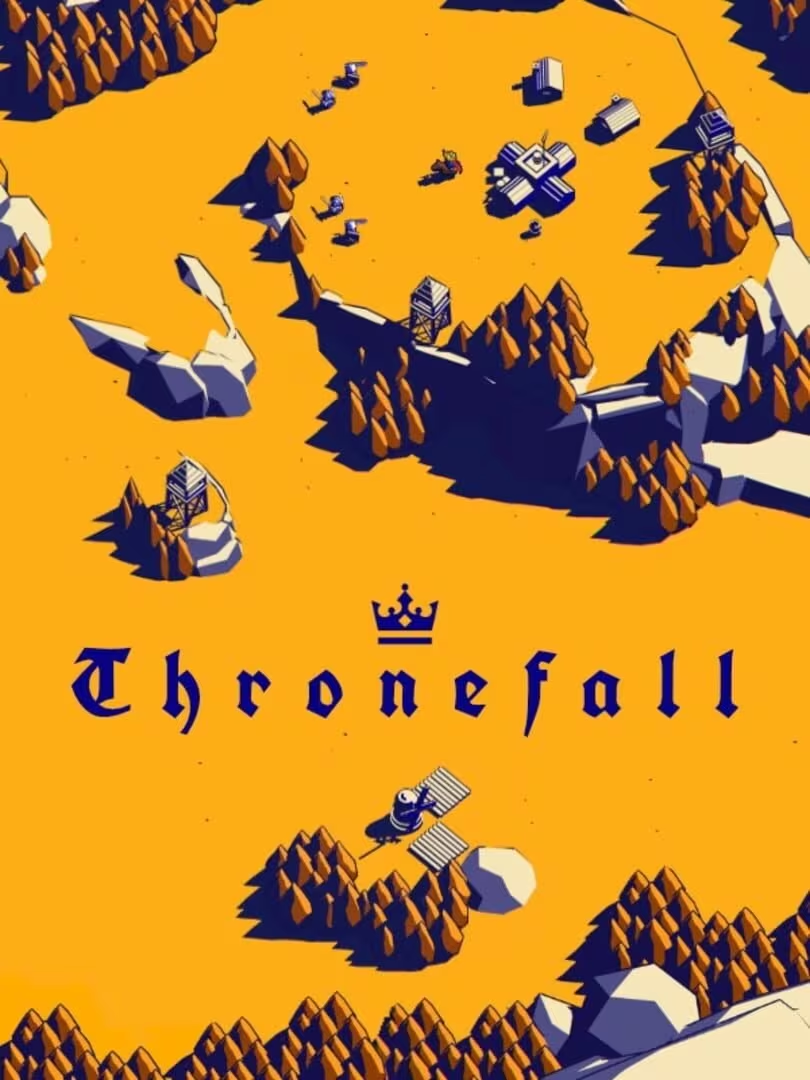
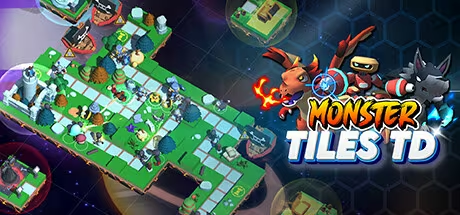
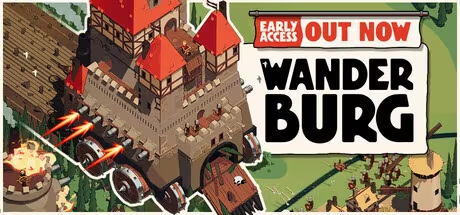
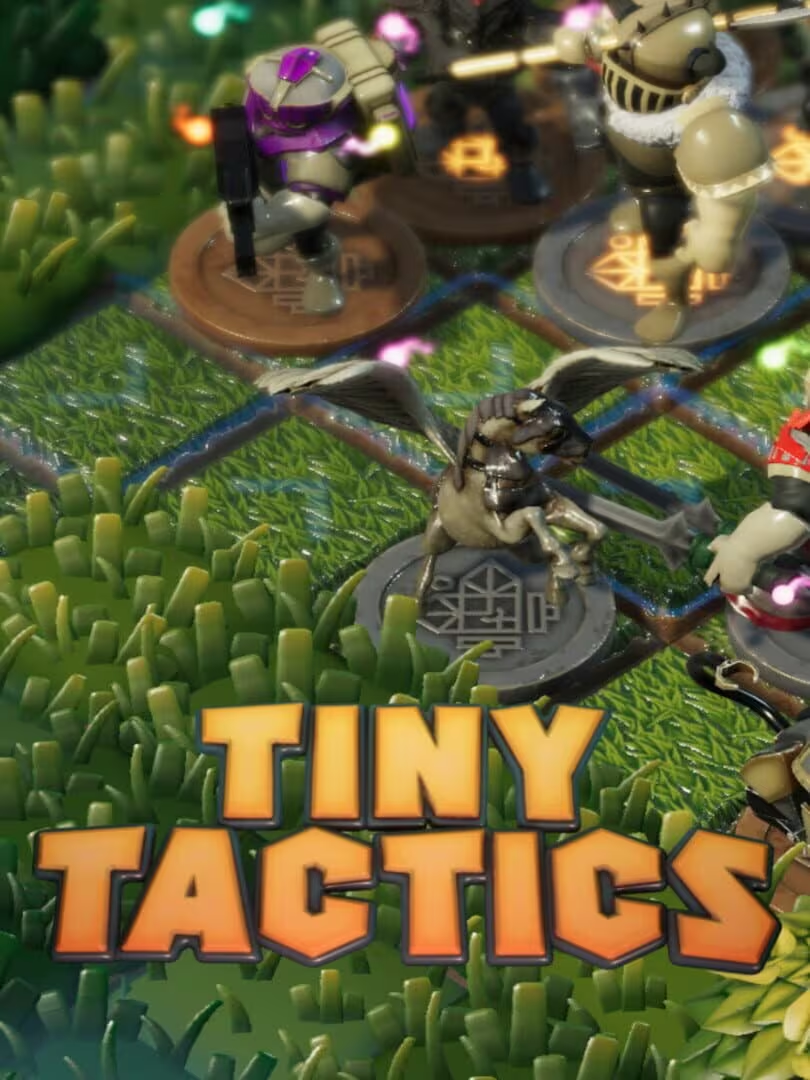
Outpost Thumbnail

Outpost similar games & best alternatives
Outpost

PC (Microsoft Windows), Mac • 2020

Related articles

Quick resume

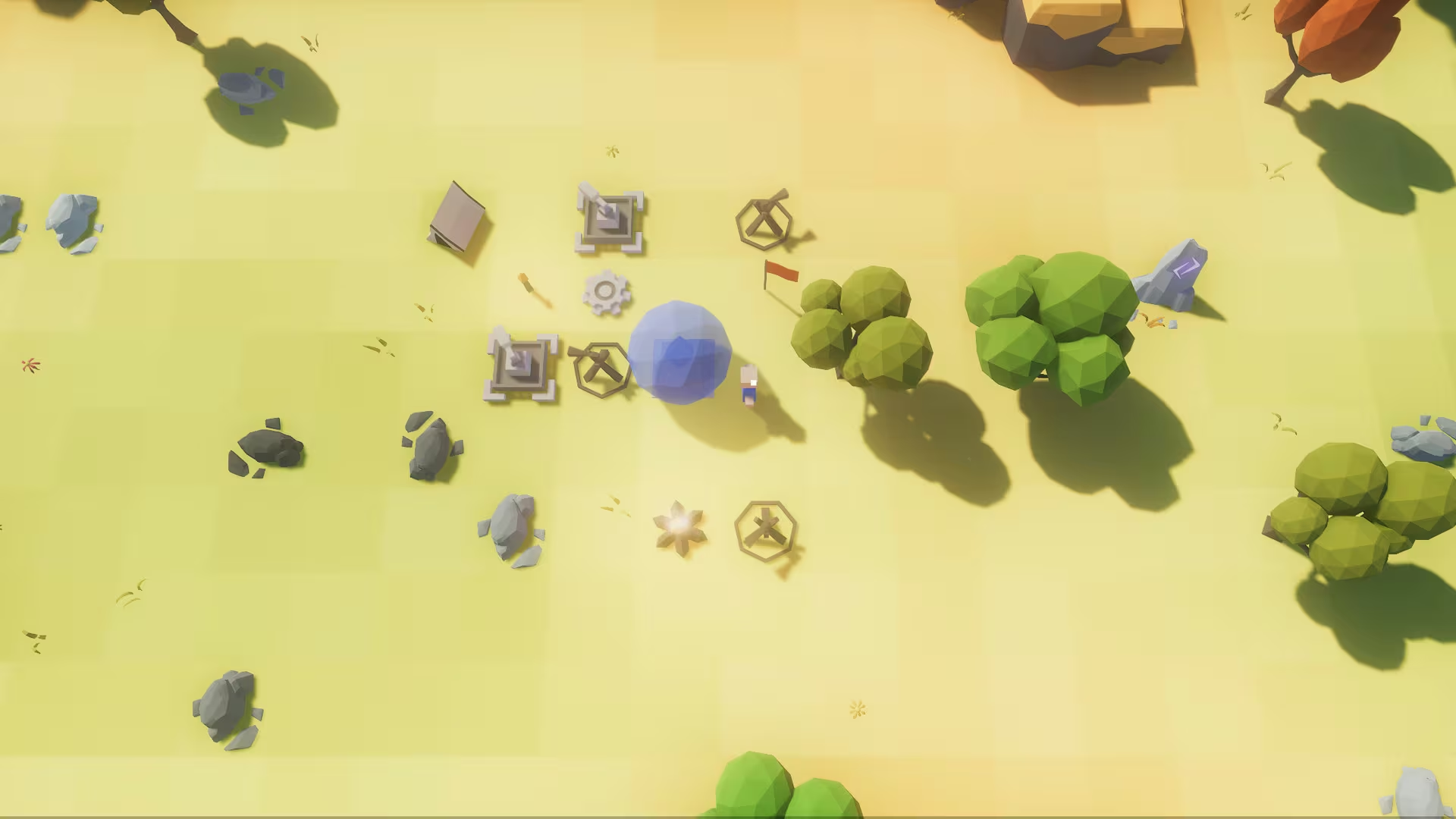
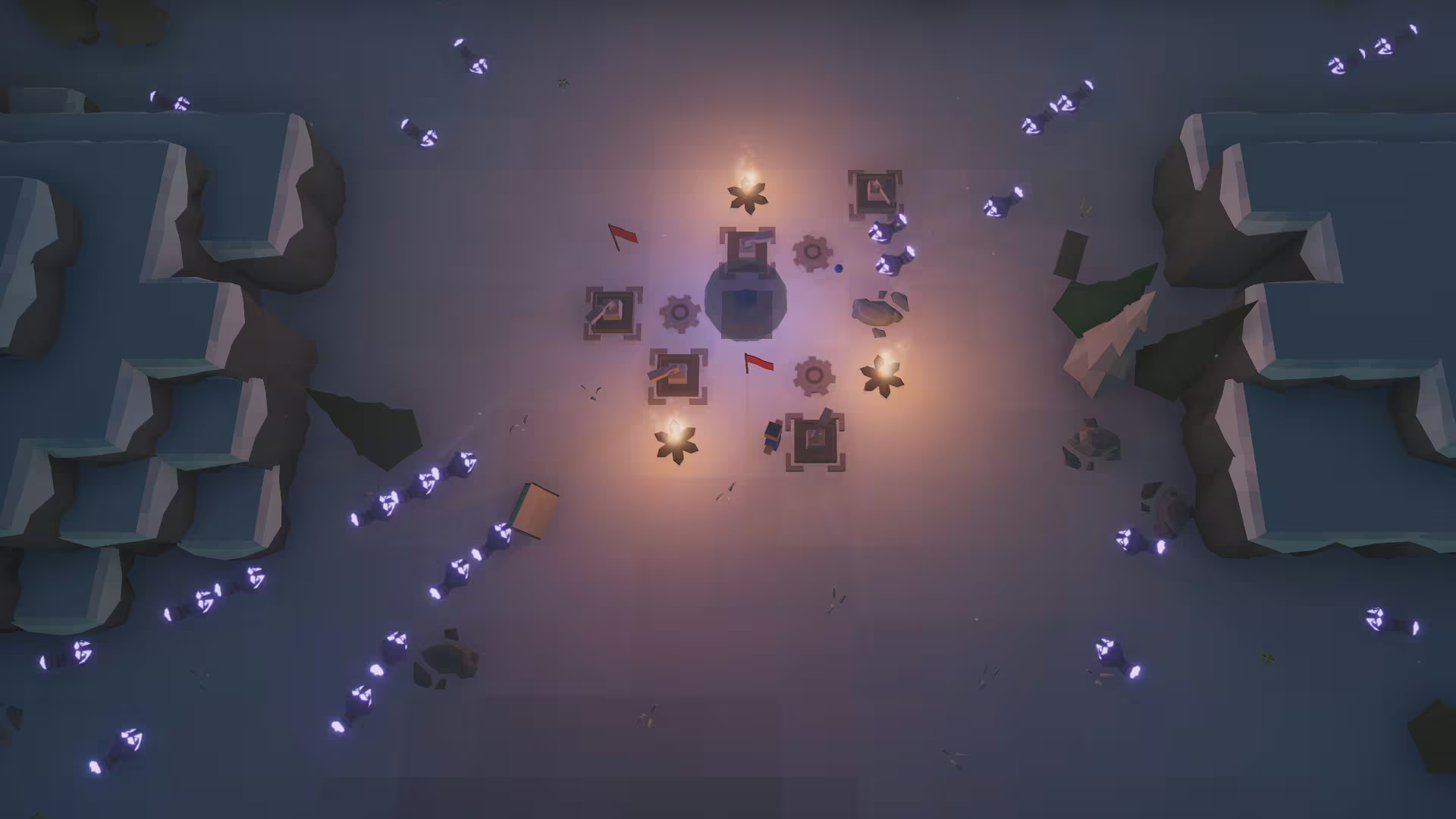
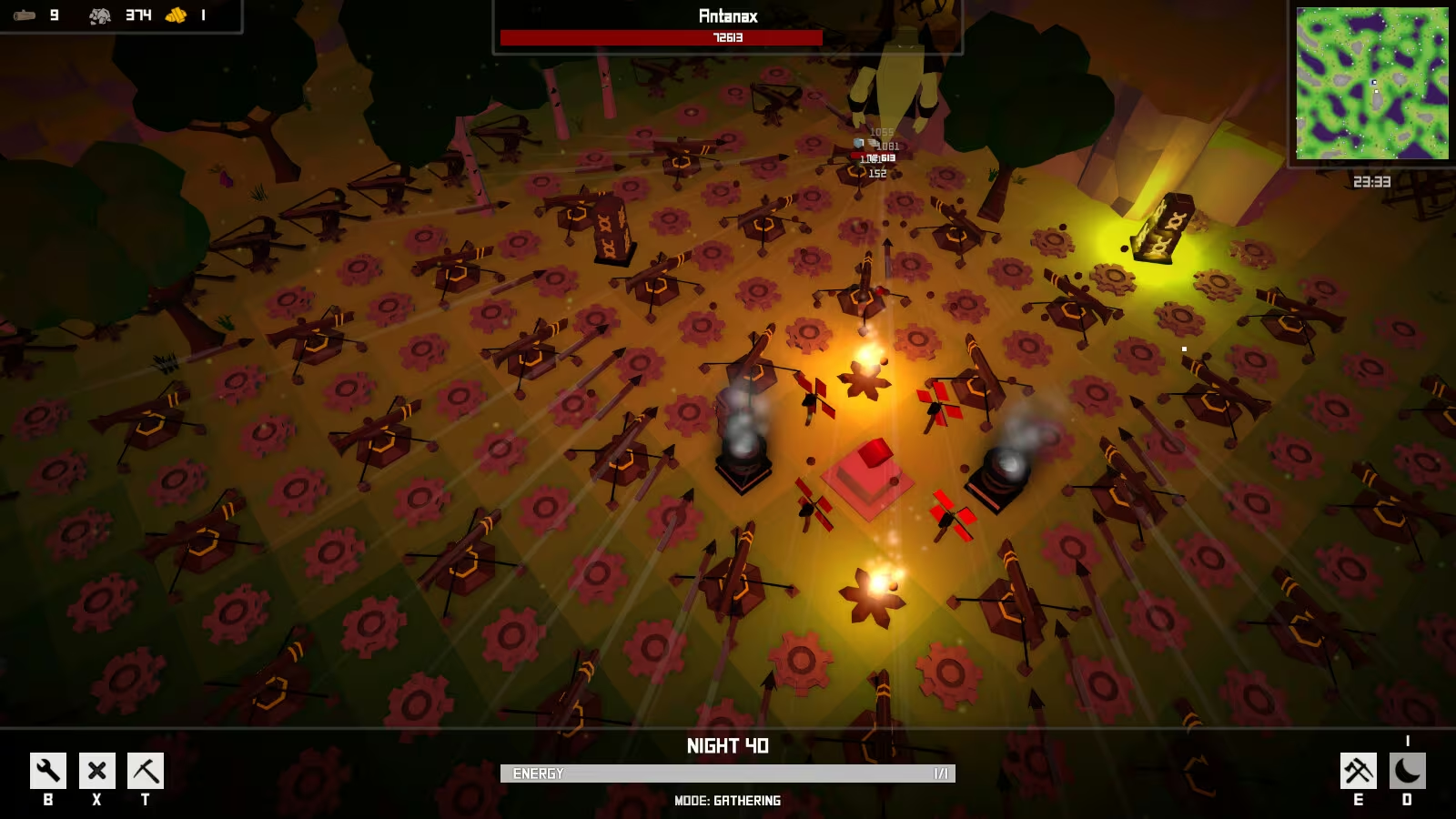
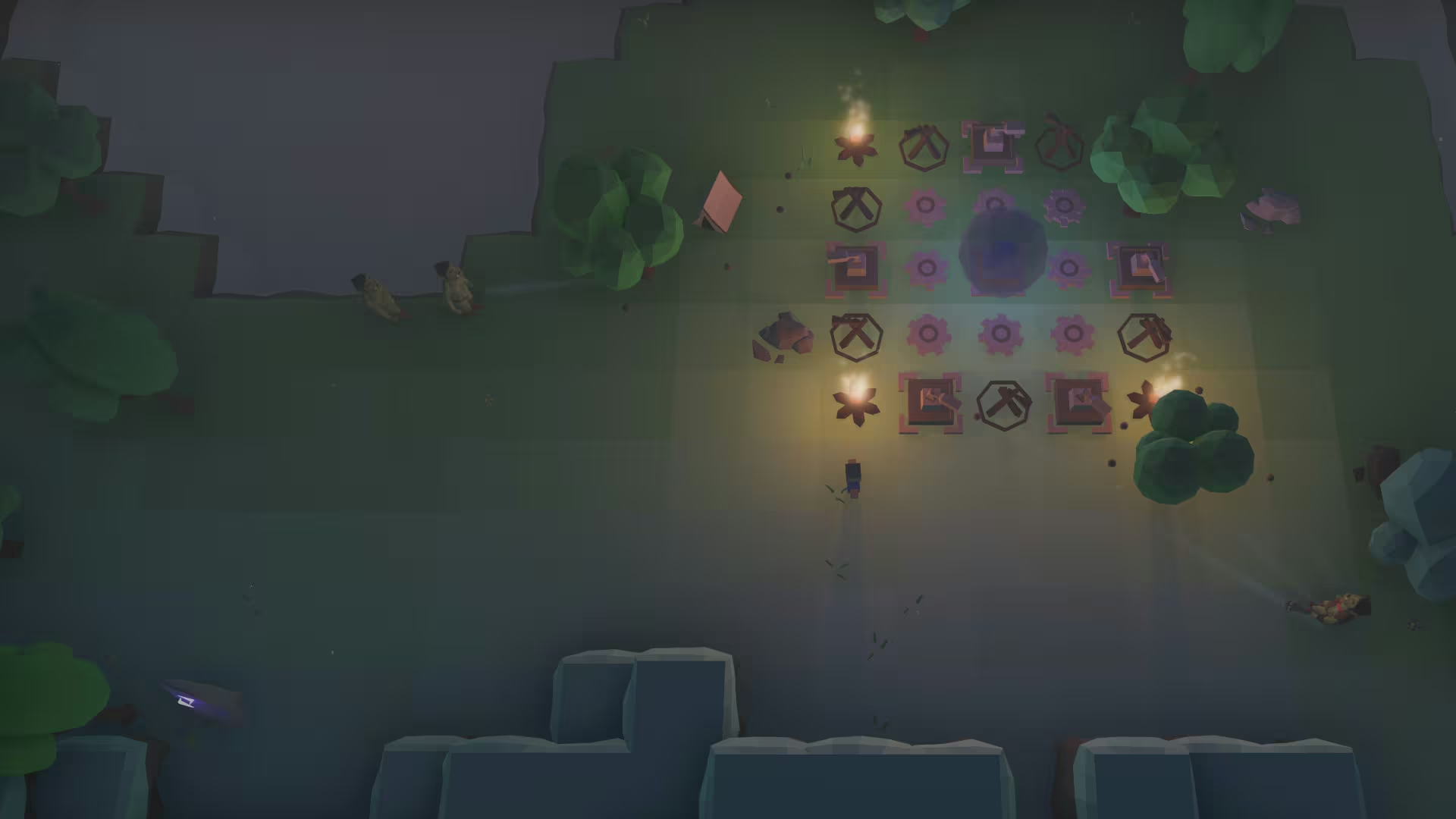
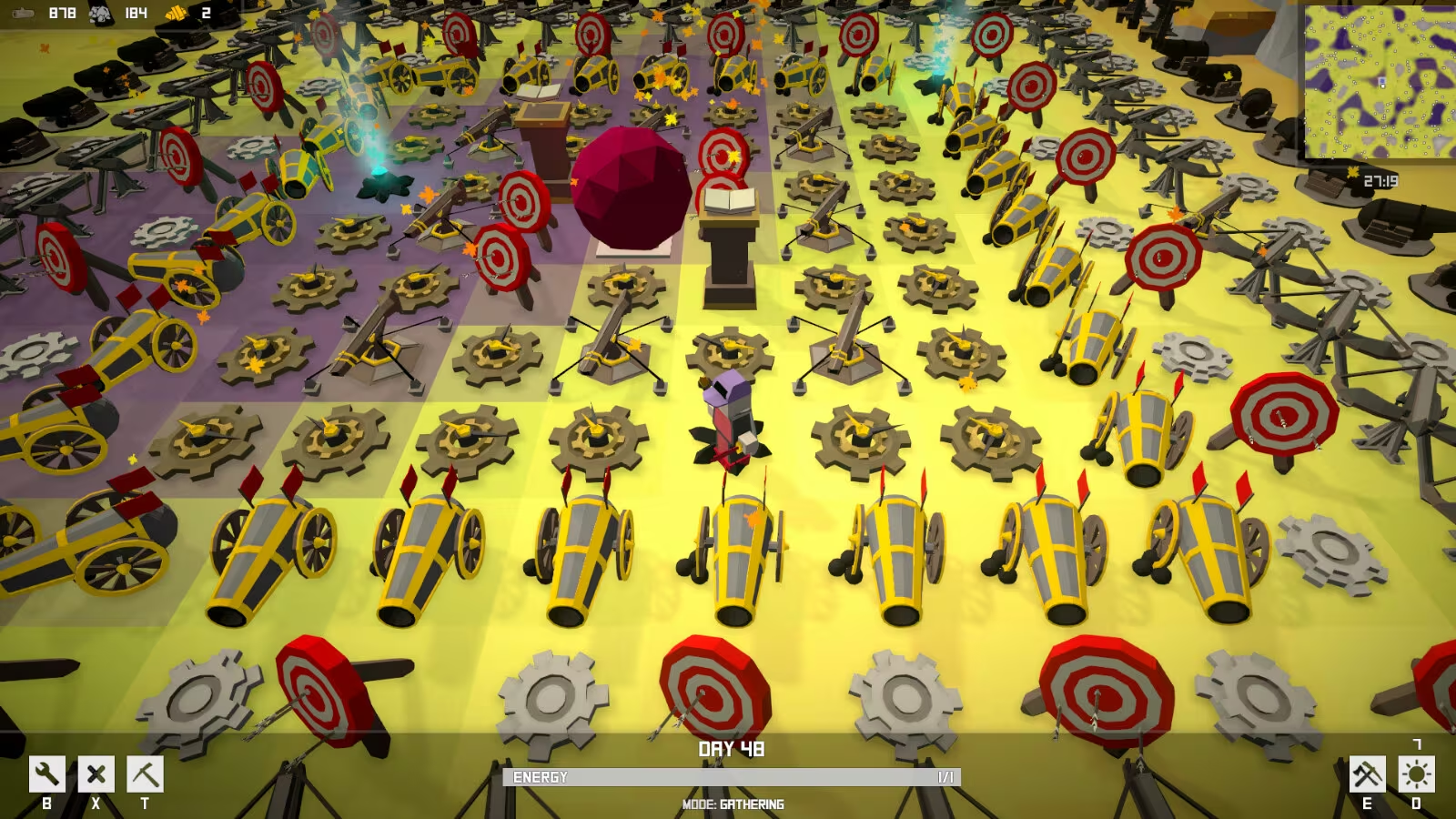
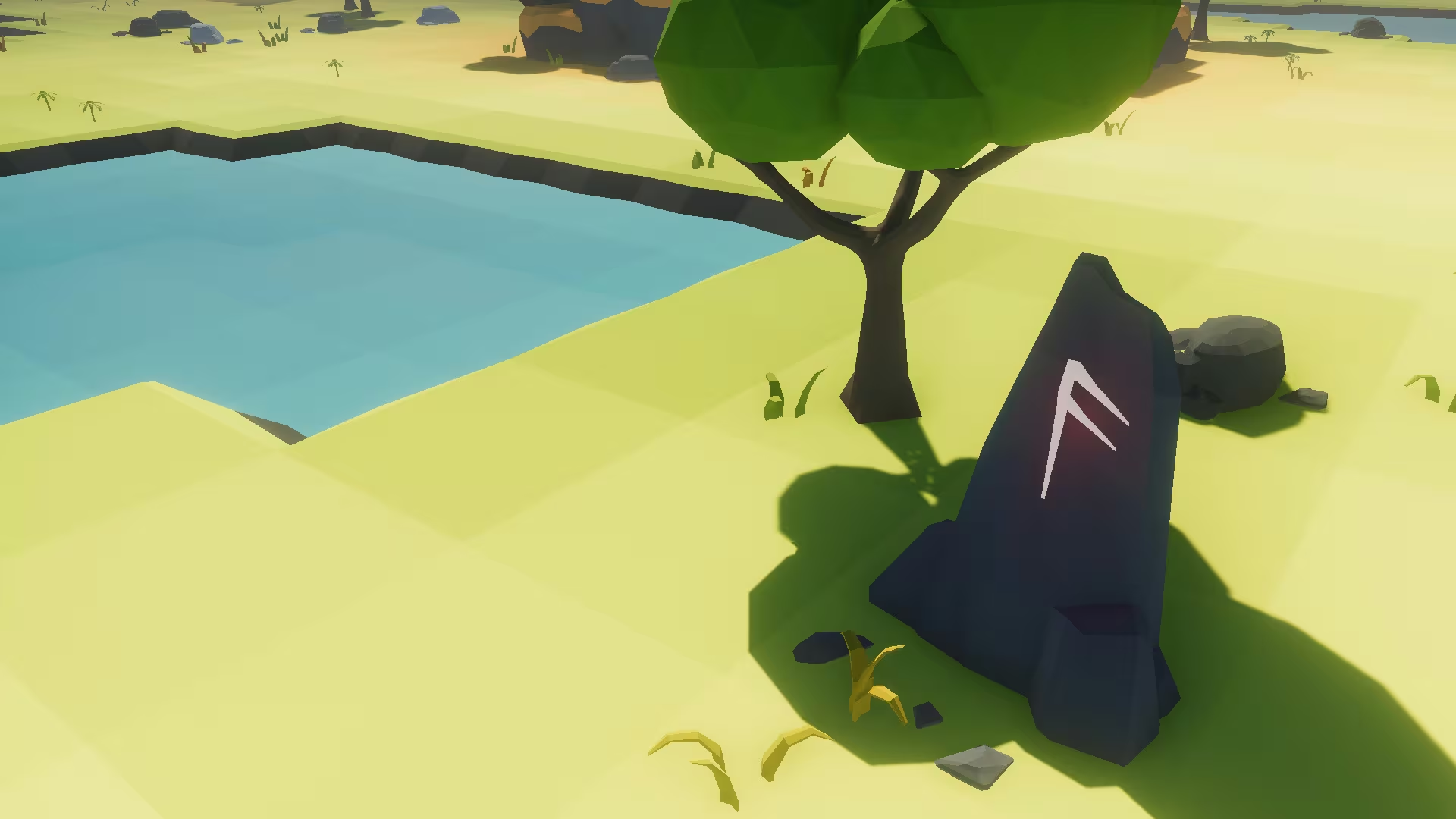
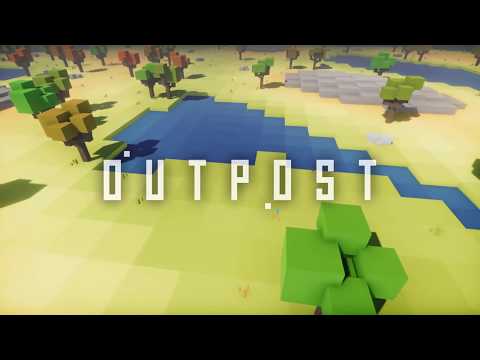
Outpost brings the perfect mix between survival and roguelite gameplay. Start the game in a randomly generated environment and try to adapt, and make it through as many nights as possible. How long can you survive?

Global score

87/100

Genres

Adventure, Casual, Indie, Strategy, Free To Play, Simulator

Similar games

    Pros

    • Free to play with no microtransactions
    • Addictive and rewarding progression system
    • Relaxing music and art style
    • Unique blend of tower defense and survival
    • Frequent updates and developer engagement

    Cons

    • Some grindiness and repetitiveness
    • Lack of multiplayer or co-op
    • Minor bugs and occasional crashes
    • Limited narrative or story content
    • Some ui and control improvements desired

    Analysis

    A very typical example of its motivational profile. Motivations that often define this kind of title include Competition, Status, Story, Expression. Here, the score leans higher than usual among comparable games on Violence, Survival. It leans lower than usual among comparable games on Story.

    How to use the graph
    Similar games map

    Each dot is a game. They are arranged from the same motivation profile as in the “Motivations” section below. Closer dots usually mean more similar reasons to play (exploration, competition, relaxation, etc.)—not that one game is “better” than another.

    • Larger dot with a light outline: the game you are viewing.
    • Colour: groups of games with comparable motivation patterns (statistical clusters).
    • Hover a dot to see the game name; click to open its page.
    • Scroll or double-click the chart to zoom out and see more games.

    Why don’t the axes read like a score? This view uses t-SNE: it only keeps who is close to whom. The scales are not “good to bad” or hours played—they separate groups on the map. Read distance between dots, not the axis numbers.

    Motivations

    • Autonomy
      4

      "Players have control over resource gathering, building placement, and upgrade choices, allowing freedom in playstyle and strategy."

    • Competence
      3

      "Game involves skillful resource management, tower placement, and survival tactics with meaningful feedback through progression and upgrades."

    • Competition
      2

      "Includes leaderboards and encourages players to improve their wave survival times, but primarily focused on individual progress."

    • Continuation
      4

      "Many reviews mention addictive gameplay and desire to keep playing to unlock upgrades and reach higher waves."

    • Cooperation
      -3

      "Currently single-player only; some players express desire for co-op but game is designed for independent play."

    • Creativity
      3

      "Players customize their base layouts, equipment, and upgrade paths, allowing creative strategic choices."

    • Domination
      -4

      "Interactions are balanced and cooperative in spirit; no evidence of power imposition or trash talk."

    • Escapism
      4

      "Players use the game as a relaxing distraction and stress relief with immersive music and atmosphere."

    • Expectation
      -4

      "Players engage voluntarily out of personal interest and enjoyment, not due to obligation or pressure."

    • Experimenting
      3

      "Players try different tower placements, upgrade strategies, and equipment combinations to optimize runs."

    • Exploration
      2

      "Randomly generated maps and discovery of runestones, chests, and seasonal effects encourage exploration."

    • Expression
      2

      "Some customization of equipment and character appearance is possible, though limited cosmetic options."

    • Fantasy
      1

      "Game features fantasy elements like magical runestones and mythical creatures, but overall grounded in survival."

    • Fellowship
      -3

      "Minimal social interaction; players mostly play solo with limited community engagement."

    • Growth
      4

      "Strong emphasis on learning, skill improvement, and unlocking talents and upgrades through repeated play."

    • Health
      -4

      "Primarily sedentary gameplay with no physical activity or health-related mechanics."

    • Idle
      -3

      "Requires active attention for resource gathering, building, and combat; not designed for background play."

    • Intimacy
      -4

      "No evidence of close social relationships or emotional sharing within the game."

    • Leadership
      -4

      "No leadership roles or group management; players act independently."

    • Progression
      5

      "Core gameplay loop centers on accumulating experience, unlocking talents, and upgrading equipment."

    • Relaxation
      4

      "Calming music and art style create a relaxing atmosphere despite some challenge and tension."

    • Sensation
      2

      "Pleasant visuals and soothing soundtrack provide sensory enjoyment without overwhelming stimulation."

    • Status
      1

      "Leaderboards provide some recognition, but social status is not a major focus."

    • Story
      -4

      "Game lacks narrative or lore; gameplay is context-free and focused on mechanics."

    • Strategy
      4

      "Requires planning tower placement, resource management, and upgrade paths to survive longer waves."

    • Thrill
      2

      "Some tension from surviving waves and bosses, but overall experience is more relaxing than thrilling."

    • Value
      5

      "Highly praised for being free with no microtransactions and offering many hours of engaging gameplay."

    • Violence
      2

      "Combat involves defending against creatures with turrets and weapons, but violence is mild and cartoonish."

    • Survival
      4

      "Core mechanic is surviving waves of enemies by managing resources and defenses effectively."

    Last update: 29/04/2026