Devolver Bootleg Thumbnail

Devolver Bootleg similar games & best alternatives

Devolver Bootleg

PC (Microsoft Windows) • 2019

Related articles

Quick resume

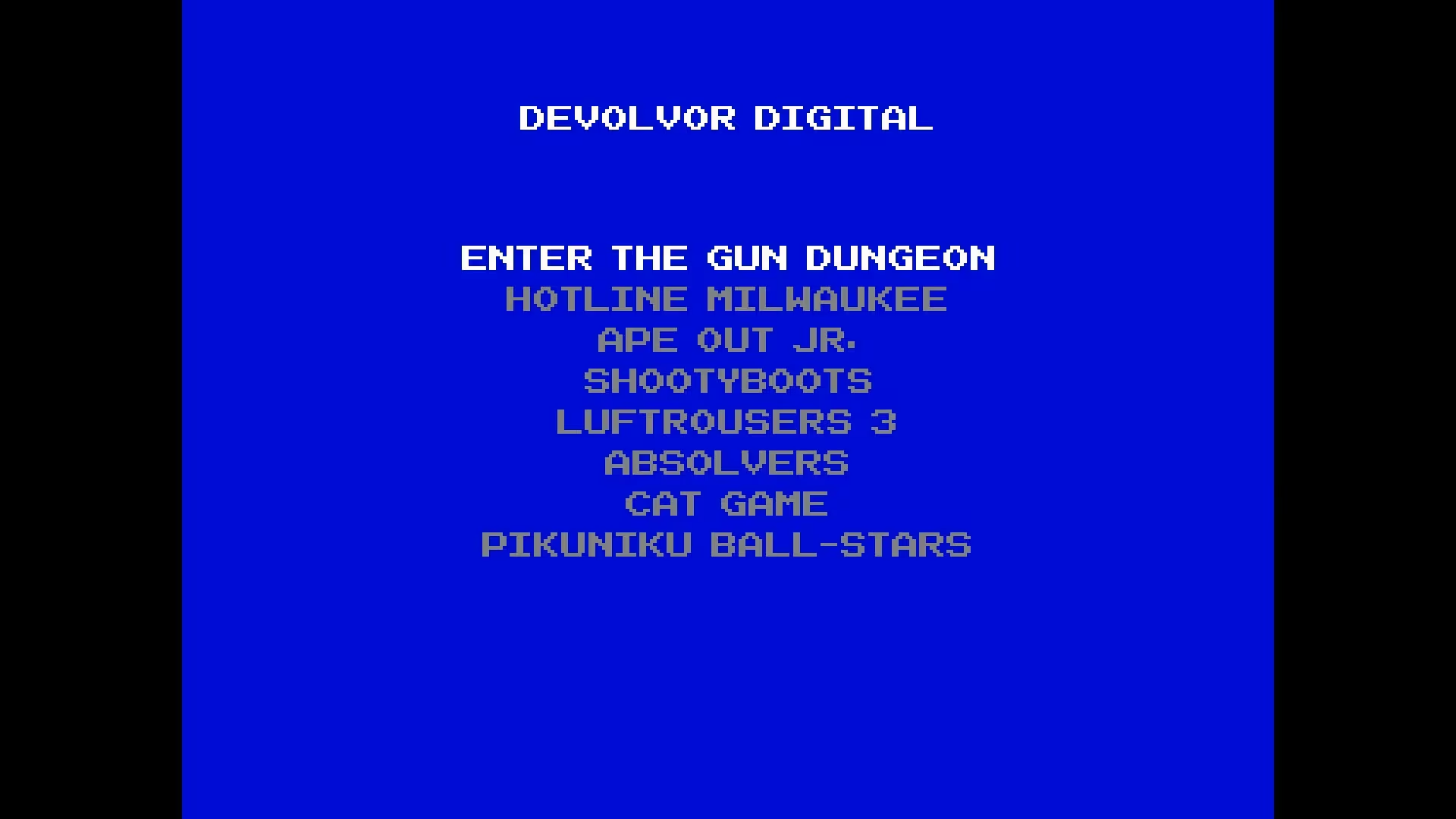
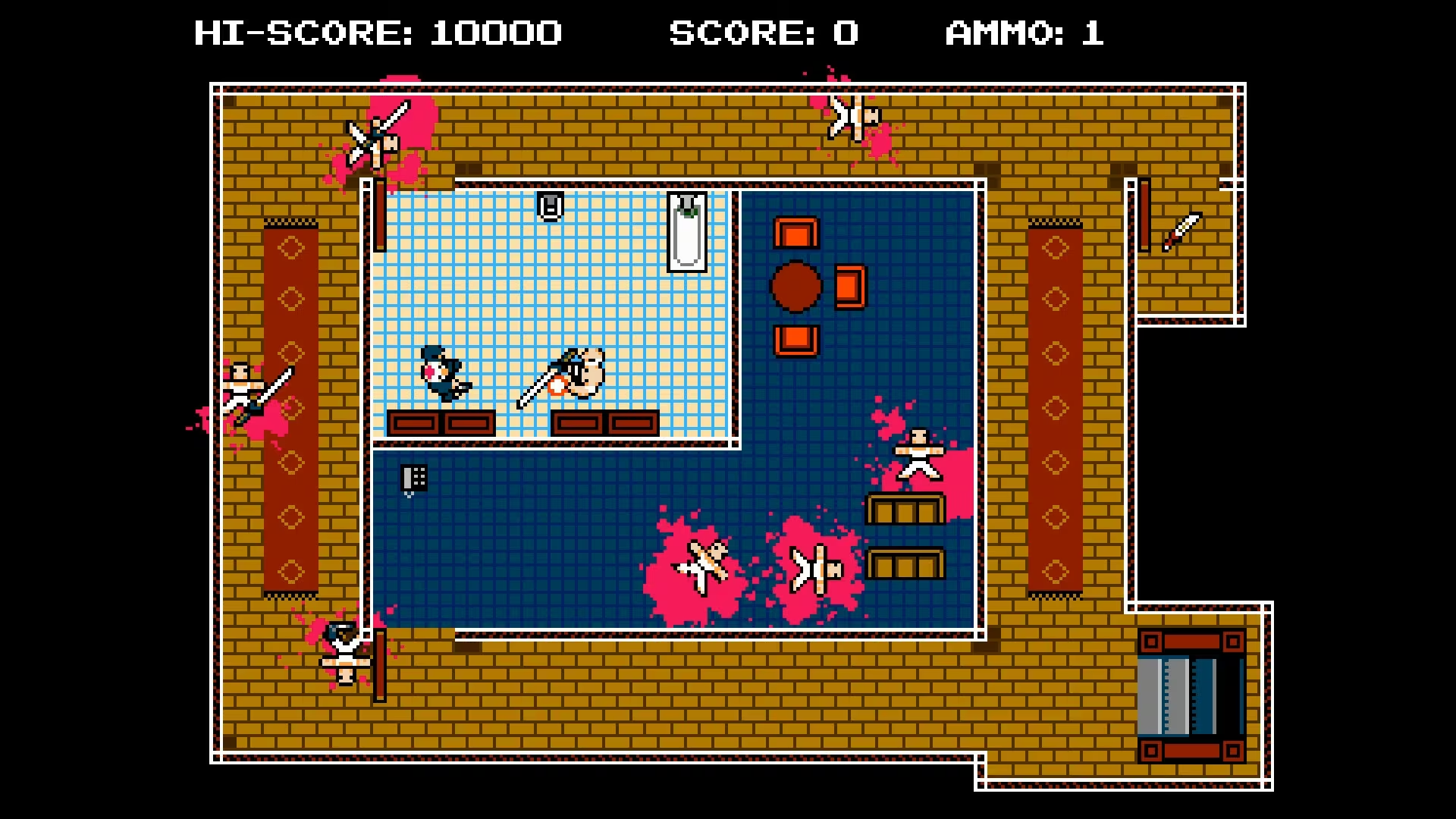
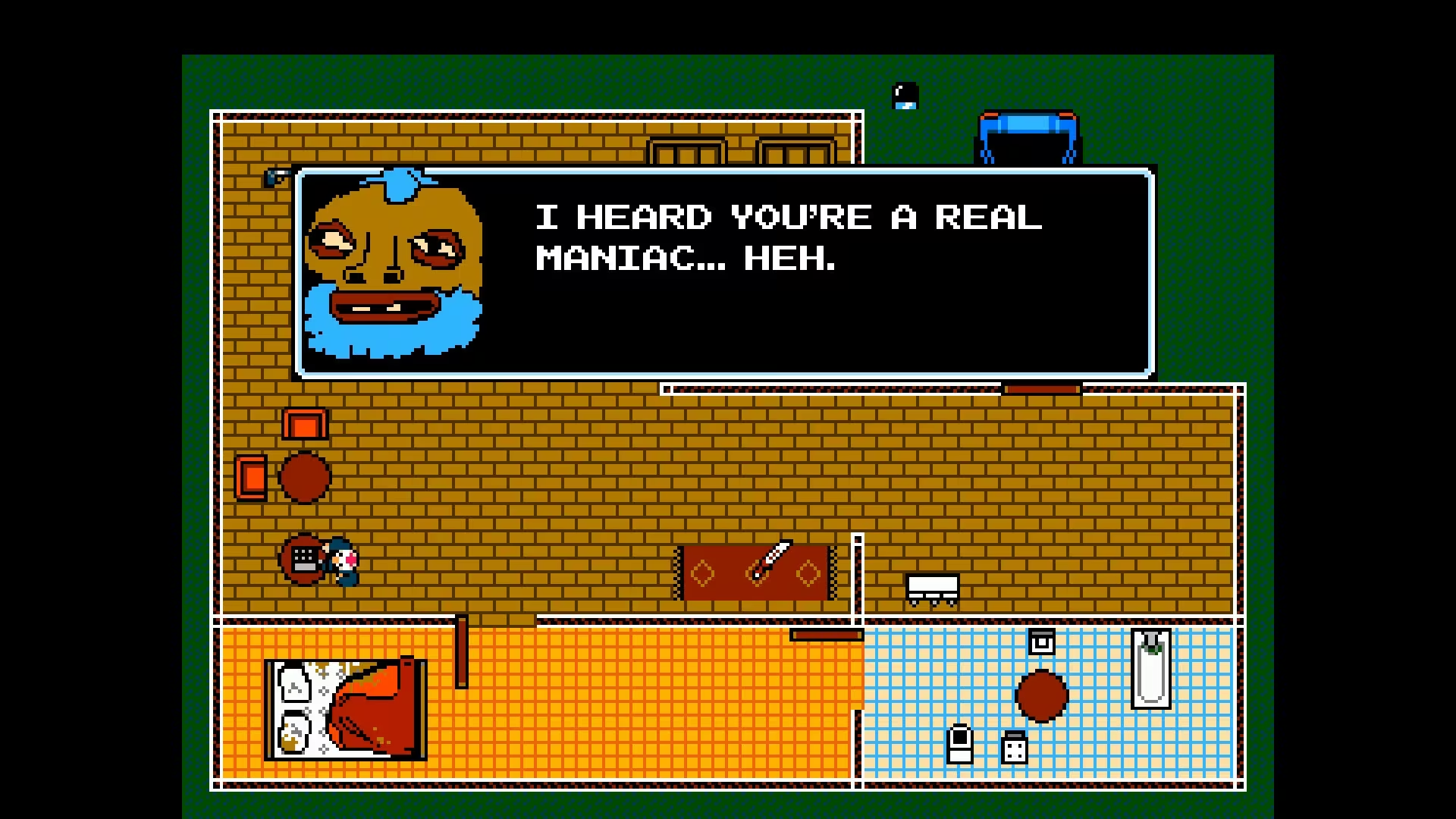
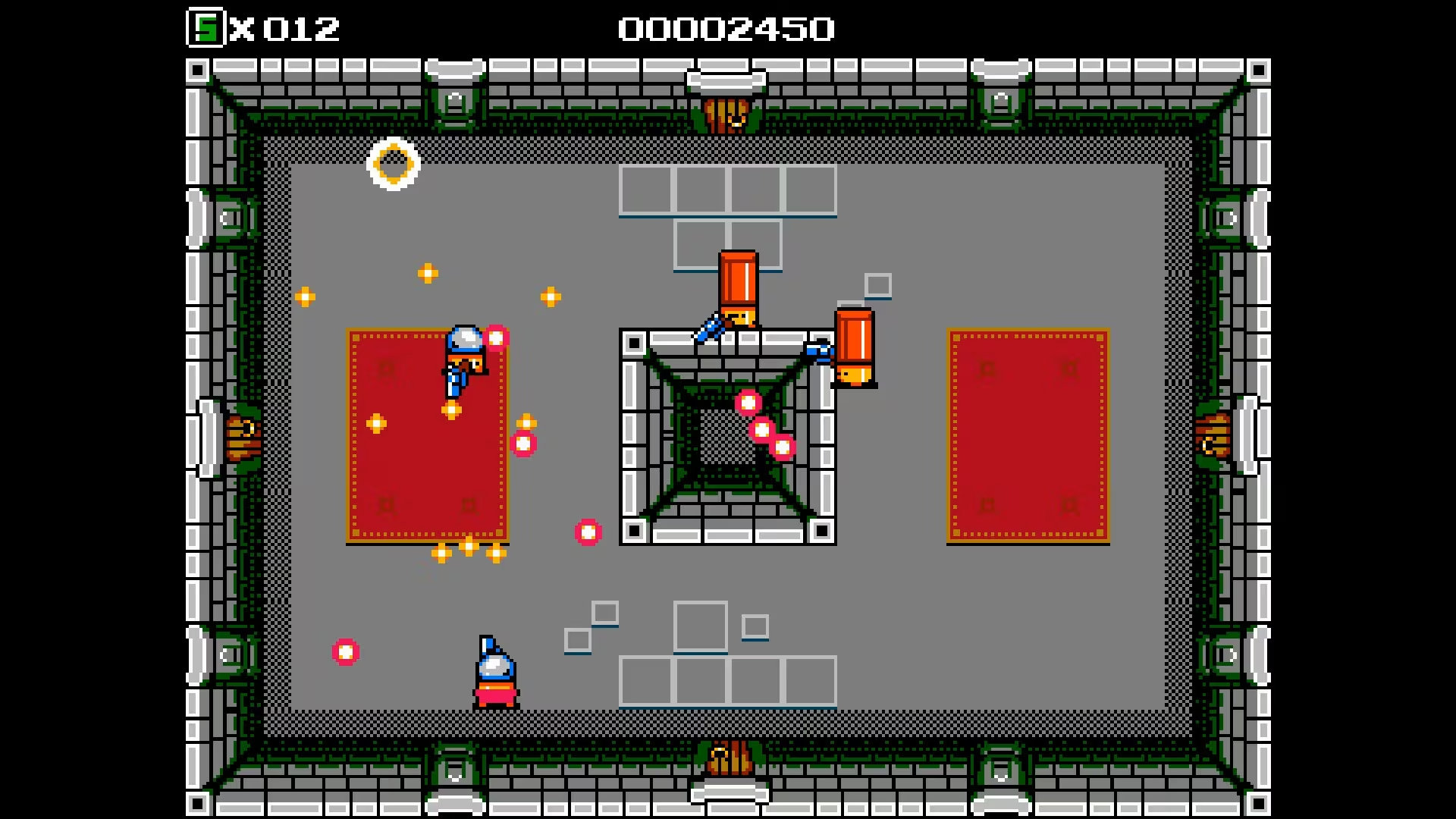
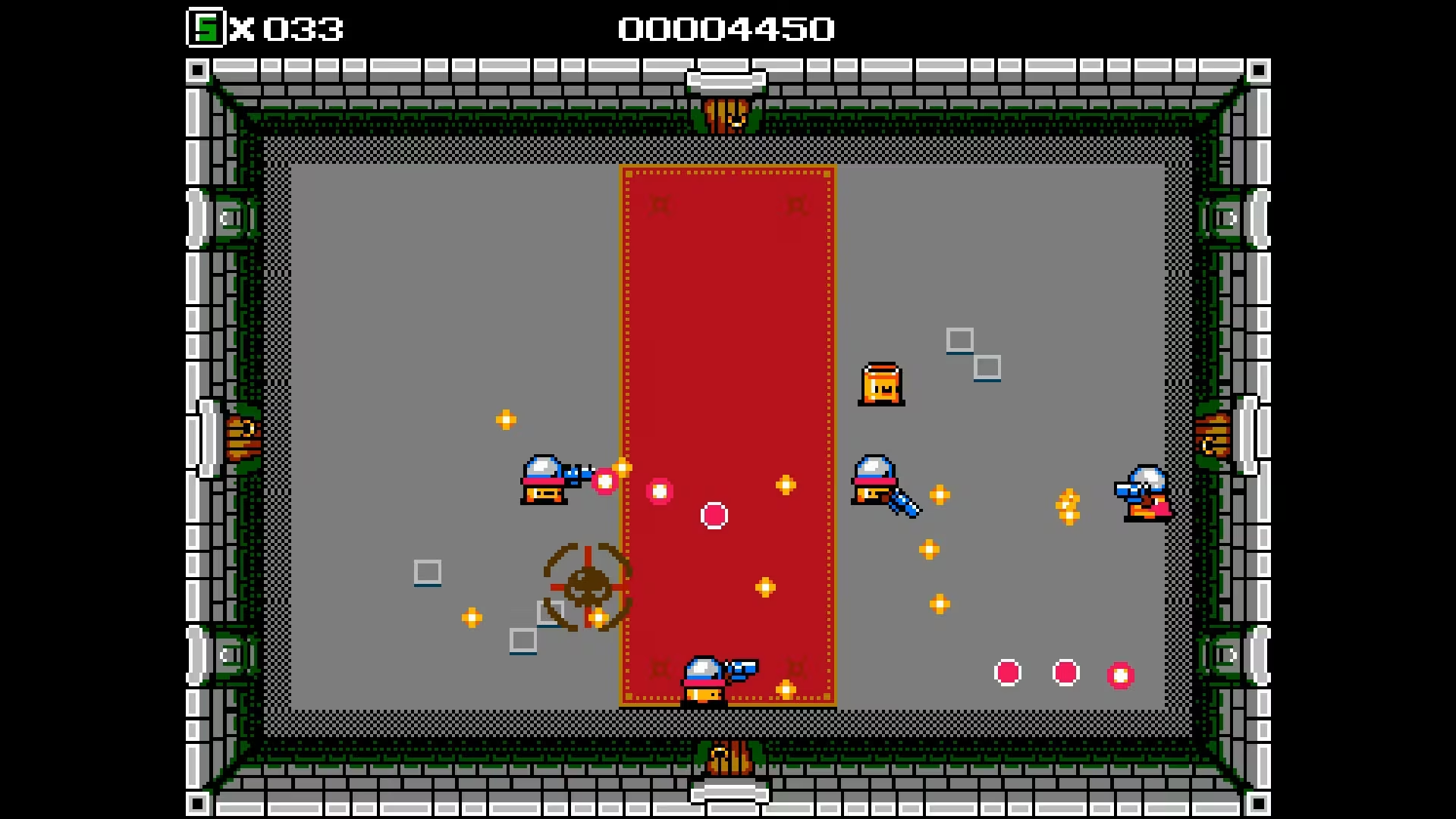
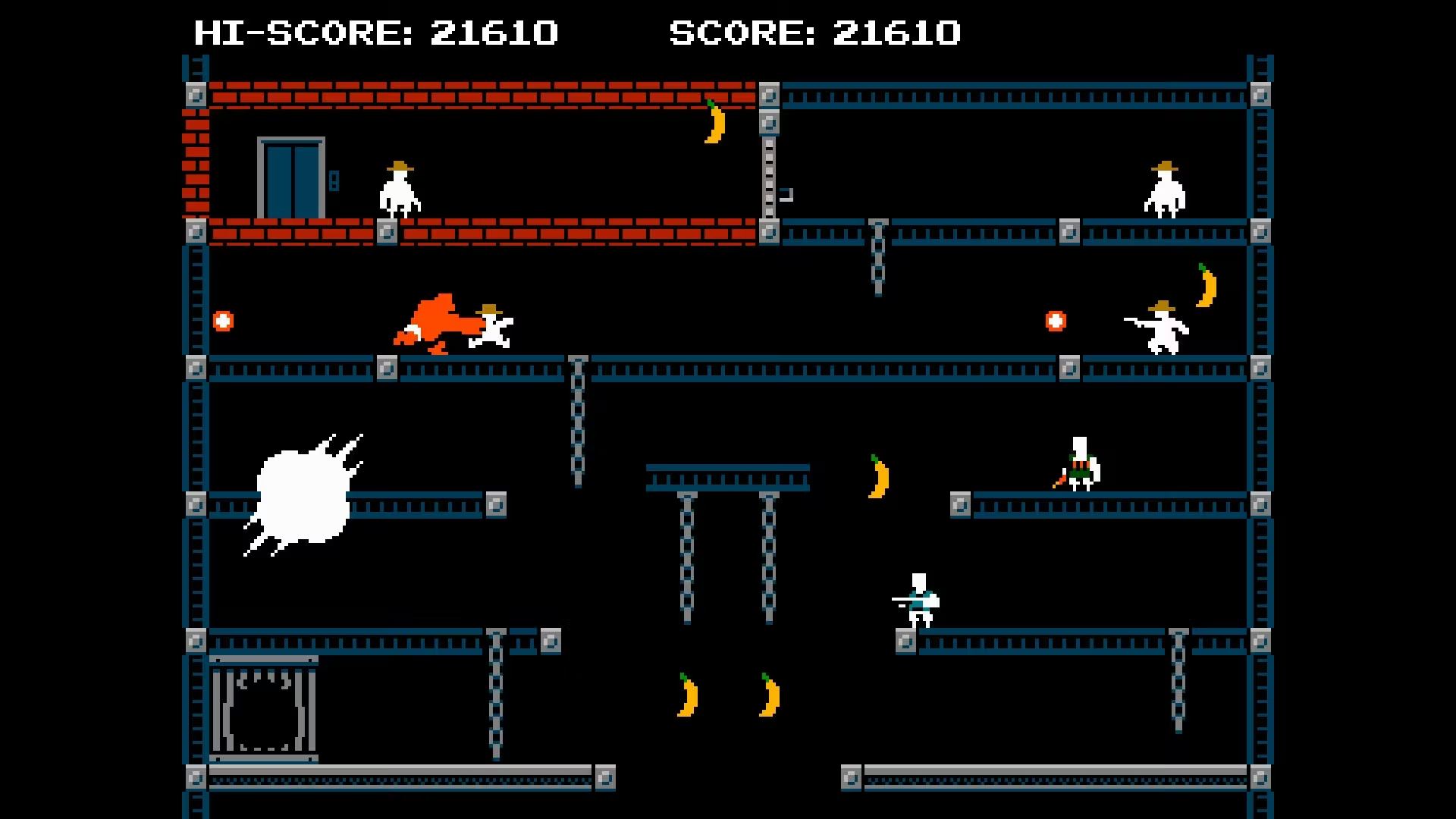
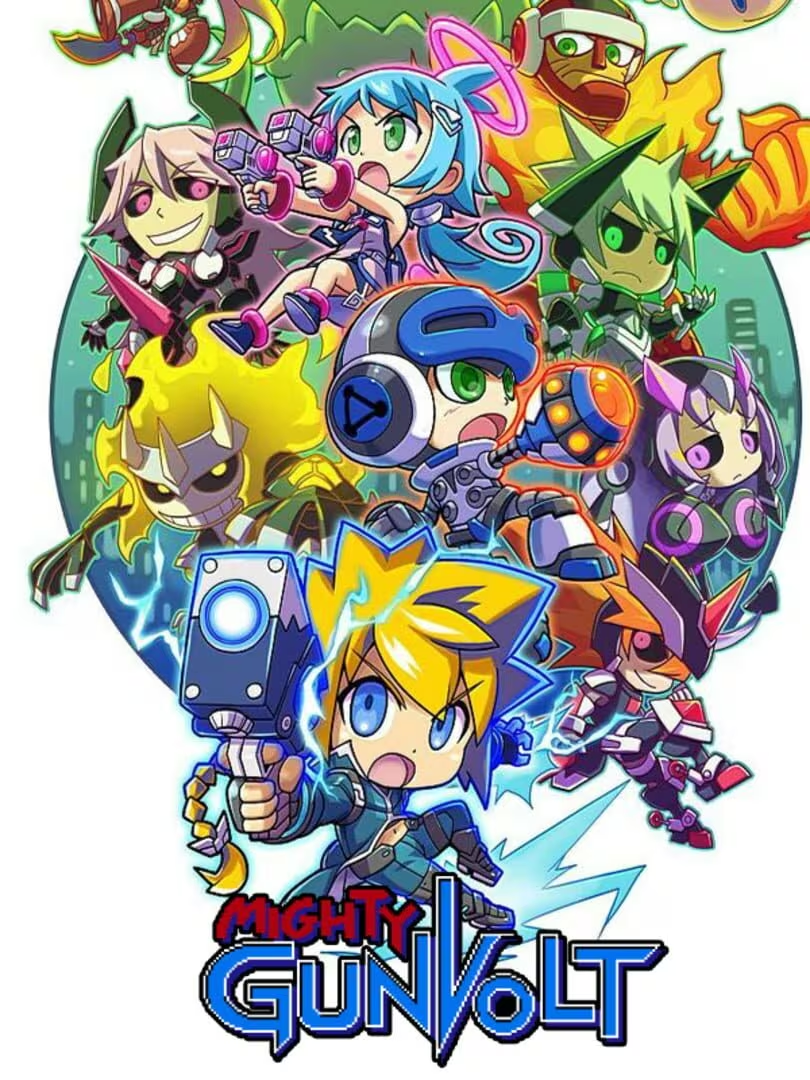
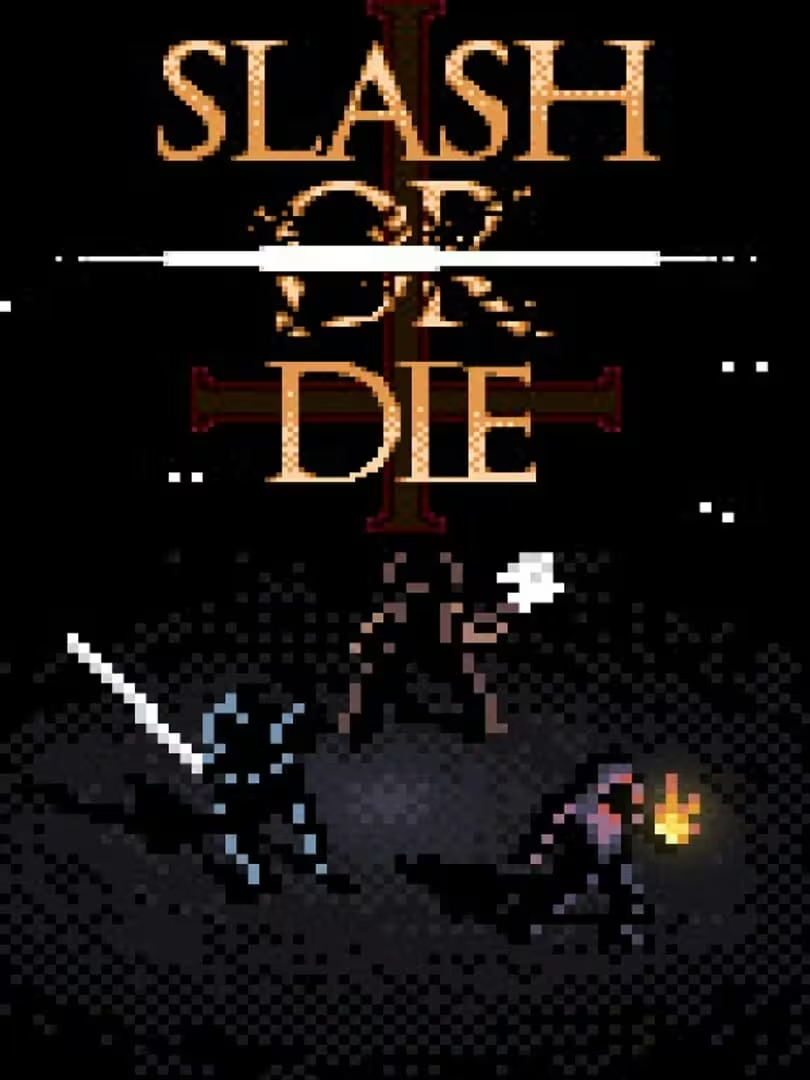
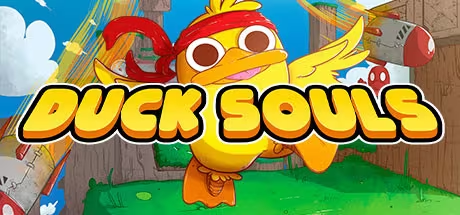
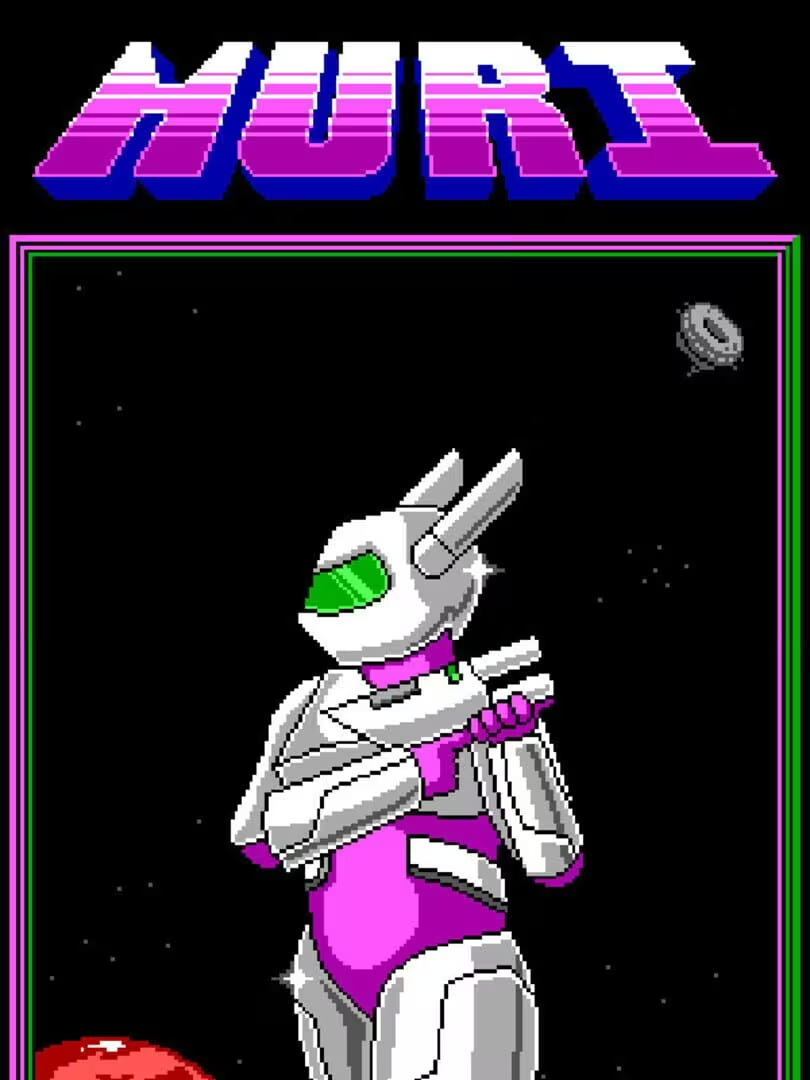
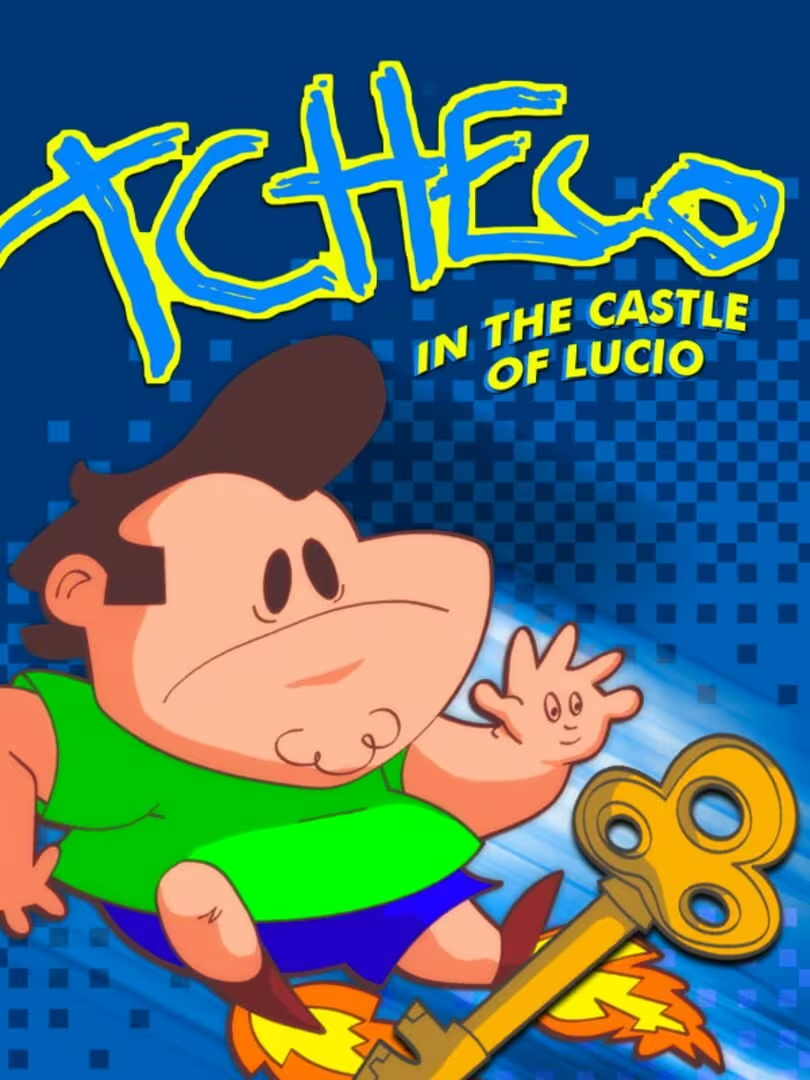
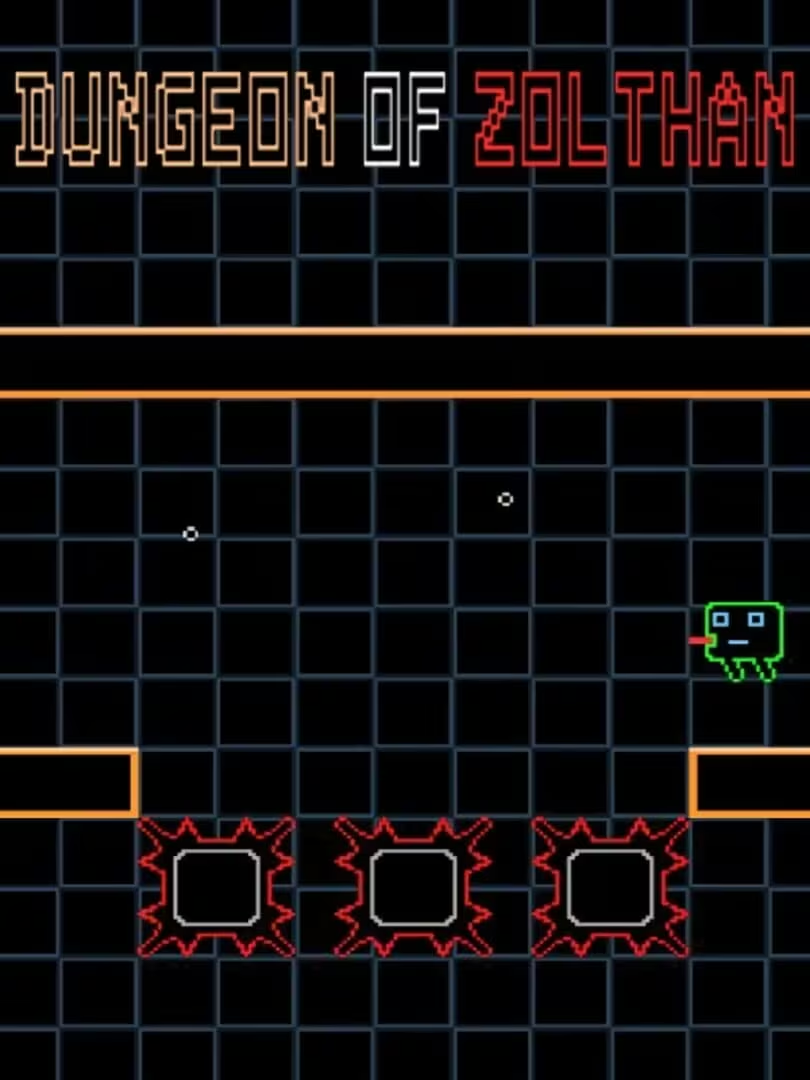
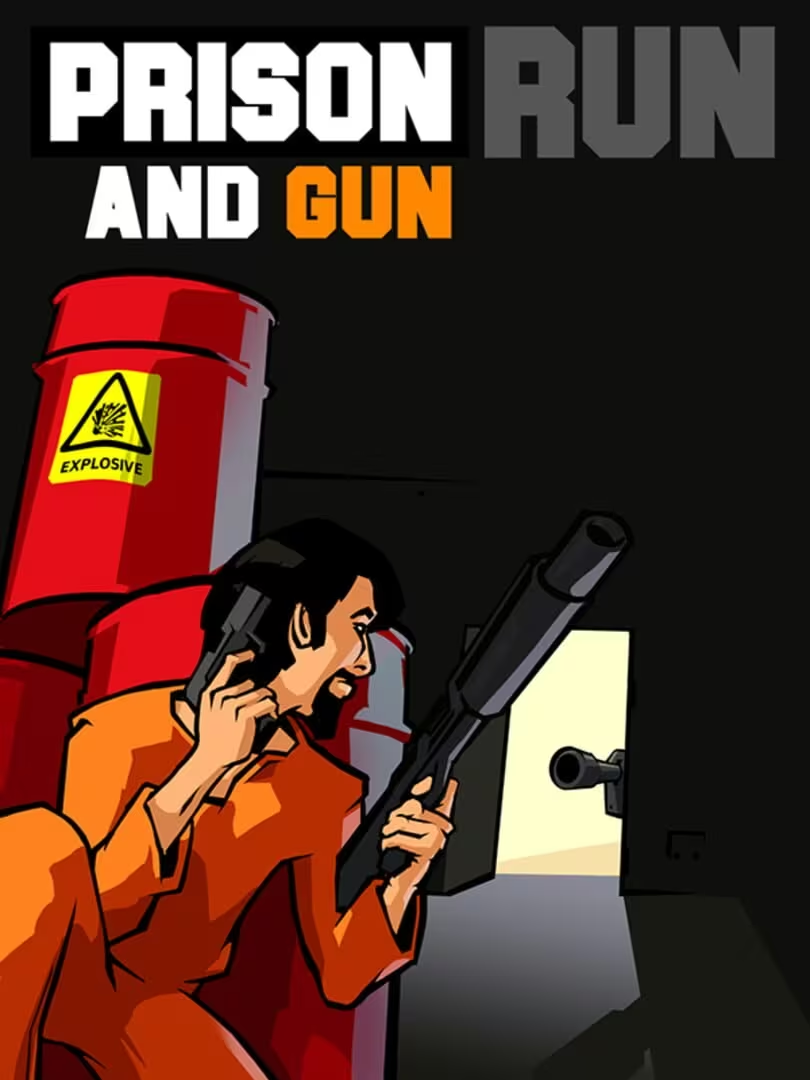
Devolver Bootleg contains eight original rip-offs of Devolver Digital games. Pay money for it now.

Global score

89/100

Genres

Action, Adventure, Casual, Indie, Sport, Shooter

Similar games

    Pros

    • Humorous and clever parody concept
    • Multiple diverse mini-games
    • Low price with good value
    • Retro nostalgic aesthetic
    • Some fun and challenging gameplay

    Cons

    • Clunky controls and stiff mechanics
    • Lack of save or progress features
    • Short and repetitive gameplay
    • Limited multiplayer appeal
    • Some games frustrating or unpolished

    Analysis

    A very typical example of its motivational profile. Motivations that often define this kind of title include Creativity, Exploration, Expression, Story. Here, the score leans higher than usual among comparable games on Cooperation, Fellowship, Fantasy.

    How to use the graph
    Similar games map

    Each dot is a game. They are arranged from the same motivation profile as in the “Motivations” section below. Closer dots usually mean more similar reasons to play (exploration, competition, relaxation, etc.)—not that one game is “better” than another.

    • Larger dot with a light outline: the game you are viewing.
    • Colour: groups of games with comparable motivation patterns (statistical clusters).
    • Hover a dot to see the game name; click to open its page.
    • Scroll or double-click the chart to zoom out and see more games.

    Why don’t the axes read like a score? This view uses t-SNE: it only keeps who is close to whom. The scales are not “good to bad” or hours played—they separate groups on the map. Read distance between dots, not the axis numbers.

    Motivations

    • Autonomy
      3

      "Players can choose among multiple mini-games and decide how to approach each, though each game has limited controls and fixed mechanics."

    • Competence
      2

      "Games offer some skill-based challenges and difficulty, but many are short and repetitive with limited depth."

    • Competition
      1

      "Some games have score-chasing and multiplayer modes, but overall competition against others is limited."

    • Continuation
      1

      "Players may engage in repeated short sessions or score grinding, but games are generally brief and some players lose interest quickly."

    • Cooperation
      2

      "Two of the eight games support local multiplayer cooperation or competition, but most are single-player experiences."

    • Creativity
      -2

      "Games mostly follow predefined retro-style mechanics and levels with minimal player-driven creation or modification."

    • Domination
      -3

      "Interactions are balanced or limited; no evidence of exerting control or superiority over others."

    • Escapism
      3

      "Players use the game as a fun distraction and nostalgic escape with humorous and absurd content."

    • Expectation
      -4

      "Engagement is voluntary and driven by personal interest or humor appreciation rather than obligation."

    • Experimenting
      1

      "Some players explore different mini-games and mechanics, but overall gameplay is constrained and repetitive."

    • Exploration
      -3

      "Games mostly feature fixed levels or arenas with limited discovery or new area exploration."

    • Expression
      -4

      "Minimal customization or personalization options; players use preset characters and visuals."

    • Fantasy
      3

      "Games are stylized retro demakes with fictional settings and exaggerated scenarios, though grounded in game parody."

    • Fellowship
      1

      "Some social play possible in multiplayer games, but most experiences are solitary."

    • Growth
      1

      "Players can improve skills and learn game patterns, but limited depth restricts long-term growth."

    • Health
      -5

      "No physical activity involved; typical sedentary video game play."

    • Idle
      -3

      "Games require focused attention and active input; not designed for passive or background play."

    • Intimacy
      -4

      "Limited social interaction; multiplayer is local only and no evidence of close relationships forming."

    • Leadership
      -5

      "No leadership or group management roles; gameplay is individual or casual multiplayer."

    • Progression
      2

      "Some games feature score accumulation, upgrades, or achievements, but overall progression is limited and short-term."

    • Relaxation
      1

      "Some players find the games fun and amusing, but difficulty spikes and clunky controls can cause frustration."

    • Sensation
      2

      "Retro visuals and chiptune audio provide sensory stimulation and nostalgic enjoyment."

    • Status
      -3

      "No strong social recognition or status systems; achievements exist but are mostly personal."

    • Story
      -1

      "Minimal narrative; some games have light or humorous story elements but mostly context-free gameplay."

    • Strategy
      1

      "Some games require planning and pattern recognition, but overall mechanics are simple and arcade-like."

    • Thrill
      1

      "Some challenge and tension present, but mostly predictable and controlled gameplay."

    • Value
      3

      "Players perceive good value due to low price and multiple games included."

    • Violence
      2

      "Games include combat and shooting mechanics, though stylized and cartoonish rather than graphic."

    • Survival
      1

      "Some games involve avoiding death or failure, but stakes are low and consequences limited."

    Last update: 29/04/2026