Retro Game Crunch Thumbnail

Retro Game Crunch similar games & best alternatives
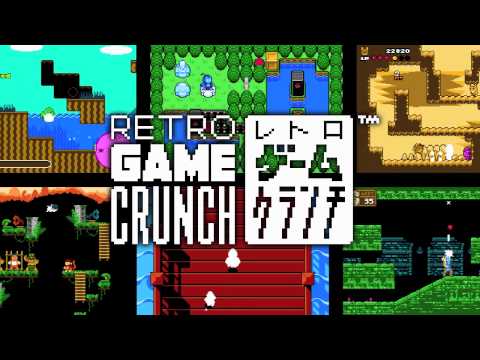
Retro Game Crunch

PC (Microsoft Windows), Mac • 2014

Related articles

Quick resume

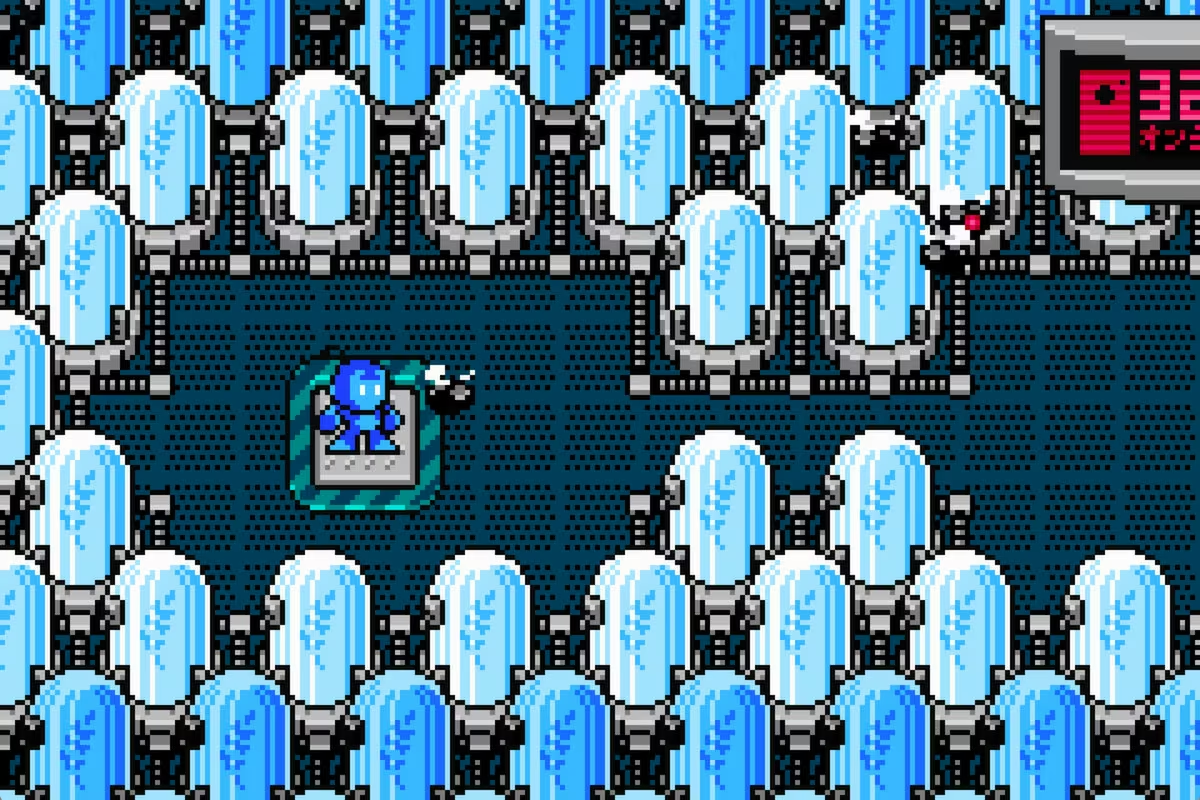
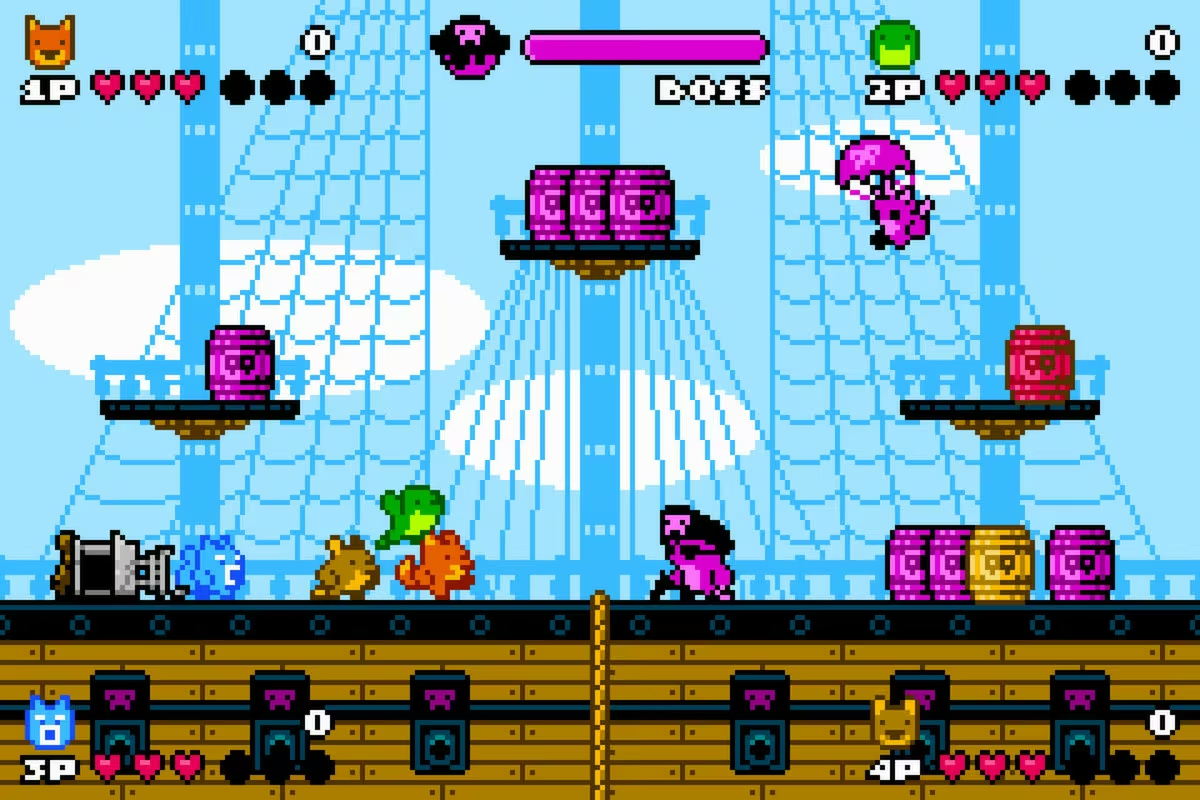
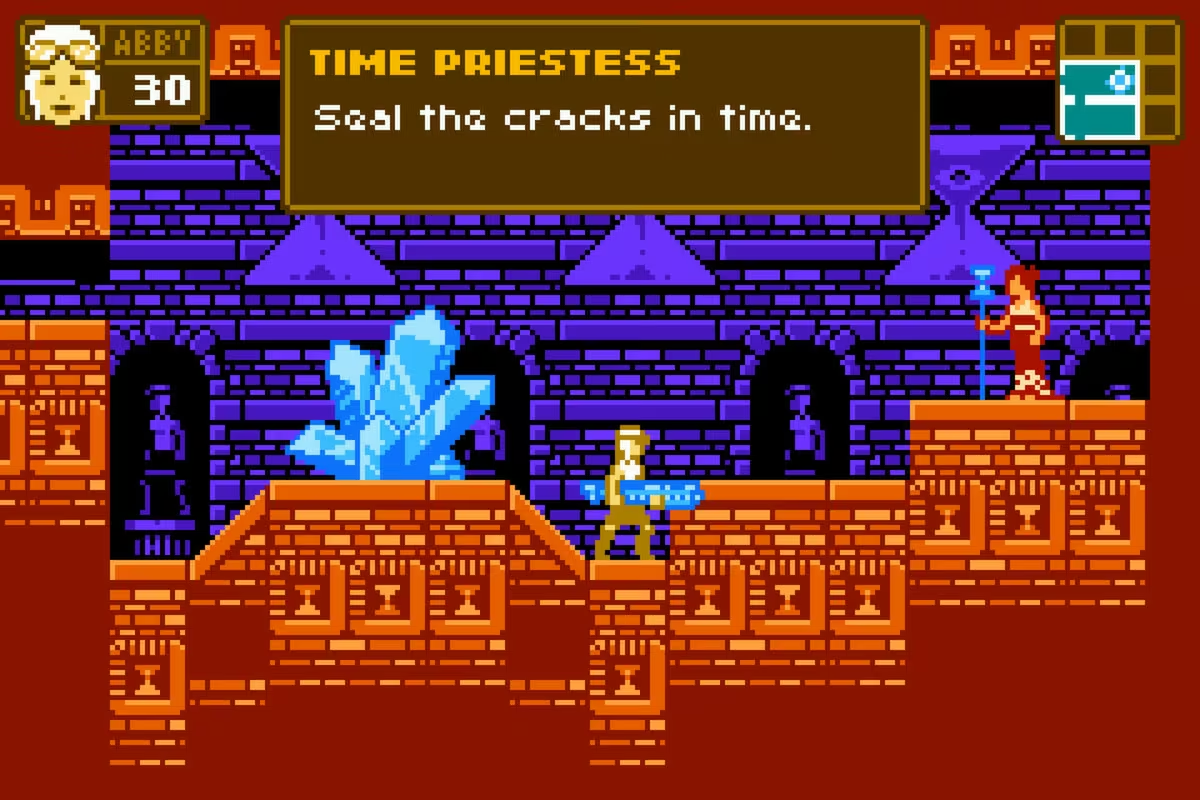
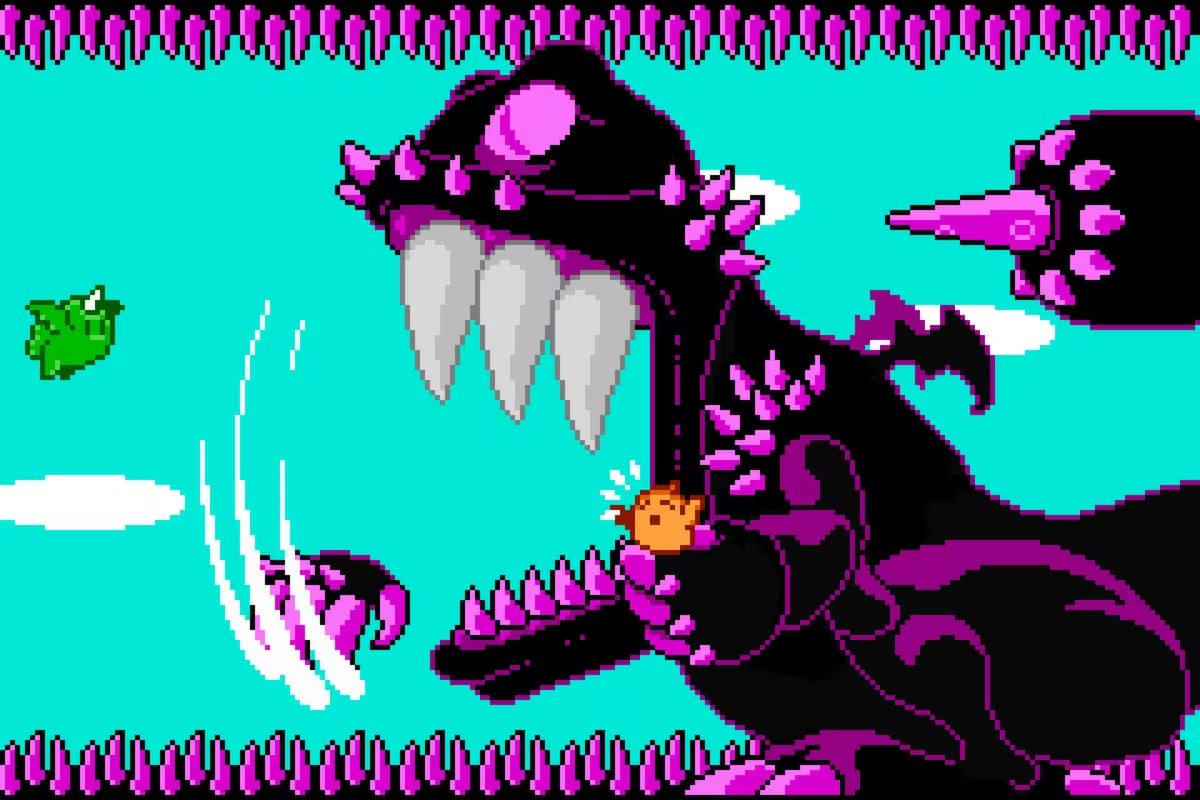
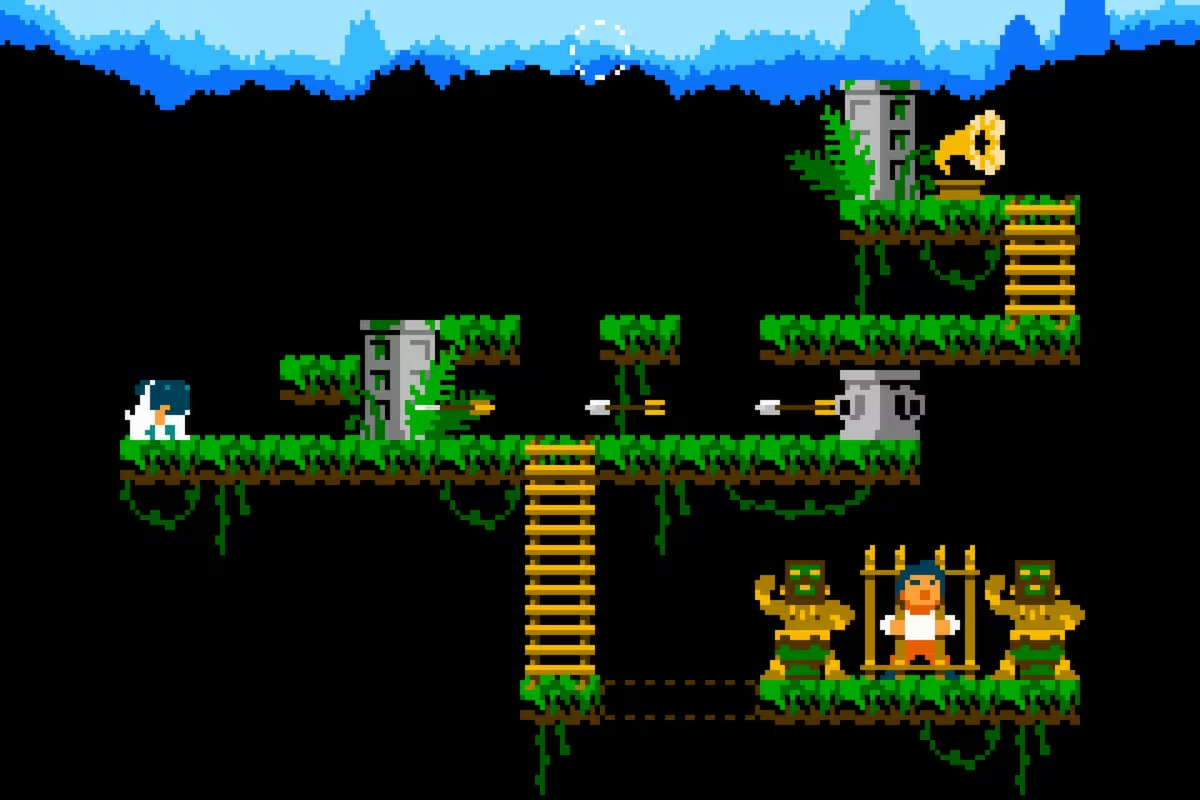
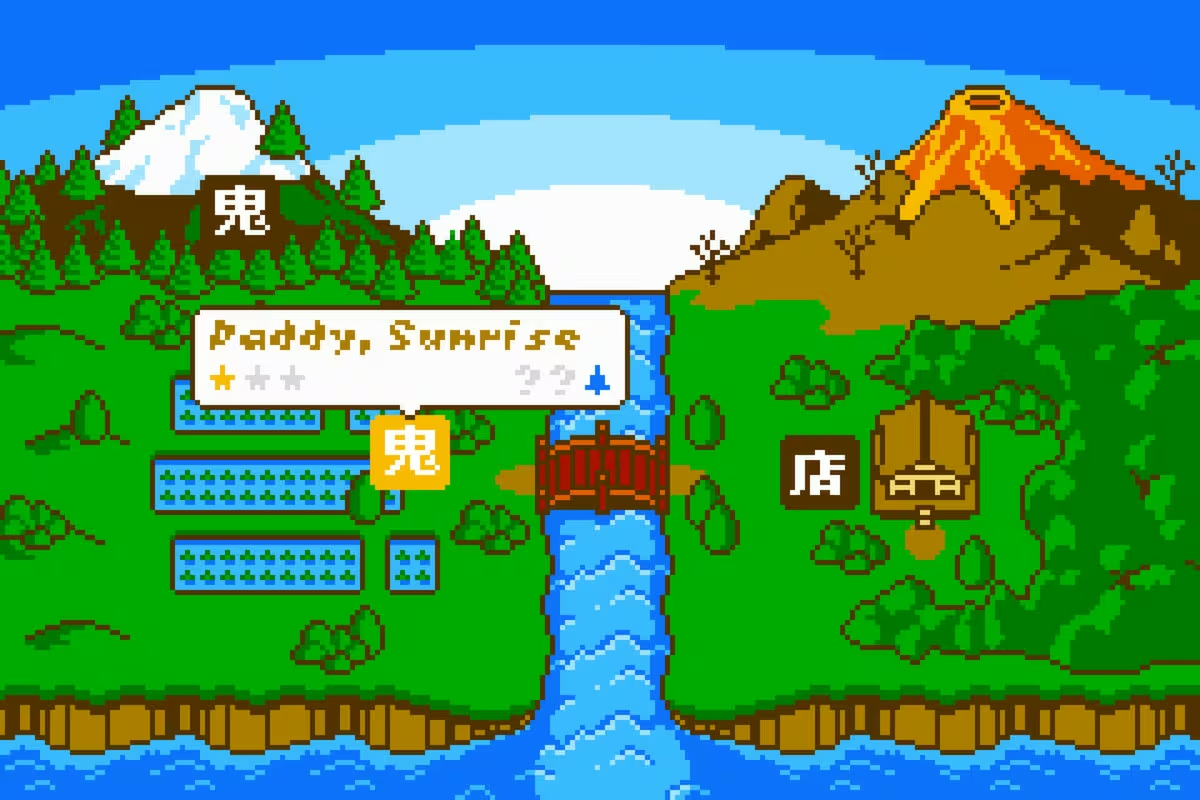
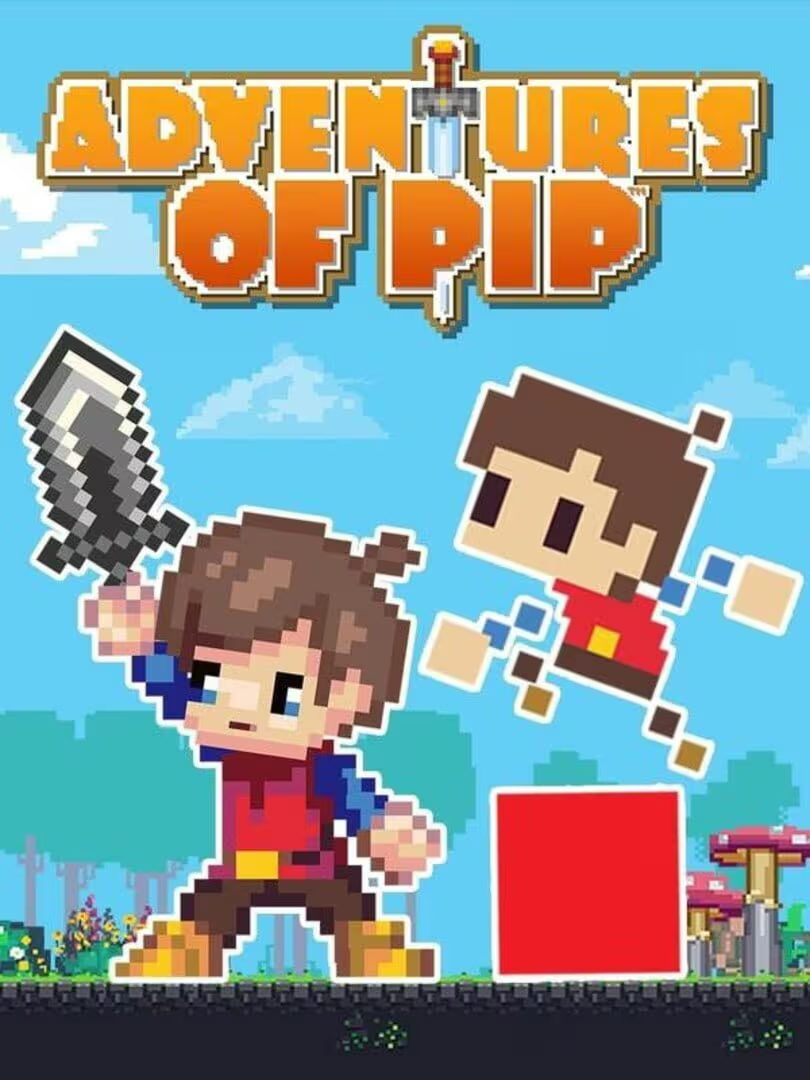
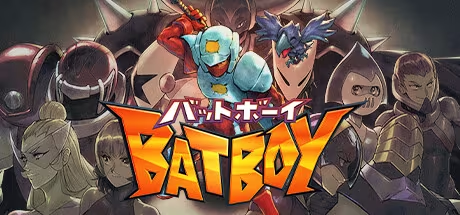
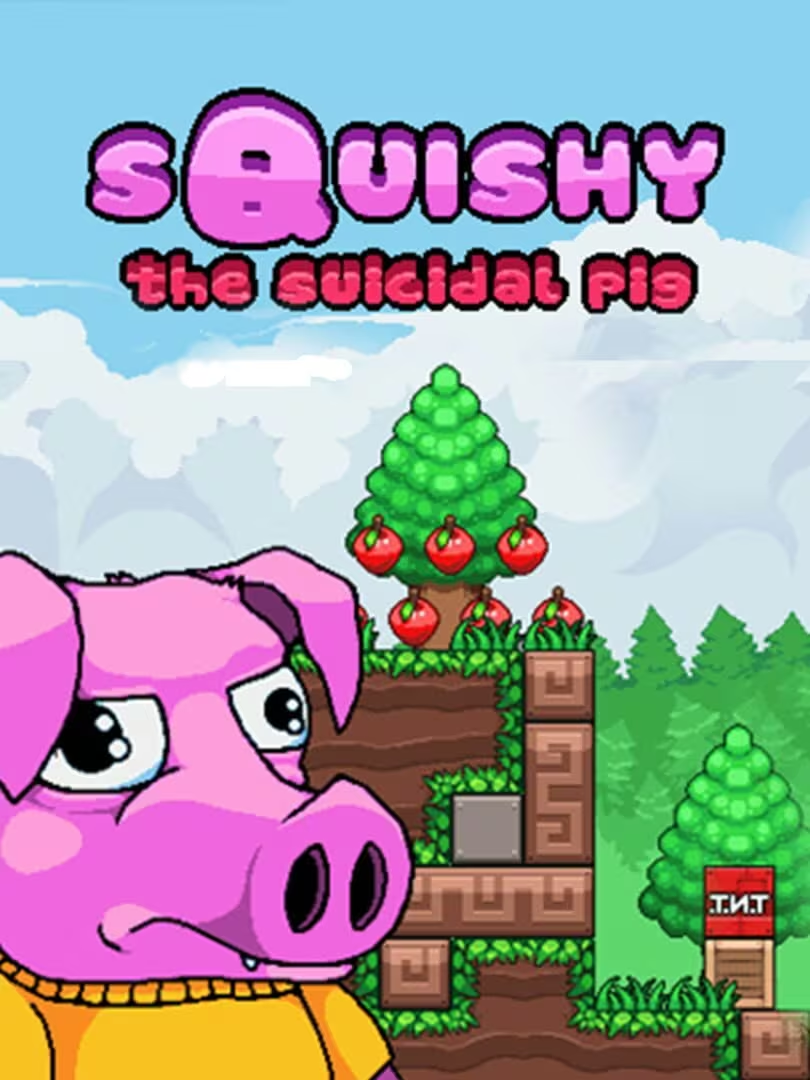
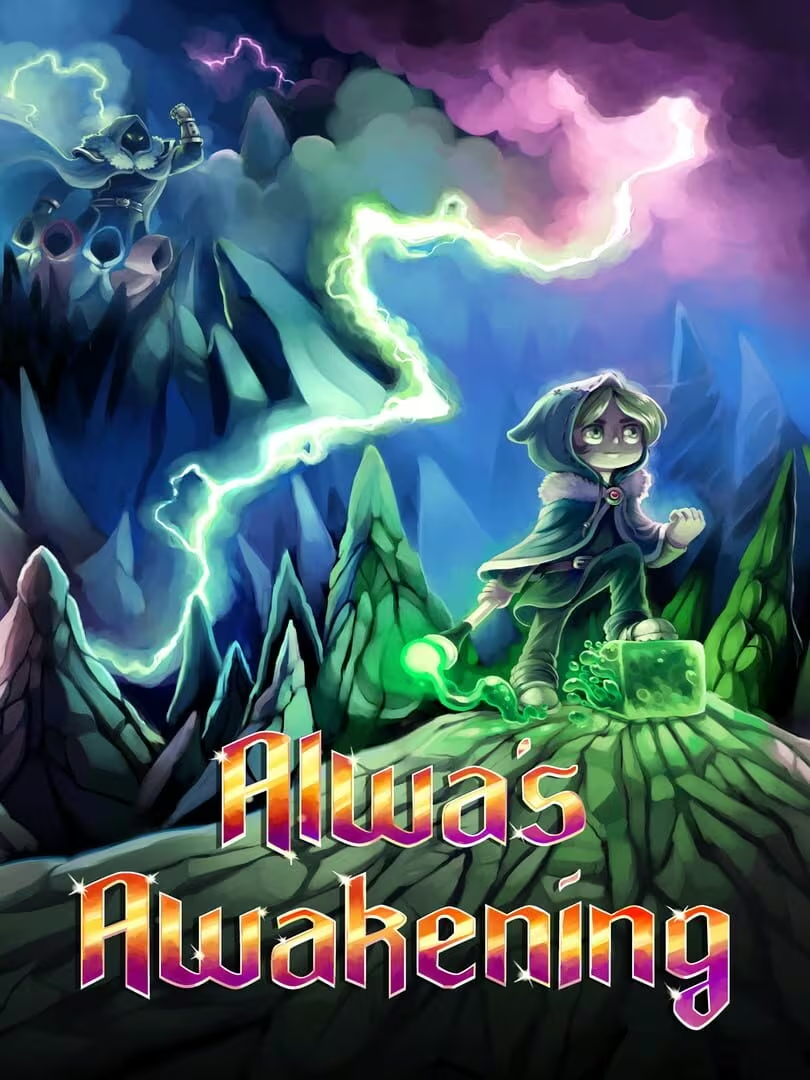
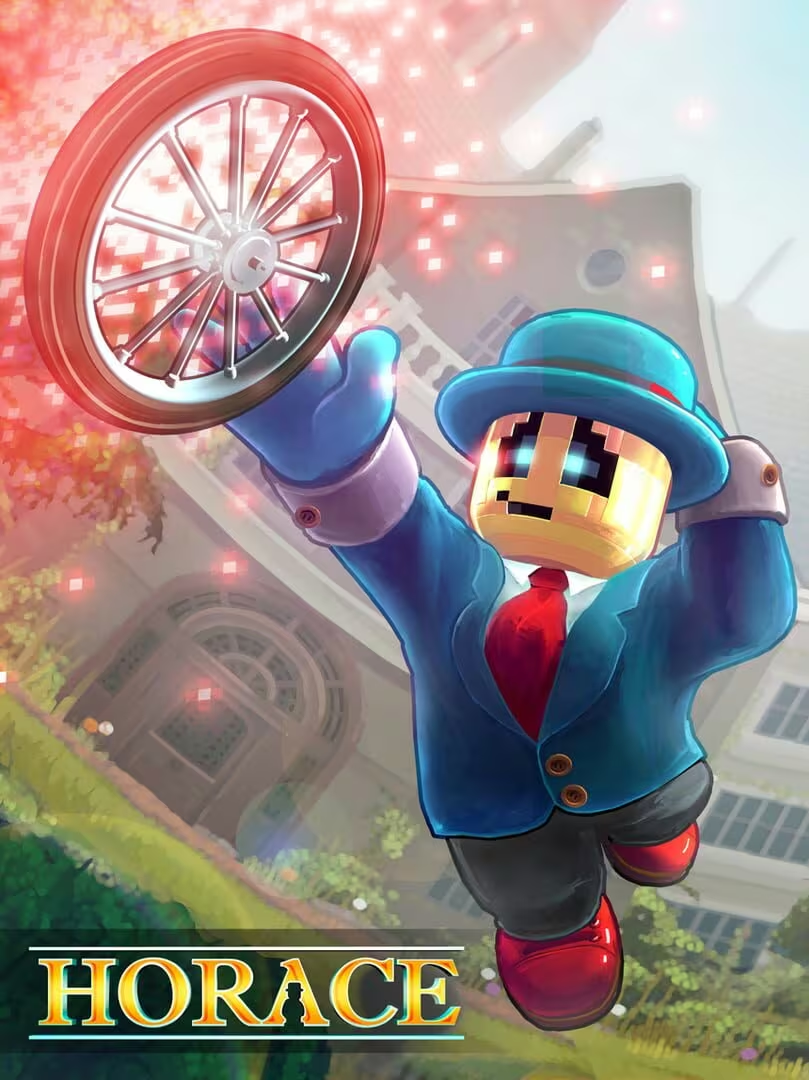
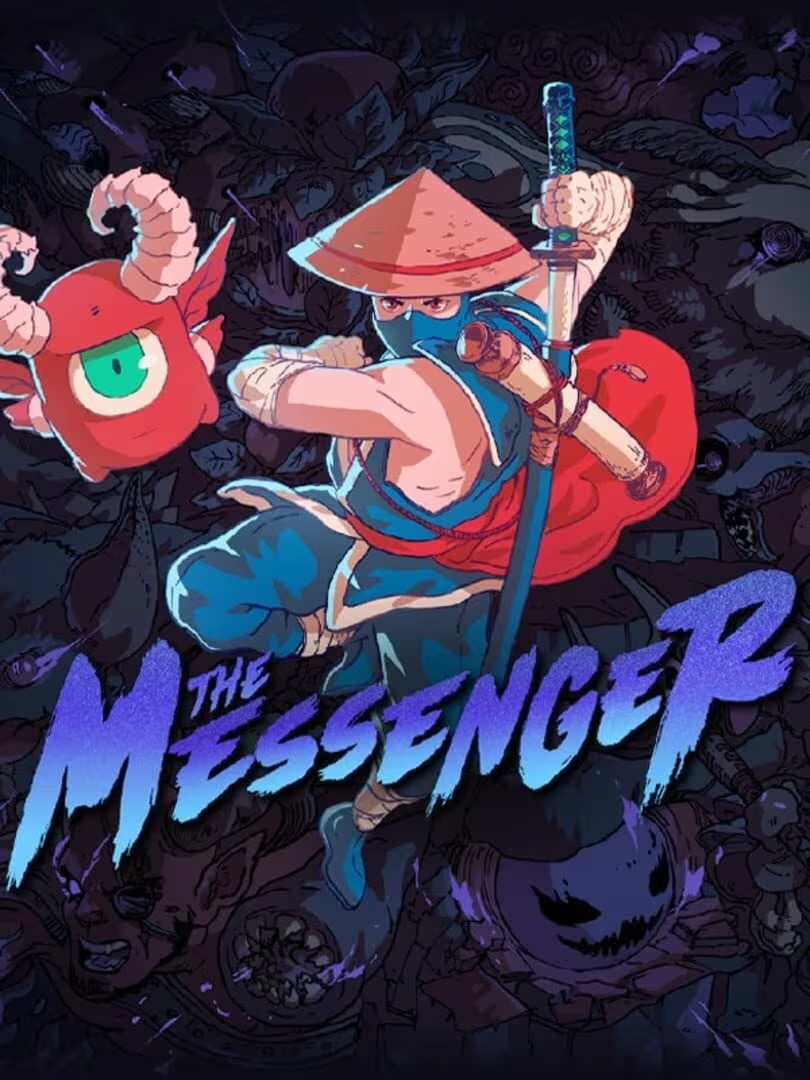
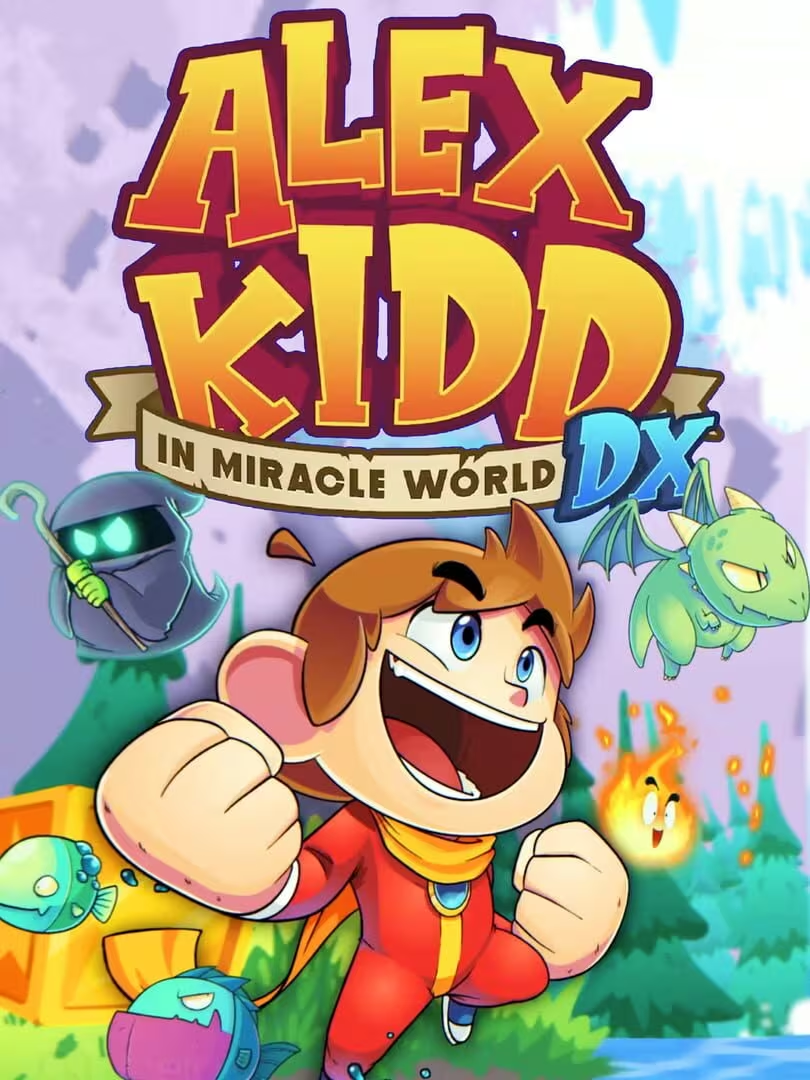
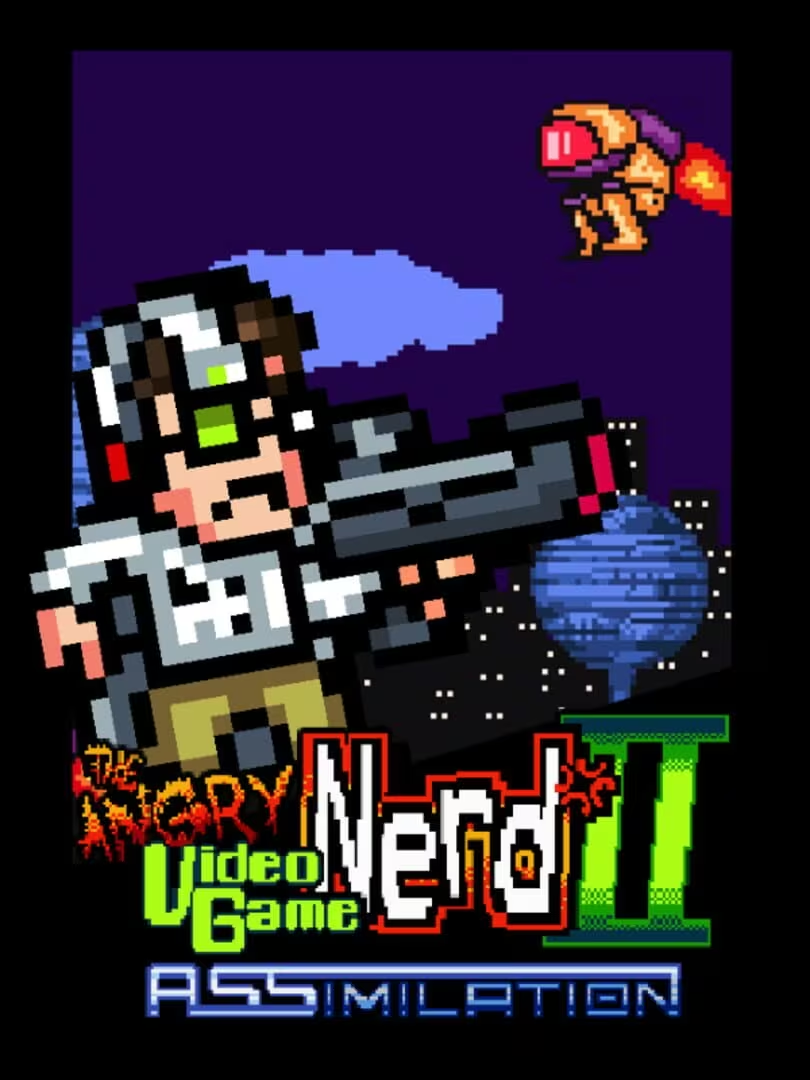
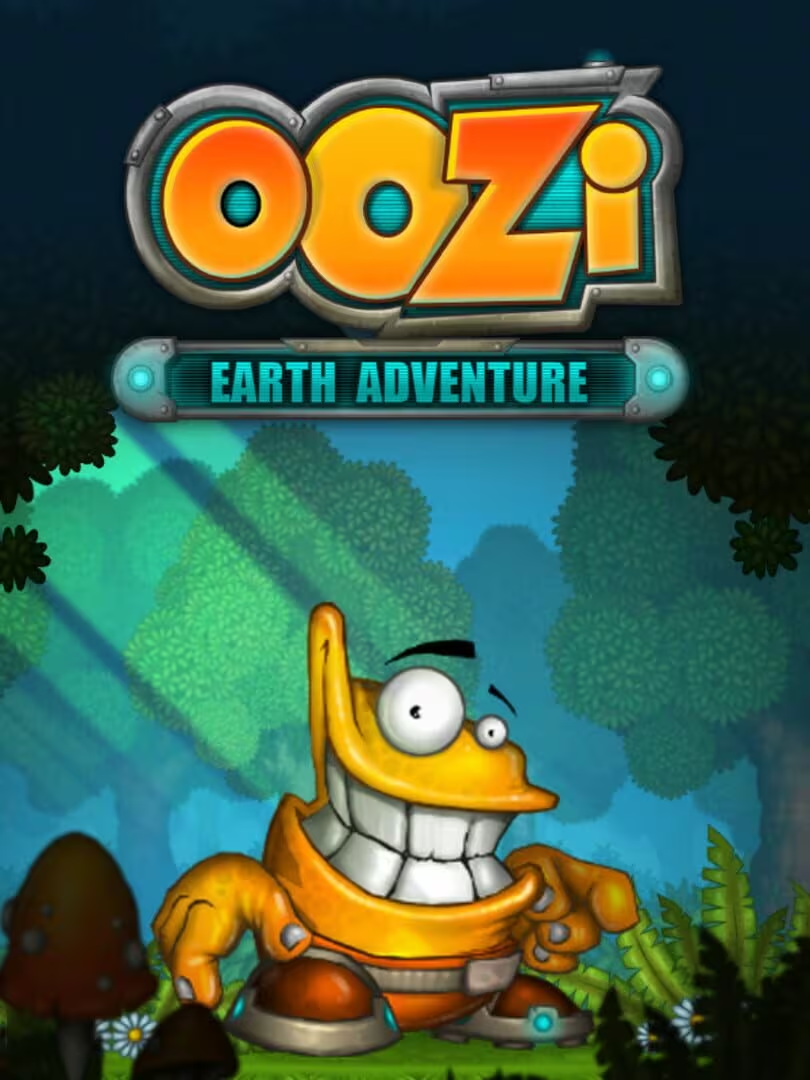
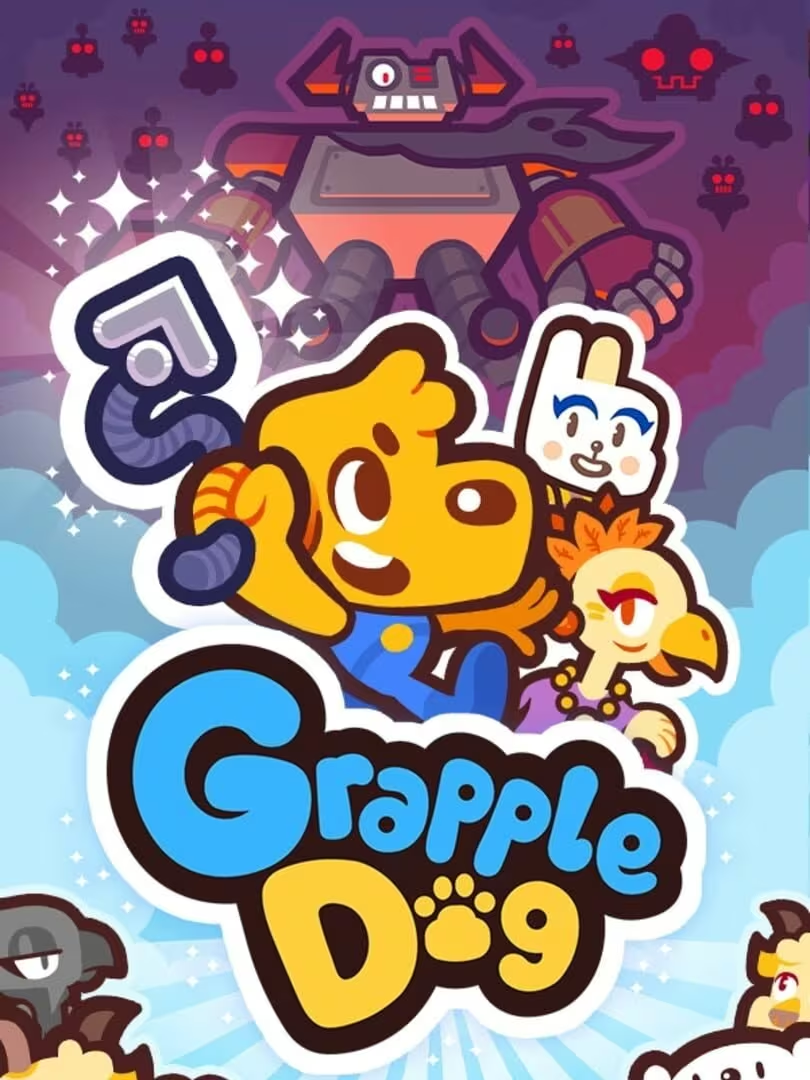
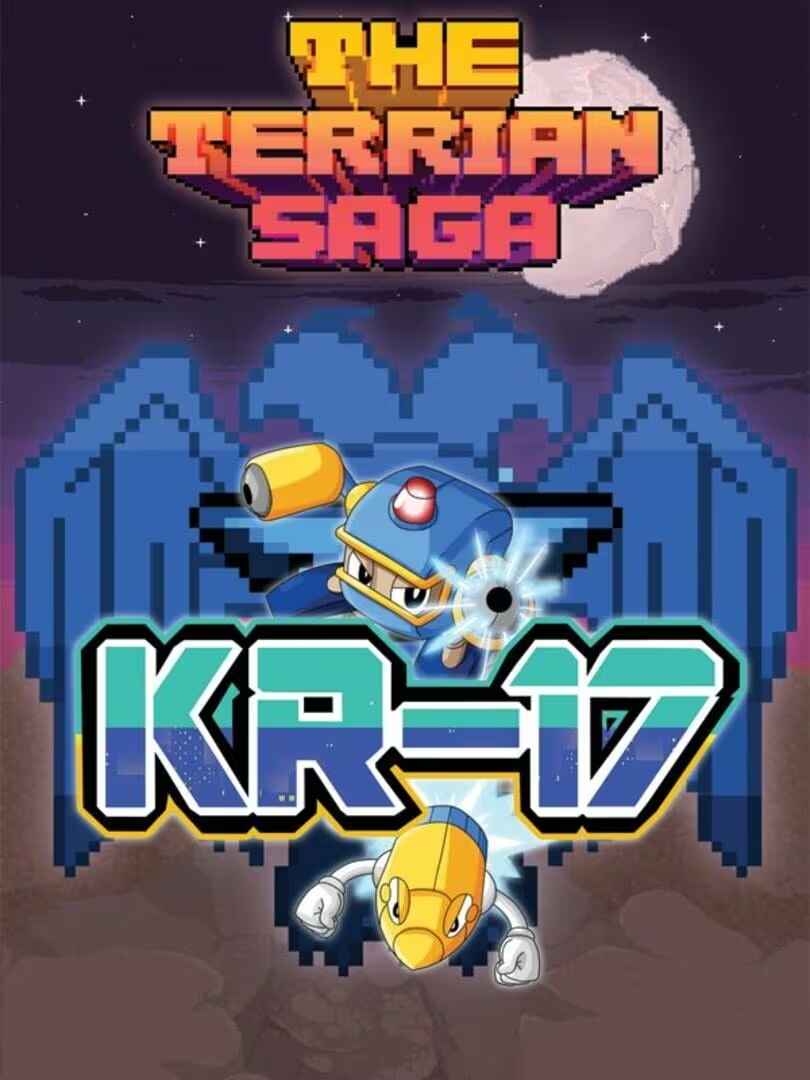
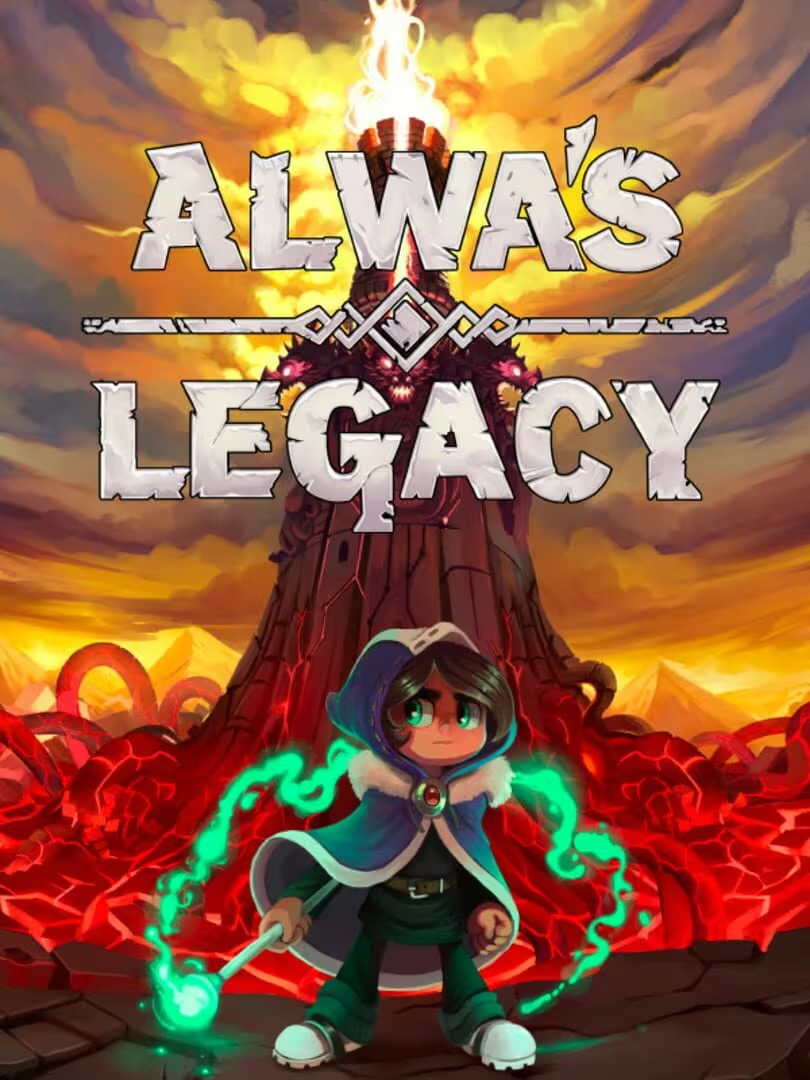
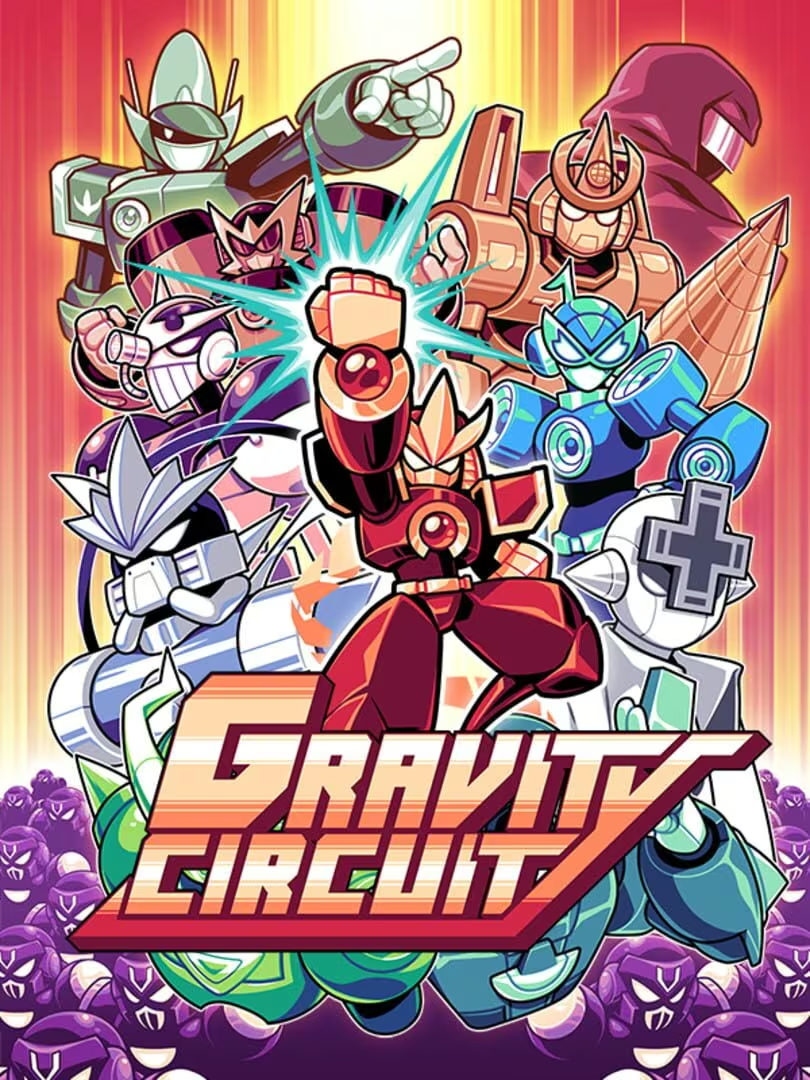
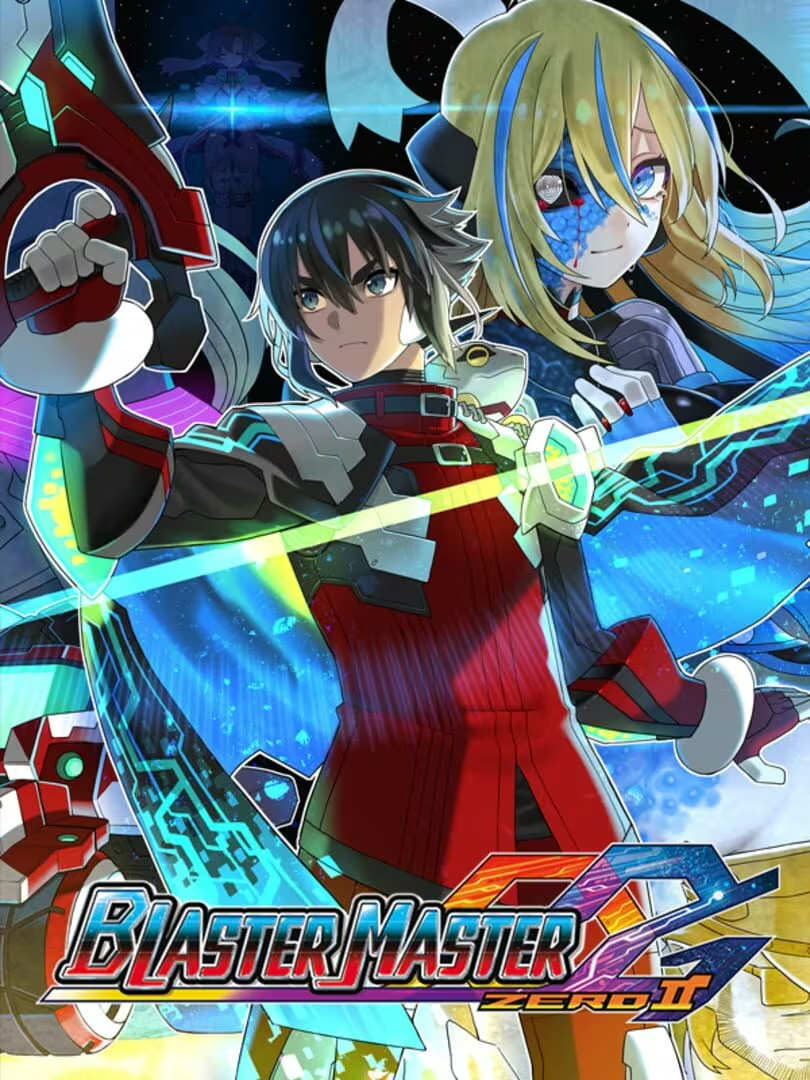
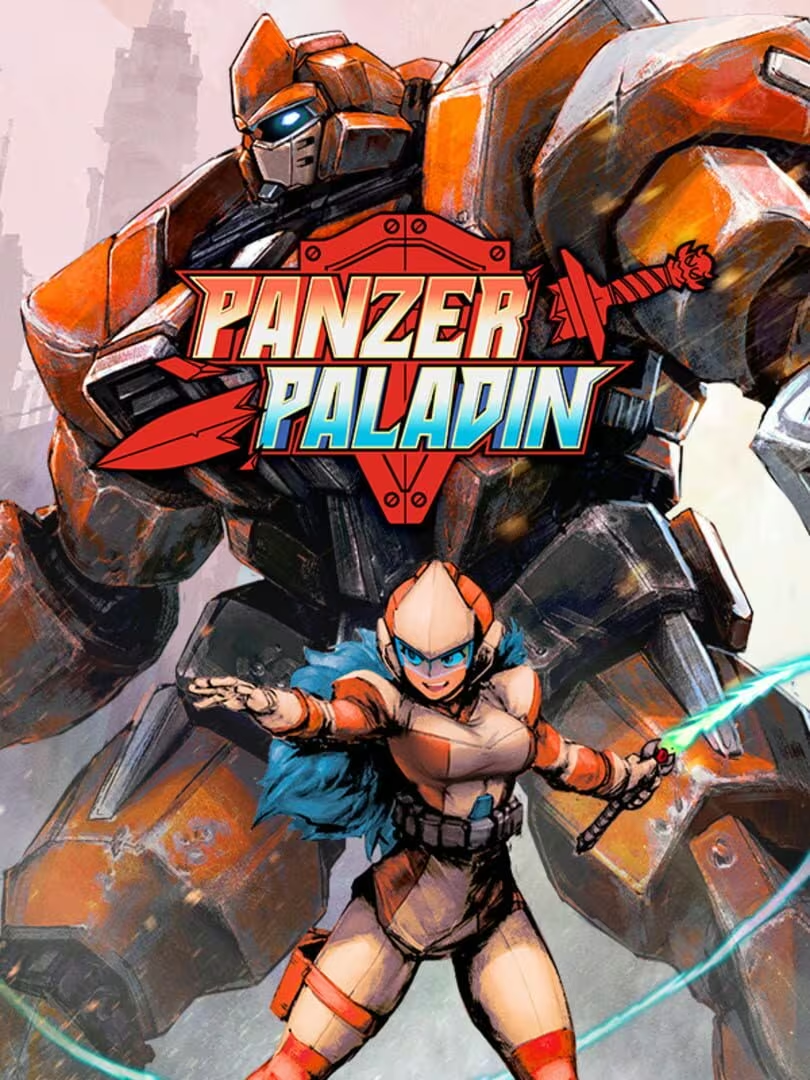
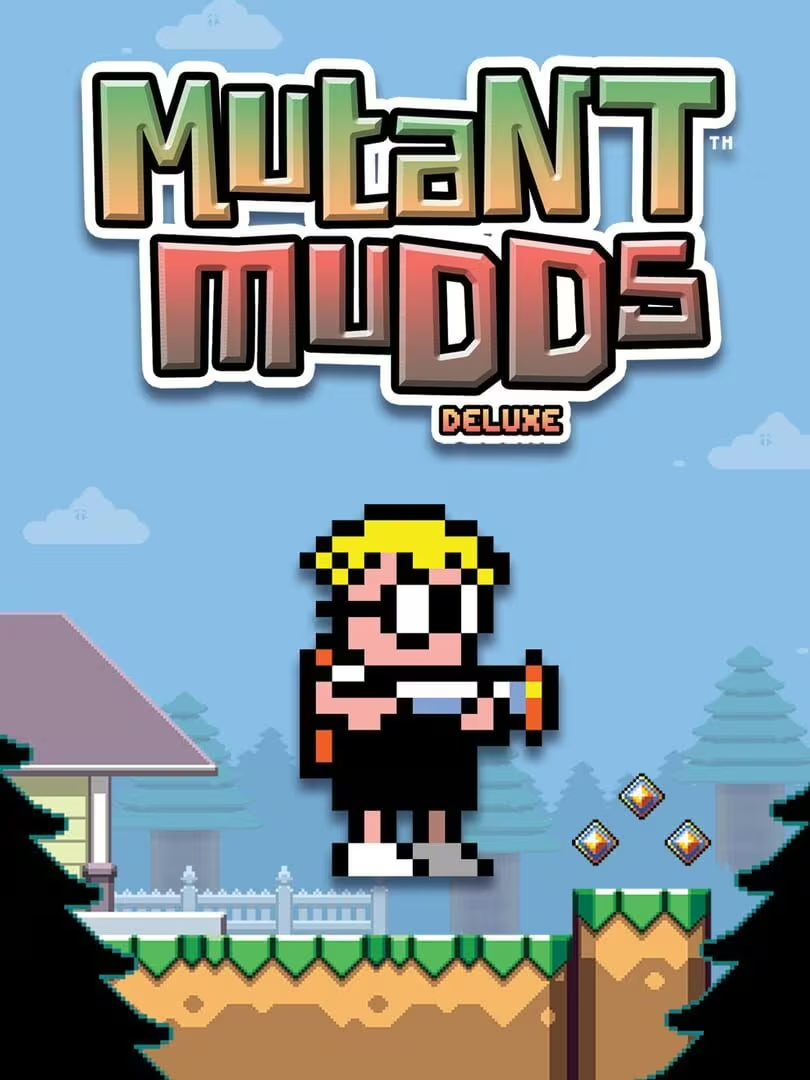
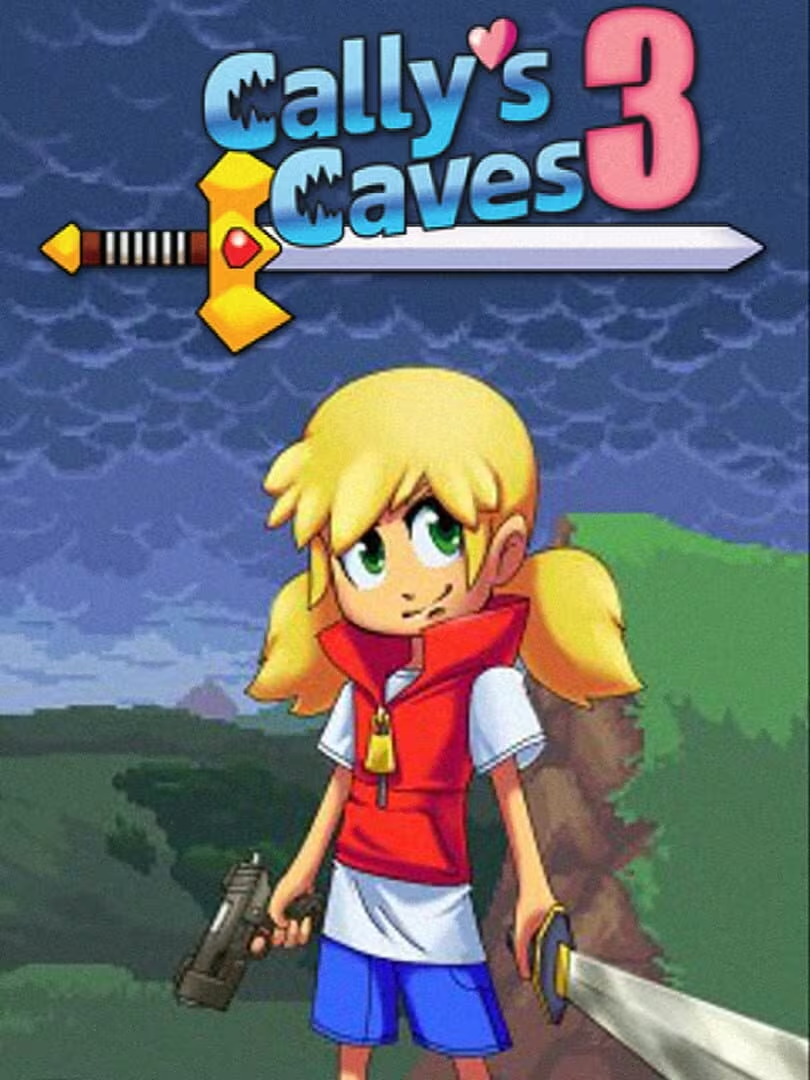
Retro Game Crunch is a series of 7 games, full of the charm and challenge of the 8-bit generation. Each world feels like an authentic NES classic. A massive genre-spanning collection.

Global score

79/100

Genres

Action, Adventure, Indie, Turn-based strategy (TBS), Platform, Hack and slash/Beat 'em up, Puzzle

Similar games

    Pros

    • Varied and creative retro-style games
    • Good local co-op multiplayer support
    • Engaging gameplay with unique mechanics
    • Nostalgic pixel art and chiptune music
    • Good value especially on sale

    Cons

    • Some games are short or lack polish
    • No online multiplayer or leaderboards
    • Controls and ui can be confusing
    • High difficulty and trial-and-error frustration
    • Limited narrative and character customization

    Analysis

    Broadly representative of its motivational profile, with a few distinct shifts. Motivations that often define this kind of title include Expression, Fellowship, Cooperation, Competition. Here, the score leans higher than usual among comparable games on Cooperation, Fellowship, Competition.

    How to use the graph
    Similar games map

    Each dot is a game. They are arranged from the same motivation profile as in the “Motivations” section below. Closer dots usually mean more similar reasons to play (exploration, competition, relaxation, etc.)—not that one game is “better” than another.

    • Larger dot with a light outline: the game you are viewing.
    • Colour: groups of games with comparable motivation patterns (statistical clusters).
    • Hover a dot to see the game name; click to open its page.
    • Scroll or double-click the chart to zoom out and see more games.

    Why don’t the axes read like a score? This view uses t-SNE: it only keeps who is close to whom. The scales are not “good to bad” or hours played—they separate groups on the map. Read distance between dots, not the axis numbers.

    Motivations

    • Autonomy
      4

      "Players can freely choose among 7 different games with distinct mechanics and styles, allowing self-directed play and exploration."

    • Competence
      3

      "Games offer a range of challenges from puzzle solving to difficult platforming and shoot-em-up gameplay, requiring skill and mastery."

    • Competition
      -2

      "Mostly single-player focused with some local co-op; limited competitive modes and no emphasis on leaderboards except in one game."

    • Continuation
      2

      "Players report engaging gameplay with some games encouraging repeated play, though some frustration with difficulty and lack of polish may limit long sessions."

    • Cooperation
      2

      "Several games support local co-op multiplayer (2-4 players), encouraging teamwork in some titles."

    • Creativity
      4

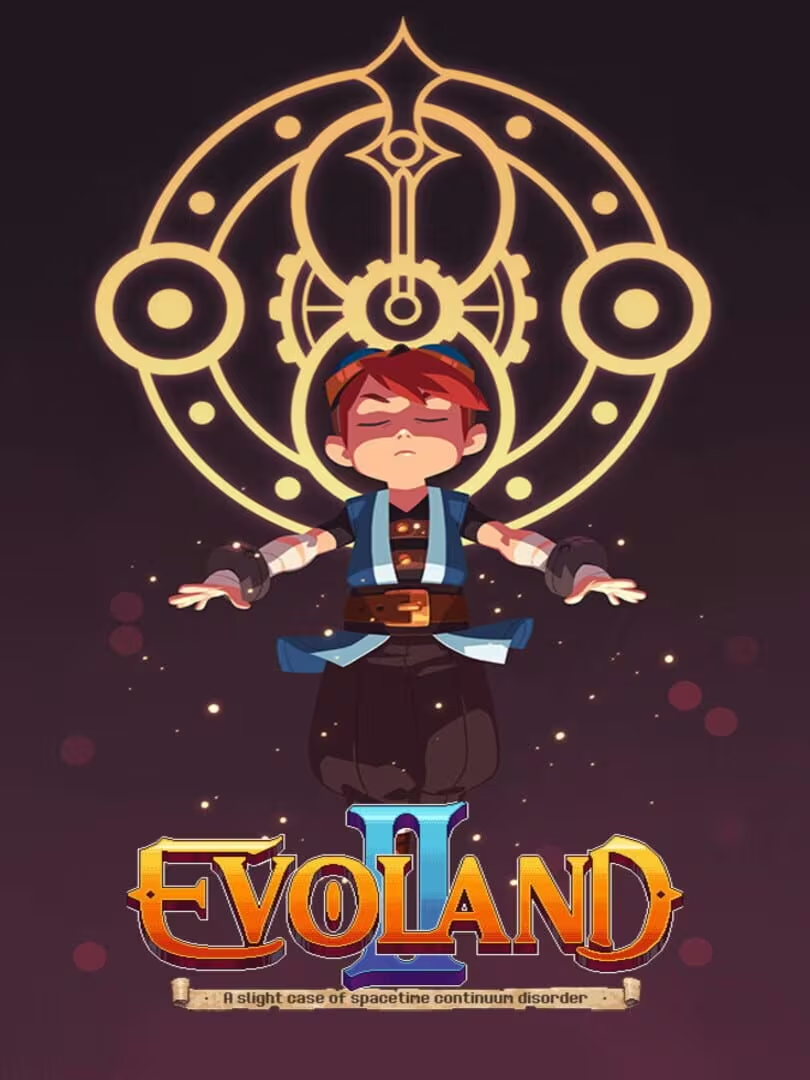
      "Each game has unique mechanics and creative twists on classic retro genres, such as evolution mechanics, time travel, and weapon stealing."

    • Domination
      -3

      "No evidence of dominance or power assertion over others; multiplayer is cooperative or equal participation."

    • Escapism
      3

      "Retro style and varied gameplay provide nostalgic escape and distraction from real life."

    • Expectation
      -4

      "Players engage voluntarily for fun and nostalgia, with no indication of obligation or external pressure."

    • Experimenting
      4

      "Players explore different game genres and mechanics within the collection, trying new gameplay styles."

    • Exploration
      3

      "Several games feature exploration elements, including open maps and time-travel mechanics encouraging discovery."

    • Expression
      -2

      "Minimal character customization or cosmetic expression; focus is on gameplay rather than avatar personalization."

    • Fantasy
      3

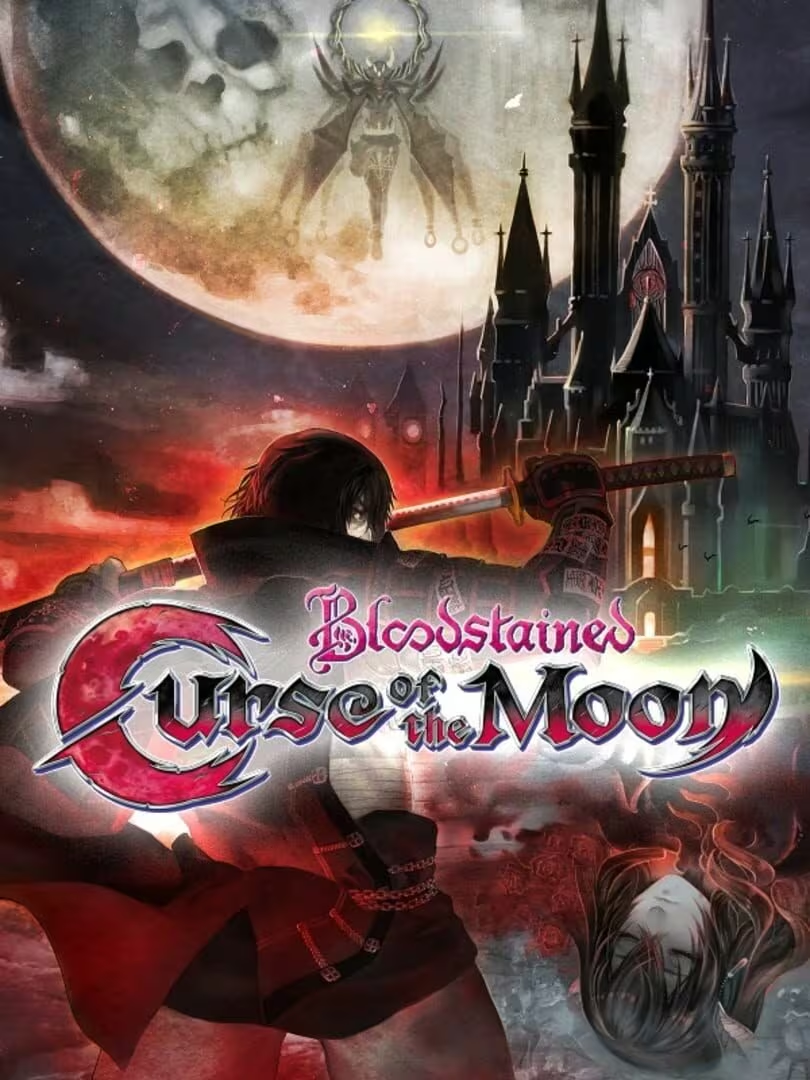
      "Games feature imaginative settings and characters, such as evolving creatures, samurai fighting demons, and robots."

    • Fellowship
      1

      "Some social interaction through local co-op, but mostly individual play experiences."

    • Growth
      3

      "Games include skill development, learning mechanics, and character progression through evolution or upgrades."

    • Health
      -5

      "No physical activity involved; purely sedentary gameplay."

    • Idle
      -3

      "Games require focused attention and active input; not suitable for passive or background play."

    • Intimacy
      -4

      "Limited social connection beyond local co-op; no evidence of close relationship building."

    • Leadership
      -3

      "No leadership or management roles; multiplayer is cooperative or equal participation."

    • Progression
      3

      "Many games feature item collection, upgrades, and character evolution as forms of progression."

    • Relaxation
      1

      "Some games provide flow and enjoyment, but overall difficulty and trial-and-error may cause frustration."

    • Sensation
      2

      "Pixel art and chiptune music offer nostalgic sensory stimulation and emotional enjoyment."

    • Status
      -3

      "No emphasis on social recognition or leaderboards; achievements and visibility are minimal."

    • Story
      2

      "Some games have light narrative elements or implied stories, but storytelling is minimal and often abstract."

    • Strategy
      2

      "Puzzle games and some platformers require problem solving and planning, though many games focus on action."

    • Thrill
      2

      "Some games offer tense moments and challenge, but overall risk and suspense are moderate."

    • Value
      2

      "Players find good value especially during sales, appreciating the quantity and quality of games for the price."

    • Violence
      1

      "Some combat and destruction in beat-em-ups and shoot-em-ups, but generally mild and stylized."

    • Survival
      1

      "Some games involve avoiding death and managing limited lives, but no deep survival mechanics."

    Last update: 29/04/2026