Divinity: Dragon Commander Thumbnail

Divinity: Dragon Commander similar games & best alternatives
Divinity: Dragon Commander

PC (Microsoft Windows) • 2013

Related articles

Quick resume

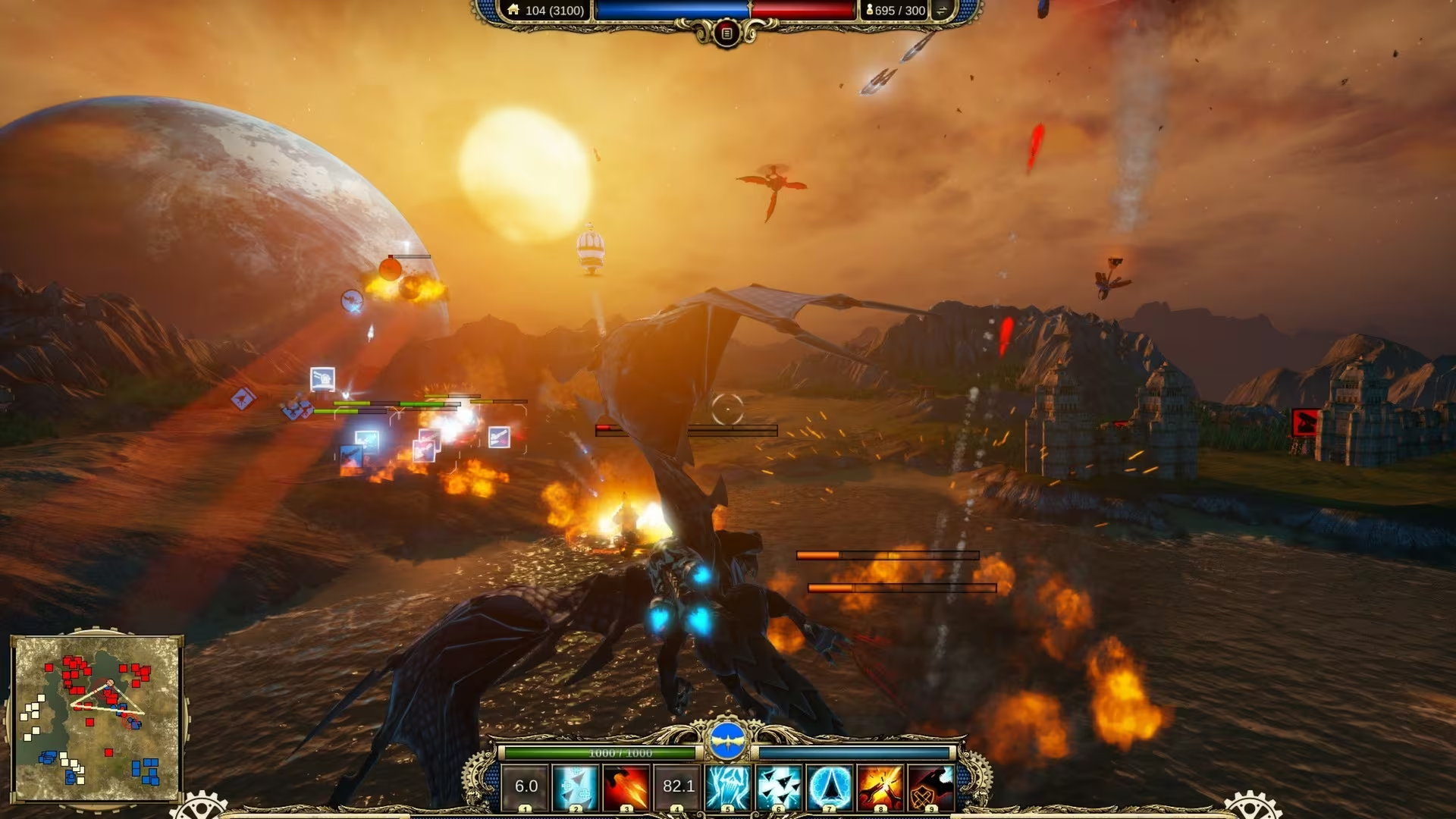
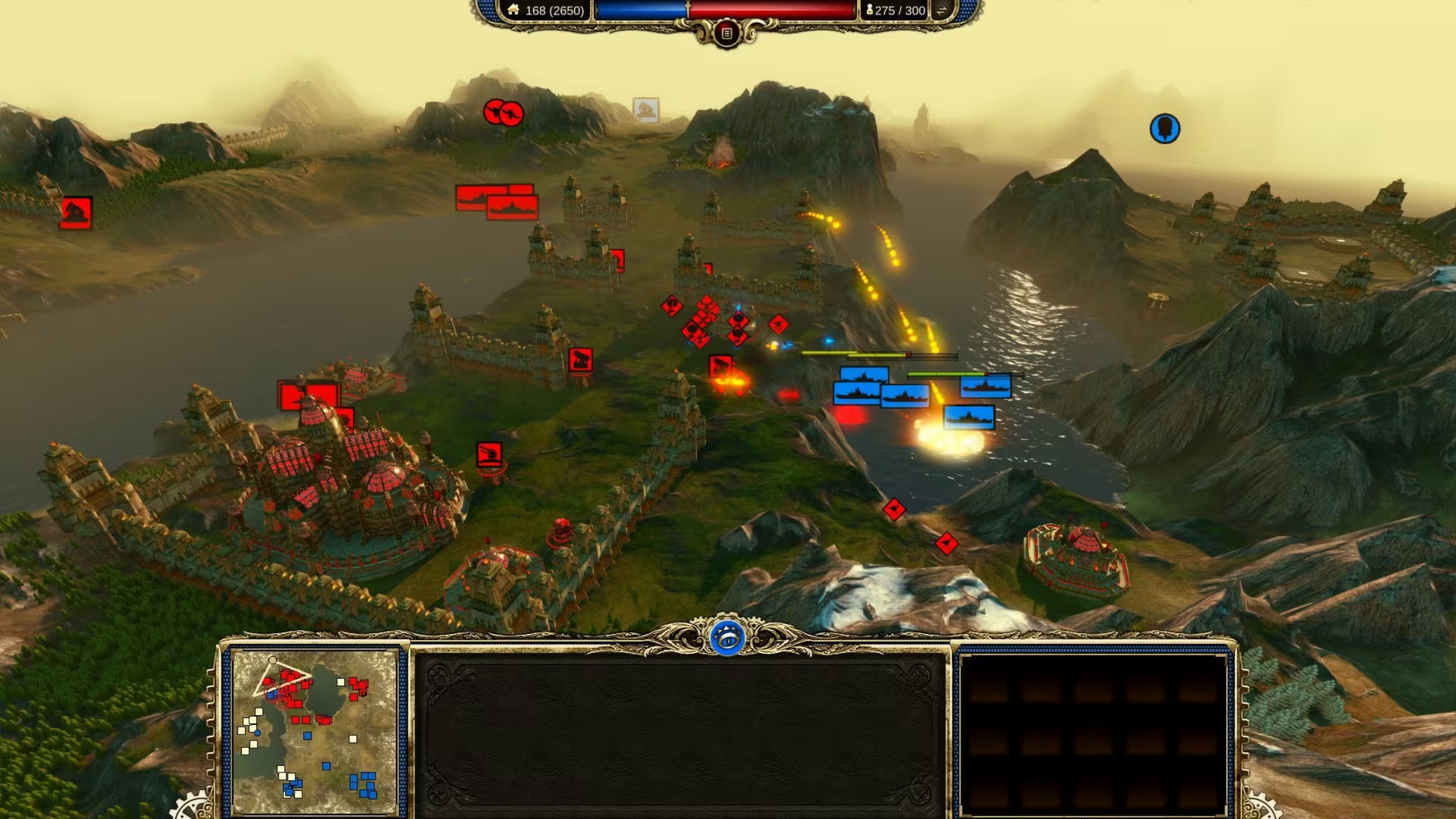
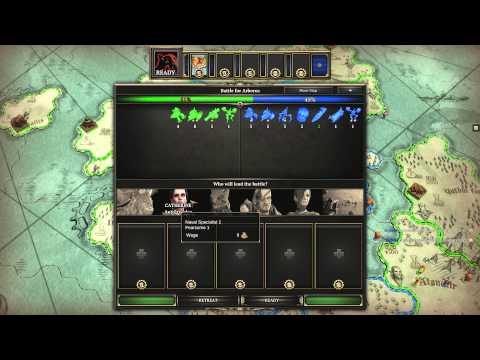
You are the Dragon Commander. Your mission it is to reunite a broken empire and become the new emperor. Success depends entirely on your ability to efficiently rule your empire, build invincible armies and lead them to victory.

Global score

74/100

Genres

Action, Role-playing (RPG), Strategy, Turn-based strategy (TBS), Real Time Strategy (RTS)

Similar games

    Pros

    • Unique blend of rts, rpg, and political simulation
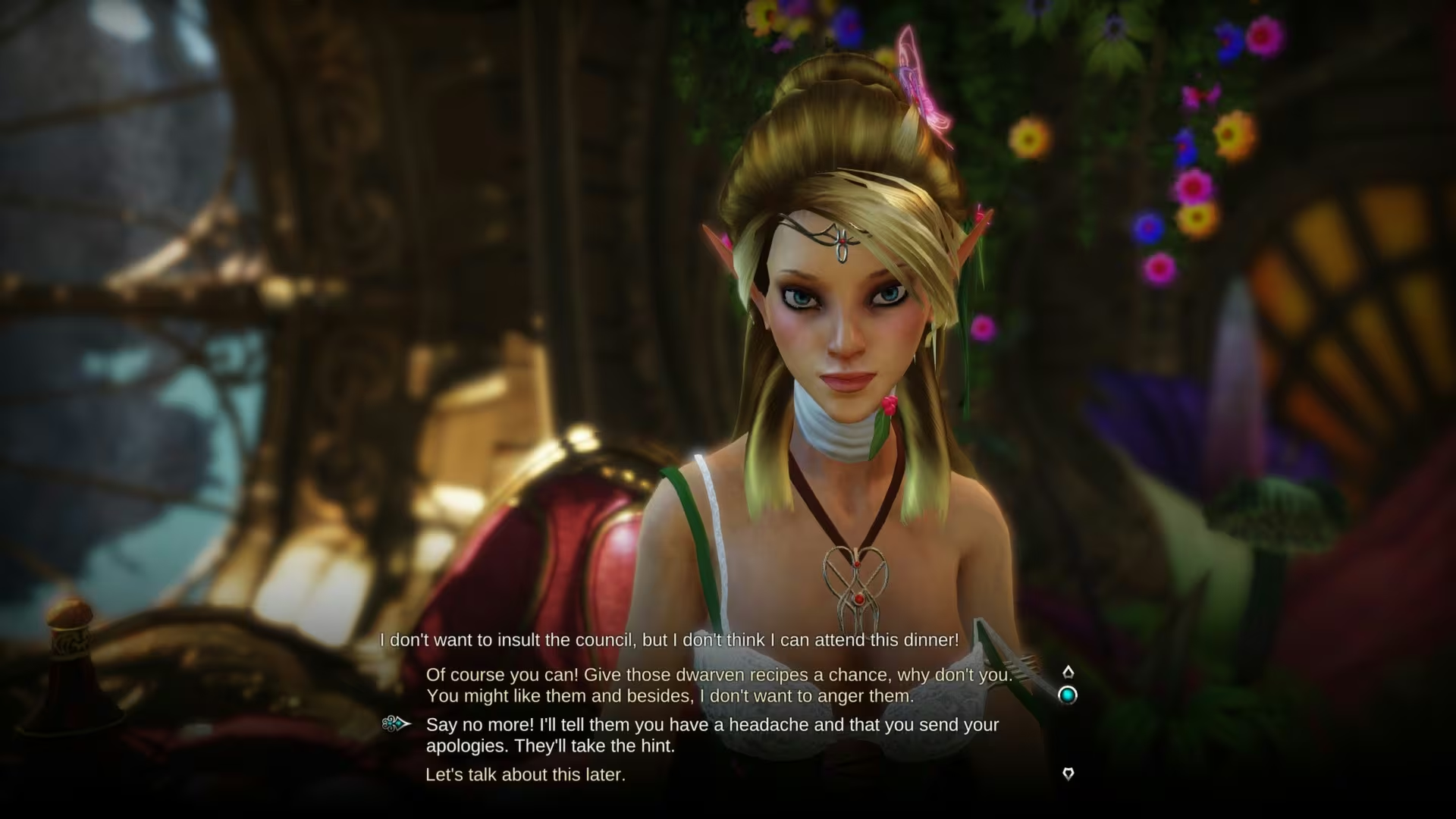
    • Engaging political decisions and character interactions
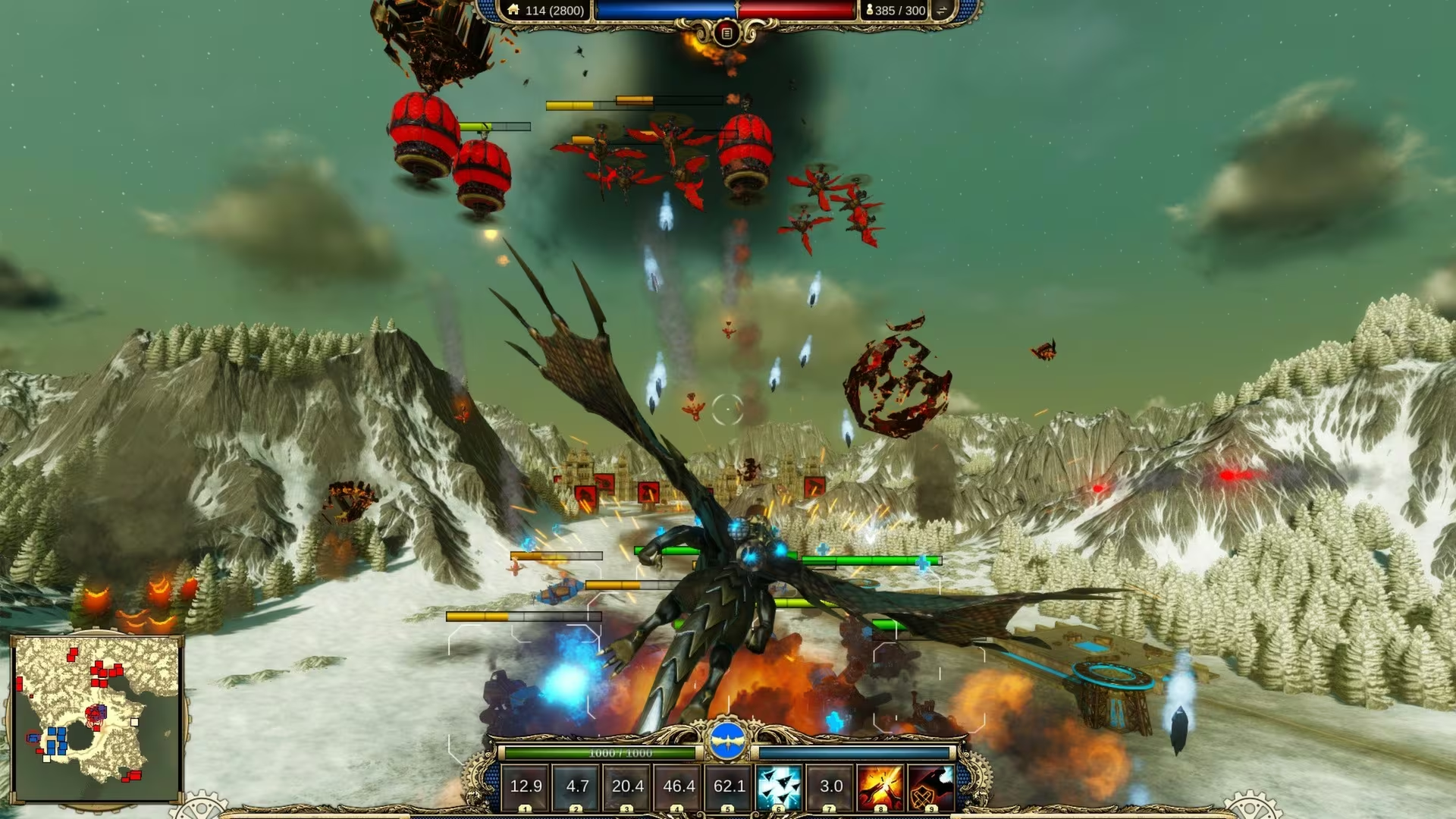
    • Fun dragon combat with jetpack
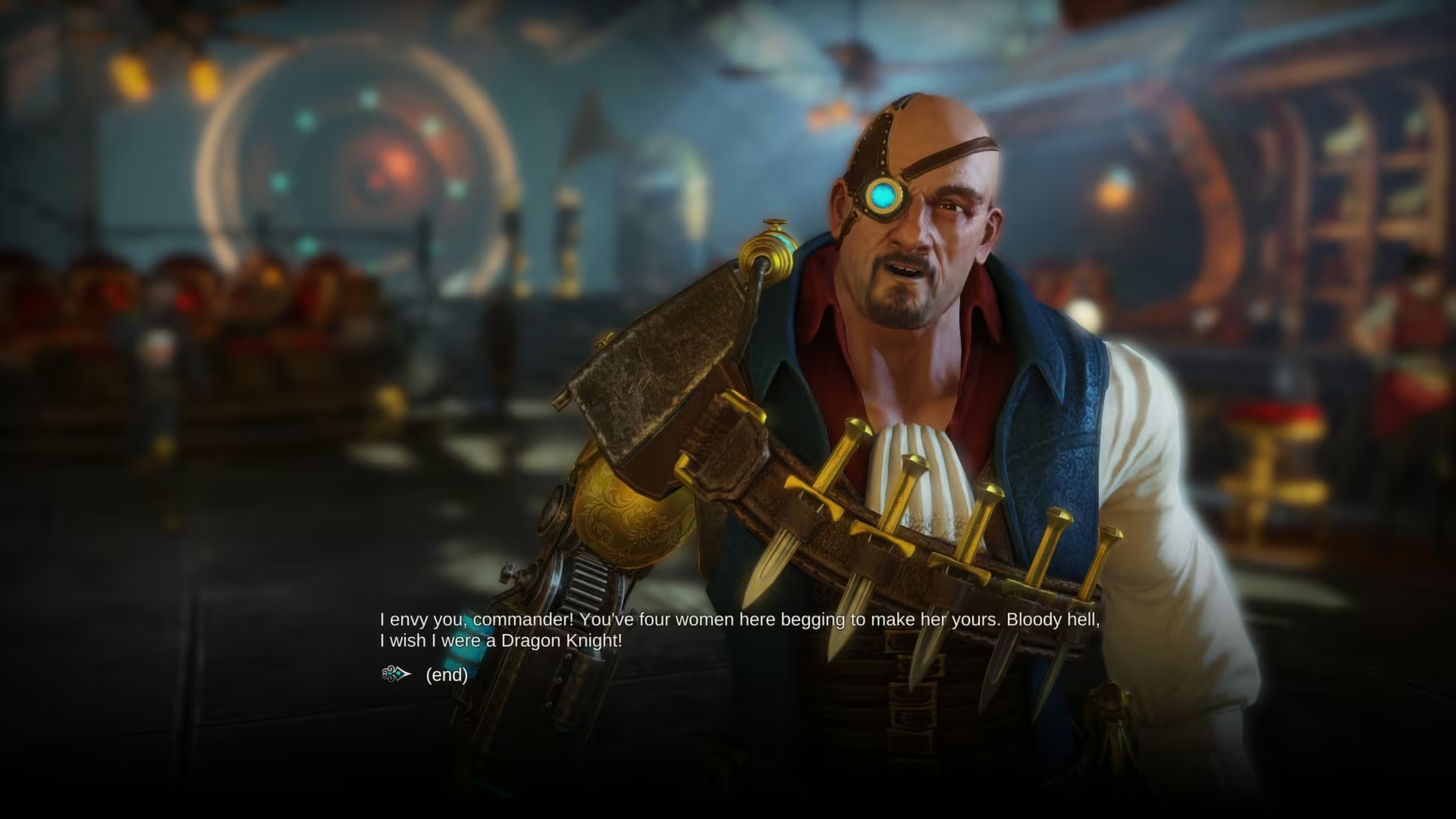
    • Well-written characters and voice acting
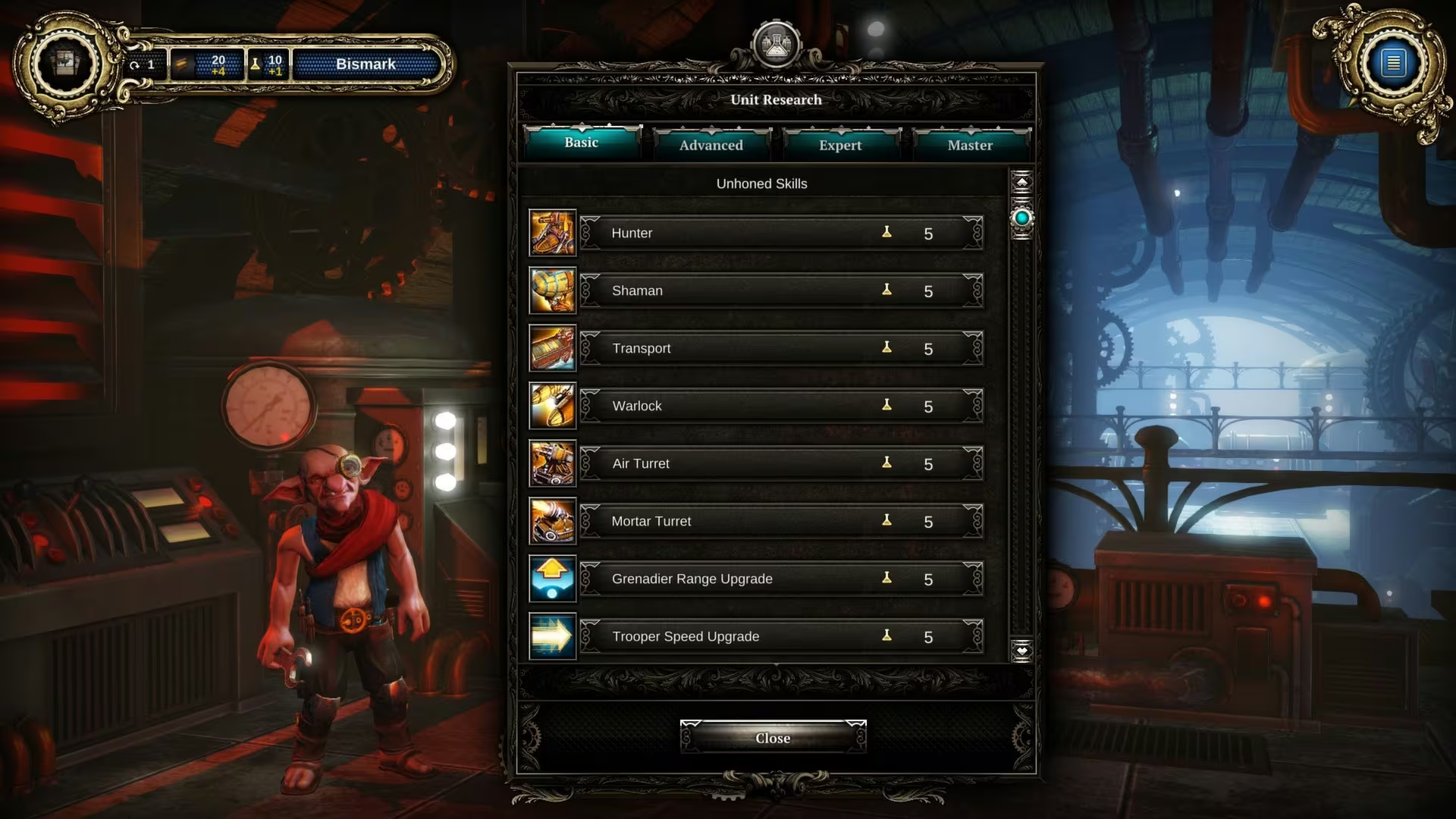
    • Strategic map gameplay with cards and upgrades

    Cons

    • Rts combat is simplistic and repetitive
    • Limited multiplayer and cooperation
    • Short campaign length
    • Some bugs and clunky controls
    • Political choices sometimes lack nuance

    Analysis

    Less representative of its motivational profile, with noticeable differences. Motivations that often define this kind of title include Cooperation, Fellowship, Intimacy, Leadership. Here, the score leans higher than usual among comparable games on Leadership. It leans lower than usual among comparable games on Cooperation, Fellowship.

    How to use the graph
    Similar games map

    Each dot is a game. They are arranged from the same motivation profile as in the “Motivations” section below. Closer dots usually mean more similar reasons to play (exploration, competition, relaxation, etc.)—not that one game is “better” than another.

    • Larger dot with a light outline: the game you are viewing.
    • Colour: groups of games with comparable motivation patterns (statistical clusters).
    • Hover a dot to see the game name; click to open its page.
    • Scroll or double-click the chart to zoom out and see more games.

    Why don’t the axes read like a score? This view uses t-SNE: it only keeps who is close to whom. The scales are not “good to bad” or hours played—they separate groups on the map. Read distance between dots, not the axis numbers.

    Motivations

    • Autonomy
      4

      "Players make meaningful political and strategic decisions, choose marriage partners, and direct battles as dragon or generals, showing high personal control."

    • Competence
      2

      "RTS combat is simple and repetitive, but strategic map and political decisions require some skill and planning."

    • Competition
      1

      "Includes multiplayer and leaderboards, but many players focus on single-player and personal progression."

    • Continuation
      1

      "Some players enjoy replaying for different political and romance outcomes, but RTS combat can become stale."

    • Cooperation
      -2

      "Gameplay mostly single-player focused with limited multiplayer; cooperation is minimal and battles are often solo or AI controlled."

    • Creativity
      3

      "Players customize dragon abilities, make political choices, and shape their empire, though RTS units and maps are predefined."

    • Domination
      -3

      "Interactions emphasize mutual respect and political negotiation rather than exerting superiority or trash talk."

    • Escapism
      3

      "Players enjoy escaping into a fantasy world with dragons and political intrigue, away from real life."

    • Expectation
      -4

      "Players engage voluntarily for fun and interest, not out of obligation or pressure."

    • Experimenting
      3

      "Game encourages trying different political decisions, romance options, and strategic approaches."

    • Exploration
      1

      "Exploration is limited to strategic map and political interactions; no open world or discovery elements."

    • Expression
      3

      "Players customize dragon appearance and abilities, and make choices expressing their leadership style."

    • Fantasy
      4

      "Strong fantasy setting with dragons, steampunk elements, and mythical races."

    • Fellowship
      -2

      "Mostly single-player experience with limited social interaction; multiplayer is minor and often inactive."

    • Growth
      3

      "Players develop dragon skills, research upgrades, and learn political consequences."

    • Health
      -4

      "Typical sedentary gameplay with no physical activity or health focus."

    • Idle
      -3

      "Requires focused attention during battles and political decisions; not suited for casual or background play."

    • Intimacy
      3

      "Players form relationships with advisors and marriage partners, with emotional and narrative depth."

    • Leadership
      4

      "Players lead armies, manage political factions, and guide decision-making as emperor."

    • Progression
      3

      "Players accumulate upgrades, research points, and political influence over time."

    • Relaxation
      1

      "Some players find political and strategic layers relaxing, but RTS combat can be tense and frustrating."

    • Sensation
      2

      "Visuals, music, and dragon combat provide sensory stimulation and excitement."

    • Status
      1

      "Some social recognition in multiplayer and achievements, but mostly individual focus."

    • Story
      4

      "Strong narrative immersion with character interactions, political intrigue, and branching storylines."

    • Strategy
      3

      "Strategic map and political decisions require planning and problem solving; RTS combat is simpler."

    • Thrill
      1

      "Some thrill from dragon combat and political dilemmas, but overall moderate tension."

    • Value
      3

      "Good value especially on sale; offers unique gameplay and replayability through choices."

    • Violence
      2

      "Combat involves destruction and warfare, including dragon fire and military battles."

    • Survival
      1

      "Players manage resources and troop survival, but game is not focused on survival mechanics."

    Last update: 29/04/2026