Agarest: Generations of War Zero similar games & best alternatives
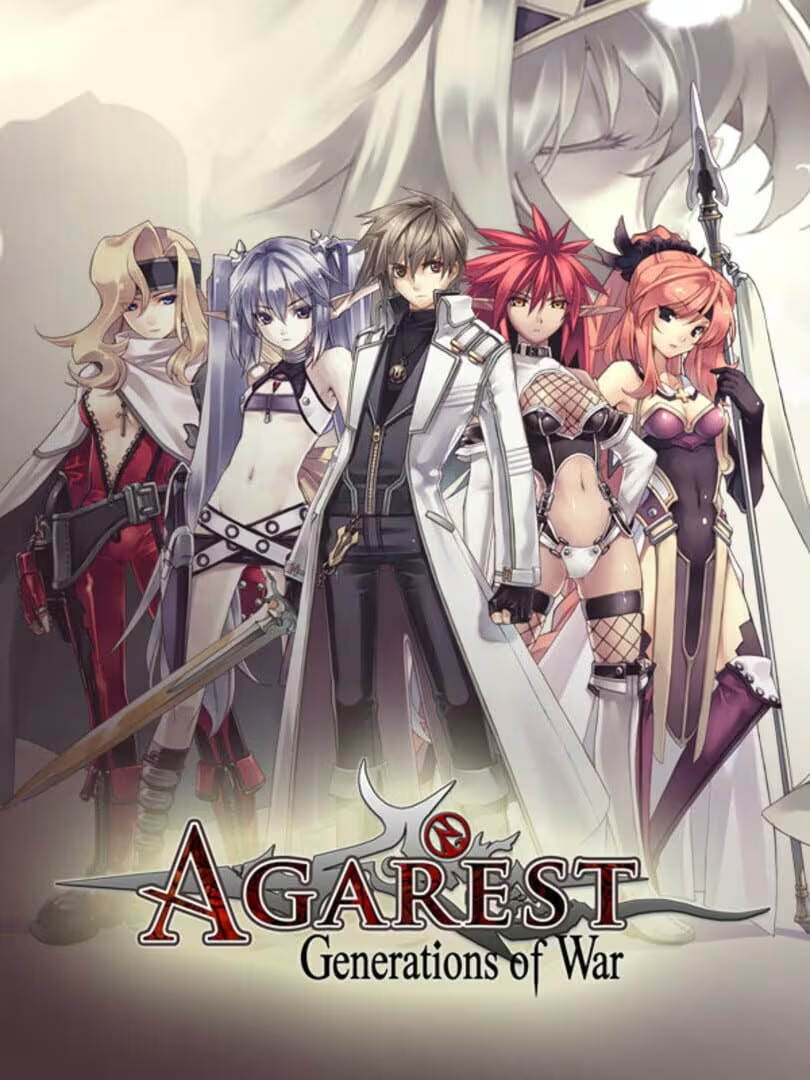
Agarest: Generations of War Zero
2014
Related articles
Quick resume
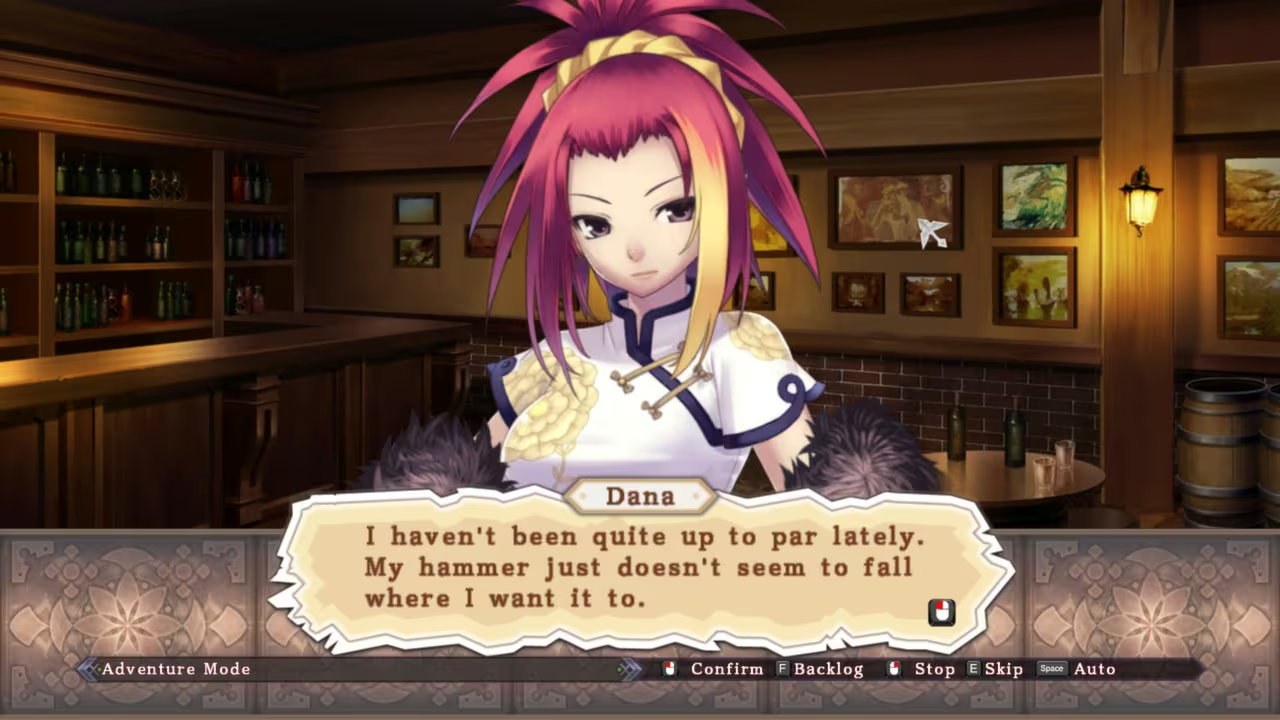
From the void, the gods of darkness and light created Agarest, a most perfect and divine world. As the generations passed, paradise sadly fell to the ravages of time. War darkened the skies and Agarest soon became a torturous hell as the gods divided and immense armies clashed, desecrating the once beautiful land…
Global score
74/100
Genres
Adventure, Role-playing (RPG), Strategy
Similar games
Pros
- Deep and engaging story with multiple generations
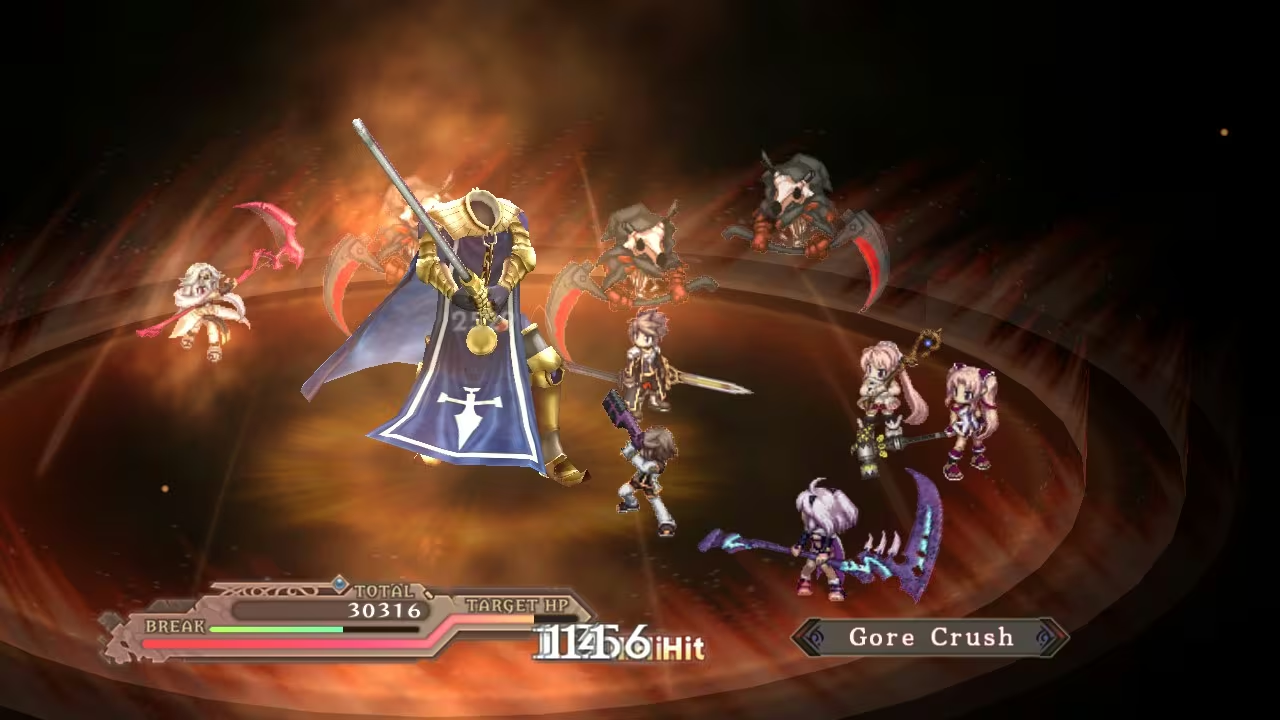
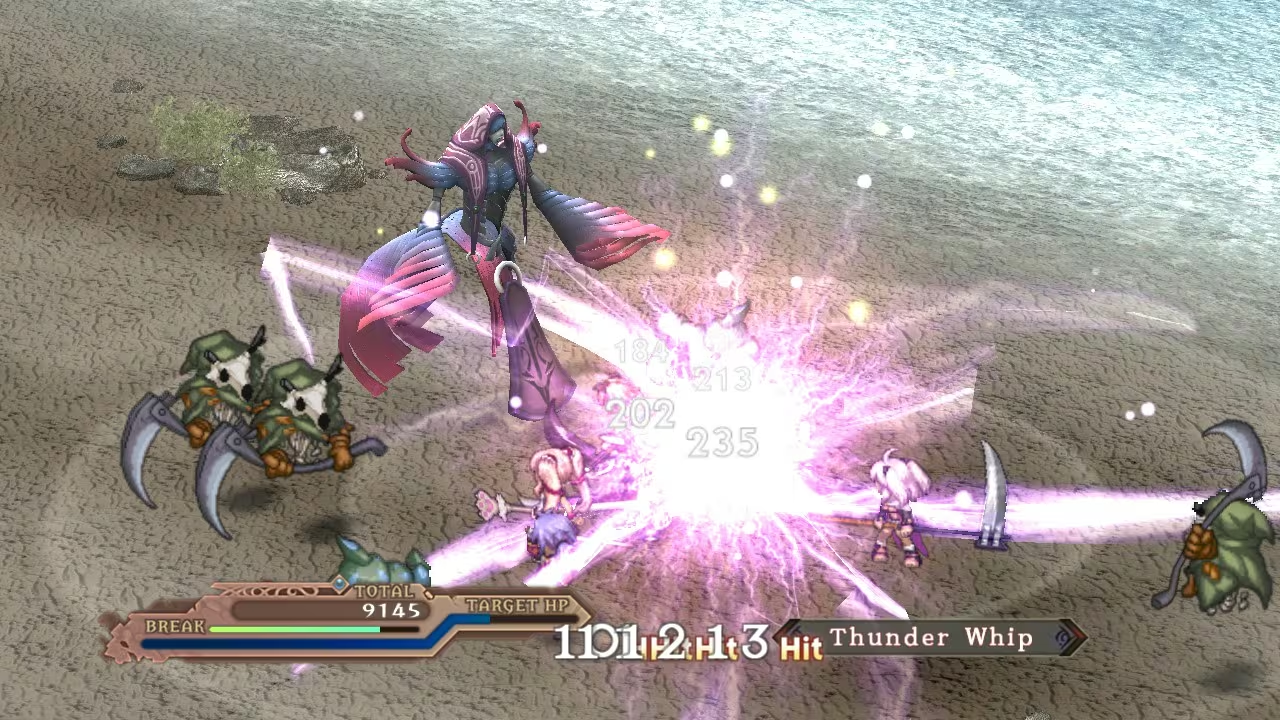
- Challenging and strategic turn-based combat
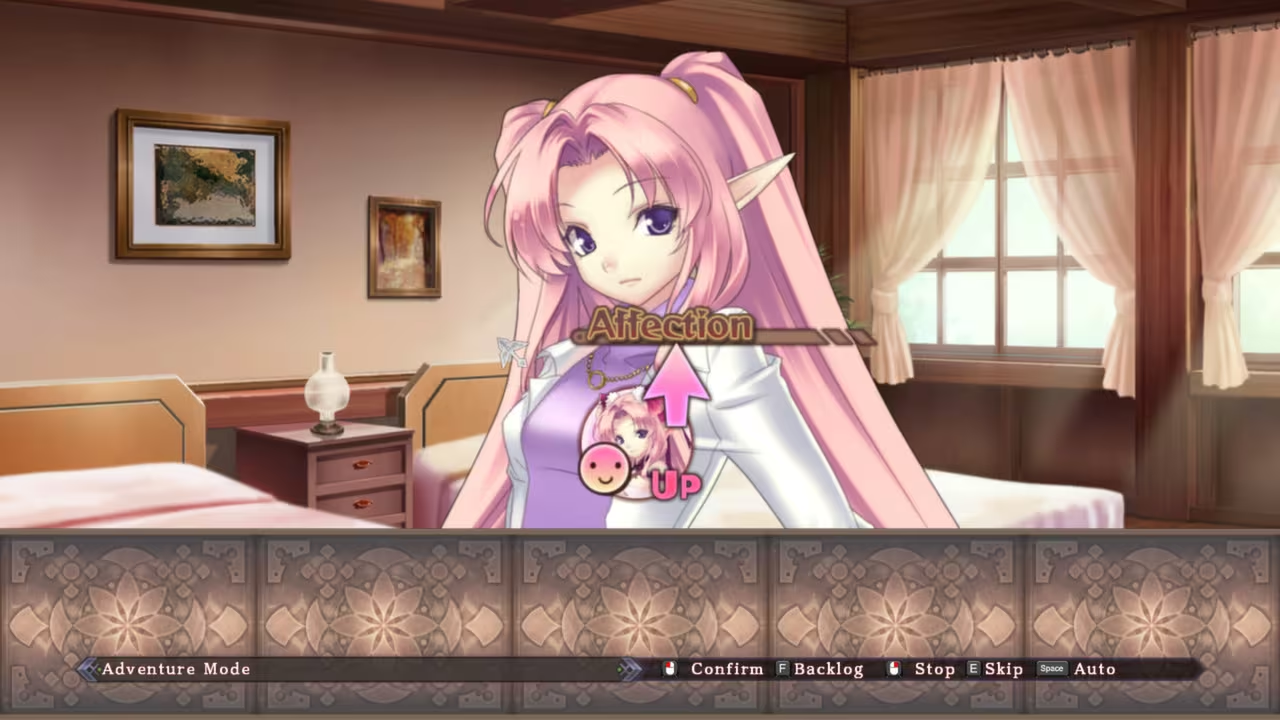
- Character customization and relationship systems
- Long gameplay with replayability and dlc content
- Anime-style art and japanese voice acting
Cons
- Tedious grinding and crafting requirements
- Linear story progression with limited exploration
- Some ui and tutorial issues
- Difficulty spikes and occasional frustrating battles
- Dlc pricing considered high by some players
Analysis
Broadly representative of its motivational profile, with a few distinct shifts. Motivations that often define this kind of title include Cooperation, Fellowship, Intimacy, Leadership. Here, the score leans higher than usual among comparable games on Intimacy, Story. It leans lower than usual among comparable games on Cooperation.
How to use the graph
Similar games map
Each dot is a game. They are arranged from the same motivation profile as in the “Motivations” section below. Closer dots usually mean more similar reasons to play (exploration, competition, relaxation, etc.)—not that one game is “better” than another.
- Larger dot with a light outline: the game you are viewing.
- Colour: groups of games with comparable motivation patterns (statistical clusters).
- Hover a dot to see the game name; click to open its page.
- Scroll or double-click the chart to zoom out and see more games.
Why don’t the axes read like a score? This view uses t-SNE: it only keeps who is close to whom. The scales are not “good to bad” or hours played—they separate groups on the map. Read distance between dots, not the axis numbers.
Motivations
-
Autonomy3
"Players have control over character creation, weapon choices, and relationship decisions influencing offspring, but story progression is mostly linear."
-
Competence4
"Combat system is challenging and strategic, requiring skillful positioning and combo mastery; grinding and crafting add complexity."
-
Competition-3
"Focus is on personal progression and story; no mention of ranked modes or direct player-vs-player competition."
-
Continuation4
"Long gameplay with multiple generations, grinding, and replayability through different endings and DLC content encourage extended play."
-
Cooperation-2
"Gameplay centers on individual party management and personal relationships; limited multiplayer or cooperative play."
-
Creativity3
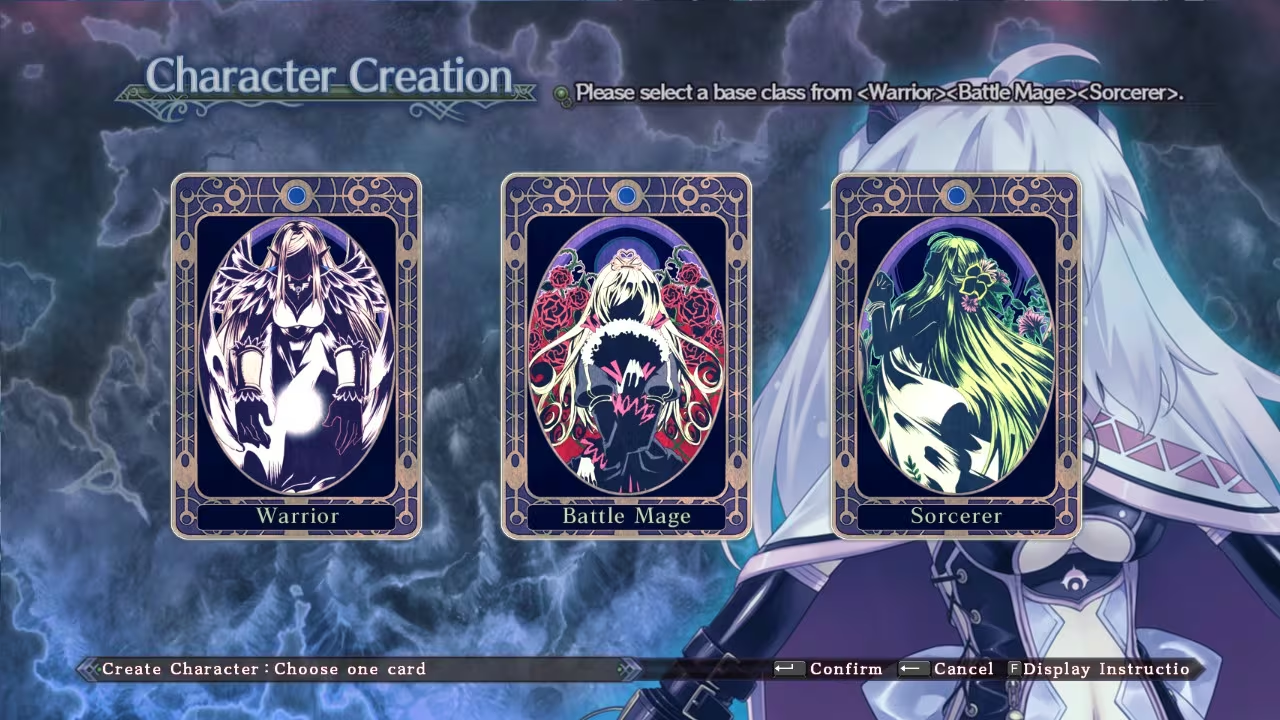
"Character creation via card system and weapon customization allow creative builds; crafting system supports item creation."
-
Domination-4
"Interactions emphasize mutual relationships and affection; no evidence of dominance or power assertion over others."
-
Escapism4
"Players engage in a fantasy world with anime-style characters and story, providing a strong escape from real life."
-
Expectation-4
"Players engage voluntarily for enjoyment of story and gameplay; no indication of obligation or external pressure."
-
Experimenting3
"Players experiment with skill combinations, character builds, and crafting; some trial and error involved."
-
Exploration1
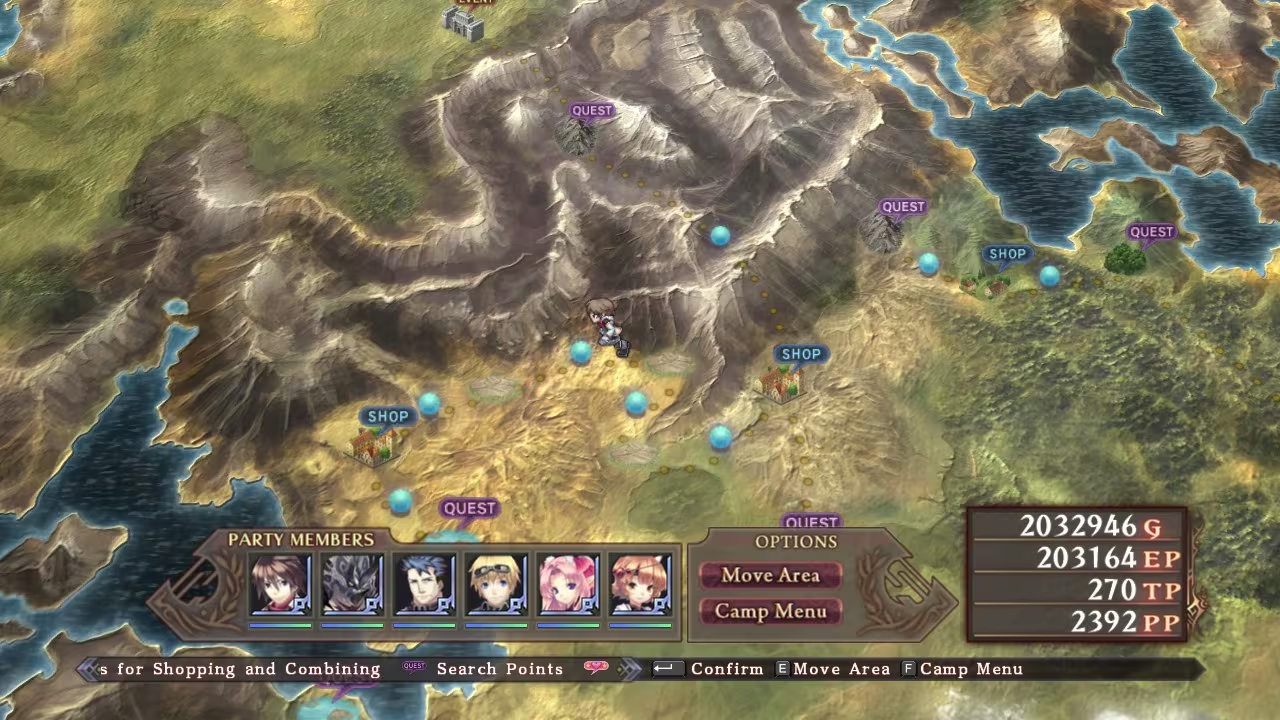
"Exploration is limited to map nodes and dungeons; less free roaming but some discovery through quests and secret areas."
-
Expression3
"Character customization and costume changes based on affection allow player expression."
-
Fantasy5
"Strong fantasy setting with gods, demons, magic, and anime-style storytelling."
-
Fellowship2
"Players develop relationships with party members and waifus, forming social bonds within the game world."
-
Growth4
"Players learn and develop strategies, improve characters through leveling, crafting, and relationship building."
-
Health-5
"Game is sedentary with no physical activity involved."
-
Idle-3
"Requires focused attention during battles and story progression; not designed for passive or background play."
-
Intimacy4
"Strong emphasis on forming close emotional relationships and affection with multiple characters."
-
Leadership3
"Player leads a party in tactical combat and makes decisions affecting group outcomes."
-
Progression5
"Heavy emphasis on leveling, item crafting, unlocking skills, and advancing through generations."
-
Relaxation-1
"Some players find the game relaxing, but others note frustration from grinding and difficulty spikes."
-
Sensation2
"Enjoyable anime art, music, and combat animations provide sensory stimulation."
-
Status-2
"Achievements and titles exist but social recognition is minimal and mostly personal."
-
Story5
"Narrative-driven with deep story, character development, and multiple endings."
-
Strategy5
"Turn-based tactical combat requires planning, positioning, and combo execution."
-
Thrill2
"Some tension from challenging battles and boss fights, but overall controlled gameplay."
-
Value3
"Offers many hours of gameplay and DLC content; some complaints about grind and DLC pricing."
-
Violence3
"Combat involves defeating enemies with attacks and combos; typical JRPG battle violence."
-
Survival3
"Players must manage resources and tactics to survive difficult battles and bosses."
Last update: 29/04/2026