DRAGON BALL: Sparking! ZERO Thumbnail

DRAGON BALL: Sparking! ZERO similar games & best alternatives
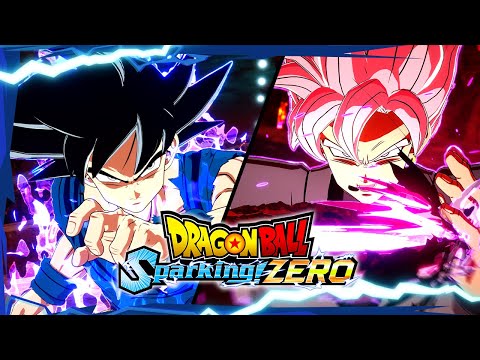
DRAGON BALL: Sparking! ZERO

PC (Microsoft Windows), Xbox Series X|S, Nintendo Switch, PlayStation 5, Nintendo Switch 2 • 2024

Related articles

Quick resume

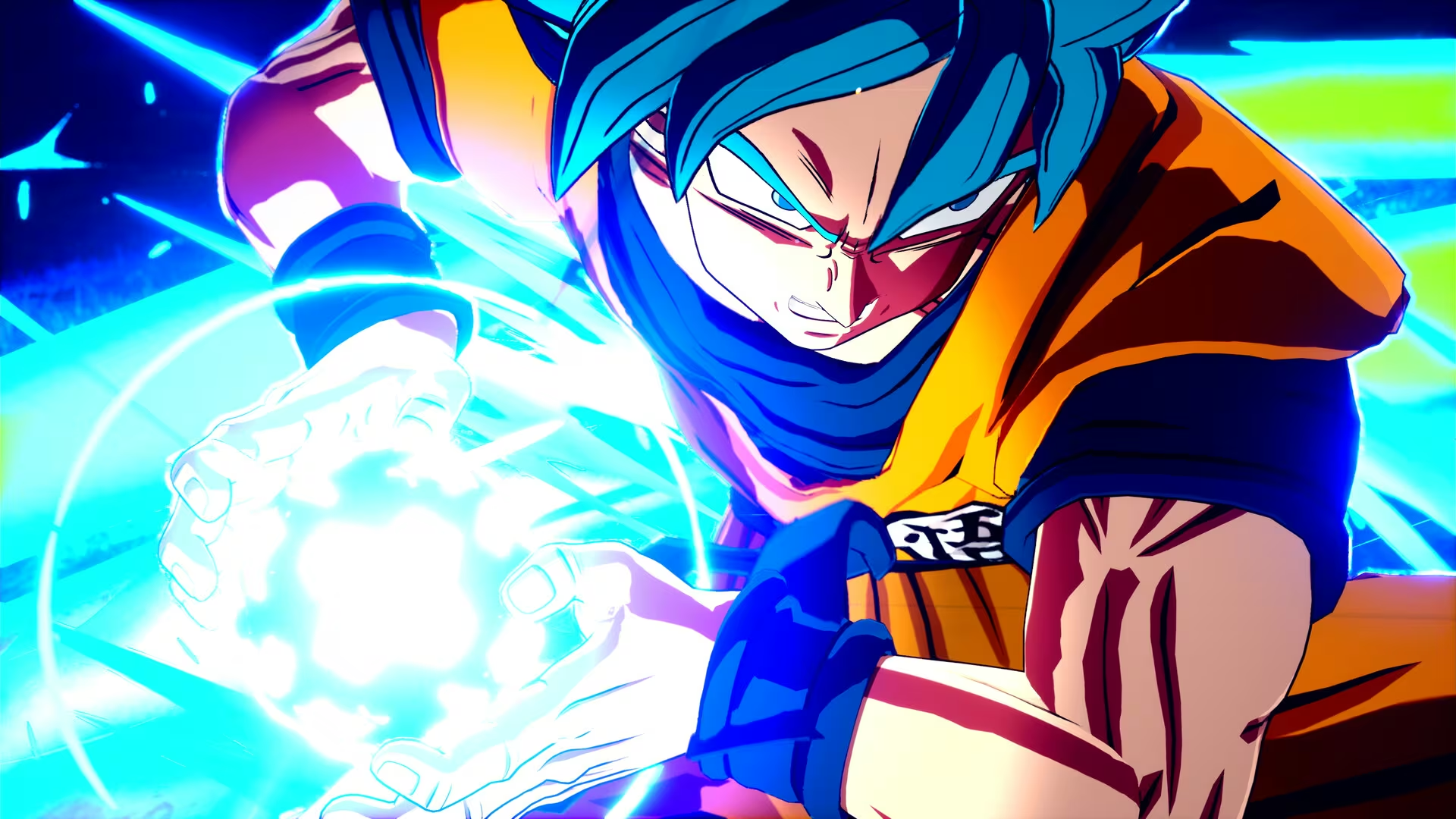
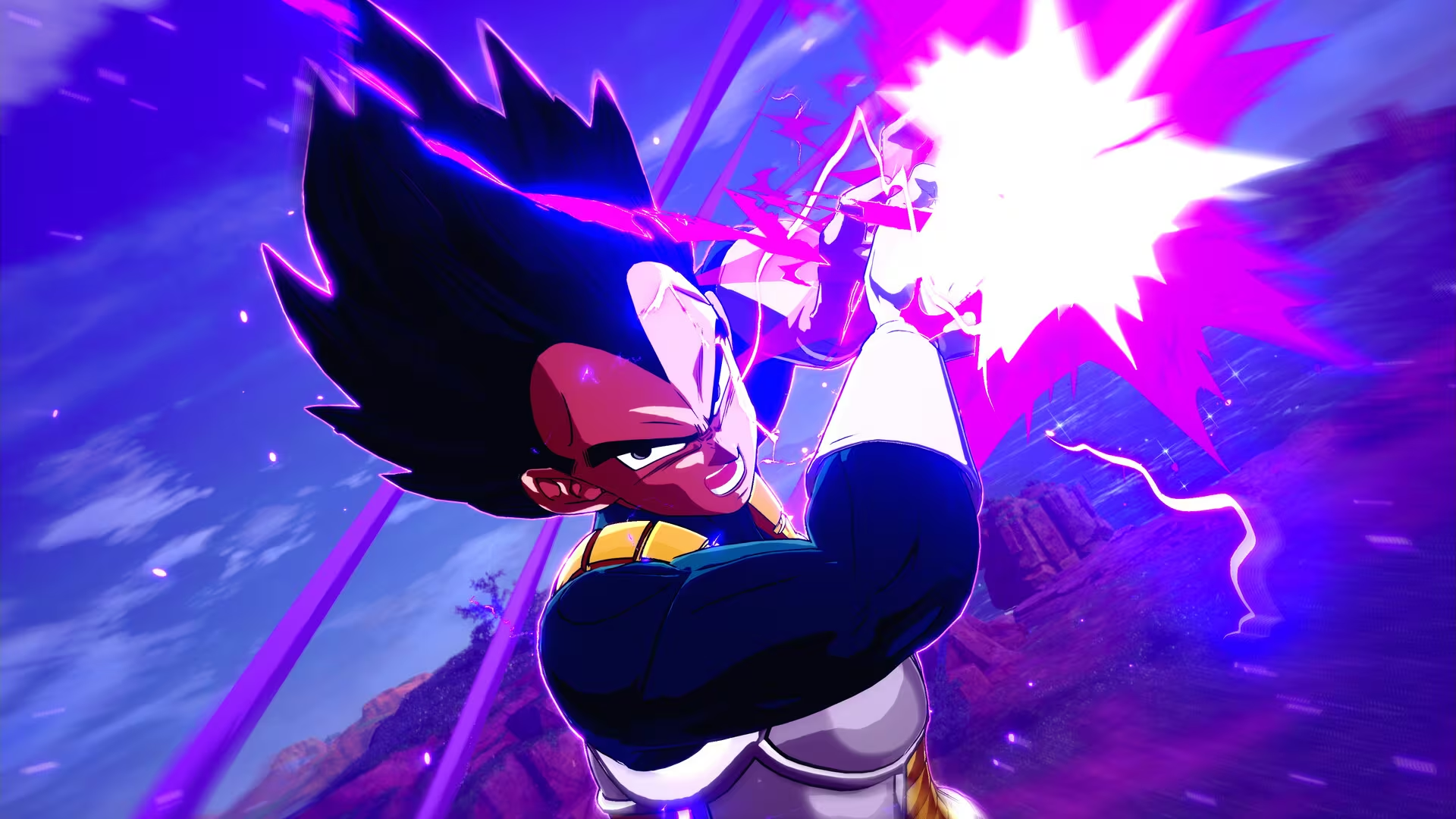
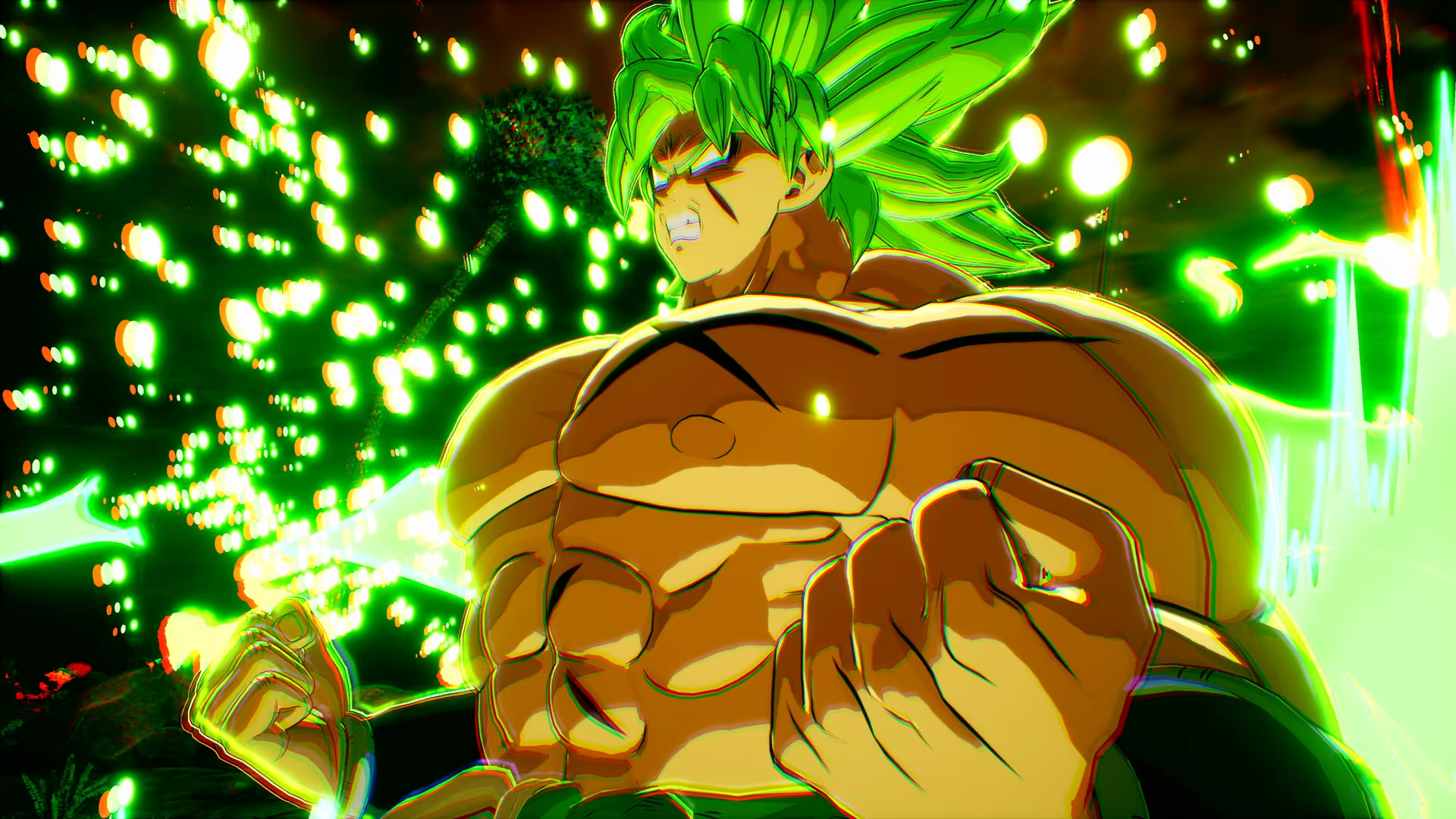
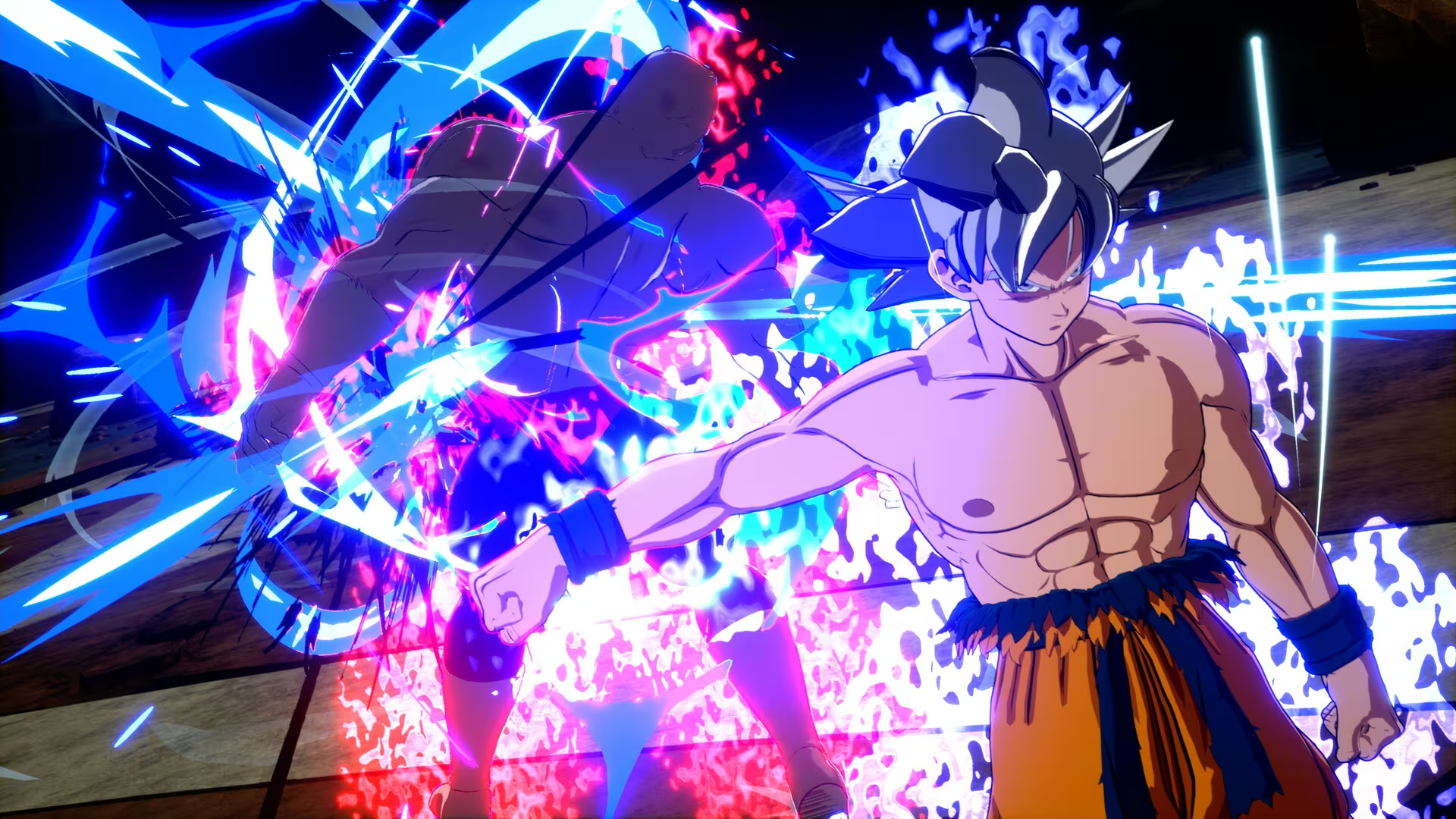
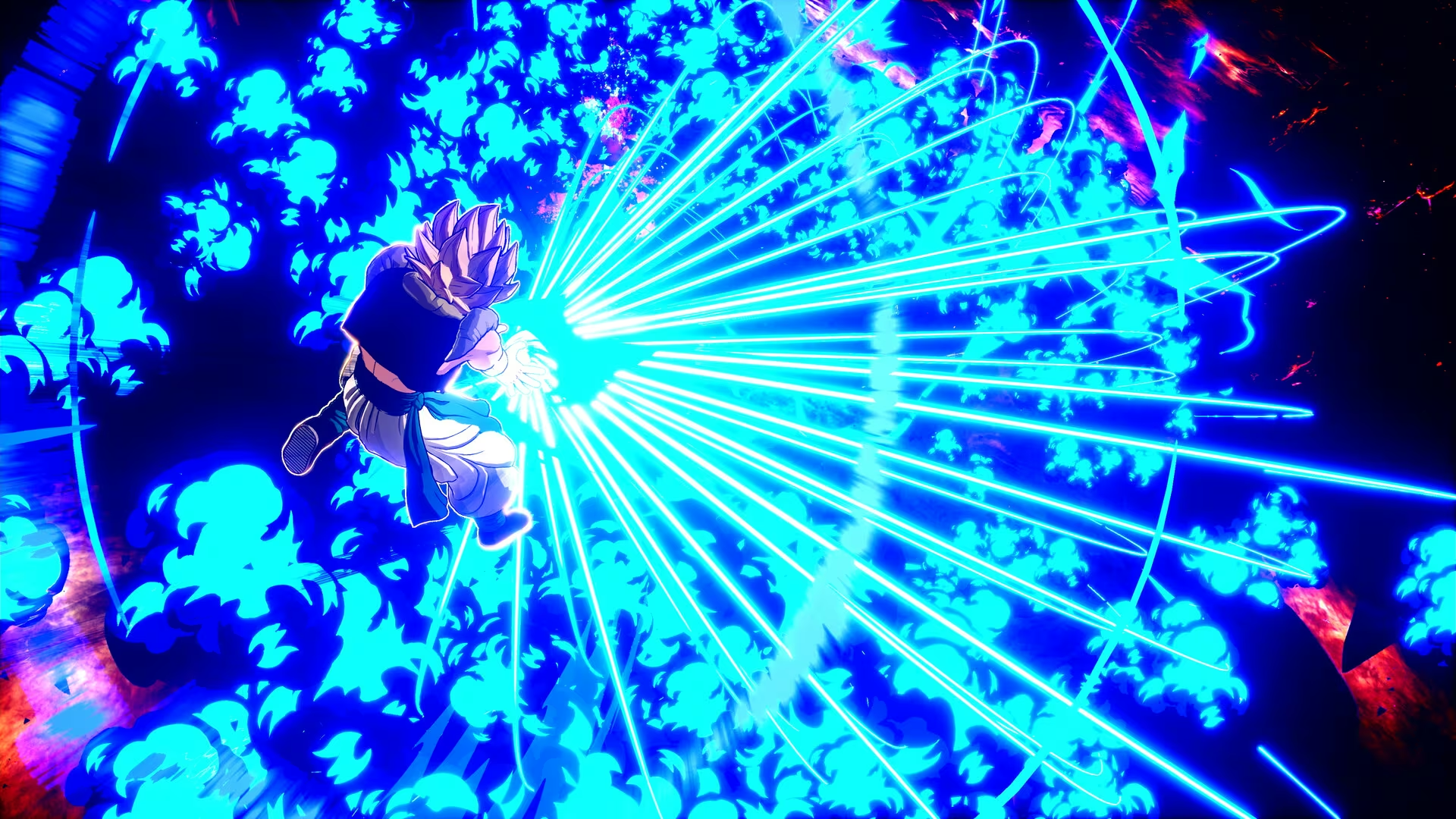
DRAGON BALL: Sparking! ZERO takes the legendary gameplay of the Budokai Tenkaichi series and raises it to whole new levels. Make yours the destructive power of the strongest fighters ever to appear in Dragon Ball!

Global score

88/100

Genres

Action, Fighting

Similar games

    Pros

    • Massive character roster
    • Faithful and skillful combat system
    • Stunning visuals and animations
    • Custom battle mode and alternate story paths
    • Strong nostalgia and fan service

    Cons

    • Lack of content and maps
    • Story mode presentation is minimal
    • Online matchmaking and netcode issues
    • Steep learning curve and limited tutorials
    • Expensive dlc and pricing concerns

    Analysis

    Less representative of its motivational profile, with noticeable differences. Motivations that often define this kind of title include Competition, Fellowship, Domination, Status. It leans lower than usual among comparable games on Leadership, Value, Intimacy.

    How to use the graph
    Similar games map

    Each dot is a game. They are arranged from the same motivation profile as in the “Motivations” section below. Closer dots usually mean more similar reasons to play (exploration, competition, relaxation, etc.)—not that one game is “better” than another.

    • Larger dot with a light outline: the game you are viewing.
    • Colour: groups of games with comparable motivation patterns (statistical clusters).
    • Hover a dot to see the game name; click to open its page.
    • Scroll or double-click the chart to zoom out and see more games.

    Why don’t the axes read like a score? This view uses t-SNE: it only keeps who is close to whom. The scales are not “good to bad” or hours played—they separate groups on the map. Read distance between dots, not the axis numbers.

    Motivations

    • Autonomy
      4

      "Players have freedom to choose characters, customize controls, and create custom battles, indicating high autonomy."

    • Competence
      4

      "Gameplay requires skill, timing, and mastery of complex mechanics; players report a steep learning curve and rewarding skill expression."

    • Competition
      3

      "Includes ranked modes and competitive online play, but also casual and offline modes; competition is present but not exclusive."

    • Continuation
      4

      "Many players report long play sessions, habitual play, and high engagement, though some note lack of content may reduce long-term retention."

    • Cooperation
      1

      "Some mentions of playing with friends and desire for team modes, but mostly individual battles dominate."

    • Creativity
      3

      "Custom battles and scenario creation allow player creativity, though base gameplay follows established fighting game structures."

    • Domination
      -2

      "Community reports frustration with balance and exploits, but no strong evidence of trash talk or domination; interactions seem mostly equal."

    • Escapism
      4

      "Players describe nostalgia, immersion in anime fantasy, and stress relief through gameplay."

    • Expectation
      -3

      "Players engage voluntarily out of personal desire and fandom; some disappointment from unmet expectations but no obligation reported."

    • Experimenting
      3

      "Players explore many characters, mechanics, and custom battles, indicating experimentation."

    • Exploration
      1

      "Some exploration in story mode and custom battles, but limited maps and environments reduce exploration scope."

    • Expression
      2

      "Limited character customization and accessories noted; some expression through custom battles and minor cosmetic options."

    • Fantasy
      5

      "Strong emphasis on anime fantasy, transformations, and imaginative battles true to Dragon Ball lore."

    • Fellowship
      1

      "Some community and multiplayer engagement, but mostly individual play experiences."

    • Growth
      4

      "Players report learning complex mechanics and improving skills over time."

    • Health
      -5

      "No physical activity involved; typical sedentary gaming experience."

    • Idle
      -3

      "Requires focused attention and timing; not a casual or idle experience."

    • Intimacy
      -4

      "Social interactions are mostly surface-level multiplayer; no evidence of close relationship formation."

    • Leadership
      -4

      "No evidence of leadership roles; gameplay is individual or cooperative without hierarchical structure."

    • Progression
      3

      "Players accumulate characters, upgrades, and unlockables, though some criticize limited content and DLC model."

    • Relaxation
      2

      "Some players find flow and catharsis in gameplay; others note frustration and tension from difficulty."

    • Sensation
      4

      "Highly praised visuals, animations, and explosive effects provide strong sensory stimulation."

    • Status
      2

      "Ranked modes and leaderboards provide recognition, but social status is not a dominant theme."

    • Story
      2

      "Story mode present with alternate timelines and fan service, but some find it minimal and presentation lacking."

    • Strategy
      3

      "Combat involves timing, counters, resource management, and team synergy, requiring strategic thinking."

    • Thrill
      3

      "Players enjoy suspense and excitement from fast-paced battles and comeback potential."

    • Value
      -1

      "Mixed opinions on value; some find price high for content, others feel it is worth it especially on sale."

    • Violence
      4

      "Combat and destruction are central, with flashy attacks and environmental damage."

    • Survival
      2

      "Gameplay involves avoiding defeat and managing resources, though not a survival game per se."

    Last update: 29/04/2026