Dragon Nest Thumbnail

Dragon Nest similar games & best alternatives
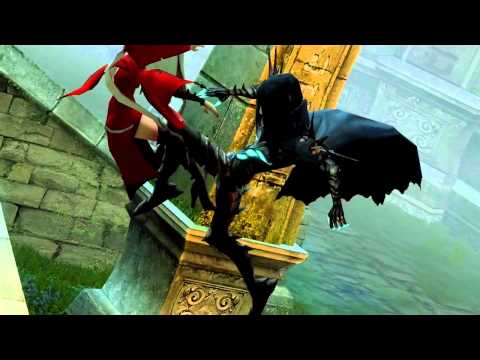
Dragon Nest

PC (Microsoft Windows) • 2012

Related articles

Quick resume

Global score

72/100

Genres

Action, Free To Play, Massively Multiplayer, Role-playing (RPG)

Similar games

    Pros

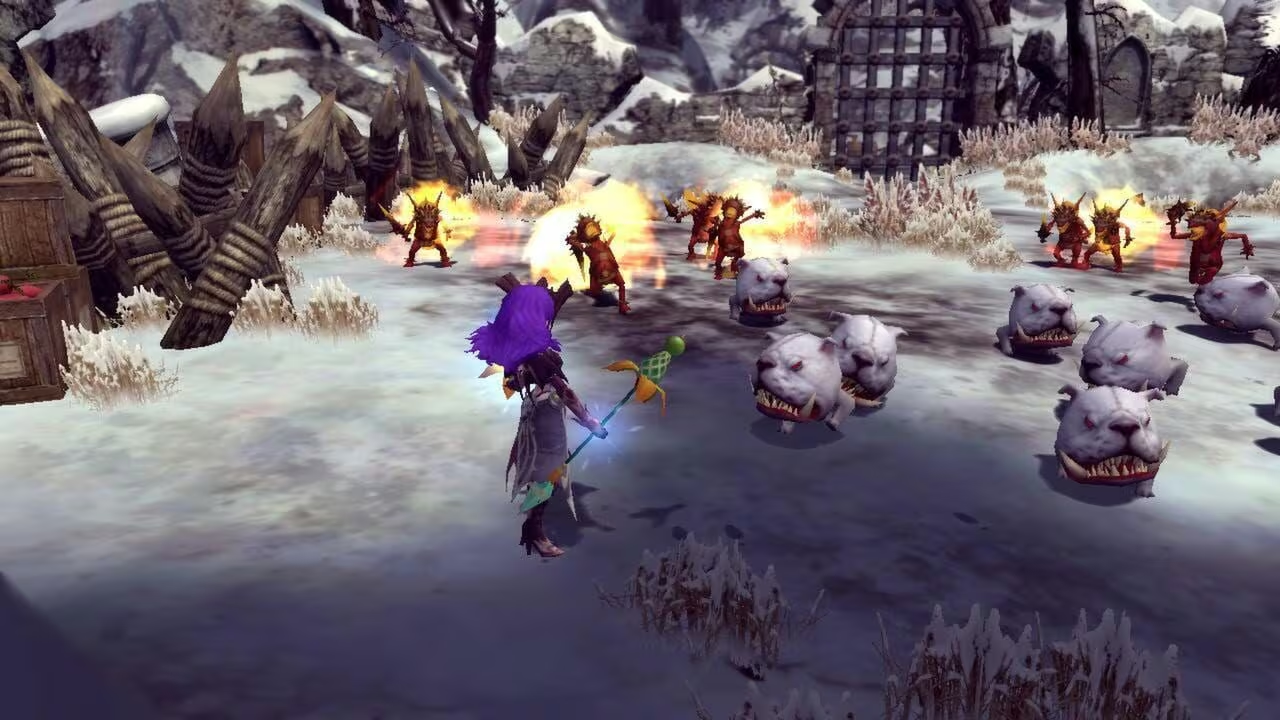
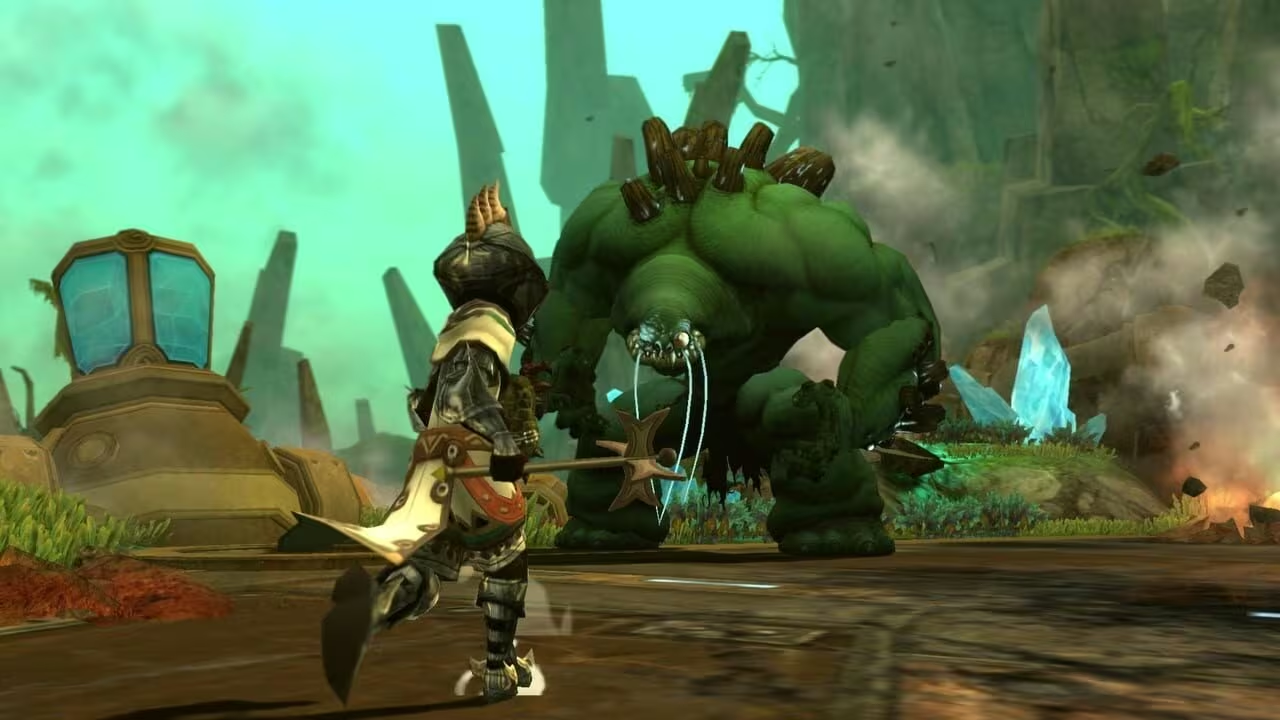
    • Fluid and skill-based combat
    • Variety of classes and specializations
    • Engaging pvp and pve content
    • Free-to-play with fair monetization
    • Active community and guilds

    Cons

    • Grind-heavy progression
    • Limited character customization
    • Linear instance-based gameplay
    • Some community toxicity
    • Technical issues and lag

    Analysis

    Less representative of its motivational profile, with noticeable differences. Motivations that often define this kind of title include Competition, Fellowship, Domination, Status. It leans lower than usual among comparable games on Expression, Creativity, Exploration.

    How to use the graph
    Similar games map

    Each dot is a game. They are arranged from the same motivation profile as in the “Motivations” section below. Closer dots usually mean more similar reasons to play (exploration, competition, relaxation, etc.)—not that one game is “better” than another.

    • Larger dot with a light outline: the game you are viewing.
    • Colour: groups of games with comparable motivation patterns (statistical clusters).
    • Hover a dot to see the game name; click to open its page.
    • Scroll or double-click the chart to zoom out and see more games.

    Why don’t the axes read like a score? This view uses t-SNE: it only keeps who is close to whom. The scales are not “good to bad” or hours played—they separate groups on the map. Read distance between dots, not the axis numbers.

    Motivations

    • Autonomy
      3

      "Players have control over their actions and decisions in combat and skill use, but character customization and story choices are limited and somewhat linear."

    • Competence
      4

      "Combat is skill-based and requires reflexes and strategy, with challenging PvE and PvP content that rewards mastery."

    • Competition
      4

      "Strong PvP focus with ranked modes, leaderboards, and competitive arenas; players engage in skill-based combat against others."

    • Continuation
      3

      "Many players report habitual play and repeated return to the game despite grind and occasional frustration."

    • Cooperation
      3

      "Supports solo play but encourages group play for dungeons, raids, and events; guilds and parties are common."

    • Creativity
      -2

      "Limited character customization and gender-locked classes; players mostly follow predefined skill trees and builds."

    • Domination
      2

      "Competitive PvP includes dominance aspects but also has community rules and mutual agreements limiting unfair tactics."

    • Escapism
      4

      "Players use the game as a fun distraction and stress relief with immersive combat and fantasy world."

    • Expectation
      -3

      "Players engage voluntarily out of personal interest and enjoyment rather than obligation or pressure."

    • Experimenting
      3

      "Players try different classes, skill builds, and strategies, especially in PvP and endgame content."

    • Exploration
      -2

      "Game is instance-based with linear dungeons and limited open world exploration."

    • Expression
      -3

      "Minimal avatar customization; cosmetic items exist but are mostly cash shop based and limited."

    • Fantasy
      5

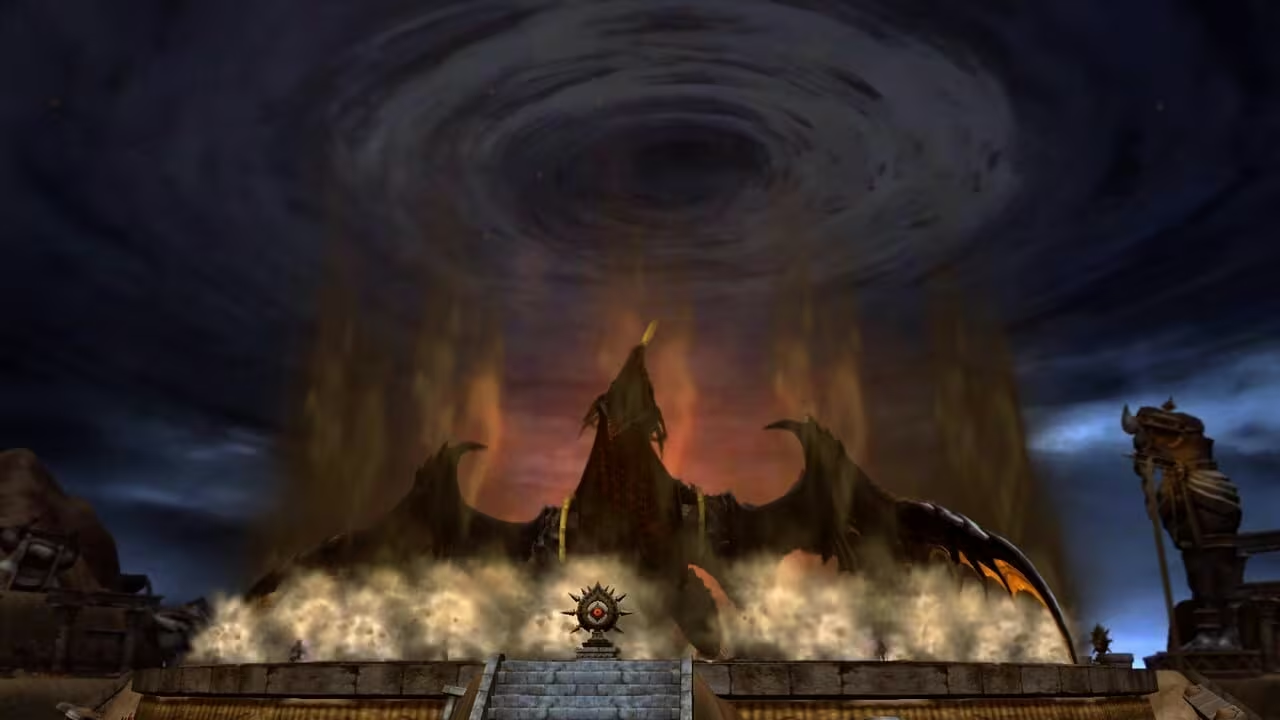
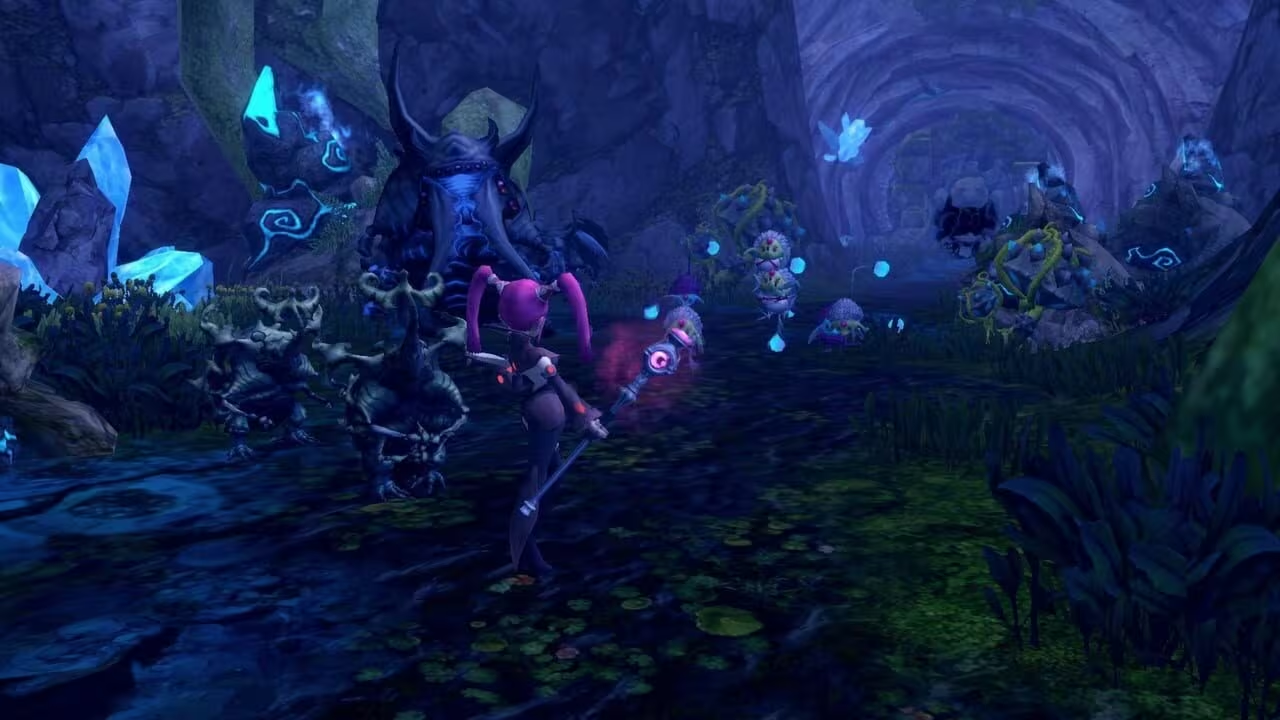
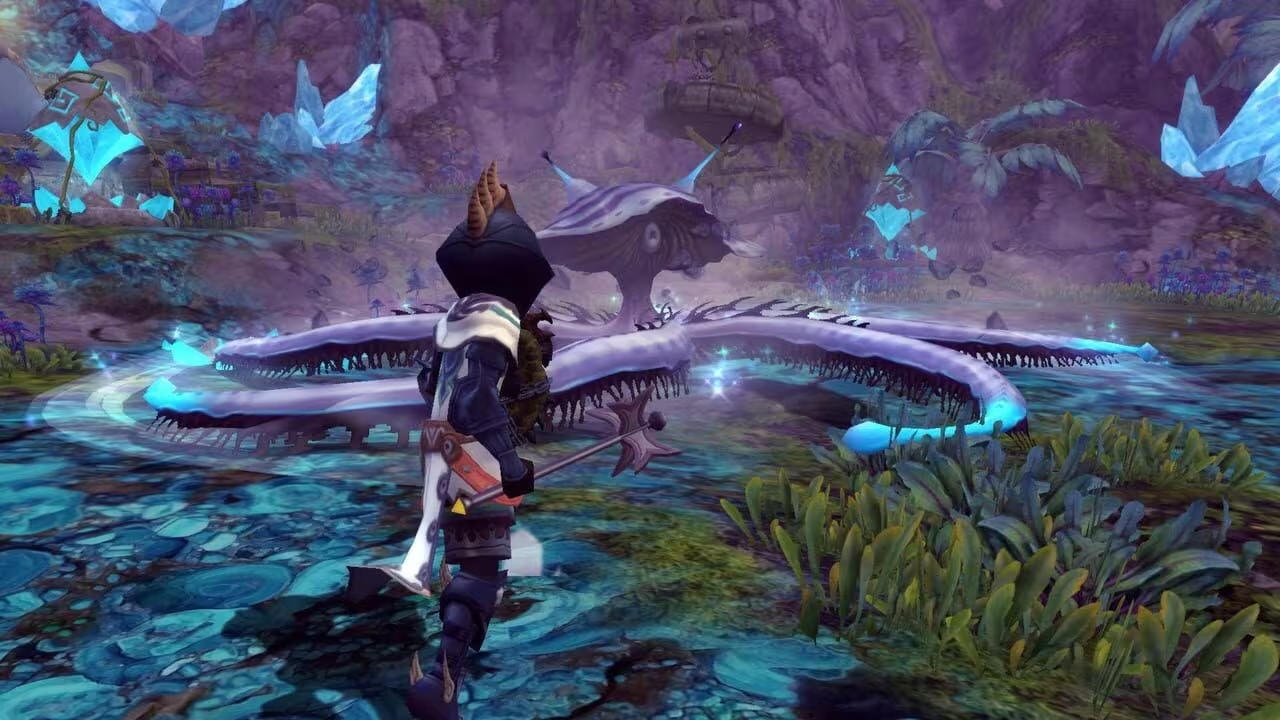
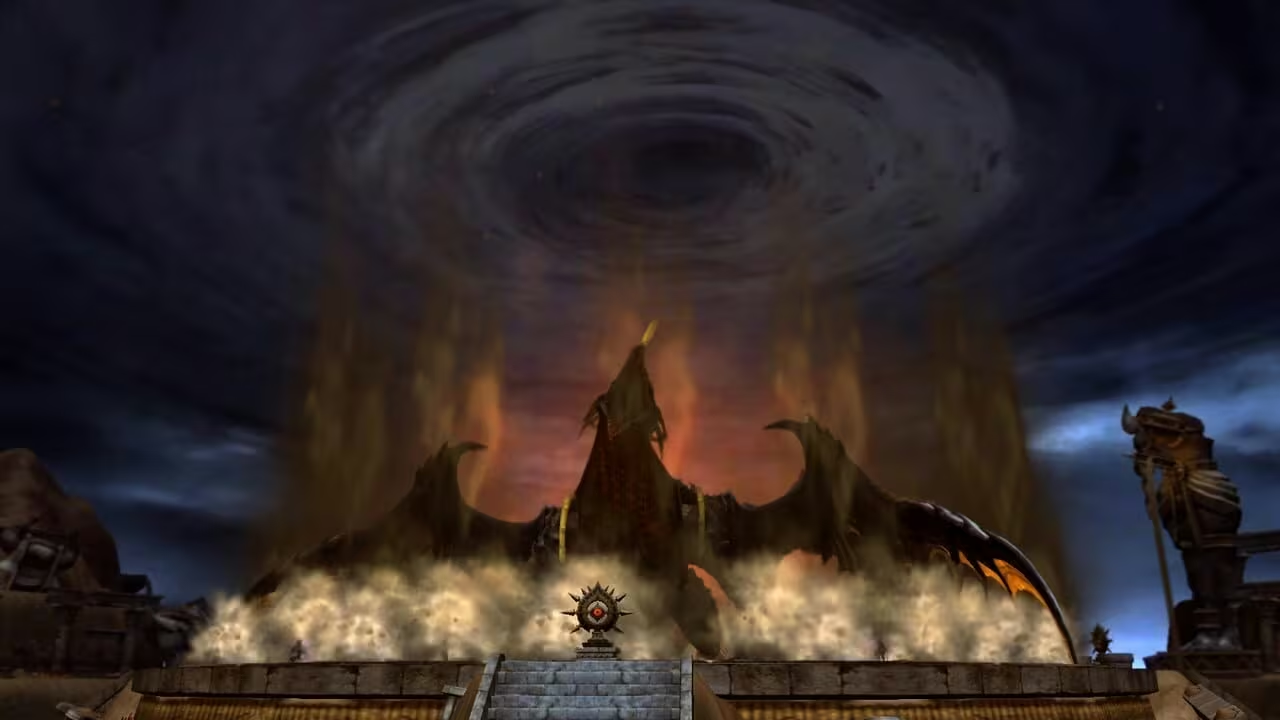
      "Strong fantasy setting with dragons, magic, and anime-style characters and story."

    • Fellowship
      2

      "Community and guilds exist but can be toxic; social interaction is present but not always positive."

    • Growth
      3

      "Players develop skills, learn combat mechanics, and improve gear and character builds over time."

    • Health
      -4

      "Typical sedentary gameplay with no physical activity or health-related features."

    • Idle
      -3

      "Requires focused attention during combat and dungeons; not suitable for background or idle play."

    • Intimacy
      -3

      "Social interactions are mostly surface-level; some friendships form but emotional sharing is limited."

    • Leadership
      2

      "Guild officers and party leaders guide groups, but many players participate collaboratively without strong hierarchy."

    • Progression
      4

      "Strong emphasis on leveling, gear upgrades, and unlocking new skills and content."

    • Relaxation
      2

      "Combat can be intense but also provides flow and catharsis; some players find it relaxing."

    • Sensation
      3

      "Visual and auditory effects are bright and flashy, providing sensory stimulation and excitement."

    • Status
      3

      "PvP ranks and icons provide social recognition; cosmetic items also contribute to status display."

    • Story
      3

      "Narrative is present and engaging for many players, with class-specific storylines and humor."

    • Strategy
      4

      "Combat and PvP require planning, skill combos, and tactical decision-making."

    • Thrill
      3

      "Fast-paced combat and PvP provide suspense and excitement with risk and reward."

    • Value
      2

      "Free-to-play with optional purchases; many players find good value in gameplay without paying."

    • Violence
      4

      "Combat involves defeating monsters and other players with flashy attacks and destruction."

    • Survival
      2

      "Players must avoid death in dungeons and PvP; some mechanics require strategic defense and resource management."

    Last update: 29/04/2026