Escape the Game Thumbnail

Escape the Game similar games & best alternatives
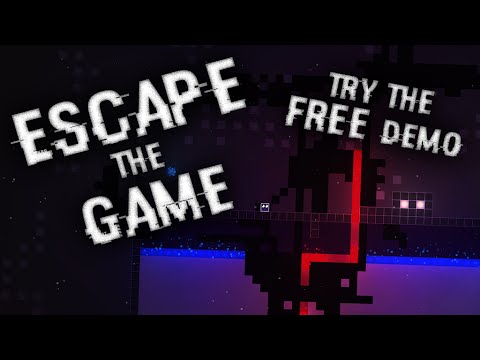
Escape the Game

PC (Microsoft Windows) • 2016

Related articles

Quick resume

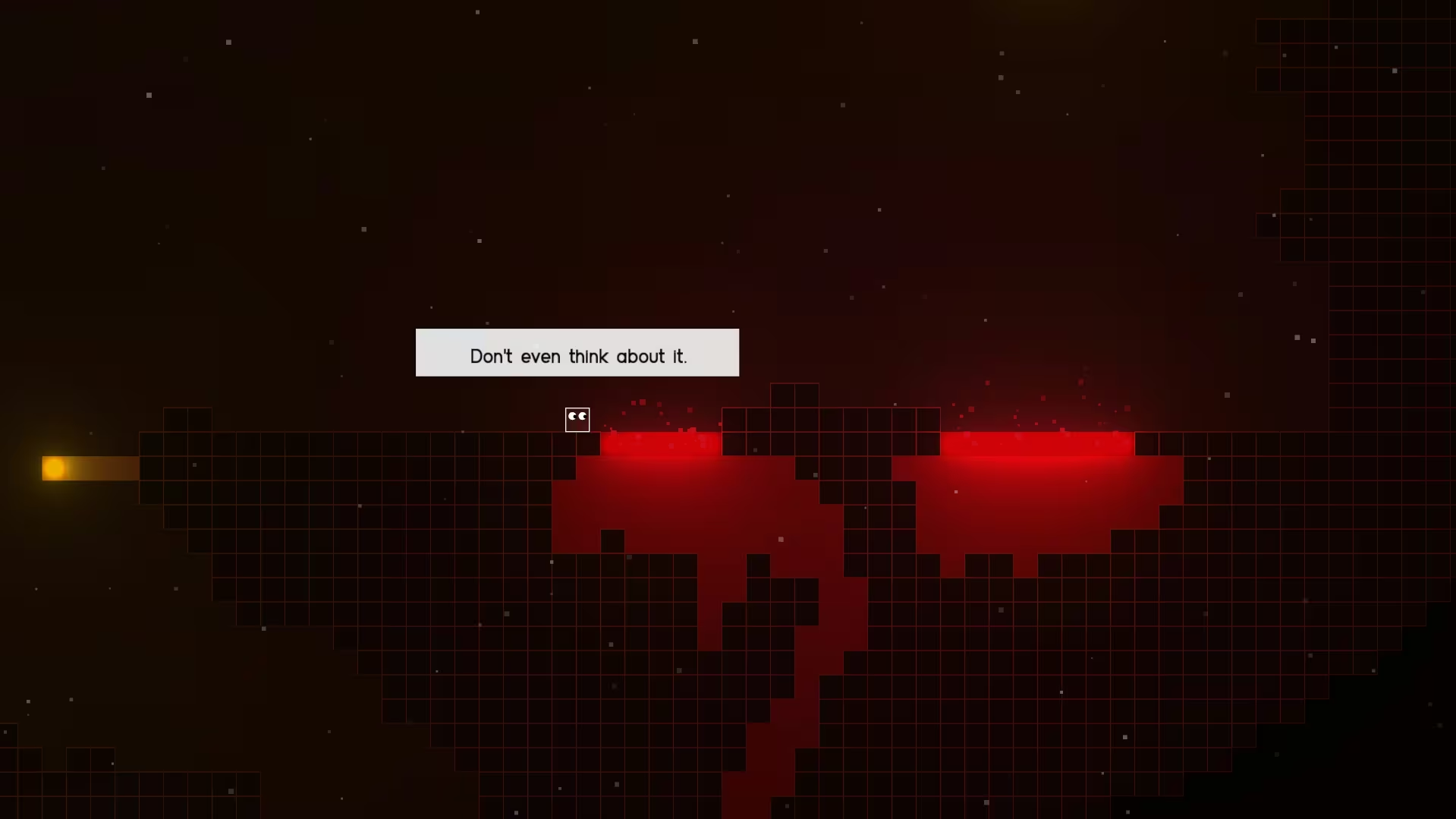
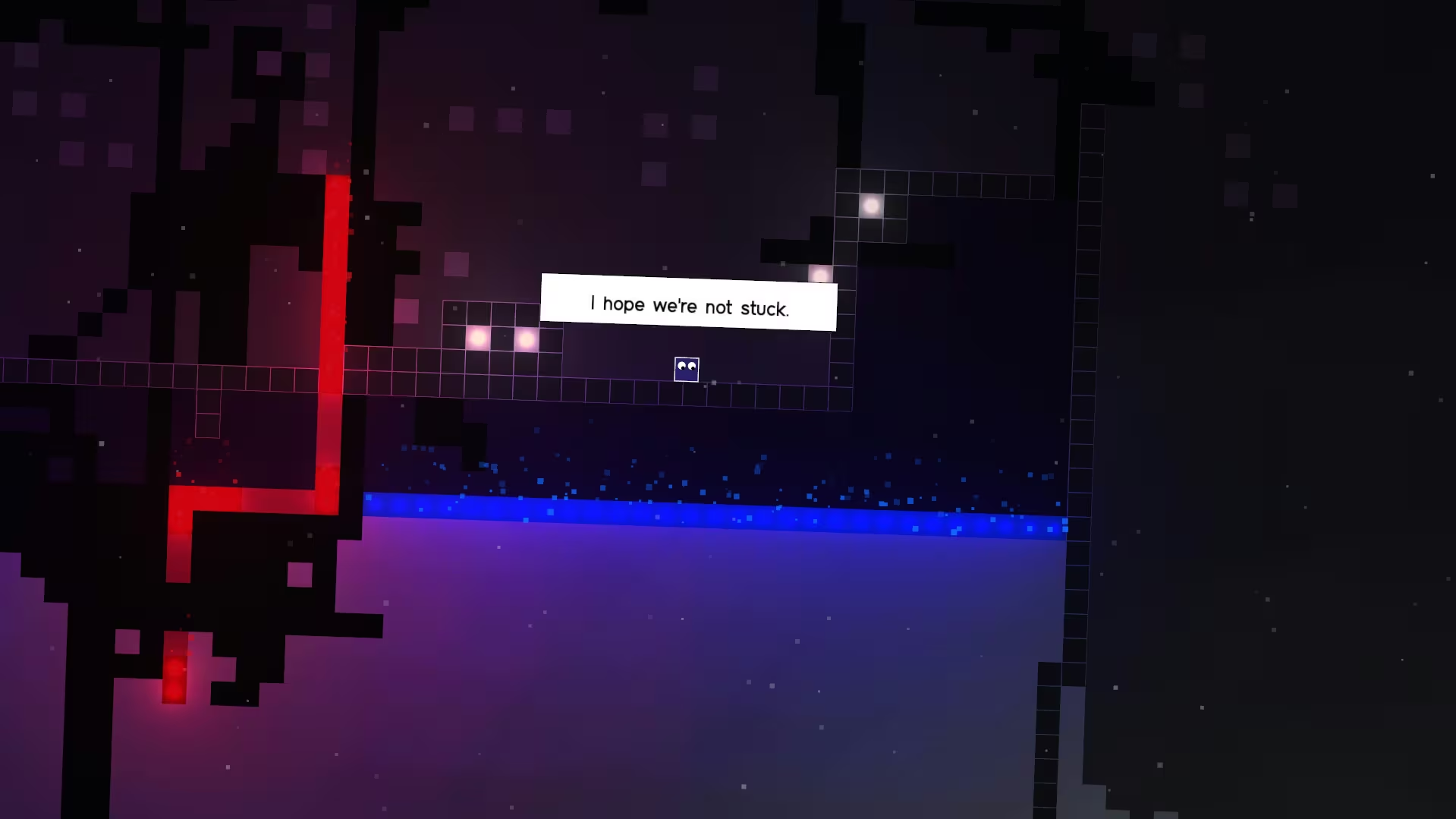
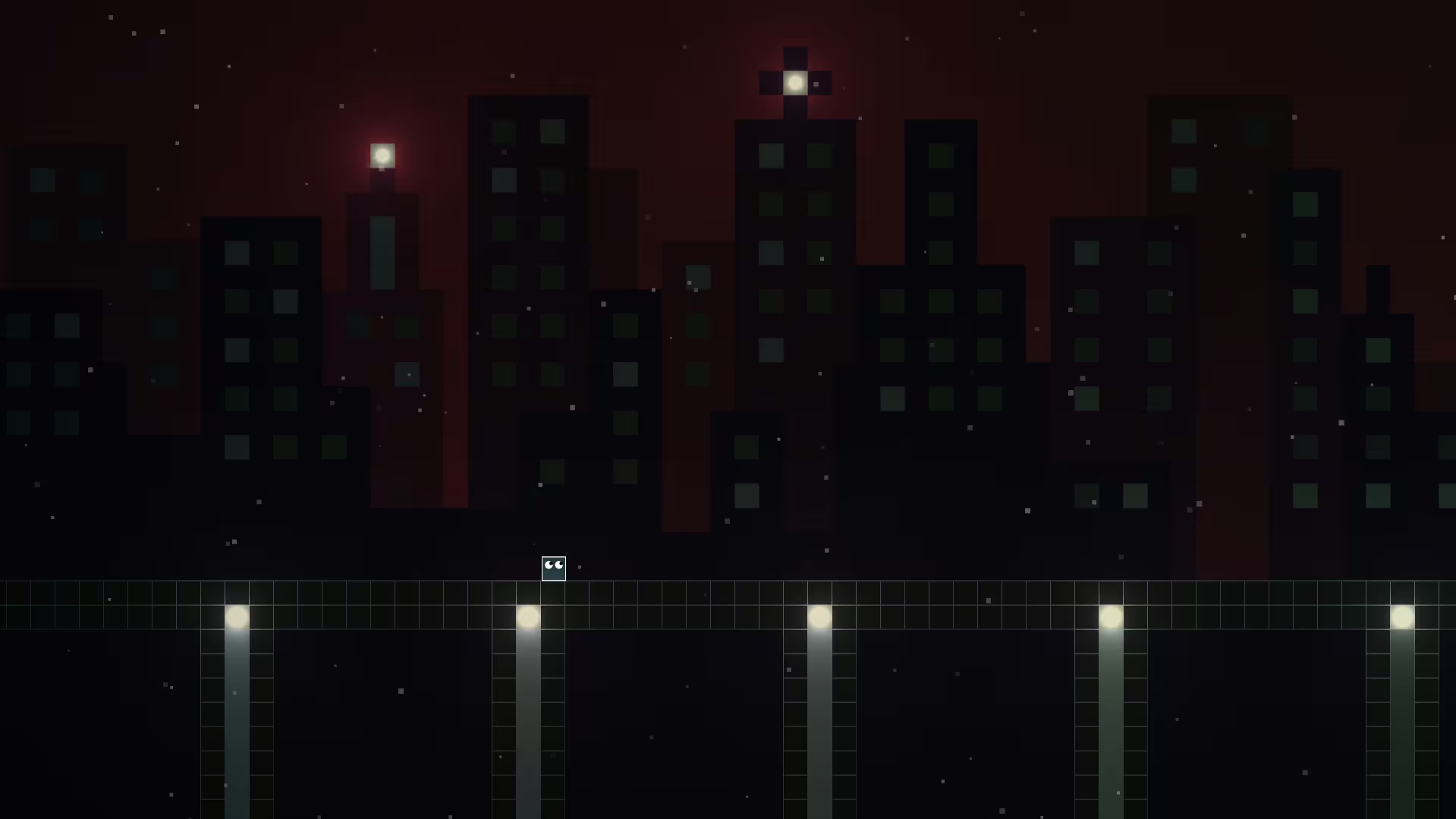
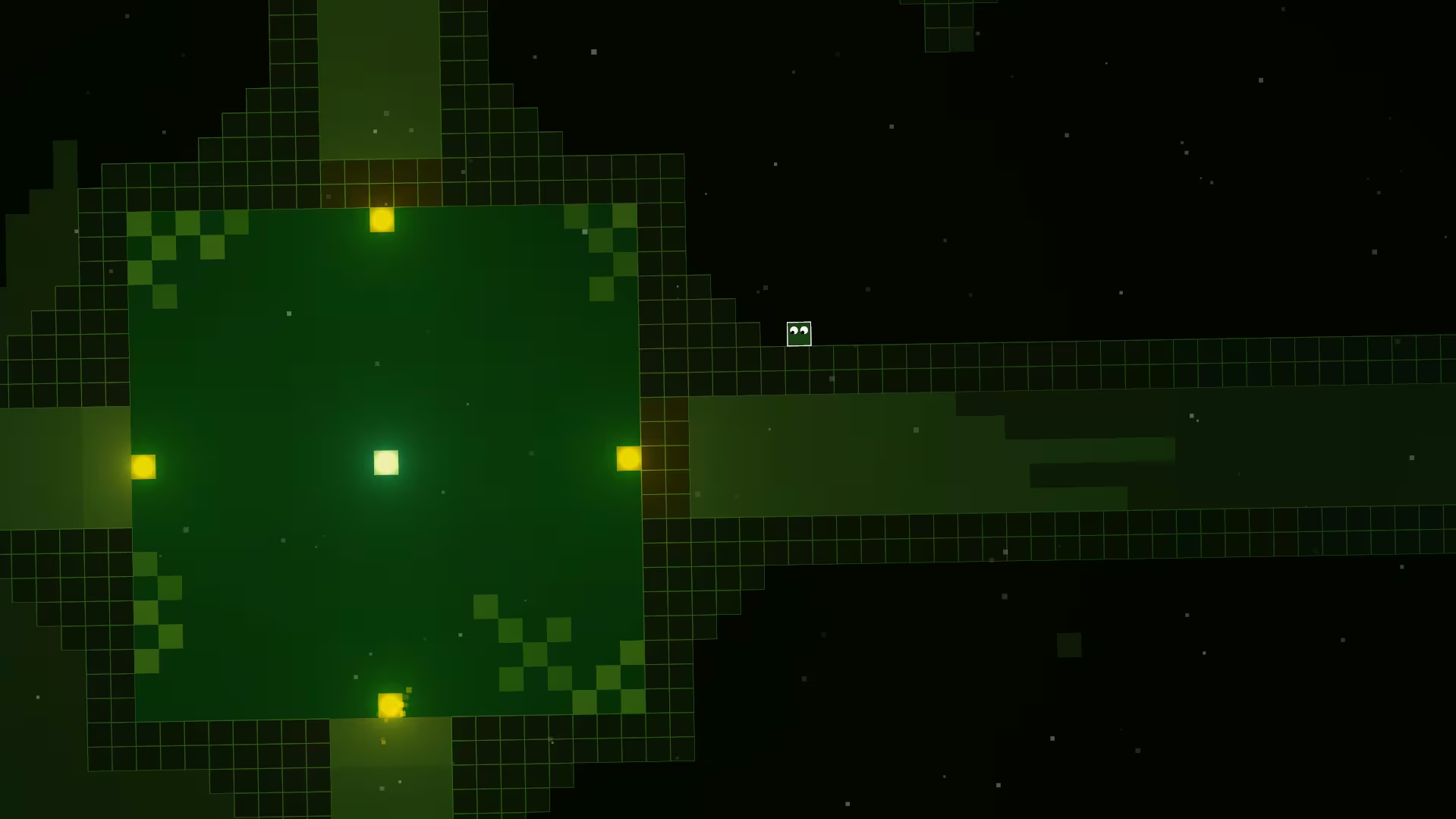
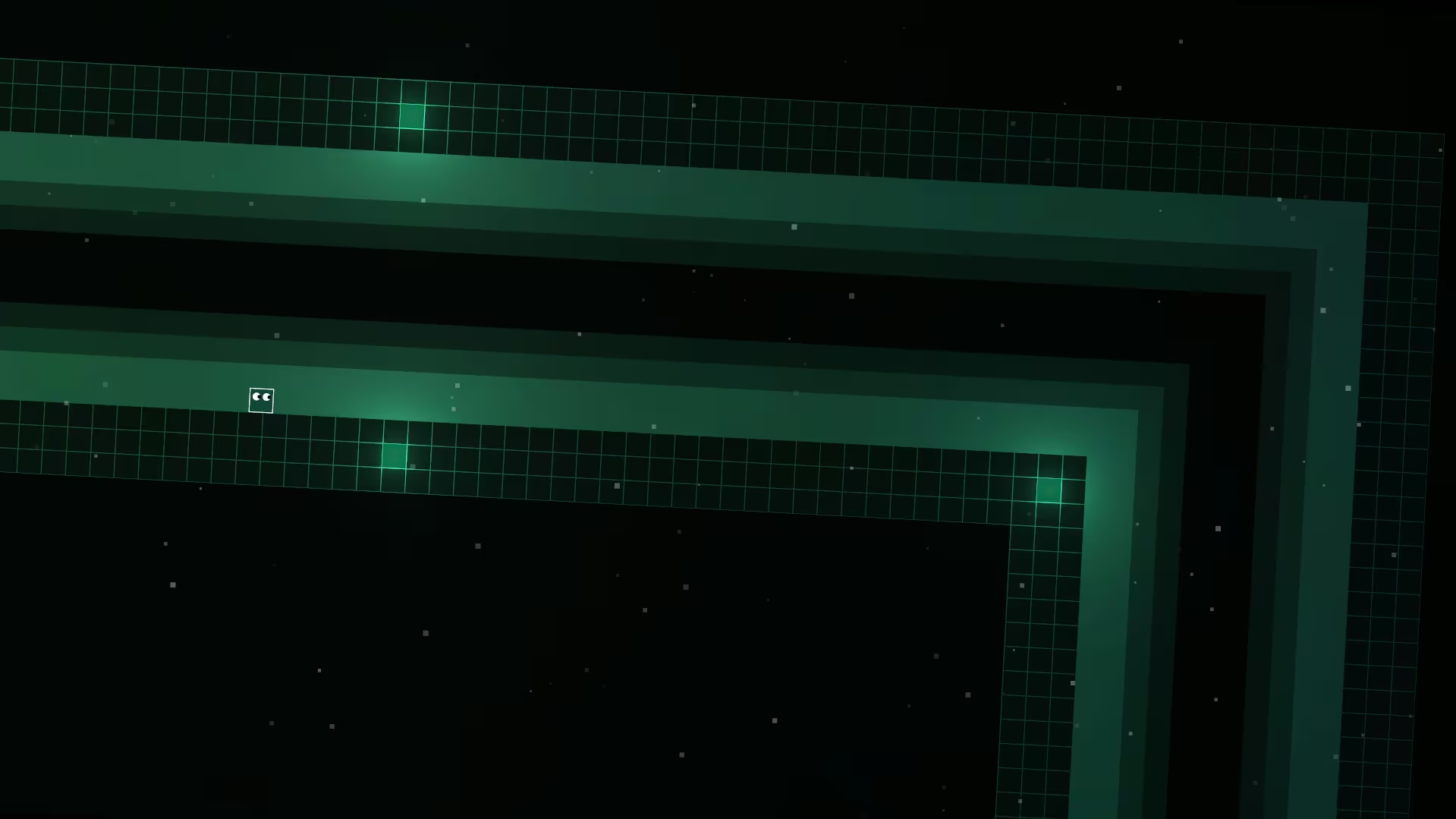
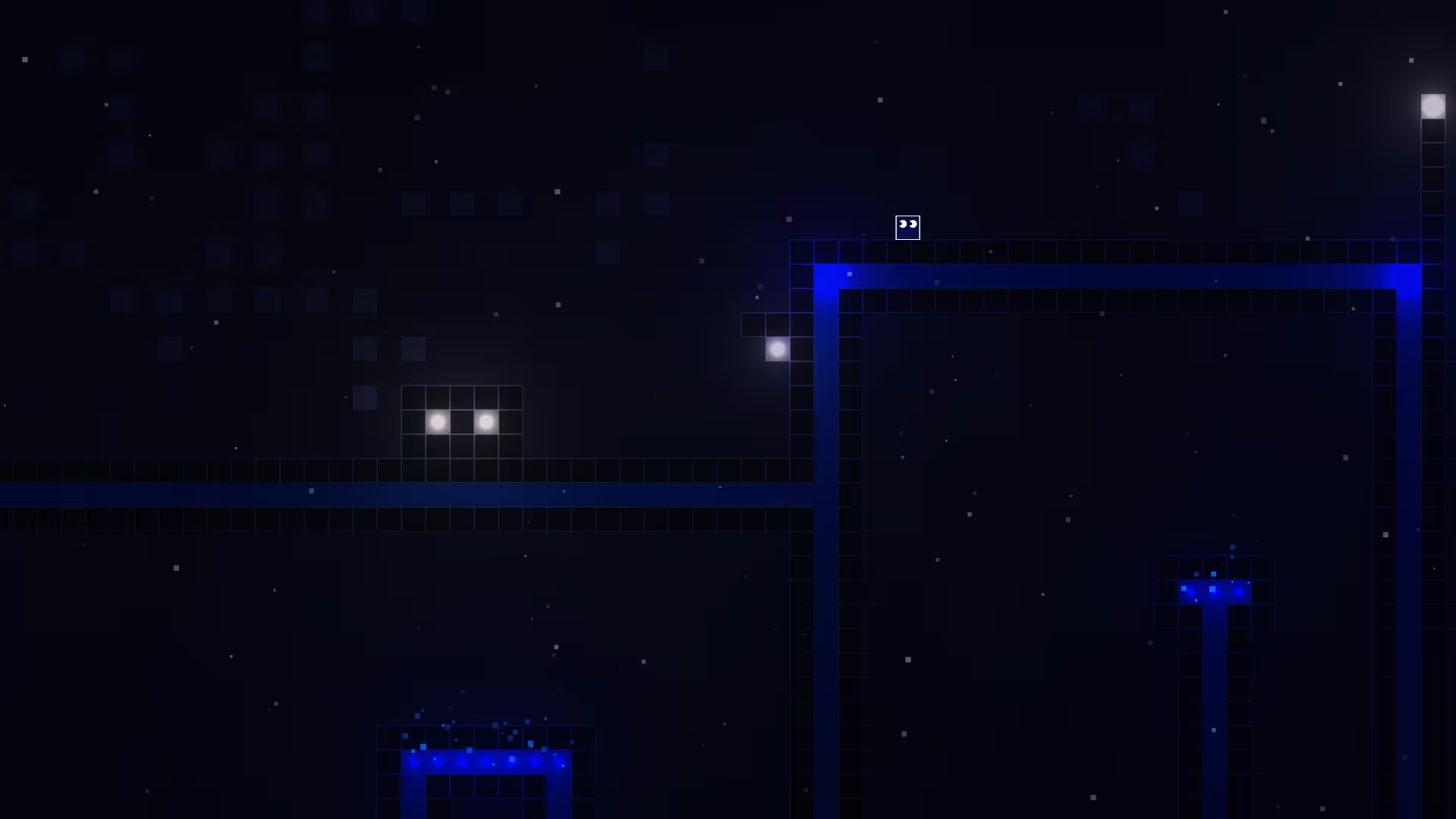
Kevin is fed up with his game. Follow him in this atmospheric, dark and funny journey and fulfil his dreams. Is it even possible to escape?

Global score

84/100

Genres

Adventure, Free To Play, Indie

Similar games

    Pros

    • Humorous and engaging narrative
    • Smooth and intuitive platforming mechanics
    • Free to play with high perceived value
    • Unique fourth wall breaking elements
    • Atmospheric music and visuals

    Cons

    • Game crashes reported by multiple users
    • Very short gameplay as only an intro/demo
    • Lack of save functionality
    • Some players find character dialogue excessive
    • Limited customization and social features

    Analysis

    A very typical example of its motivational profile. Motivations that often define this kind of title include Expression, Fellowship, Cooperation, Competition. Here, the score leans higher than usual among comparable games on Value, Continuation, Relaxation.

    How to use the graph
    Similar games map

    Each dot is a game. They are arranged from the same motivation profile as in the “Motivations” section below. Closer dots usually mean more similar reasons to play (exploration, competition, relaxation, etc.)—not that one game is “better” than another.

    • Larger dot with a light outline: the game you are viewing.
    • Colour: groups of games with comparable motivation patterns (statistical clusters).
    • Hover a dot to see the game name; click to open its page.
    • Scroll or double-click the chart to zoom out and see more games.

    Why don’t the axes read like a score? This view uses t-SNE: it only keeps who is close to whom. The scales are not “good to bad” or hours played—they separate groups on the map. Read distance between dots, not the axis numbers.

    Motivations

    • Autonomy
      4

      "Players control character movement, shooting, and grappling hook mechanics freely, with player decisions impacting progression and interaction with the game world."

    • Competence
      3

      "Gameplay involves platforming and combat challenges that require skill and timing, with some players noting the need to master mechanics like grappling and shooting."

    • Competition
      -4

      "Focus is on single-player experience without mention of leaderboards or player-vs-player competition; play is at personal pace."

    • Continuation
      3

      "Players express desire to continue playing future episodes and revisit the game despite its short length and crashes."

    • Cooperation
      -5

      "Game is a single-player platformer with no cooperative multiplayer or teamwork elements."

    • Creativity
      2

      "Some creativity in player movement and combat mechanics (grappling hook, shooting), but level design and story are linear and predefined."

    • Domination
      -5

      "No evidence of exerting control or superiority over other players; interaction is individual and narrative-driven."

    • Escapism
      4

      "Players enjoy the humorous narrative and immersive atmosphere as a form of distraction and entertainment from real life."

    • Expectation
      -4

      "Players engage voluntarily out of interest and enjoyment, with no indication of obligation or external pressure."

    • Experimenting
      2

      "Players try different mechanics like grappling and shooting, and explore the game’s limits, but within a structured environment."

    • Exploration
      1

      "Some curiosity-driven activities like finding secrets and interacting with the environment, but mostly linear progression."

    • Expression
      -3

      "Minimal customization or personalization; players use predefined character and environment visuals."

    • Fantasy
      3

      "Imaginative fiction with a talking cube protagonist and meta narrative elements breaking the fourth wall."

    • Fellowship
      -4

      "Primarily a solo experience with limited social connection or community interaction."

    • Growth
      2

      "Players develop skills in platforming and combat mechanics, and learn game systems over time."

    • Health
      -5

      "Standard sedentary gameplay with no physical activity or health-related features."

    • Idle
      -4

      "Requires focused attention and continuous engagement during gameplay sessions."

    • Intimacy
      -4

      "Limited social interaction; engagement is with the game character but not with other players."

    • Leadership
      -5

      "No leadership or management roles; gameplay is individual and narrative-driven."

    • Progression
      3

      "Players progress through levels and upgrade weapons, accumulating power and advancing the story."

    • Relaxation
      2

      "Generally enjoyable and humorous experience with moments of challenge but overall balanced tension."

    • Sensation
      3

      "Engaging visual and auditory elements including music and animations provide sensory stimulation."

    • Status
      -4

      "No social recognition or ranking systems; focus is on personal experience."

    • Story
      4

      "Strong narrative immersion with humorous dialogue, character personality, and fourth wall breaking."

    • Strategy
      2

      "Requires some planning and problem solving in platforming and combat, though mostly straightforward."

    • Thrill
      2

      "Some suspense and challenge in avoiding hazards and enemies, with humorous tension from character dialogue."

    • Value
      4

      "Players perceive high value due to free access, enjoyable gameplay, and anticipation for future content."

    • Violence
      2

      "Combat involves shooting enemies and destruction, though within a cartoonish and humorous context."

    • Survival
      2

      "Players must avoid hazards and enemies to survive and progress, adding a moderate survival challenge."

    Last update: 29/04/2026