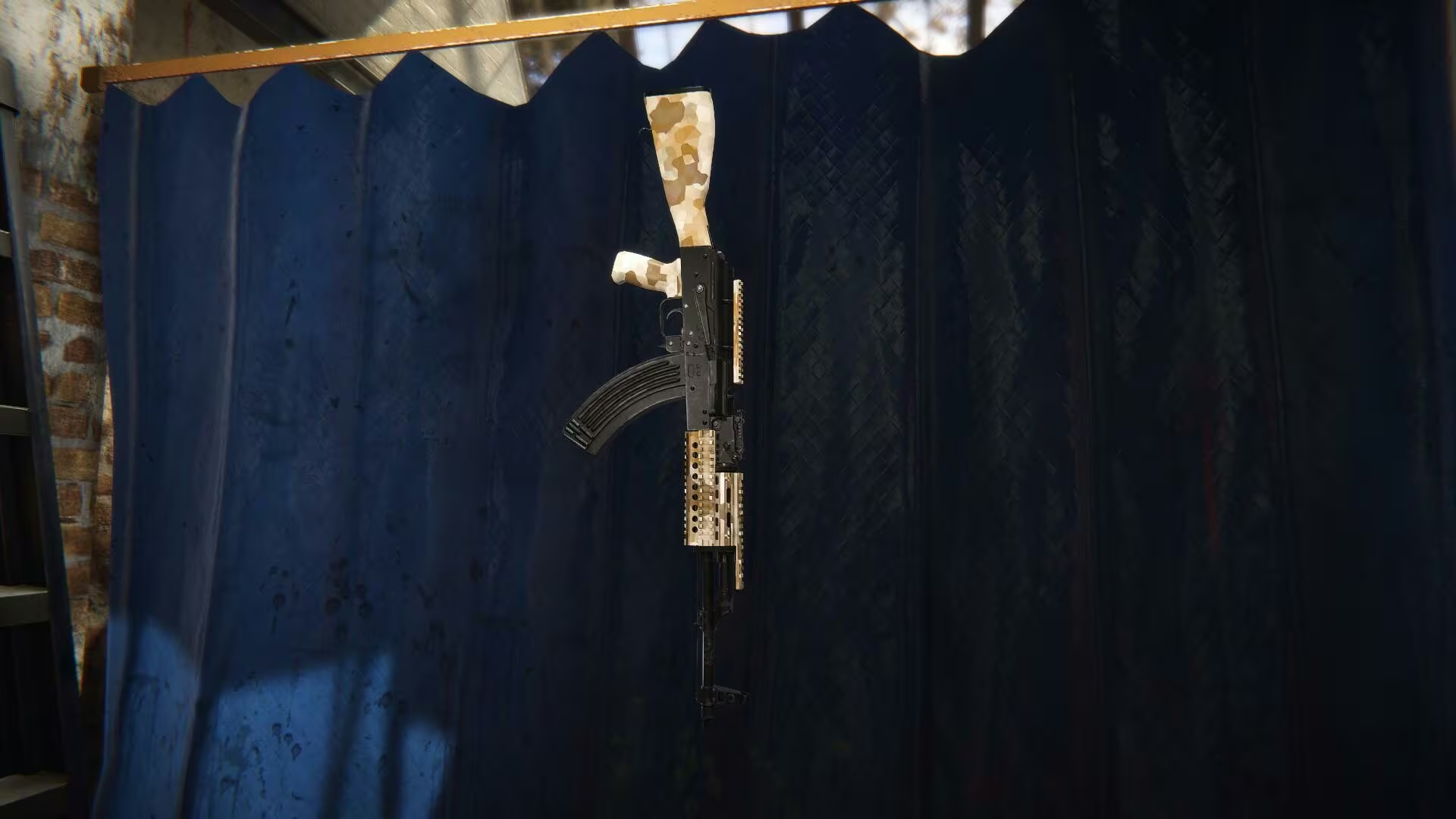
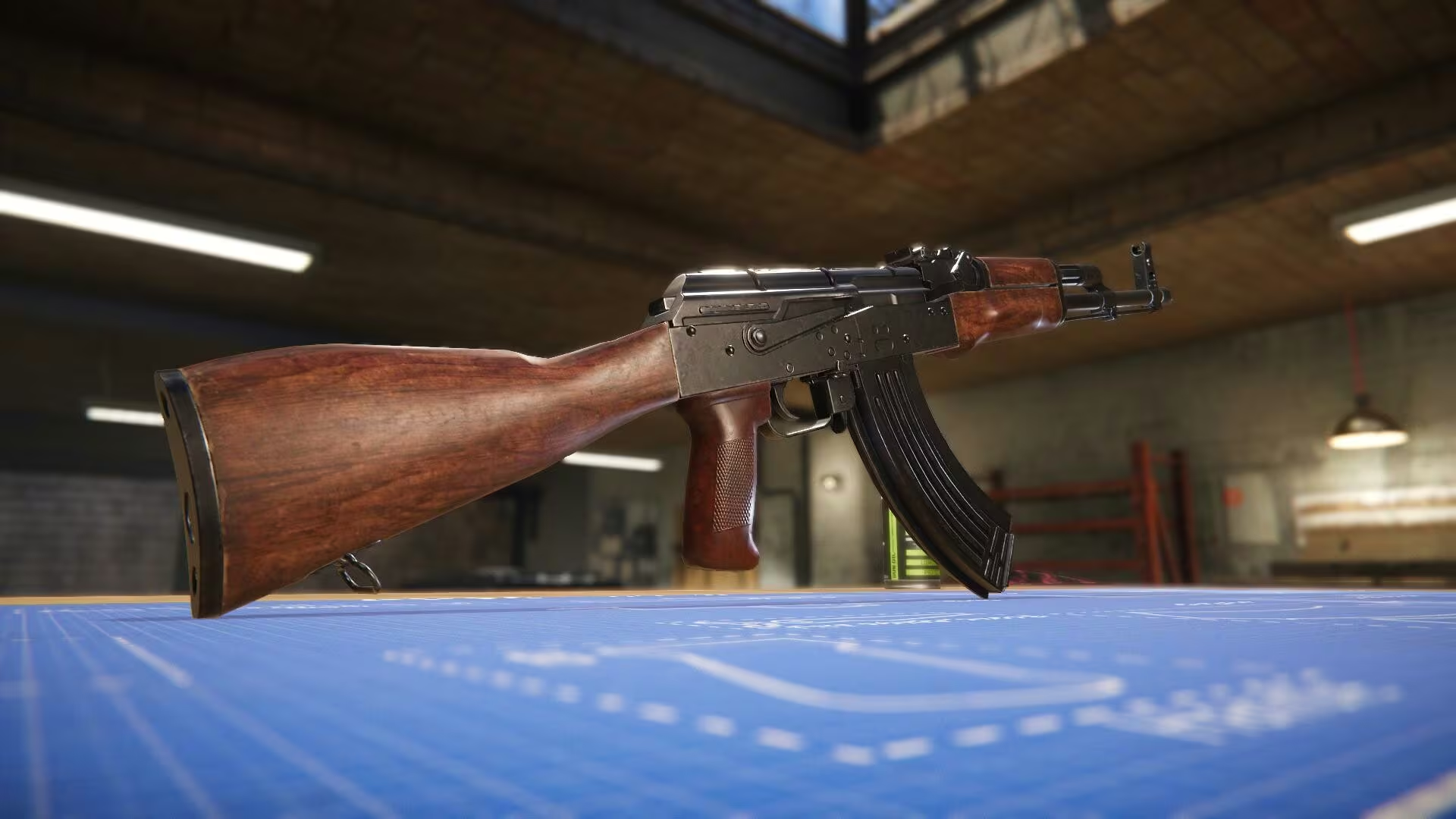
Gunsmith Simulator: Prologue Thumbnail

Gunsmith Simulator: Prologue similar games & best alternatives
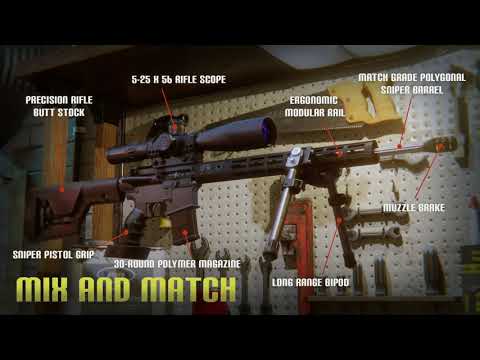
Gunsmith Simulator: Prologue

PC (Microsoft Windows) • 2023

Related articles

Quick resume

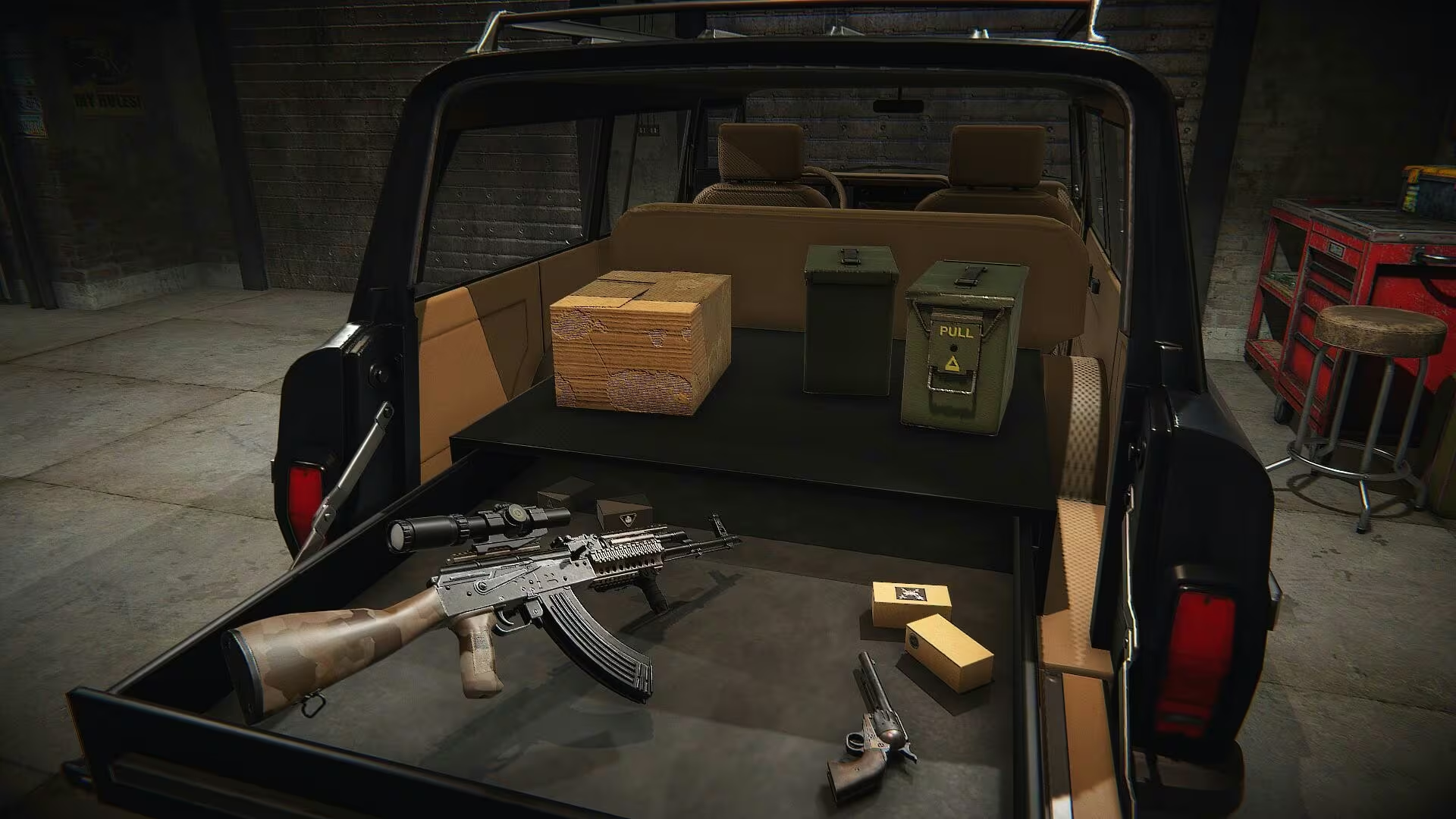
Enter the world of gunsmithing and become a real expert in making, repairing and modifying weapons in Gunsmith Simulator: Prologue. Open your workshop, be creative and excel at gunsmithing!

Global score

85/100

Genres

Simulator

Similar games

    Pros

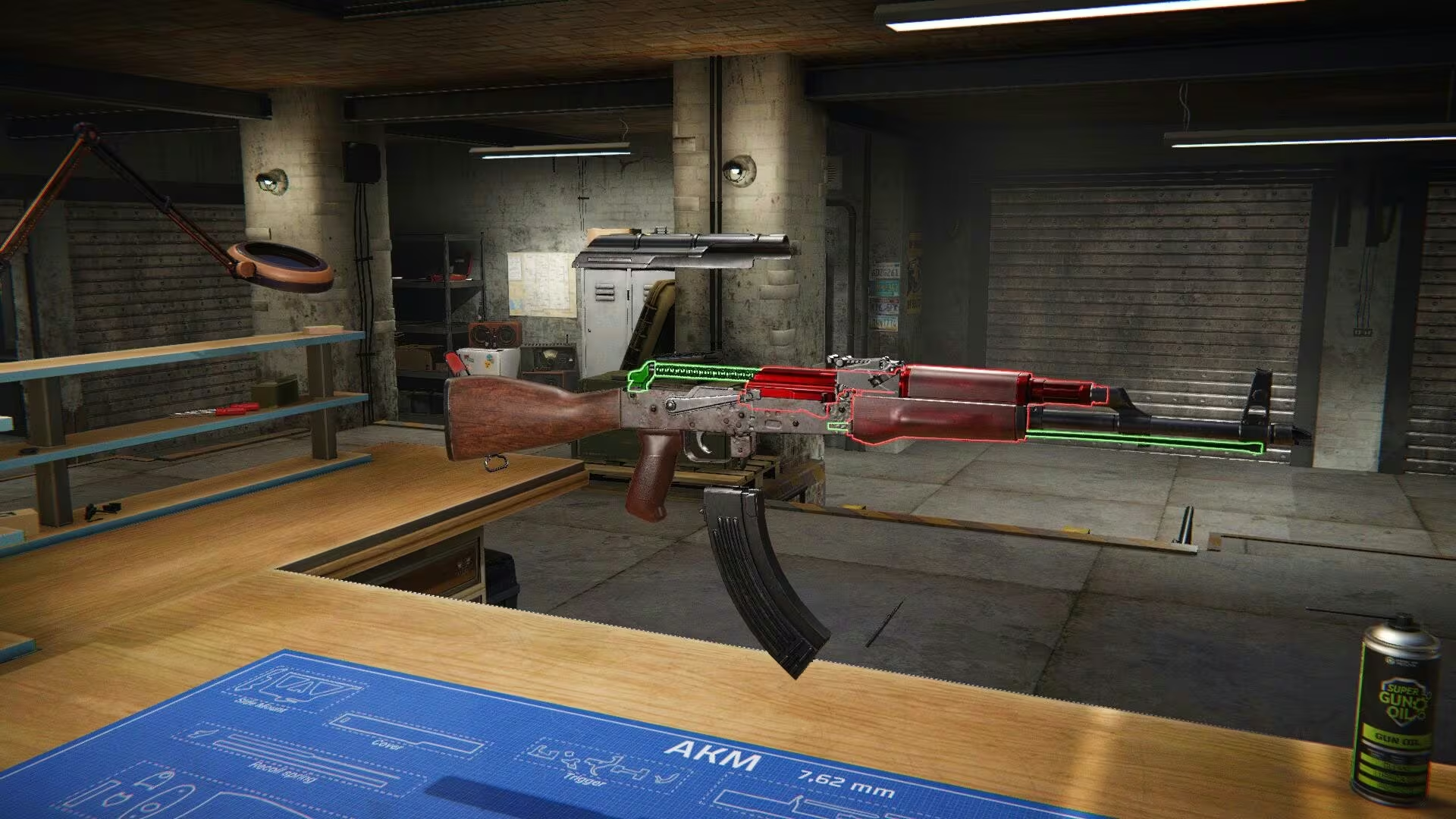
    • Detailed and realistic gun disassembly and customization
    • Relaxing and satisfying gameplay
    • Good graphics and animations
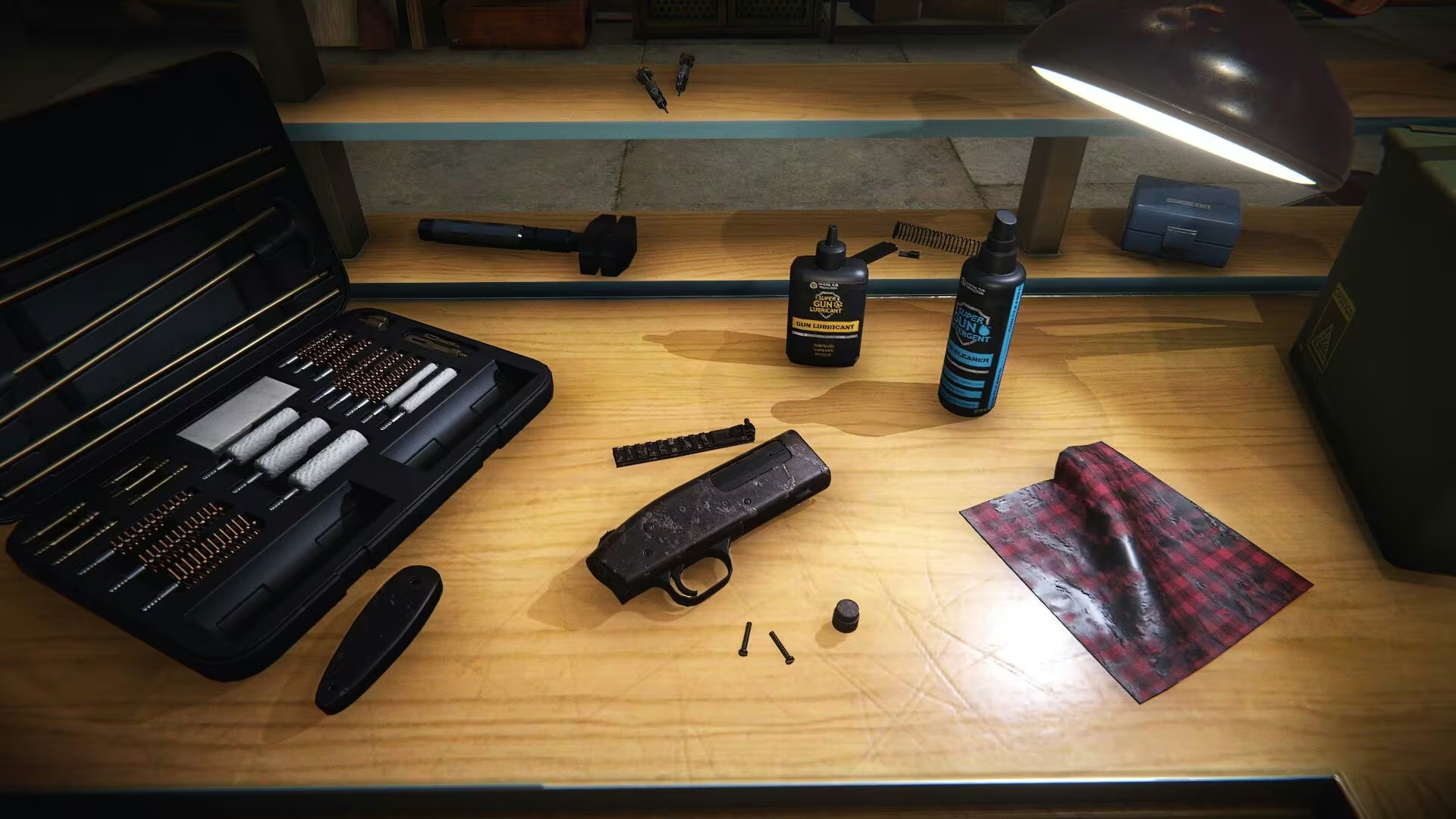
    • Educational about firearms and maintenance
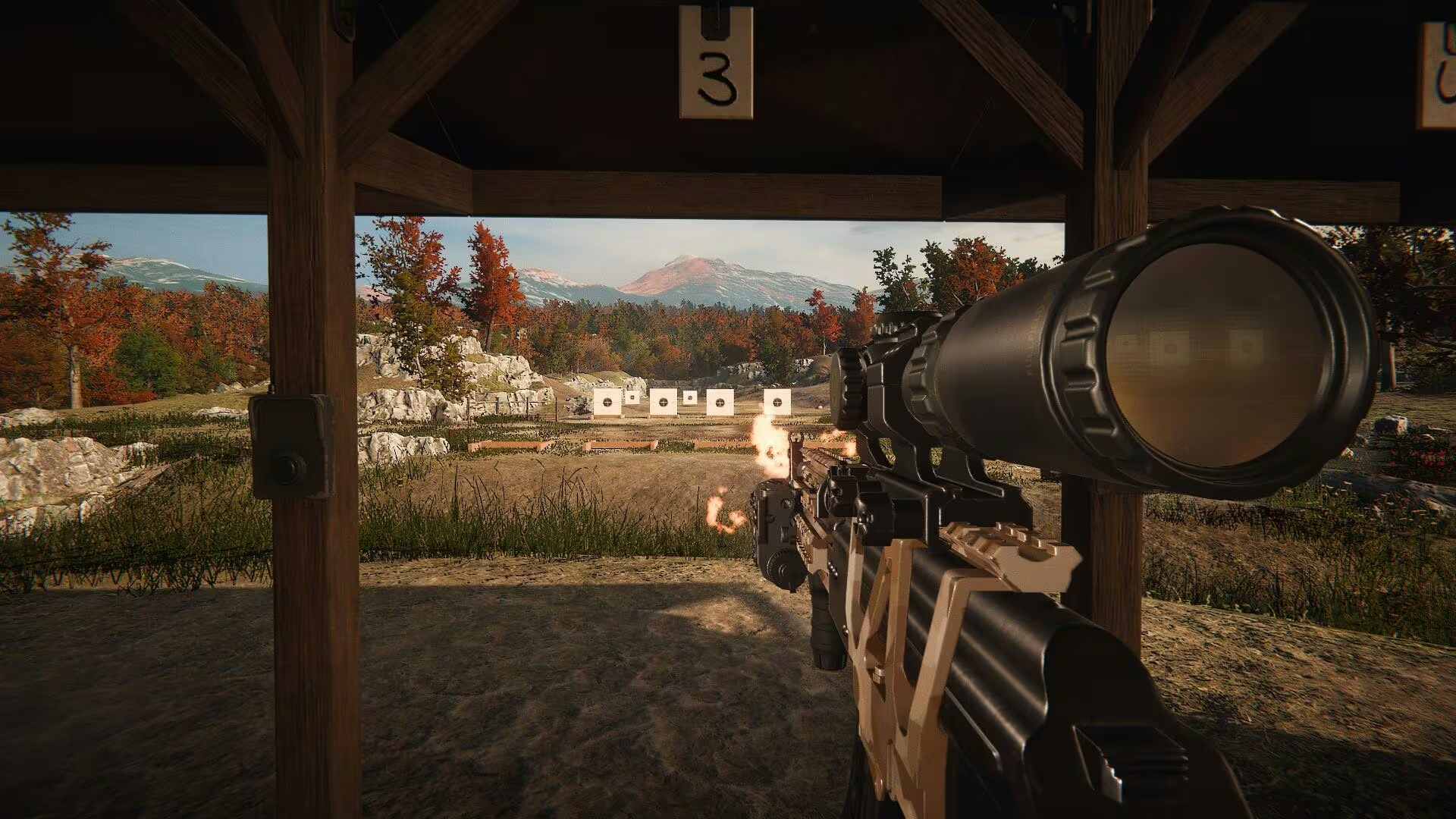
    • Shooting range with mini games

    Cons

    • Camera controls are confusing and inconsistent
    • Some repetitive and tedious tasks
    • Limited gun variety in prologue
    • Occasional bugs and performance issues
    • Lack of deeper customization and tuning options

    Analysis

    A very typical example of its motivational profile. Motivations that often define this kind of title include Fantasy, Violence, Story, Thrill. Here, the score leans higher than usual among comparable games on Story. It leans lower than usual among comparable games on Exploration, Survival.

    How to use the graph
    Similar games map

    Each dot is a game. They are arranged from the same motivation profile as in the “Motivations” section below. Closer dots usually mean more similar reasons to play (exploration, competition, relaxation, etc.)—not that one game is “better” than another.

    • Larger dot with a light outline: the game you are viewing.
    • Colour: groups of games with comparable motivation patterns (statistical clusters).
    • Hover a dot to see the game name; click to open its page.
    • Scroll or double-click the chart to zoom out and see more games.

    Why don’t the axes read like a score? This view uses t-SNE: it only keeps who is close to whom. The scales are not “good to bad” or hours played—they separate groups on the map. Read distance between dots, not the axis numbers.

    Motivations

    • Autonomy
      3

      "Players can choose jobs, customize guns, and decide on repairs and modifications, though some tasks are guided and require following specific steps."

    • Competence
      3

      "Game involves skillful disassembly, cleaning, painting, and reassembly of guns with detailed feedback, though some repetitive tasks and clunky controls reduce challenge."

    • Competition
      -4

      "Focus is on individual tasks and personal progress without leaderboards or direct player competition."

    • Continuation
      3

      "Players report spending long sessions and habitual play due to relaxing and engaging gameplay."

    • Cooperation
      -5

      "Gameplay is single-player and independent without cooperative or team-based elements."

    • Creativity
      3

      "Players can customize guns with paint, decals, woodworking, and modifications, though some customization is limited or preset."

    • Domination
      -5

      "No evidence of exerting control or superiority over others; interactions are individual and respectful."

    • Escapism
      4

      "Players use the game as a relaxing distraction and stress relief, enjoying immersive tinkering and shooting range activities."

    • Expectation
      -4

      "Players engage voluntarily out of personal interest and intrinsic motivation rather than obligation or pressure."

    • Experimenting
      3

      "Players try different guns, modifications, and paint jobs, exploring mechanics and customizing weapons."

    • Exploration
      -3

      "Gameplay centers on known guns and tasks with limited discovery or new area exploration."

    • Expression
      3

      "Customization of guns with colors, patterns, decals, and woodworking allows self-expression."

    • Fantasy
      -4

      "Game focuses on realistic firearm mechanics and scenarios rather than imaginative or fictional elements."

    • Fellowship
      -5

      "No social or community features; gameplay is solo and independent."

    • Growth
      3

      "Players learn about gun mechanics, maintenance, and customization, gaining knowledge and skills."

    • Health
      -5

      "Gameplay is sedentary with no physical activity or health-related features."

    • Idle
      -3

      "Requires focused attention and interaction; not designed for background or idle play."

    • Intimacy
      -5

      "No evidence of close social relationships or emotional sharing; interactions are minimal and surface-level."

    • Leadership
      -5

      "No leadership or management roles; players act independently."

    • Progression
      3

      "Players accumulate parts, upgrades, and complete jobs, progressing through tasks and unlocking content."

    • Relaxation
      4

      "Many players find the gameplay relaxing and satisfying, suitable for unwinding after a stressful day."

    • Sensation
      2

      "Visual and auditory feedback is enjoyable though some players note camera and control issues that reduce sensory pleasure."

    • Status
      -5

      "No social recognition or status systems; achievements are personal and not publicly evaluated."

    • Story
      1

      "Some narrative elements exist via customer jobs and gun histories, but overall gameplay is task-focused rather than story-driven."

    • Strategy
      1

      "Some planning and problem solving in gun repairs and modifications, but largely straightforward and guided tasks."

    • Thrill
      -3

      "Gameplay is calm and methodical with minimal suspense or risk."

    • Value
      3

      "Players perceive good value in learning and entertainment, though some note bugs and rough edges."

    • Violence
      -3

      "While guns are used and fired, emphasis is on maintenance and simulation rather than combat or destruction."

    • Survival
      -5

      "No survival or threat elements; environment is stable and low risk."

    Last update: 29/04/2026