Istrolid Thumbnail

Istrolid similar games & best alternatives
Istrolid

PC (Microsoft Windows), Mac, Linux • 2016

Related articles

Quick resume

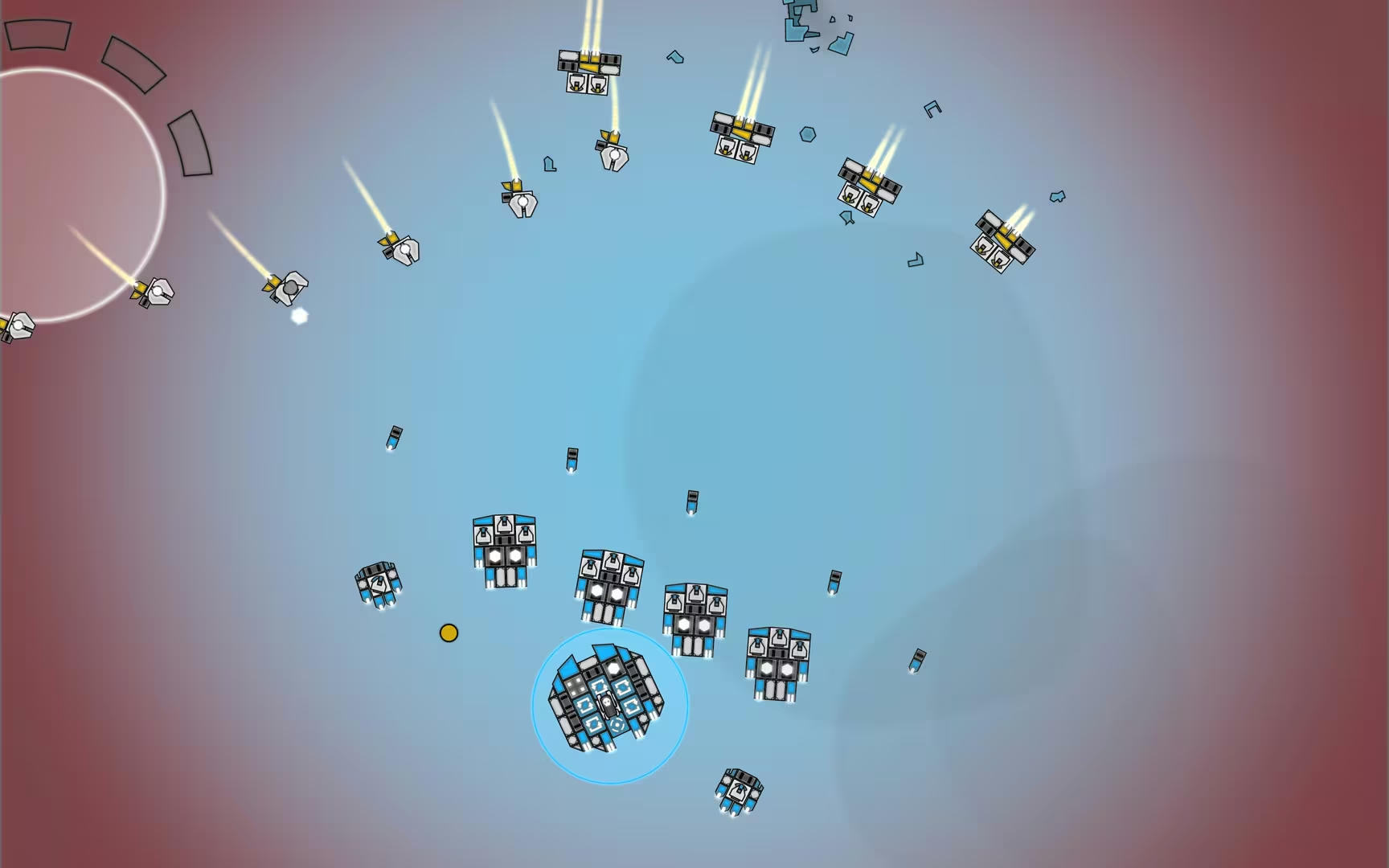
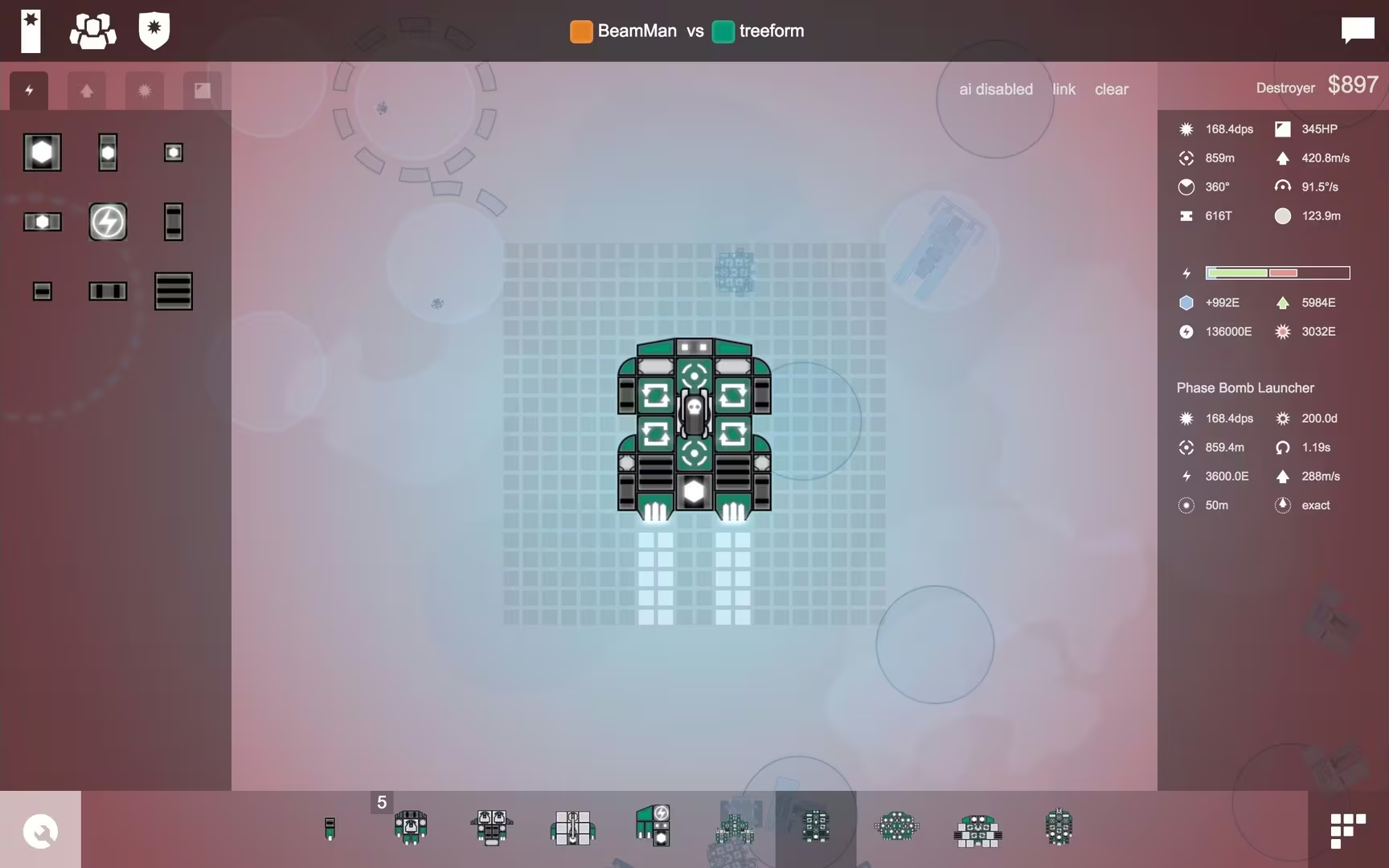
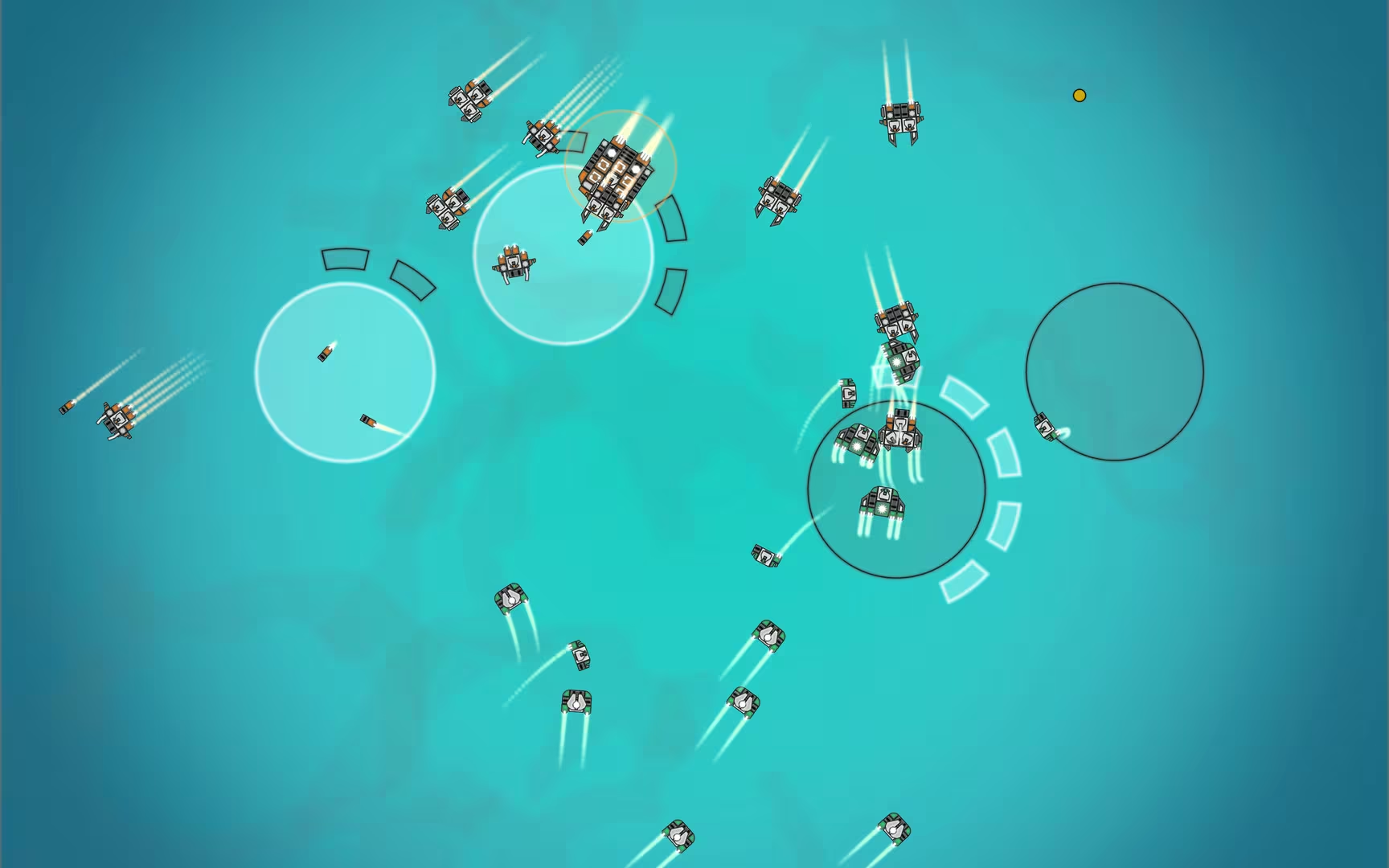
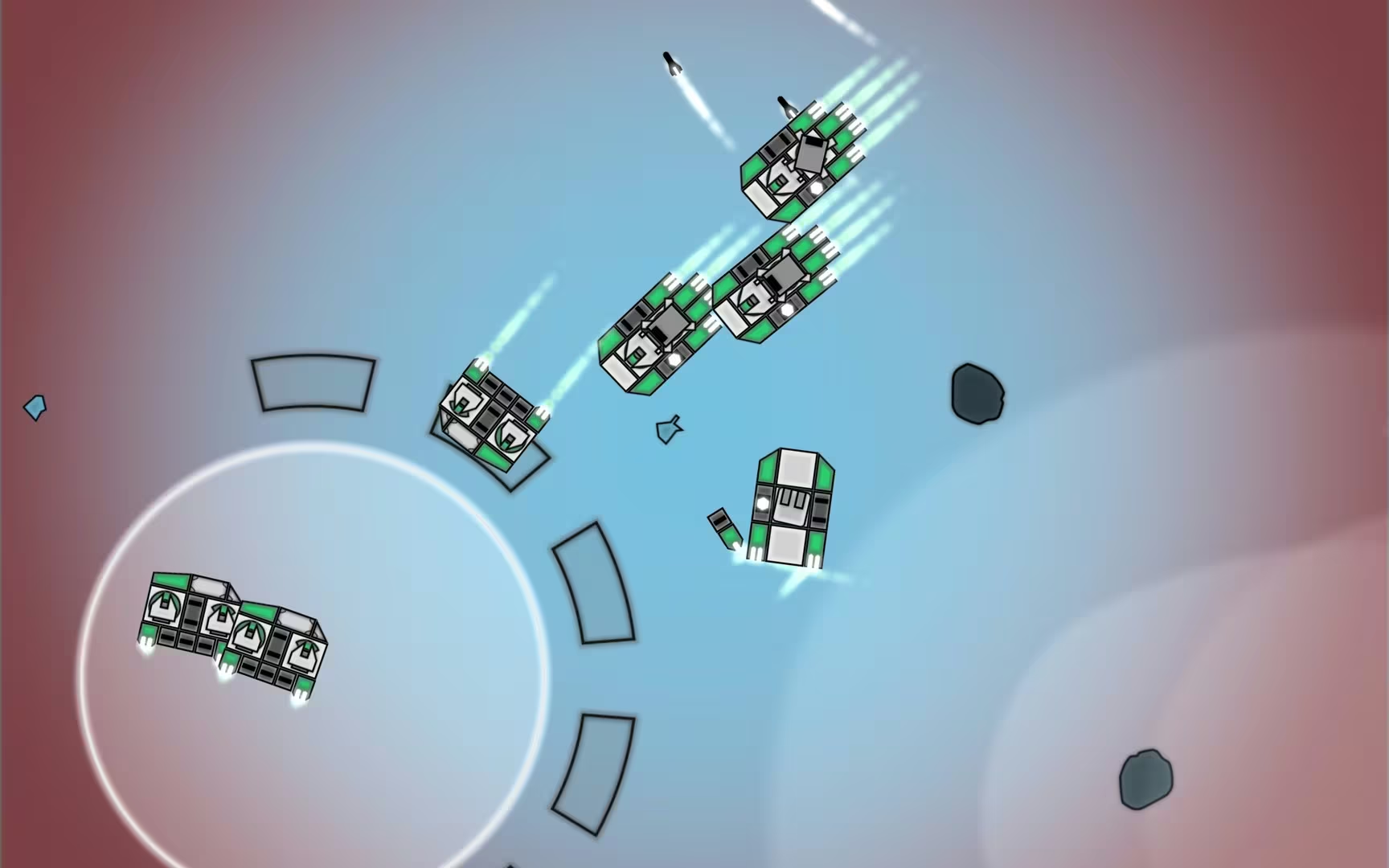
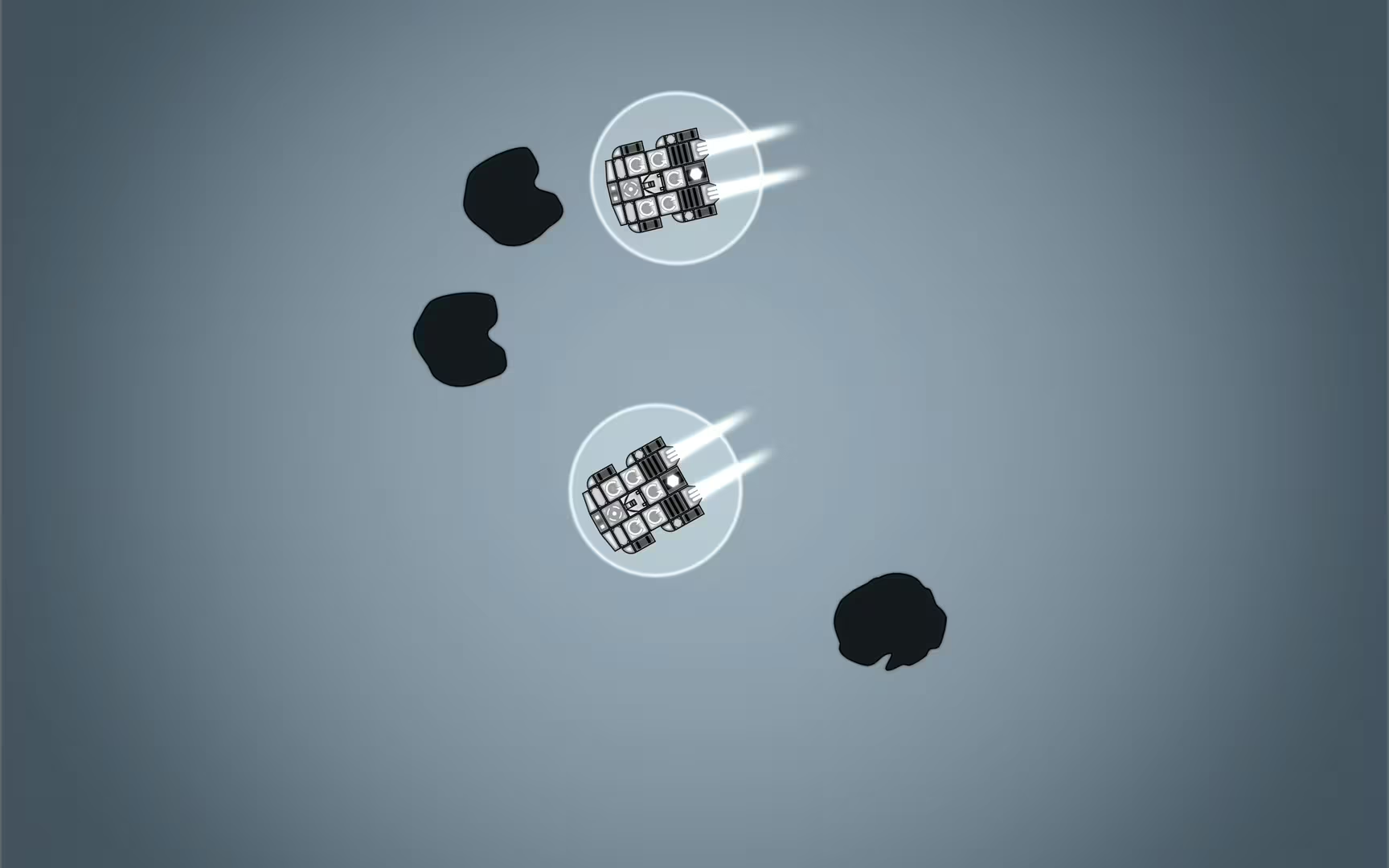
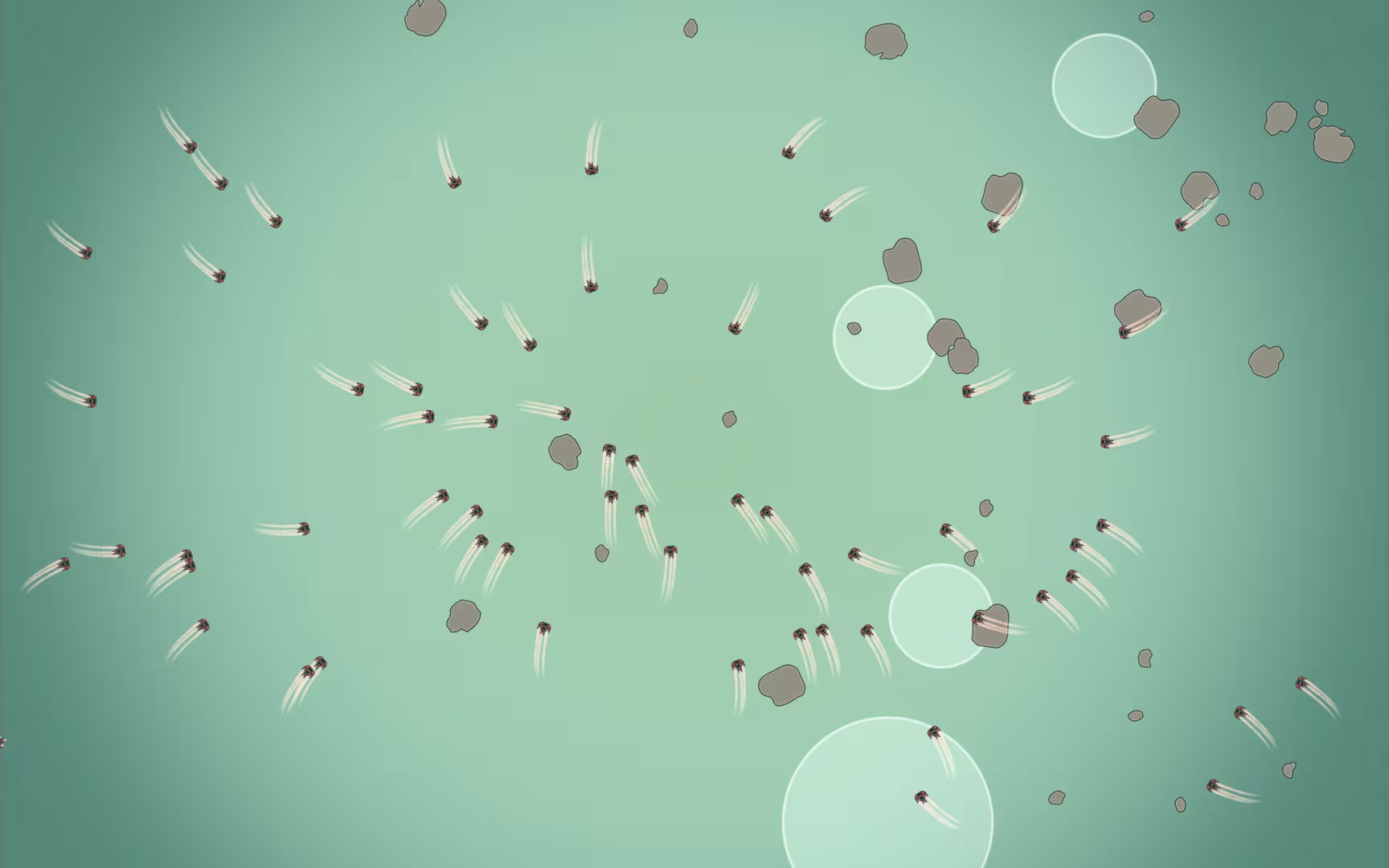
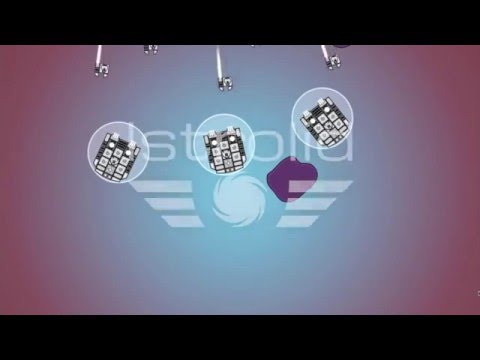
In Istrolid you design your own unique spaceships from a large number of parts to fit your strategy and play style. With no set units or factions you are free to create a fleet where each ship has its own balanced strengths and weaknesses, from basic fighters and bombers to hulking battleships and speedy destroyers.

Global score

87/100

Genres

Free To Play, Indie, Strategy

Similar games

    Pros

    • Extensive ship customization and ai programming
    • Free to play with no pay-to-win
    • Engaging multiplayer with ranked modes
    • Active developer and community
    • Challenging campaign and strategic depth

    Cons

    • Limited game modes (mostly capture point)
    • Matchmaking issues and unbalanced lobbies
    • Small player base and low multiplayer population
    • Ship size and cost caps limit creativity
    • Ui and tutorial could be improved

    Analysis

    Broadly representative of its motivational profile, with a few distinct shifts. Motivations that often define this kind of title include Competition, Fellowship, Domination, Status. It leans lower than usual among comparable games on Domination, Exploration, Intimacy.

    How to use the graph
    Similar games map

    Each dot is a game. They are arranged from the same motivation profile as in the “Motivations” section below. Closer dots usually mean more similar reasons to play (exploration, competition, relaxation, etc.)—not that one game is “better” than another.

    • Larger dot with a light outline: the game you are viewing.
    • Colour: groups of games with comparable motivation patterns (statistical clusters).
    • Hover a dot to see the game name; click to open its page.
    • Scroll or double-click the chart to zoom out and see more games.

    Why don’t the axes read like a score? This view uses t-SNE: it only keeps who is close to whom. The scales are not “good to bad” or hours played—they separate groups on the map. Read distance between dots, not the axis numbers.

    Motivations

    • Autonomy
      5

      "Players have full control over ship design, fleet composition, and tactical decisions in battles, enabling high personal freedom."

    • Competence
      4

      "Game offers a steep learning curve with complex ship building and tactical combat requiring skill and mastery."

    • Competition
      4

      "Multiplayer modes with ranked 1v1, 2v2, 3v3 matches and leaderboards encourage player comparison and competition."

    • Continuation
      4

      "Many players report long playtimes, habitual engagement, and replayability through ship design and multiplayer."

    • Cooperation
      3

      "Team-based multiplayer modes (2v2, 3v3) require coordination and cooperation among players."

    • Creativity
      5

      "Core gameplay revolves around creative ship building with extensive customization and AI programming."

    • Domination
      -3

      "Community generally described as friendly and cooperative; some reports of toxic players but mostly balanced interactions."

    • Escapism
      3

      "Players use the game as a distraction and immersive strategic experience away from real life."

    • Expectation
      -4

      "Players engage voluntarily out of intrinsic interest and enjoyment rather than obligation or pressure."

    • Experimenting
      5

      "Strong emphasis on experimenting with ship designs, tactics, and AI behaviors to find optimal strategies."

    • Exploration
      -2

      "Game maps and modes are limited; focus is on tactical battles rather than exploration of new areas."

    • Expression
      4

      "Players express themselves through unique ship designs and cosmetic customization options."

    • Fantasy
      3

      "Set in a sci-fi space setting with imaginative ship designs and battles, though grounded in RTS mechanics."

    • Fellowship
      3

      "Community engagement and multiplayer foster a sense of belonging and shared interest."

    • Growth
      4

      "Players develop skills in ship design, strategy, and micro-management over time."

    • Health
      -5

      "Game is sedentary with no physical activity component."

    • Idle
      -3

      "Requires focused attention and micro-management during battles; not suitable for casual or background play."

    • Intimacy
      -3

      "Social interactions are mostly surface-level multiplayer communications; limited close relationship formation."

    • Leadership
      2

      "Some multiplayer modes require team coordination and leadership, but many players act independently."

    • Progression
      4

      "Campaign unlocks new parts and players accumulate ship designs and upgrades over time."

    • Relaxation
      1

      "Some players find the gameplay engaging and fun, but others report frustration and tension in battles."

    • Sensation
      2

      "Visual and auditory feedback is simple but satisfying; gameplay excitement comes from strategy rather than sensory stimulation."

    • Status
      2

      "Ranked multiplayer and community recognition provide some social status and visibility."

    • Story
      -2

      "Campaign provides some narrative and progression but overall gameplay is context-free tactical battles."

    • Strategy
      5

      "Game demands high-level strategic thinking in ship design, resource management, and tactical combat."

    • Thrill
      3

      "Players enjoy suspense and tension from battles and countering opponents' strategies."

    • Value
      5

      "Highly praised for being free with no pay-to-win elements and offering extensive gameplay and replay value."

    • Violence
      3

      "Combat and destruction of enemy ships is a core gameplay element."

    • Survival
      2

      "Players must manage resources and avoid defeat by capturing points and countering enemy fleets."

    Last update: 29/04/2026