LEGO® Harry Potter: Years 5-7 Thumbnail

LEGO® Harry Potter: Years 5-7 similar games & best alternatives

LEGO® Harry Potter: Years 5-7

PC (Microsoft Windows), Mac, iOS, Xbox 360, Android, PlayStation Vita, Wii, PlayStation 3, PlayStation Portable • 2012

Related articles

Quick resume

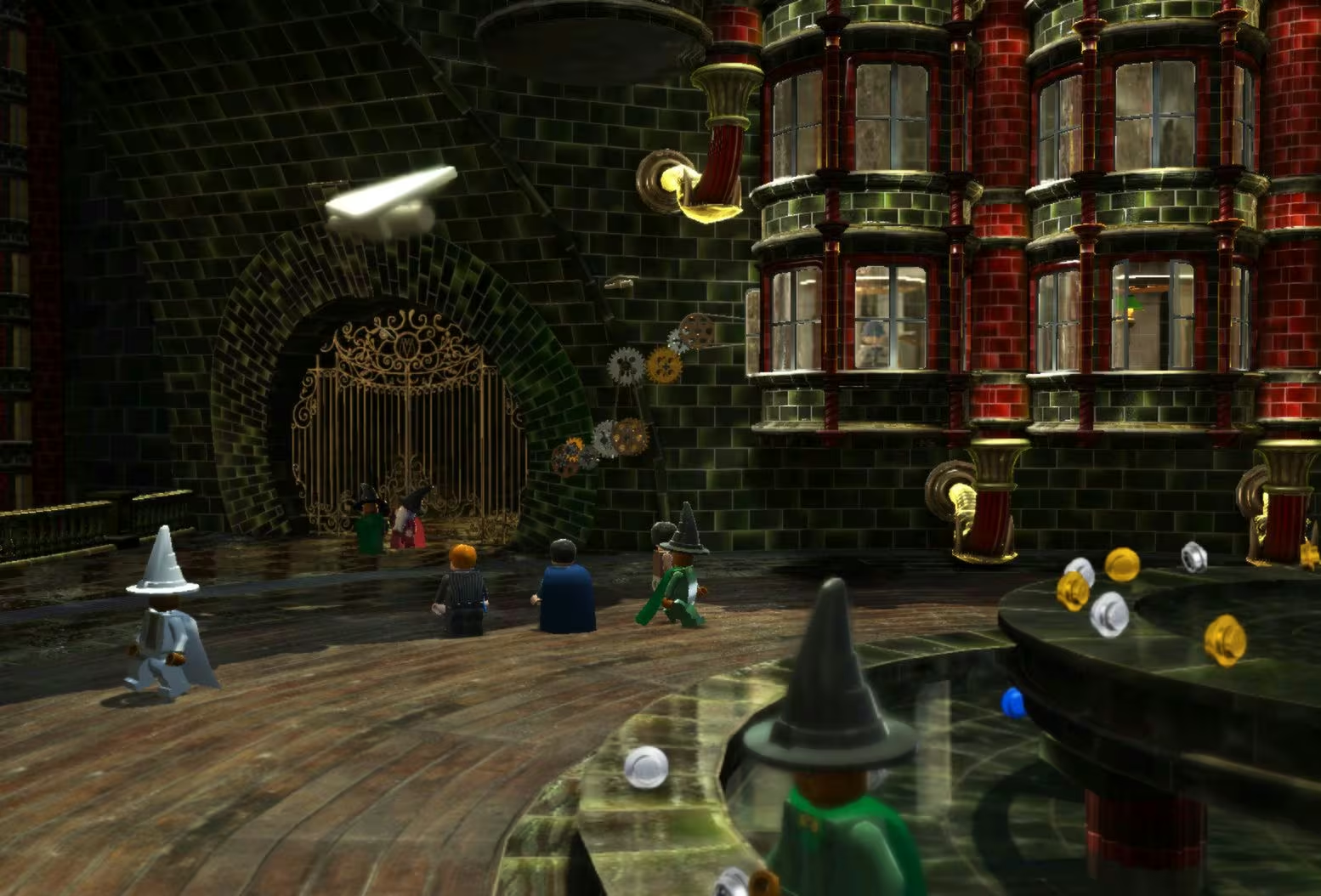
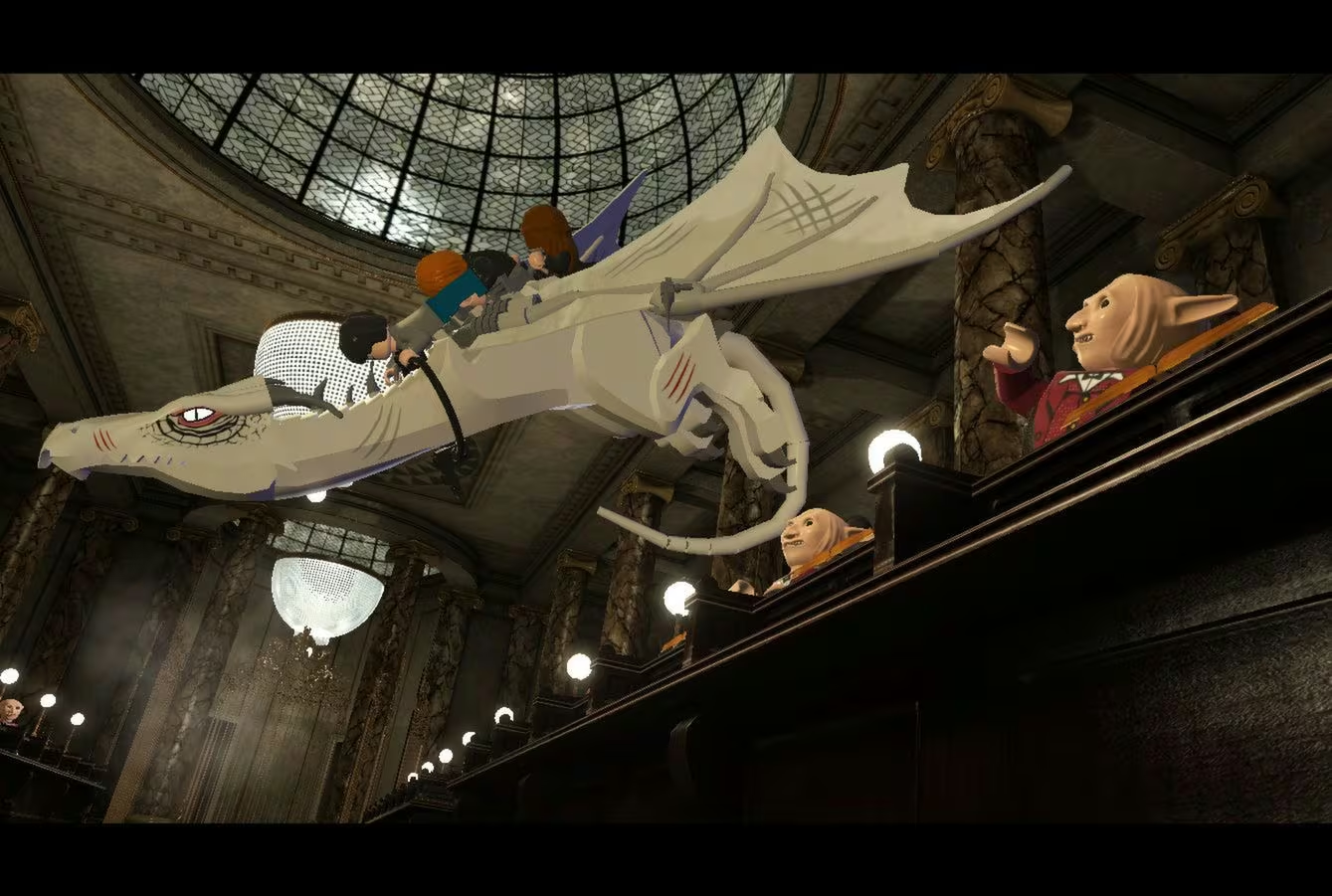
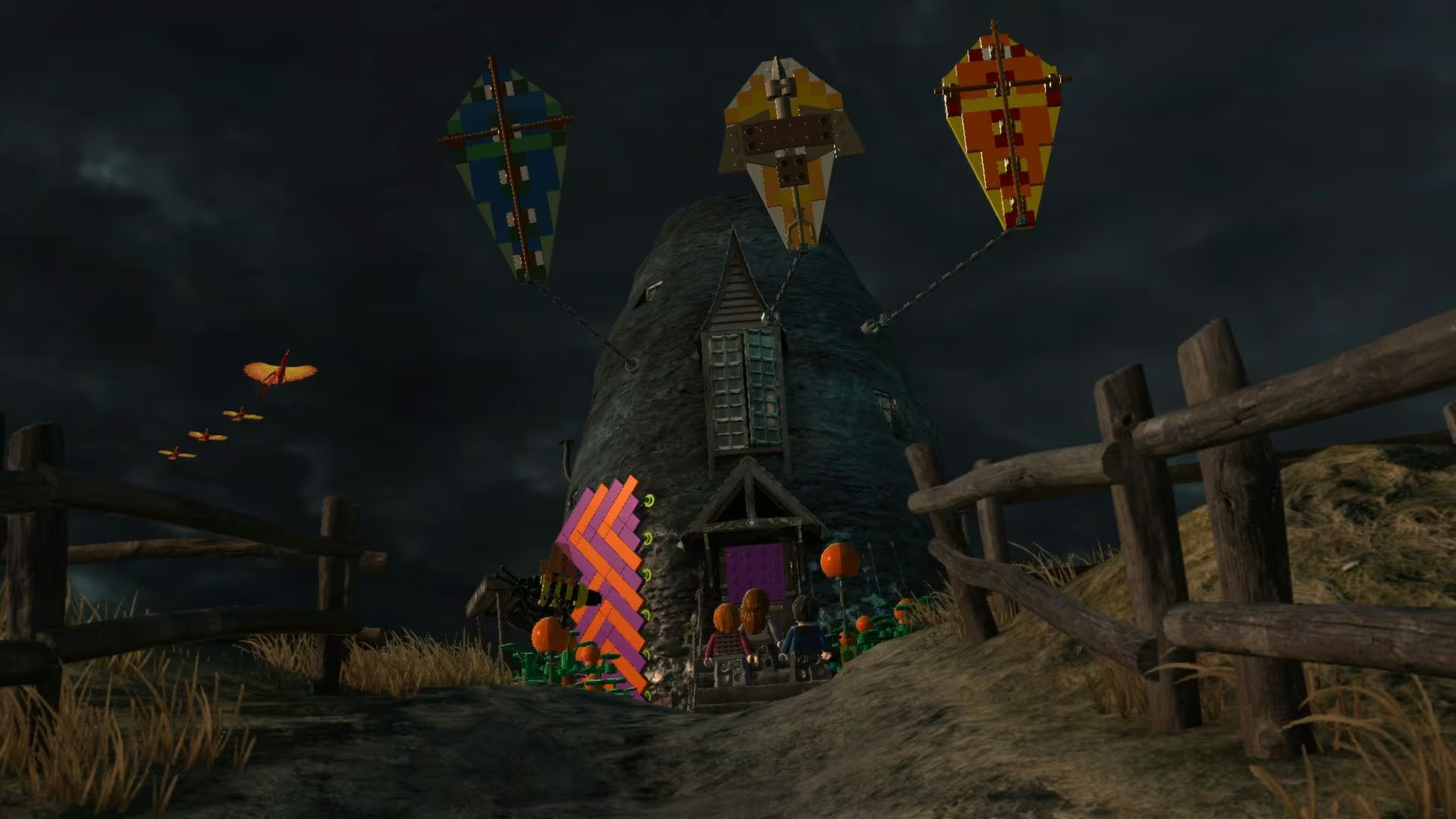
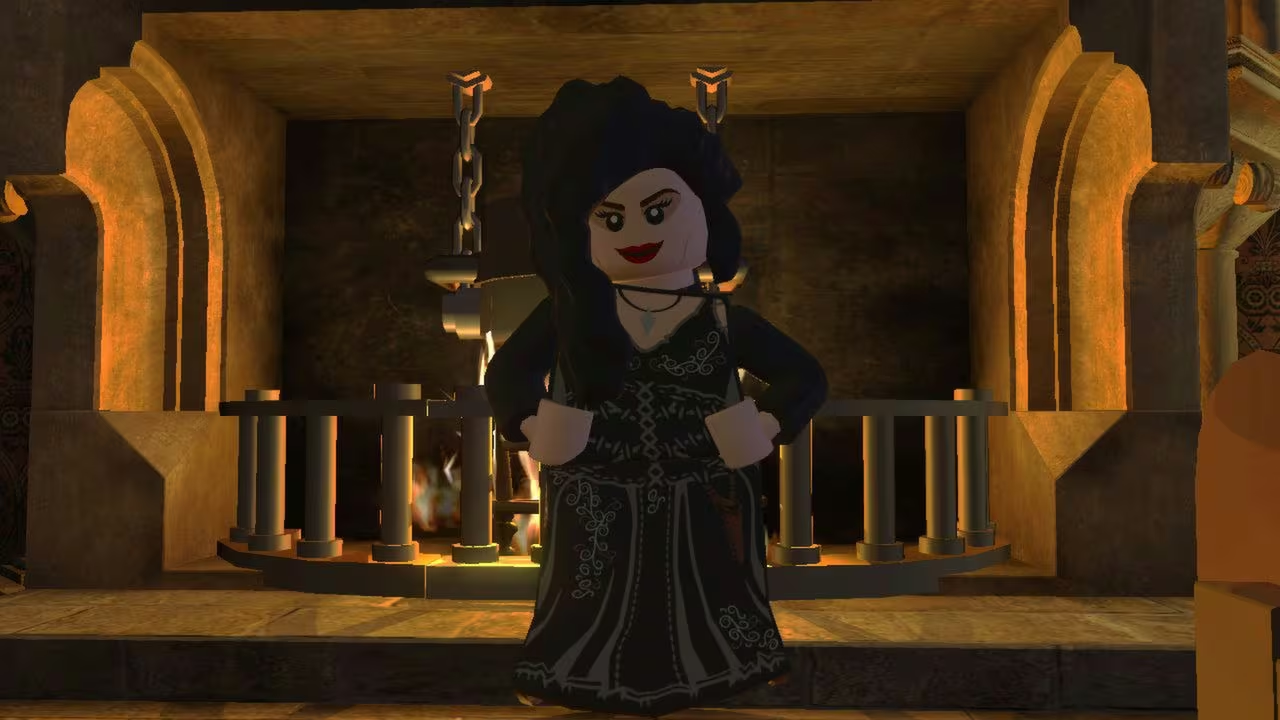
LEGO Harry Potter: Years 5-7 takes players through Harry Potter's heroic adventures in the Muggle and wizarding worlds.

Global score

89/100

Genres

Adventure, Platform, Puzzle

Similar games

    Pros

    • Fun cooperative gameplay
    • Faithful and humorous harry potter adaptation
    • Large variety of characters and spells
    • Explorable hubs with collectibles
    • Accessible for all ages

    Cons

    • Some bugs and technical issues
    • Repetitive level design
    • Lack of online multiplayer
    • Controls reset on launch
    • Limited character customization

    Analysis

    A very typical example of its motivational profile. Motivations that often define this kind of title include Intimacy, Survival, Violence, Competition. Here, the score leans higher than usual among comparable games on Cooperation, Fellowship. It leans lower than usual among comparable games on Expression.

    How to use the graph
    Similar games map

    Each dot is a game. They are arranged from the same motivation profile as in the “Motivations” section below. Closer dots usually mean more similar reasons to play (exploration, competition, relaxation, etc.)—not that one game is “better” than another.

    • Larger dot with a light outline: the game you are viewing.
    • Colour: groups of games with comparable motivation patterns (statistical clusters).
    • Hover a dot to see the game name; click to open its page.
    • Scroll or double-click the chart to zoom out and see more games.

    Why don’t the axes read like a score? This view uses t-SNE: it only keeps who is close to whom. The scales are not “good to bad” or hours played—they separate groups on the map. Read distance between dots, not the axis numbers.

    Motivations

    • Autonomy
      3

      "Players can freely explore hubs like Hogwarts and Diagon Alley, choose characters with different abilities, and solve puzzles in various ways."

    • Competence
      2

      "The game offers puzzle-solving and some skill-based dueling mechanics, but overall difficulty is low and accessible."

    • Competition
      -3

      "Focus is on cooperative and solo play without ranked or leaderboard competition."

    • Continuation
      4

      "Players report long playtimes, replaying levels for collectibles, and habitual engagement."

    • Cooperation
      4

      "Supports local split-screen co-op play and encourages teamwork in puzzles and duels."

    • Creativity
      2

      "Players can unlock and use many characters with unique abilities and interact with the environment, but within predefined structures."

    • Domination
      -4

      "Interactions are balanced and cooperative; no evidence of dominance or power imposition."

    • Escapism
      4

      "Players enjoy immersive fantasy world and humor as a form of stress relief and escapism."

    • Expectation
      -4

      "Players engage voluntarily out of interest and enjoyment rather than obligation."

    • Experimenting
      2

      "Some experimentation with character abilities and spells is encouraged, though many routines are repeated."

    • Exploration
      4

      "Players explore multiple hubs and revisit levels to find secrets and collectibles."

    • Expression
      -2

      "Limited character customization; mostly fixed character appearances and preset aesthetics."

    • Fantasy
      5

      "Strongly based on the imaginative Harry Potter universe with magical spells and fantasy settings."

    • Fellowship
      3

      "Community play through co-op and shared fandom experience is common."

    • Growth
      2

      "Players learn new spells and abilities and improve puzzle-solving skills, though difficulty remains low."

    • Health
      -5

      "Typical sedentary video game play with no physical activity involved."

    • Idle
      -3

      "Requires focused attention during puzzles and combat; not designed for idle or background play."

    • Intimacy
      3

      "Local co-op play encourages social bonding and shared experiences."

    • Leadership
      -3

      "Players generally cooperate without hierarchical roles or leadership dynamics."

    • Progression
      4

      "Strong emphasis on collecting characters, spells, gold bricks, and unlocking abilities."

    • Relaxation
      3

      "Generally a lighthearted, low-pressure experience with humor and flow."

    • Sensation
      2

      "Enjoyable visual style and sound design provide moderate sensory stimulation."

    • Status
      -4

      "No social ranking or recognition systems; focus is on personal and cooperative play."

    • Story
      3

      "Narrative follows Harry Potter films with humorous LEGO reinterpretation, but no spoken dialogue."

    • Strategy
      1

      "Some puzzle-solving and dueling require basic planning, but overall gameplay is straightforward."

    • Thrill
      1

      "Mild suspense in duels and boss fights, but overall low tension and risk."

    • Value
      3

      "Players find good value especially when purchased on sale, with many hours of content."

    • Violence
      -3

      "Combat is cartoonish and non-violent in tone; focus on constructive puzzle-solving and exploration."

    • Survival
      -4

      "Low-risk environment with minimal threat; failure results in simple retries."

    Last update: 29/04/2026