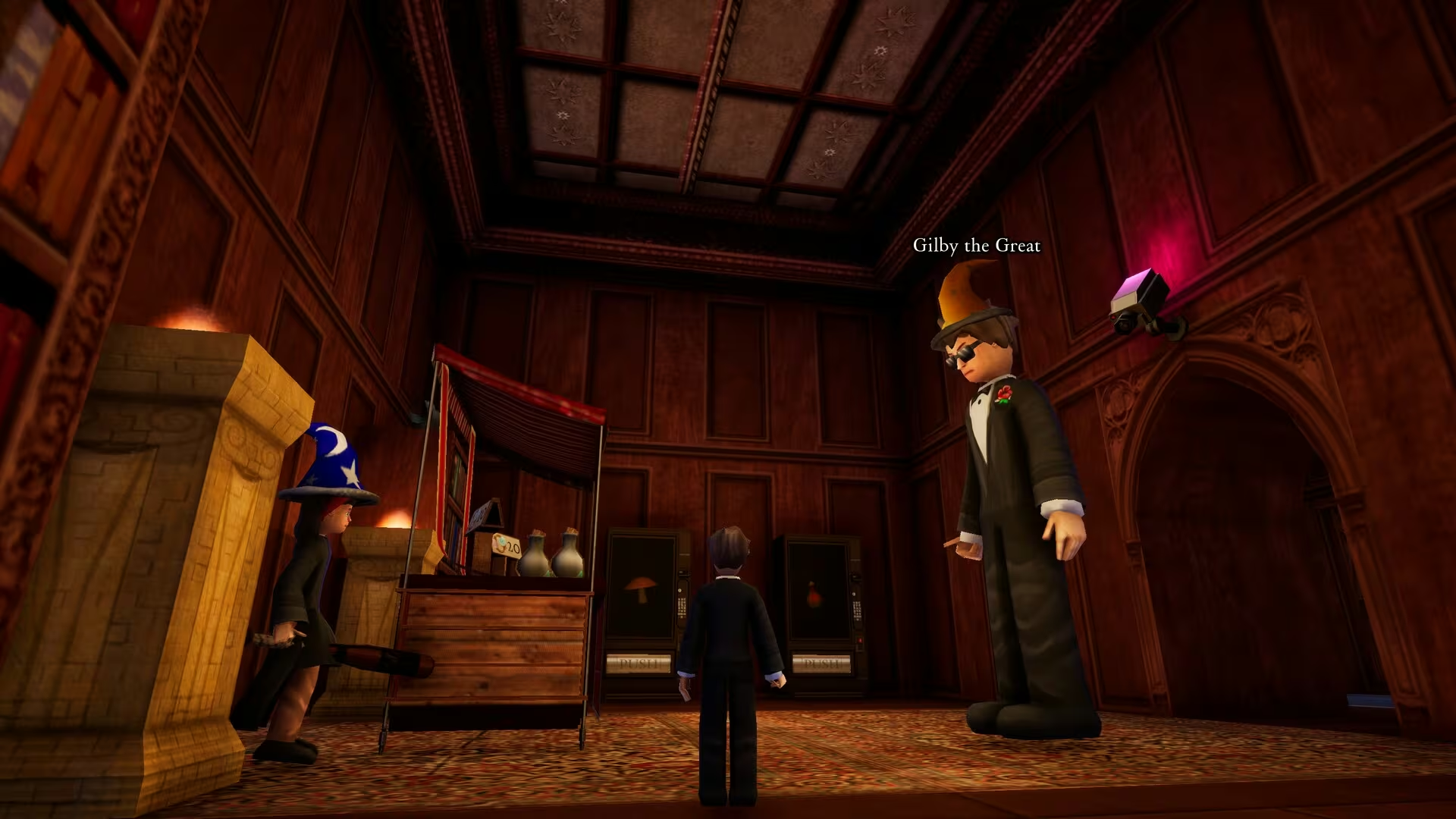
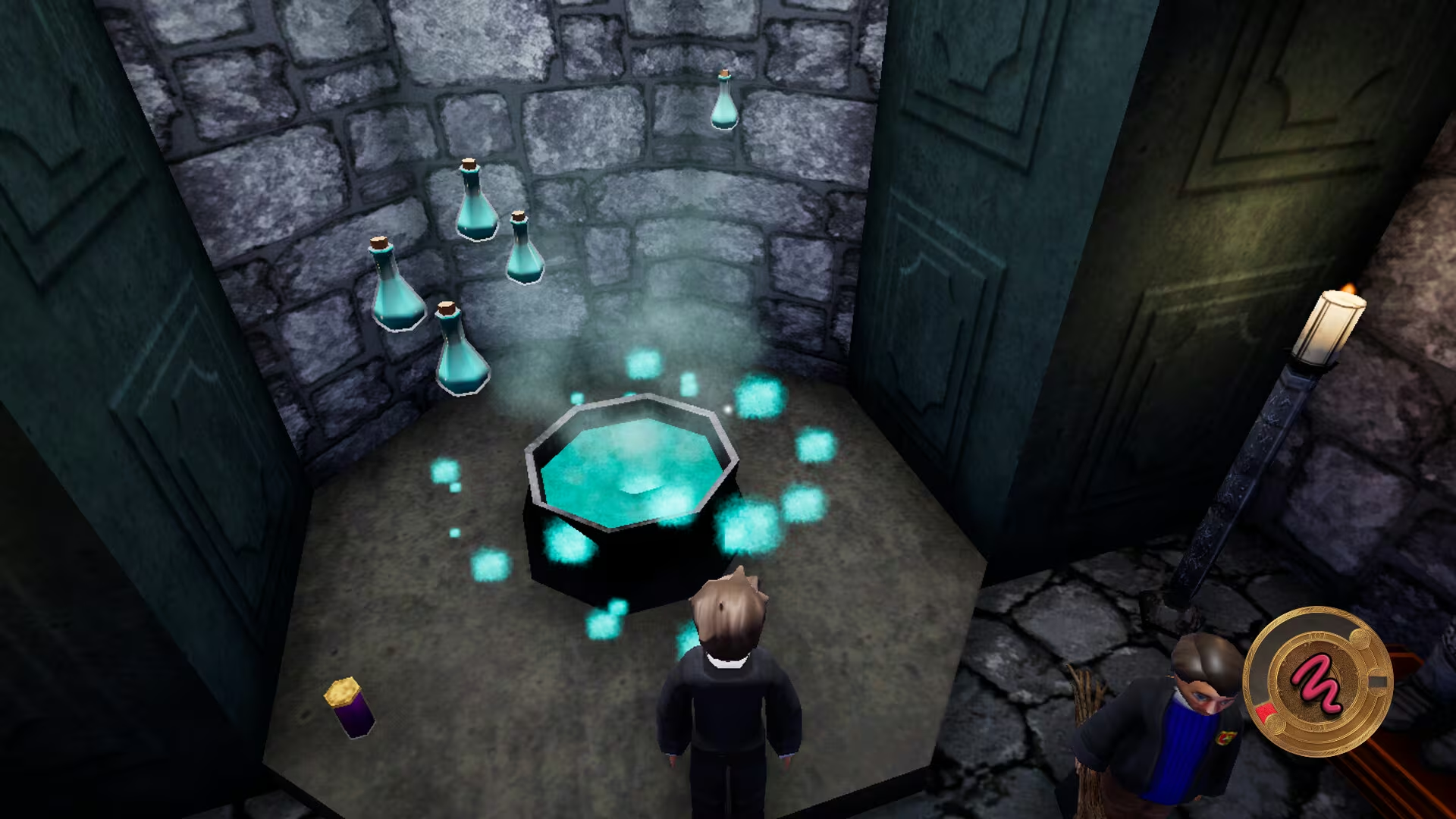
Secret Agent Wizard Boy and the International Crime Syndicate Thumbnail

Secret Agent Wizard Boy and the International Crime Syndicate similar games & best alternatives

Secret Agent Wizard Boy and the International Crime Syndicate

PC (Microsoft Windows) • 2025

Related articles

Quick resume

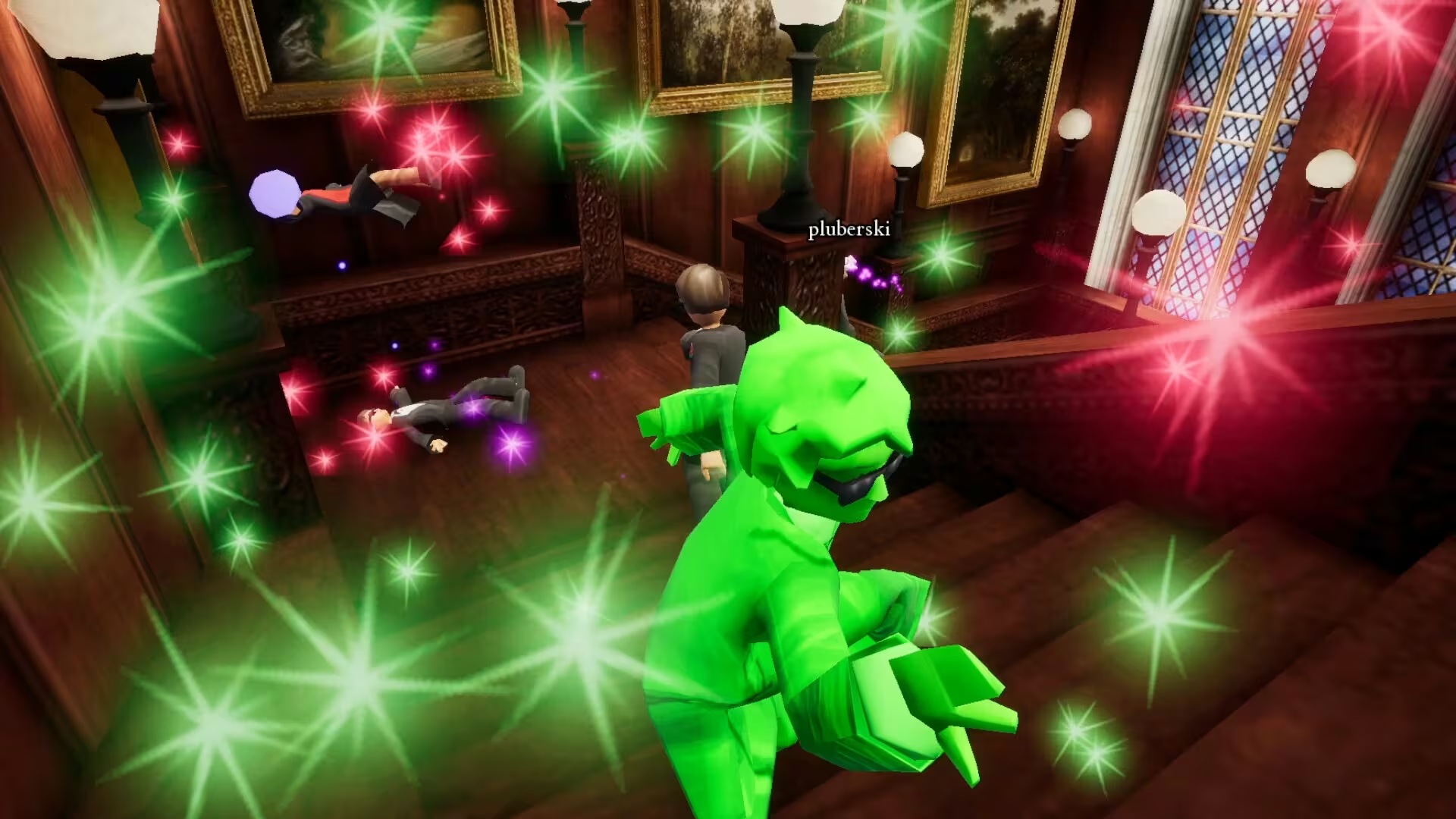
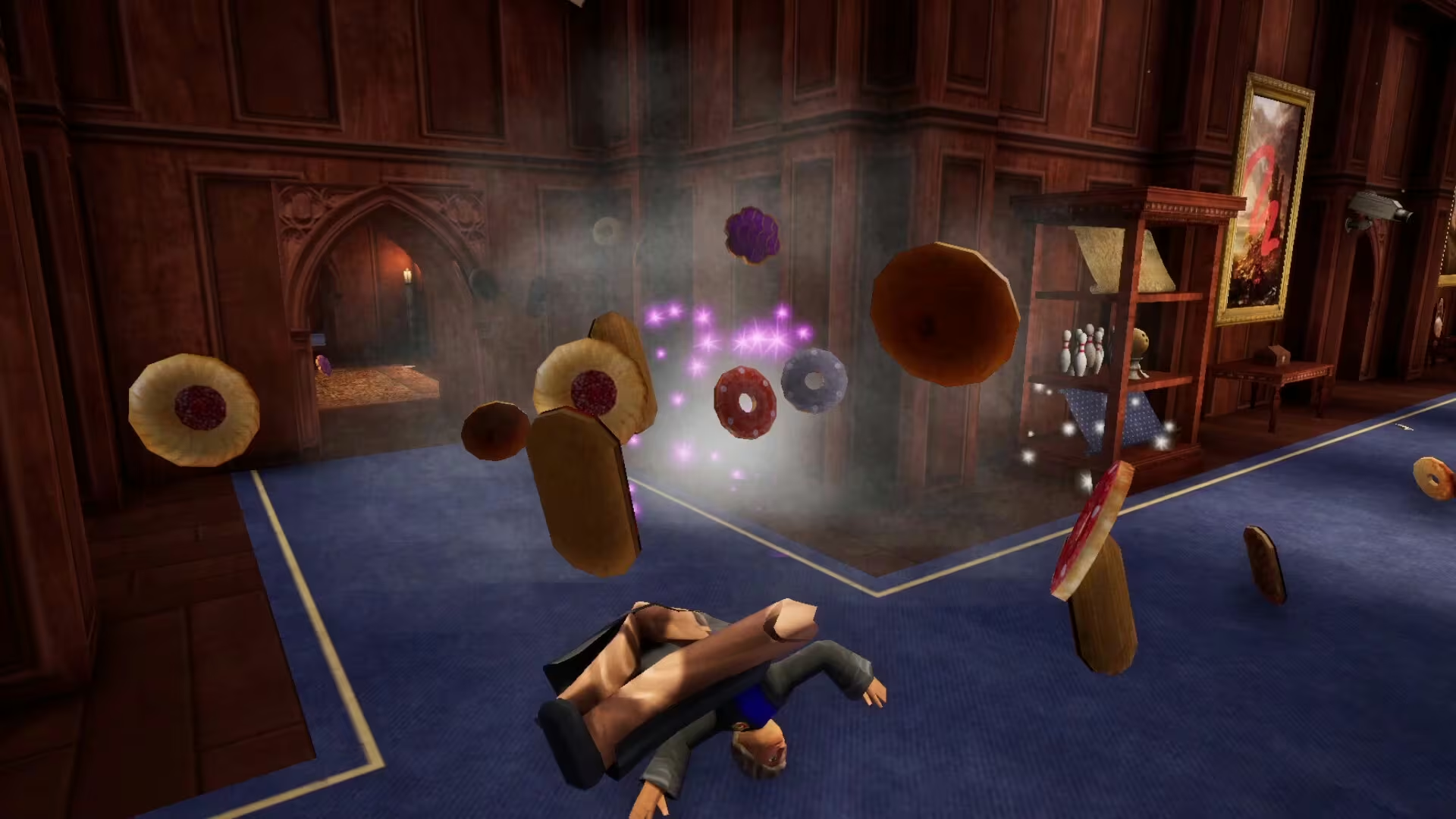
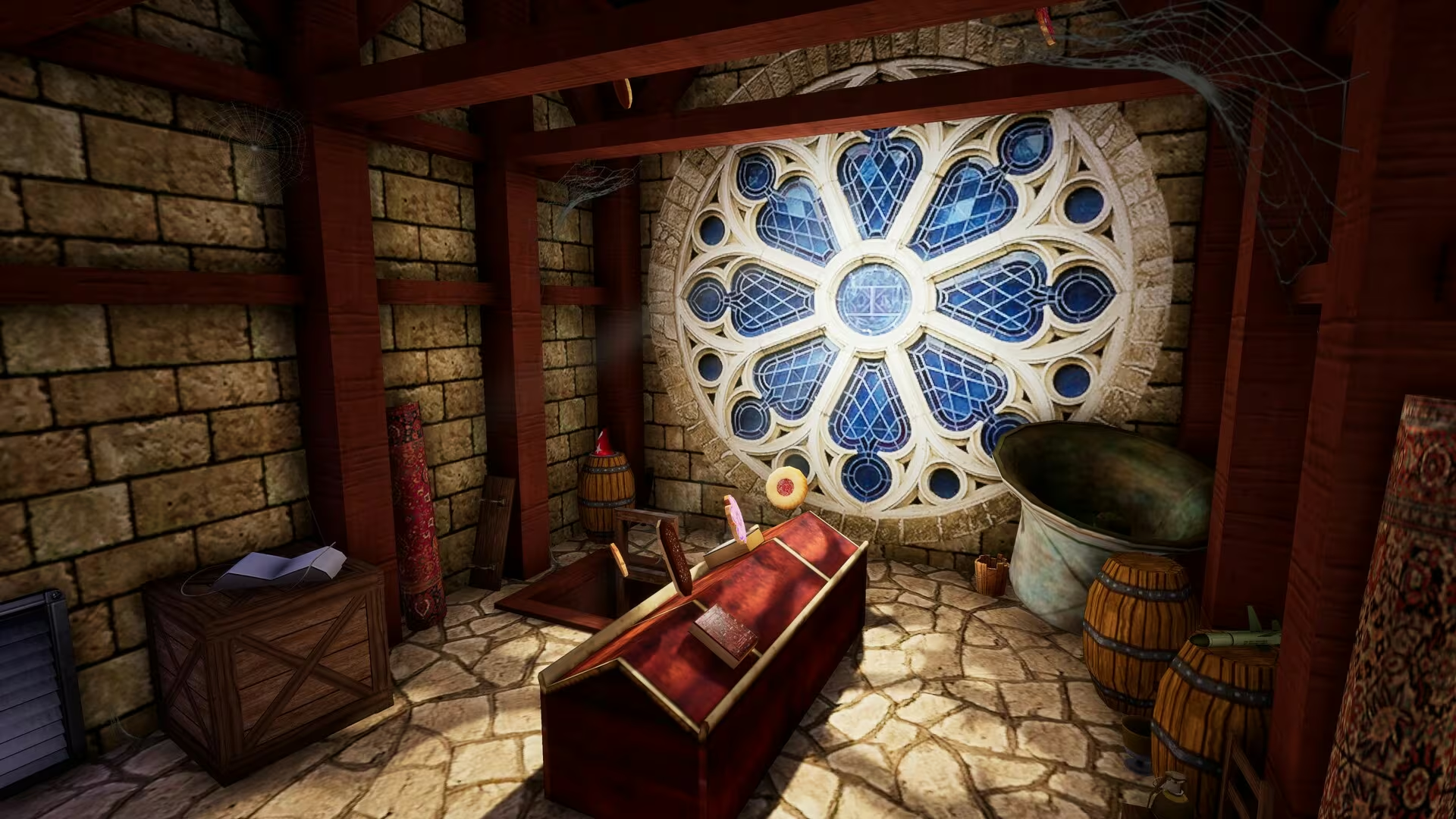
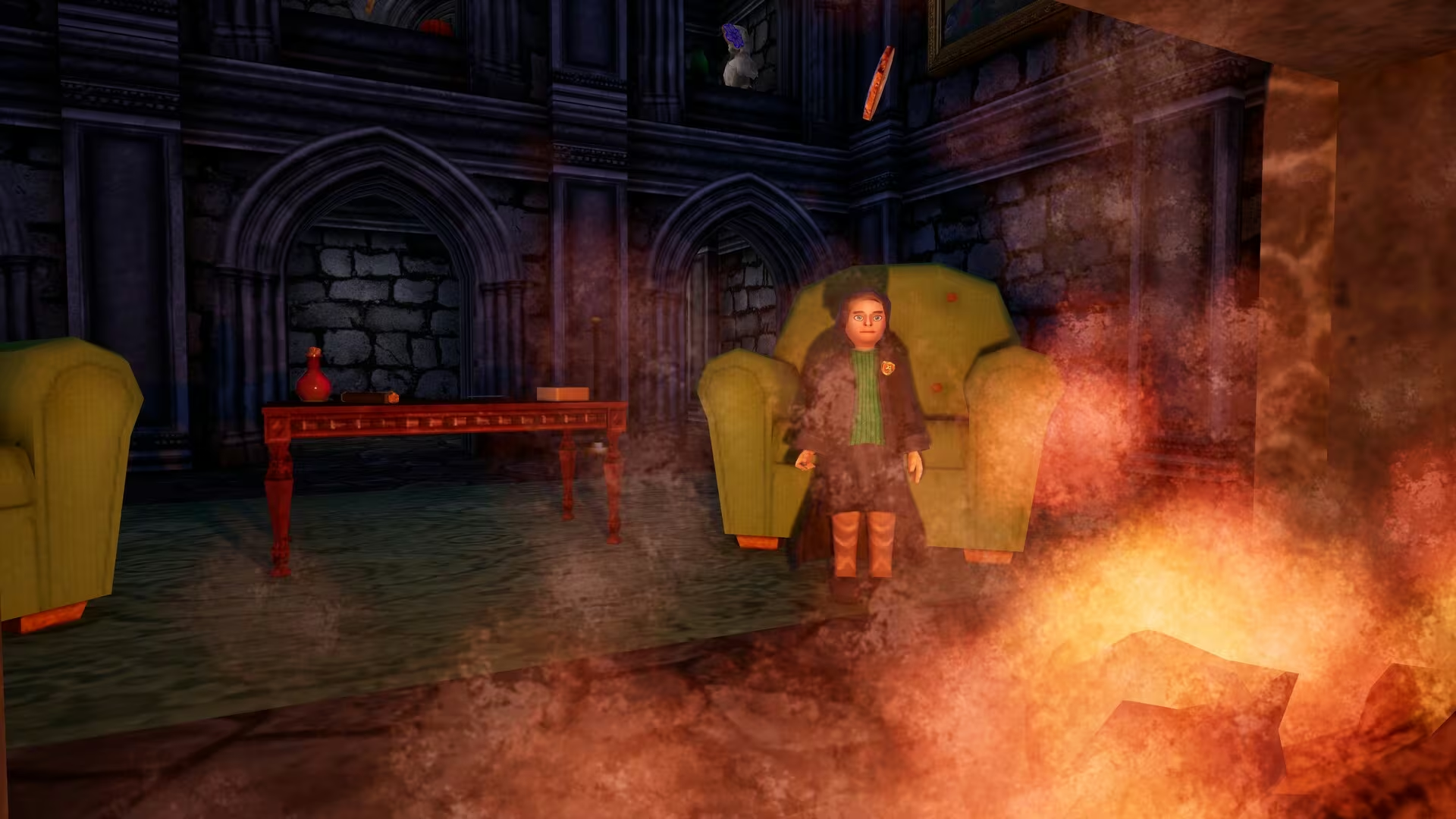
Use magic spells and military surplus explosives to topple an evil crime syndicate hidden beneath a prestigious wizarding school. Learn spells, engage in espionage, and spread lore-unfriendly chaos.

Global score

97/100

Genres

Action, Adventure, Indie, Early Access

Similar games

    Pros

    • Highly creative and emergent gameplay
    • Strong multiplayer cooperative fun
    • Nostalgic and humorous wizard school theme
    • Lots of secrets and exploration
    • Good value for price

    Cons

    • Limited story and mission content
    • Early access bugs and performance issues
    • Short single-player experience
    • Occasional frustrating deaths
    • Some puzzles incomplete or unsolved

    Analysis

    Broadly representative of its motivational profile, with a few distinct shifts. Motivations that often define this kind of title include Cooperation, Fellowship, Intimacy, Leadership. Here, the score leans higher than usual among comparable games on Creativity, Experimenting. It leans lower than usual among comparable games on Leadership.

    How to use the graph
    Similar games map

    Each dot is a game. They are arranged from the same motivation profile as in the “Motivations” section below. Closer dots usually mean more similar reasons to play (exploration, competition, relaxation, etc.)—not that one game is “better” than another.

    • Larger dot with a light outline: the game you are viewing.
    • Colour: groups of games with comparable motivation patterns (statistical clusters).
    • Hover a dot to see the game name; click to open its page.
    • Scroll or double-click the chart to zoom out and see more games.

    Why don’t the axes read like a score? This view uses t-SNE: it only keeps who is close to whom. The scales are not “good to bad” or hours played—they separate groups on the map. Read distance between dots, not the axis numbers.

    Motivations

    • Autonomy
      5

      "Players have extensive freedom to experiment with spells, potions, and physics interactions, creating emergent gameplay and multiple solutions."

    • Competence
      3

      "Players solve puzzles, learn spells, and master potion making, but the game also encourages chaotic experimentation over strict skill mastery."

    • Competition
      -3

      "Focus is on personal and cooperative play with friends, no mention of ranked or competitive modes."

    • Continuation
      4

      "Players report long play sessions, repeated exploration, and habitual return to the game for discovery and chaos."

    • Cooperation
      4

      "Multiplayer is highlighted as a major source of fun, with players reviving each other and causing chaos together."

    • Creativity
      5

      "Strong emphasis on creating potions, experimenting with spells, and breaking the game physics in novel ways."

    • Domination
      -2

      "Interactions are chaotic and playful rather than focused on exerting control or superiority; multiplayer is cooperative and humorous."

    • Escapism
      5

      "Players use the game as a humorous escape with silly, chaotic gameplay and nostalgic immersion."

    • Expectation
      -4

      "Players engage voluntarily out of intrinsic interest and nostalgia, with no sense of obligation."

    • Experimenting
      5

      "Game encourages trying new spells, potion combinations, and physics exploits extensively."

    • Exploration
      4

      "Players explore a large castle with many secrets, hidden paths, and collectibles."

    • Expression
      3

      "Some character customization and self-expression through spells and potions, though limited cosmetic detail."

    • Fantasy
      4

      "Strong fantasy theme inspired by wizard school and magic, though with a humorous and chaotic twist."

    • Fellowship
      4

      "Community and multiplayer play are important, with shared laughter and cooperative chaos."

    • Growth
      3

      "Players learn new spells and potion recipes, improving their abilities and understanding of game mechanics."

    • Health
      -5

      "No physical activity involved; gameplay is sedentary."

    • Idle
      -3

      "Requires active engagement and attention to experiment and explore; not a background or idle game."

    • Intimacy
      2

      "Some social interaction and cooperative play with friends, but no deep emotional connections described."

    • Leadership
      -2

      "Players cooperate and share decisions rather than lead or manage others."

    • Progression
      3

      "Players collect spells, potions, and items to unlock new areas and abilities."

    • Relaxation
      2

      "Humorous and chaotic gameplay provides fun and laughter, though some frustration from deaths and bugs."

    • Sensation
      4

      "Enjoyment from visual chaos, physics interactions, and humorous sound design."

    • Status
      -3

      "Focus is on personal and cooperative fun rather than social recognition or leaderboards."

    • Story
      1

      "Minimal story present; main focus is on sandbox gameplay and emergent narrative."

    • Strategy
      2

      "Some puzzle solving and planning involved, but much gameplay is open-ended experimentation."

    • Thrill
      2

      "Some tension from dying and trial-and-error, but overall comedic and lighthearted tone."

    • Value
      4

      "Players feel the game offers good entertainment value for price, especially with multiplayer."

    • Violence
      3

      "Contains combat and destruction, often in humorous and exaggerated ways."

    • Survival
      1

      "Some survival elements like avoiding death and managing health, but low risk overall."

    Last update: 29/04/2026