Liar's Bar Thumbnail

Liar's Bar similar games & best alternatives
Liar's Bar

PC (Microsoft Windows), Android • 2024

Related articles

Quick resume

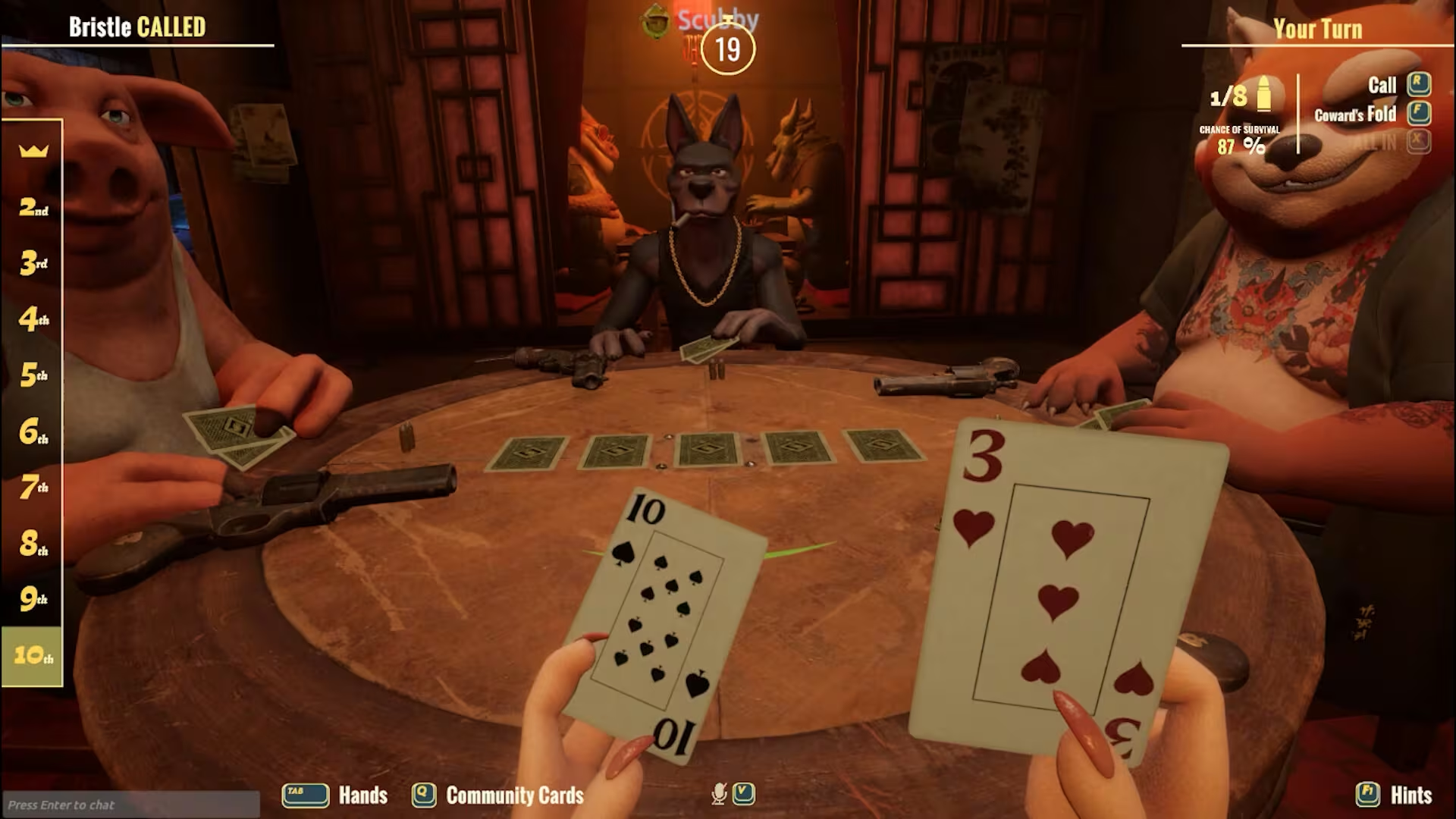
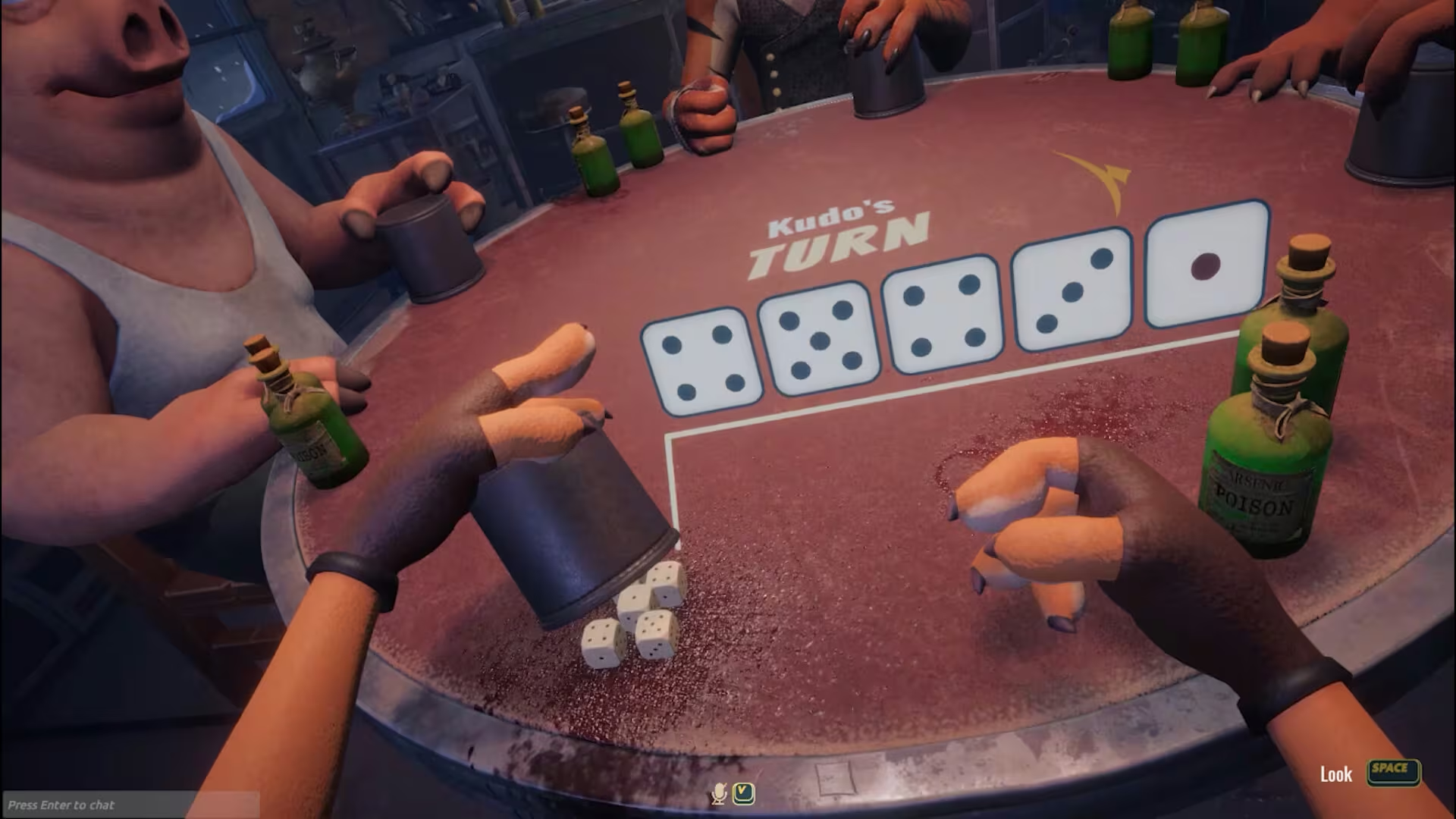
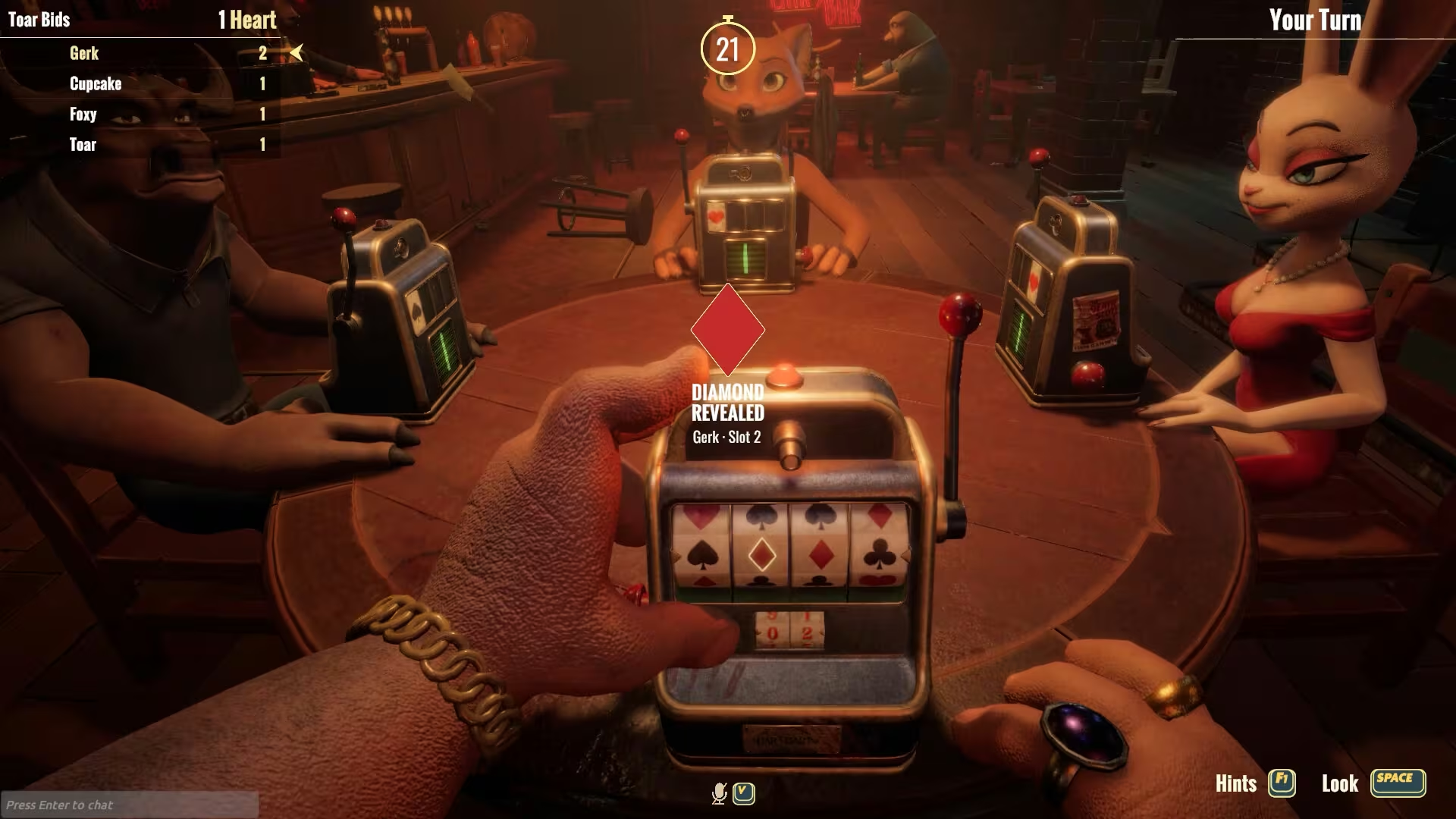
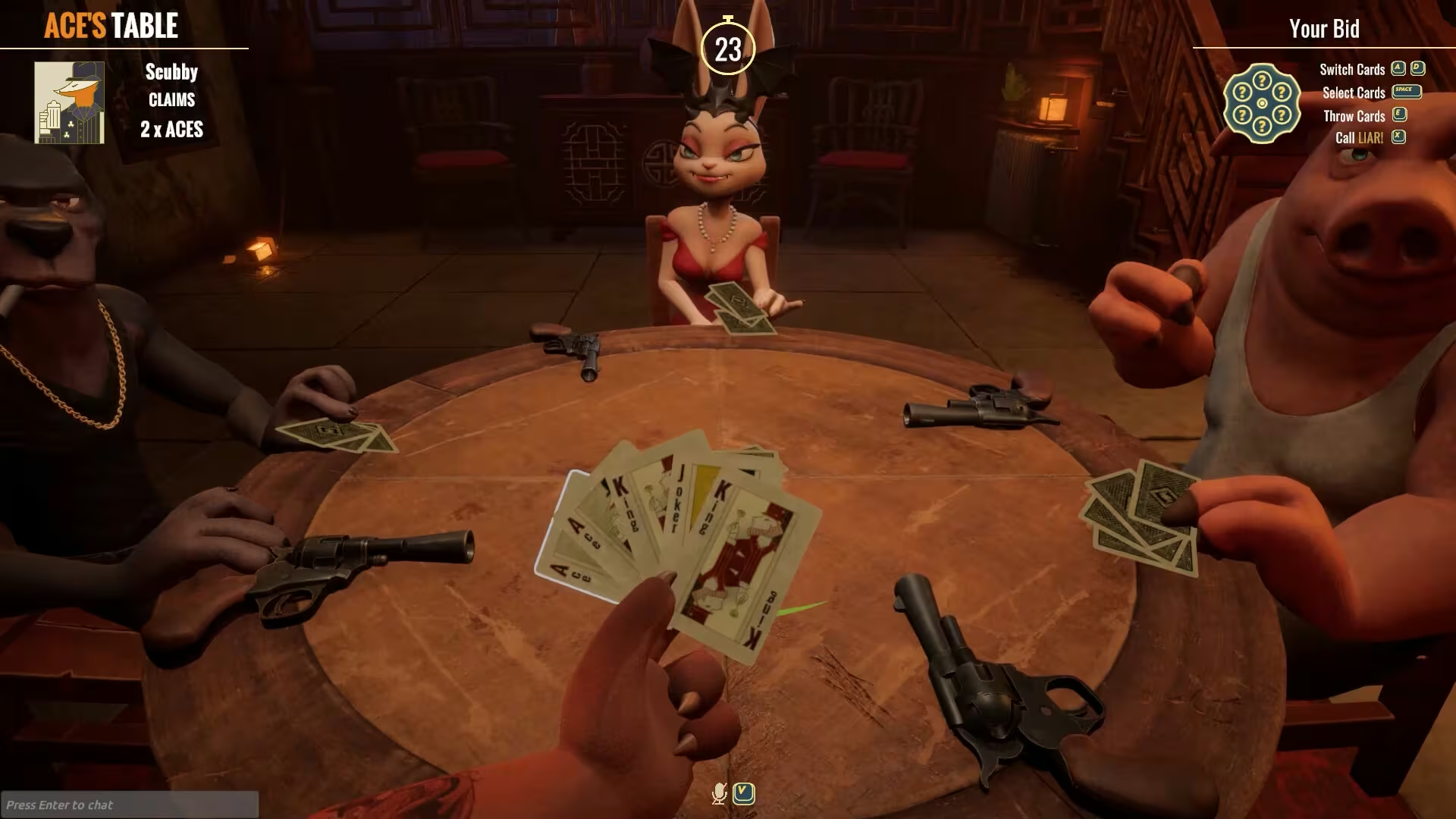
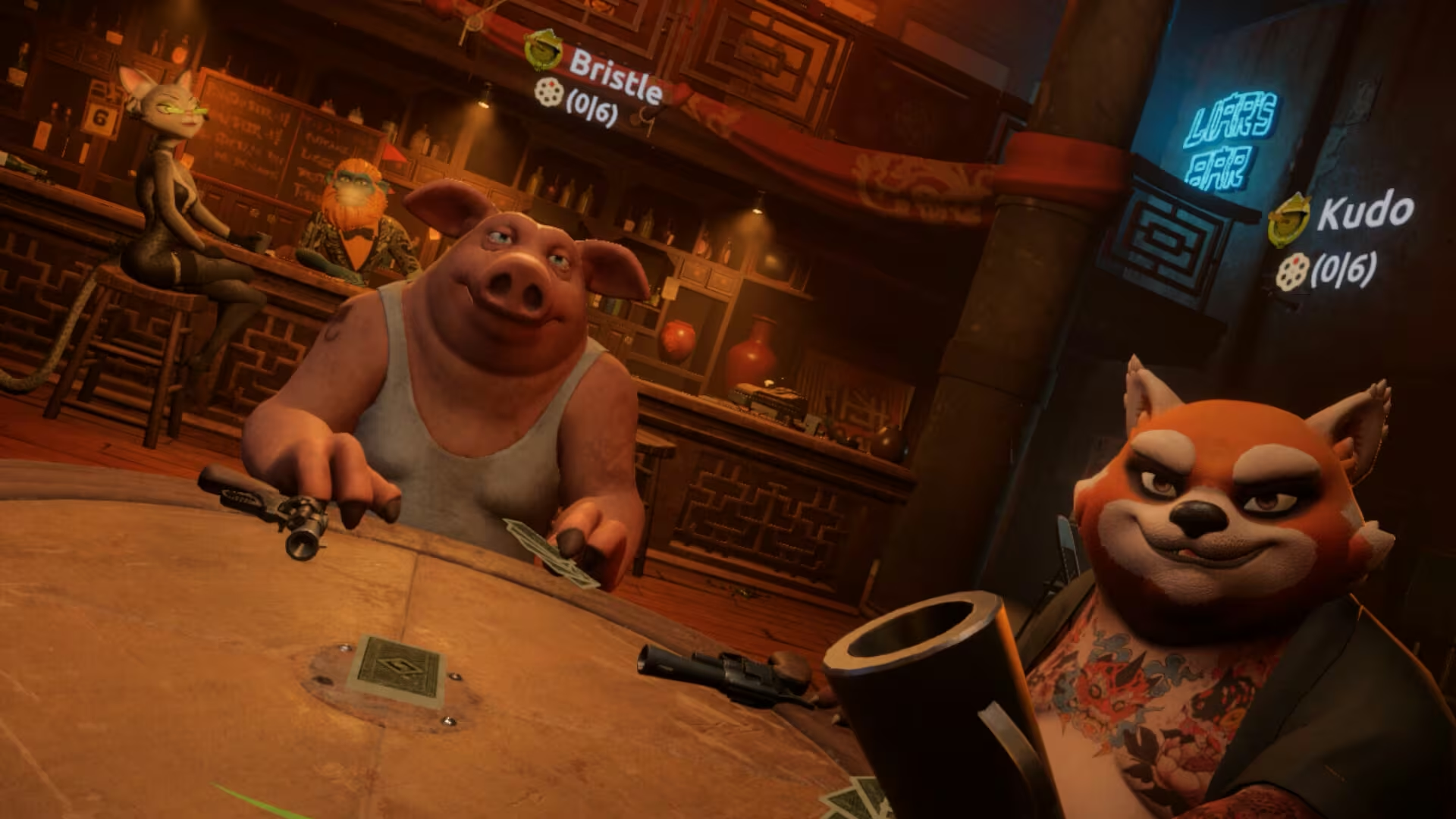
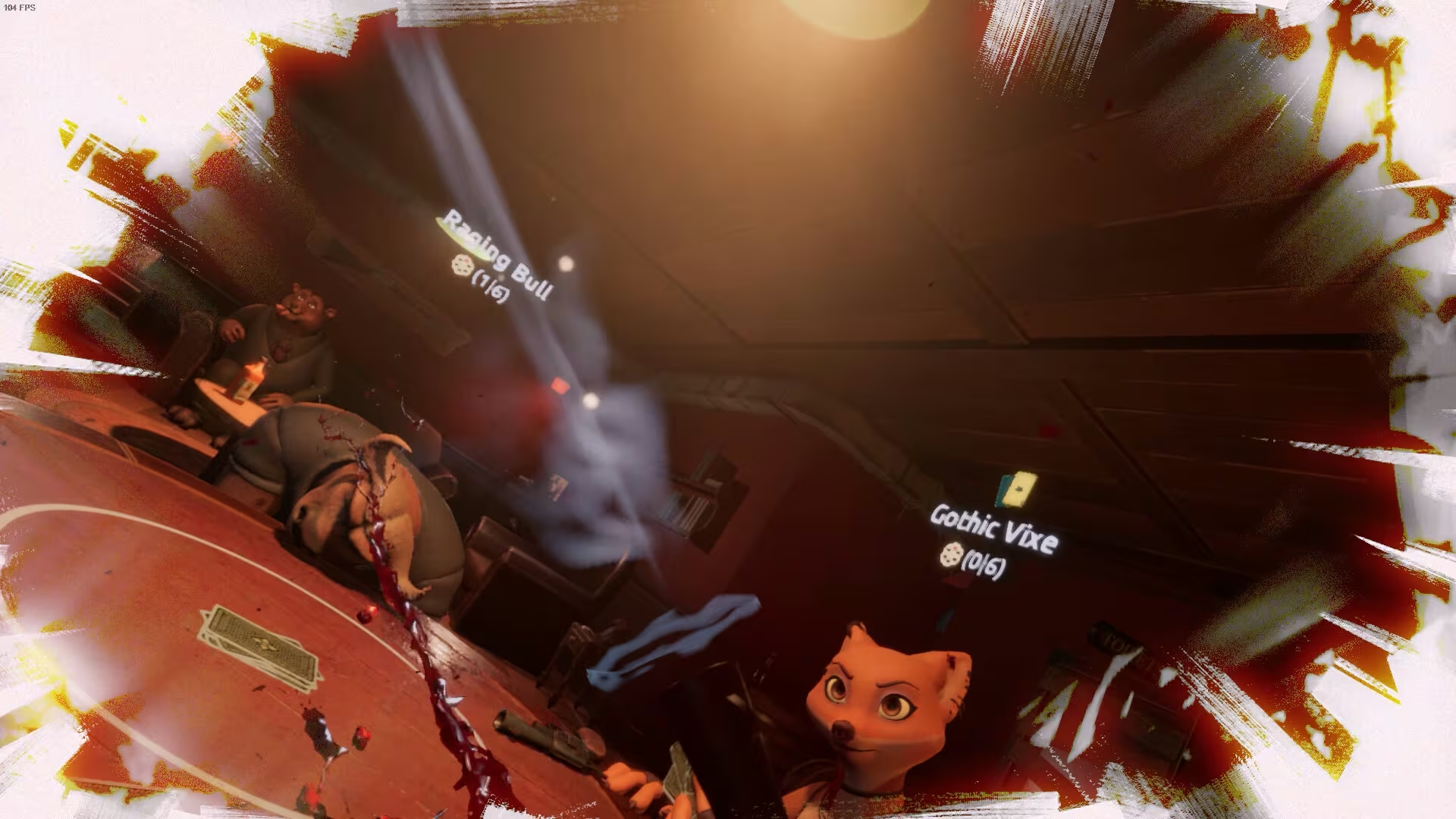
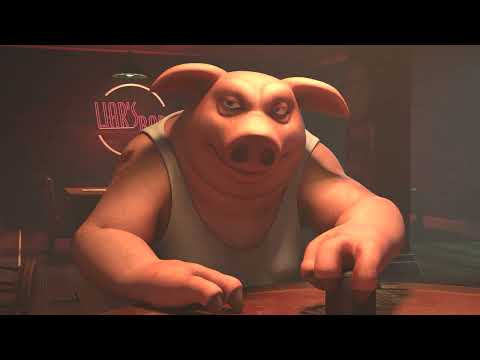
Dive into this multiplayer online experience set in a sketchy bar where the games are as dangerous as the patrons. Join a table of 4 and test your skills in Liar's Dice and Liar's Deck, where lying and bluffing are key to victory. Ready for a night at Liar's Bar?

Global score

90/100

Genres

Casual, Indie, Simulator, Strategy, Early Access, Turn-based strategy (TBS), Card & Board Game

Similar games

    Pros

    • Fun and social bluffing gameplay
    • Expressive character animations
    • Good value for price
    • Strong community and multiplayer
    • Frequent updates and developer communication

    Cons

    • Limited game modes currently
    • Host leaving causes game disruption
    • Ai-generated voices criticized
    • Matchmaking and lobby bugs
    • Cheating issues reported

    Analysis

    Broadly representative of its motivational profile, with a few distinct shifts. Motivations that often define this kind of title include Competition, Fellowship, Domination, Status. It leans lower than usual among comparable games on Cooperation, Story, Exploration.

    How to use the graph
    Similar games map

    Each dot is a game. They are arranged from the same motivation profile as in the “Motivations” section below. Closer dots usually mean more similar reasons to play (exploration, competition, relaxation, etc.)—not that one game is “better” than another.

    • Larger dot with a light outline: the game you are viewing.
    • Colour: groups of games with comparable motivation patterns (statistical clusters).
    • Hover a dot to see the game name; click to open its page.
    • Scroll or double-click the chart to zoom out and see more games.

    Why don’t the axes read like a score? This view uses t-SNE: it only keeps who is close to whom. The scales are not “good to bad” or hours played—they separate groups on the map. Read distance between dots, not the axis numbers.

    Motivations

    • Autonomy
      3

      "Players have freedom to bluff, choose cards/dice, and decide when to call others liars, showing control over actions and decisions."

    • Competence
      3

      "Game involves skillful bluffing, reading opponents, and strategic play, though some randomness is present."

    • Competition
      4

      "Strong competitive element with ranked modes, leaderboards planned, and direct player vs player bluffing and elimination."

    • Continuation
      3

      "Players report habitual play, long sessions with friends, and desire for more modes to sustain engagement."

    • Cooperation
      -3

      "Game focuses on individual bluffing and deception rather than teamwork or cooperative goals."

    • Creativity
      2

      "Players can express themselves via head movements and emotes; character customization and gifting systems are requested."

    • Domination
      2

      "Players enjoy outwitting and psychologically dominating opponents, but interactions remain mostly balanced and social."

    • Escapism
      3

      "Players use the game as a fun distraction and social outlet, often playing to relax or unwind."

    • Expectation
      -4

      "Players engage voluntarily for fun and social reasons, not out of obligation or pressure."

    • Experimenting
      2

      "Players try different bluffing strategies and game modes, though current modes are limited."

    • Exploration
      -2

      "Game environments are limited and familiar; players focus on social interaction rather than discovering new areas."

    • Expression
      3

      "Head bobbing, facial expressions, and emotes allow self-expression; more customization is desired."

    • Fantasy
      1

      "Anthropomorphic animal characters and stylized bar setting add a light fantasy element, though grounded in social bluffing."

    • Fellowship
      4

      "Strong sense of community and social interaction; players enjoy playing with friends and meeting new people."

    • Growth
      2

      "Players develop bluffing skills and strategic thinking over time, though learning curve is moderate."

    • Health
      -5

      "Game is sedentary with no physical activity involved."

    • Idle
      -3

      "Requires active attention and social interaction; not suited for passive or background play."

    • Intimacy
      2

      "Players form social bonds and friendships through gameplay, though interactions remain mostly casual."

    • Leadership
      -2

      "No explicit leadership roles; players participate equally without formal authority."

    • Progression
      2

      "Some progression through unlocking characters, cosmetics, and future planned content, but limited currently."

    • Relaxation
      2

      "Game provides fun and flow with social laughter, though moments of tension occur during Russian roulette."

    • Sensation
      2

      "Visuals and audio provide enjoyable stimulation; head movements and animations add to sensory engagement."

    • Status
      3

      "Ranked modes and leaderboards offer social recognition; players seek status within the community."

    • Story
      -4

      "No narrative or lore; gameplay is context-free social bluffing."

    • Strategy
      4

      "Strong strategic and psychological elements in bluffing, reading opponents, and timing calls."

    • Thrill
      4

      "High tension from Russian roulette mechanic and bluffing creates suspense and excitement."

    • Value
      4

      "Players perceive good value for price with fun social gameplay and frequent updates."

    • Violence
      3

      "Violence is stylized and central to gameplay via Russian roulette and shooting mechanics."

    • Survival
      3

      "Players must avoid elimination and manage risk in bluffing and shooting phases."

    Last update: 29/04/2026