Prominence Poker Thumbnail

Prominence Poker similar games & best alternatives
Prominence Poker

PC (Microsoft Windows), Xbox One, PlayStation 4 • 2016

Related articles

Quick resume

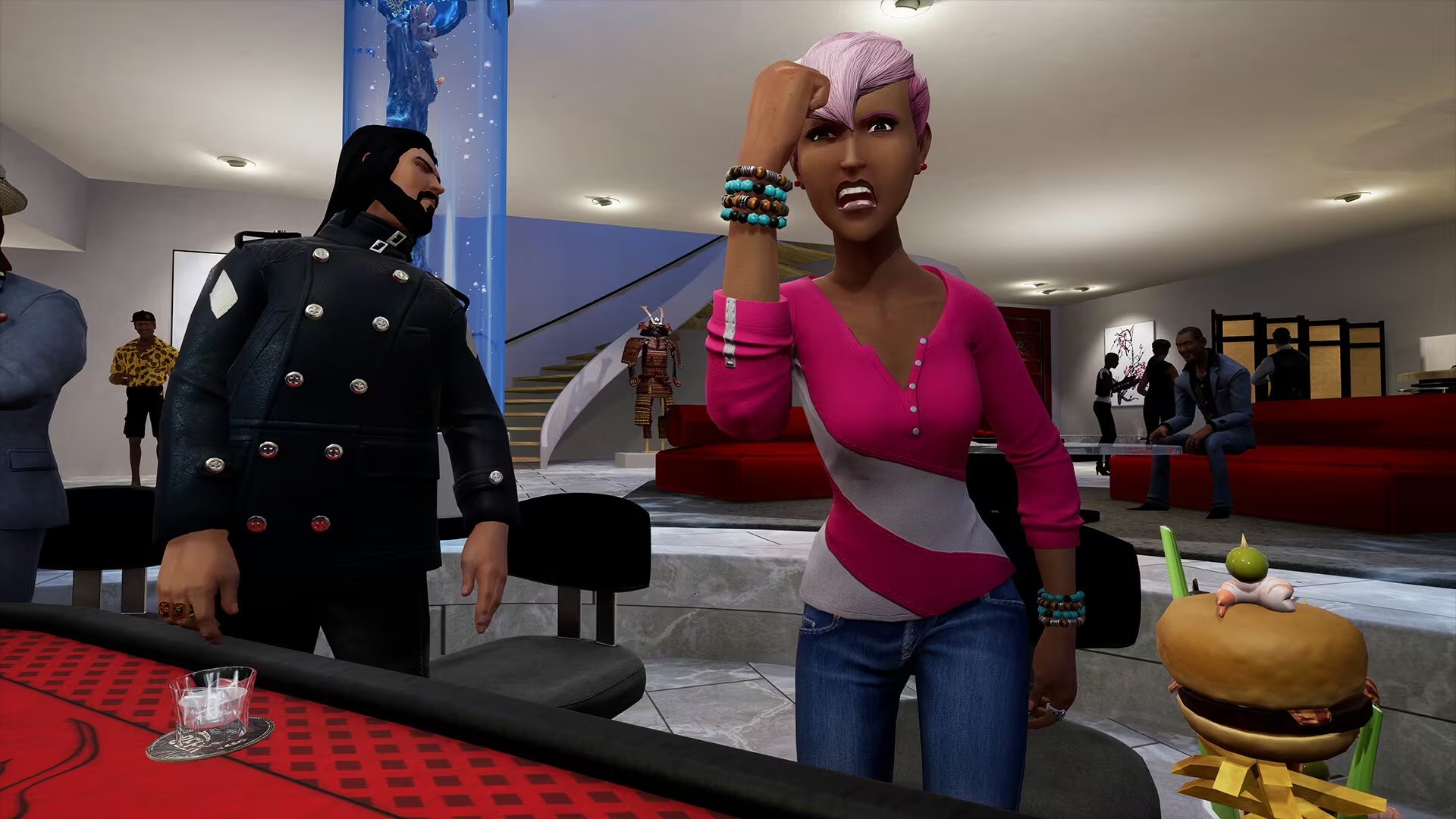
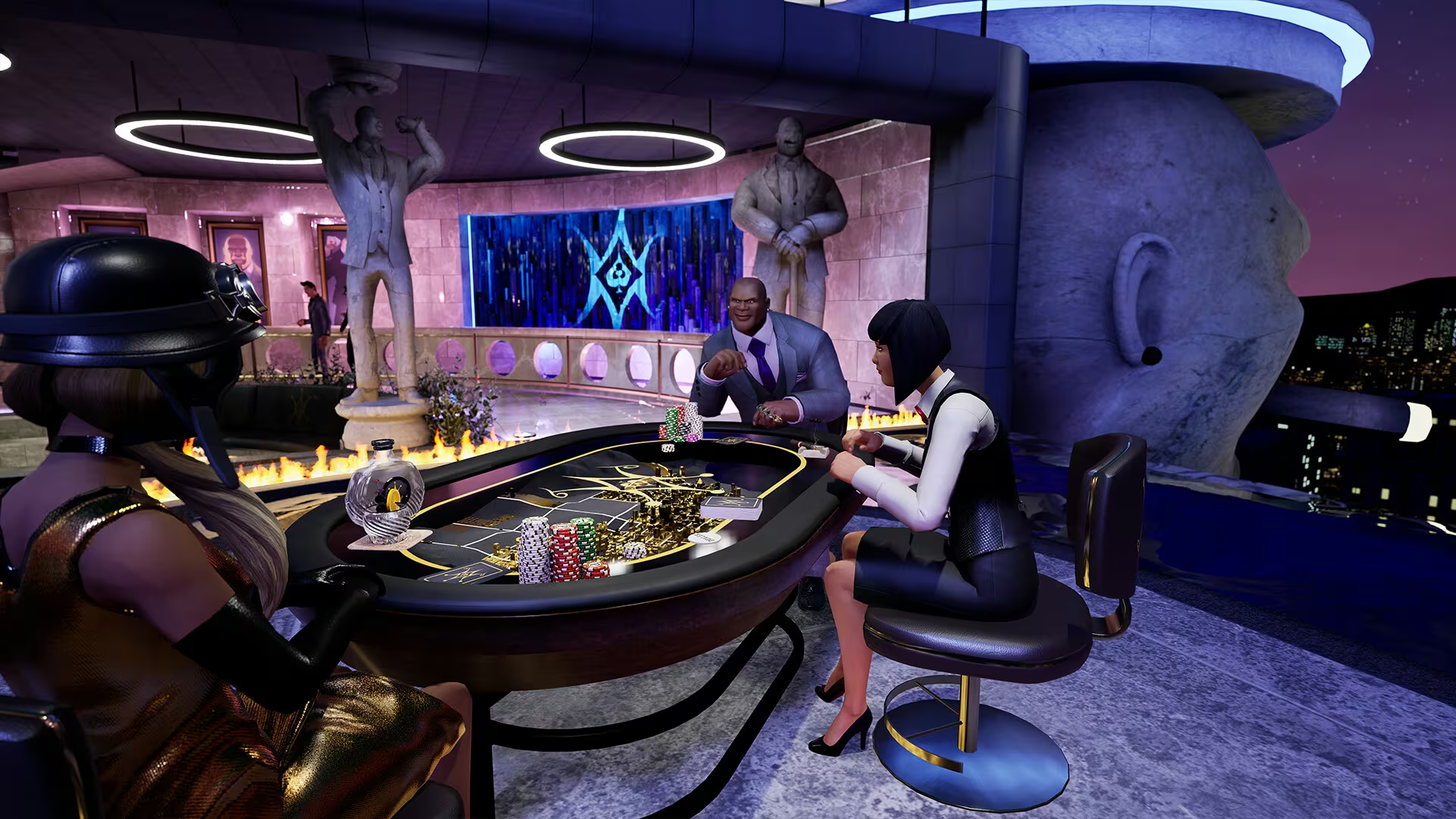
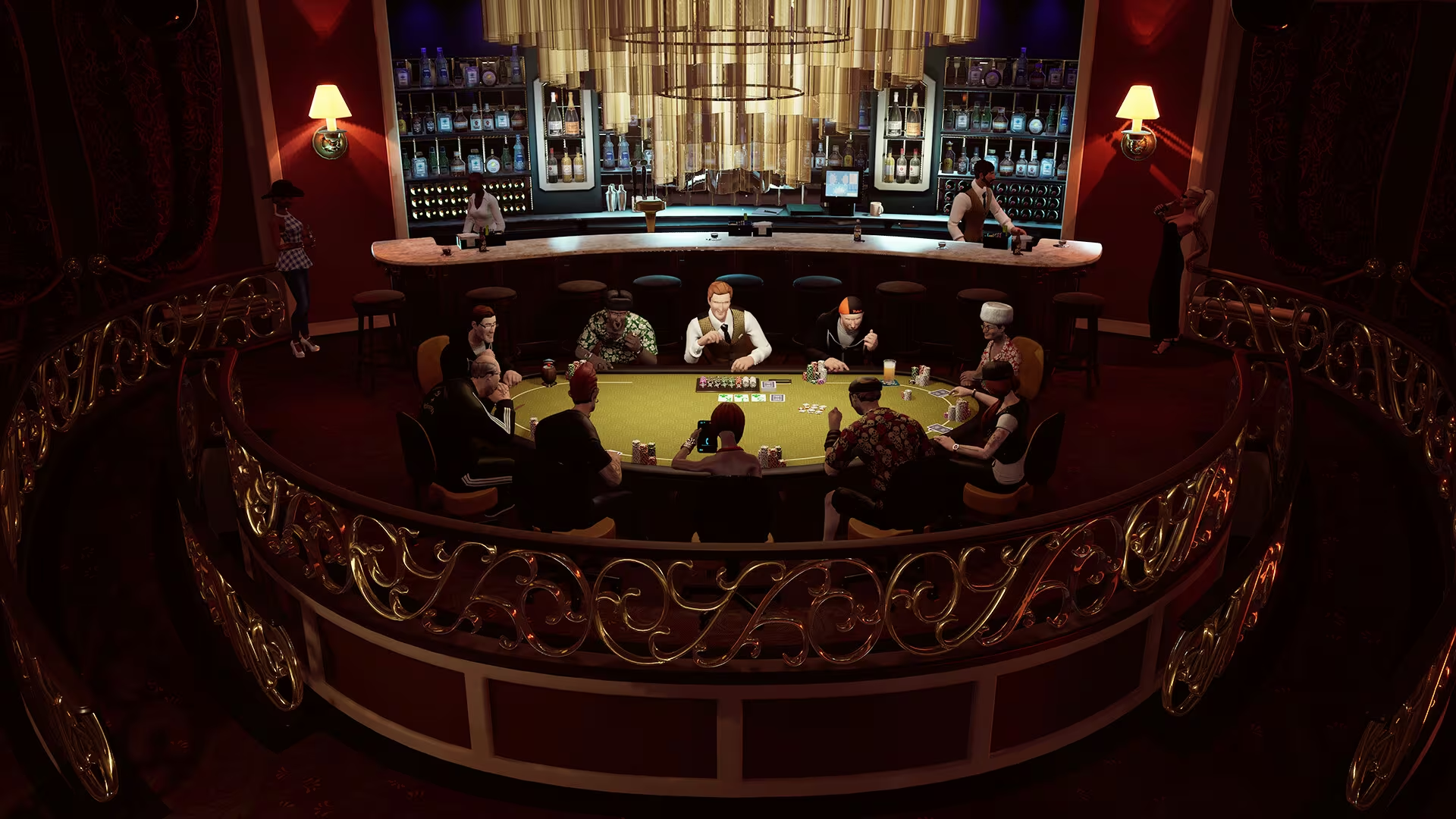
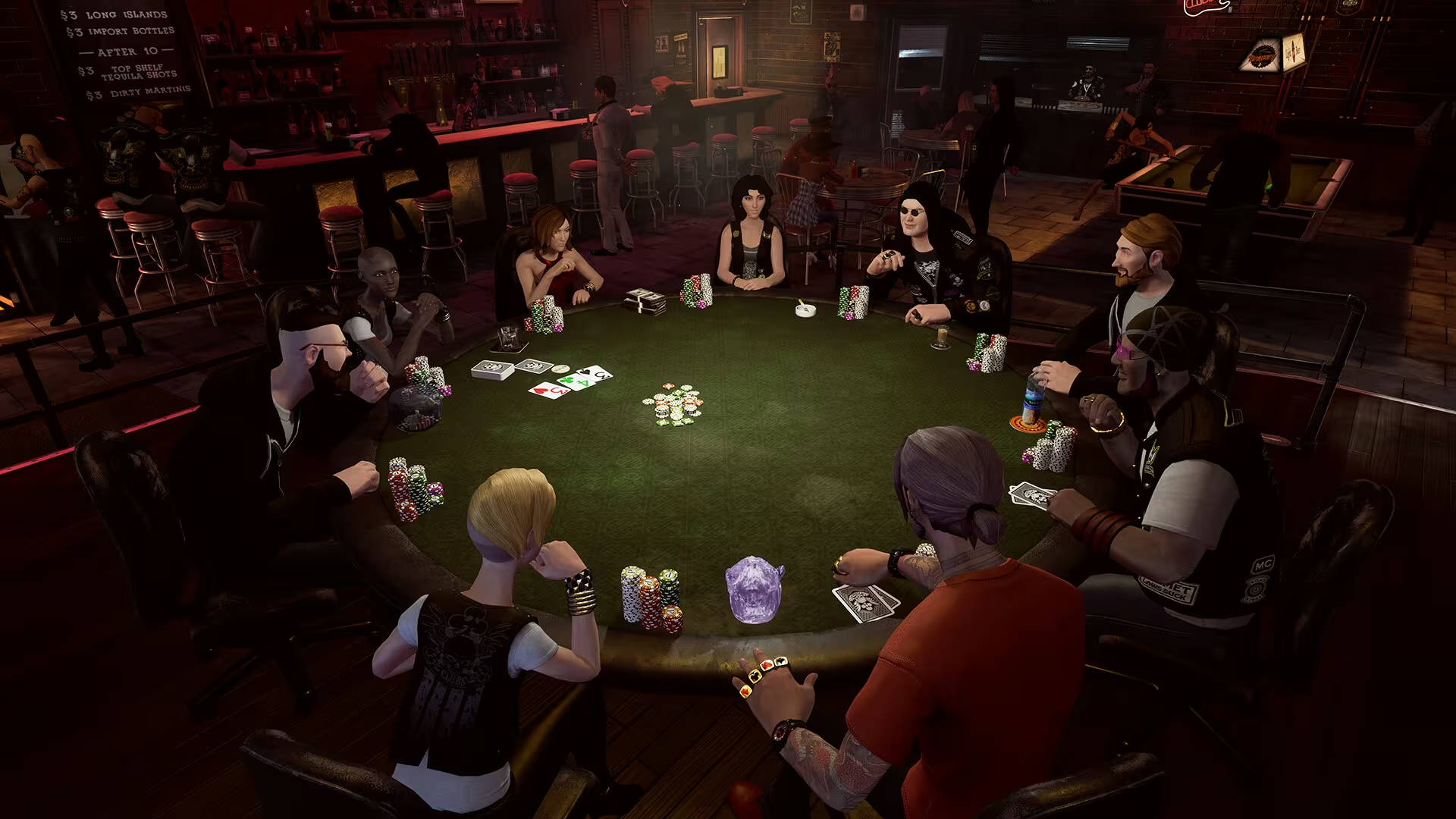
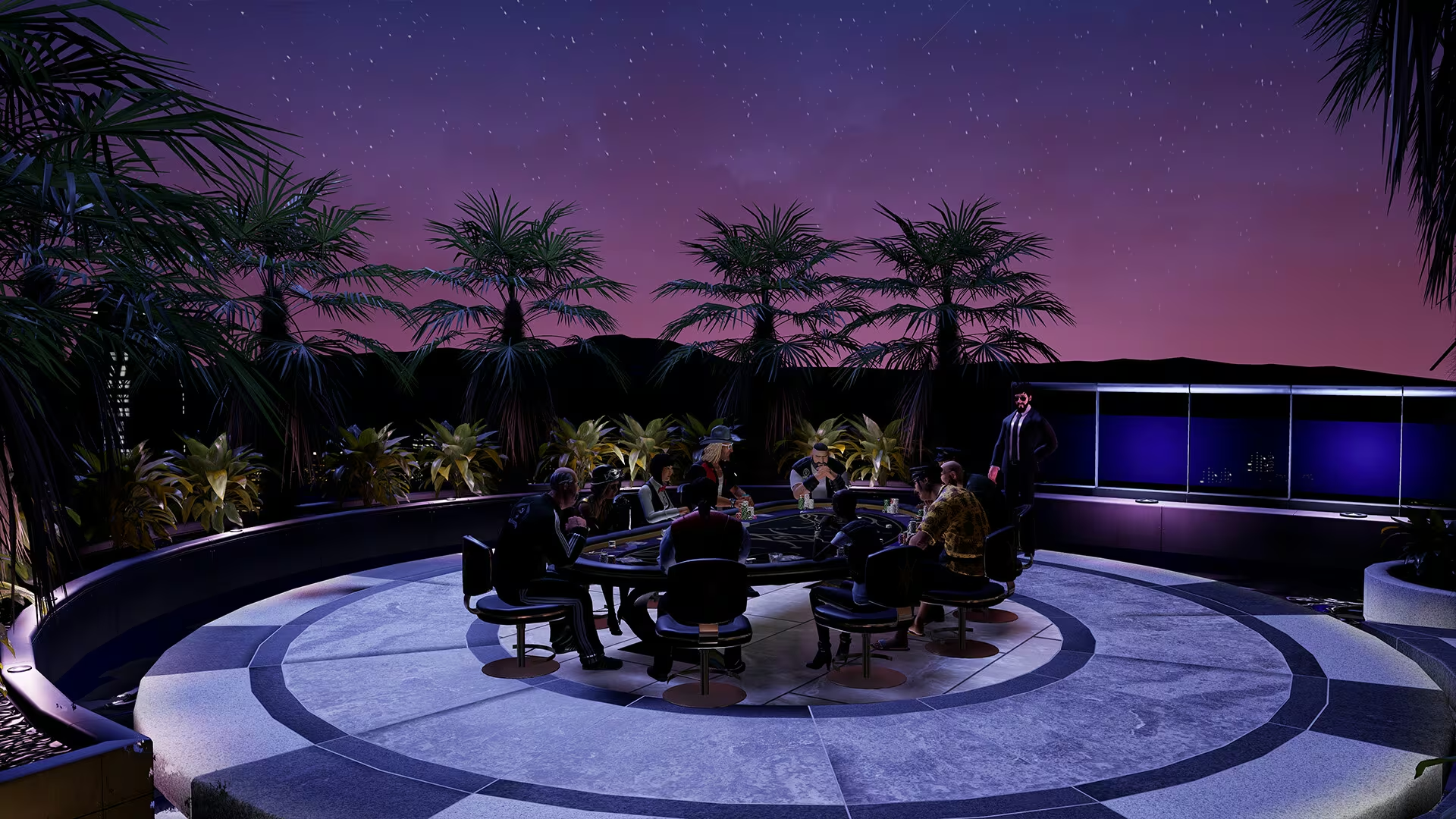
Welcome to Prominence Poker, a card game that pits players from around the world against each other – and devious AI – to build the rep, prestige, and bankroll needed to be, and beat, the best of the best.

Global score

84/100

Genres

Casual, Massively Multiplayer, Simulator, Strategy, Free To Play, Turn-based strategy (TBS), Card & Board Game

Similar games

    Pros

    • Free to play with no pay-to-win
    • Extensive avatar customization
    • Good poker gameplay with ranked and casual modes
    • Voice chat and social emotes
    • Immersive 3d environments and animations

    Cons

    • Small player base causing long wait times
    • Lack of text chat
    • Some bugs and crashes reported
    • Slow animations can hinder game pace
    • Limited game modes (only texas hold'em)

    Analysis

    A very typical example of its motivational profile. Motivations that often define this kind of title include Competition, Status, Story, Expression. Here, the score leans higher than usual among comparable games on Intimacy, Fellowship. It leans lower than usual among comparable games on Violence.

    How to use the graph
    Similar games map

    Each dot is a game. They are arranged from the same motivation profile as in the “Motivations” section below. Closer dots usually mean more similar reasons to play (exploration, competition, relaxation, etc.)—not that one game is “better” than another.

    • Larger dot with a light outline: the game you are viewing.
    • Colour: groups of games with comparable motivation patterns (statistical clusters).
    • Hover a dot to see the game name; click to open its page.
    • Scroll or double-click the chart to zoom out and see more games.

    Why don’t the axes read like a score? This view uses t-SNE: it only keeps who is close to whom. The scales are not “good to bad” or hours played—they separate groups on the map. Read distance between dots, not the axis numbers.

    Motivations

    • Autonomy
      4

      "Players can customize their characters extensively and choose different game modes and tables, reflecting high personal control."

    • Competence
      3

      "Game involves skillful poker play with ranked modes and AI opponents of varying difficulty, though some players note AI can be predictable."

    • Competition
      4

      "Ranked matches, tournaments, and leaderboards encourage competitive play and comparison with others."

    • Continuation
      3

      "Players report habitual play, poker nights with friends, and long sessions, though some mention player base issues causing wait times."

    • Cooperation
      -2

      "Primarily competitive poker gameplay with limited cooperation; social interaction mainly through voice chat and emotes."

    • Creativity
      4

      "Extensive avatar customization, clothing, accessories, and table items allow creative self-expression."

    • Domination
      -3

      "Interactions are mostly balanced poker matches; no evidence of trash talk or exerting authority over others."

    • Escapism
      4

      "Players use the game for relaxation, stress relief, and immersive poker experience away from real life."

    • Expectation
      -4

      "Players engage voluntarily for fun and personal interest without obligation or pressure."

    • Experimenting
      2

      "Some players explore different strategies and game modes, though poker rules are standard and repeated."

    • Exploration
      2

      "Different themed environments and tables provide some exploration, but gameplay is focused on poker."

    • Expression
      4

      "Character and avatar customization with clothing, tattoos, and emotes supports strong self-expression."

    • Fantasy
      -1

      "Game simulates realistic poker scenarios with some stylized environments but no strong fantasy elements."

    • Fellowship
      3

      "Social features like voice chat, playing with friends, and community events foster a sense of belonging."

    • Growth
      3

      "Players develop poker skills, learn strategies, and progress through ranks and affiliations."

    • Health
      -5

      "Sedentary gameplay with no physical activity involved."

    • Idle
      -3

      "Requires focused attention during matches; animations slow pace but engagement is continuous."

    • Intimacy
      1

      "Limited to voice chat and emotes; no deep emotional or close relationship building reported."

    • Leadership
      -4

      "No leadership roles; gameplay is individual or competitive without group management."

    • Progression
      4

      "Leveling, reputation, unlocking cosmetics, and ranked progression provide strong advancement incentives."

    • Relaxation
      3

      "Many players find the game relaxing and a good way to unwind, though some mention slow pacing."

    • Sensation
      3

      "Enjoyable graphics, animations, and sound contribute to sensory pleasure and fun."

    • Status
      3

      "Ranking system and cosmetic unlocks provide social recognition and status within the community."

    • Story
      1

      "Minimal story mode with some narrative elements, but main focus is on poker gameplay."

    • Strategy
      4

      "Poker requires mental challenge, bluffing, and planning; ranked play encourages strategic thinking."

    • Thrill
      3

      "Risk and suspense from betting and hand outcomes create excitement and tension relief."

    • Value
      5

      "Free to play with no required purchases; good return on time investment and enjoyable content."

    • Violence
      -5

      "No combat or destruction; gameplay is constructive and social."

    • Survival
      1

      "Poker involves risk management and avoiding losing chips, but no life-or-death survival elements."

    Where to buy

    Last update: 29/04/2026