Lingo Thumbnail

Lingo similar games & best alternatives

Lingo

PC (Microsoft Windows), Game Boy • 2021

Related articles

Quick resume

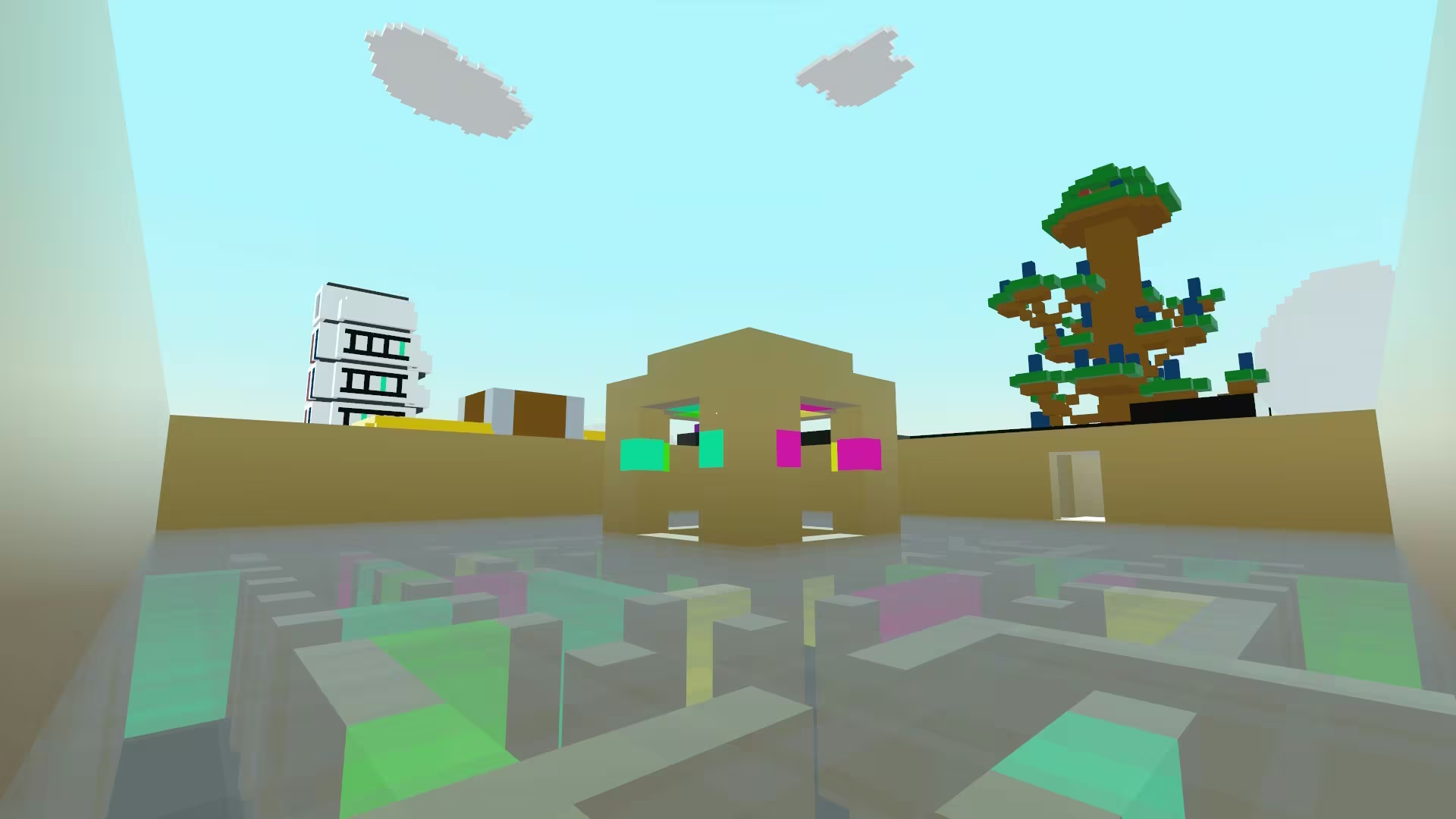
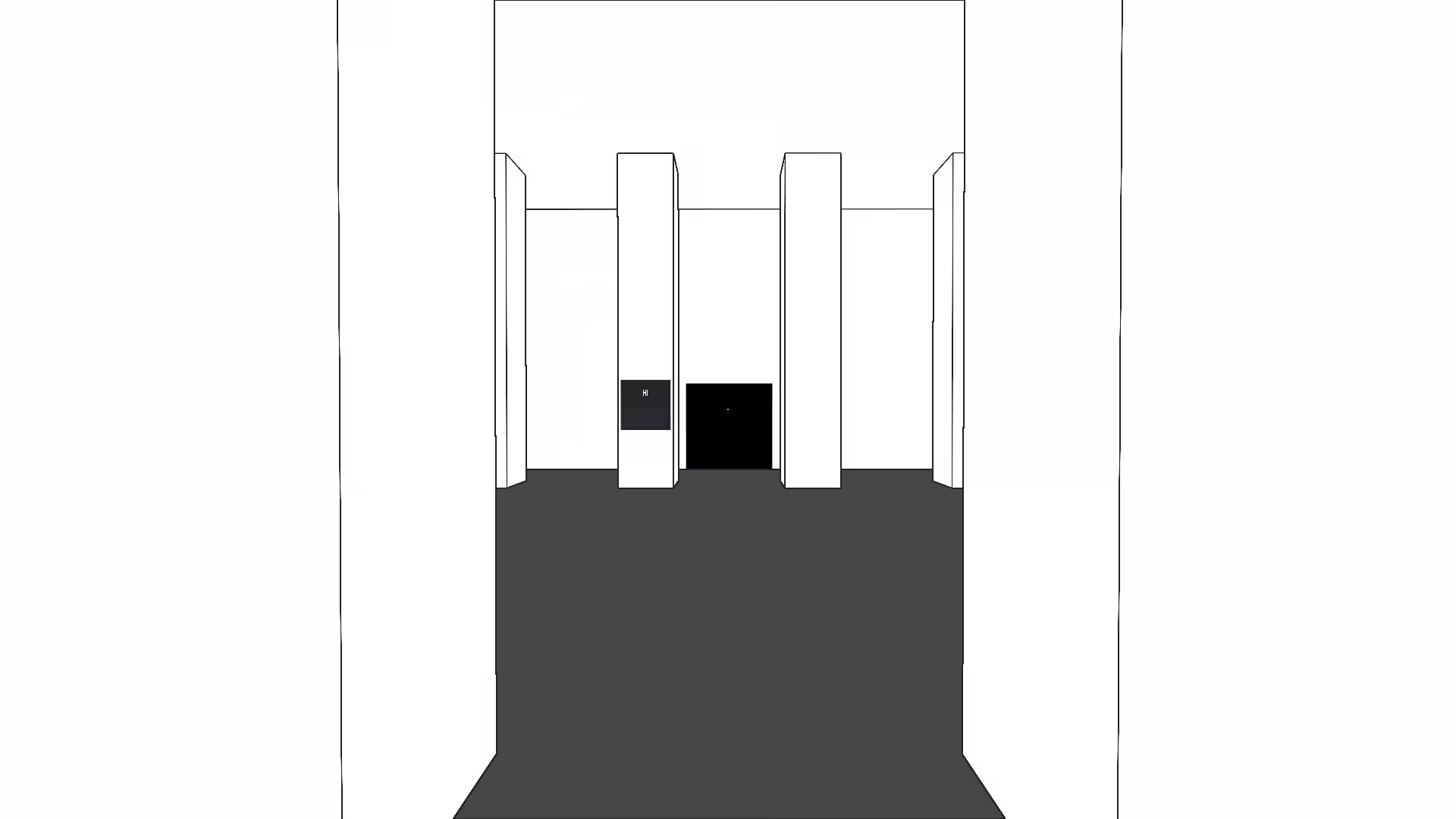
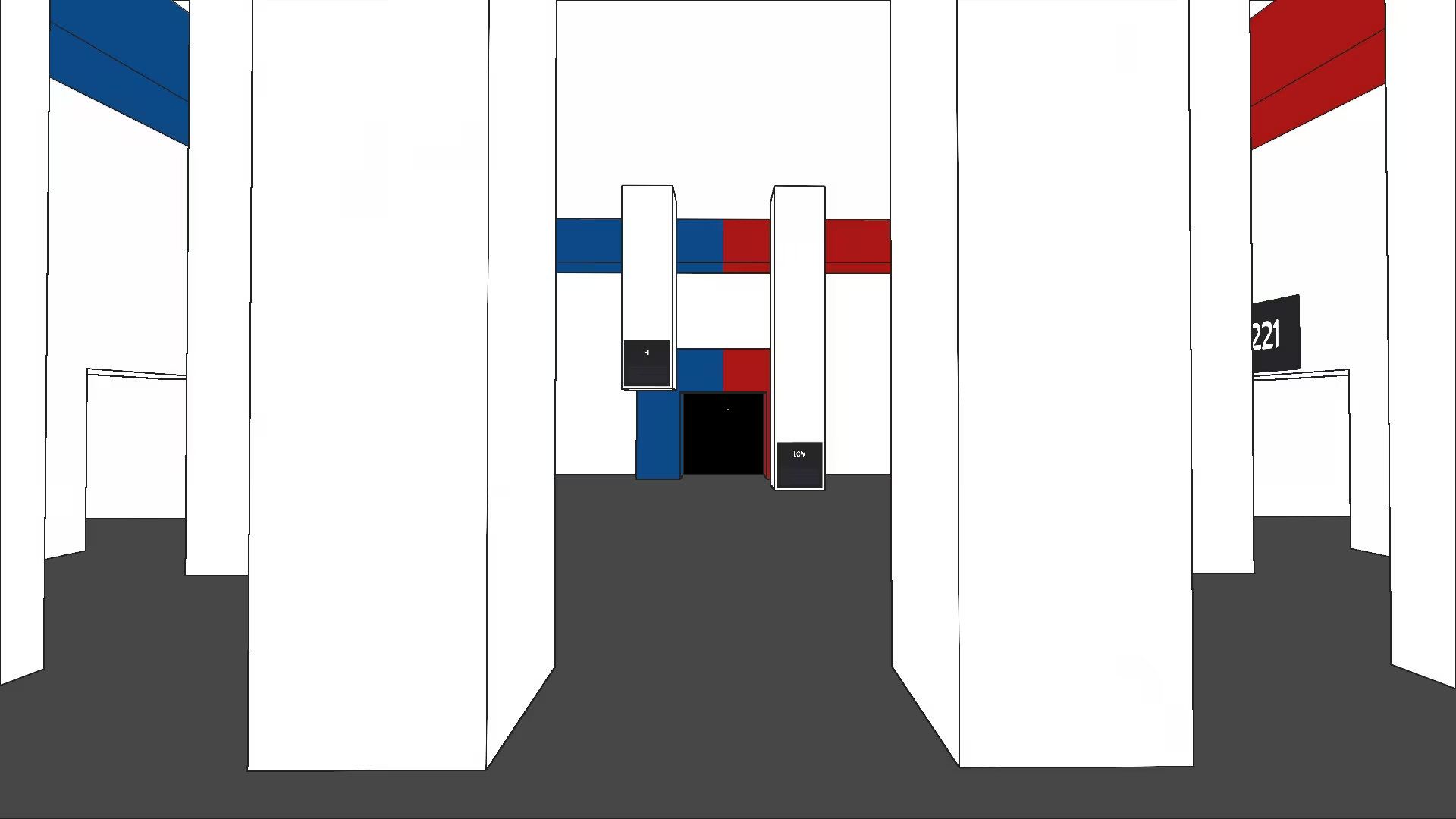
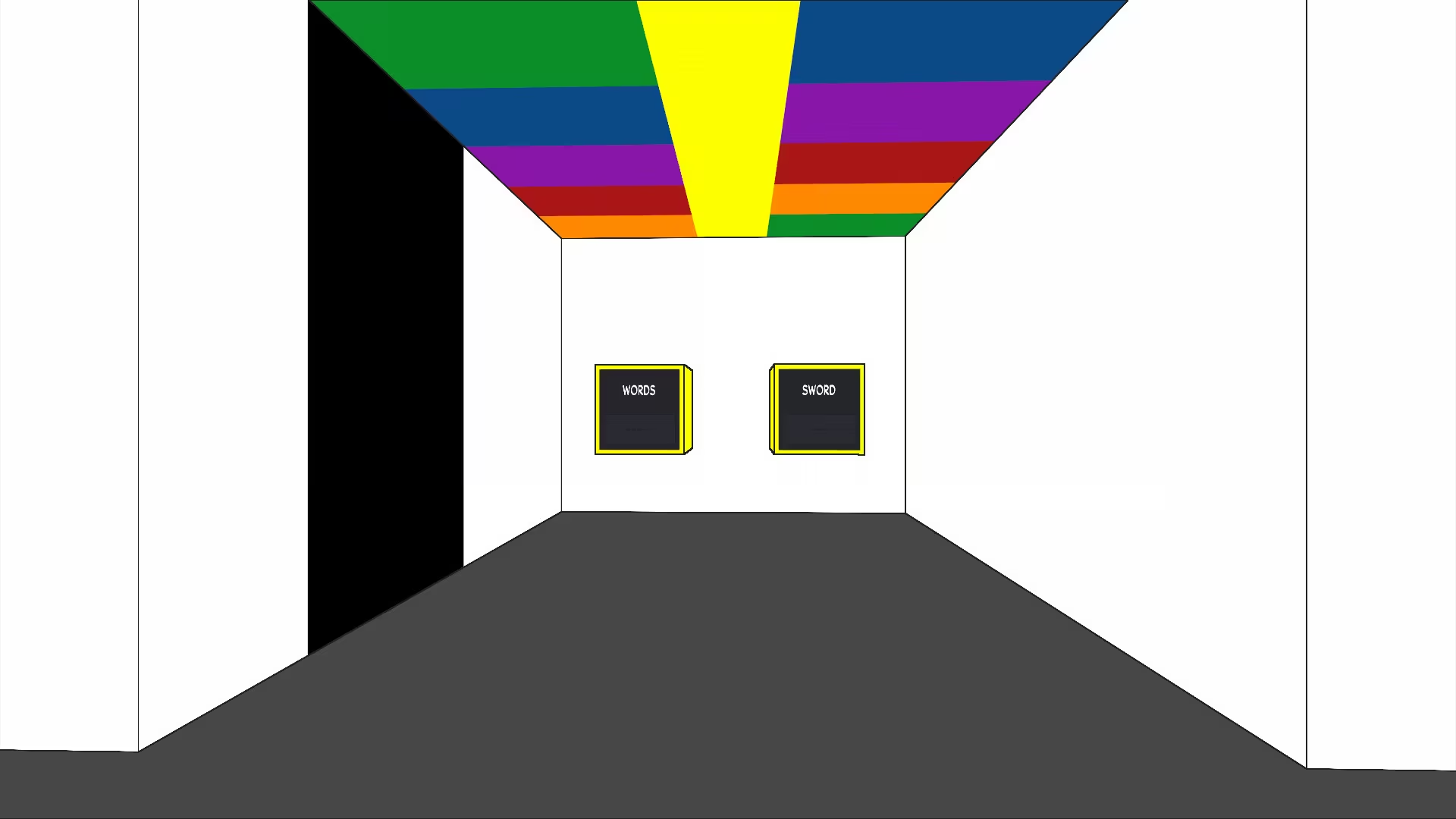
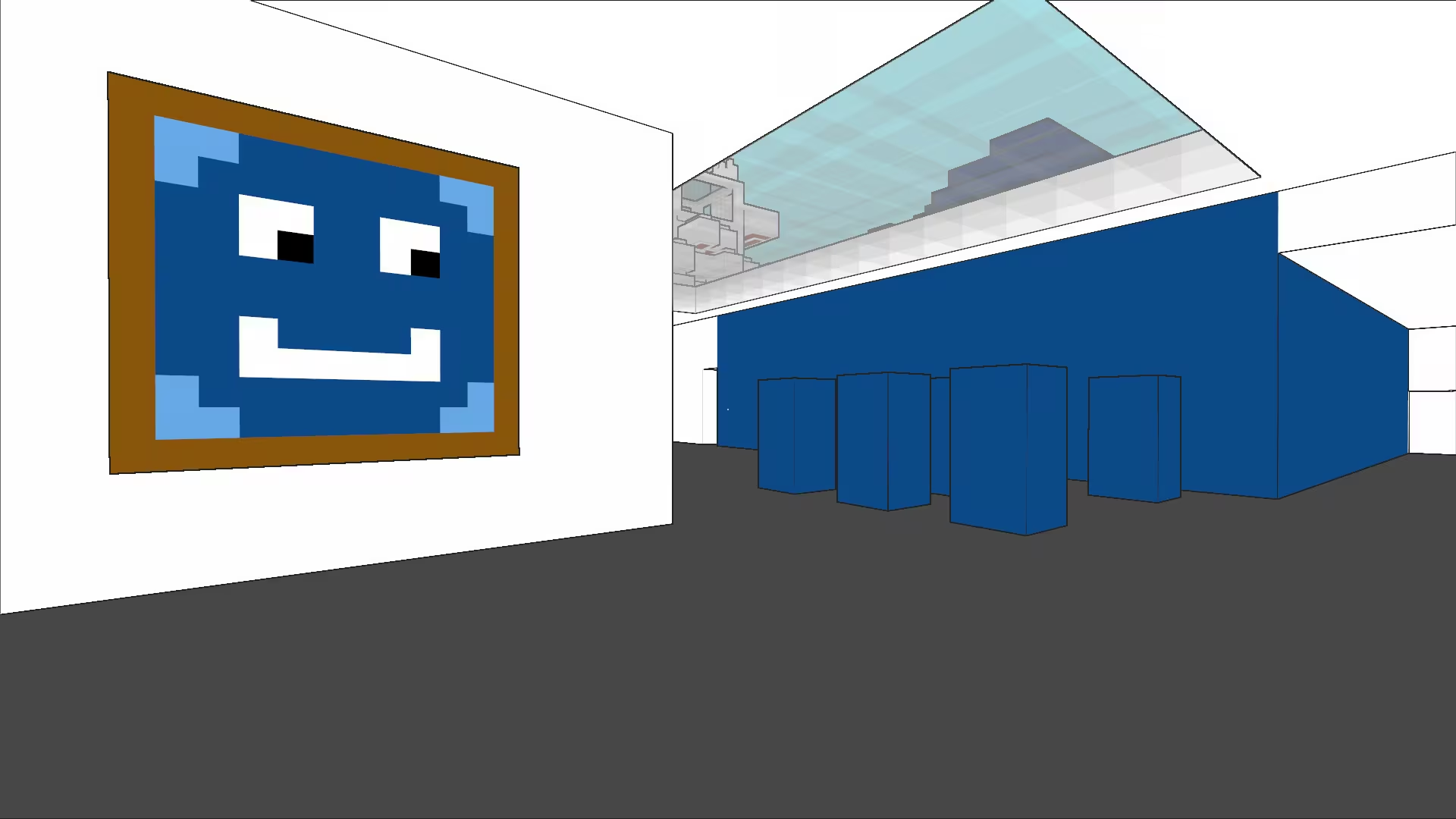
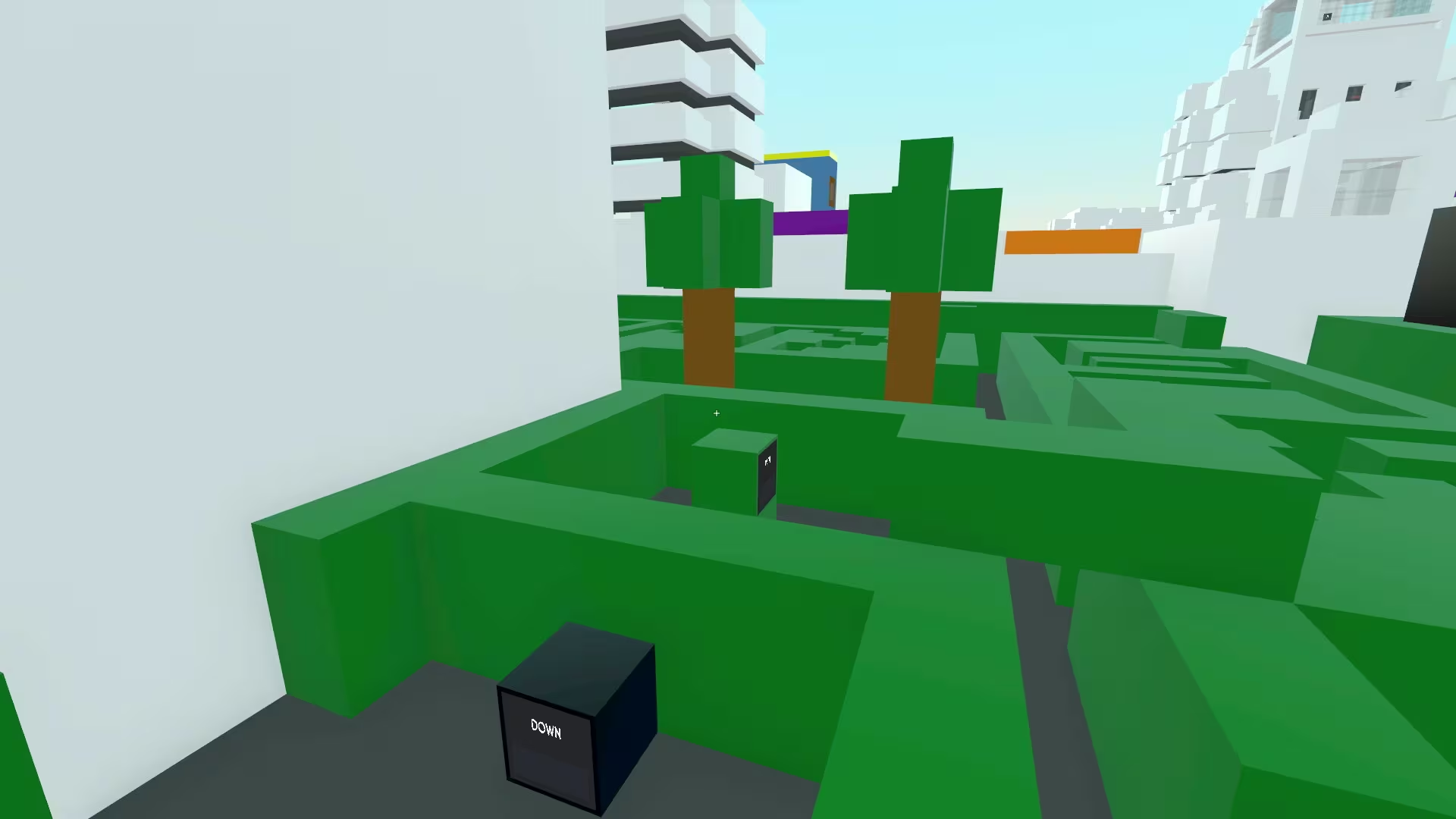
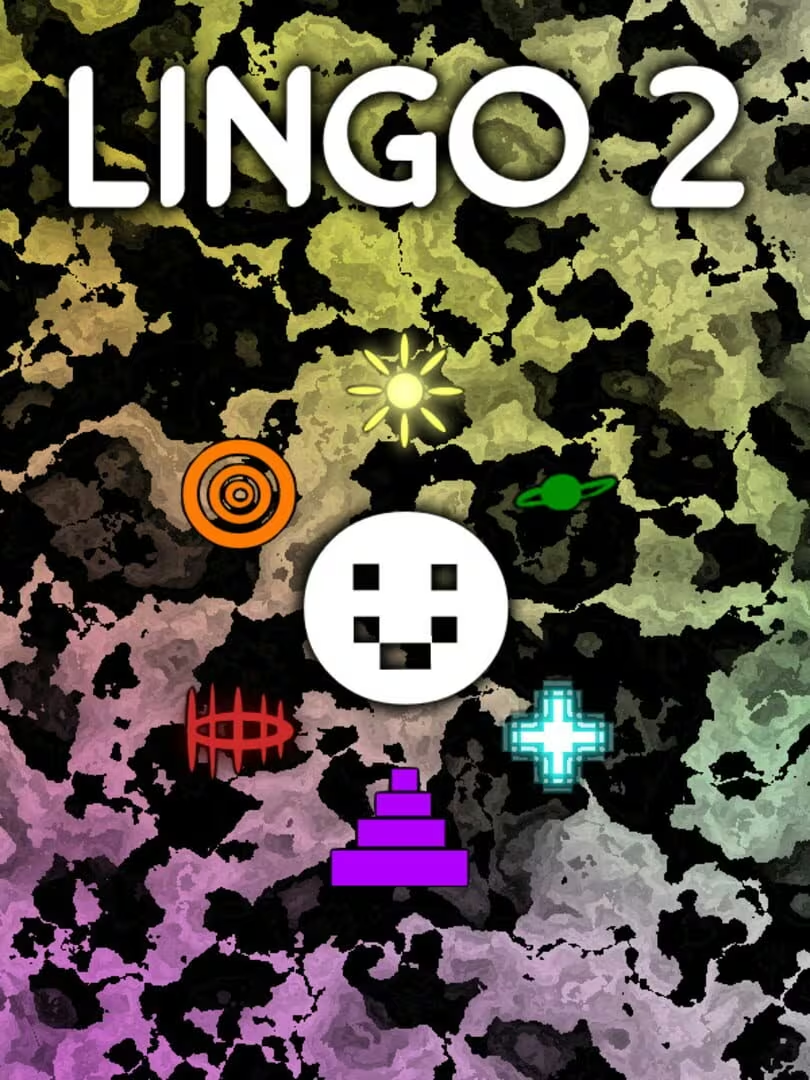
Lingo is a first person word puzzle game with a large, abstract world to explore. With its epiphany-driven gameplay and impossible geometry, Lingo provides a unique and nonlinear experience.

Global score

94/100

Genres

Adventure, Indie, Quiz/Trivia

Similar games

    Pros

    • Deep and challenging puzzle design
    • Extensive content with updates and custom maps
    • Unique non-euclidean exploration
    • Active and supportive community
    • High replayability and discovery

    Cons

    • Confusing navigation and backtracking
    • Minimalist and repetitive visuals
    • Steep learning curve and difficulty spikes
    • Some puzzles feel obscure or unfair
    • Lack of in-game guidance or map

    Analysis

    Less representative of its motivational profile, with noticeable differences. Motivations that often define this kind of title include Fantasy, Violence, Story, Thrill. Here, the score leans higher than usual among comparable games on Cooperation, Fellowship, Exploration.

    How to use the graph
    Similar games map

    Each dot is a game. They are arranged from the same motivation profile as in the “Motivations” section below. Closer dots usually mean more similar reasons to play (exploration, competition, relaxation, etc.)—not that one game is “better” than another.

    • Larger dot with a light outline: the game you are viewing.
    • Colour: groups of games with comparable motivation patterns (statistical clusters).
    • Hover a dot to see the game name; click to open its page.
    • Scroll or double-click the chart to zoom out and see more games.

    Why don’t the axes read like a score? This view uses t-SNE: it only keeps who is close to whom. The scales are not “good to bad” or hours played—they separate groups on the map. Read distance between dots, not the axis numbers.

    Motivations

    • Autonomy
      5

      "Players freely explore a non-linear, non-euclidean world and discover puzzle rules on their own without handholding."

    • Competence
      4

      "Puzzles require skillful rule discovery, lateral thinking, and word knowledge; players get feedback and satisfaction from solving complex challenges."

    • Competition
      -4

      "Focus is on personal puzzle solving and exploration without ranked or direct player comparison."

    • Continuation
      5

      "Many players report long playtimes, habitual engagement, and continued interest in custom maps and updates."

    • Cooperation
      3

      "Community and Discord support are important for hints and social puzzle solving, though core gameplay is solo."

    • Creativity
      4

      "Players create notes, maps, and experiment with puzzle rules; community creates custom maps expanding the game."

    • Domination
      -5

      "Interactions are collaborative and respectful; no evidence of dominance or power imposition."

    • Escapism
      4

      "Players use the game to immerse in complex puzzles and exploration, often as a mental challenge and distraction."

    • Expectation
      -4

      "Players engage voluntarily out of intrinsic interest and love for puzzles, not obligation."

    • Experimenting
      5

      "Core gameplay involves discovering and testing new puzzle rules and mechanics continuously."

    • Exploration
      5

      "Non-euclidean maze-like world encourages discovering new areas, secrets, and revisiting puzzles."

    • Expression
      -3

      "Minimalist visuals with limited customization; focus is on puzzle solving rather than avatar or environment personalization."

    • Fantasy
      -4

      "Game grounded in realistic language and word puzzles, no fantasy or fictional narrative elements."

    • Fellowship
      3

      "Active community and Discord foster social connection and collaborative puzzle solving."

    • Growth
      5

      "Strong emphasis on learning puzzle rules, language skills, and personal development through discovery."

    • Health
      -5

      "Sedentary gameplay with no physical activity or health-related features."

    • Idle
      -4

      "Requires focused attention and continuous engagement to solve puzzles and navigate the world."

    • Intimacy
      -4

      "Social interactions are surface-level via community chats; no evidence of close emotional relationships."

    • Leadership
      -4

      "Players mostly support each other collaboratively; no leadership or authoritative roles."

    • Progression
      4

      "Players progress by unlocking puzzles, areas, and gaining knowledge; achievements and completionist goals exist."

    • Relaxation
      2

      "Some players find satisfying flow in puzzle solving, though frustration and tension occur due to difficulty and navigation."

    • Sensation
      1

      "Minimalist visuals and sound provide moderate sensory stimulation; focus is on cognitive challenge."

    • Status
      -3

      "Recognition mainly within community; no broad social status or popularity mechanisms."

    • Story
      -4

      "No explicit narrative or characters; gameplay centers on abstract puzzle solving and exploration."

    • Strategy
      4

      "Requires logical reasoning, rule deduction, and planning to solve complex puzzles."

    • Thrill
      1

      "Some tension from difficult puzzles and navigation, but mostly controlled and cerebral experience."

    • Value
      5

      "Players report excellent value for price with extensive content, frequent updates, and community maps."

    • Violence
      -5

      "No combat or destruction; gameplay is constructive and intellectual."

    • Survival
      -5

      "No threats or failure states; stable environment focused on puzzle solving."

    Last update: 29/04/2026