Perspective Thumbnail

Perspective similar games & best alternatives
Perspective

PC (Microsoft Windows) • 2019

Related articles

Quick resume

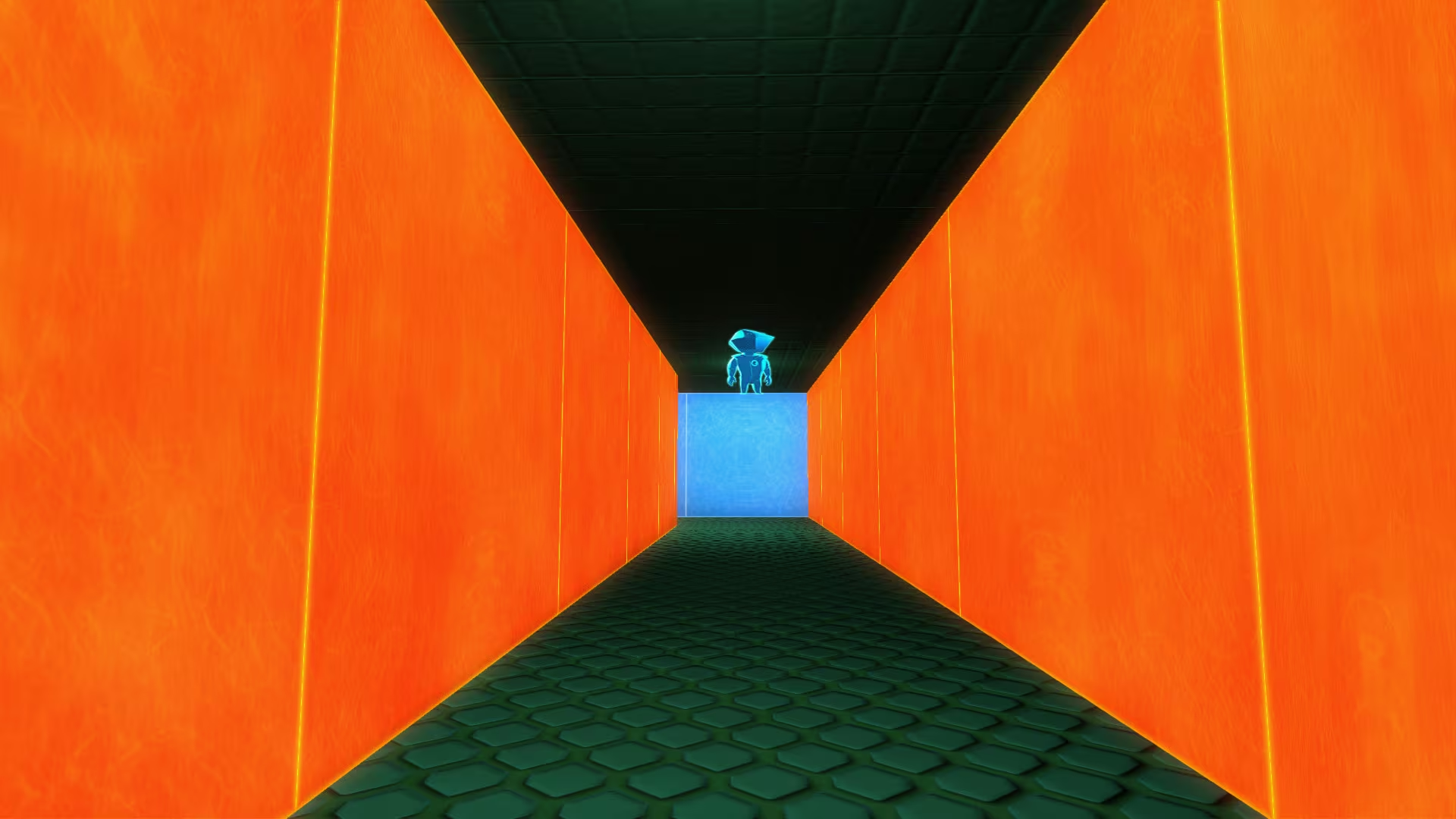
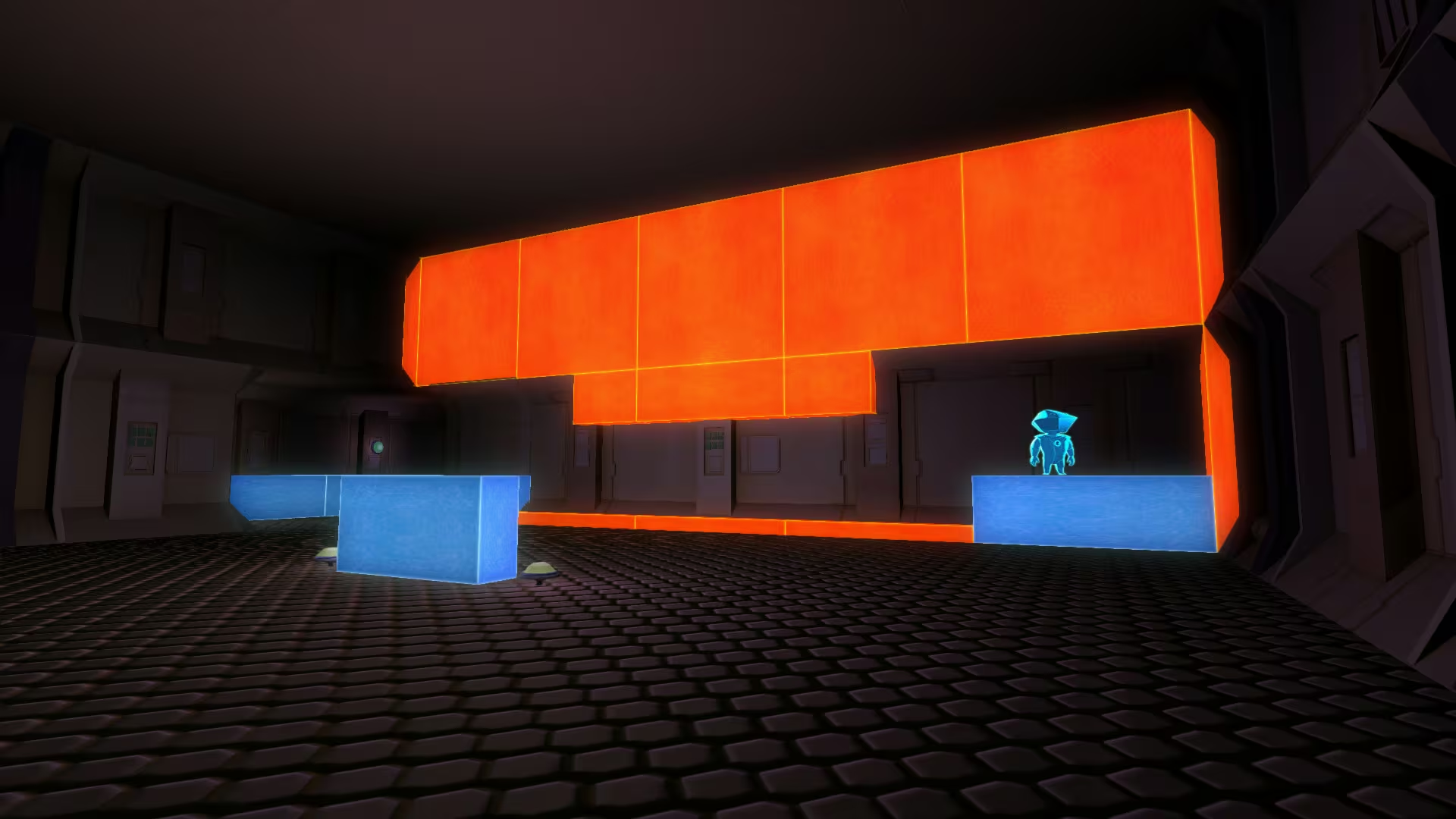
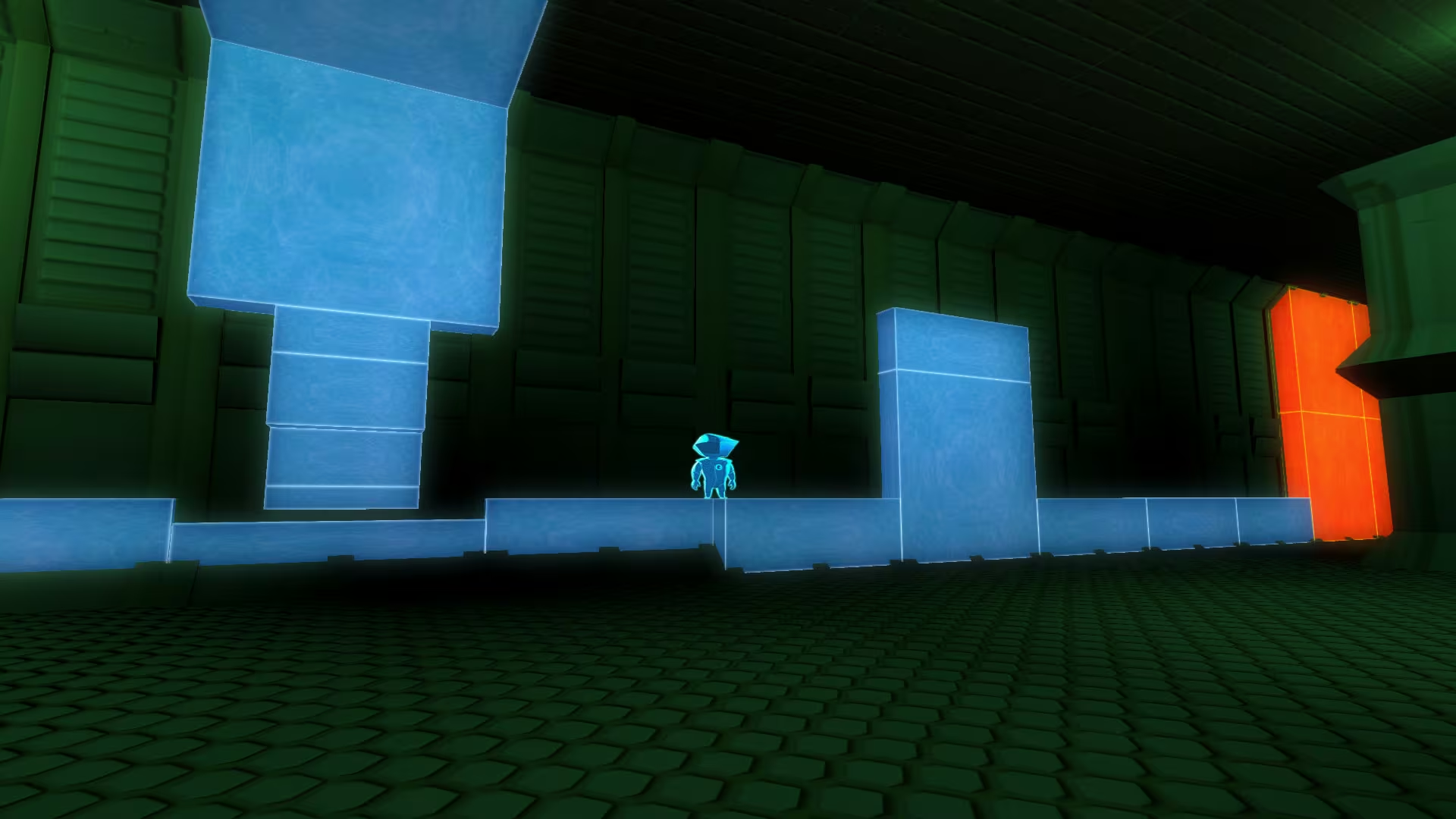
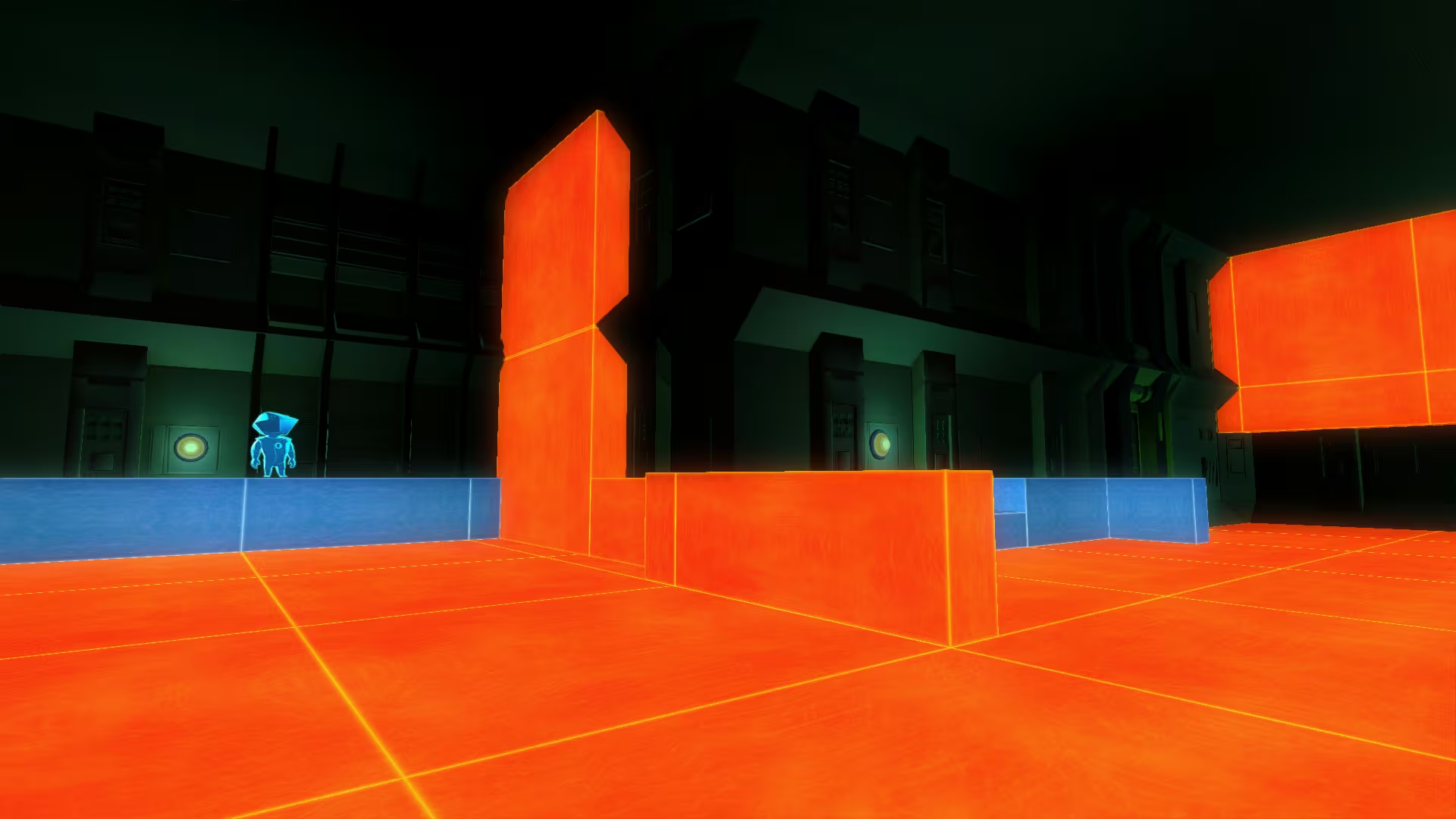
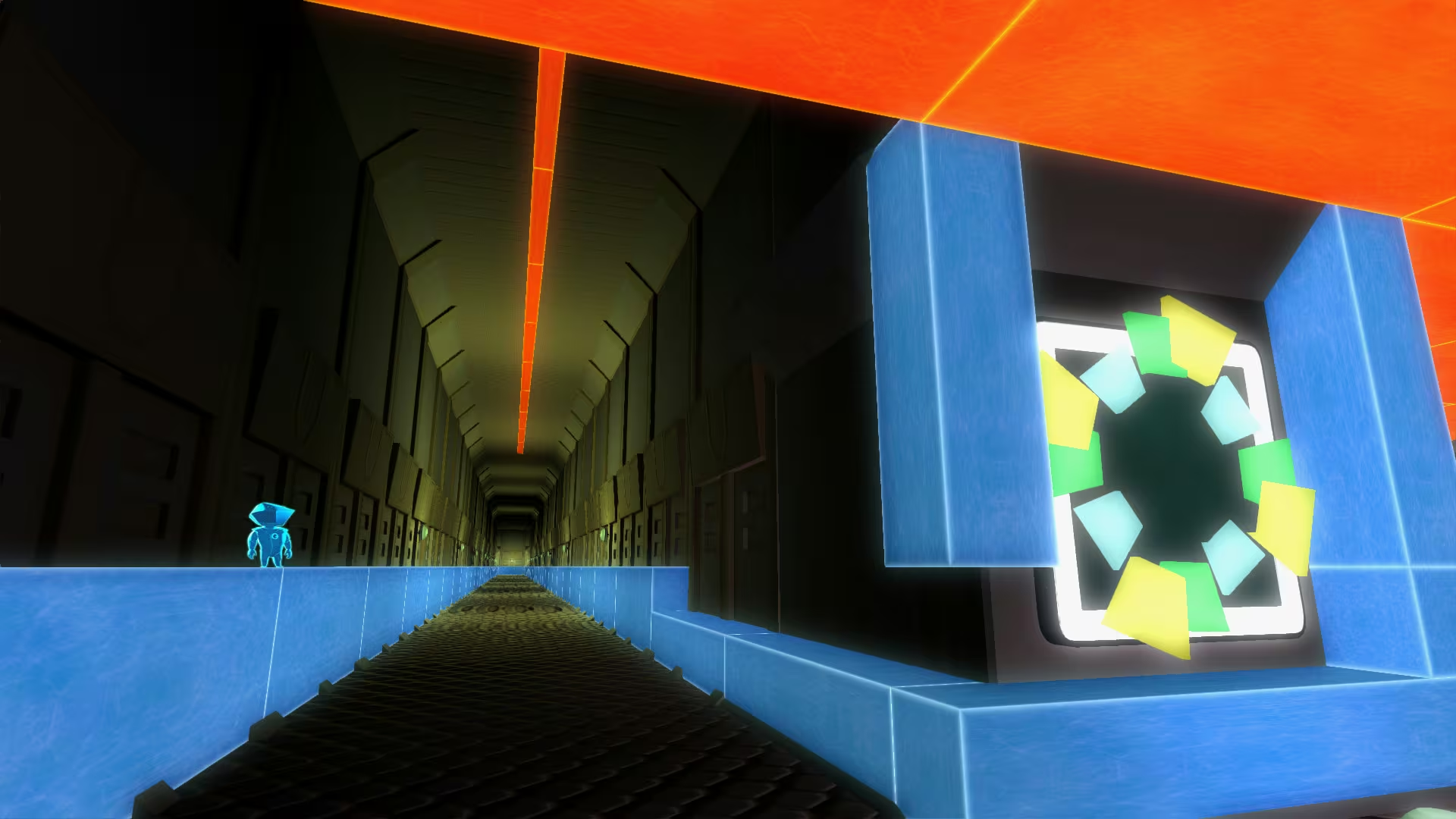
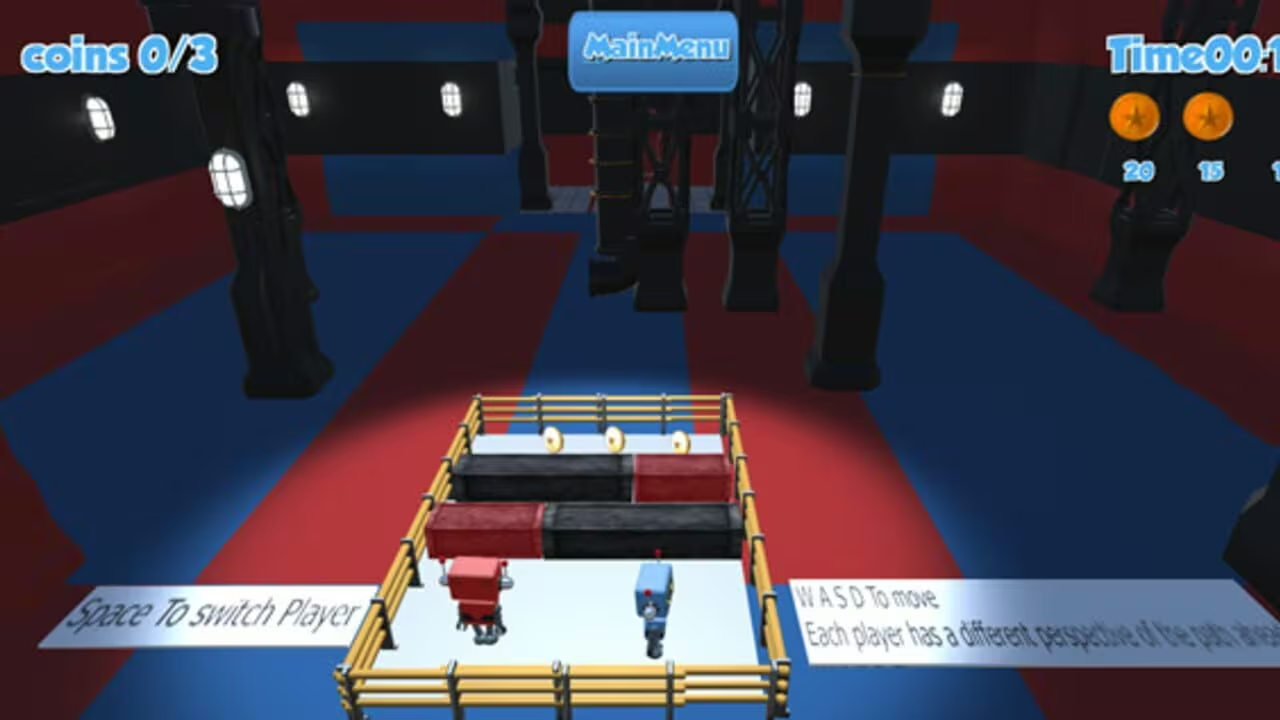
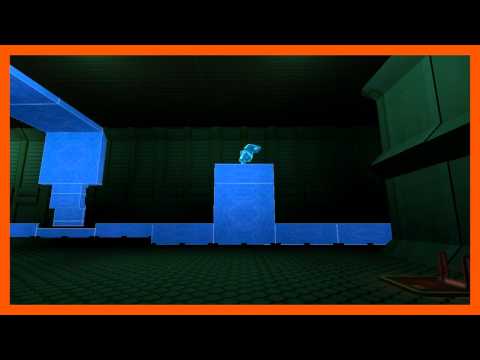
Perspective is an experimental platformer. The player avatar moves in a 2D space that transforms when the player changes perspective in 3D space. The player needs to use this mechanic navigate the 2D avatar to a goal in order to progress from level to level.

Global score

98/100

Genres

Free To Play, Strategy, Indie

Similar games

    Pros

    • Unique and creative puzzle mechanics
    • Free and accessible
    • Well-designed puzzles with good difficulty curve
    • Engaging audiovisual presentation
    • Mind-bending and surprising ending

    Cons

    • Short gameplay length
    • Some minor bugs and crashes reported
    • Lack of multiplayer or social features
    • Minimal story and customization
    • Controls and interface could be improved

    Analysis

    Less representative of its motivational profile, with noticeable differences. Motivations that often define this kind of title include Survival, Violence, Fellowship, Expression. Here, the score leans higher than usual among comparable games on Creativity. It leans lower than usual among comparable games on Continuation, Fantasy.

    How to use the graph
    Similar games map

    Each dot is a game. They are arranged from the same motivation profile as in the “Motivations” section below. Closer dots usually mean more similar reasons to play (exploration, competition, relaxation, etc.)—not that one game is “better” than another.

    • Larger dot with a light outline: the game you are viewing.
    • Colour: groups of games with comparable motivation patterns (statistical clusters).
    • Hover a dot to see the game name; click to open its page.
    • Scroll or double-click the chart to zoom out and see more games.

    Why don’t the axes read like a score? This view uses t-SNE: it only keeps who is close to whom. The scales are not “good to bad” or hours played—they separate groups on the map. Read distance between dots, not the axis numbers.

    Motivations

    • Autonomy
      4

      "Players freely control both 2D and 3D perspectives and decide how to solve puzzles using perspective shifts."

    • Competence
      3

      "Puzzles require skillful thinking and problem solving with a learning curve, but are not overly difficult."

    • Competition
      -4

      "Focus is on individual puzzle solving at own pace, no mention of competitive or ranked modes."

    • Continuation
      -2

      "Short game (~1 hour) with limited levels; some wish for more content but generally played in single sessions."

    • Cooperation
      -4

      "Single-player experience with no cooperative or multiplayer elements."

    • Creativity
      5

      "Highly creative mechanic involving switching between 2D and 3D perspectives to solve puzzles."

    • Domination
      -5

      "No elements of exerting control over others; purely individual puzzle solving."

    • Escapism
      3

      "Players enjoy immersive, mind-bending puzzles that provide a break from reality."

    • Expectation
      -4

      "Players engage voluntarily out of interest and intrinsic motivation; no obligation or pressure."

    • Experimenting
      4

      "Game encourages trying new perspectives and experimenting with mechanics to find solutions."

    • Exploration
      2

      "Exploration of new puzzle solutions and perspective-based spatial relationships, though limited map exploration."

    • Expression
      -3

      "Minimal customization or self-expression; focus is on puzzle mechanics and environment interaction."

    • Fantasy
      1

      "Some surreal and eerie environments with a mind-bending ending, but grounded in puzzle logic."

    • Fellowship
      -4

      "Primarily a solo experience with little to no social or community interaction within the game."

    • Growth
      3

      "Players develop problem-solving skills and learn new mechanics progressively through levels."

    • Health
      -5

      "Sedentary gameplay typical of puzzle games; no physical activity involved."

    • Idle
      -3

      "Requires focused attention and active problem solving rather than passive or background play."

    • Intimacy
      -5

      "No social or emotional relationship building; purely individual gameplay."

    • Leadership
      -5

      "No leadership or group management elements; single-player puzzle focus."

    • Progression
      3

      "Progression through increasingly complex puzzles and unlocking new levels."

    • Relaxation
      2

      "Some players find the game relaxing and enjoyable, though puzzles provide mental challenge."

    • Sensation
      3

      "Enjoyable audiovisual experience with dynamic music and unique visual styles."

    • Status
      -5

      "No social recognition or status systems; focus on personal achievement."

    • Story
      1

      "Minimal narrative with some environmental storytelling and a surprising ending."

    • Strategy
      3

      "Requires mental challenge and problem solving to manipulate perspectives and solve puzzles."

    • Thrill
      1

      "Some suspense and surprise elements, especially in the ending, but generally controlled puzzle solving."

    • Value
      5

      "Highly praised for being free with quality content, considered excellent value for time."

    • Violence
      -5

      "No violence; gameplay centers on constructive puzzle solving."

    • Survival
      -5

      "No survival or threat elements; stable puzzle environment."

    Last update: 29/04/2026