Long Gone Days Thumbnail

Long Gone Days similar games & best alternatives
Long Gone Days

PC (Microsoft Windows), Mac, PlayStation 4, Xbox One, Xbox Series X|S, Nintendo Switch, PlayStation 5 • 2023

Related articles

Quick resume

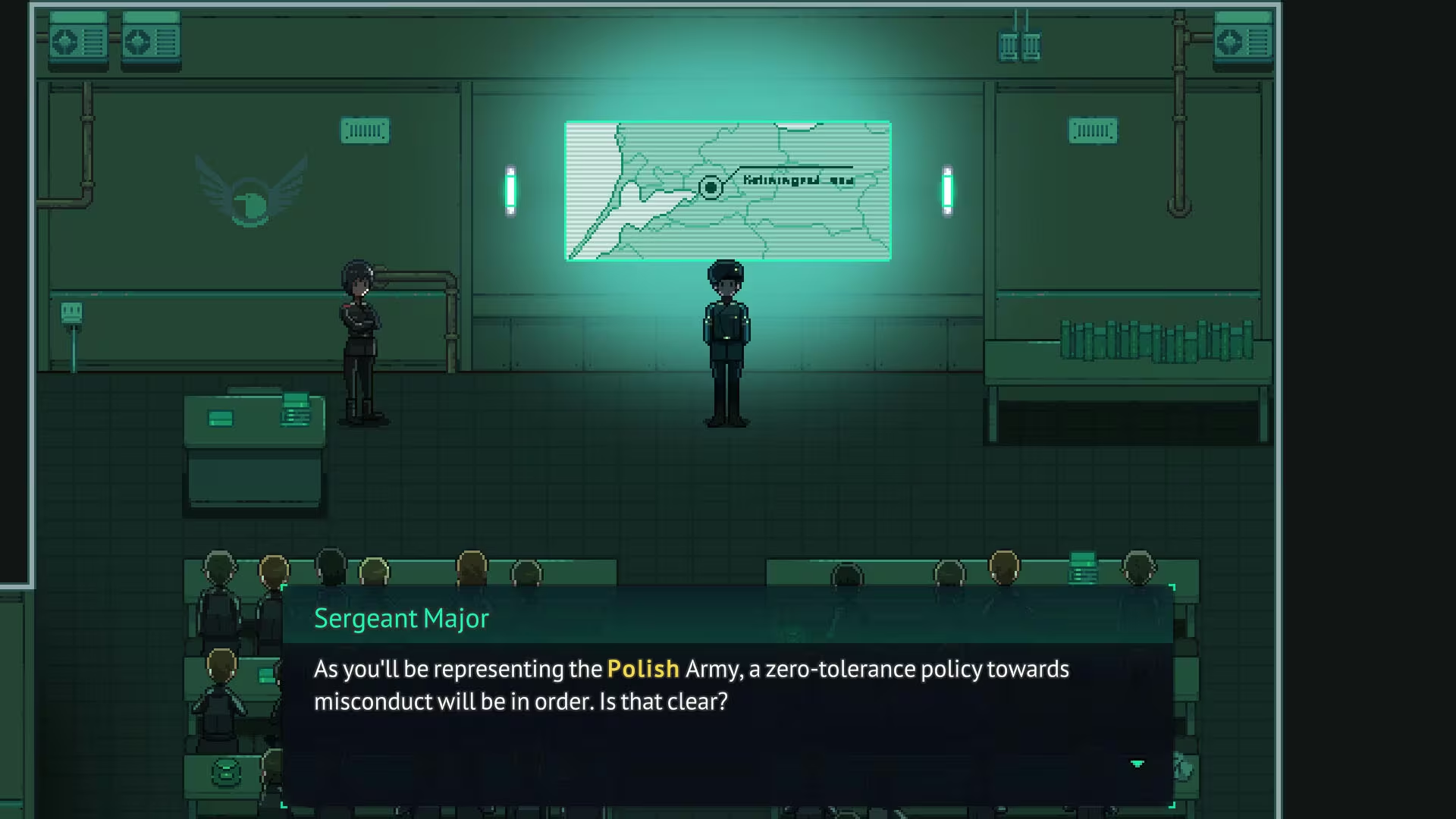
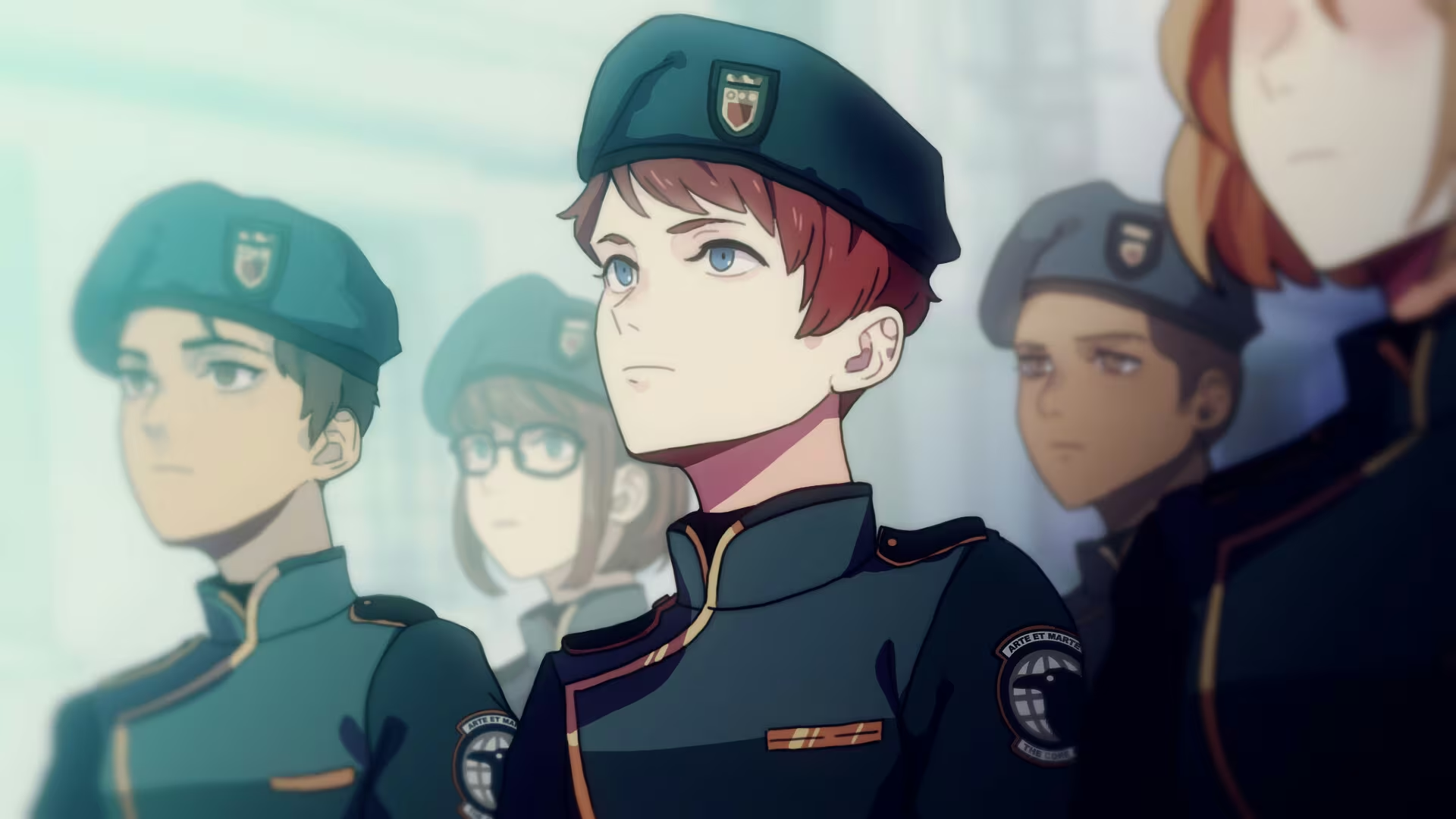
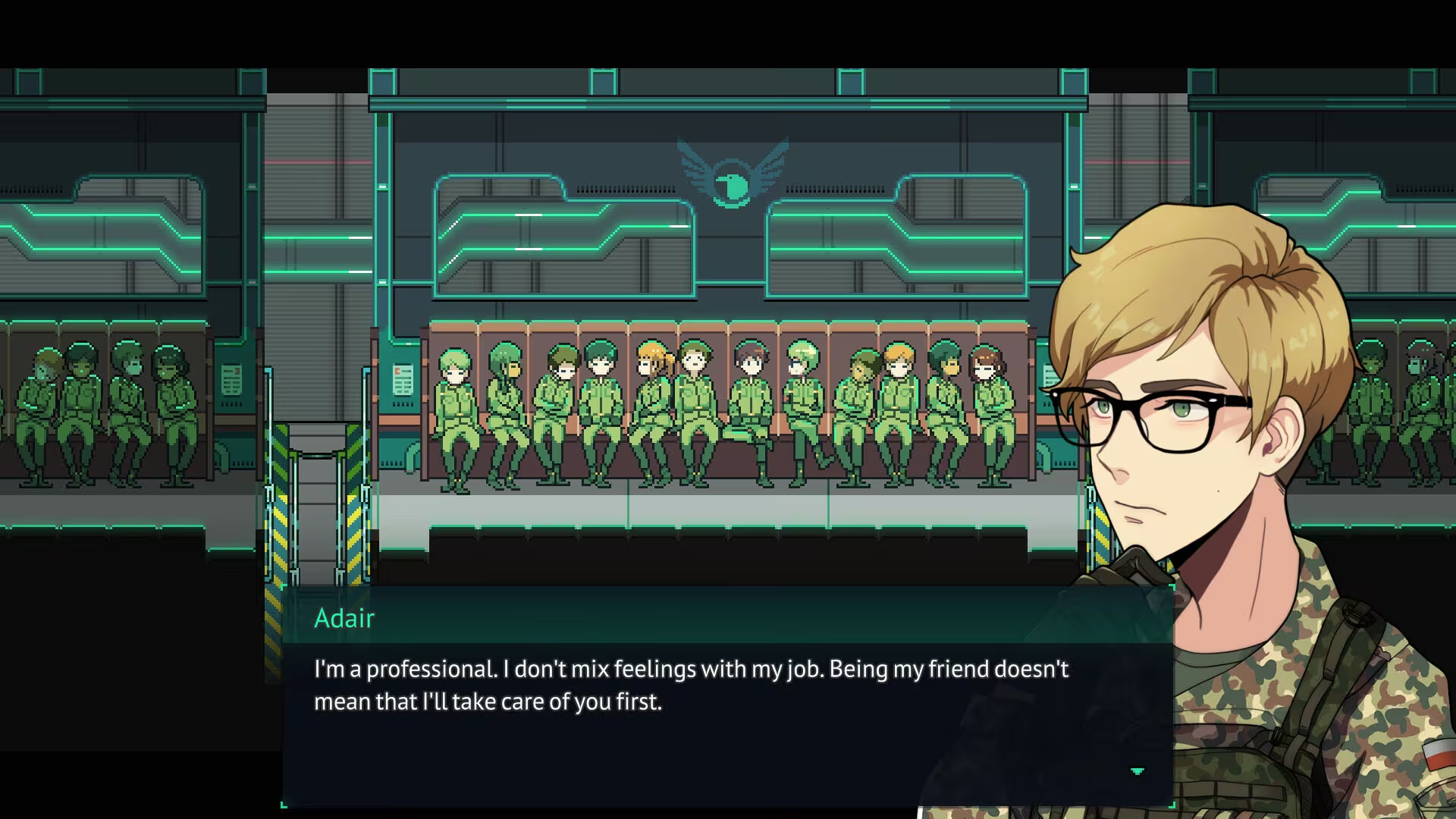
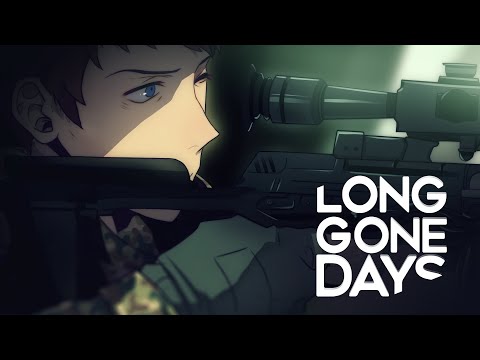
A modern-day JRPG that imagines a world of war. Overcome language barriers, forge unlikely friendships, and find hope amidst conflict.

Global score

88/100

Genres

Adventure, Indie, Role-playing (RPG), Visual Novel

Similar games

    Pros

    • Engaging story and characters
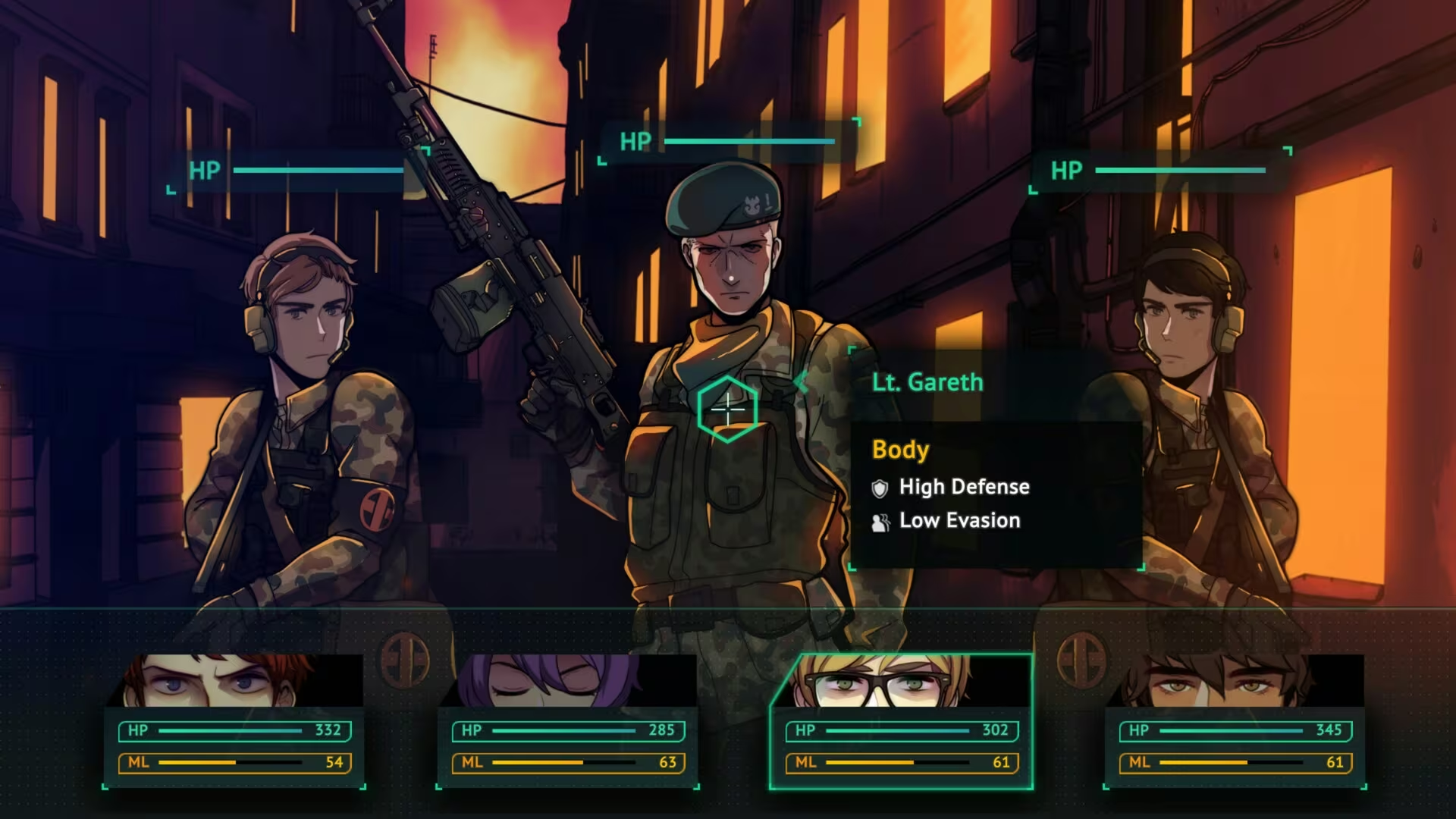
    • Unique morale-based combat system
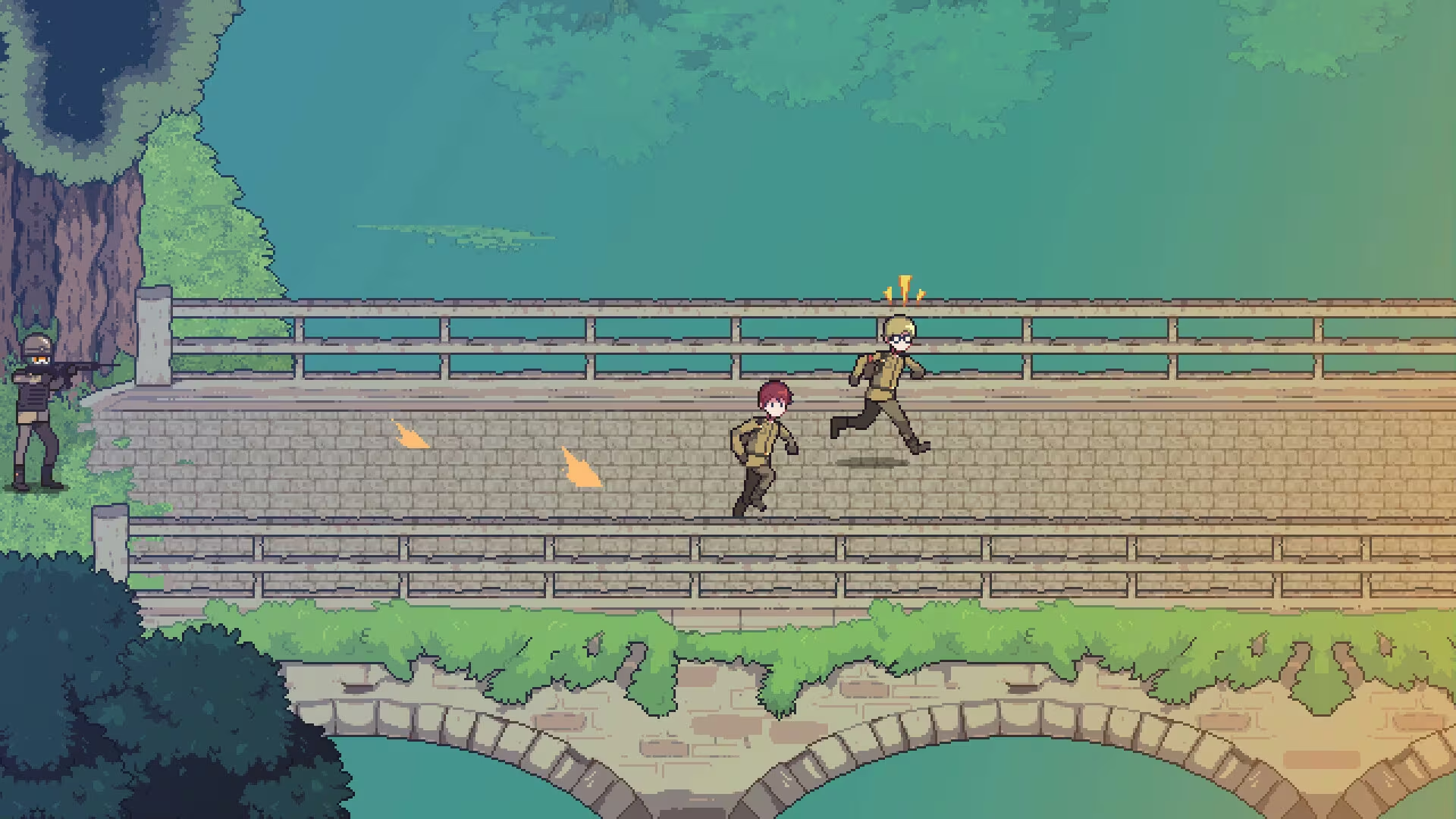
    • Beautiful pixel art and character portraits
    • Immersive soundtrack and sound design
    • Meaningful player choices affecting morale and outcomes

    Cons

    • Combat can be slow and unbalanced
    • Walking speed is slow, no run option initially
    • Some ui and control issues
    • Short length with limited replay value
    • Some dialogue and writing inconsistencies

    Analysis

    Less representative of its motivational profile, with noticeable differences. Motivations that often define this kind of title include Cooperation, Fellowship, Intimacy, Leadership. Here, the score leans higher than usual among comparable games on Story. It leans lower than usual among comparable games on Fantasy, Competition.

    How to use the graph
    Similar games map

    Each dot is a game. They are arranged from the same motivation profile as in the “Motivations” section below. Closer dots usually mean more similar reasons to play (exploration, competition, relaxation, etc.)—not that one game is “better” than another.

    • Larger dot with a light outline: the game you are viewing.
    • Colour: groups of games with comparable motivation patterns (statistical clusters).
    • Hover a dot to see the game name; click to open its page.
    • Scroll or double-click the chart to zoom out and see more games.

    Why don’t the axes read like a score? This view uses t-SNE: it only keeps who is close to whom. The scales are not “good to bad” or hours played—they separate groups on the map. Read distance between dots, not the axis numbers.

    Motivations

    • Autonomy
      3

      "Players can make meaningful dialogue choices affecting morale and story outcomes, but the game is mostly linear with limited open exploration."

    • Competence
      2

      "Combat involves strategic targeting of enemy body parts and morale management, but is generally easy and sometimes frustrating due to RNG and balance issues."

    • Competition
      -4

      "Focus is on personal story progression and character development without competitive or ranked elements."

    • Continuation
      3

      "Players report engaging story and characters that encourage long play sessions and replay for different endings."

    • Cooperation
      2

      "Players manage a party with different characters working together, but no multiplayer or explicit teamwork mechanics."

    • Creativity
      1

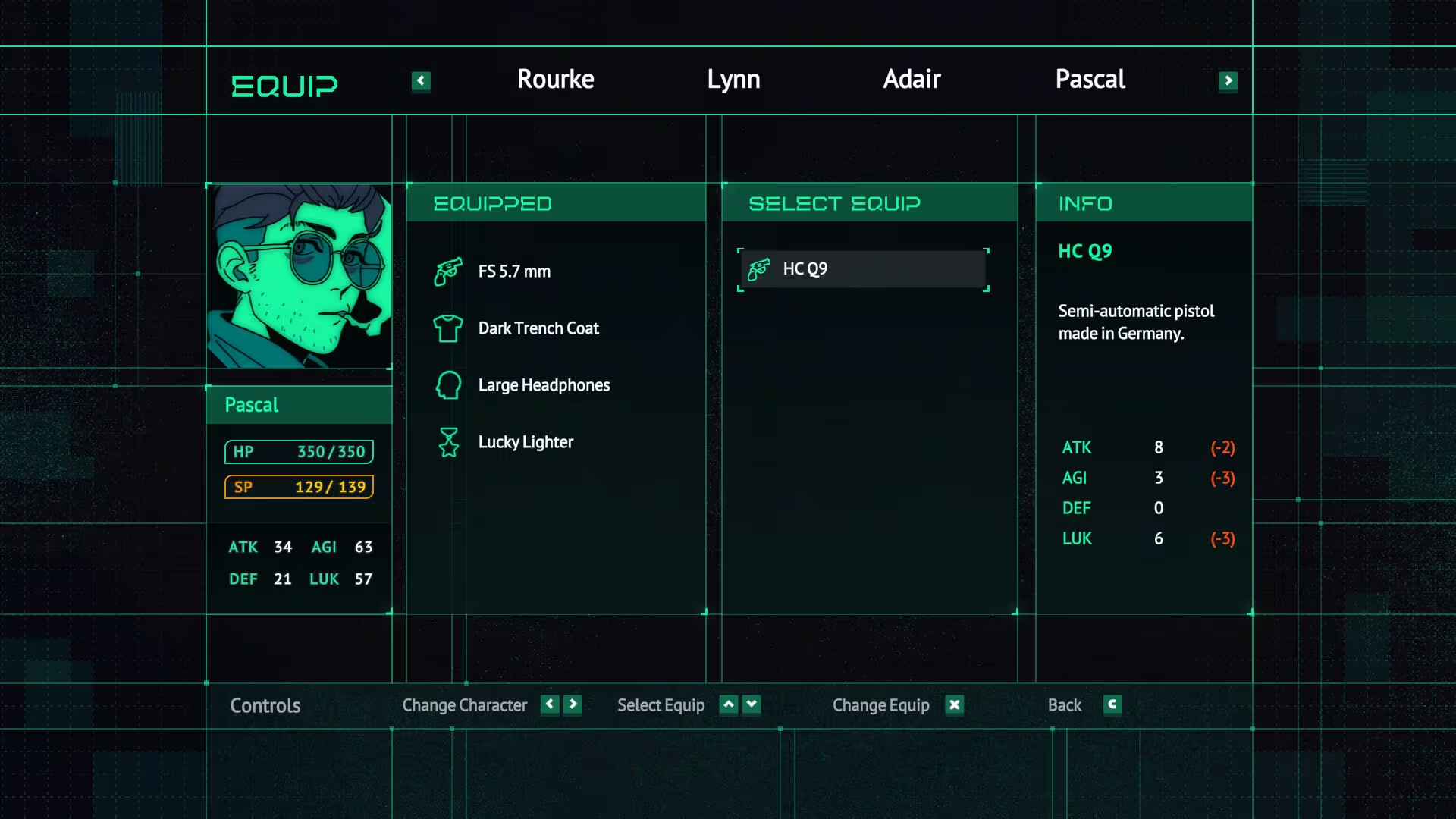
      "Some customization in equipment and skill use, but mostly predefined story and character progression."

    • Domination
      -4

      "Interactions emphasize mutual respect and shared struggles rather than exerting control or superiority."

    • Escapism
      4

      "Players engage with a fictional modern war setting to explore heavy themes and escape real life."

    • Expectation
      -4

      "Players engage voluntarily driven by interest in story, characters, and unique gameplay."

    • Experimenting
      2

      "Players can try different dialogue choices and combat strategies, but overall gameplay is structured and linear."

    • Exploration
      2

      "Game encourages exploration of environments and side quests, though within limited maps and mostly linear progression."

    • Expression
      1

      "Some character equipment customization and dialogue choices allow limited self-expression."

    • Fantasy
      -3

      "Game is grounded in a realistic modern military setting with plausible scenarios and human conflicts."

    • Fellowship
      3

      "Strong emphasis on party relationships, camaraderie, and shared narrative experiences."

    • Growth
      3

      "Players develop understanding of story, characters, and improve tactical combat skills."

    • Health
      -5

      "Sedentary gameplay with no physical activity or health-related mechanics."

    • Idle
      -3

      "Requires focused attention on story, dialogue, and combat; not suited for background play."

    • Intimacy
      3

      "Narrative fosters emotional connections with characters and their personal struggles."

    • Leadership
      2

      "Player directs party actions and decisions but within a guided story framework."

    • Progression
      3

      "Players acquire items, skills, and morale boosts to advance through story and combat."

    • Relaxation
      1

      "Story and music create immersive atmosphere, but combat pacing and difficulty can cause tension."

    • Sensation
      2

      "Visual and auditory elements are praised for quality and immersion, providing sensory enjoyment."

    • Status
      -4

      "Game focuses on individual narrative experience without social recognition or leaderboards."

    • Story
      5

      "Strong narrative focus with engaging characters, political themes, and meaningful player choices."

    • Strategy
      3

      "Combat requires tactical decisions on targeting and morale management, though some find it unbalanced."

    • Thrill
      2

      "Tense story moments and challenging battles provide suspense and emotional engagement."

    • Value
      2

      "Players find good value in story, art, and gameplay despite some complaints about price and length."

    • Violence
      2

      "Combat involves shooting and tactical violence, but with focus on consequences and morality."

    • Survival
      3

      "Players manage resources and morale to survive scripted combat encounters and progress."

    Last update: 29/04/2026