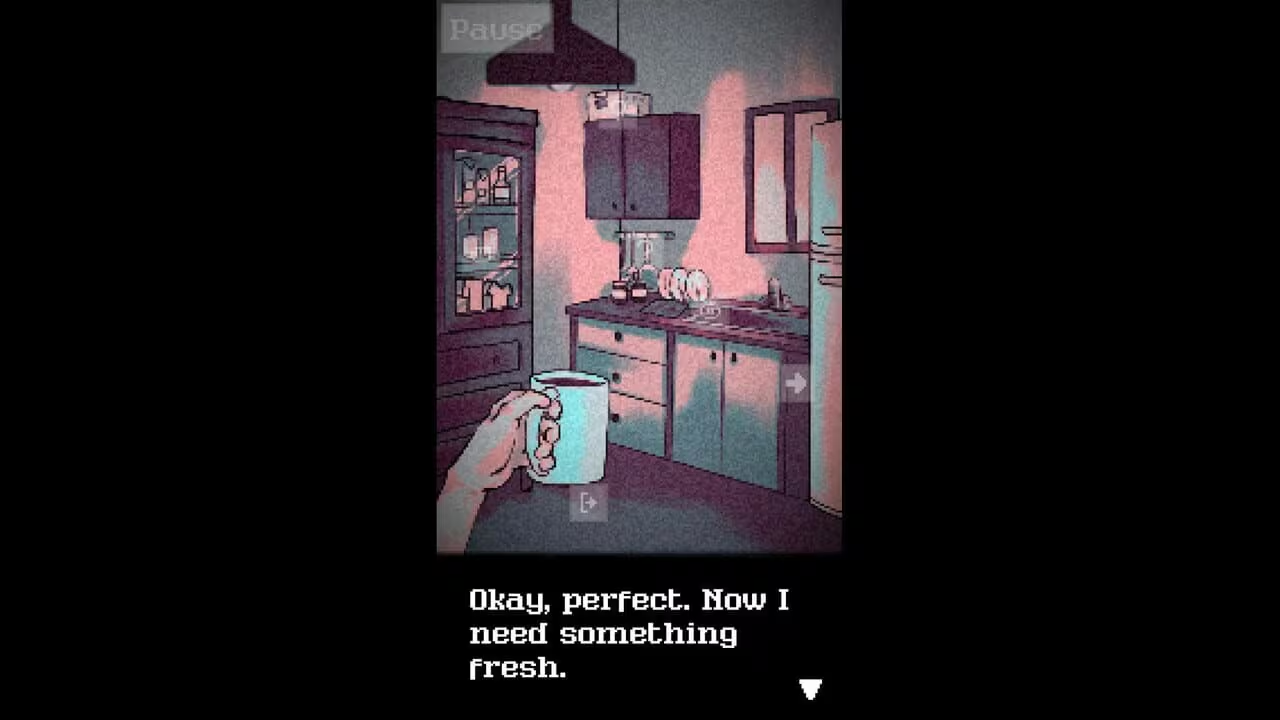
Looking Up I See Only A Ceiling Thumbnail

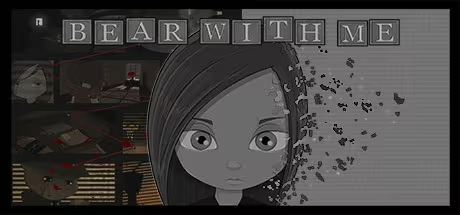
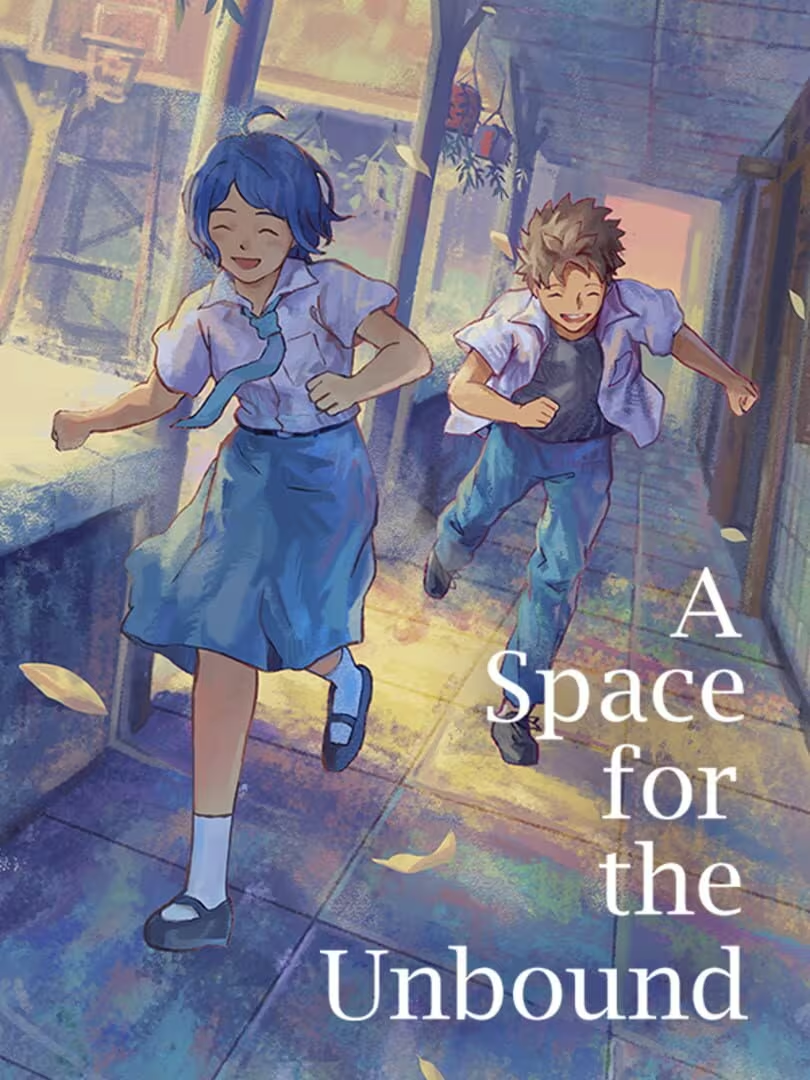
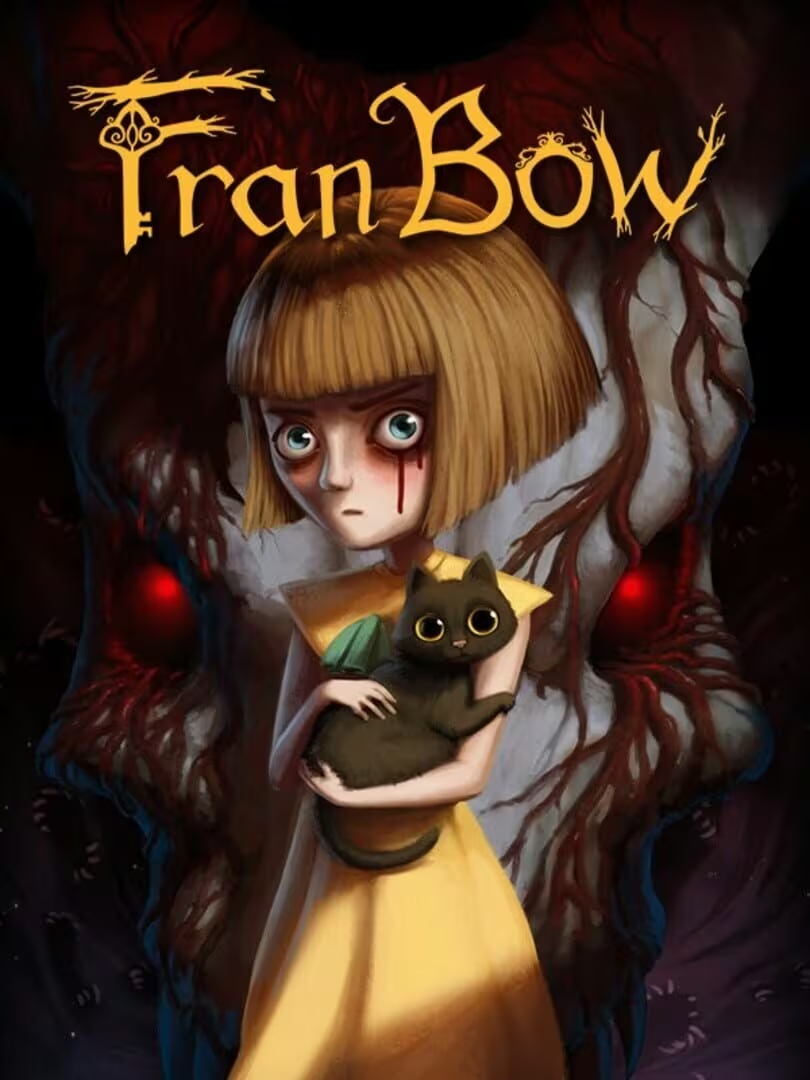
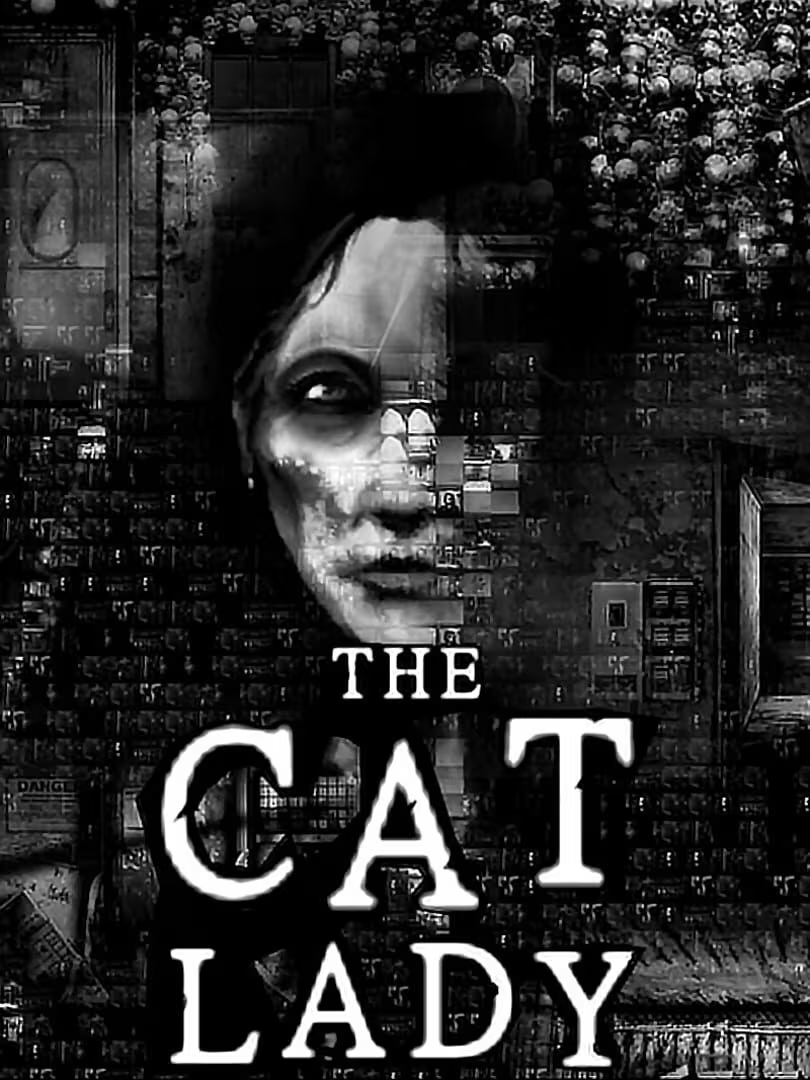
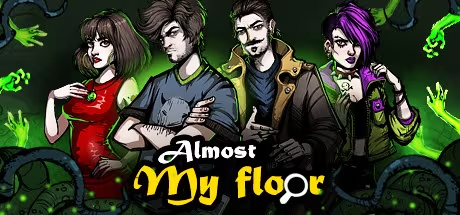
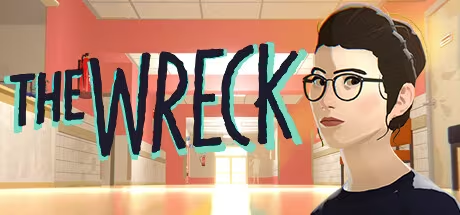
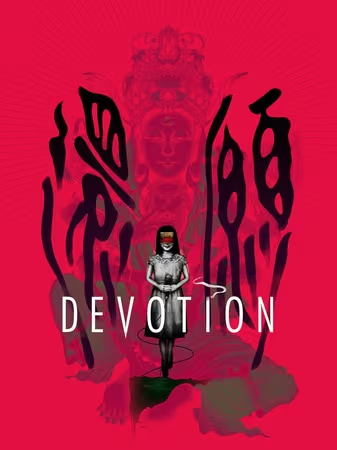
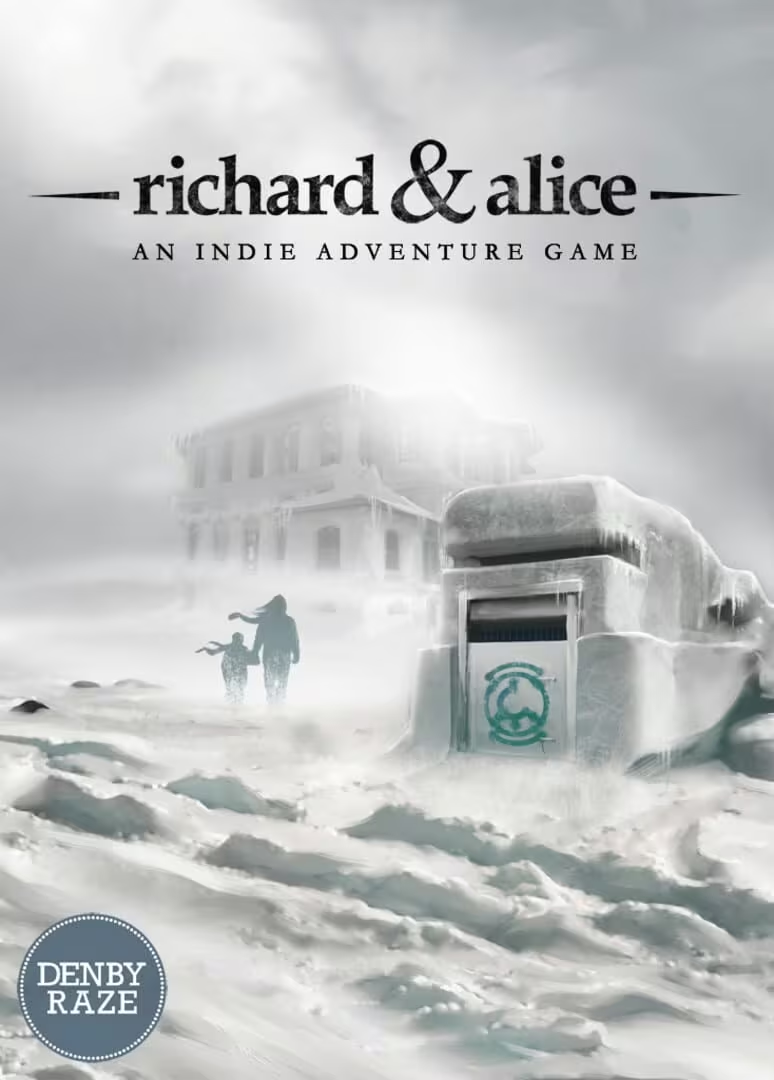
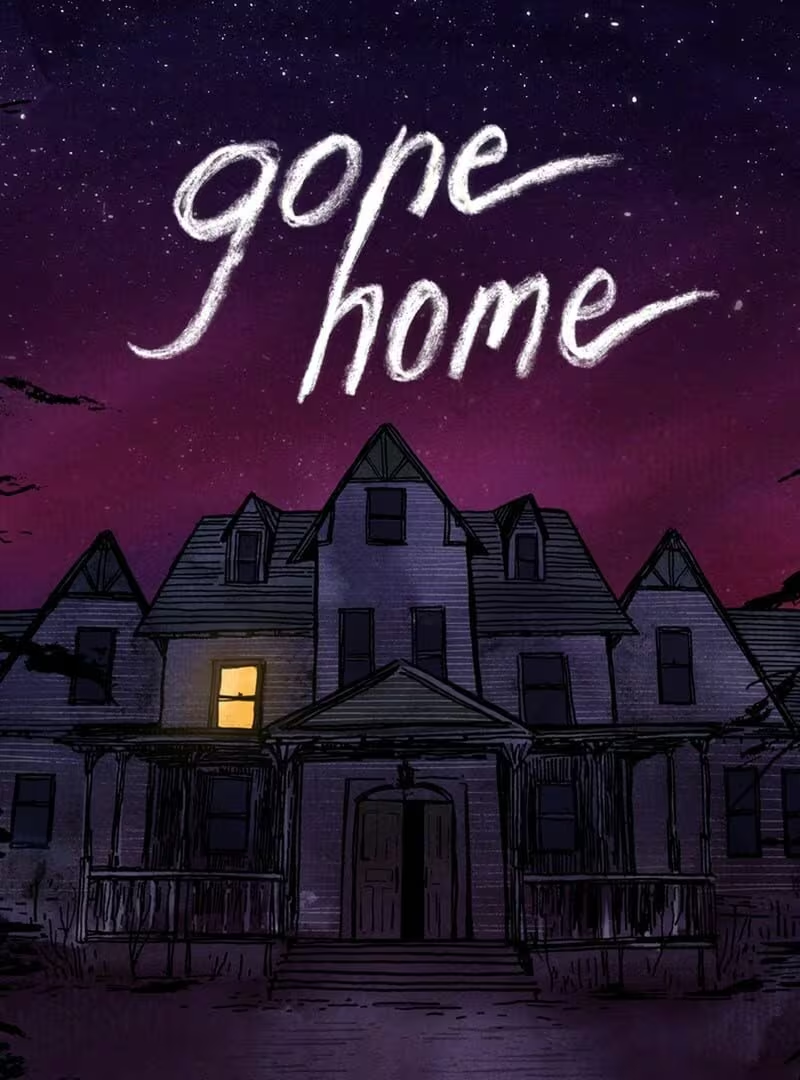
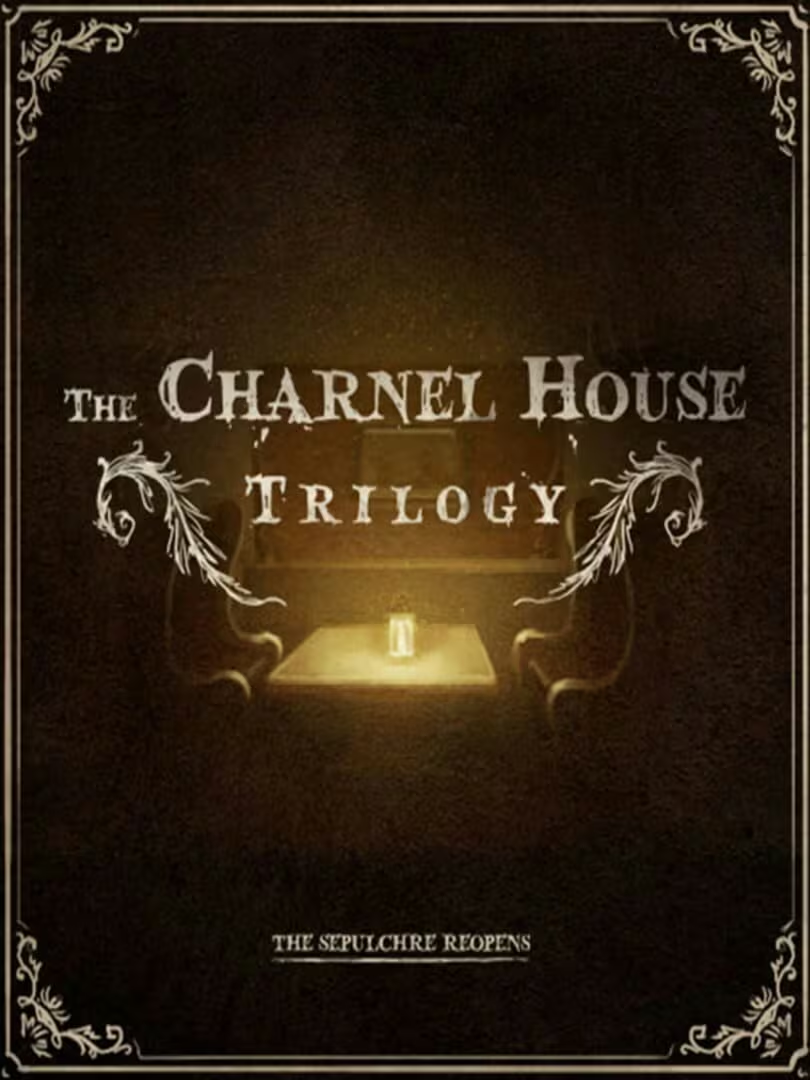
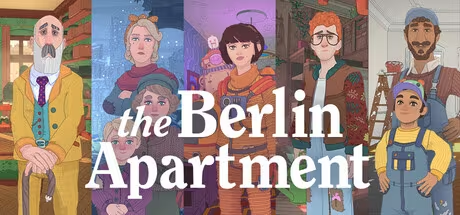
Looking Up I See Only A Ceiling similar games & best alternatives

Looking Up I See Only A Ceiling

PC (Microsoft Windows), Mac, iOS, Android, Nintendo Switch, Linux • 2023

Related articles

Quick resume

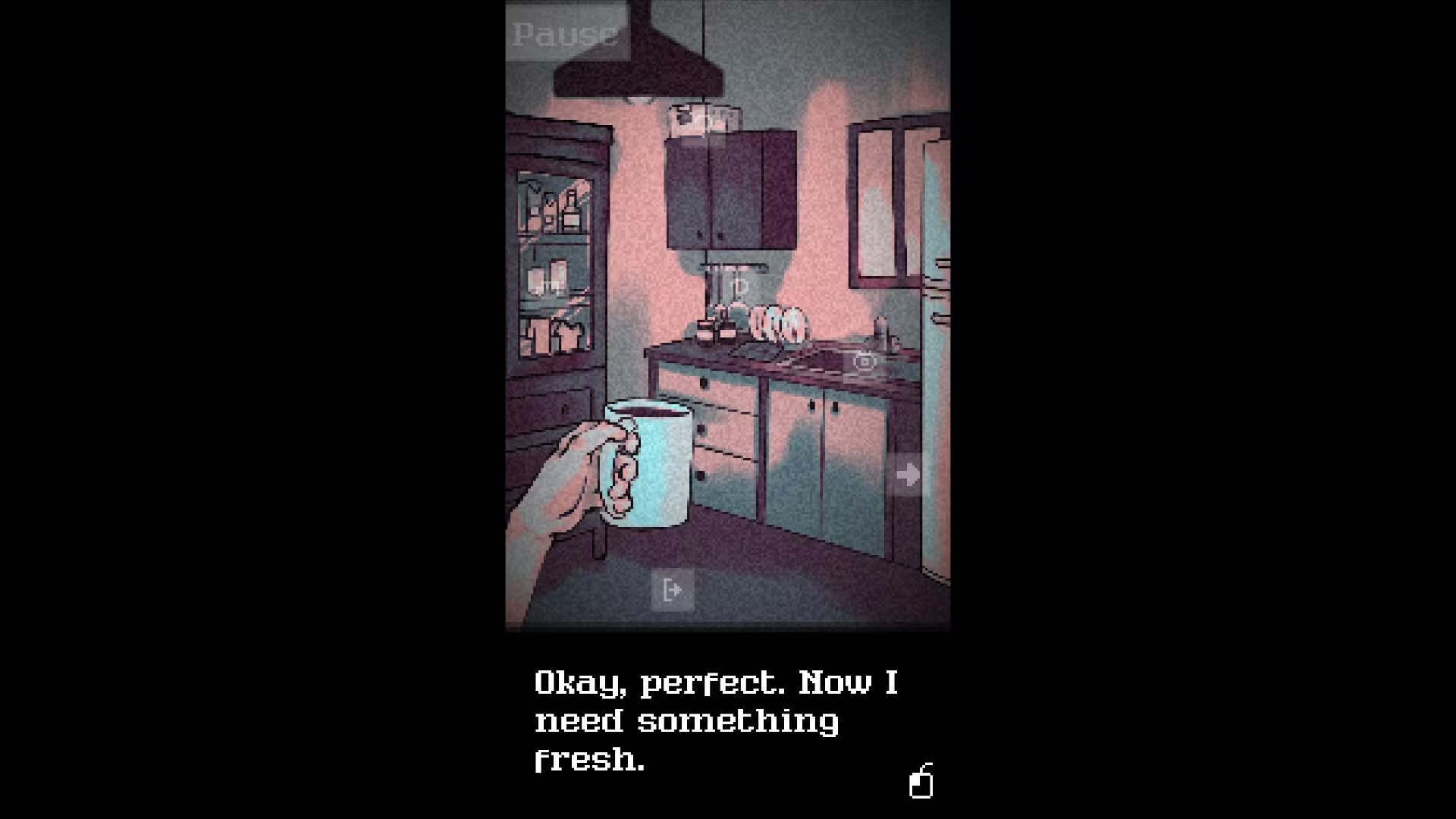
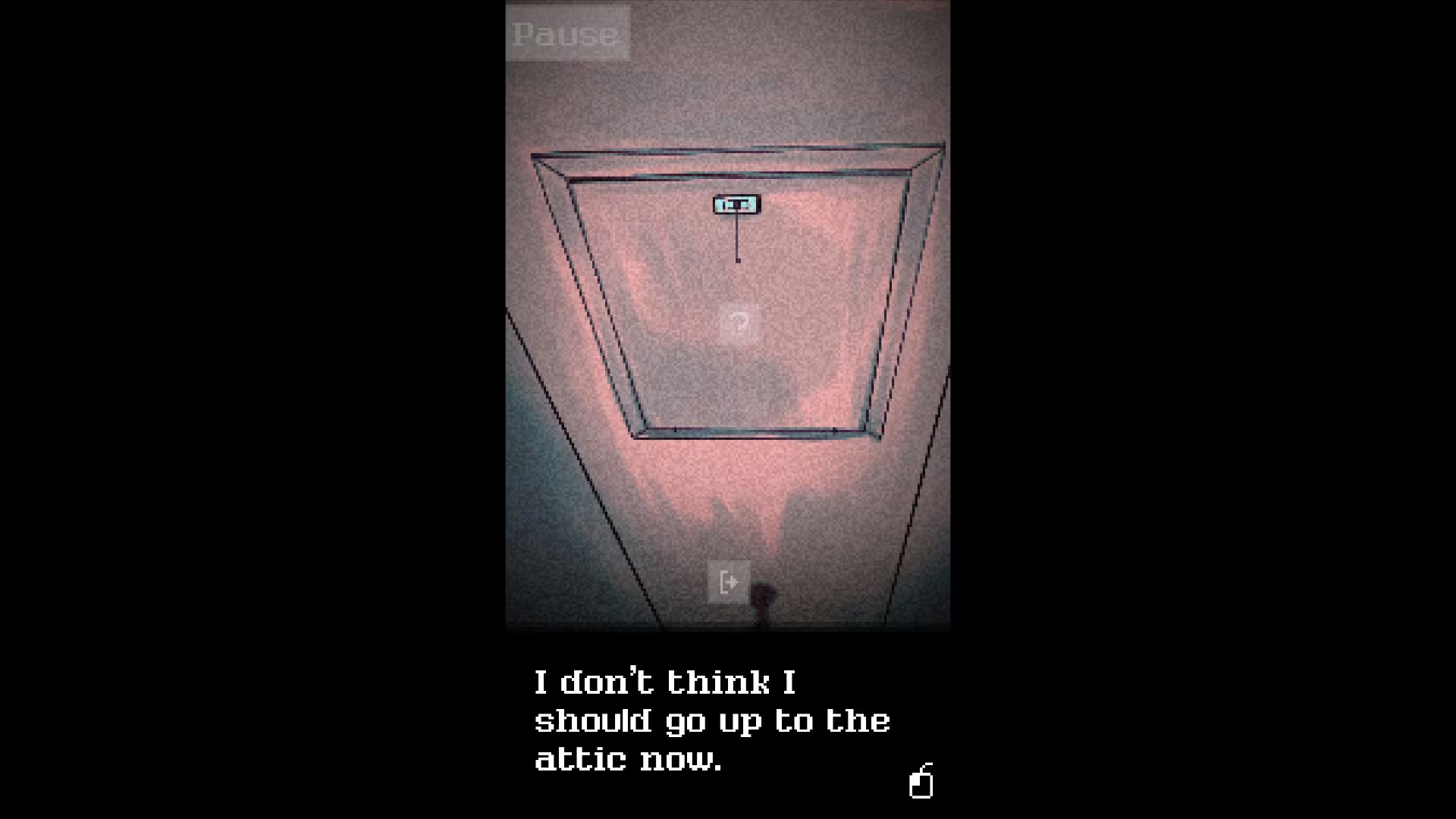
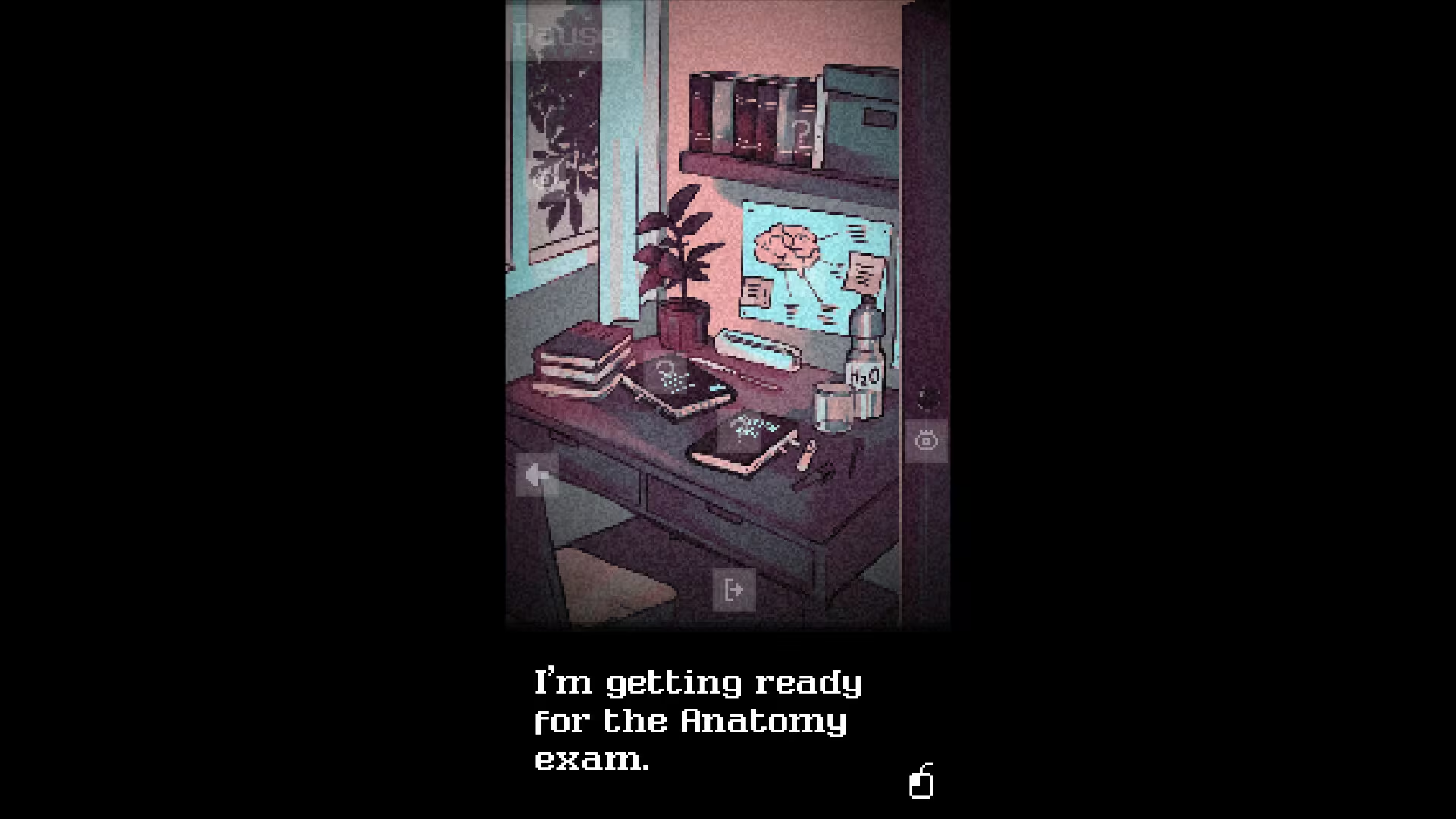
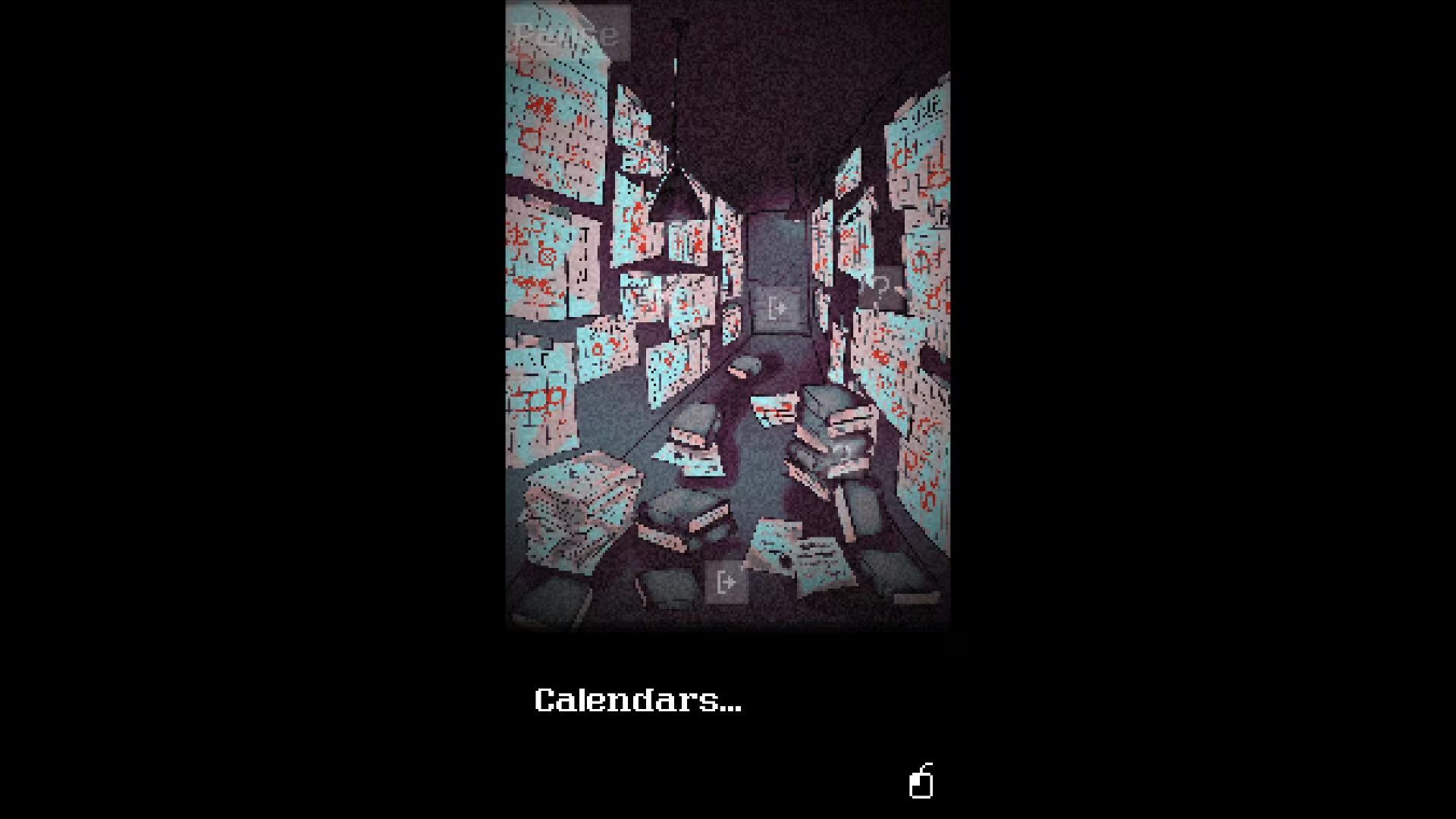
A short psychological adventure about a stressed girl who wants to explore her ceiling.

Global score

88/100

Genres

Adventure, Indie, Visual Novel, Puzzle

Similar games

    Pros

    • Relatable and emotional story about stress and anxiety
    • Unique and charming art style
    • Atmospheric music and sound design
    • Multiple endings and replayability
    • Affordable price with valuable content

    Cons

    • Very short gameplay length
    • Somewhat simplistic and straightforward narrative
    • Limited gameplay mechanics
    • Dlc needed for fuller story experience
    • Minor achievement and bug issues reported

    Analysis

    Less representative of its motivational profile, with noticeable differences. Motivations that often define this kind of title include Survival, Violence, Fellowship, Expression. Here, the score leans higher than usual among comparable games on Intimacy. It leans lower than usual among comparable games on Fantasy, Strategy.

    How to use the graph
    Similar games map

    Each dot is a game. They are arranged from the same motivation profile as in the “Motivations” section below. Closer dots usually mean more similar reasons to play (exploration, competition, relaxation, etc.)—not that one game is “better” than another.

    • Larger dot with a light outline: the game you are viewing.
    • Colour: groups of games with comparable motivation patterns (statistical clusters).
    • Hover a dot to see the game name; click to open its page.
    • Scroll or double-click the chart to zoom out and see more games.

    Why don’t the axes read like a score? This view uses t-SNE: it only keeps who is close to whom. The scales are not “good to bad” or hours played—they separate groups on the map. Read distance between dots, not the axis numbers.

    Motivations

    • Autonomy
      3

      "Players explore the environment freely and make choices affecting endings, indicating moderate control over actions."

    • Competence
      1

      "Gameplay is simple point-and-click with some puzzle elements, offering light skill challenges but mostly straightforward tasks."

    • Competition
      -5

      "No competitive or multiplayer elements; focus is on personal narrative experience."

    • Continuation
      1

      "Short game with some replayability due to multiple endings and DLC, but overall brief sessions."

    • Cooperation
      -5

      "Single-player experience with no cooperative gameplay or social collaboration."

    • Creativity
      2

      "Players interact with environment and uncover story through exploration, but no creation or modification features."

    • Domination
      -5

      "No elements of exerting control or superiority over others; experience is introspective and personal."

    • Escapism
      4

      "Players engage with a psychological narrative to reflect on stress and anxiety, providing emotional escape and catharsis."

    • Expectation
      -4

      "Players engage voluntarily for personal interest and emotional connection rather than obligation."

    • Experimenting
      2

      "Multiple endings and exploration encourage trying different choices, though within a limited scope."

    • Exploration
      3

      "Exploration of the protagonist's apartment and environment reveals story details and hidden elements."

    • Expression
      -3

      "No character customization or personalization; presentation is fixed and narrative-driven."

    • Fantasy
      -1

      "Story grounded in realistic psychological stress and anxiety, with some surreal/horror elements but no strong fantasy setting."

    • Fellowship
      -5

      "Experience is solitary with minimal social interaction or community involvement."

    • Growth
      3

      "Narrative focuses on personal development and overcoming stress, encouraging reflection and emotional growth."

    • Health
      -5

      "No physical activity or health-related gameplay; sedentary visual novel experience."

    • Idle
      -4

      "Requires focused attention to progress through story and exploration; not a background or idle game."

    • Intimacy
      2

      "Emotional connection to characters and themes fosters some degree of intimacy, though no social bonding."

    • Leadership
      -5

      "No leadership or group management elements; purely individual experience."

    • Progression
      2

      "Players unlock multiple endings and achievements, showing some progression through narrative milestones."

    • Relaxation
      3

      "Atmospheric and calming art and music create a contemplative, low-stress experience despite heavy themes."

    • Sensation
      2

      "Art style and sound design provide sensory engagement, though not intense or highly stimulating."

    • Status
      -5

      "No social recognition or status systems; focus is on personal experience."

    • Story
      5

      "Strong narrative focus with multiple endings and emotional storytelling central to the game."

    • Strategy
      -2

      "Minimal strategic or problem-solving demands; mostly straightforward point-and-click interactions."

    • Thrill
      1

      "Some suspense and psychological tension present, but overall controlled and subtle rather than intense thrill."

    • Value
      4

      "Highly praised for its price-to-content ratio and emotional impact despite short length."

    • Violence
      -5

      "No violent gameplay; focus on psychological themes and narrative."

    • Survival
      -3

      "No survival mechanics; story involves overcoming stress but no gameplay threats or resource management."

    Last update: 29/04/2026