missed messages. similar games & best alternatives

missed messages.
2019
Related articles
Quick resume
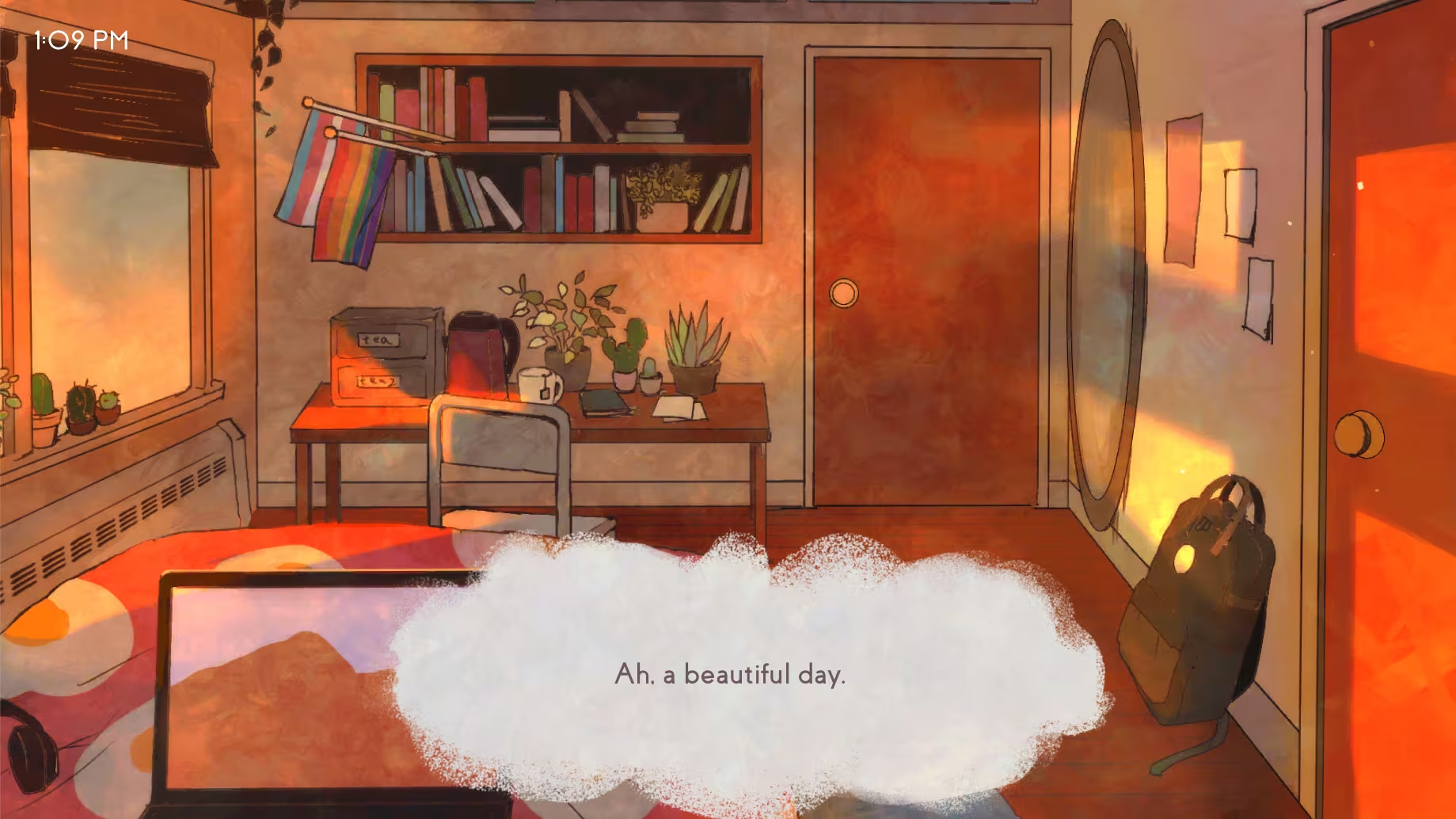
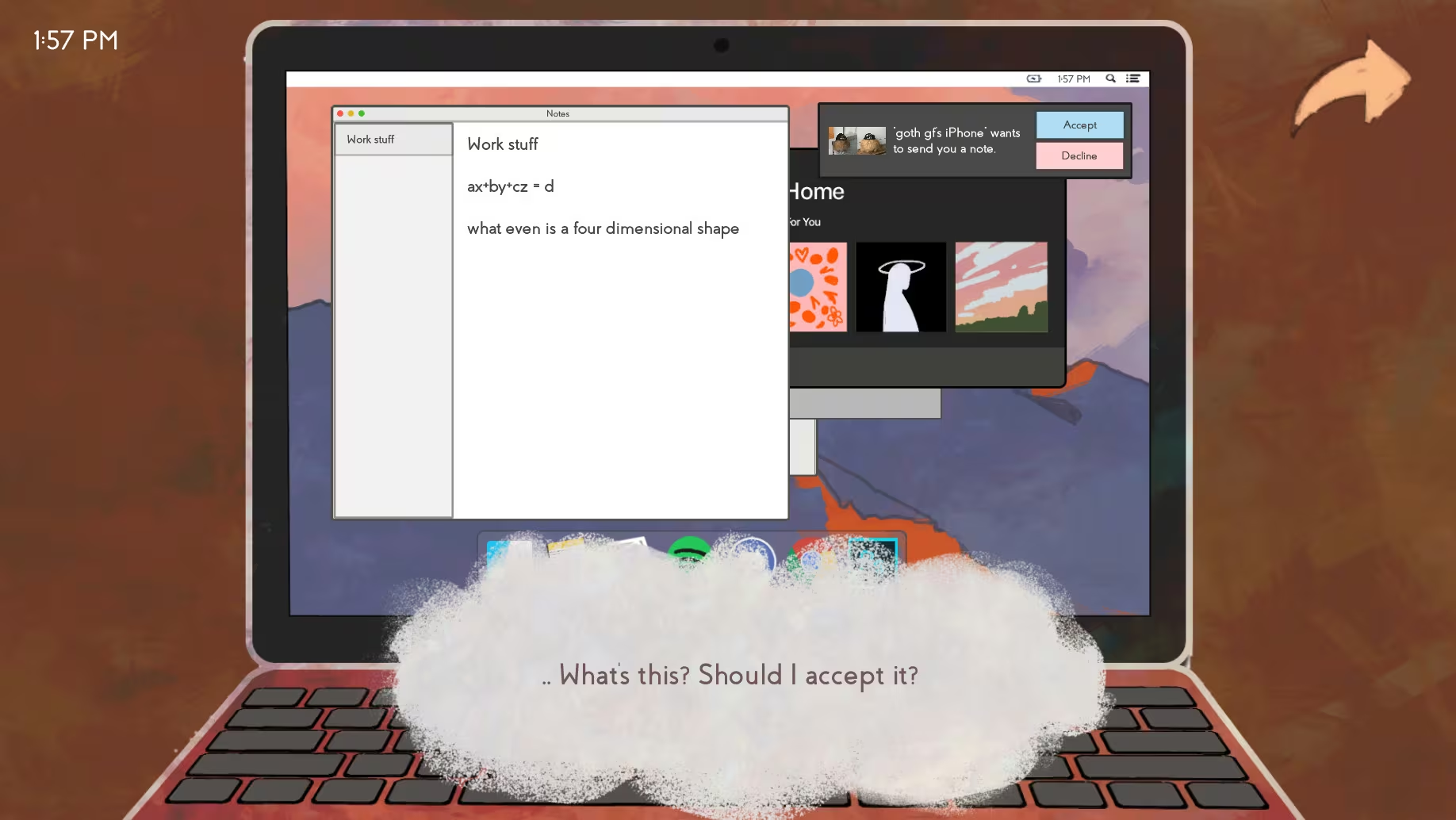
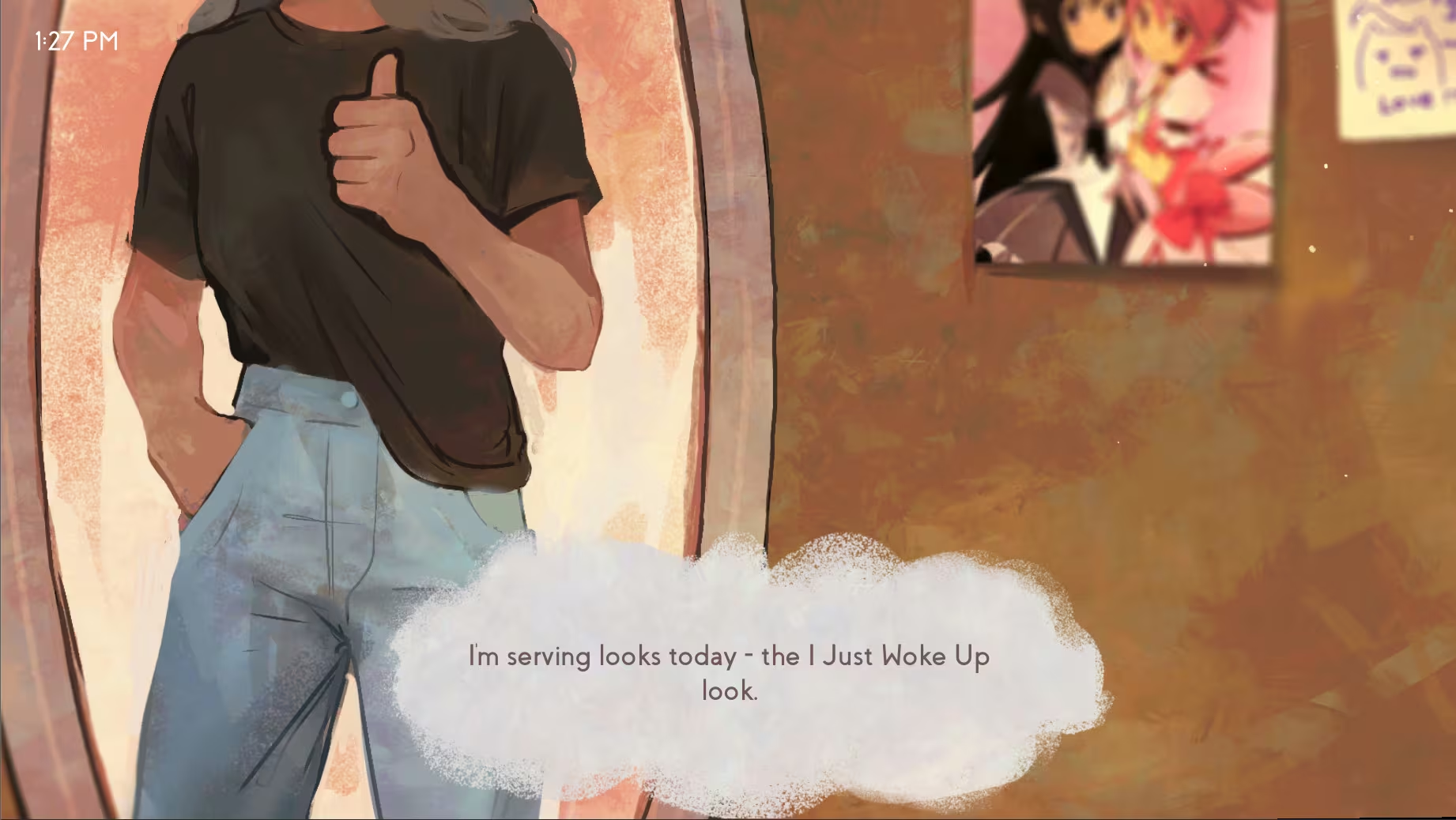
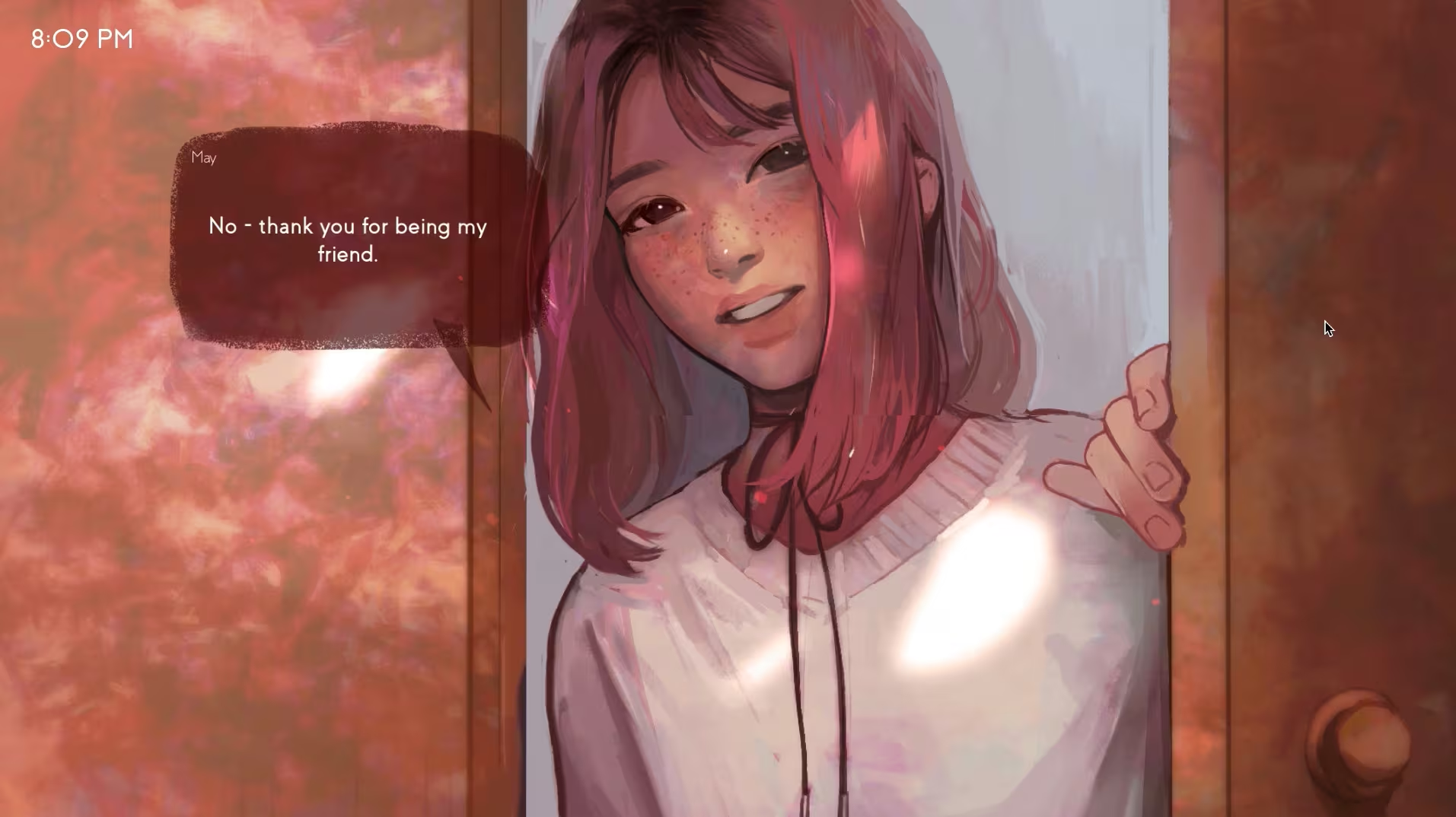
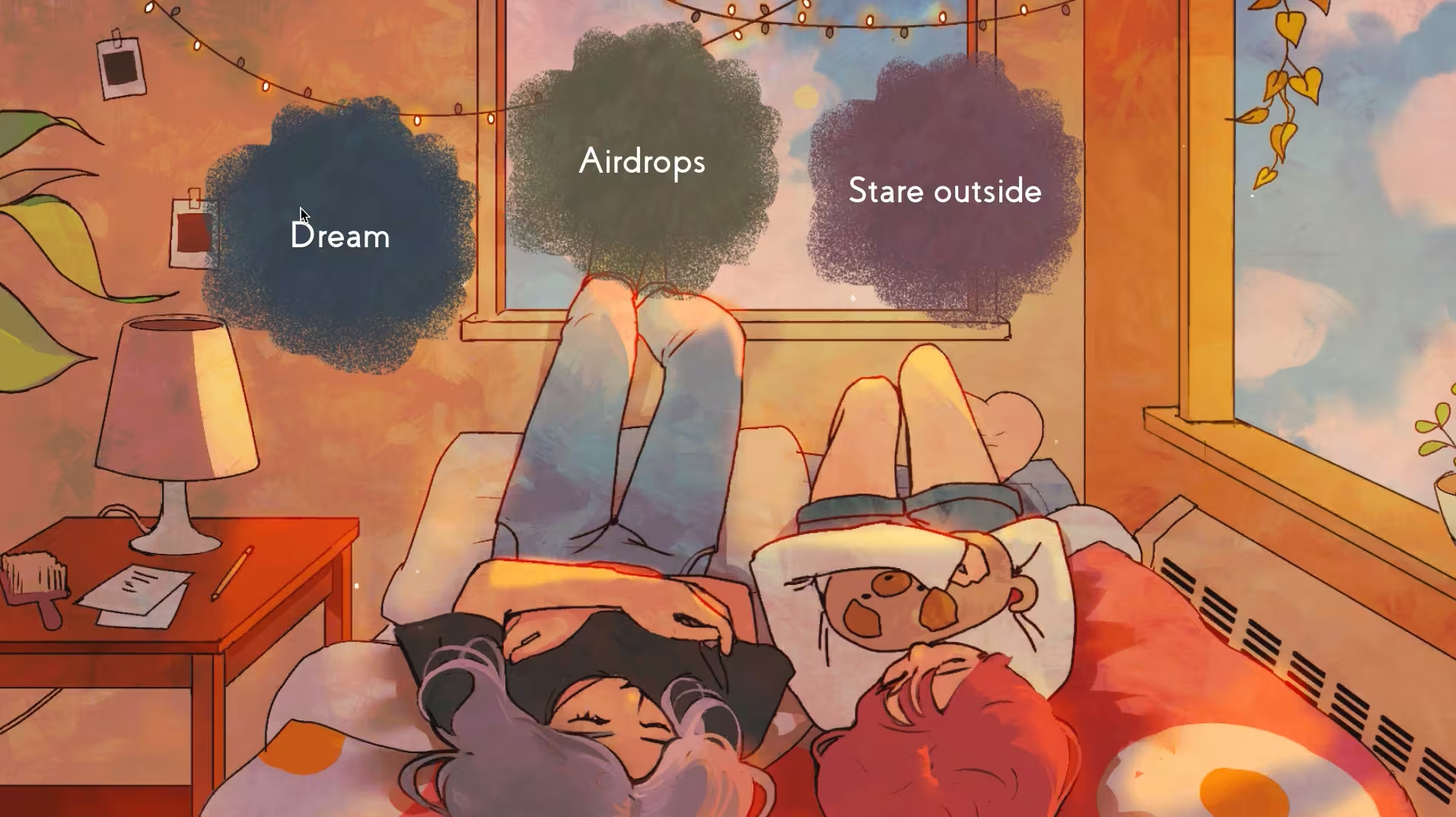
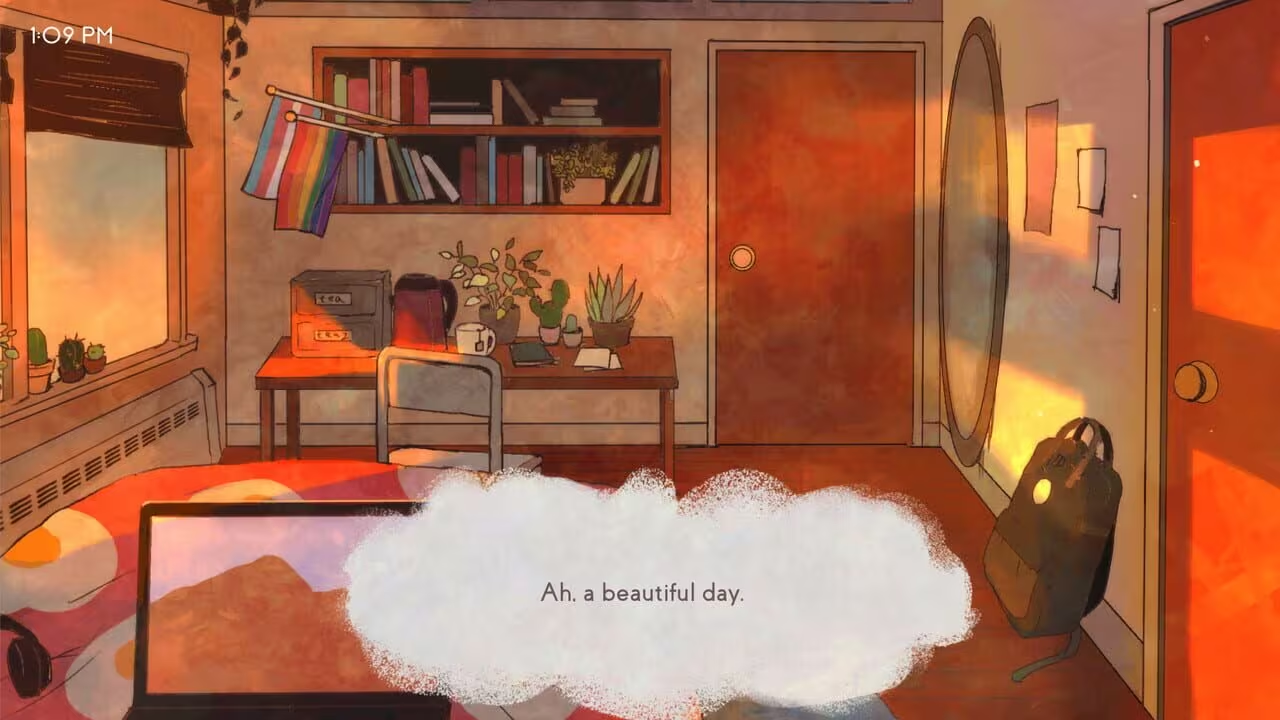
‘goth gf’s iPhone’ airdrops you - accept or decline? A love/horror story about life, death, & memes.
Global score
96/100
Genres
Casual, Indie, Simulator, Free To Play, Adventure, Visual Novel
Similar games
Pros
- Powerful and emotional storytelling
- Beautiful art style and music
- Meaningful exploration of mental health
- Multiple endings encouraging replay
- Free to play
Cons
- Very short gameplay duration
- Limited player agency in some moments
- Heavy and potentially triggering themes
- Minimal gameplay complexity
- Lack of character customization
Analysis
Less representative of its motivational profile, with noticeable differences. Motivations that often define this kind of title include Intimacy, Survival, Violence, Competition. It leans lower than usual among comparable games on Fantasy, Expression, Strategy.
How to use the graph
Similar games map
Each dot is a game. They are arranged from the same motivation profile as in the “Motivations” section below. Closer dots usually mean more similar reasons to play (exploration, competition, relaxation, etc.)—not that one game is “better” than another.
- Larger dot with a light outline: the game you are viewing.
- Colour: groups of games with comparable motivation patterns (statistical clusters).
- Hover a dot to see the game name; click to open its page.
- Scroll or double-click the chart to zoom out and see more games.
Why don’t the axes read like a score? This view uses t-SNE: it only keeps who is close to whom. The scales are not “good to bad” or hours played—they separate groups on the map. Read distance between dots, not the axis numbers.
Motivations
-
Autonomy2
"Players make choices that influence the story and endings, but some moments restrict decision freedom, reflecting limited autonomy."
-
Competence1
"The game involves simple interactions and decision-making with emotional impact rather than technical skill or complex challenges."
-
Competition-5
"No competitive elements; focus is on personal experience and emotional engagement without comparison to others."
-
Continuation1
"Short playtime with multiple endings encourages replaying, but overall a brief experience with limited habitual play."
-
Cooperation-5
"Single-player narrative experience focused on individual reflection and choices without multiplayer or teamwork."
-
Creativity1
"Players explore different narrative paths and endings, but within a fixed story structure and predefined content."
-
Domination-5
"No elements of exerting control or superiority over others; the game promotes empathy and understanding."
-
Escapism4
"Players use the game to emotionally engage and temporarily escape into a narrative dealing with heavy real-life issues."
-
Expectation-4
"Players engage voluntarily out of personal interest and emotional connection, not due to obligation or external pressure."
-
Experimenting2
"Multiple endings and dialogue choices encourage trying different approaches to explore story variations."
-
Exploration2
"Players explore different narrative branches and some interactive elements, though within a limited environment."
-
Expression-3
"Limited customization; players express themselves through choices but no avatar or environment personalization."
-
Fantasy-4
"The game portrays realistic, relatable scenarios about mental health and human relationships without fantasy elements."
-
Fellowship1
"Strong emotional connection to characters and themes, fostering a sense of community through shared experience, but no direct social play."
-
Growth3
"Encourages reflection, empathy, and understanding of mental health issues, promoting personal emotional growth."
-
Health-5
"No physical activity or health-related gameplay; sedentary experience focused on emotional themes."
-
Idle-4
"Requires focused attention to narrative and choices; not designed for background or idle play."
-
Intimacy4
"Deep emotional interactions and themes of close relationships and mental health foster intimate player experience."
-
Leadership-5
"No leadership or group management elements; single-player story-driven experience."
-
Progression1
"Progression is narrative-based through unlocking different endings rather than item or power accumulation."
-
Relaxation3
"The game’s art, music, and pacing create a calming atmosphere despite heavy themes, balancing tension and catharsis."
-
Sensation2
"Enjoyable art style and music provide sensory pleasure, though the emotional tone is often somber."
-
Status-5
"No social status or recognition mechanics; focus is on personal emotional experience."
-
Story5
"Narrative-driven game with strong emotional storytelling and multiple endings central to player experience."
-
Strategy-3
"Choices affect outcomes but require minimal strategic or analytical thinking; focus is on emotional impact."
-
Thrill1
"Emotional tension arises from story themes, but no suspense or risk-based gameplay elements."
-
Value5
"Highly praised for emotional impact and meaningful content despite being free and short, offering strong value."
-
Violence-5
"No enjoyment of combat or destruction; themes focus on empathy and understanding rather than violence."
-
Survival-5
"No survival or threat avoidance mechanics; stable narrative environment."
Last update: 29/04/2026