Museum of Other Realities Thumbnail

Museum of Other Realities similar games & best alternatives

Museum of Other Realities

PC (Microsoft Windows), SteamVR • 2020

Related articles

Quick resume

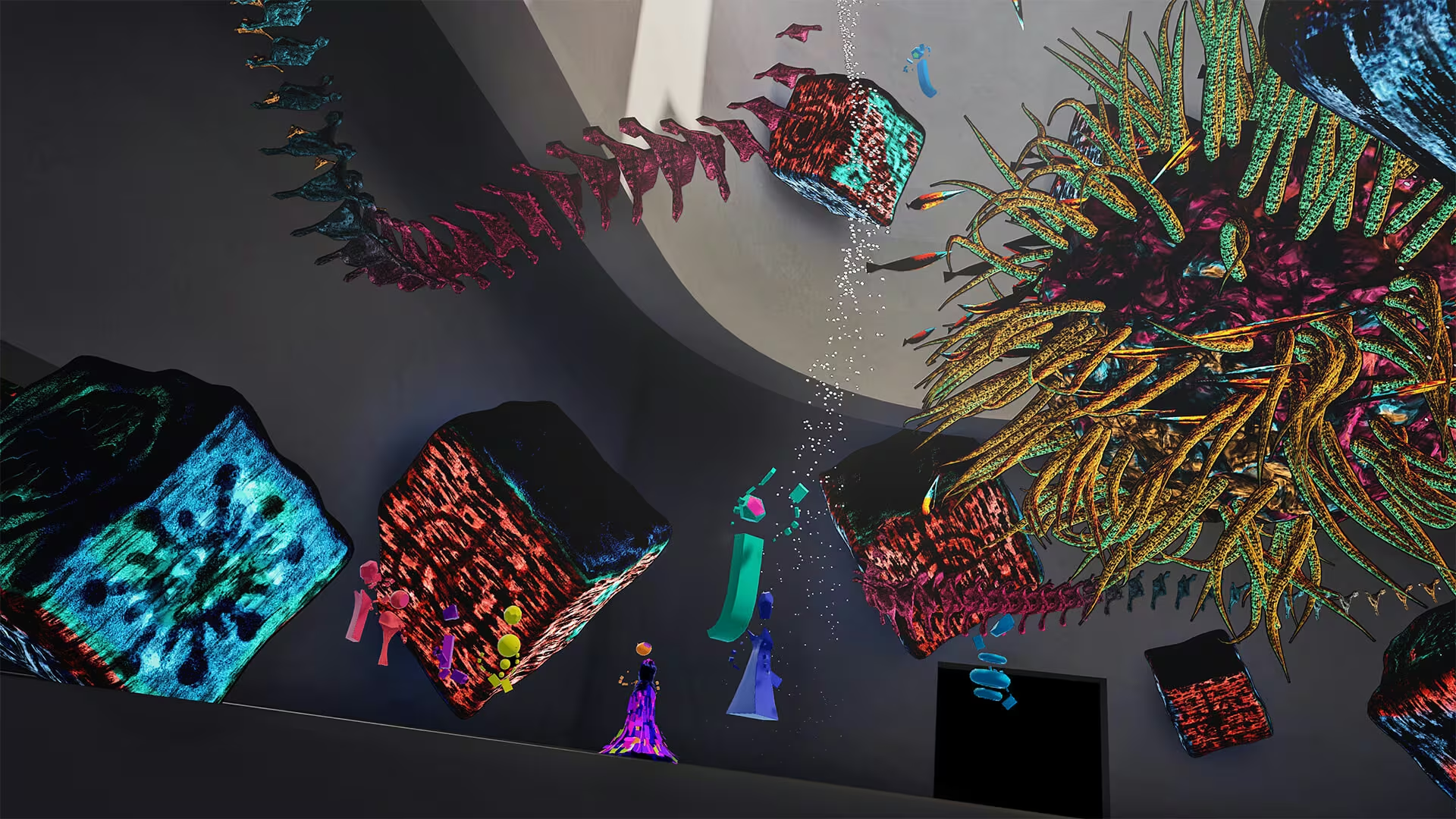
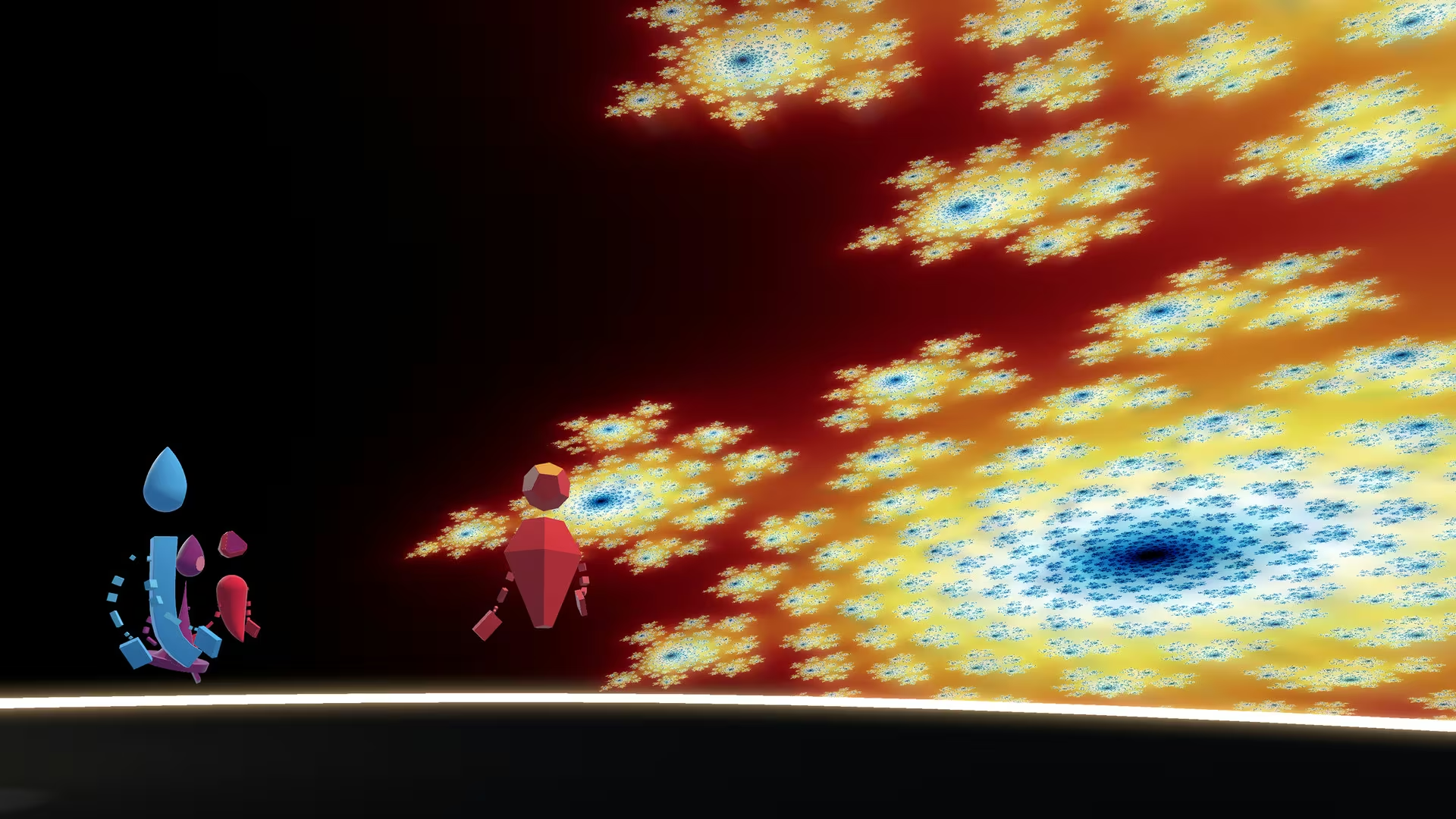
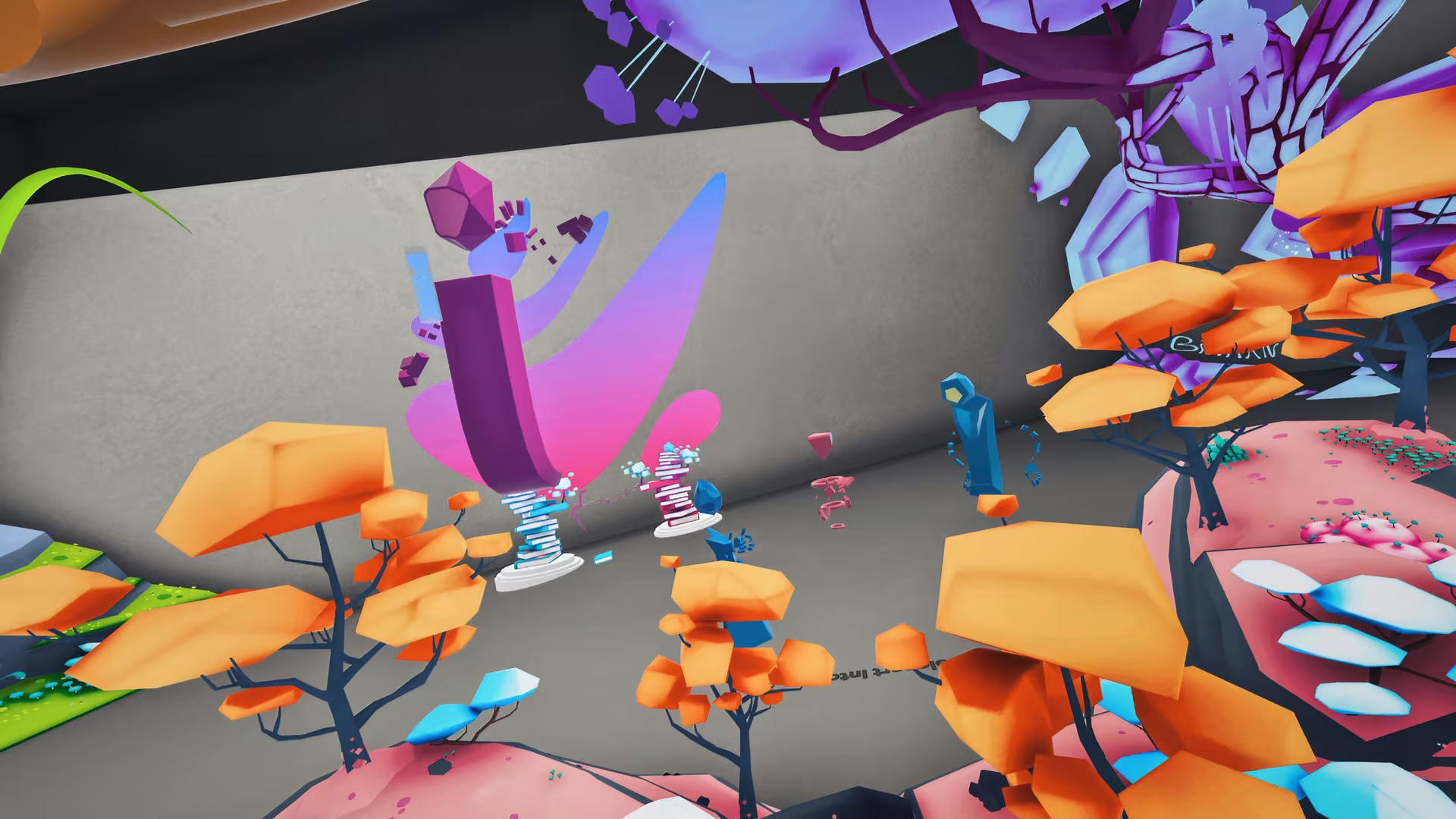
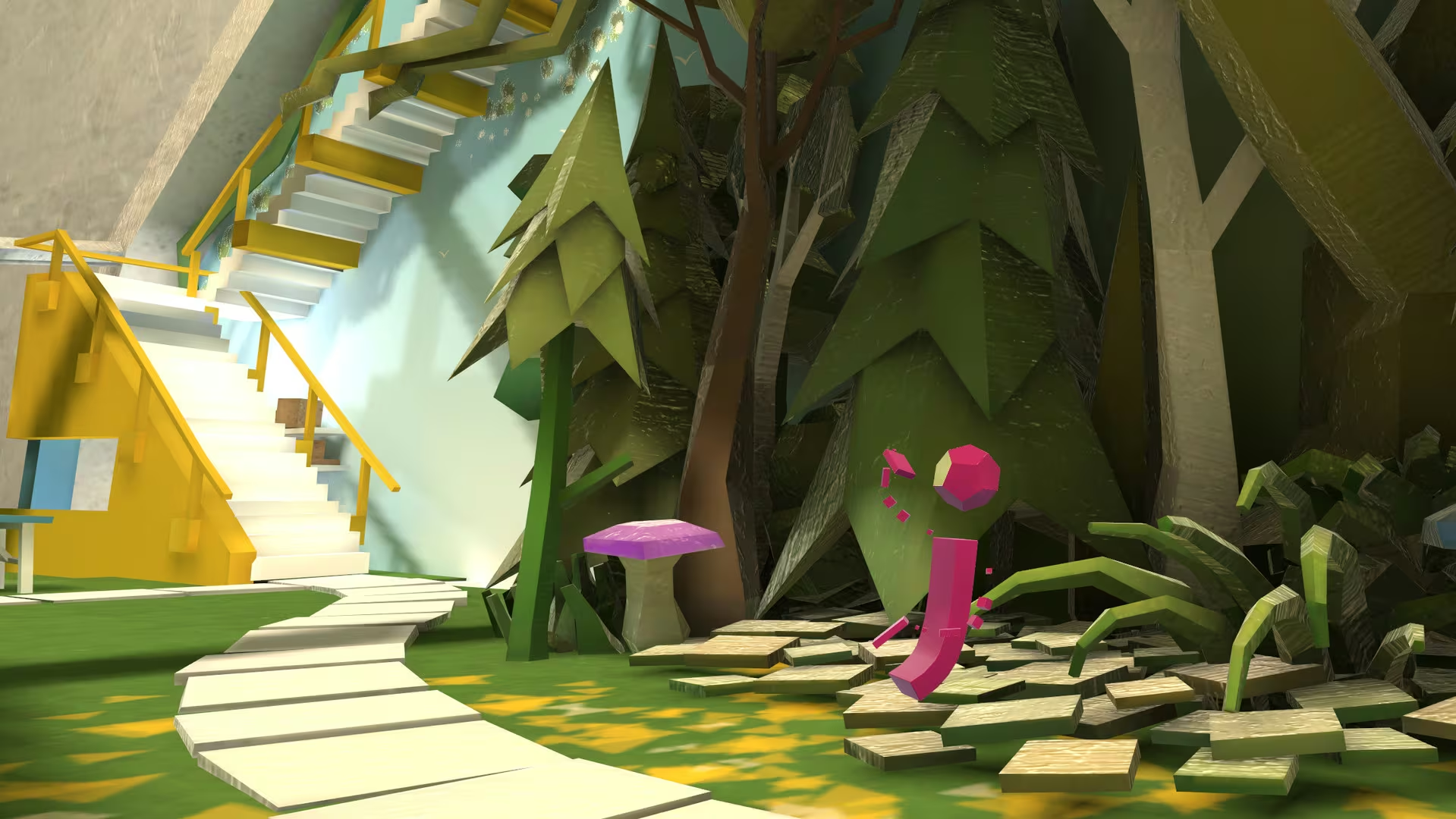
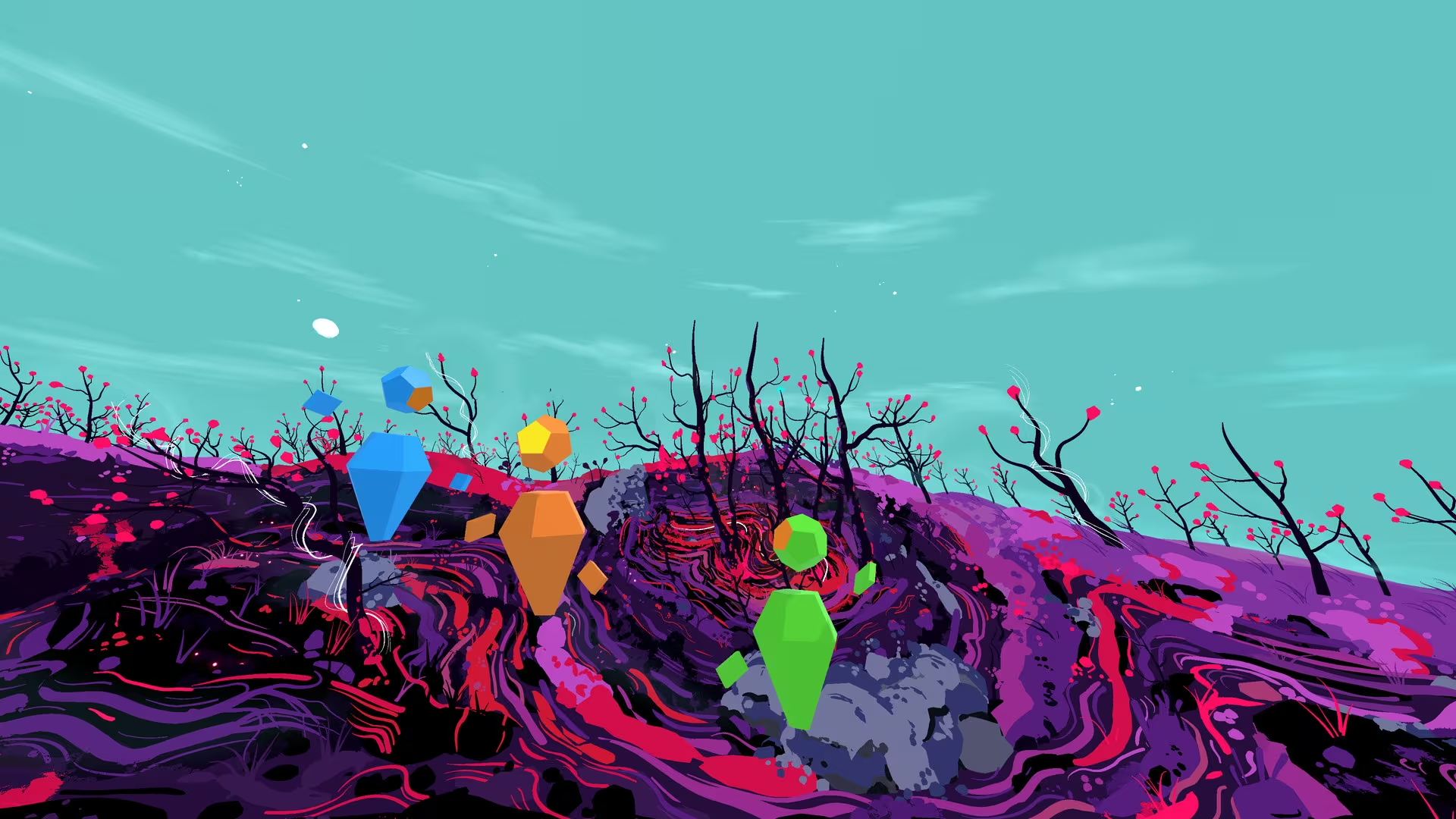
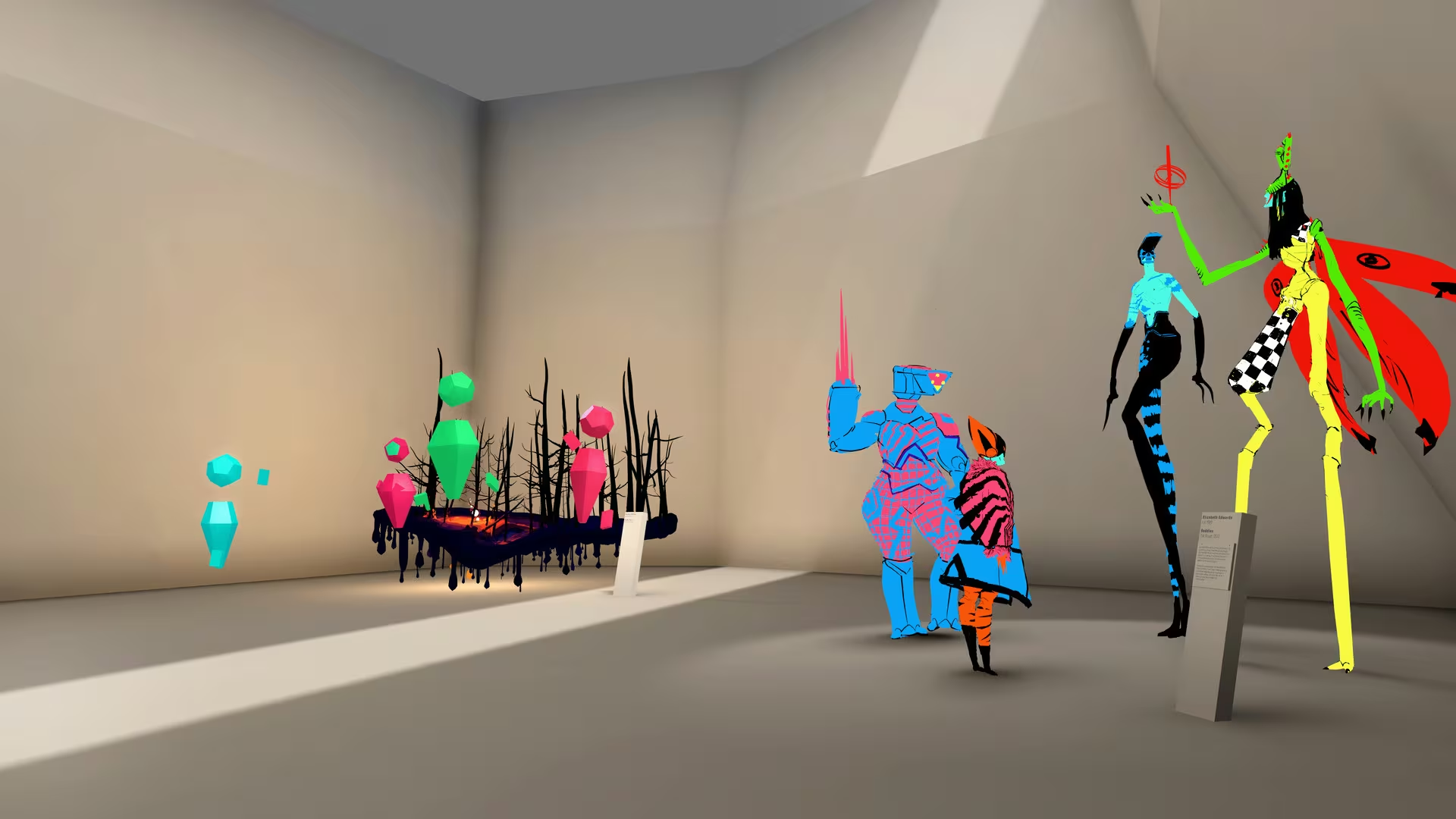
An immersive multiplayer art showcase in virtual reality, the Museum of Other Realities is a space to connect, share, and experience a growing collection of mind-bending VR art with others.

Global score

91/100

Genres

Casual, Simulator

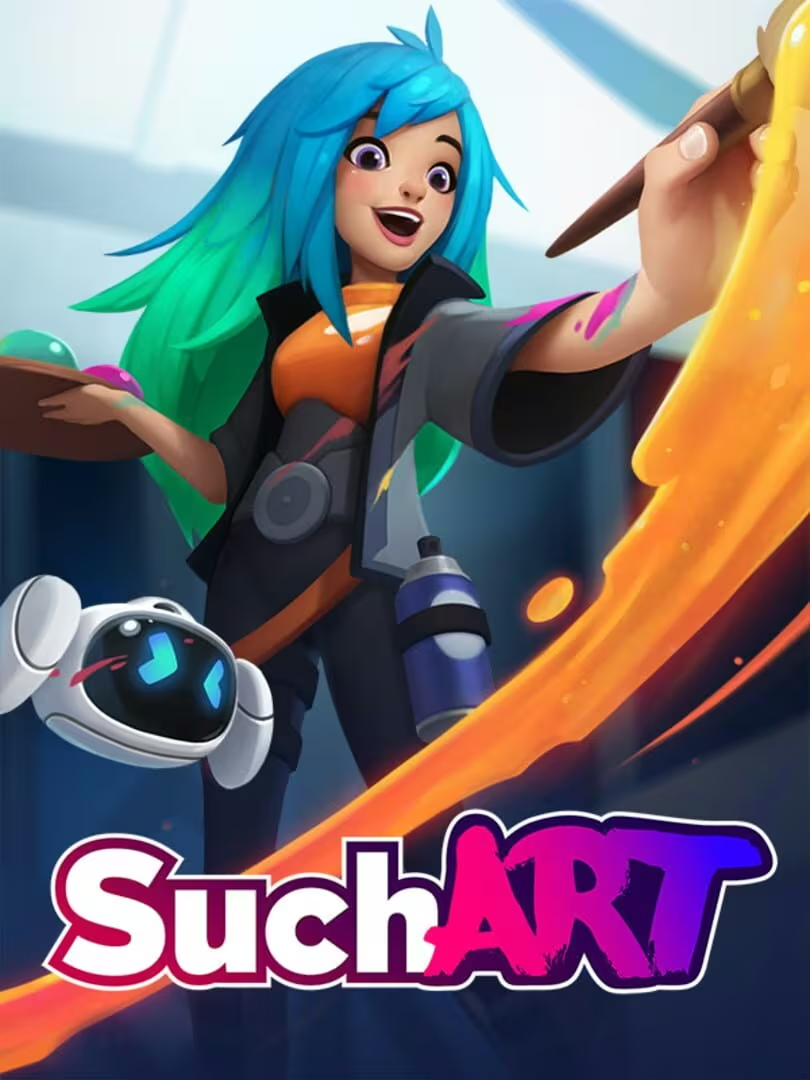
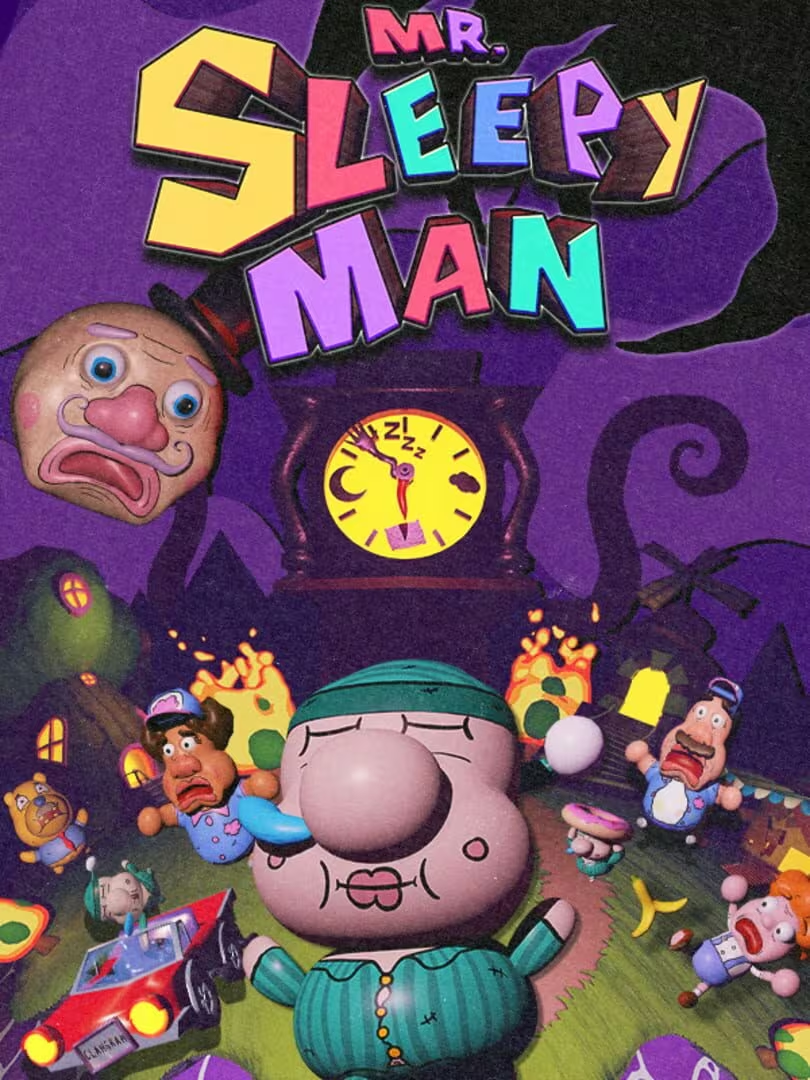
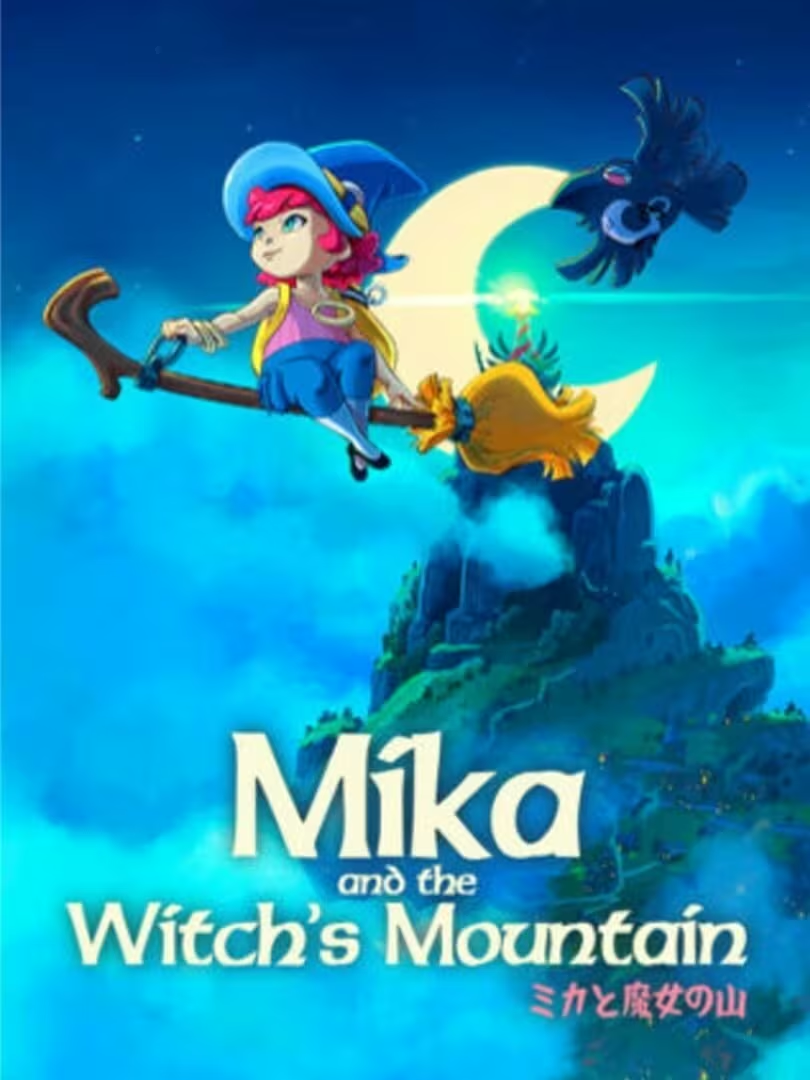
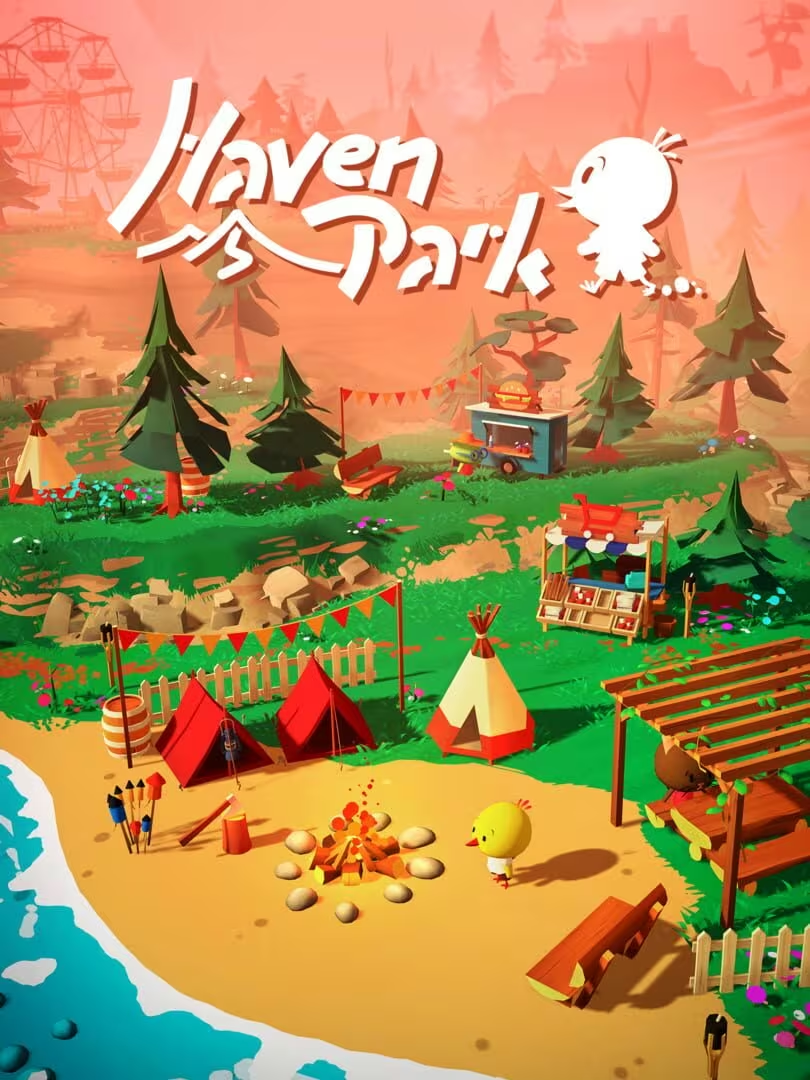
Similar games

    Pros

    • Unique and immersive vr art experience
    • Large and growing collection of exhibits
    • Intuitive controls and navigation
    • Multiplayer social features and events
    • Highly creative and interactive art

    Cons

    • Limited locomotion options and slow movement
    • Some exhibits are temporary dlc with limited availability
    • Occasional performance and optimization issues
    • Lack of smooth turning and advanced settings
    • Small or inactive multiplayer population at times

    Analysis

    Less representative of its motivational profile, with noticeable differences. Motivations that often define this kind of title include Intimacy, Survival, Violence, Competition. Here, the score leans higher than usual among comparable games on Cooperation, Fellowship. It leans lower than usual among comparable games on Strategy.

    How to use the graph
    Similar games map

    Each dot is a game. They are arranged from the same motivation profile as in the “Motivations” section below. Closer dots usually mean more similar reasons to play (exploration, competition, relaxation, etc.)—not that one game is “better” than another.

    • Larger dot with a light outline: the game you are viewing.
    • Colour: groups of games with comparable motivation patterns (statistical clusters).
    • Hover a dot to see the game name; click to open its page.
    • Scroll or double-click the chart to zoom out and see more games.

    Why don’t the axes read like a score? This view uses t-SNE: it only keeps who is close to whom. The scales are not “good to bad” or hours played—they separate groups on the map. Read distance between dots, not the axis numbers.

    Motivations

    • Autonomy
      4

      "Players have freedom to explore the museum at their own pace, choose exhibits to visit, and customize avatars, indicating high autonomy."

    • Competence
      1

      "The experience involves exploration and interaction but minimal skill challenges or technical mastery."

    • Competition
      -5

      "No competitive elements or ranking; focus is on personal exploration and appreciation."

    • Continuation
      3

      "Users report habitual visits and looking forward to new exhibits, indicating desire to keep playing."

    • Cooperation
      2

      "Supports multiplayer and social interaction, but many users also enjoy solo visits."

    • Creativity
      5

      "Strong emphasis on creative VR art, interactive exhibits, and user expression through avatar customization."

    • Domination
      -5

      "No evidence of exerting control or superiority; interactions are equal and respectful."

    • Escapism
      4

      "Users describe immersive, mind-bending experiences that provide escape from reality."

    • Expectation
      -4

      "Engagement is voluntary and driven by personal interest and intrinsic motivation."

    • Experimenting
      4

      "Exploration of novel VR art forms and interactive exhibits encourages experimentation."

    • Exploration
      5

      "Large museum space with many exhibits and new content added regularly encourages discovery."

    • Expression
      4

      "Avatar customization and interaction with art pieces support self-expression."

    • Fantasy
      3

      "Artworks often defy physical laws and present surreal, imaginative environments."

    • Fellowship
      3

      "Community events and social features foster a sense of belonging and shared experience."

    • Growth
      2

      "Users learn about art and VR creativity, though not focused on skill acquisition."

    • Health
      -4

      "Primarily sedentary VR experience with no physical activity emphasis."

    • Idle
      -3

      "Requires active attention and exploration; not suited for background or idle play."

    • Intimacy
      1

      "Some social interaction and voice chat, but mostly casual and surface-level connections."

    • Leadership
      -5

      "No leadership or authoritative roles; interactions are egalitarian."

    • Progression
      1

      "Some collection of exhibits and avatar customization, but no traditional progression or upgrades."

    • Relaxation
      4

      "Users describe the experience as peaceful, mind-blowing, and relaxing."

    • Sensation
      4

      "Strong sensory stimulation through visuals, sound, and interactive art."

    • Status
      -3

      "Limited social status or recognition; focus is on personal experience rather than visibility."

    • Story
      2

      "Some exhibits include artist interviews and narratives, but overall lacks a continuous story."

    • Strategy
      -4

      "No significant problem solving or strategic challenge involved."

    • Thrill
      -3

      "Experience is generally calm and contemplative rather than suspenseful or thrilling."

    • Value
      3

      "Users feel the experience is worth the price compared to physical museums and free content."

    • Violence
      -5

      "No combat or destructive elements; focus on constructive and artistic engagement."

    • Survival
      -5

      "No threats or survival mechanics; stable and safe environment."

    Last update: 29/04/2026