Sensei! I Like You So Much! Thumbnail

Sensei! I Like You So Much! similar games & best alternatives

Sensei! I Like You So Much!

PC (Microsoft Windows), Mac, Linux • 2025

Related articles

Quick resume

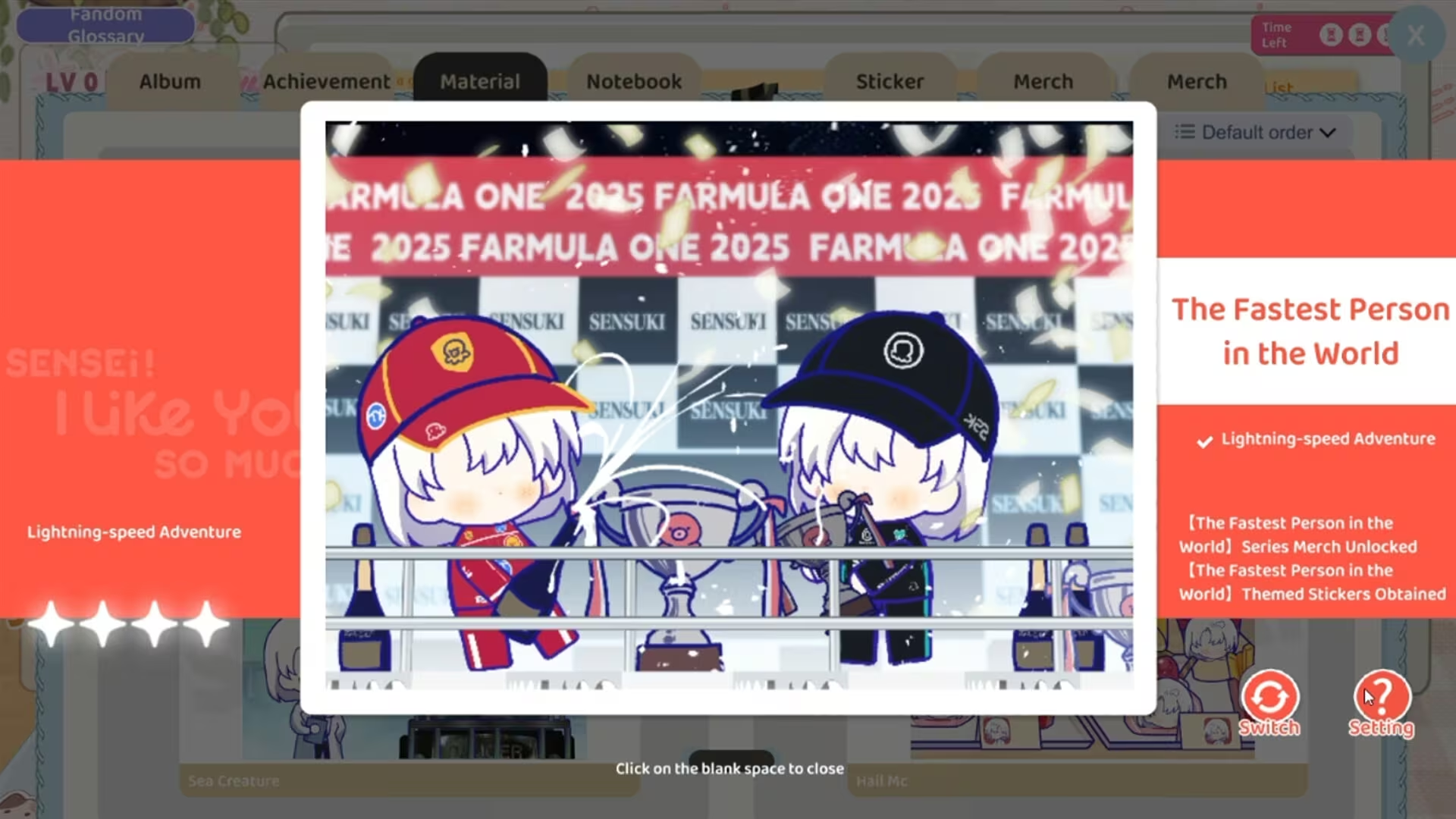
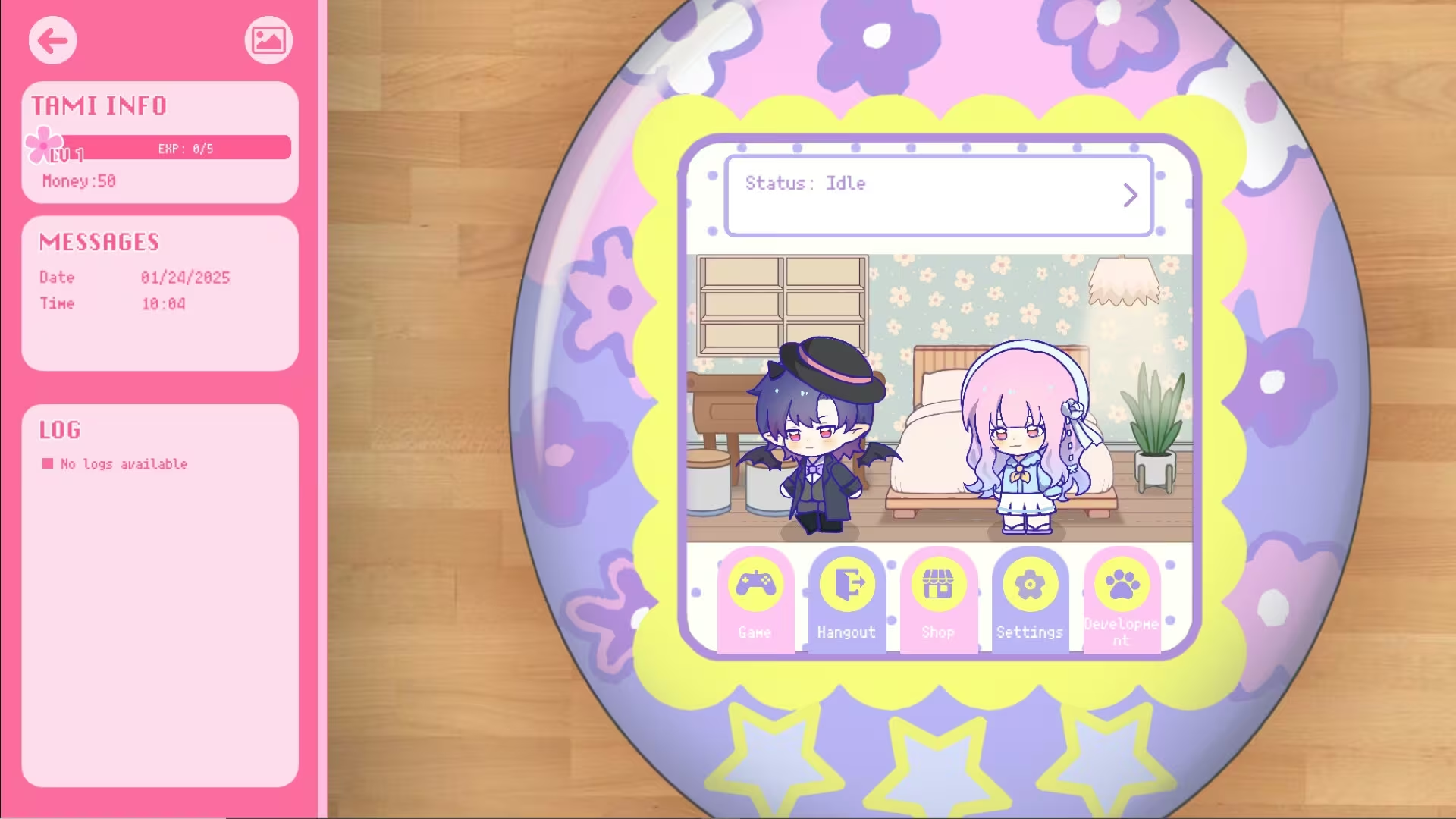
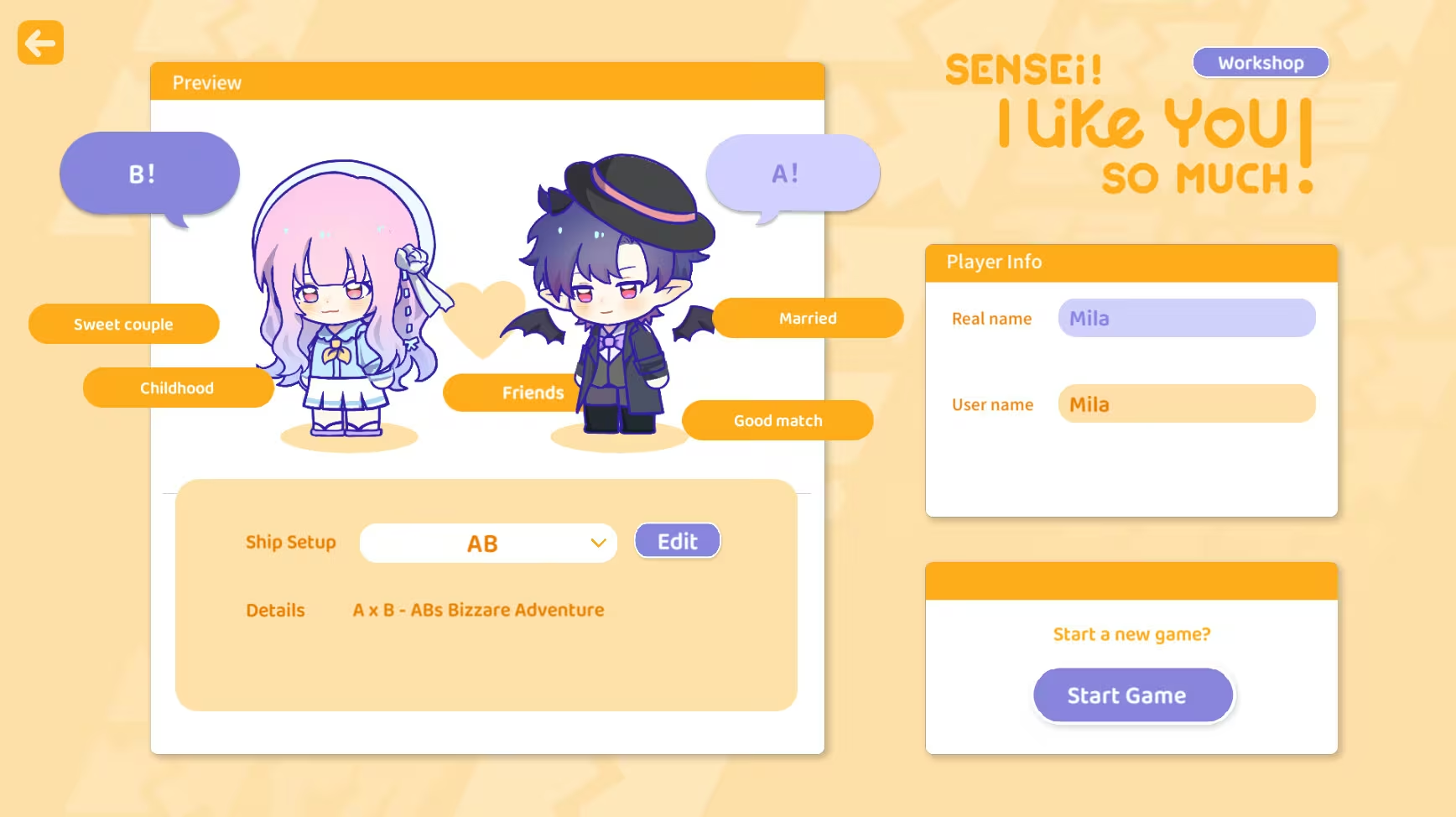
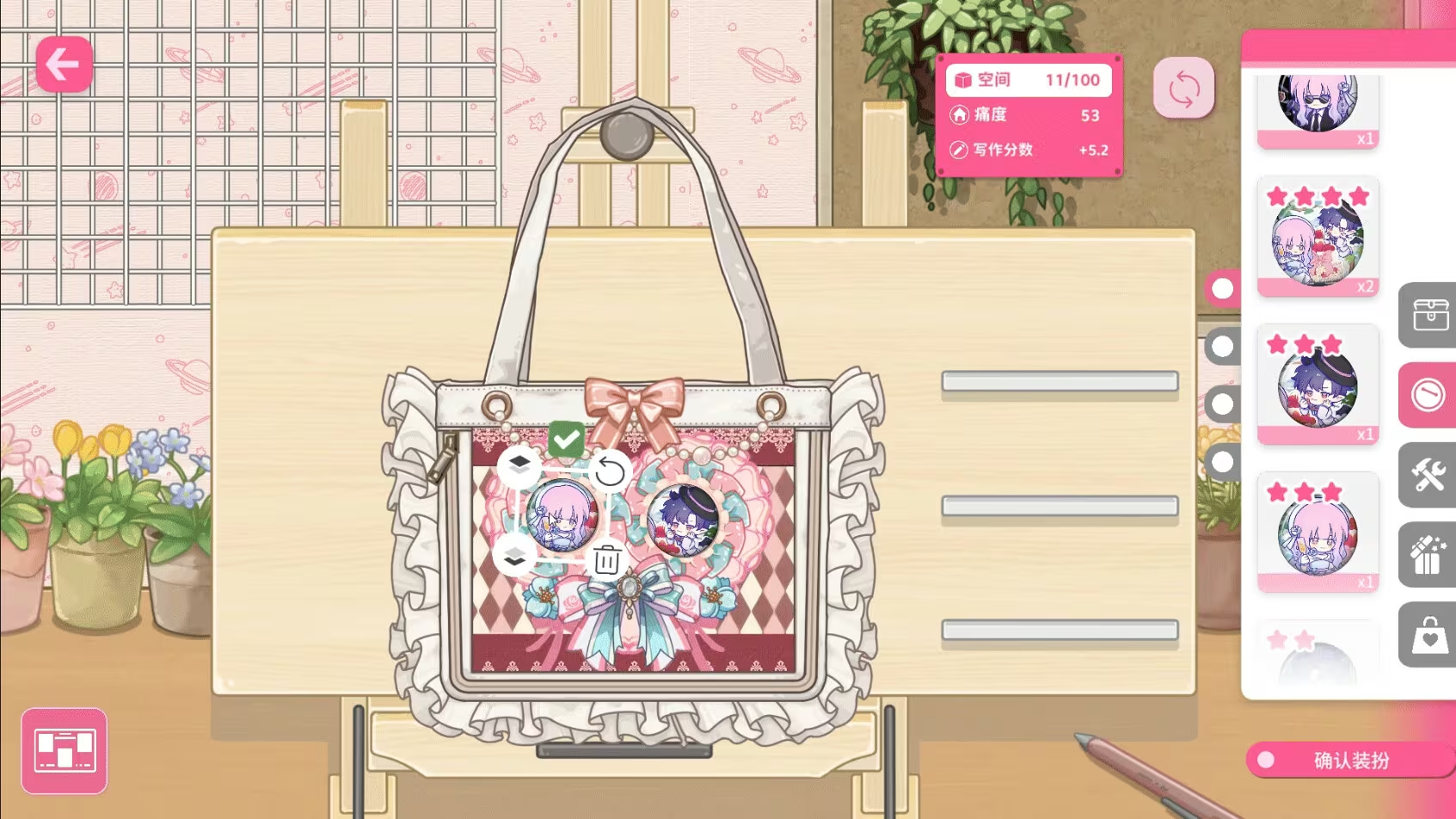
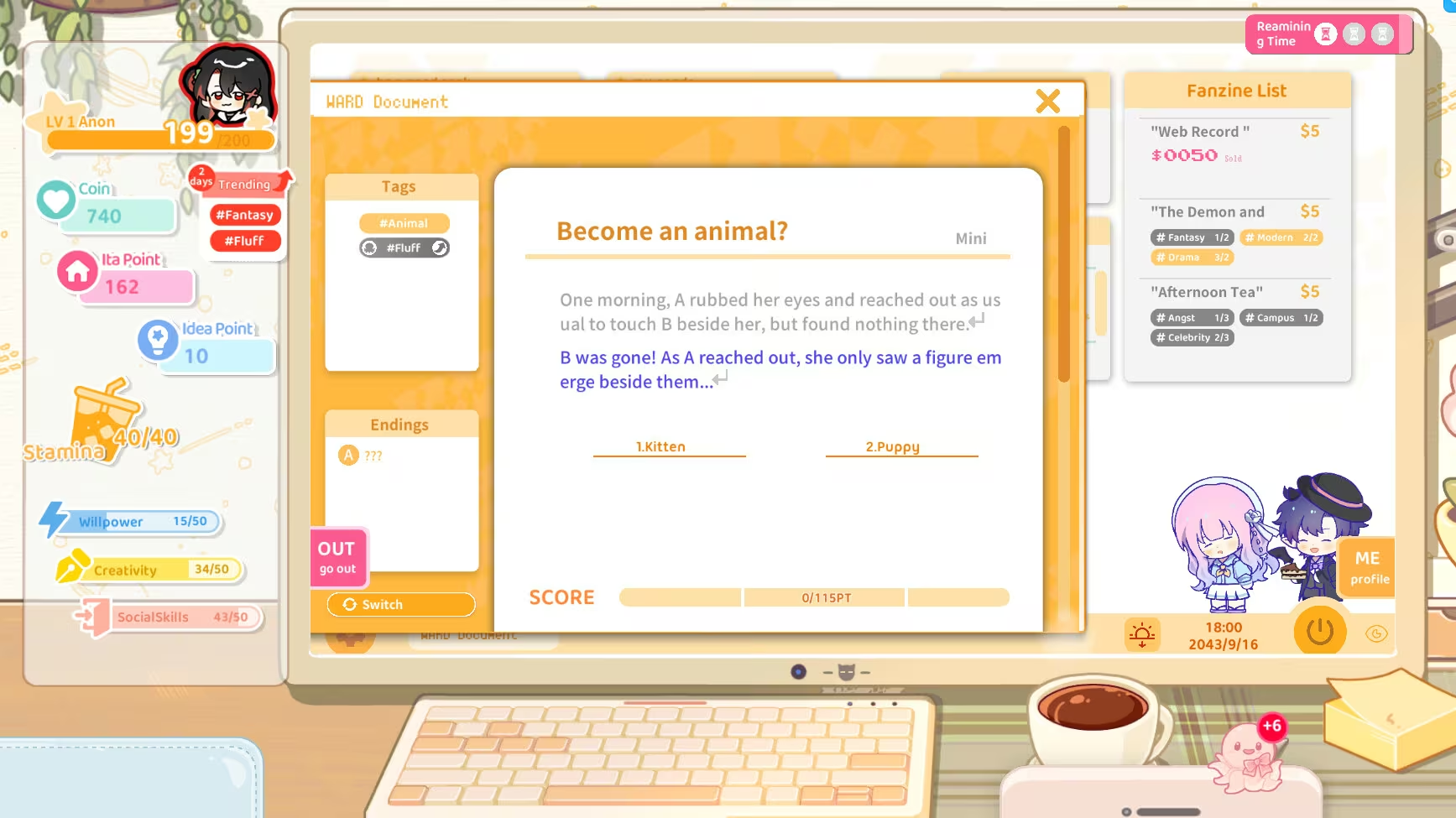
"Sensei! I Like You So Much!" is a fandom business simulation game. You will play as a fanfic author, create & release your fanzine, join comicons, gather followers, and become a legend with your fellow fans around! You can buy goods of your pairing, build itabags, and decorate your room as well!

Global score

88/100

Genres

Casual, Indie, Role-playing (RPG), Simulator

Similar games

    Pros

    • Deep customization and creativity
    • Heartfelt and relatable story
    • Strong fandom culture representation
    • Engaging character interactions
    • Frequent developer updates and responsiveness

    Cons

    • Buggy and glitchy in early access
    • Awkward and inconsistent english translation
    • Some ui and control frustrations
    • Limited tutorial and unclear mechanics
    • Minor content warnings for sensitive fanfic themes

    Analysis

    Broadly representative of its motivational profile, with a few distinct shifts. Motivations that often define this kind of title include Intimacy, Survival, Violence, Competition. Here, the score leans higher than usual among comparable games on Fellowship, Cooperation, Expression.

    How to use the graph
    Similar games map

    Each dot is a game. They are arranged from the same motivation profile as in the “Motivations” section below. Closer dots usually mean more similar reasons to play (exploration, competition, relaxation, etc.)—not that one game is “better” than another.

    • Larger dot with a light outline: the game you are viewing.
    • Colour: groups of games with comparable motivation patterns (statistical clusters).
    • Hover a dot to see the game name; click to open its page.
    • Scroll or double-click the chart to zoom out and see more games.

    Why don’t the axes read like a score? This view uses t-SNE: it only keeps who is close to whom. The scales are not “good to bad” or hours played—they separate groups on the map. Read distance between dots, not the axis numbers.

    Motivations

    • Autonomy
      4

      "Players have extensive freedom to create and customize characters, ships, and fan content, including importing assets, reflecting high player control."

    • Competence
      2

      "Gameplay involves some skill in managing fanfic writing, merch creation, and event participation, but overall is accessible and not highly challenging."

    • Competition
      -4

      "Focus is on personal enjoyment and self-expression without competitive elements or leaderboards."

    • Continuation
      4

      "Players report long sessions, binge play, and habitual engagement due to the game's charm and content variety."

    • Cooperation
      1

      "Some social elements and community sharing exist, but gameplay is primarily individual and self-directed."

    • Creativity
      5

      "Strong emphasis on creating and customizing characters, ships, fanfic, merch, and decorating spaces."

    • Domination
      -5

      "Interactions are friendly and collaborative; no evidence of exerting control or superiority over others."

    • Escapism
      5

      "Players use the game as a comforting escape into fandom culture and creative expression."

    • Expectation
      -5

      "Engagement is voluntary and driven by personal passion for fandom and shipping culture."

    • Experimenting
      4

      "Players explore many customization options, fanfic scenarios, and gameplay features, showing novelty seeking."

    • Exploration
      2

      "Some discovery of new fanfic stories, merch, and character interactions, though largely within a known framework."

    • Expression
      5

      "High level of avatar and environment customization for self-expression."

    • Fantasy
      4

      "Engages players in imaginative fanfiction and shipping scenarios beyond realistic experiences."

    • Fellowship
      3

      "Strong sense of community and shared fandom culture, though social gameplay is limited."

    • Growth
      3

      "Players develop skills in fanfic writing, customization, and managing fan activities."

    • Health
      -5

      "No physical activity involved; sedentary gameplay."

    • Idle
      -3

      "Requires active engagement with multiple gameplay systems; not designed for passive or background play."

    • Intimacy
      3

      "Emotional connection to characters and fandom community is emphasized, though no deep personal relationships."

    • Leadership
      -4

      "Gameplay focuses on individual creation and participation without leadership or management roles."

    • Progression
      4

      "Players accumulate fanfic endings, merch, and customization items as they progress."

    • Relaxation
      3

      "Generally a cozy and comforting experience, though some players note minor frustrations with bugs."

    • Sensation
      2

      "Visual and auditory elements are pleasing but not highly stimulating or intense."

    • Status
      -3

      "Recognition is mostly personal or within niche fandom circles, not broad social status."

    • Story
      4

      "Narrative and character interactions are a core part of the experience, with emotional and relatable themes."

    • Strategy
      1

      "Some planning involved in managing fanfic writing and merch sales, but overall straightforward gameplay."

    • Thrill
      -3

      "Gameplay is low risk and relaxing rather than suspenseful or thrilling."

    • Value
      4

      "Players feel the game offers good content and enjoyment for its price, especially given its uniqueness."

    • Violence
      -5

      "No violent or destructive gameplay elements; focus on constructive fan activities."

    • Survival
      -5

      "No survival or threat avoidance mechanics; stable and safe gameplay environment."

    Last update: 29/04/2026