Nancy Drew®: Last Train to Blue Moon Canyon similar games & best alternatives
No screenshot has been retrieved yet
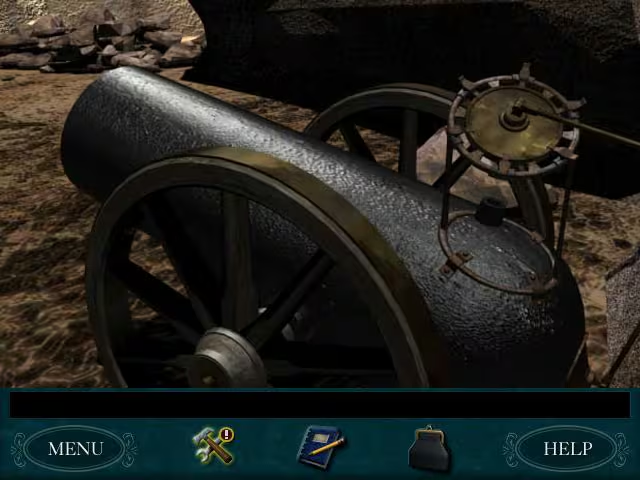
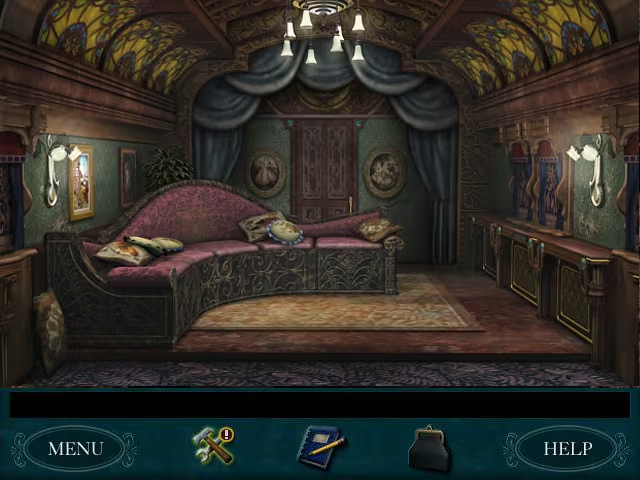
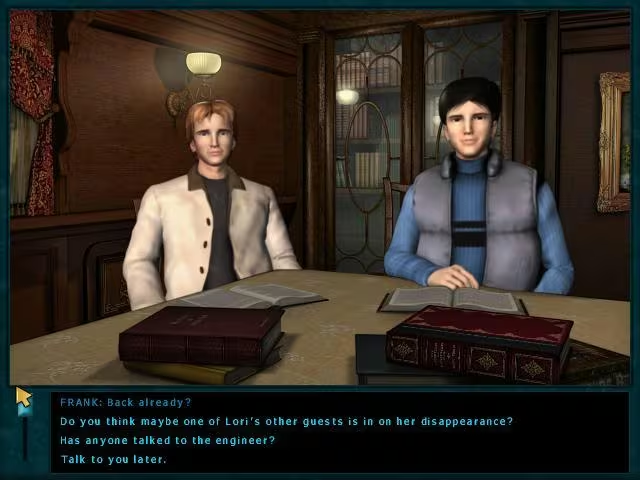
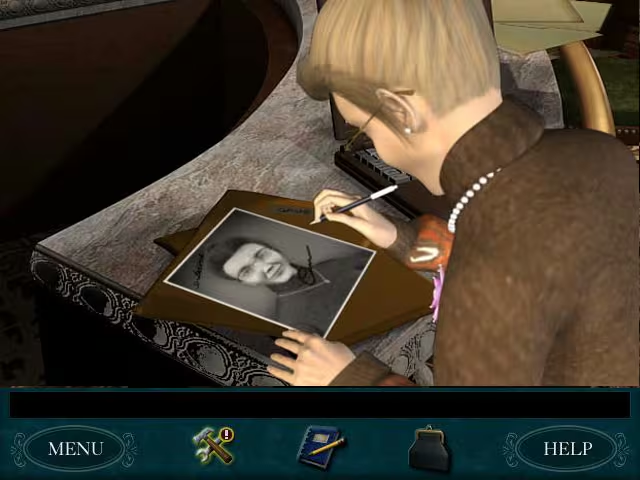
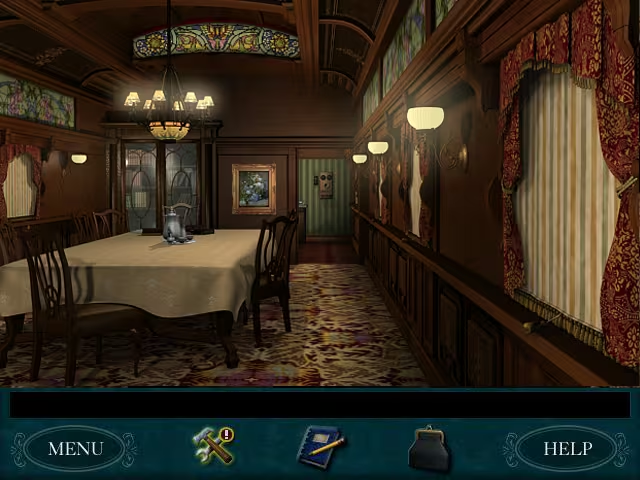
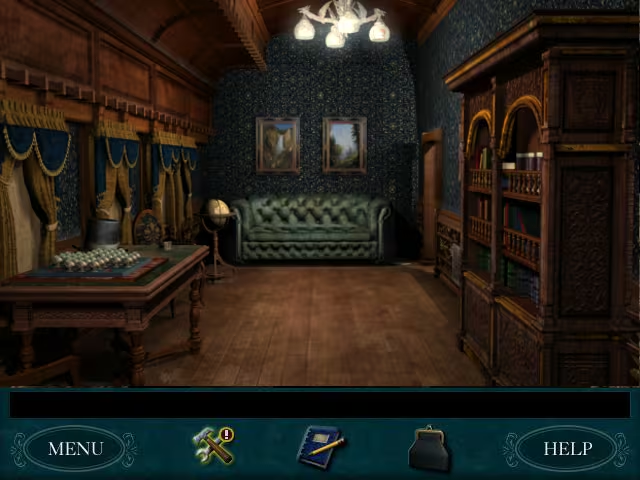
Should you play it?
Catch this train — it’s your ticket to solving a century-old mystery!
What works
- Engaging and balanced puzzles
- Strong narrative and characters
- Unique train setting
- Nostalgic appeal
- Accessible for new players
Things to keep in mind
- Some puzzles can be frustrating or opaque
- Shorter game length
- Tedious back-and-forth navigation
- Dated graphics and interface
- Weak villain and ending
What to play next
Top picks
Games that feel the closest overall
-
Nancy Drew®: Secret of the Old Clock
-
Gray Matter
-
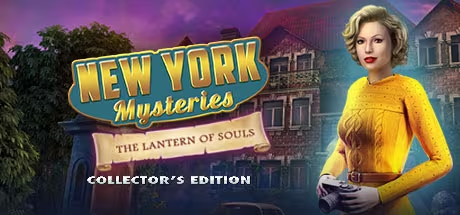
New York Mysteries: The Lantern of Souls Collector's Edition
-
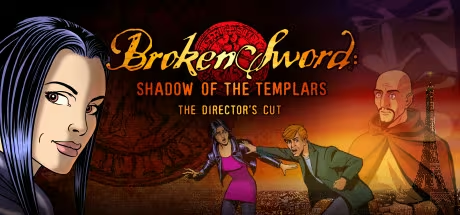
Broken Sword: Director's Cut (2009)
-
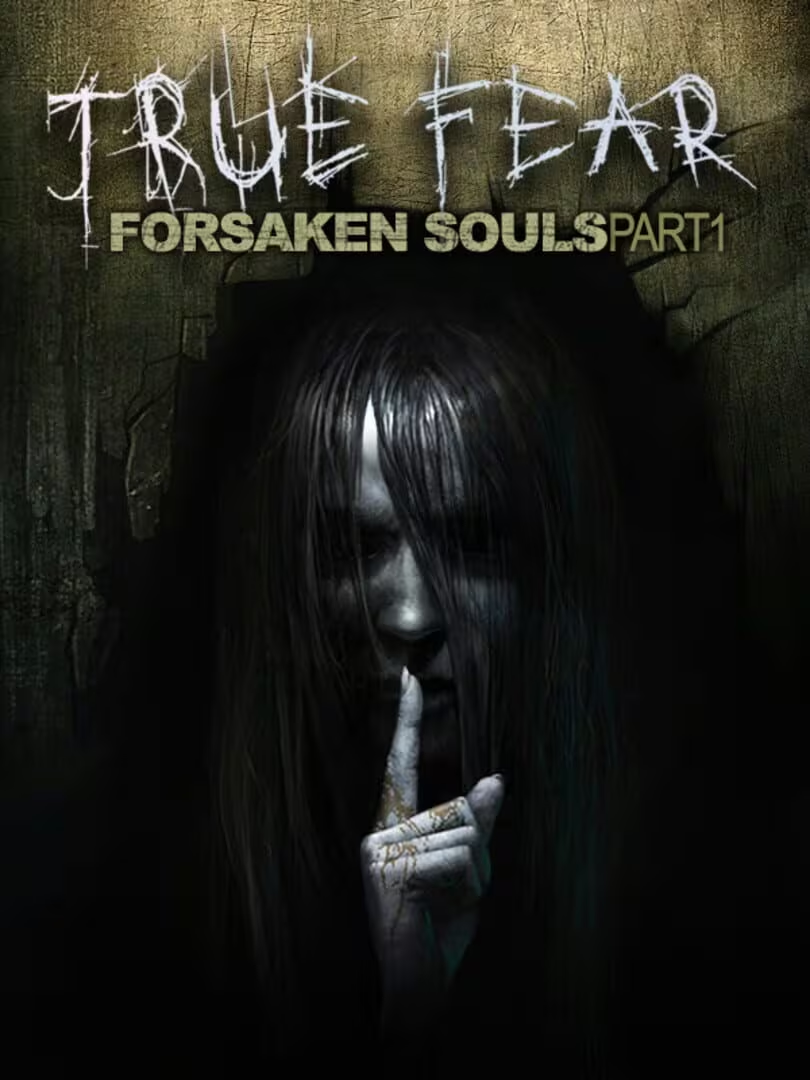
True Fear: Forsaken Souls Part 1
-
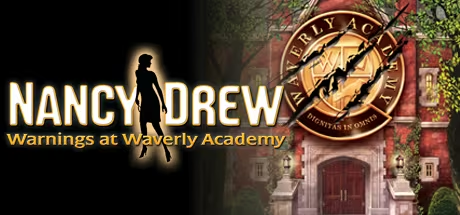
Nancy Drew®: Warnings at Waverly Academy
-
Nancy Drew®: The Haunted Carousel
-
New York Mysteries: High Voltage Collector's Edition
-

Best Served Cold
Less social
Games that feels like Nancy Drew®: Last Train to Blue Moon Canyon but with less teamwork and cooperation · 35 games
-
Nancy Drew®: Danger on Deception Island
-

Penelope Pendrick and the Art of Deceit
-
Nancy Drew®: Ghost of Thornton Hall
-
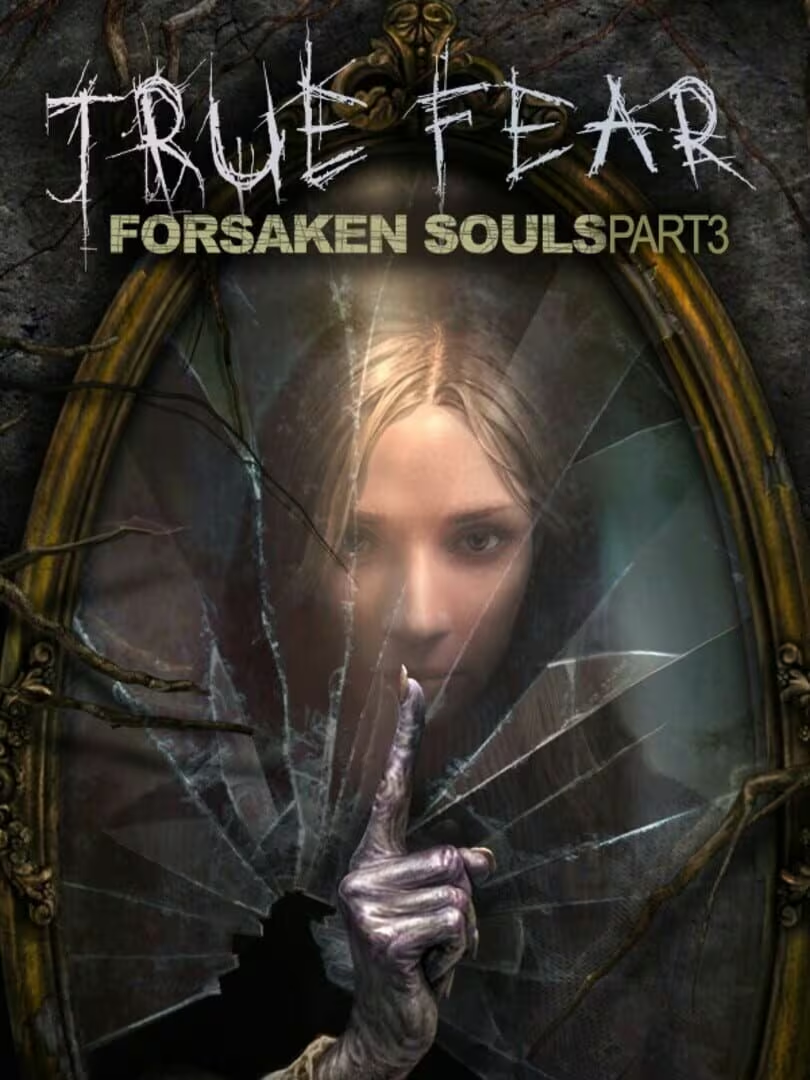
True Fear: Forsaken Souls Part 3
-
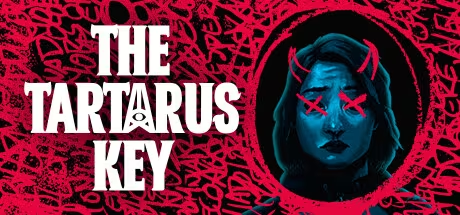
The Tartarus Key
-

Paper Bride
-
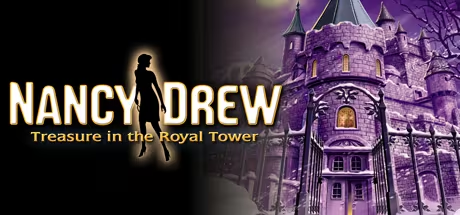
Nancy Drew®: Treasure in the Royal Tower
-
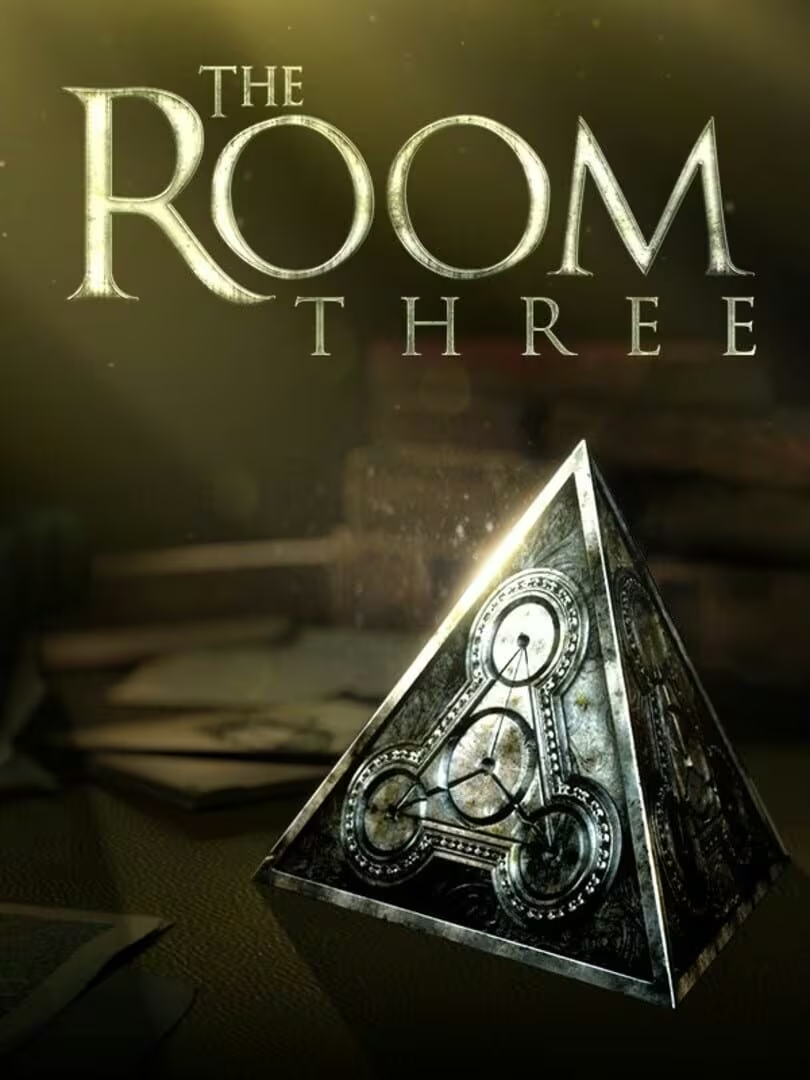
The Room Three
-

Alchemy Mysteries: Prague Legends
-
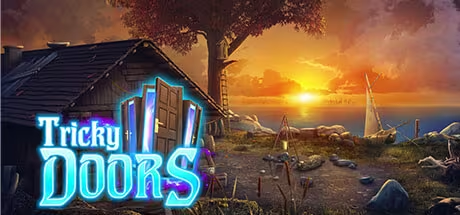
Tricky Doors
-

The House of Da Vinci 3
-

Kathy Rain: Director's Cut
-
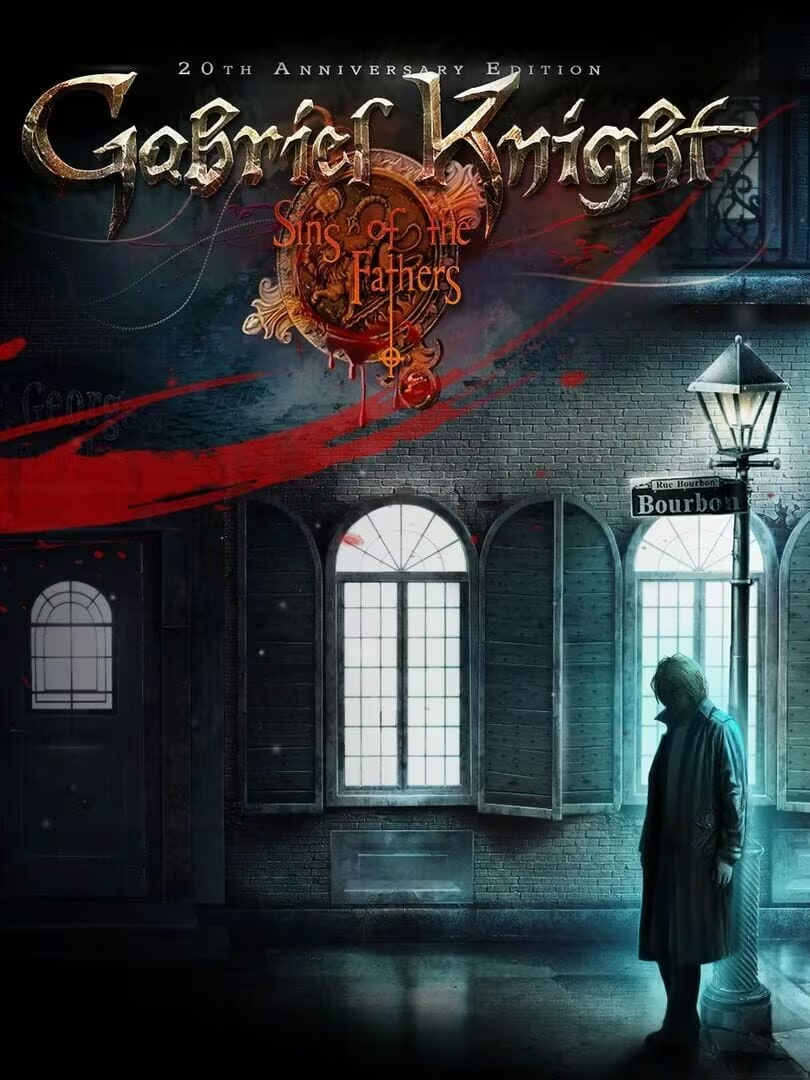
Gabriel Knight: Sins of the Fathers 20th Anniversary Edition
-

An English Haunting
-
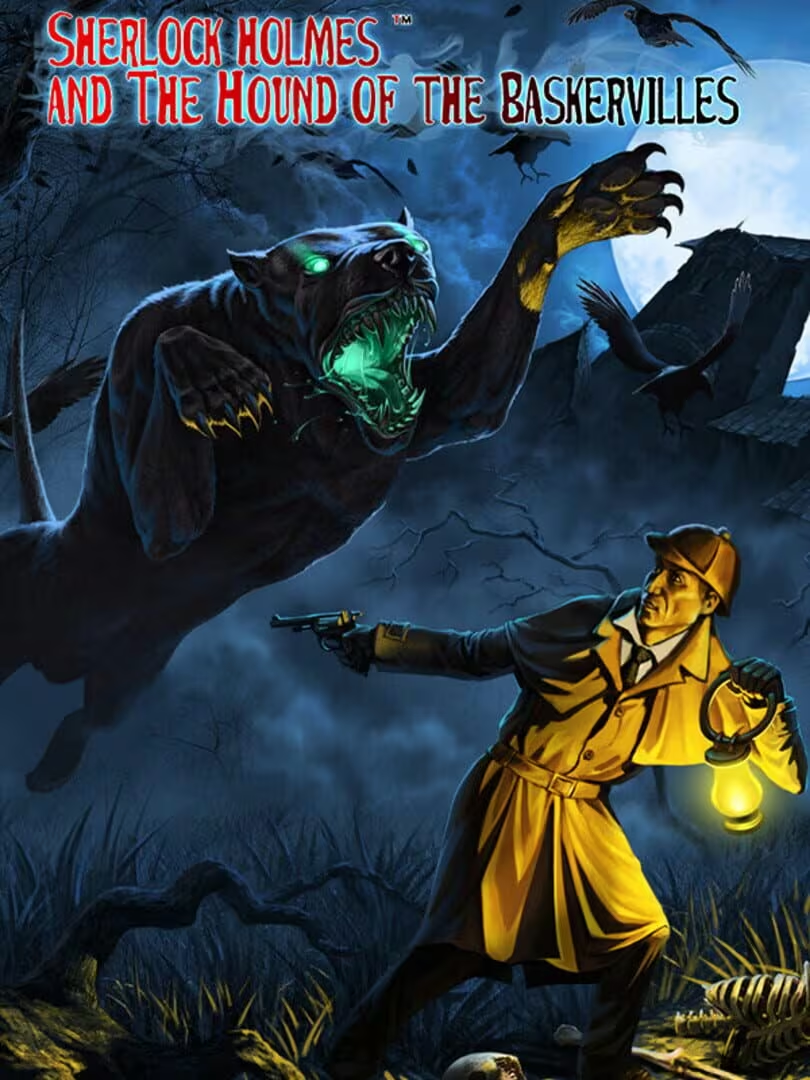
Sherlock Holmes and The Hound of The Baskervilles
-
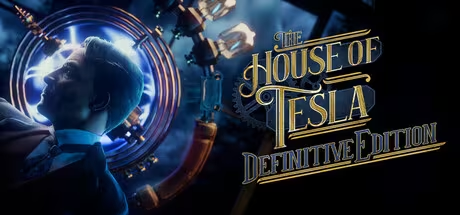
The House of Tesla: Definitive Edition
-
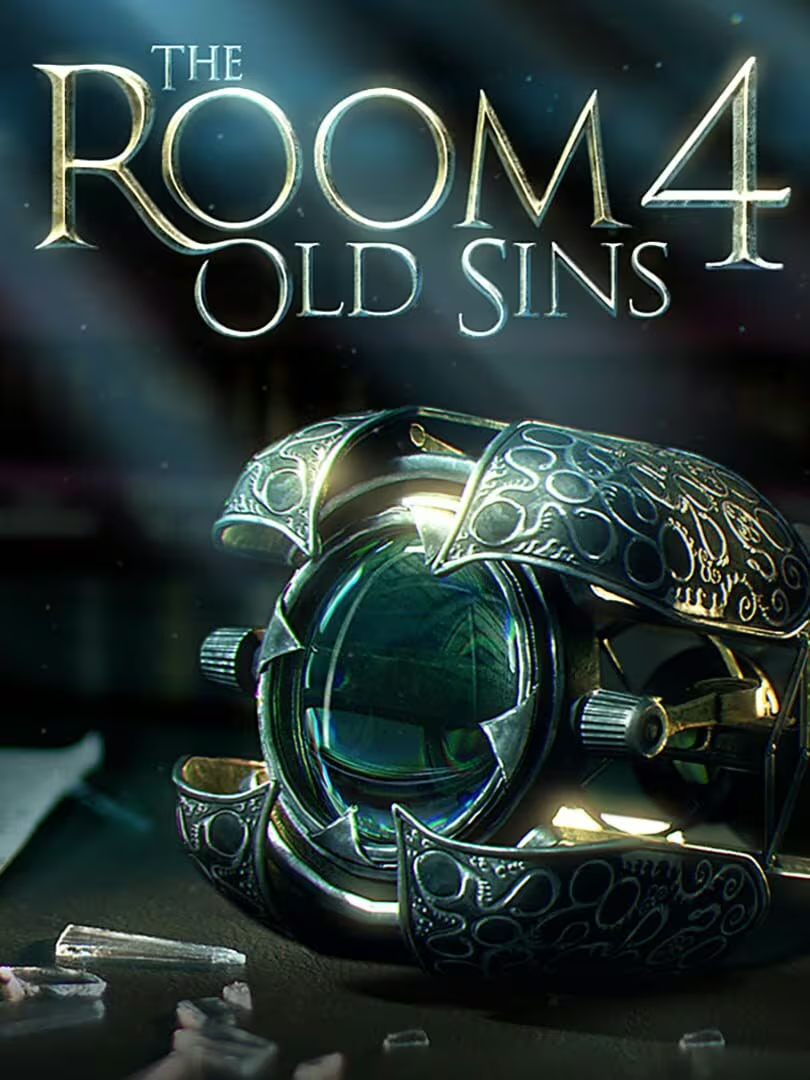
The Room 4: Old Sins
-
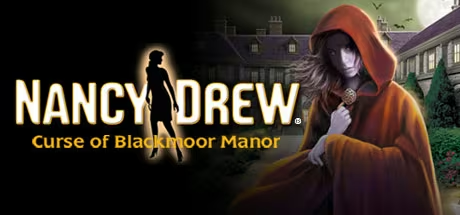
Nancy Drew®: Curse of Blackmoor Manor
-
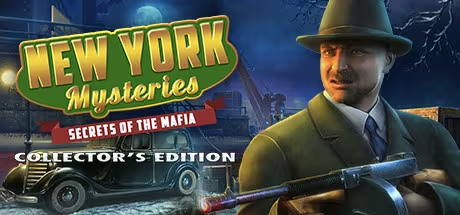
New York Mysteries: Secrets of the Mafia Collector's Edition
-
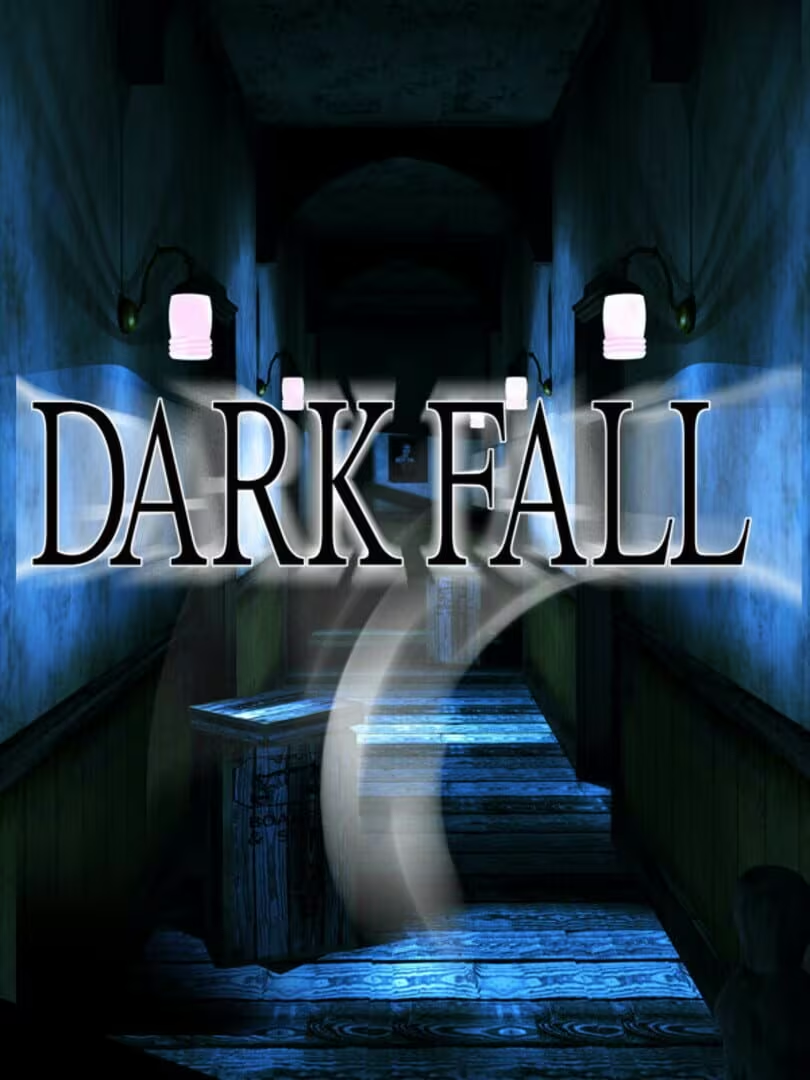
Dark Fall: The Journal
-
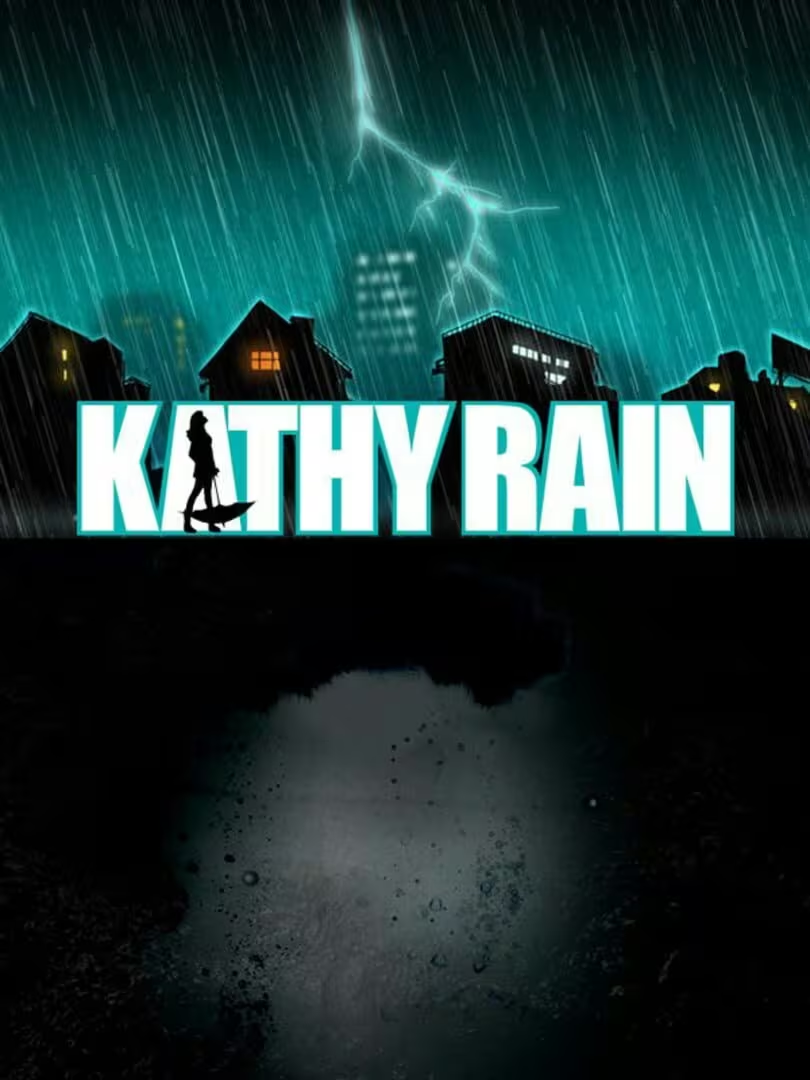
Kathy Rain
-
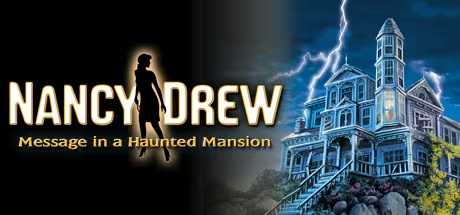
Nancy Drew®: Message in a Haunted Mansion
-

Whispers of a Machine
-
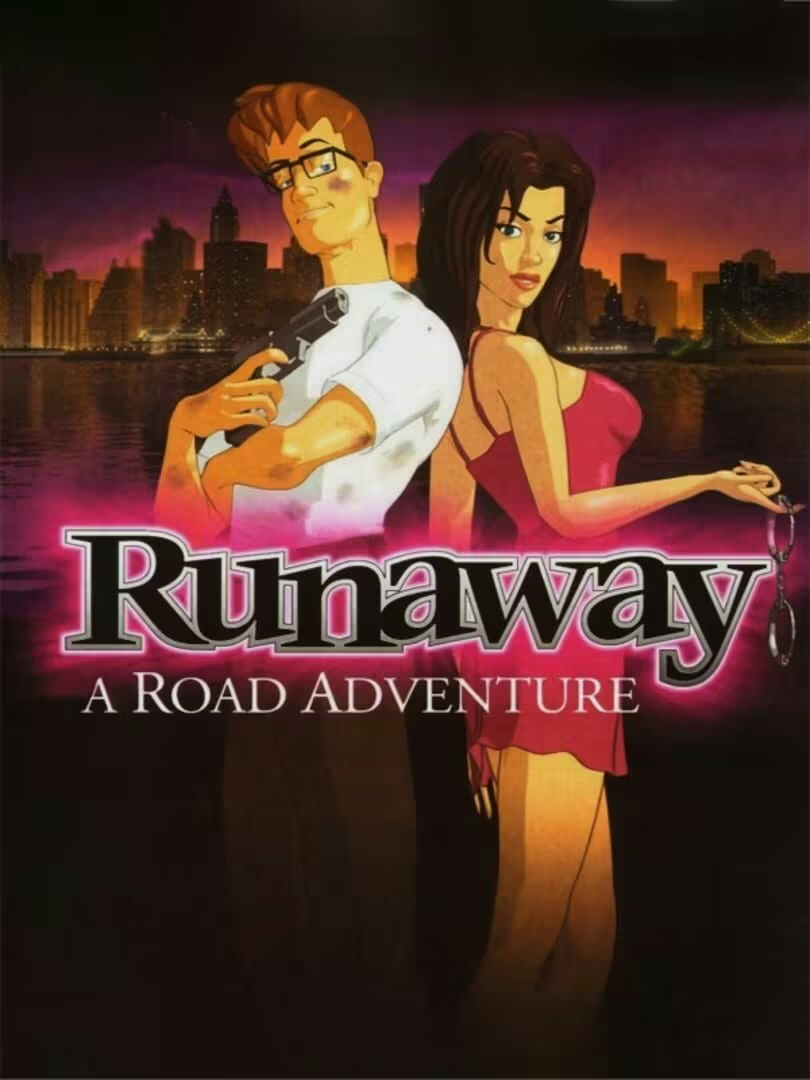
Runaway, A Road Adventure
-
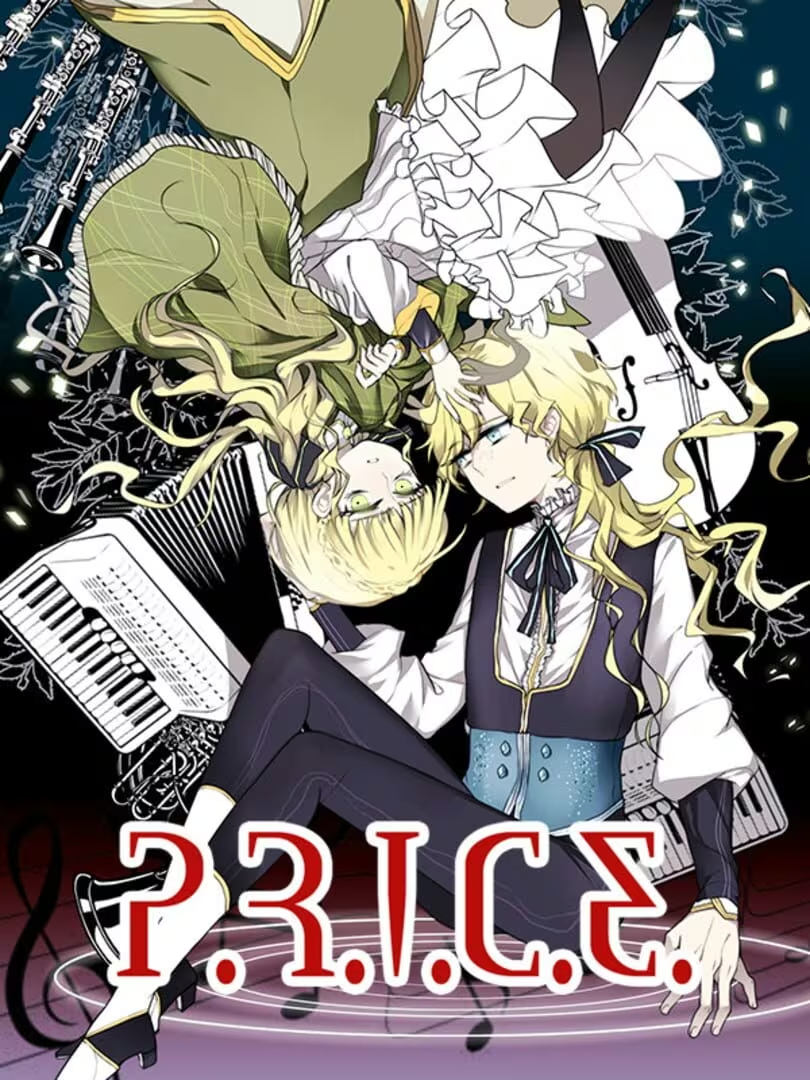
PRICE
-

Hidden Object Bundle 4 in 1
-
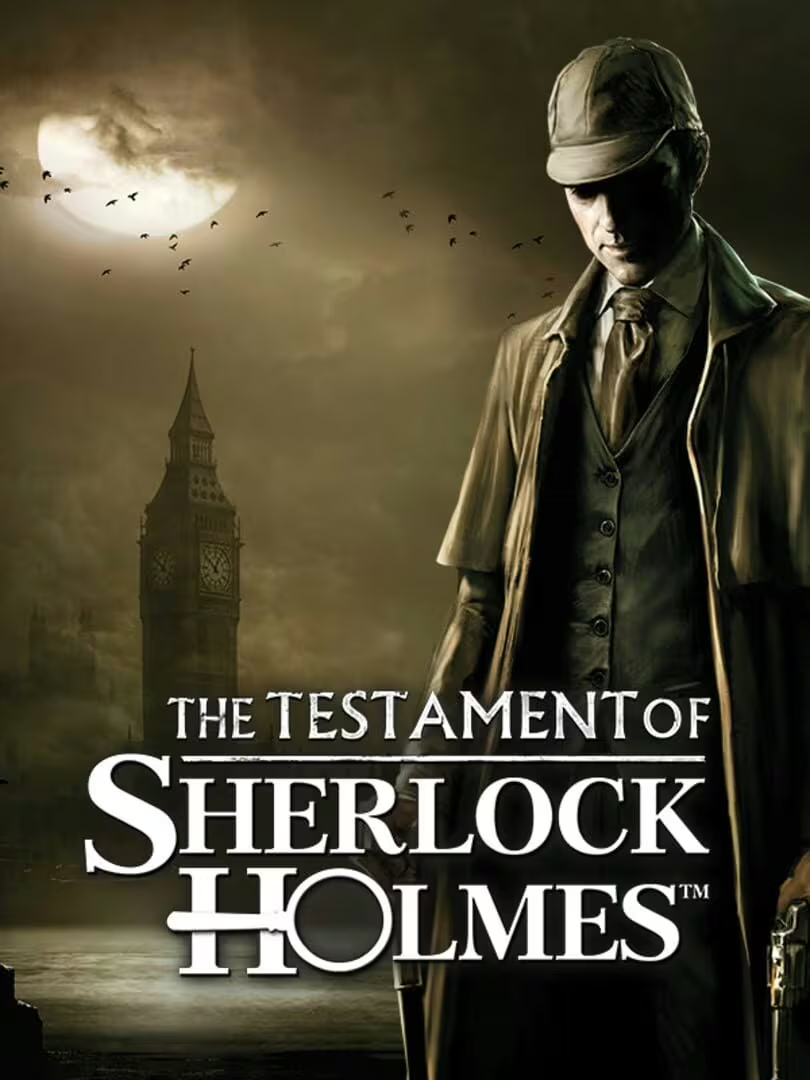
The Testament of Sherlock Holmes
-
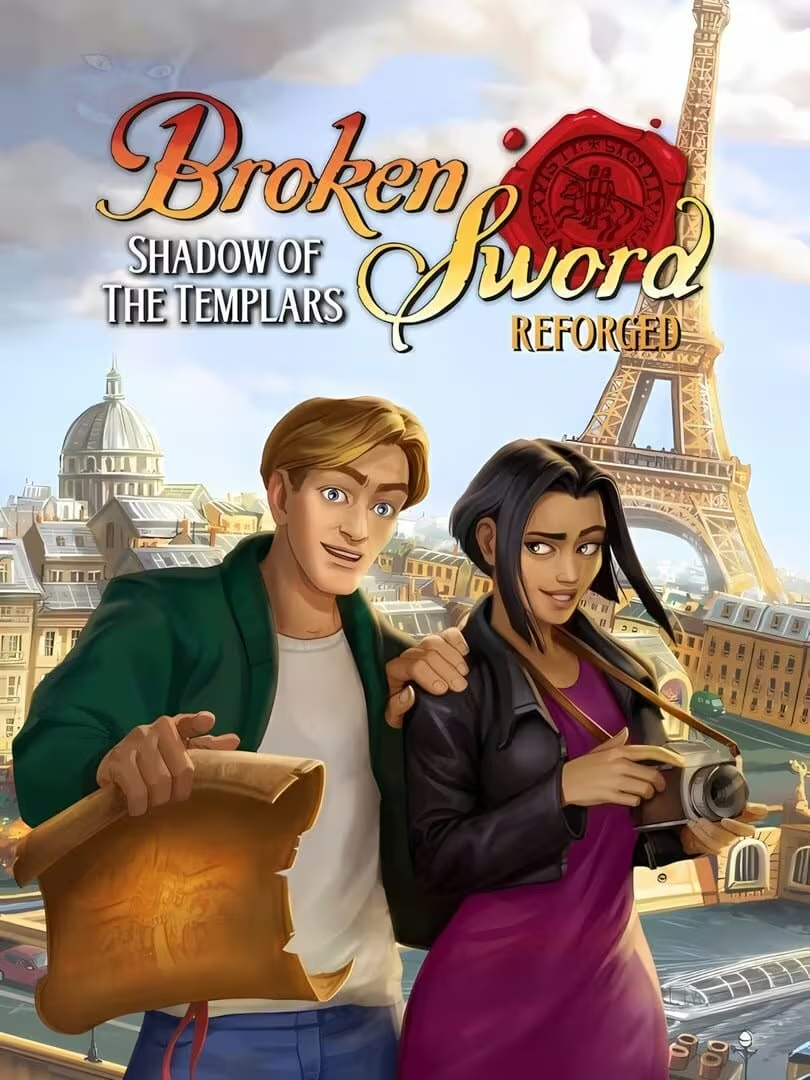
Broken Sword - Shadow of the Templars: Reforged
-
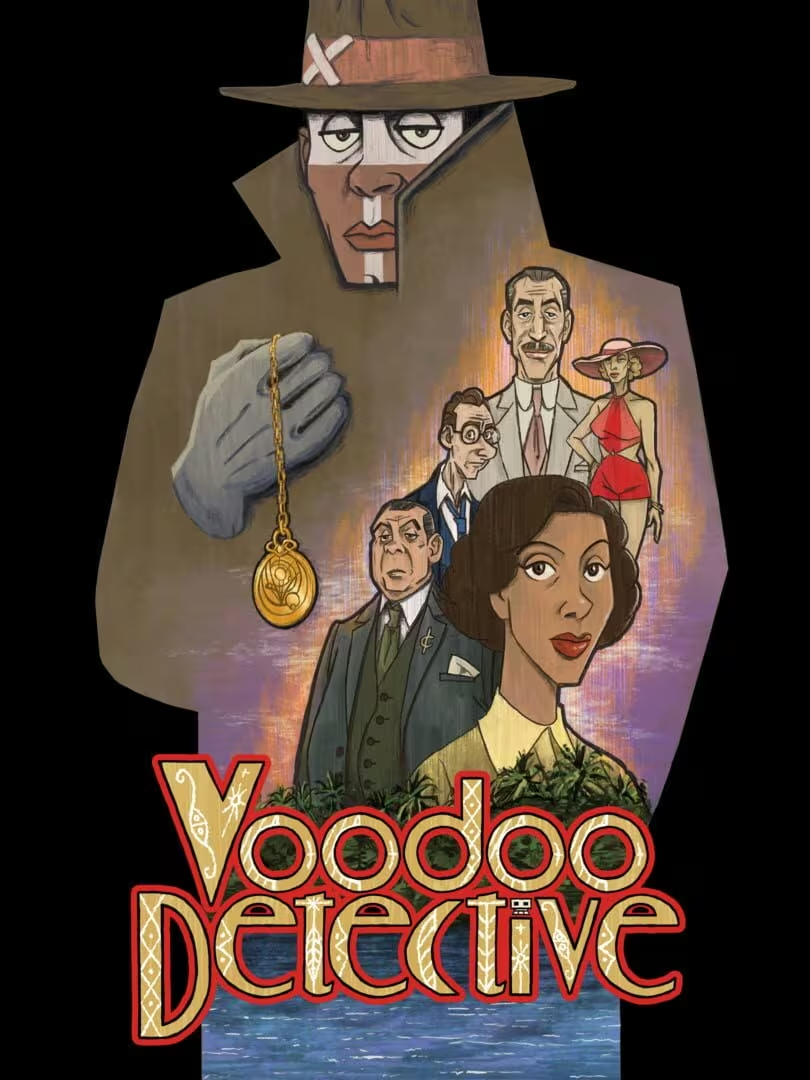
Voodoo Detective
-

Sacra Terra: Angelic Night
-
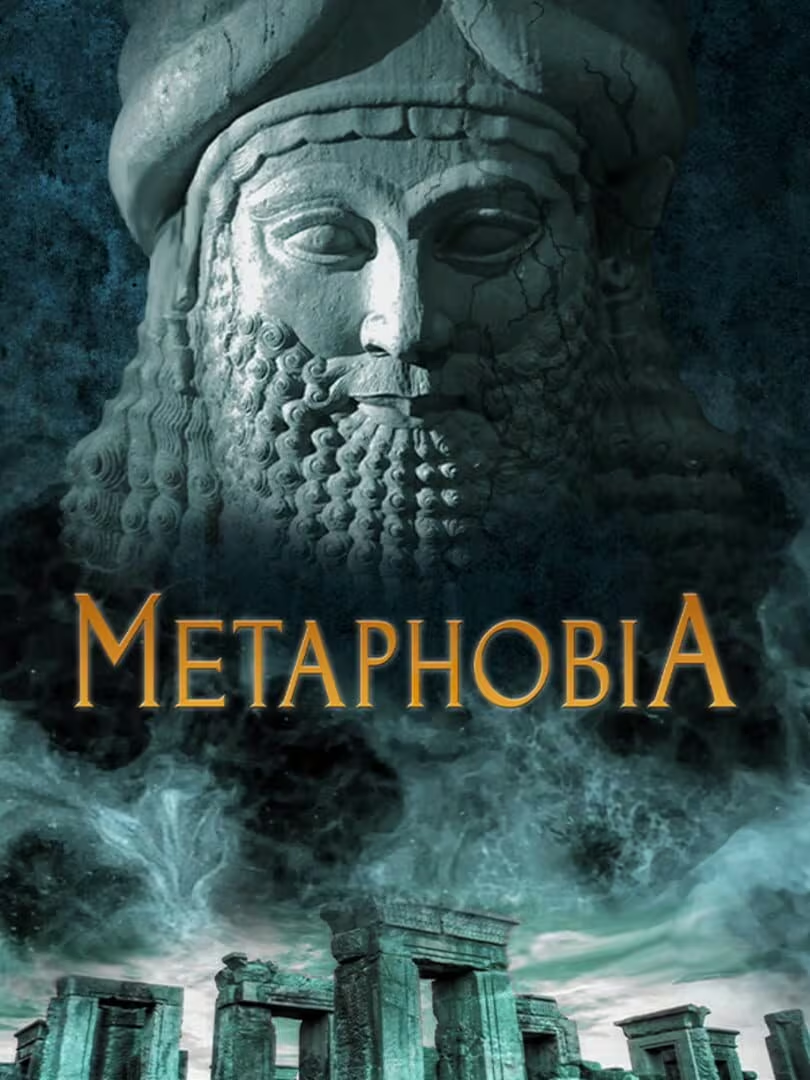
Metaphobia
-
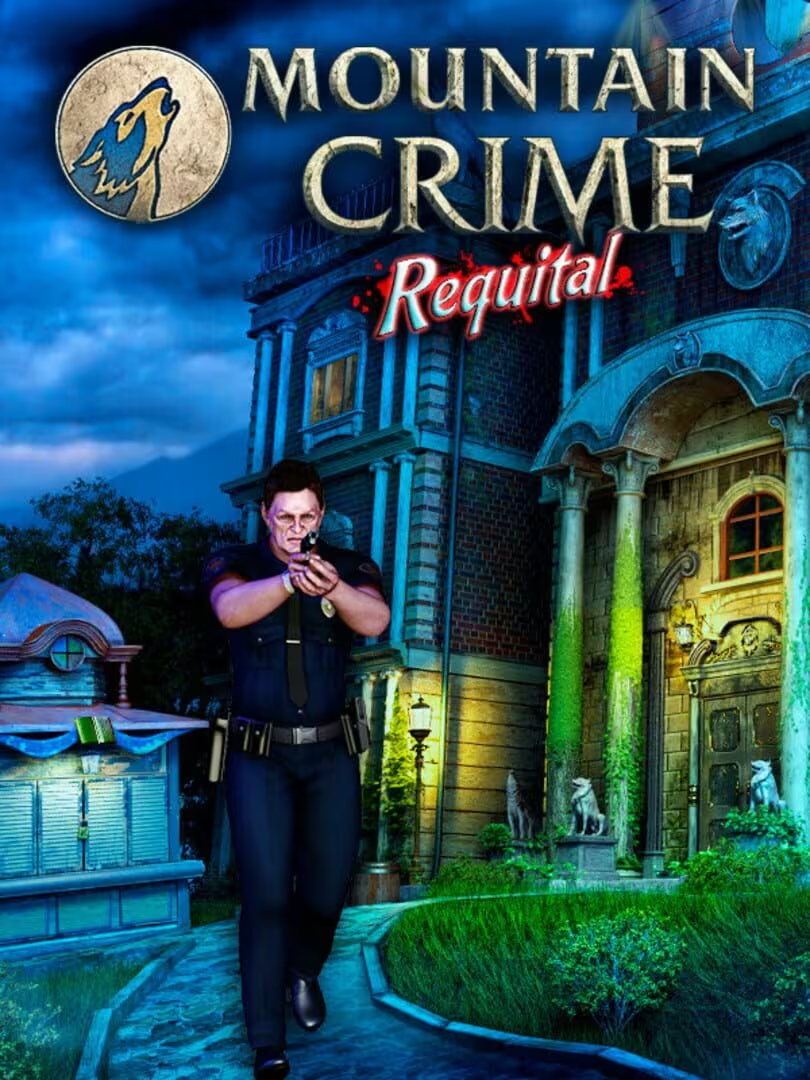
Mountain Crime: Requital
-
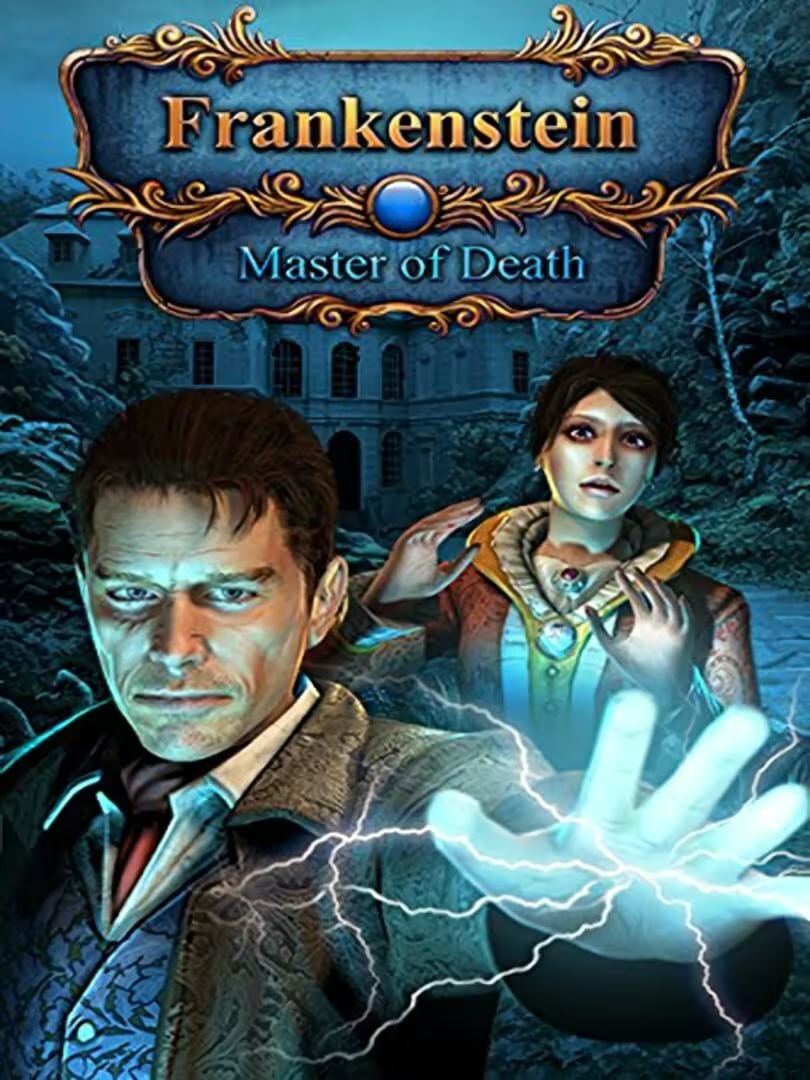
Frankenstein: Master of Death
-
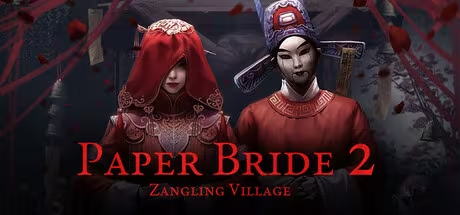
Paper Bride 2 Zangling Village
-

Nancy Drew®: The White Wolf of Icicle Creek
More violent
Games that feels like Nancy Drew®: Last Train to Blue Moon Canyon but with more combat and destruction · 2 games
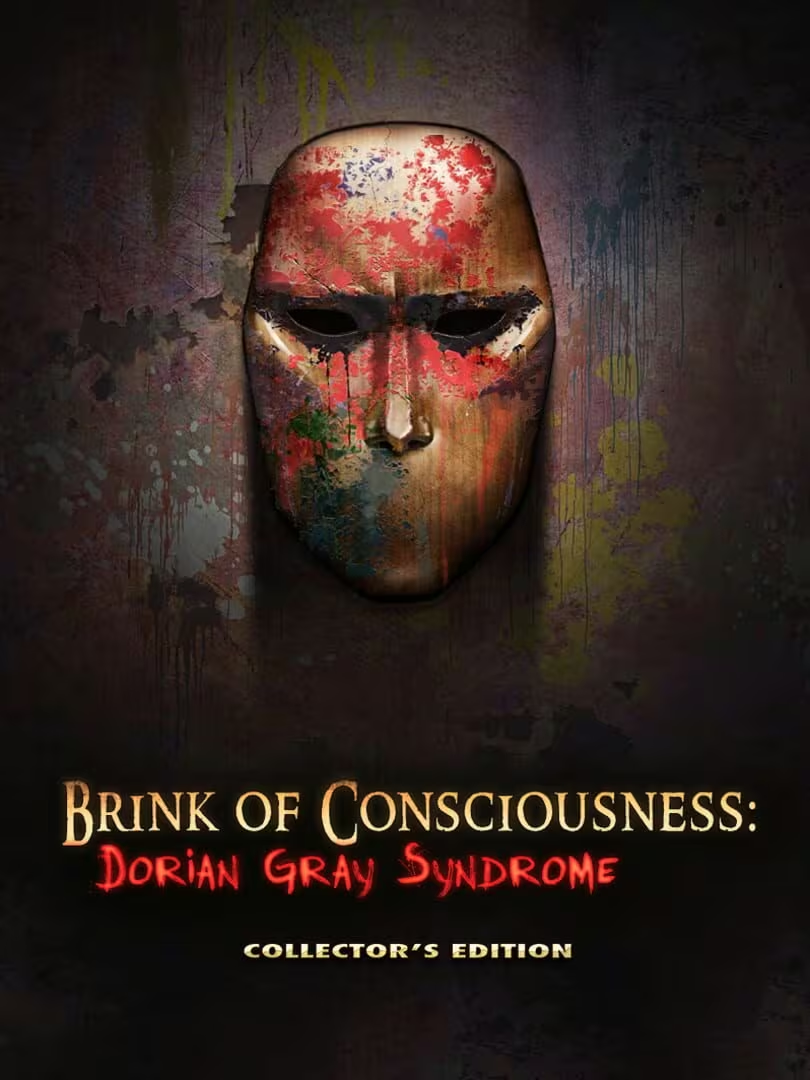
More fellowship-oriented
Games that feels like Nancy Drew®: Last Train to Blue Moon Canyon but with a stronger sense of community · 2 games
More expressive
Games that feels like Nancy Drew®: Last Train to Blue Moon Canyon but with more self-expression and customization · 1 game
Others
Other games that might remind you of Nancy Drew®: Last Train to Blue Moon Canyon · 1 game
Last update: 06/10/2026