Noun Town Language Learning similar games & best alternatives
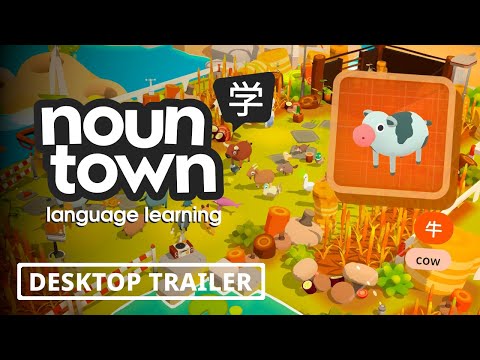
Noun Town Language Learning
2023
Related articles
Quick resume
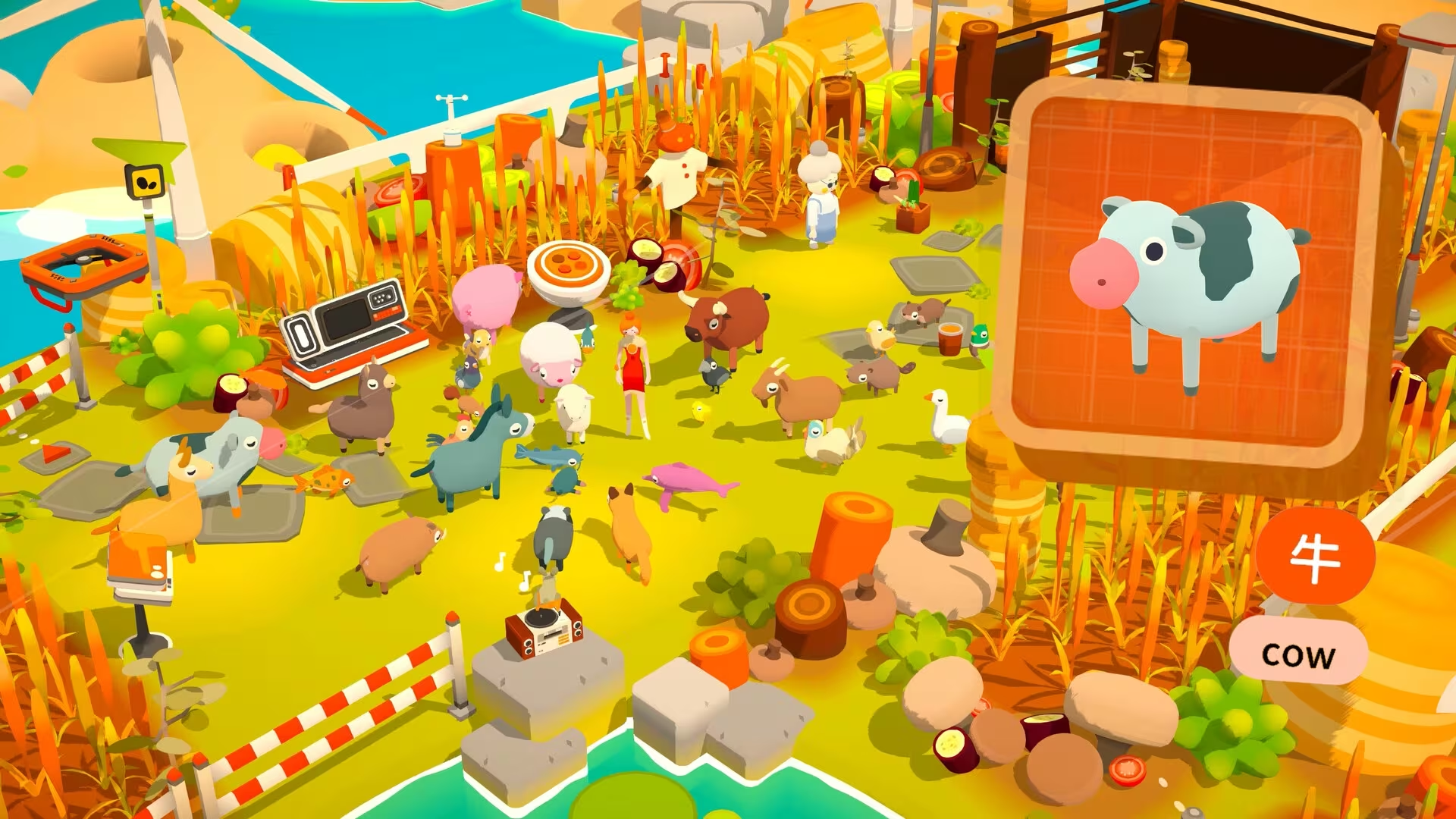
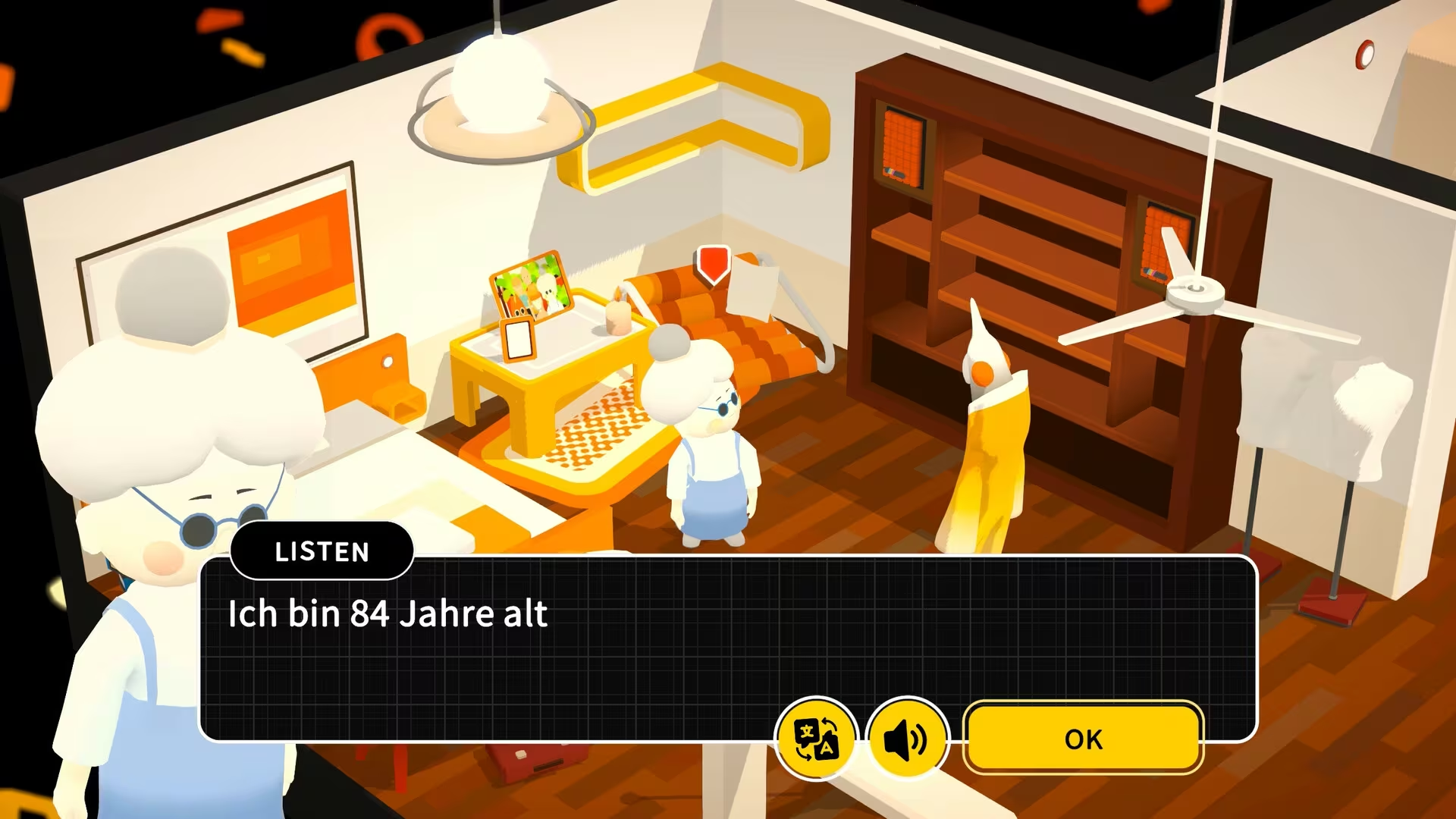
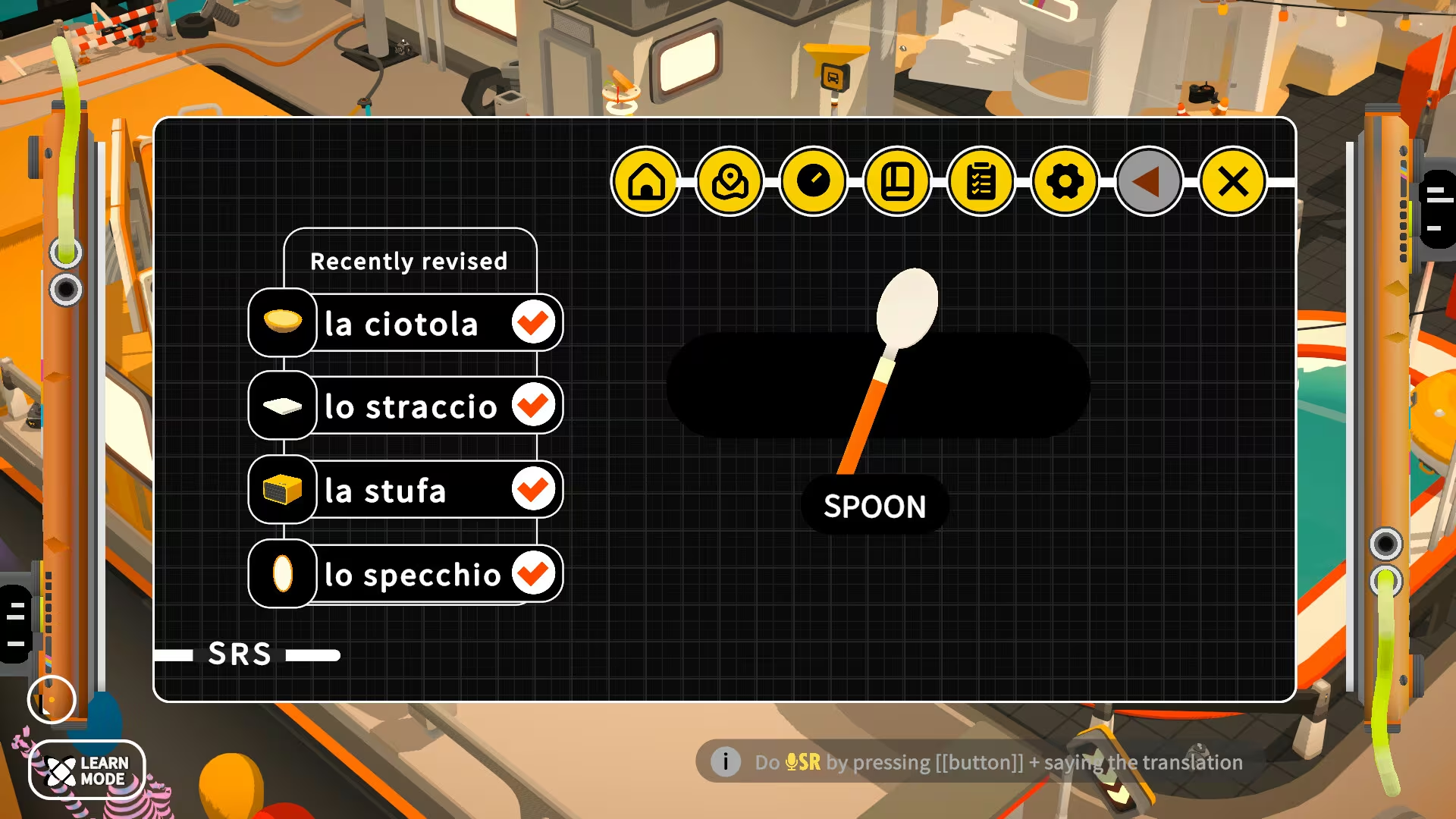
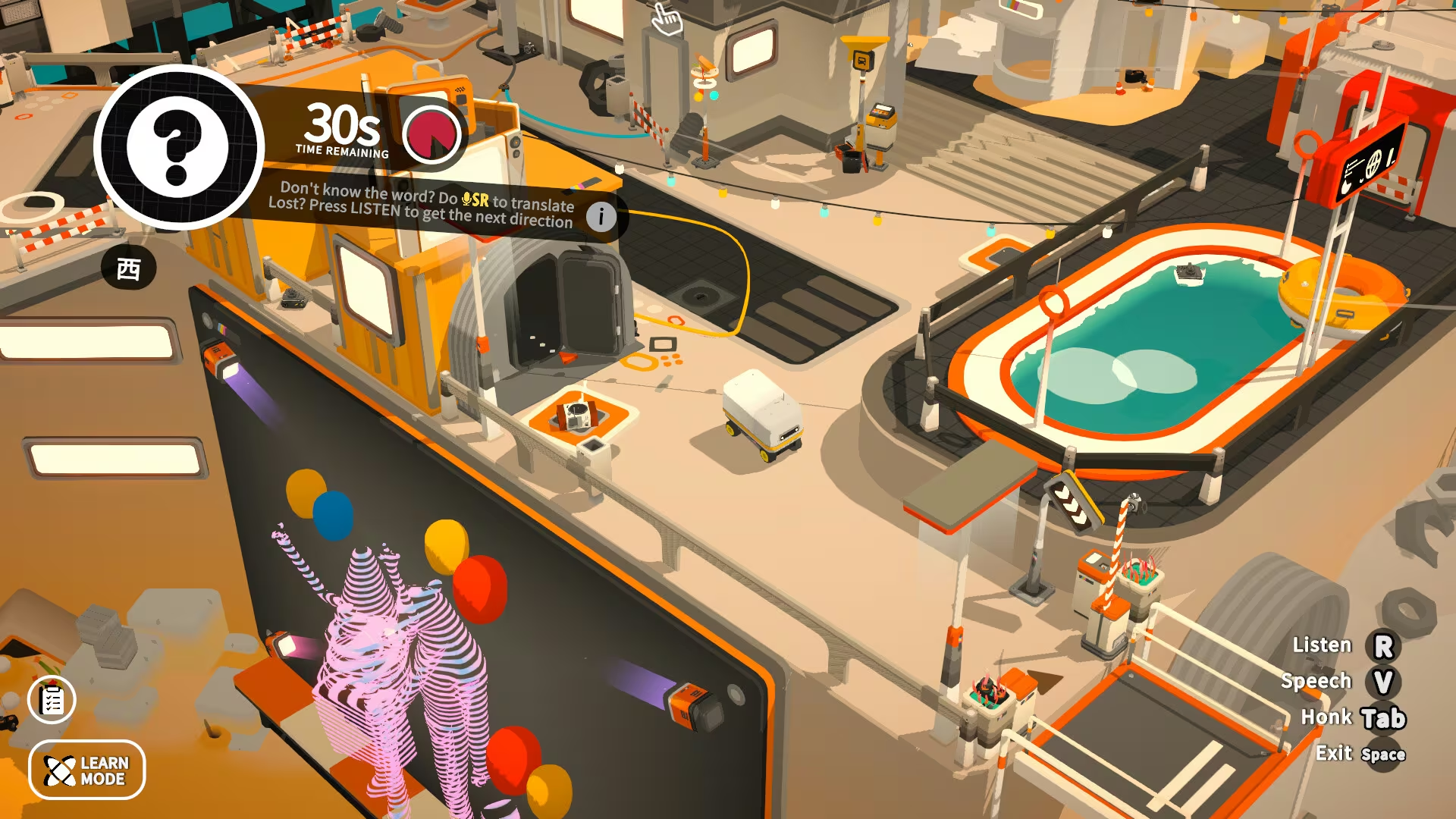
Gain new vocab while playing a game! Learn 1,000+ words & phrases in a world that regains color as you learn. Test your skills with mini-games and talk to the local villagers. Learn Japanese, Korean, Chinese, Spanish, & more…
Global score
88/100
Genres
Adventure, Casual, Simulator, Early Access, Indie, Puzzle, Quiz/Trivia
Similar games
Pros
- Effective vocabulary learning
- Engaging and cozy atmosphere
- Frequent developer updates and responsiveness
- Interactive npc conversations
- Fun mini-games and progression
Cons
- Voice recognition issues and bugs
- Limited grammar instruction
- Some ui and control clunkiness
- Lack of multiplayer or social features
- Early access bugs and incomplete content
Analysis
A very typical example of its motivational profile. Motivations that often define this kind of title include Fantasy, Violence, Story, Thrill. Here, the score leans higher than usual among comparable games on Exploration, Story. It leans lower than usual among comparable games on Survival.
How to use the graph
Similar games map
Each dot is a game. They are arranged from the same motivation profile as in the “Motivations” section below. Closer dots usually mean more similar reasons to play (exploration, competition, relaxation, etc.)—not that one game is “better” than another.
- Larger dot with a light outline: the game you are viewing.
- Colour: groups of games with comparable motivation patterns (statistical clusters).
- Hover a dot to see the game name; click to open its page.
- Scroll or double-click the chart to zoom out and see more games.
Why don’t the axes read like a score? This view uses t-SNE: it only keeps who is close to whom. The scales are not “good to bad” or hours played—they separate groups on the map. Read distance between dots, not the axis numbers.
Motivations
-
Autonomy3
"Players can explore the town freely, choose which words to learn, and decide when to continue past daily limits, indicating moderate personal control."
-
Competence4
"The game provides skill challenges like voice recognition, vocabulary tests, and mini-games that give feedback and require learning, supporting a sense of effectiveness."
-
Competition-4
"Focus is on individual learning pace without leaderboards or direct player comparison; players set their own goals and progress."
-
Continuation4
"Many players report habitual daily play, long sessions, and building a routine around the game, showing strong desire to keep playing."
-
Cooperation-4
"Gameplay centers on solo vocabulary acquisition and interaction with NPCs rather than cooperative multiplayer or teamwork."
-
Creativity2
"Players can decorate and place objects in the town, showing some creative expression, though within predefined assets."
-
Domination-5
"No evidence of exerting control or superiority over others; interactions are equal and respectful."
-
Escapism3
"Players use the game as a relaxing, immersive distraction from real life, enjoying a cozy environment and stress relief."
-
Expectation-4
"Players engage voluntarily out of personal interest and intrinsic motivation to learn languages, not out of obligation."
-
Experimenting2
"Players explore new vocabulary, try different languages, and experiment with speech recognition and mini-games, though within structured learning."
-
Exploration4
"Players discover new areas, unlock vocabulary by exploring different town zones, and find hidden items, supporting curiosity-driven discovery."
-
Expression2
"Customization of characters and environments is possible but limited to selecting avatars and placing items."
-
Fantasy-4
"The game focuses on realistic language learning and practical vocabulary rather than imaginative or fictional scenarios."
-
Fellowship-4
"Social interaction is limited to NPC conversations; minimal community or multiplayer engagement."
-
Growth5
"Strong emphasis on learning new vocabulary, improving pronunciation, and expanding language skills."
-
Health-5
"Sedentary gameplay with no physical activity or health-related features."
-
Idle-3
"Requires active attention for voice input, navigation, and interaction; not designed for passive or background play."
-
Intimacy-4
"Interactions are limited to scripted NPC dialogues without deep emotional connection or relationship building."
-
Leadership-5
"No leadership or management roles; players follow game structure and interact individually."
-
Progression4
"Players accumulate vocabulary, unlock new areas, and collect items to decorate, showing clear progression."
-
Relaxation4
"The game offers a calm, cozy atmosphere with relaxing music and low-pressure learning, promoting flow and tension release."
-
Sensation2
"Simple, cute visuals and pleasant audio provide moderate sensory stimulation and enjoyment."
-
Status-5
"No social recognition or ranking systems; achievements are personal and private."
-
Story1
"There are light narrative elements and character interactions, but the focus is on vocabulary learning rather than deep story immersion."
-
Strategy2
"Players use some planning and problem solving in mini-games and learning sequences, but overall gameplay is straightforward."
-
Thrill-3
"The game is low risk and low suspense, focusing on steady learning rather than excitement or tension."
-
Value4
"Players perceive good return on investment through effective language learning and enjoyable gameplay."
-
Violence-5
"No combat or destructive elements; gameplay is constructive and educational."
-
Survival-5
"Stable, low-risk environment with no threats or failure conditions."
Last update: 29/04/2026