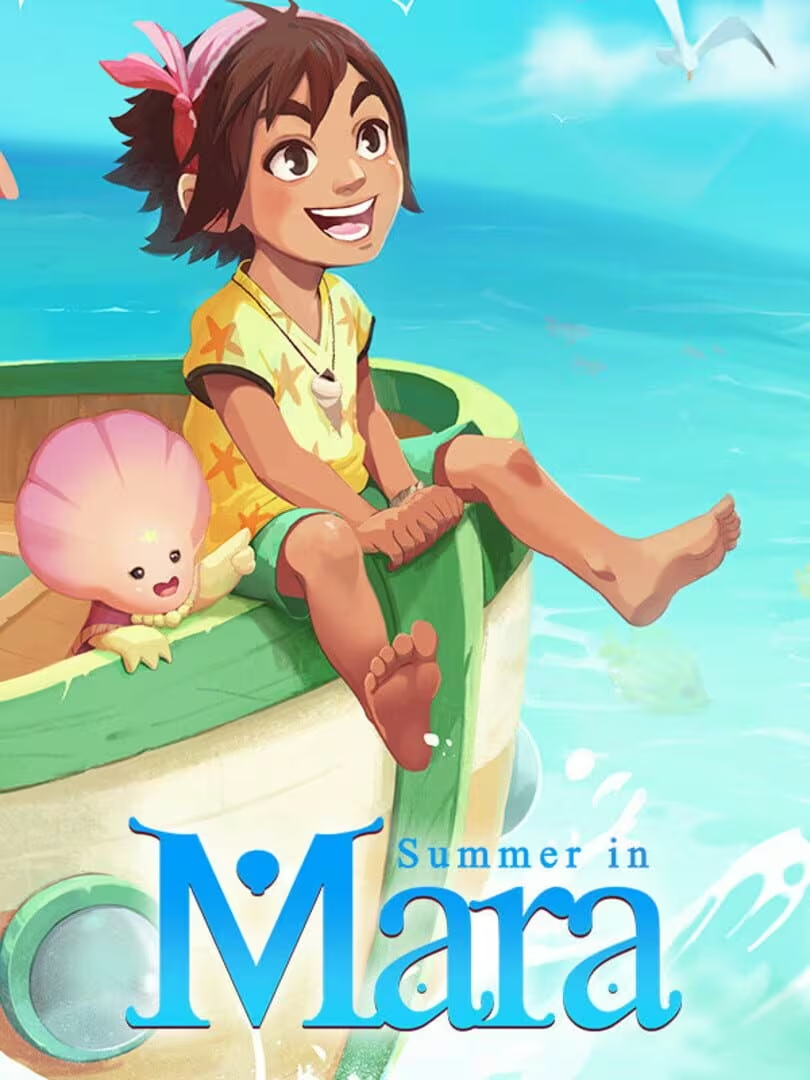
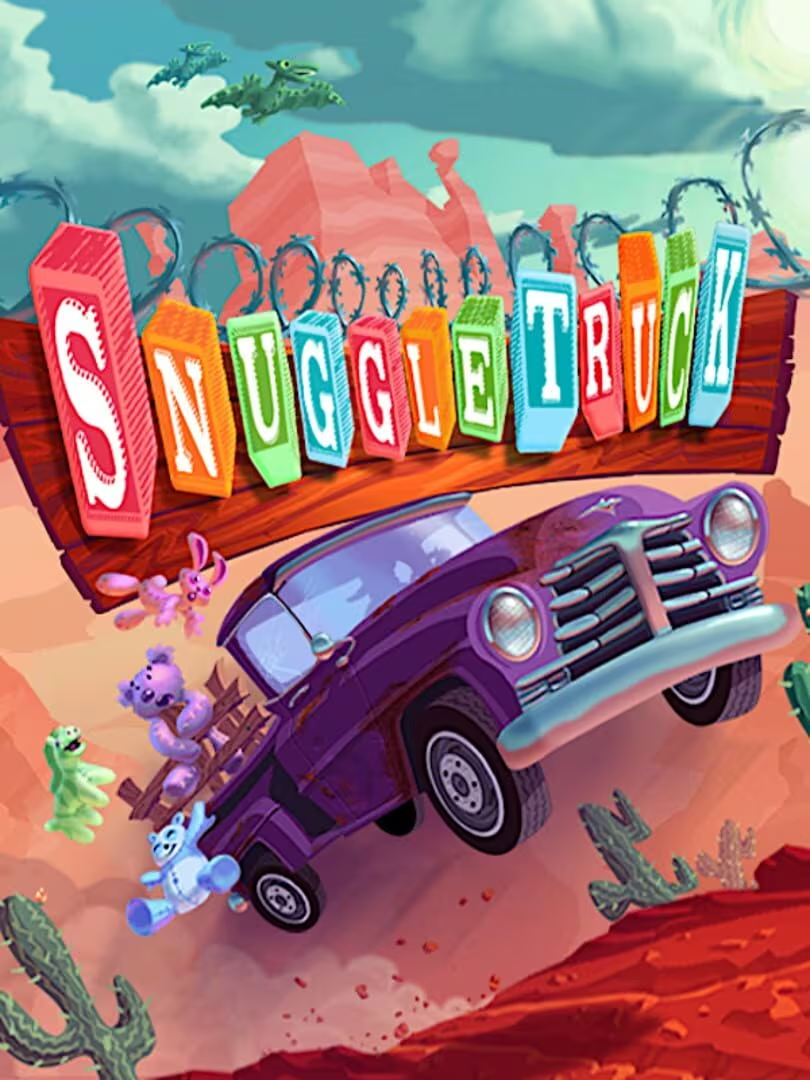
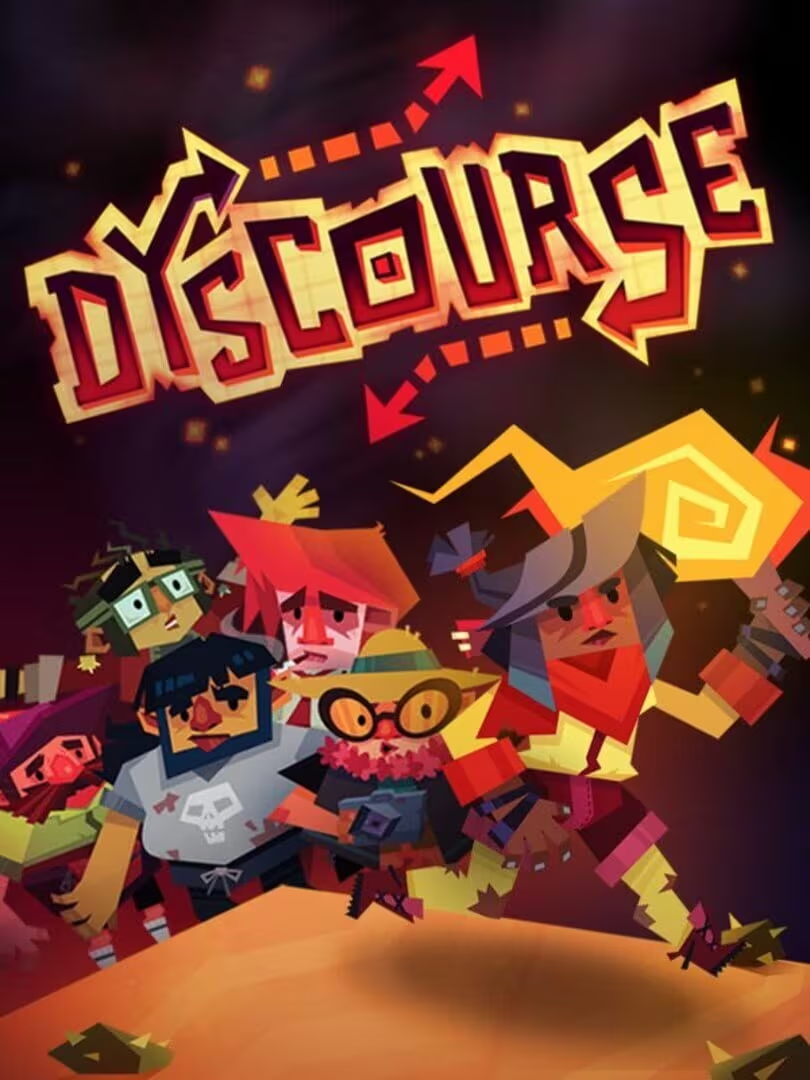
Vacation Simulator Thumbnail

Vacation Simulator similar games & best alternatives
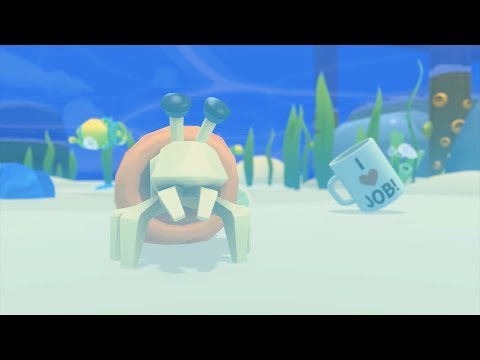
Vacation Simulator

PC (Microsoft Windows), PlayStation VR, SteamVR, Oculus Quest, visionOS, Windows Mixed Reality, PlayStation VR2, Oculus Rift, Meta Quest 2 • 2019

Related articles

Quick resume

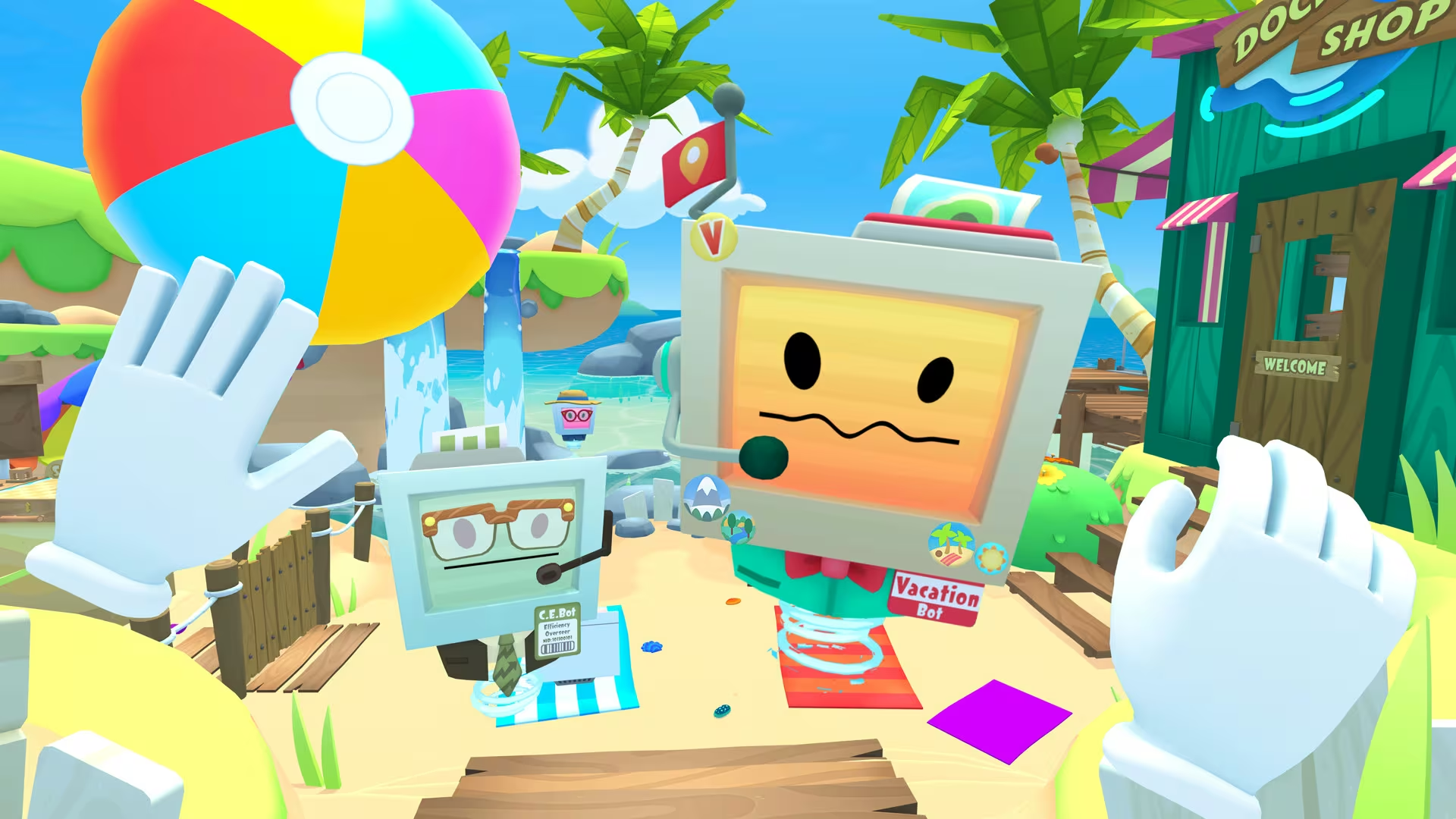
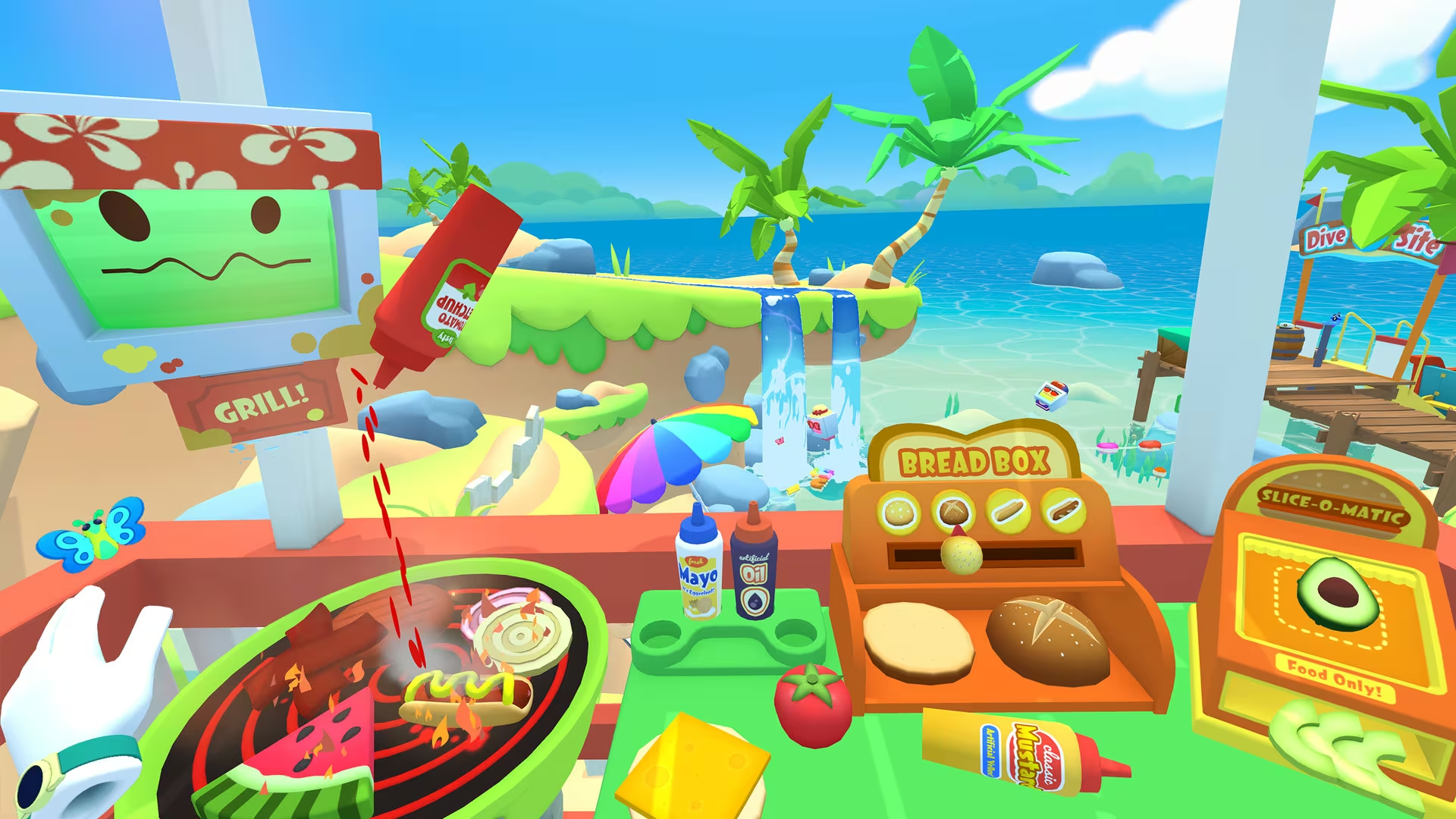
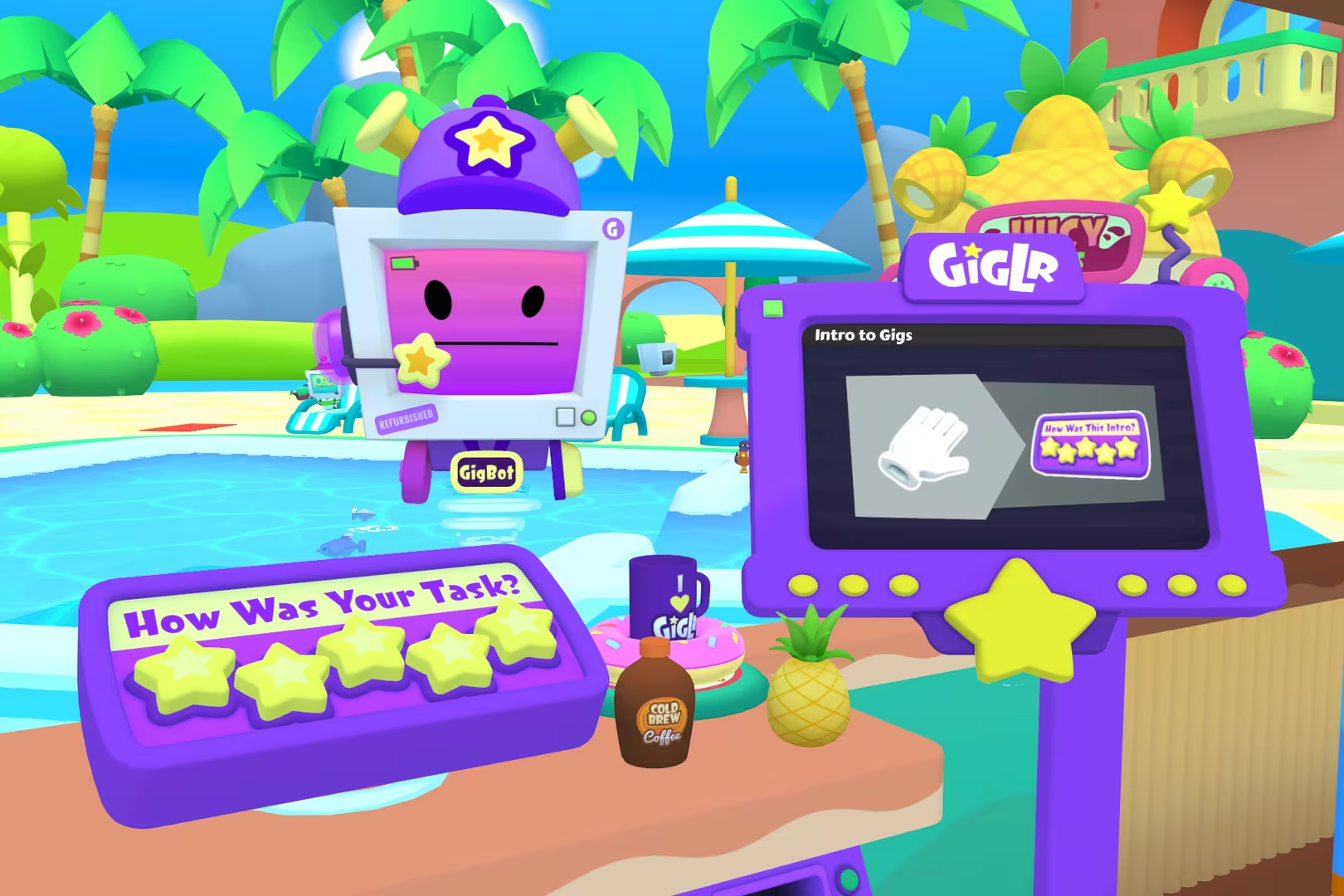
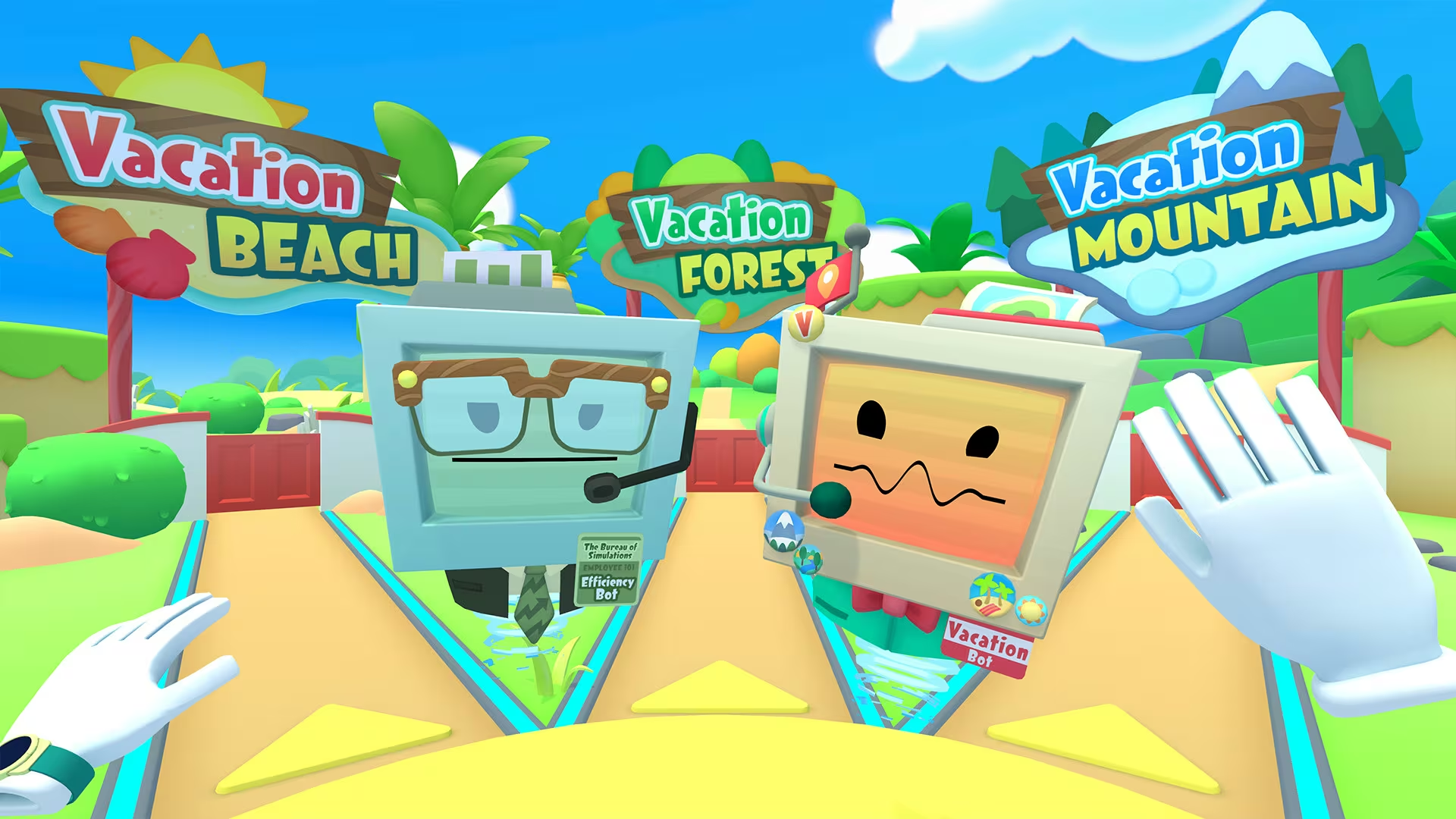
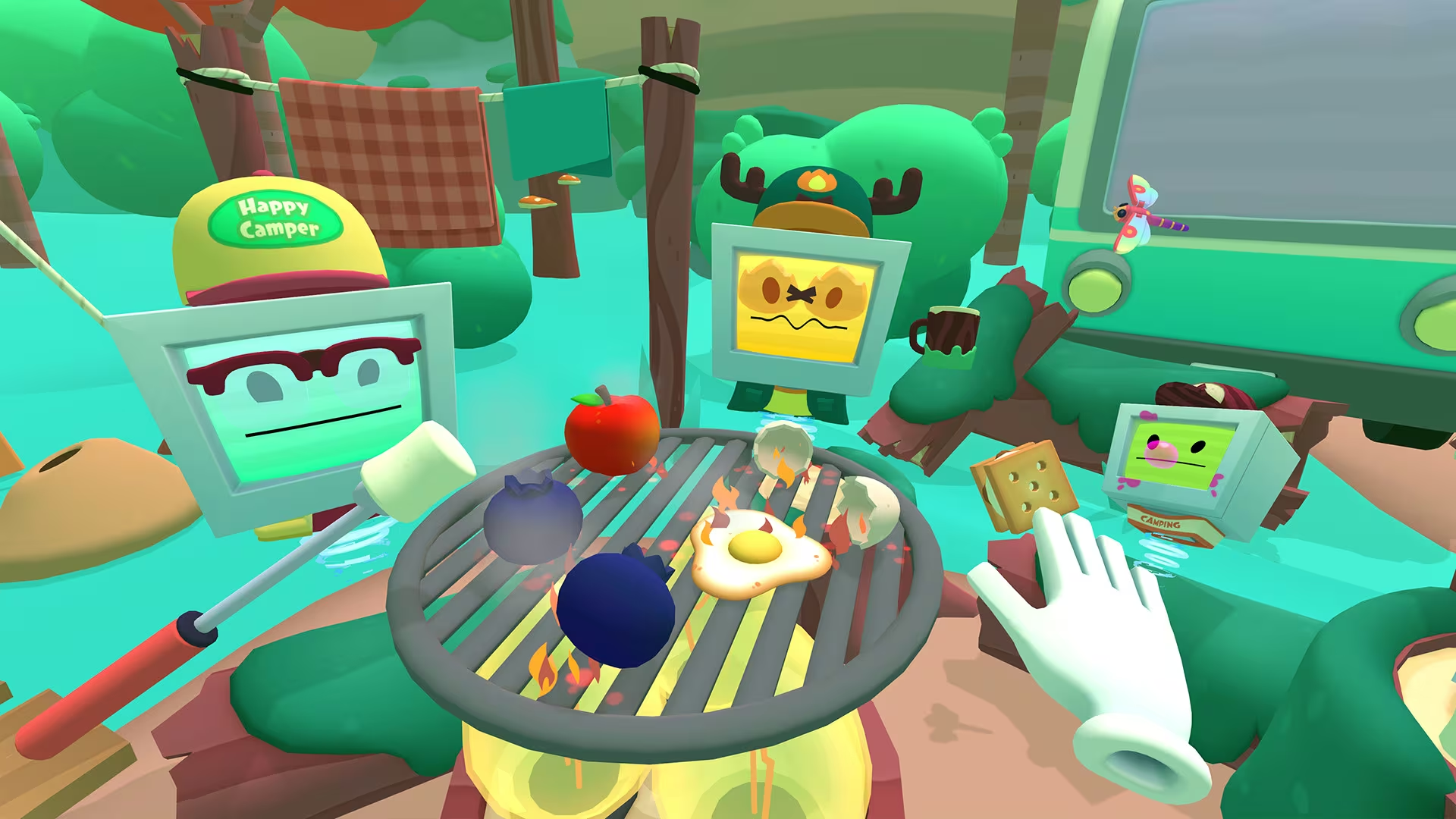
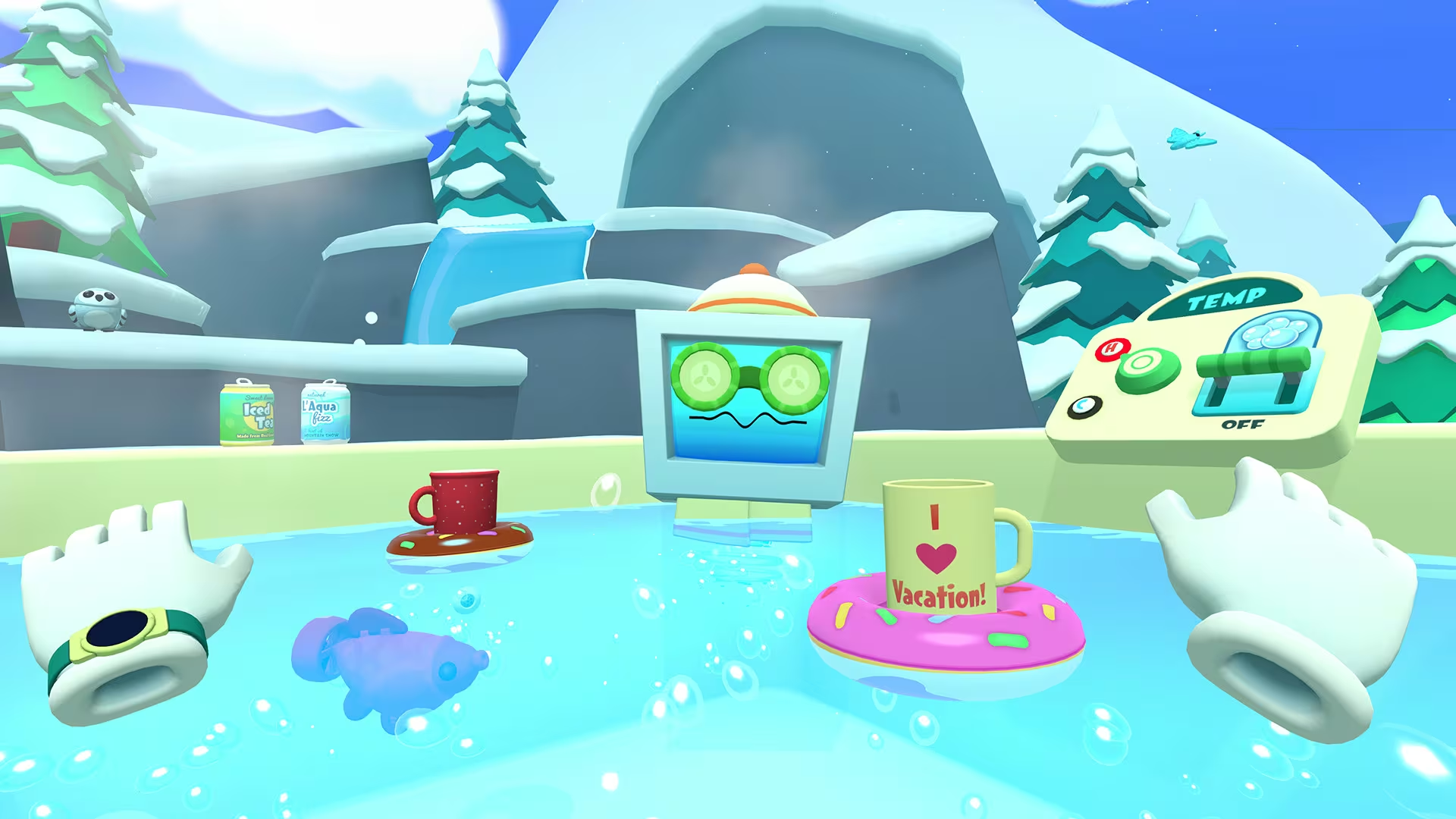
The latest VR sensation from the creators of ‘Job Simulator’, now with free DLC! Welcome to Vacation Simulator: a rough approximation of VACATION inspired by real human NOT JOBBING. Reallocate your bandwidth and get ready to splash, s’more, snowball, and selfie your way to optimal relaxation.

Global score

91/100

Genres

Action, Adventure, Simulator, Puzzle

Similar games

    Pros

    • Fun and accessible for all ages
    • Large variety of interactive activities
    • Relaxing and humorous atmosphere
    • Good vr immersion and polish
    • Longer playtime than predecessor

    Cons

    • Some repetitive tasks
    • Limited social or multiplayer features
    • Minor issues with item respawning
    • Price considered high by some
    • Some puzzles can be challenging or unintuitive

    Analysis

    Broadly representative of its motivational profile, with a few distinct shifts. Motivations that often define this kind of title include Intimacy, Survival, Violence, Competition. It leans lower than usual among comparable games on Intimacy, Thrill, Fellowship.

    How to use the graph
    Similar games map

    Each dot is a game. They are arranged from the same motivation profile as in the “Motivations” section below. Closer dots usually mean more similar reasons to play (exploration, competition, relaxation, etc.)—not that one game is “better” than another.

    • Larger dot with a light outline: the game you are viewing.
    • Colour: groups of games with comparable motivation patterns (statistical clusters).
    • Hover a dot to see the game name; click to open its page.
    • Scroll or double-click the chart to zoom out and see more games.

    Why don’t the axes read like a score? This view uses t-SNE: it only keeps who is close to whom. The scales are not “good to bad” or hours played—they separate groups on the map. Read distance between dots, not the axis numbers.

    Motivations

    • Autonomy
      4

      "Players have freedom to explore multiple vacation areas, choose tasks, and interact with many objects in various ways."

    • Competence
      3

      "Game offers a range of skill-based puzzles and challenges with feedback, though some tasks are simple fetch quests."

    • Competition
      -4

      "Focus is on personal progression and exploration without leaderboards or direct player competition."

    • Continuation
      4

      "Many players report long play sessions and habitual engagement, including children playing for hours."

    • Cooperation
      -4

      "Gameplay is primarily single-player with no emphasis on teamwork or multiplayer collaboration."

    • Creativity
      4

      "Players can combine items, customize characters, and creatively solve puzzles in a sandbox environment."

    • Domination
      -5

      "Interactions are friendly and humorous with no evidence of exerting control or superiority over others."

    • Escapism
      5

      "Strongly oriented toward relaxation, stress relief, and immersive escape into a whimsical vacation world."

    • Expectation
      -4

      "Players engage voluntarily for fun and relaxation, with no obligation or external pressure reported."

    • Experimenting
      4

      "Encourages trying new tasks, exploring different areas, and experimenting with item combinations."

    • Exploration
      5

      "Game design emphasizes discovering new areas, unlocking locations, and finding hidden easter eggs."

    • Expression
      3

      "Character customization and ability to decorate or personalize the vacation hub support self-expression."

    • Fantasy
      4

      "Set in a futuristic robot world simulating human vacations with whimsical and imaginative elements."

    • Fellowship
      -3

      "Minimal social interaction; primarily a solo experience with limited community engagement."

    • Growth
      3

      "Players learn to solve puzzles and improve skills through increasingly complex mini-games."

    • Health
      -3

      "Sedentary VR play with limited physical activity; no emphasis on exercise or physical rehab."

    • Idle
      -4

      "Requires active attention and interaction; not designed for passive or background play."

    • Intimacy
      -4

      "No evidence of forming close relationships or emotional sharing; interactions are with bots."

    • Leadership
      -5

      "No leadership or group management roles; purely individual player experience."

    • Progression
      4

      "Players collect memories and unlock new areas, showing clear progression and achievement."

    • Relaxation
      5

      "Strong emphasis on relaxation, flow, and stress relief through playful and calming activities."

    • Sensation
      3

      "Enjoyable visuals, sound design, and tactile VR interactions provide sensory stimulation."

    • Status
      -4

      "No social status or recognition systems; achievements are personal and not publicly ranked."

    • Story
      2

      "Contains light narrative elements and lore that provide context but not a deep story focus."

    • Strategy
      2

      "Some puzzles require planning and problem solving, but many tasks are straightforward."

    • Thrill
      -3

      "Gameplay is low risk and calm, lacking suspense or intense emotional tension."

    • Value
      3

      "Players generally feel the game offers good content and replayability for the price."

    • Violence
      -5

      "No violent or destructive gameplay; interactions are constructive and playful."

    • Survival
      -5

      "No survival or threat avoidance mechanics; environment is safe and stable."

    Last update: 29/04/2026