Overlooting Thumbnail

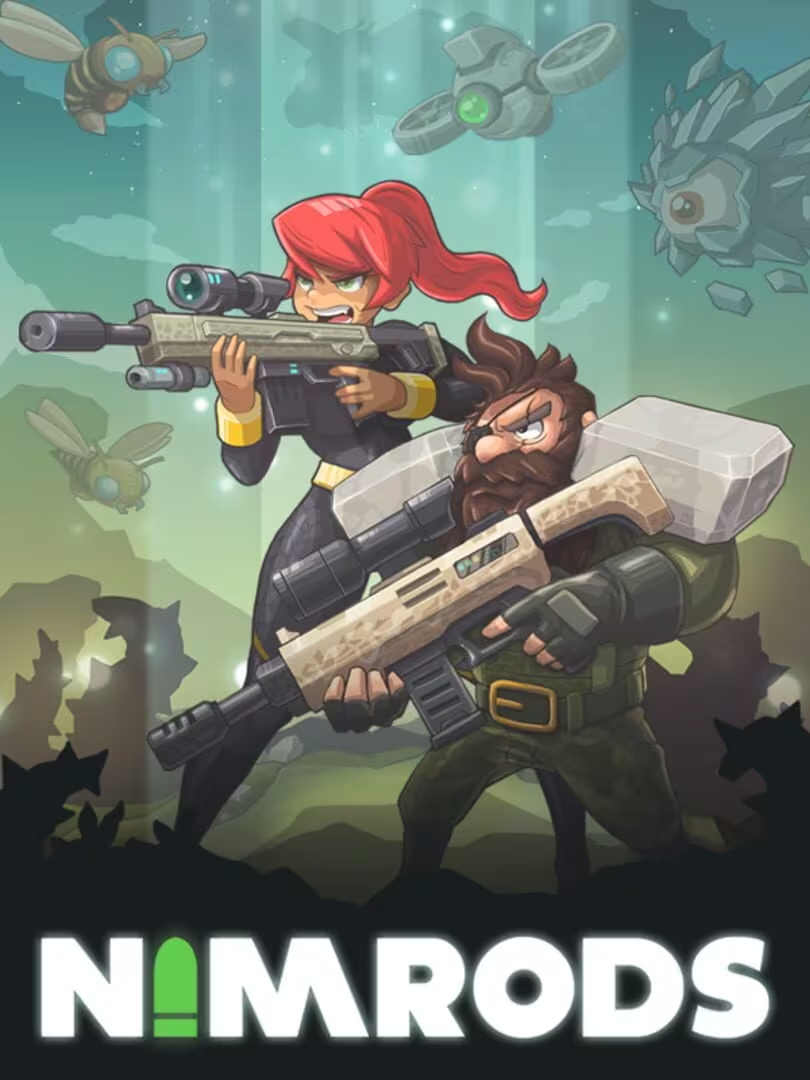
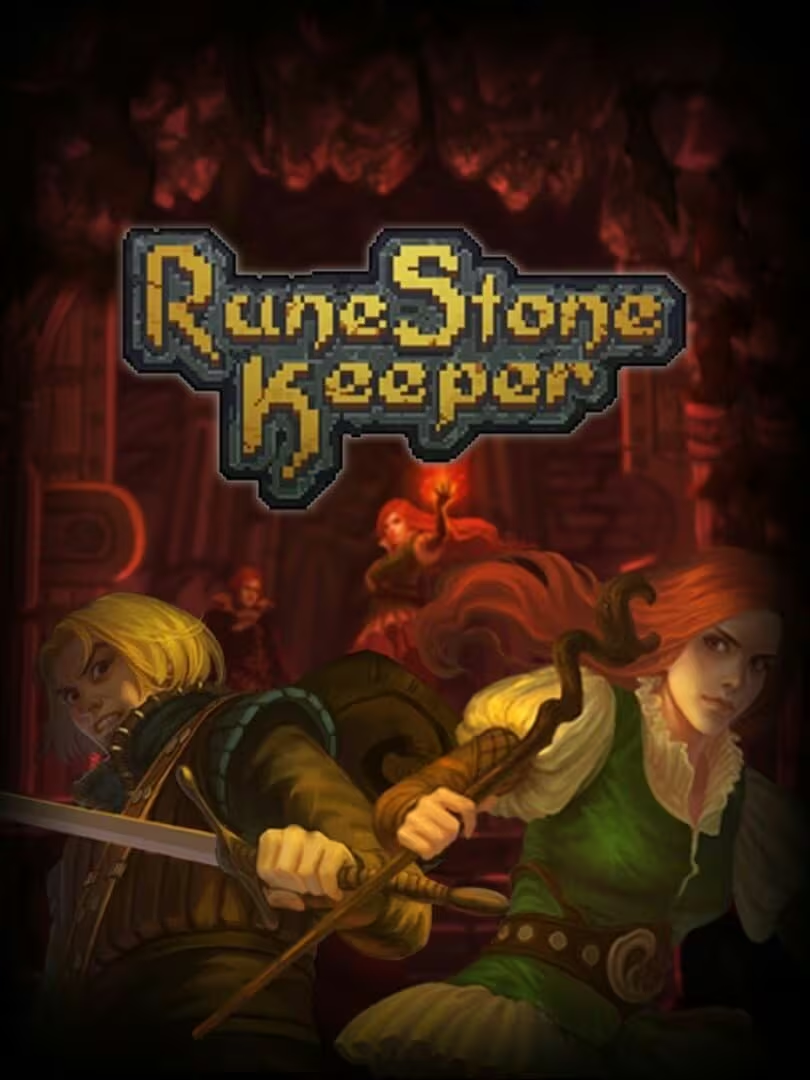
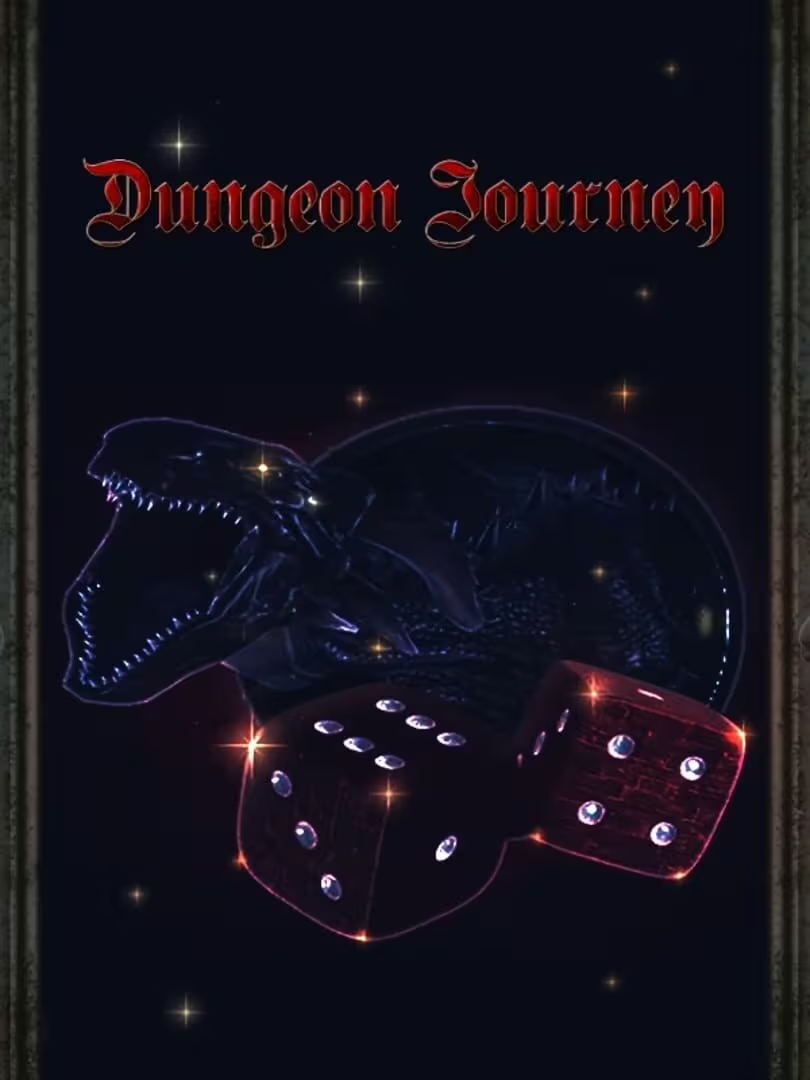
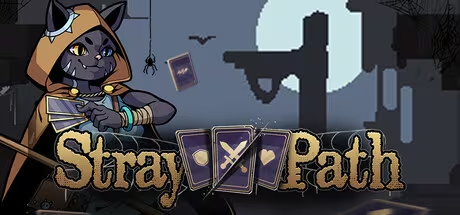
Overlooting similar games & best alternatives

Overlooting

PC (Microsoft Windows) • 2025

Related articles

Quick resume

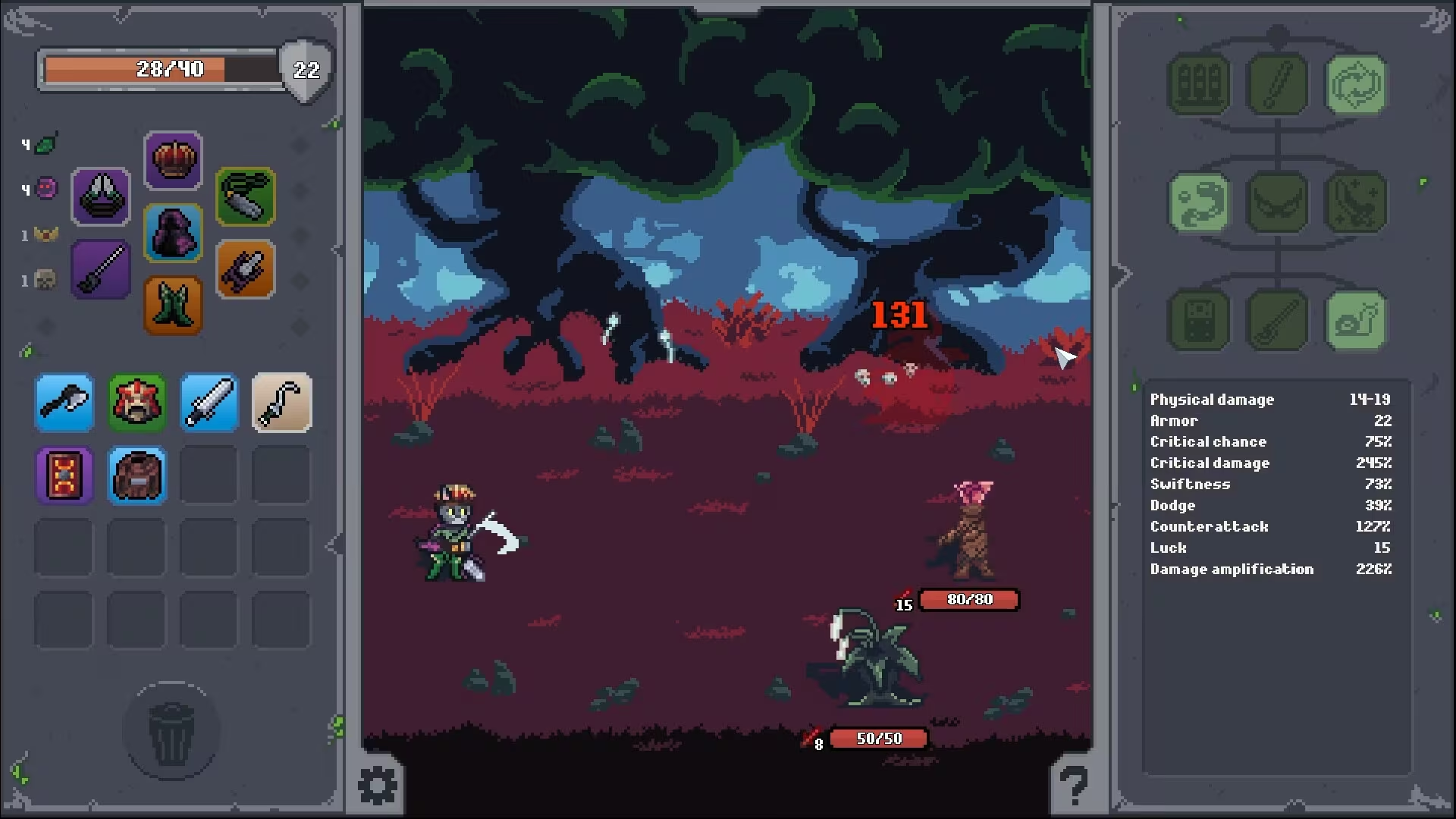
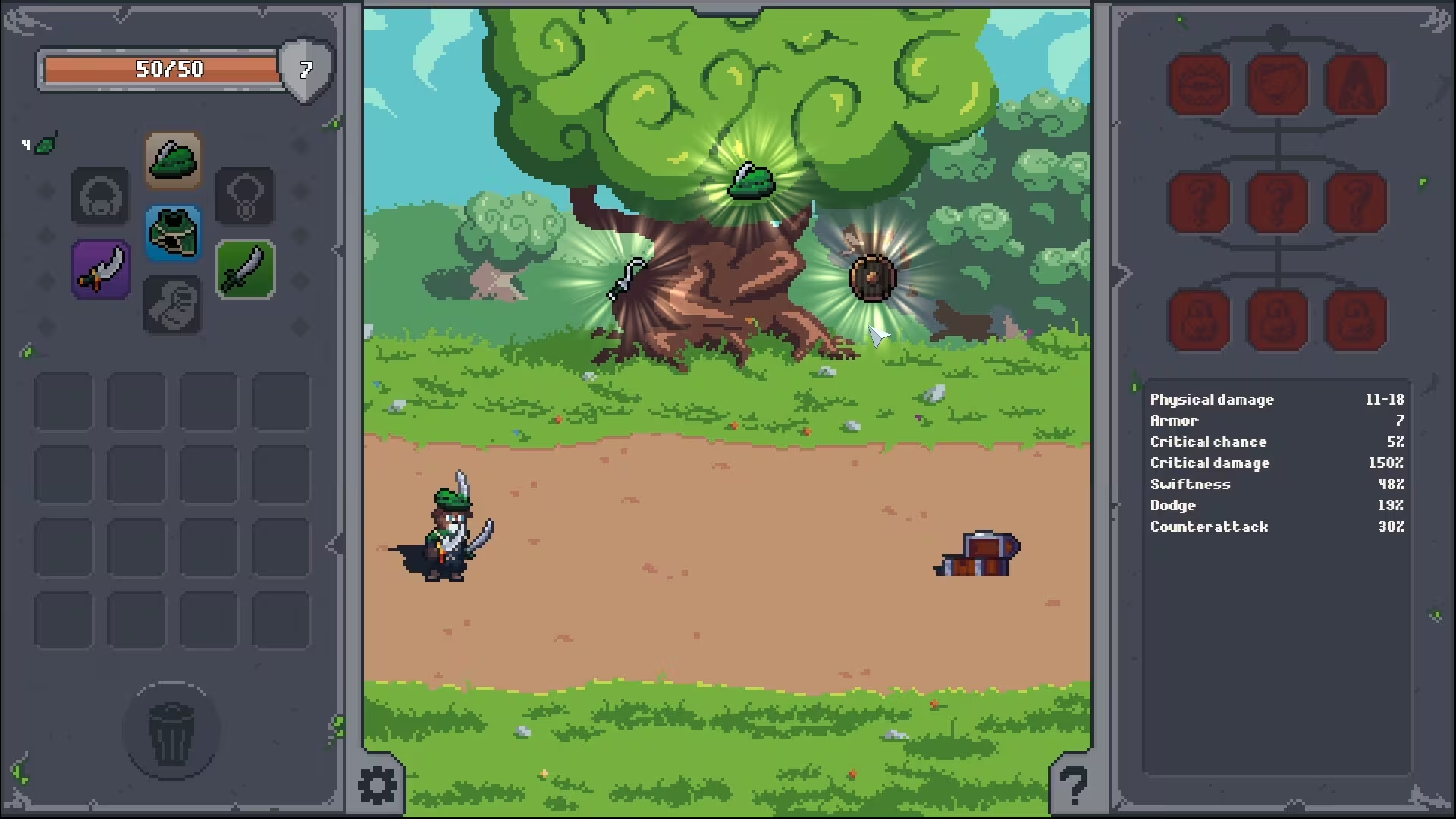
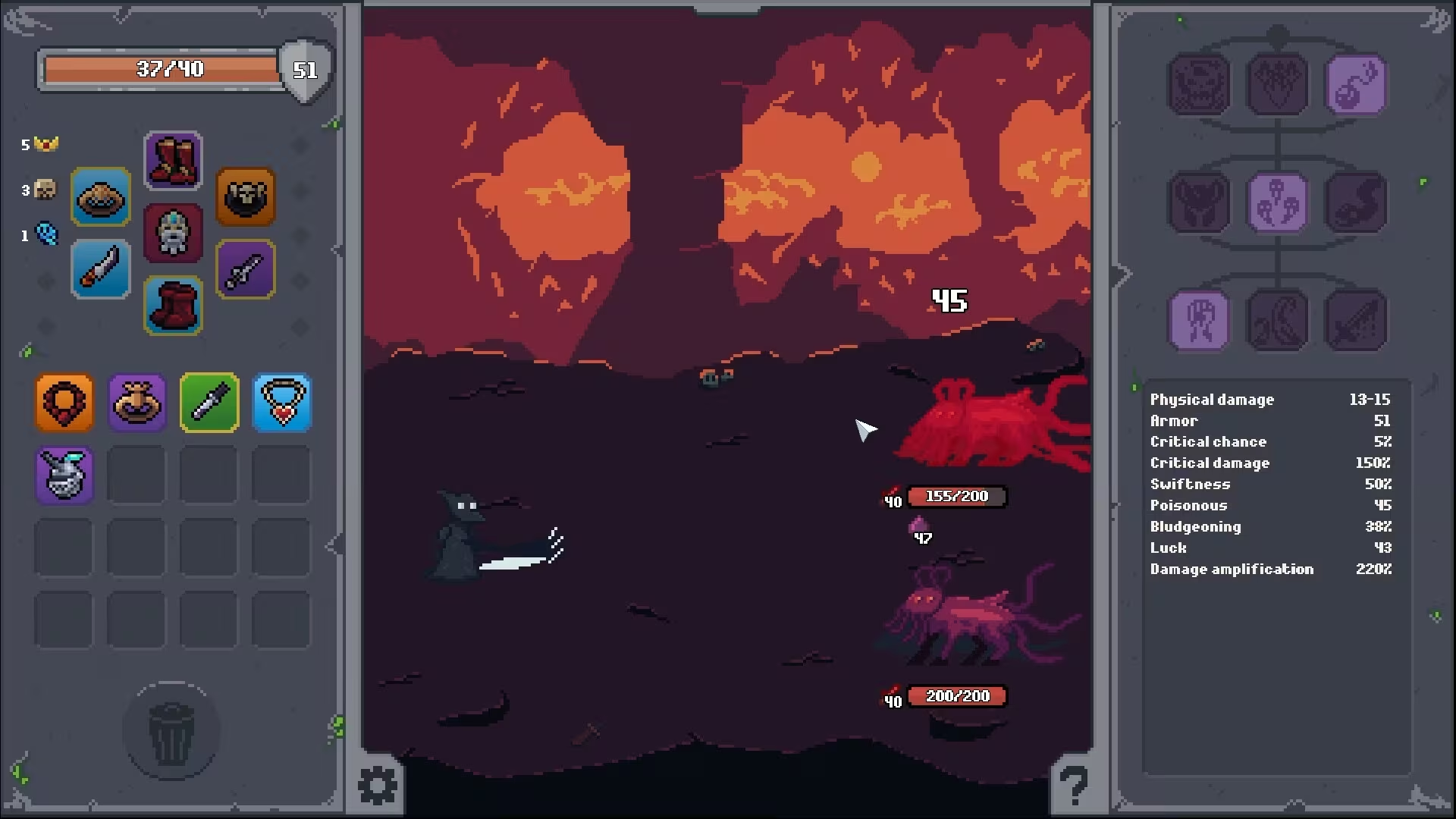
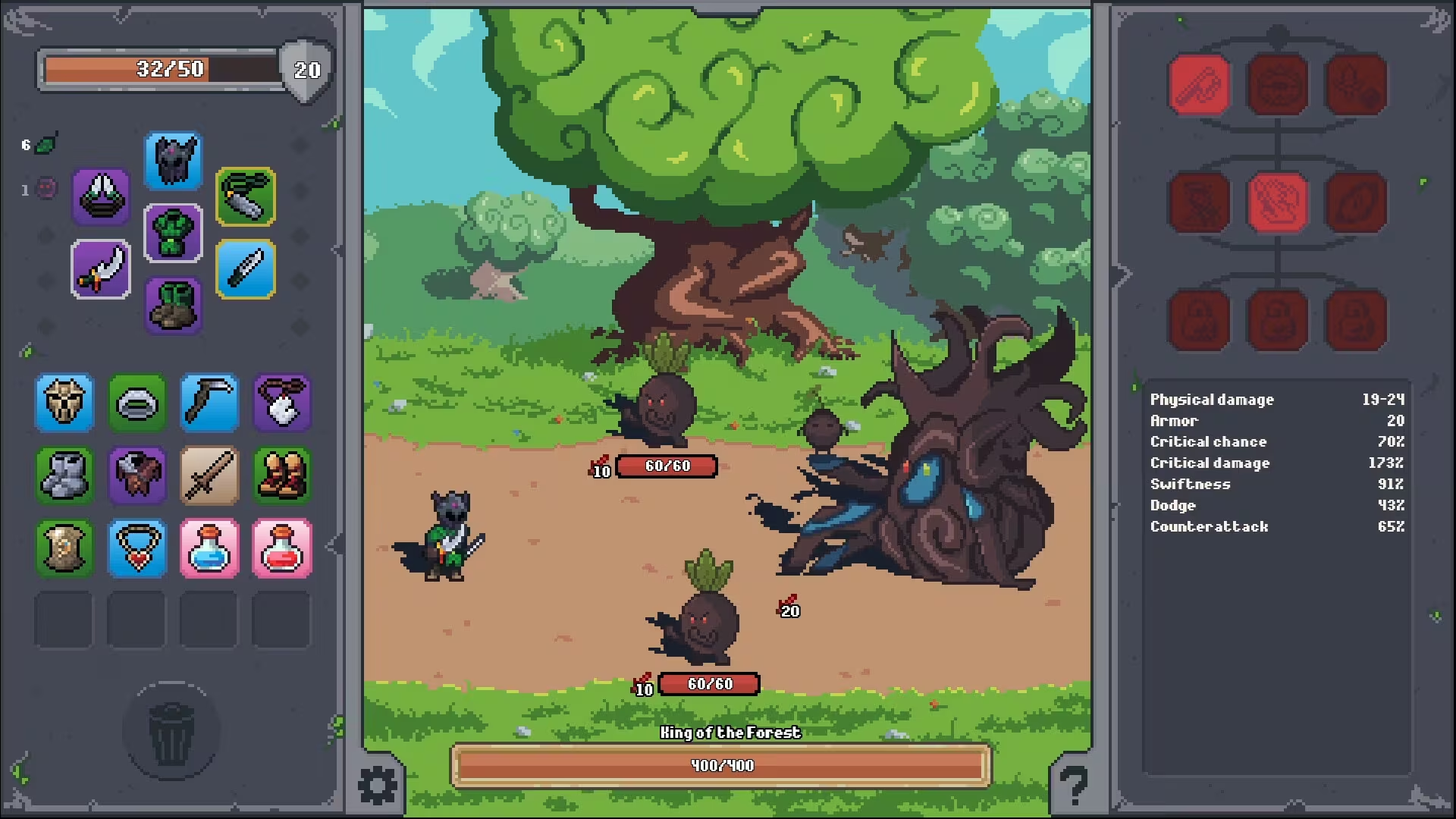
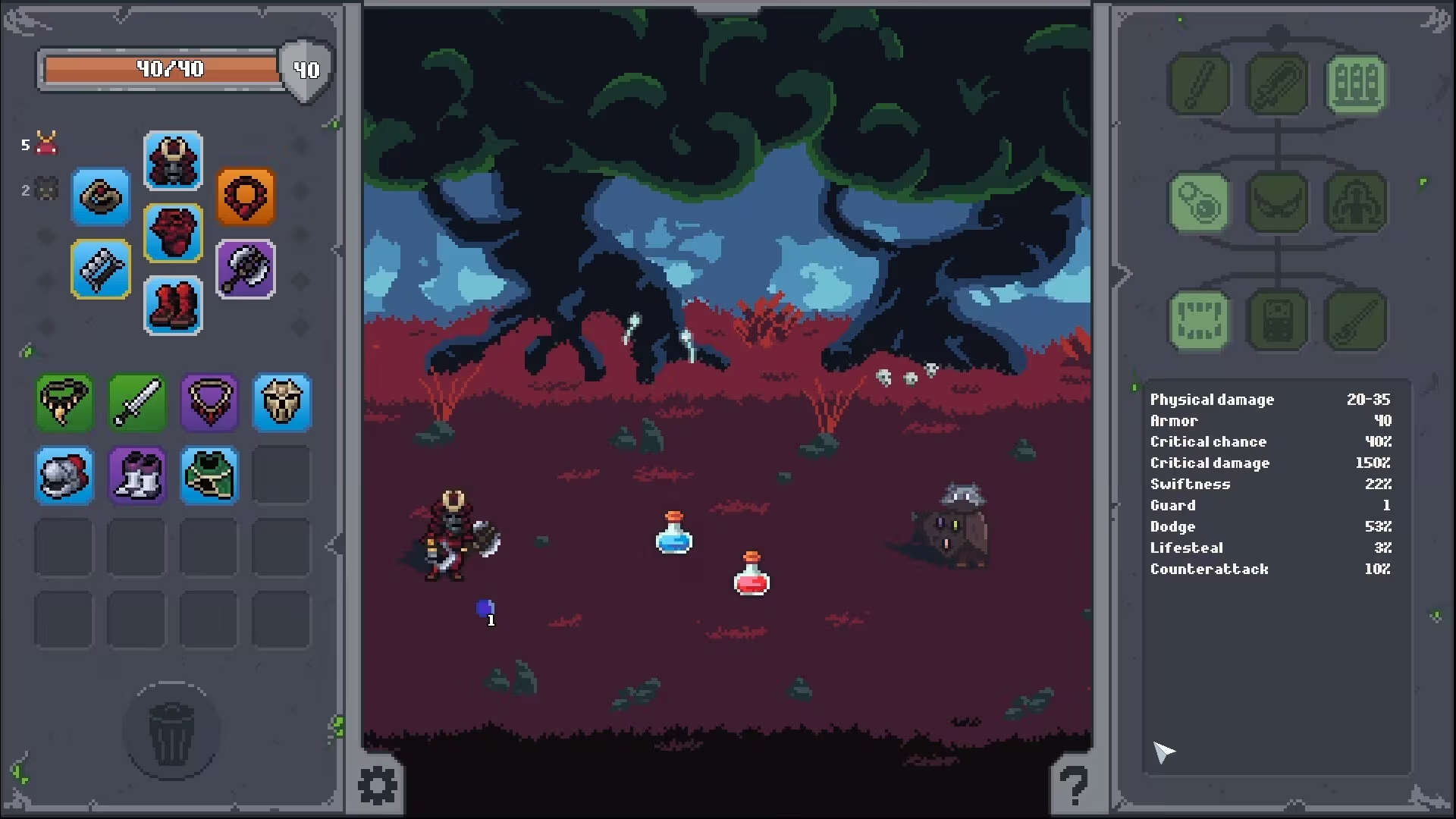
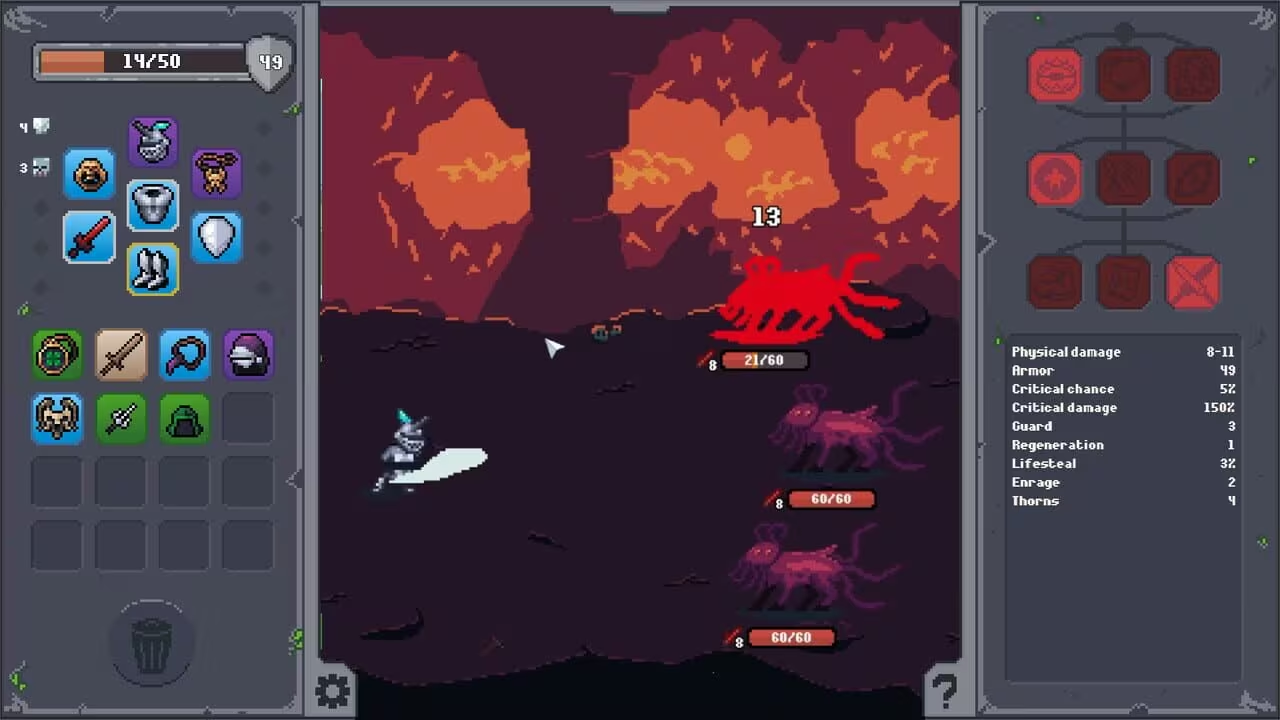
Adapt your strategy to a skill tree that changes every run, combine pieces of equipment to form powerful synergies and create a game-changing build capable of defeating the bosses that will try to stop you. In this Inventory Management Roguelike two games never feel the same!

Global score

81/100

Genres

Adventure, Role-playing (RPG), Strategy

Similar games

    Pros

    • Addictive and rewarding gameplay loop
    • Varied and deep build customization
    • Good value for price
    • Frequent updates and developer responsiveness
    • Challenging but fair difficulty scaling

    Cons

    • Heavy rng can frustrate some players
    • Limited content variety and replay modes
    • Some imbalance in character and gear viability
    • Lack of controller support and ui polish
    • Minimal narrative and social features

    Analysis

    Less representative of its motivational profile, with noticeable differences. Motivations that often define this kind of title include Fellowship, Cooperation, Leadership, Violence. Here, the score leans higher than usual among comparable games on Expression. It leans lower than usual among comparable games on Story, Exploration.

    How to use the graph
    Similar games map

    Each dot is a game. They are arranged from the same motivation profile as in the “Motivations” section below. Closer dots usually mean more similar reasons to play (exploration, competition, relaxation, etc.)—not that one game is “better” than another.

    • Larger dot with a light outline: the game you are viewing.
    • Colour: groups of games with comparable motivation patterns (statistical clusters).
    • Hover a dot to see the game name; click to open its page.
    • Scroll or double-click the chart to zoom out and see more games.

    Why don’t the axes read like a score? This view uses t-SNE: it only keeps who is close to whom. The scales are not “good to bad” or hours played—they separate groups on the map. Read distance between dots, not the axis numbers.

    Motivations

    • Autonomy
      4

      "Players can choose characters, builds, and adapt strategies each run with randomized skill trees and loot, allowing significant control over playstyle."

    • Competence
      3

      "The game offers skill-based challenges with strategic build optimization and decision-making, though RNG influences outcomes."

    • Competition
      -3

      "Focus is on personal progression and experimentation rather than direct player-vs-player competition or leaderboards."

    • Continuation
      4

      "Many players report long play sessions and habitual engagement due to addictive gameplay loop and replayability."

    • Cooperation
      -5

      "Single-player experience with no cooperative multiplayer elements mentioned."

    • Creativity
      4

      "Strong emphasis on experimenting with item sets, builds, and skill combinations to create unique playstyles."

    • Domination
      -5

      "No evidence of exerting control over others; gameplay is individual and self-directed."

    • Escapism
      3

      "Players use the game as a relaxing distraction and stress relief, enjoying its addictive and immersive loop."

    • Expectation
      -4

      "Players engage voluntarily out of intrinsic interest and enjoyment, not due to obligation or pressure."

    • Experimenting
      4

      "Game encourages trying new builds, adapting to randomized skill trees and loot, and exploring synergies."

    • Exploration
      1

      "Some procedural generation and discovery of item synergies, but limited environmental exploration."

    • Expression
      3

      "Players customize builds and item loadouts extensively, expressing personal playstyle through gear choices."

    • Fantasy
      3

      "Set in a fantasy roguelite world with characters having unique abilities and mythical items."

    • Fellowship
      -5

      "No social or community gameplay elements; experience is solitary."

    • Growth
      3

      "Players develop skills in build optimization and strategic decision-making, unlocking characters and abilities."

    • Health
      -5

      "Typical sedentary gameplay with no physical activity or health-related features."

    • Idle
      -4

      "Requires active attention and strategic thinking; not designed for passive or background play."

    • Intimacy
      -5

      "No close social interactions or relationship-building features."

    • Leadership
      -5

      "No leadership or group management mechanics present."

    • Progression
      4

      "Strong progression through item collection, set bonuses, character leveling, and difficulty tiers."

    • Relaxation
      3

      "Many players find the game relaxing and enjoyable, though some note tension from RNG and challenge."

    • Sensation
      2

      "Pixel art and sound design provide moderate sensory stimulation; gameplay excitement comes from strategy."

    • Status
      -5

      "No social recognition or status systems mentioned."

    • Story
      -3

      "Minimal narrative focus; gameplay centers on mechanics and progression rather than story immersion."

    • Strategy
      4

      "High emphasis on strategic planning, build synergy, and adapting to randomized skill trees and loot."

    • Thrill
      2

      "Some tension from RNG and challenging bosses, but overall controlled and manageable gameplay."

    • Value
      4

      "Players report high enjoyment and replay value relative to the low price point."

    • Violence
      1

      "Combat involves defeating enemies, but focus is more on strategy and loot than violent spectacle."

    • Survival
      3

      "Players manage resources and avoid failure through strategic gear and skill choices in progressively harder runs."

    Last update: 29/04/2026