Ancient Enemy similar games & best alternatives
Ancient Enemy
2020
Related articles
Quick resume
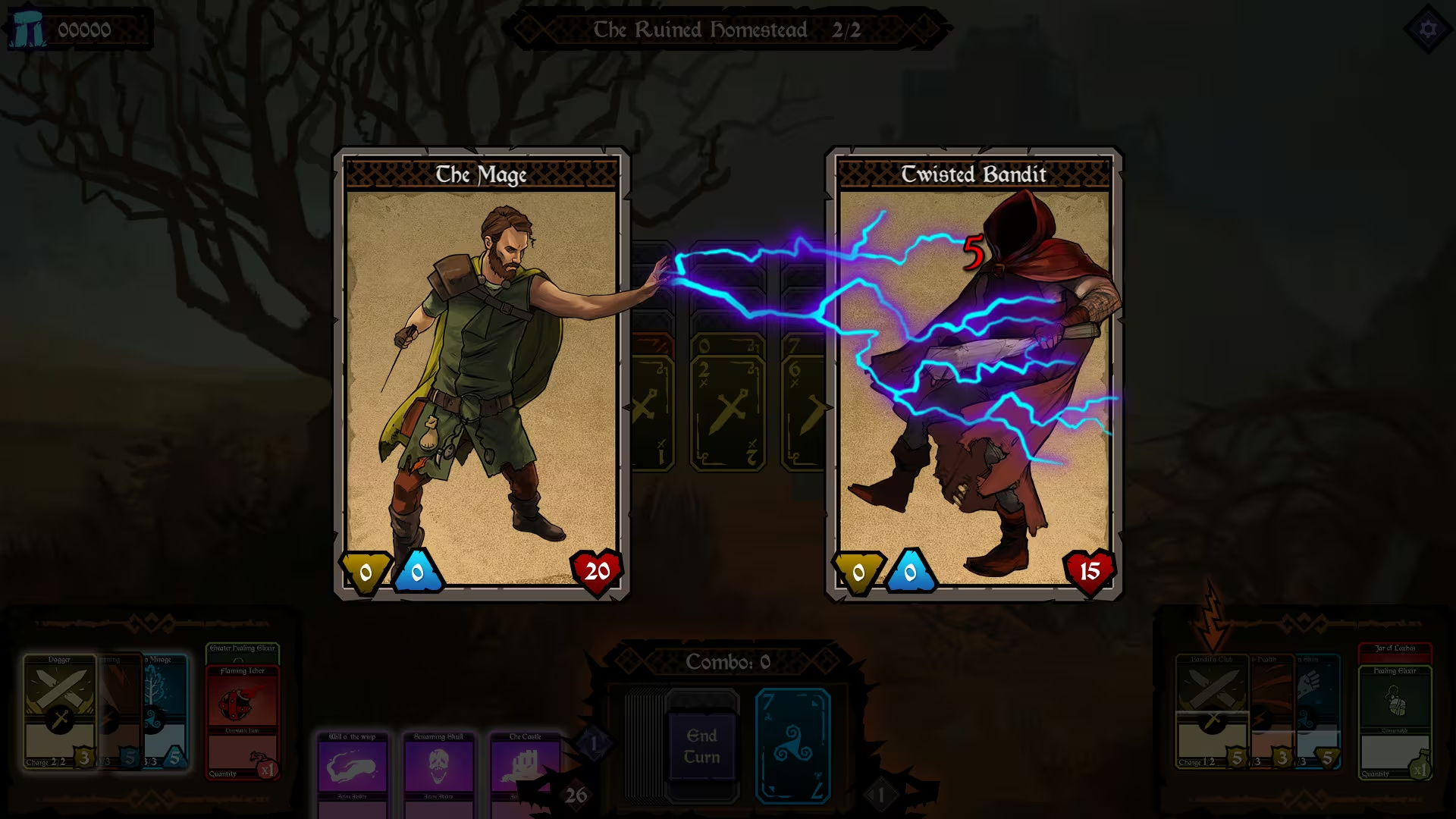
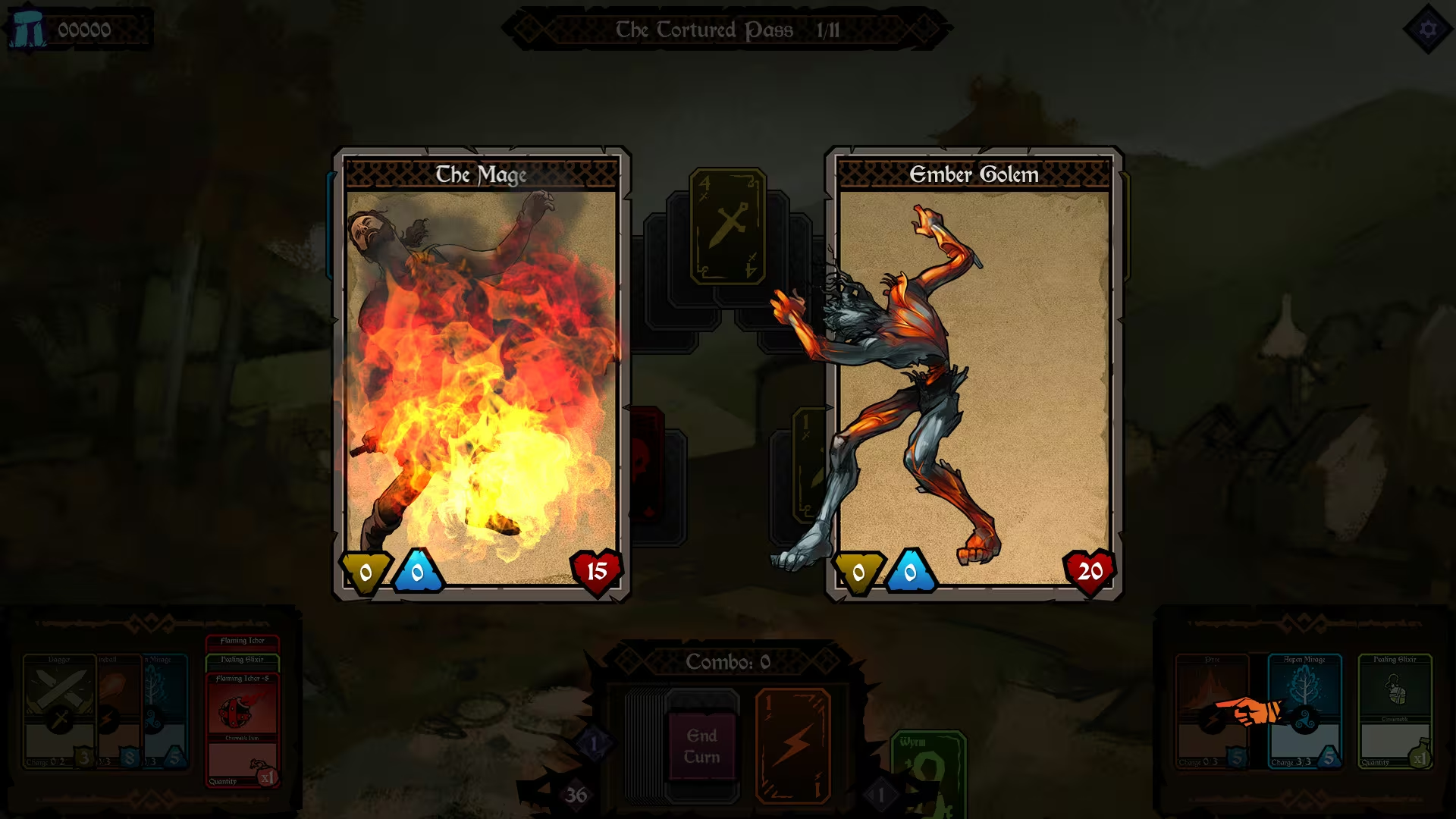
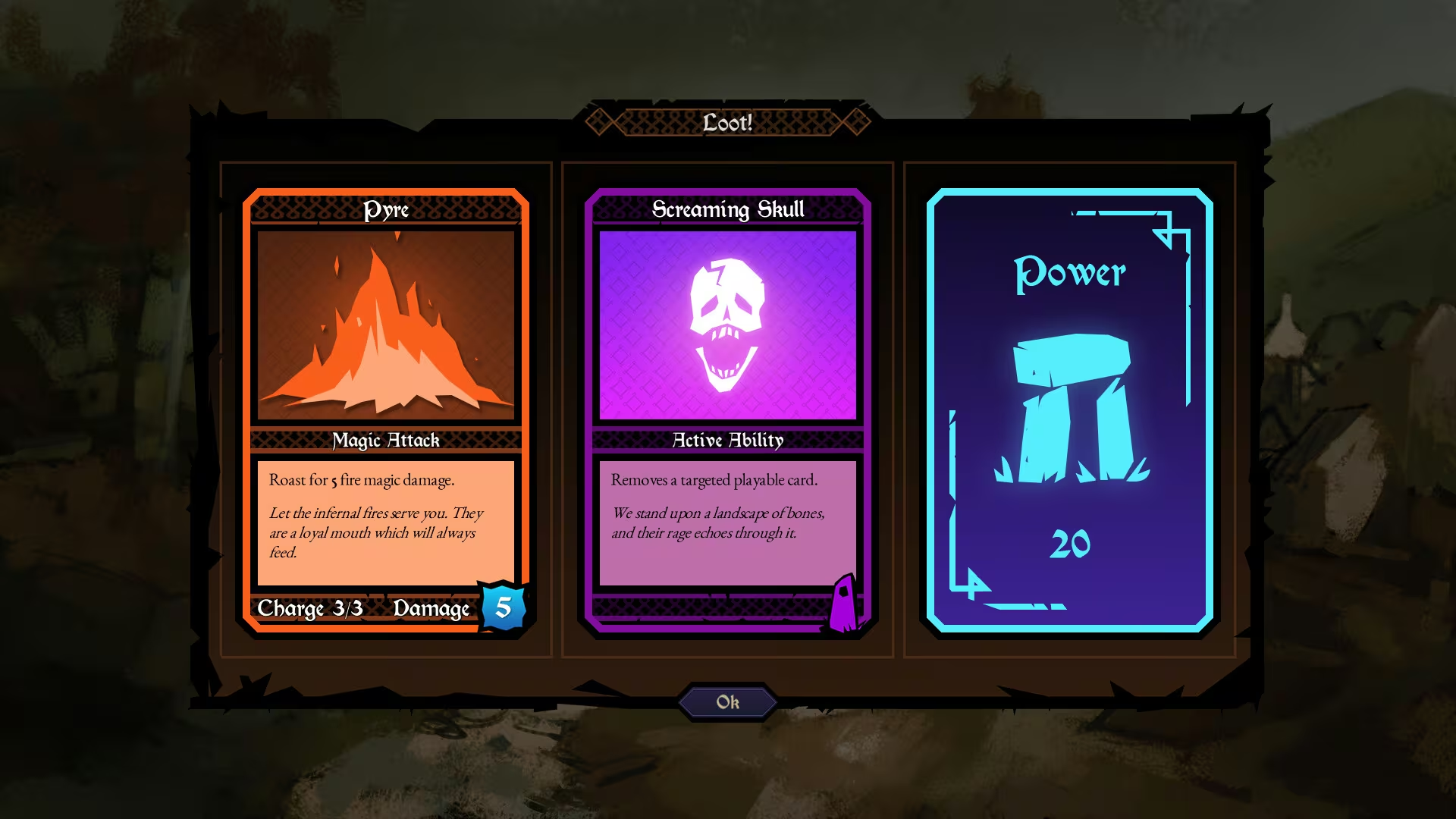
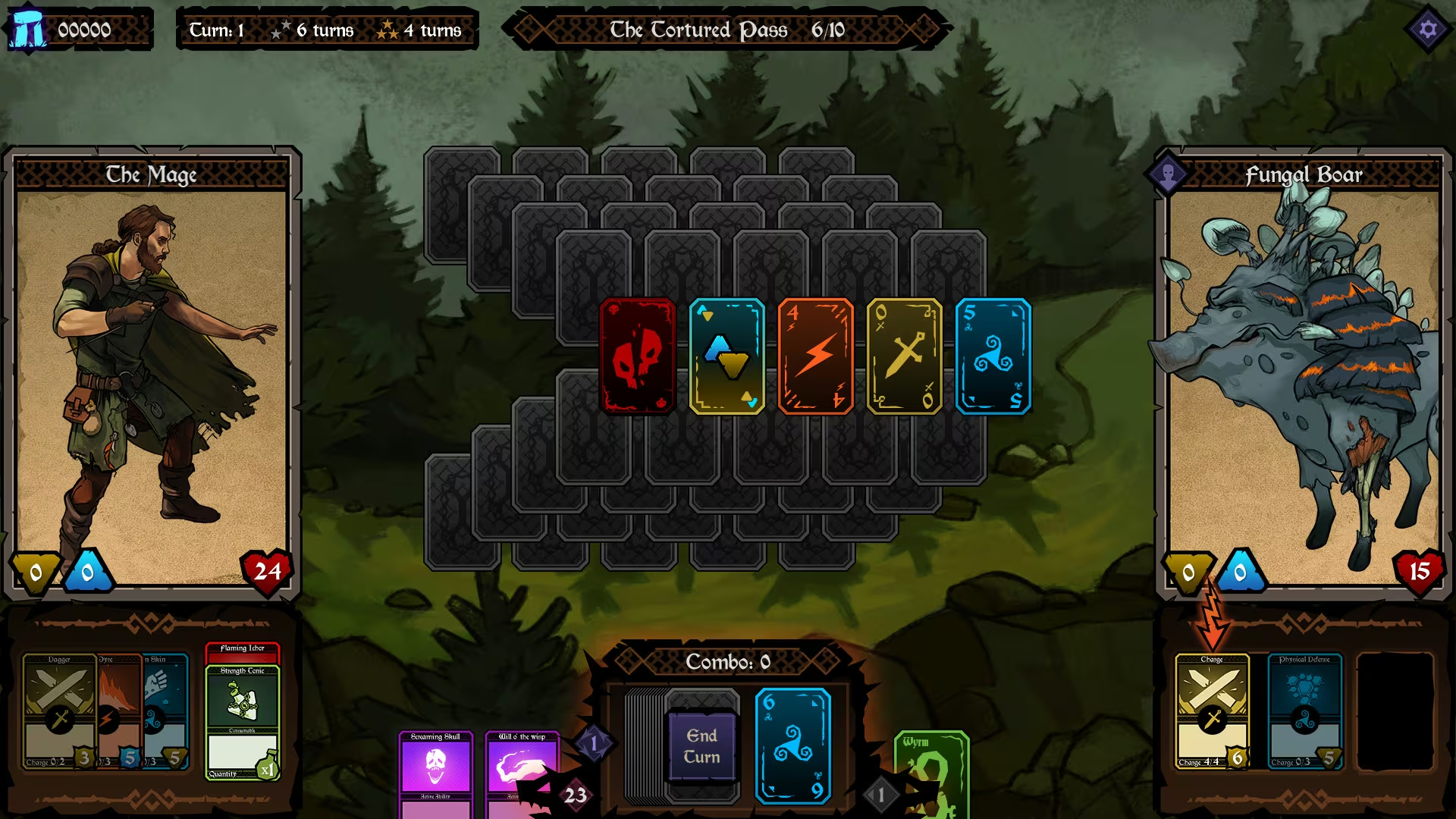
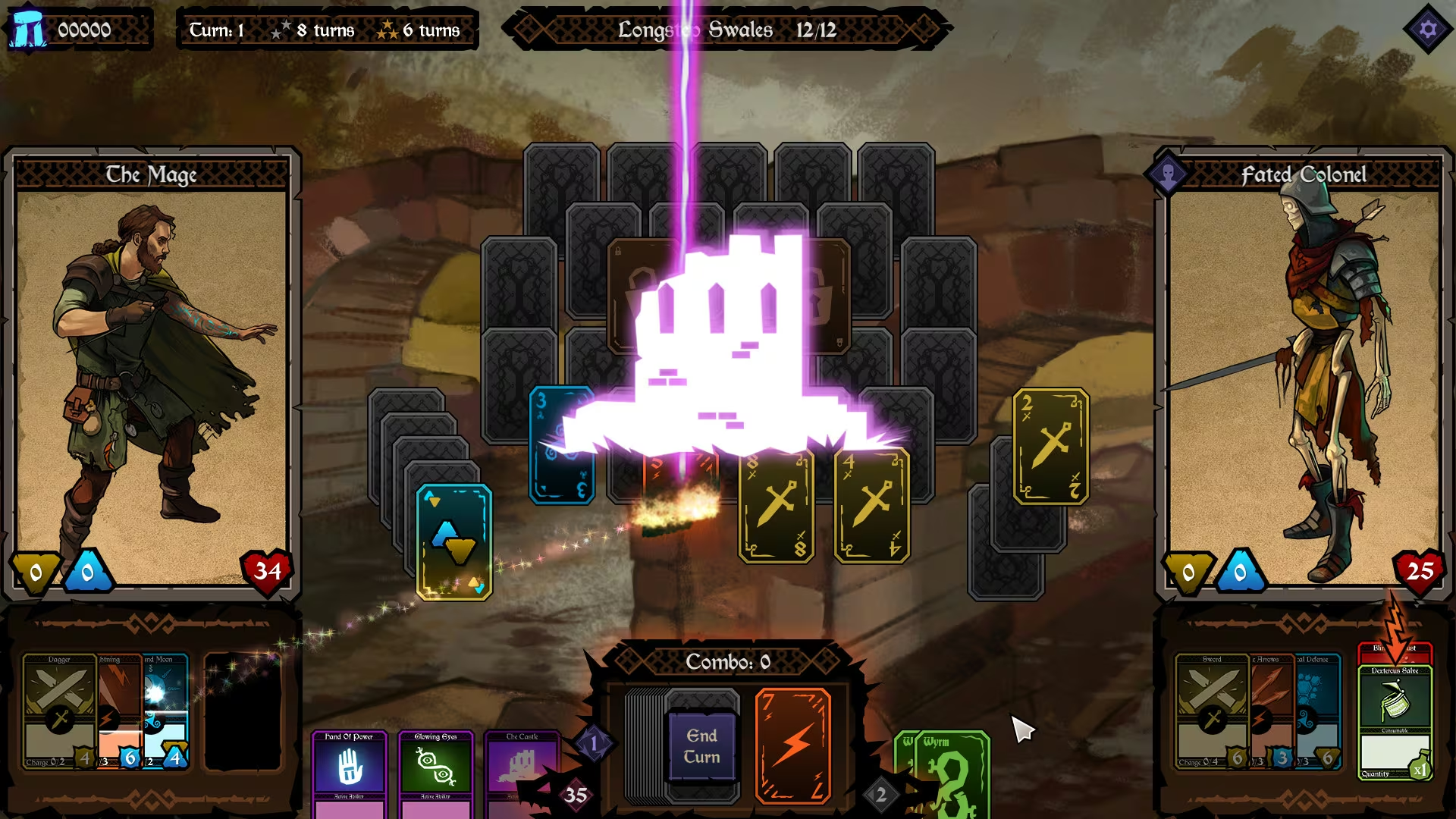
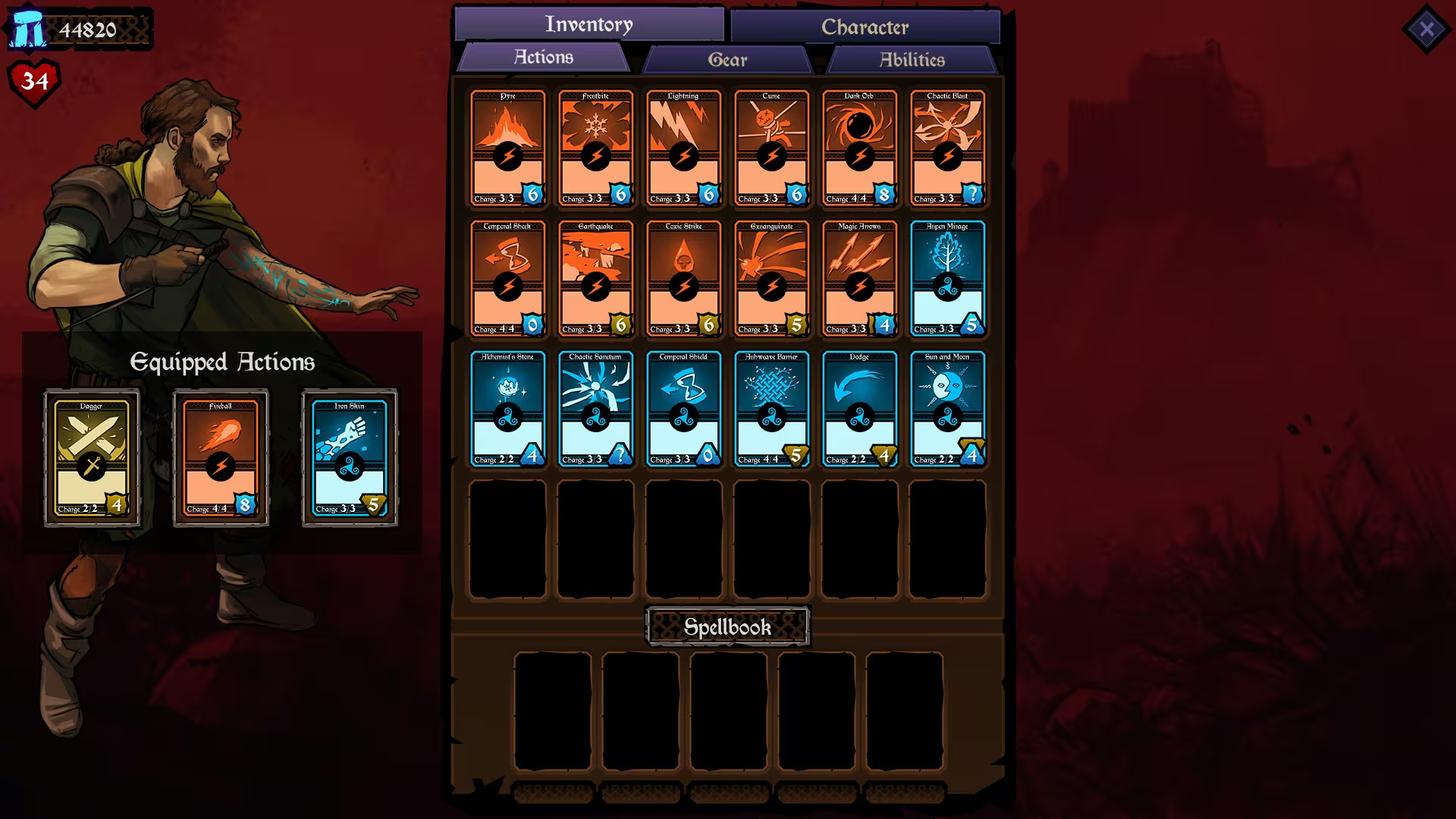
Ancient Enemy is an RPG card battler set in a crumbling world where the forces of evil have already won. Blast distorted enemies with a satisfying range of spells and abilities. Journey into a scarred wilderness and draw power and hope from the landscape to defeat the deadliest foe of all!
Global score
89/100
Genres
Indie, Role-playing (RPG), Strategy, Adventure, Turn-based strategy (TBS), Card & Board Game
Similar games
Pros
- Addictive and satisfying solitaire gameplay
- Strategic depth with skill trees and abilities
- Beautiful hand-painted art and atmospheric music
- Good value with many hours of content
- Accessible and relaxing for casual play
Cons
- Story is considered weak or underdeveloped by some
- Limited character customization options
- Repetitive enemy designs and lack of variety
- Some players find combat less challenging on lower difficulties
- No multiplayer or social features
Analysis
A very typical example of its motivational profile. Motivations that often define this kind of title include Fellowship, Cooperation, Leadership, Violence. Here, the score leans higher than usual among comparable games on Relaxation. It leans lower than usual among comparable games on Expression, Creativity.
How to use the graph
Similar games map
Each dot is a game. They are arranged from the same motivation profile as in the “Motivations” section below. Closer dots usually mean more similar reasons to play (exploration, competition, relaxation, etc.)—not that one game is “better” than another.
- Larger dot with a light outline: the game you are viewing.
- Colour: groups of games with comparable motivation patterns (statistical clusters).
- Hover a dot to see the game name; click to open its page.
- Scroll or double-click the chart to zoom out and see more games.
Why don’t the axes read like a score? This view uses t-SNE: it only keeps who is close to whom. The scales are not “good to bad” or hours played—they separate groups on the map. Read distance between dots, not the axis numbers.
Motivations
-
Autonomy3
"Players can choose skills, spells, gear, and abilities to customize their playstyle and strategy, allowing personal control over decisions."
-
Competence4
"The game involves strategic planning, managing combos, and tactical combat with feedback on performance and skill progression."
-
Competition-3
"Focus is on solo play against AI opponents with no direct player-vs-player competition or leaderboards."
-
Continuation3
"Players report addictive gameplay with long sessions and desire to replay on higher difficulties, indicating sustained engagement."
-
Cooperation-5
"The game is single-player only with no cooperative or multiplayer elements."
-
Creativity2
"Players can customize loadouts, choose skills and spells, and adapt strategies, but core solitaire mechanics remain fixed."
-
Domination-5
"No evidence of exerting control or superiority over other players; interactions are with AI opponents only."
-
Escapism4
"Players use the game as a relaxing distraction with immersive fantasy setting and atmospheric music."
-
Expectation-4
"Players engage voluntarily out of intrinsic interest and enjoyment rather than obligation or external pressure."
-
Experimenting3
"Players try different skill trees, spells, and gear combinations to optimize strategies and explore mechanics."
-
Exploration2
"The game features chapters and maps with new levels and enemies, encouraging some discovery within a structured environment."
-
Expression-2
"Limited character customization beyond skills and gear; no avatar personalization or cosmetic modifications."
-
Fantasy4
"Set in a fantasy world with magic, monsters, and a narrative involving a mage on a quest for revenge."
-
Fellowship-5
"No social or community features; gameplay is entirely solo."
-
Growth4
"Players level up, unlock skills, and improve abilities, reflecting personal development and learning."
-
Health-5
"Game is sedentary with no physical activity or health-related features."
-
Idle-3
"Requires focused attention during play; not designed for background or idle gaming."
-
Intimacy-5
"No social interactions or relationship-building elements."
-
LeadershipInsufficient data
-
Progression4
"Players accumulate items, cards, and upgrades through gameplay and experience points."
-
Relaxation4
"Players find the game relaxing and enjoyable, suitable for casual play and stress relief."
-
Sensation3
"Enjoyable art, music, and satisfying visual feedback contribute to sensory stimulation and fun."
-
Status-4
"No social recognition or ranking systems; achievements are personal and not publicly ranked."
-
Story2
"The game includes a narrative with story segments, though some players find it less engaging than previous titles."
-
Strategy4
"Gameplay requires strategic planning, resource management, and tactical decision-making."
-
Thrill2
"Some tension from managing health and timing attacks, but overall a calm and controlled experience."
-
Value4
"Players report good value for price with many hours of gameplay and replayability."
-
Violence2
"Combat involves defeating monsters with attacks and spells, but violence is stylized and fantasy-based."
-
Survival3
"Players manage health and resources to survive battles and progress through levels."
Last update: 29/04/2026