Mortal Glory similar games & best alternatives
Mortal Glory
2020
Related articles
Quick resume
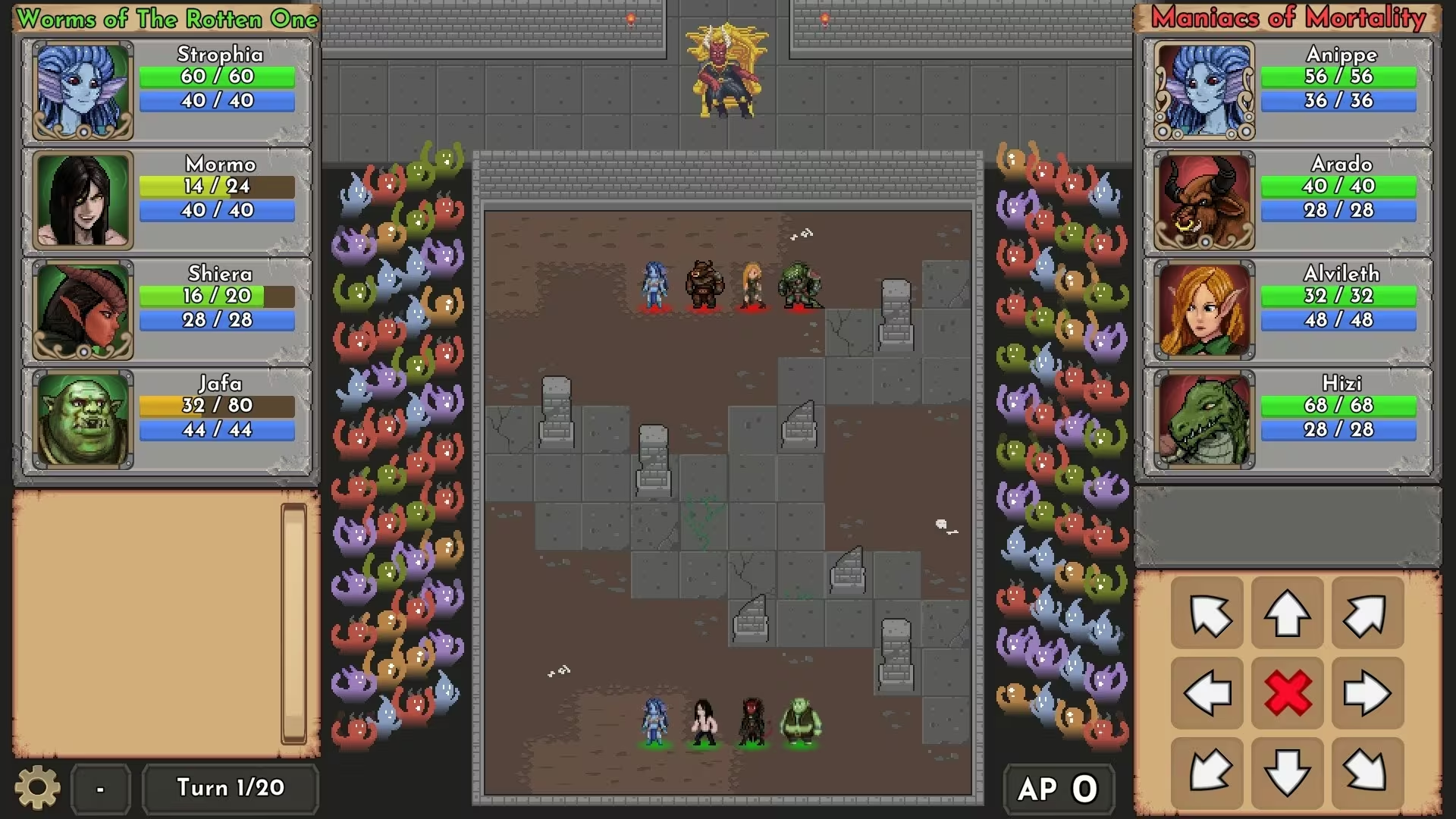
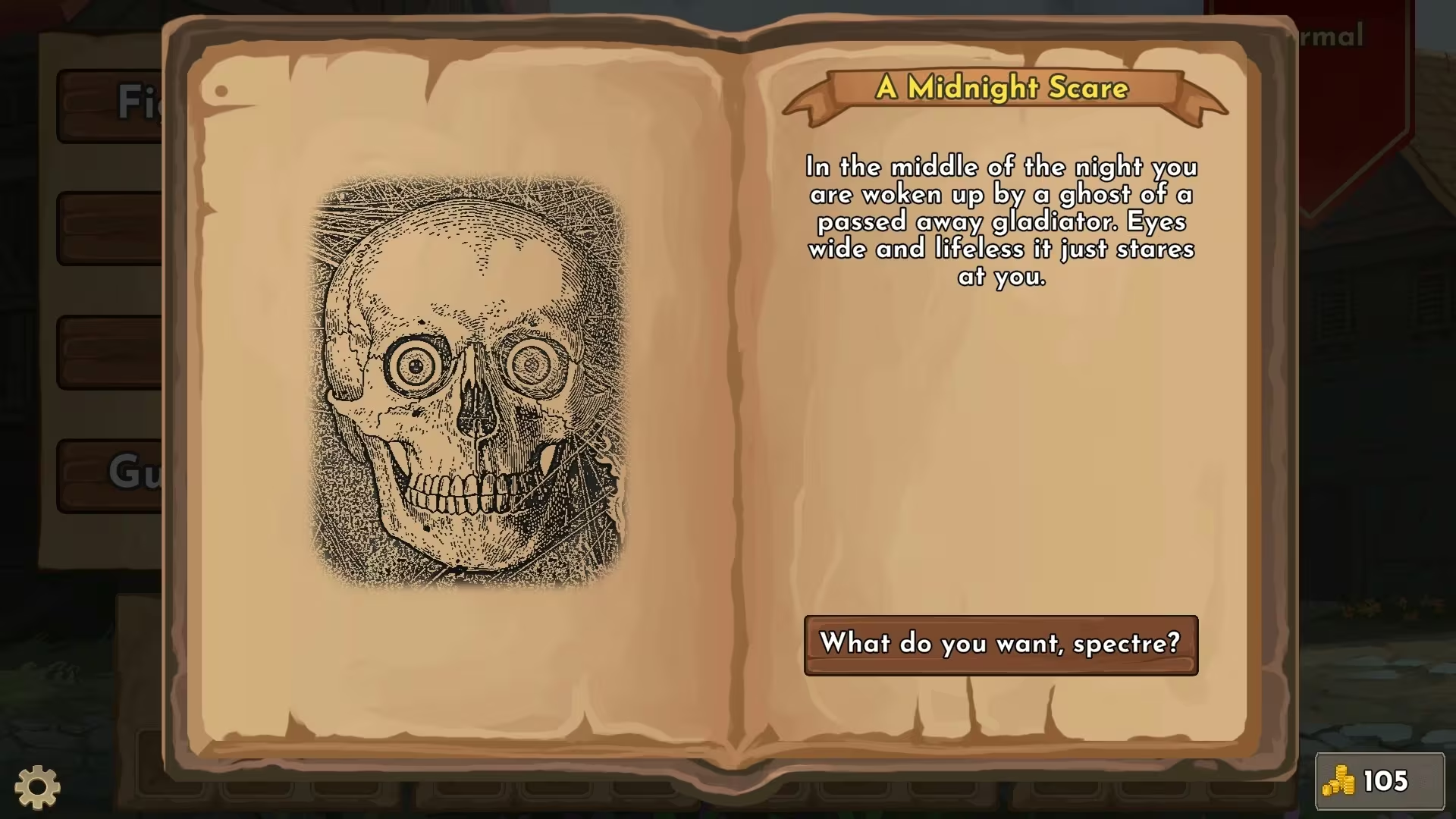
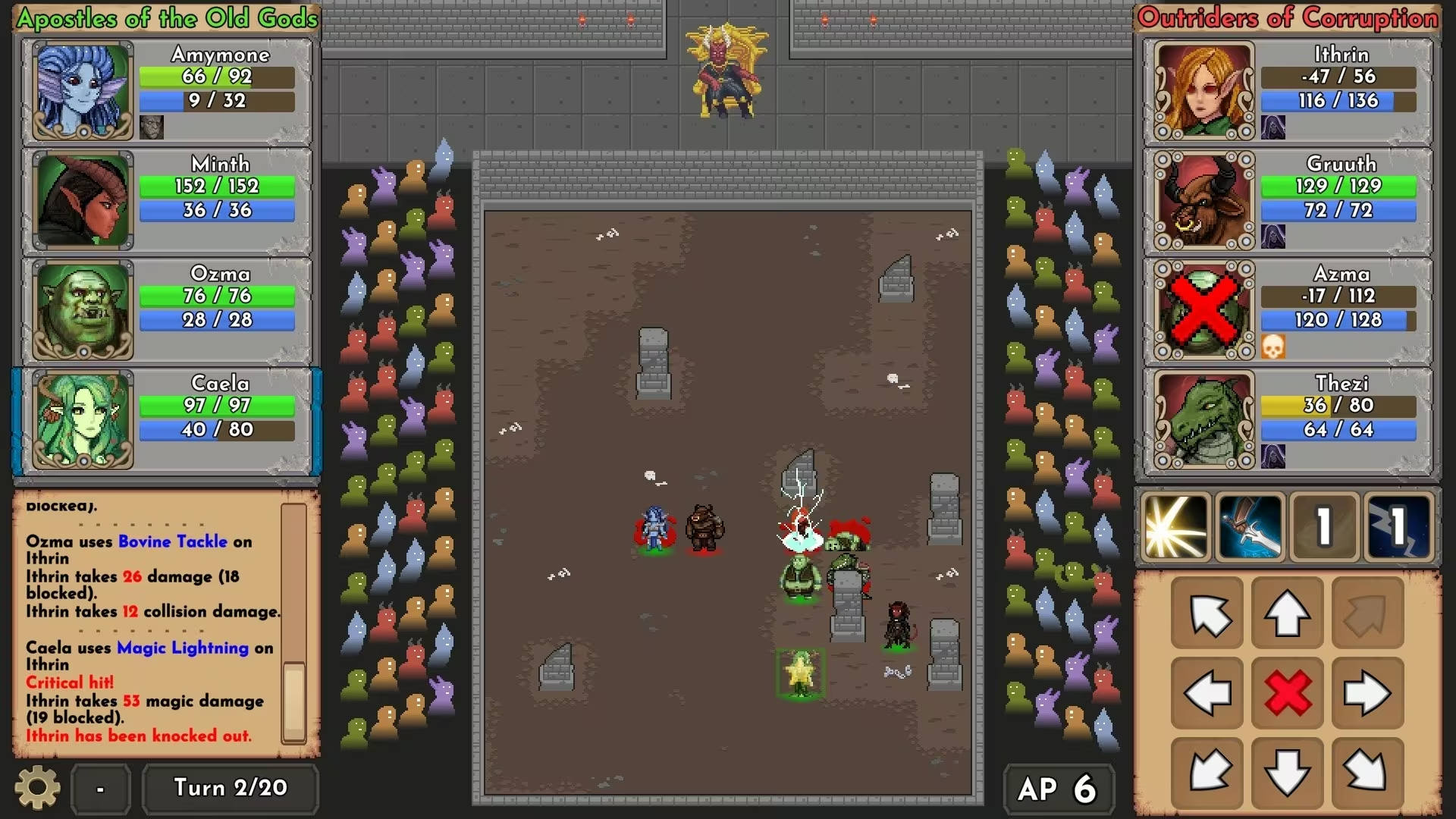
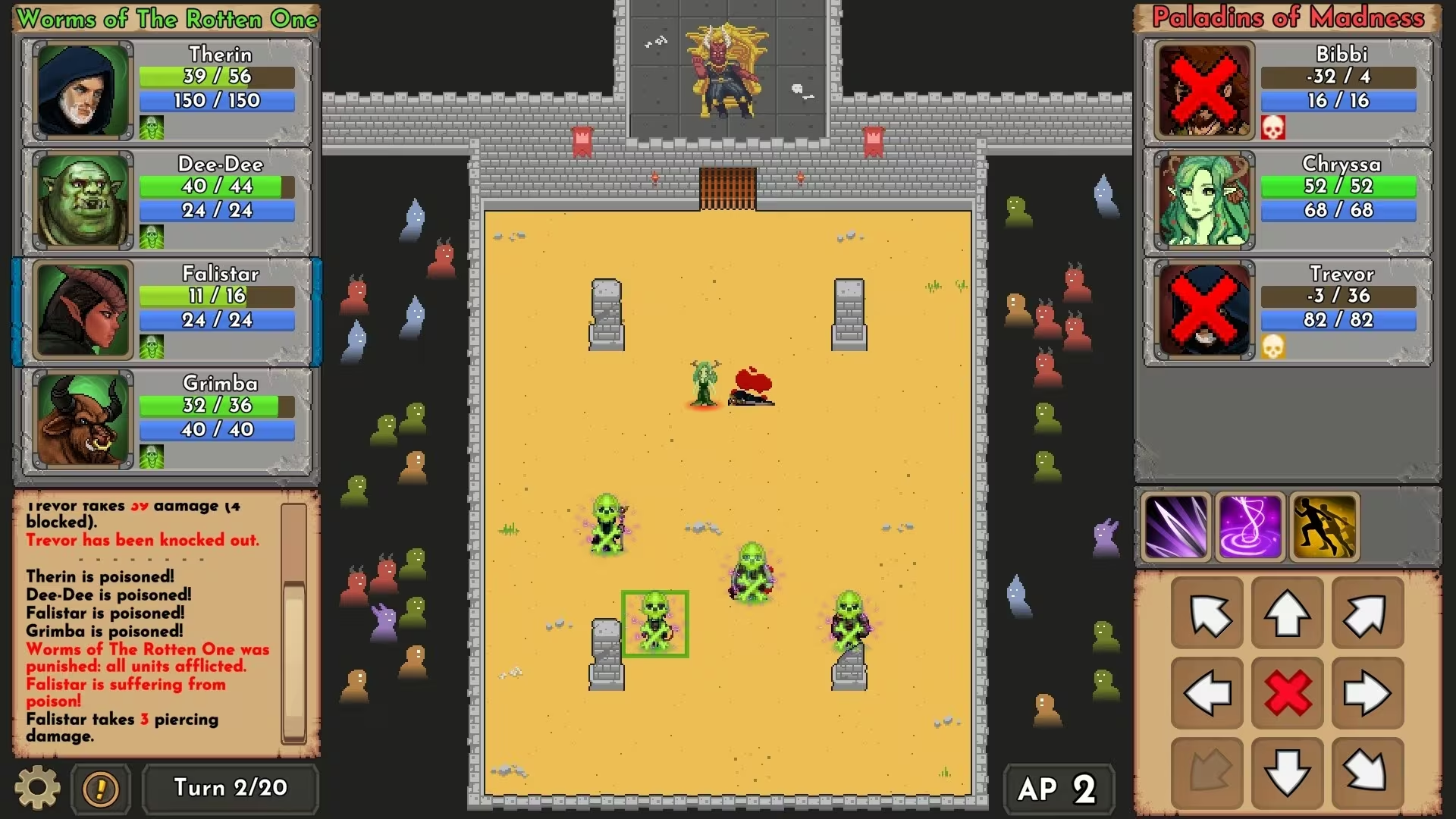
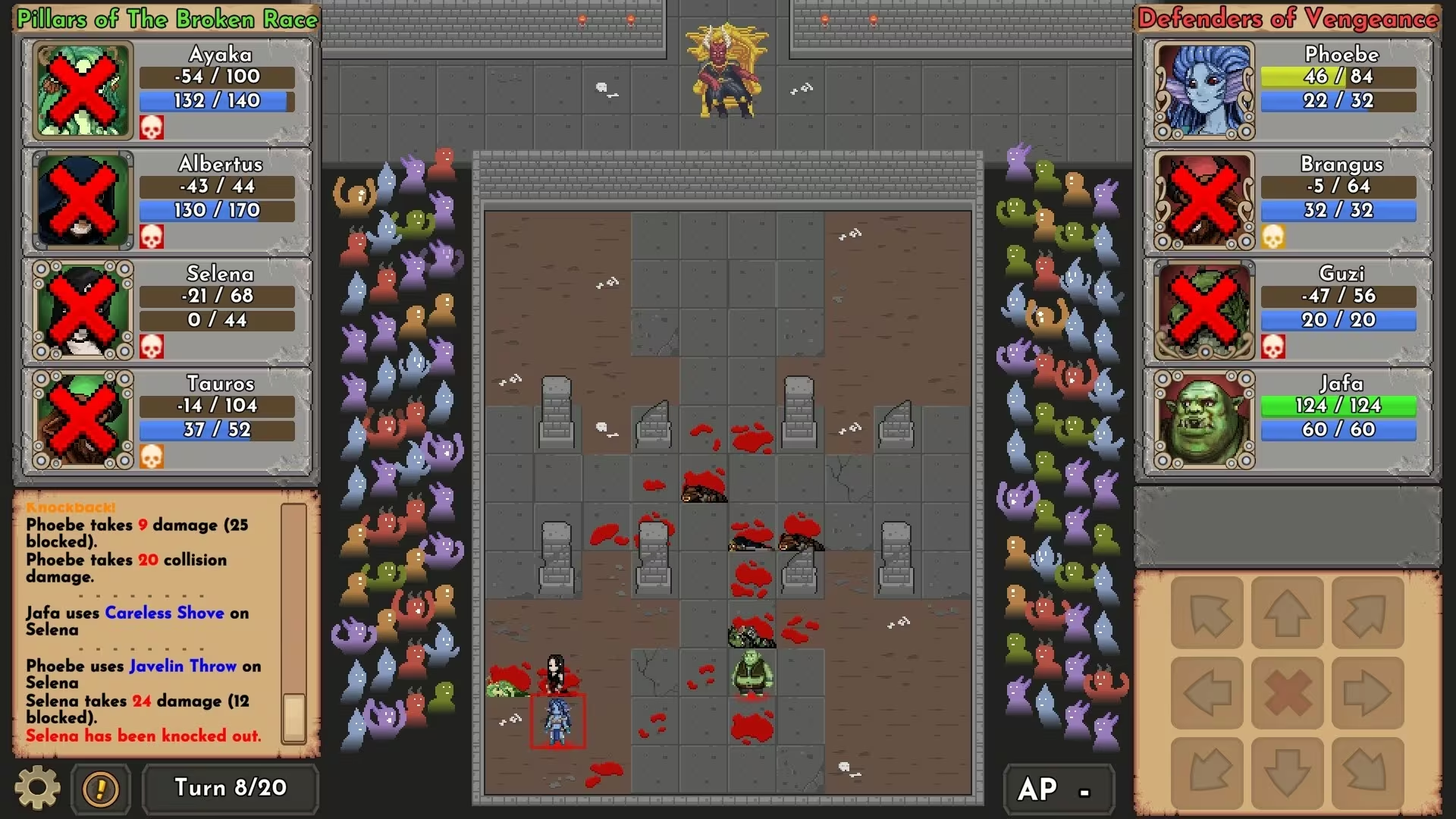
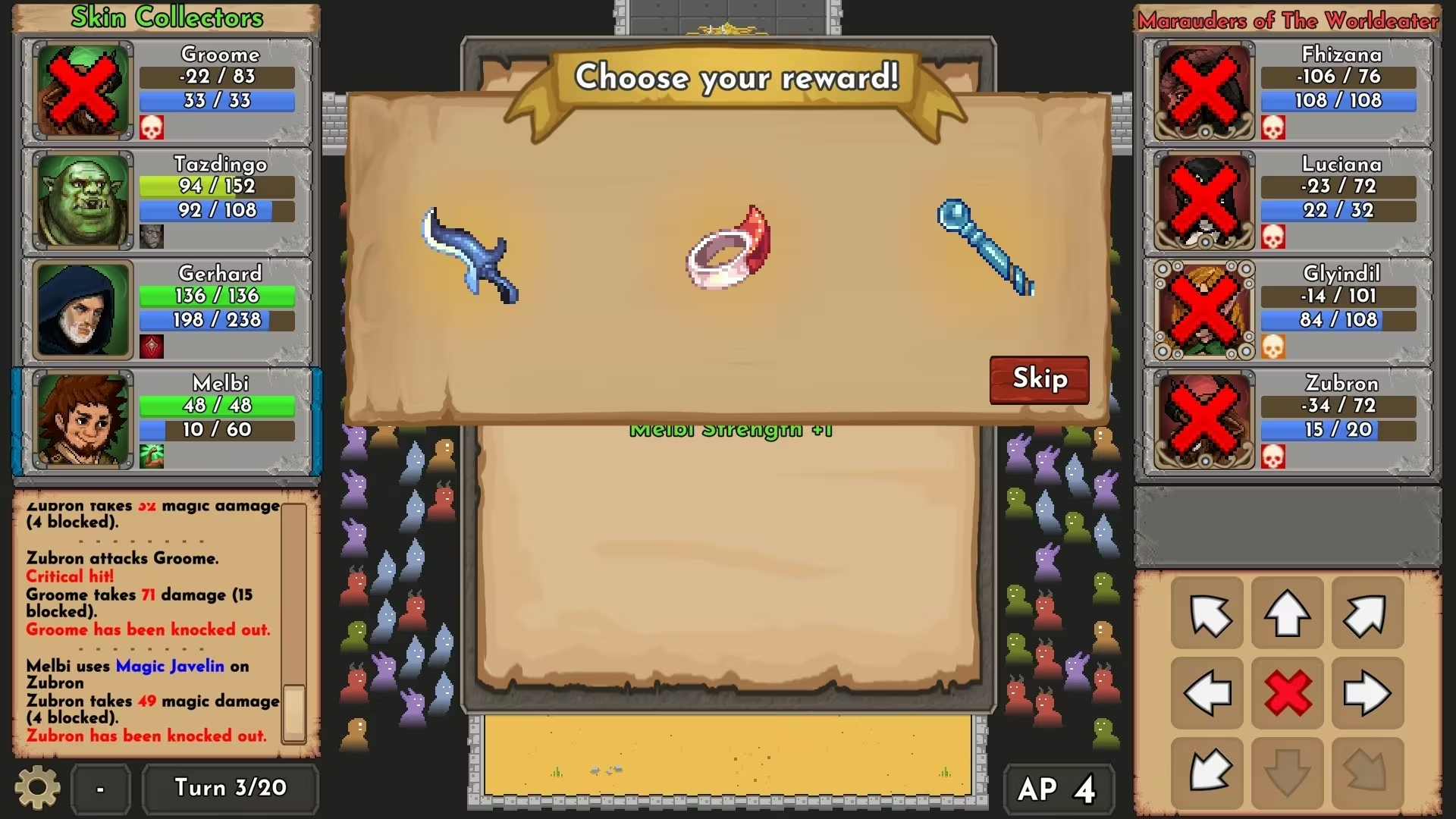
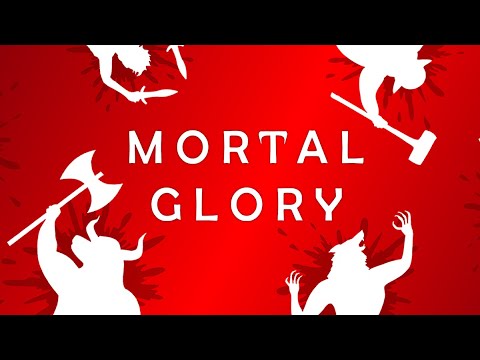
Mortal Glory is a fantasy-themed tactical roguelike game about recruiting a team of gladiators and pitting them against brutal competition in a blood-soaked tournament. Train your gladiators, find a legendary sword, learn ancient spells, recruit a celebrity, cheat - do whatever it takes to bring glory to your name!
Global score
87/100
Genres
Indie, Role-playing (RPG), Simulator, Strategy, Adventure, Turn-based strategy (TBS)
Similar games
Pros
- Addictive tactical combat loop
- Meaningful team customization and progression
- Good replayability with unlockable challenges
- Active and responsive developer
- Fair price and value
Cons
- High rng can be frustrating
- Limited environment and visual variety
- Lack of multiplayer or social features
- Ui could be improved for quality of life
- Some difficulty spikes and balance issues
Analysis
Broadly representative of its motivational profile, with a few distinct shifts. Motivations that often define this kind of title include Leadership, Survival, Violence, Strategy. Here, the score leans higher than usual among comparable games on Violence. It leans lower than usual among comparable games on Story, Exploration.
How to use the graph
Similar games map
Each dot is a game. They are arranged from the same motivation profile as in the “Motivations” section below. Closer dots usually mean more similar reasons to play (exploration, competition, relaxation, etc.)—not that one game is “better” than another.
- Larger dot with a light outline: the game you are viewing.
- Colour: groups of games with comparable motivation patterns (statistical clusters).
- Hover a dot to see the game name; click to open its page.
- Scroll or double-click the chart to zoom out and see more games.
Why don’t the axes read like a score? This view uses t-SNE: it only keeps who is close to whom. The scales are not “good to bad” or hours played—they separate groups on the map. Read distance between dots, not the axis numbers.
Motivations
-
Autonomy4
"Players freely choose and customize their team composition, equipment, and strategies each run, with meaningful decisions on upgrades and tactics."
-
Competence4
"The game offers strategic depth, skill-based turn-based combat, and meaningful progression, rewarding player mastery and min-maxing."
-
Competition-3
"Focus is on personal progression through roguelike runs rather than direct player-vs-player competition or leaderboards."
-
Continuation4
"High replayability with many runs, unlockable challenges, and addictive gameplay loops encourage habitual play."
-
Cooperation-4
"Gameplay centers on managing a personal team of gladiators with no multiplayer or cooperative modes."
-
Creativity3
"Players customize team builds, equipment, and skills, experimenting with different combinations and strategies."
-
Domination-4
"Interactions are single-player focused with no evidence of exerting control or superiority over other players."
-
Escapism4
"Players use the game as a fun, engaging distraction with immersive fantasy gladiator battles and progression."
-
Expectation-4
"Players engage voluntarily for enjoyment and challenge, with no indication of obligation or external pressure."
-
Experimenting4
"The game encourages trying new team builds, equipment setups, and tactical approaches each run."
-
Exploration-2
"The game has limited environment variety and focuses on repeated arena battles rather than exploration."
-
Expression3
"Players express themselves through team composition, equipment choices, and skill builds, though visual customization is limited."
-
Fantasy4
"Set in a fantasy gladiator world with races, magic, and mythical elements, providing imaginative fiction."
-
Fellowship-4
"The game is single-player with minimal social connection or community interaction described."
-
Growth4
"Players develop skills in strategy and team management, and characters grow through leveling and equipment."
-
Health-4
"The game involves sedentary play with no physical activity or health-related features."
-
Idle-3
"Requires focused attention during tactical combat and management, not suited for passive or background play."
-
Intimacy-4
"No evidence of forming close relationships or emotional social interactions within the game."
-
Leadership3
"Players lead and manage a team of gladiators, making strategic decisions and guiding their development."
-
Progression5
"Strong emphasis on accumulating items, upgrades, and character growth through repeated runs and battles."
-
Relaxation2
"Gameplay balances challenge and flow, providing satisfying tension release but can be punishing at times."
-
Sensation2
"Enjoyable sound effects and visual feedback enhance the sensory experience, though graphics are simple."
-
Status-3
"No social status or recognition systems; achievements are personal and not publicly visible."
-
Story-2
"Minimal narrative or lore; gameplay focuses on tactical battles and progression rather than story immersion."
-
Strategy5
"Core gameplay revolves around tactical turn-based combat and strategic team and resource management."
-
Thrill3
"Random events and RNG elements create suspense and excitement during matches."
-
Value4
"Players report high enjoyment and replayability for the price, considering it a good value purchase."
-
Violence4
"Combat involves fighting, knocking out, and defeating opponents in gladiatorial battles."
-
Survival4
"Players must manage health, injuries, and resources to keep their gladiators alive through challenging fights."
Last update: 29/04/2026