Party Panic Thumbnail

Party Panic similar games & best alternatives
Party Panic

PC (Microsoft Windows) • 2017

Related articles

Quick resume

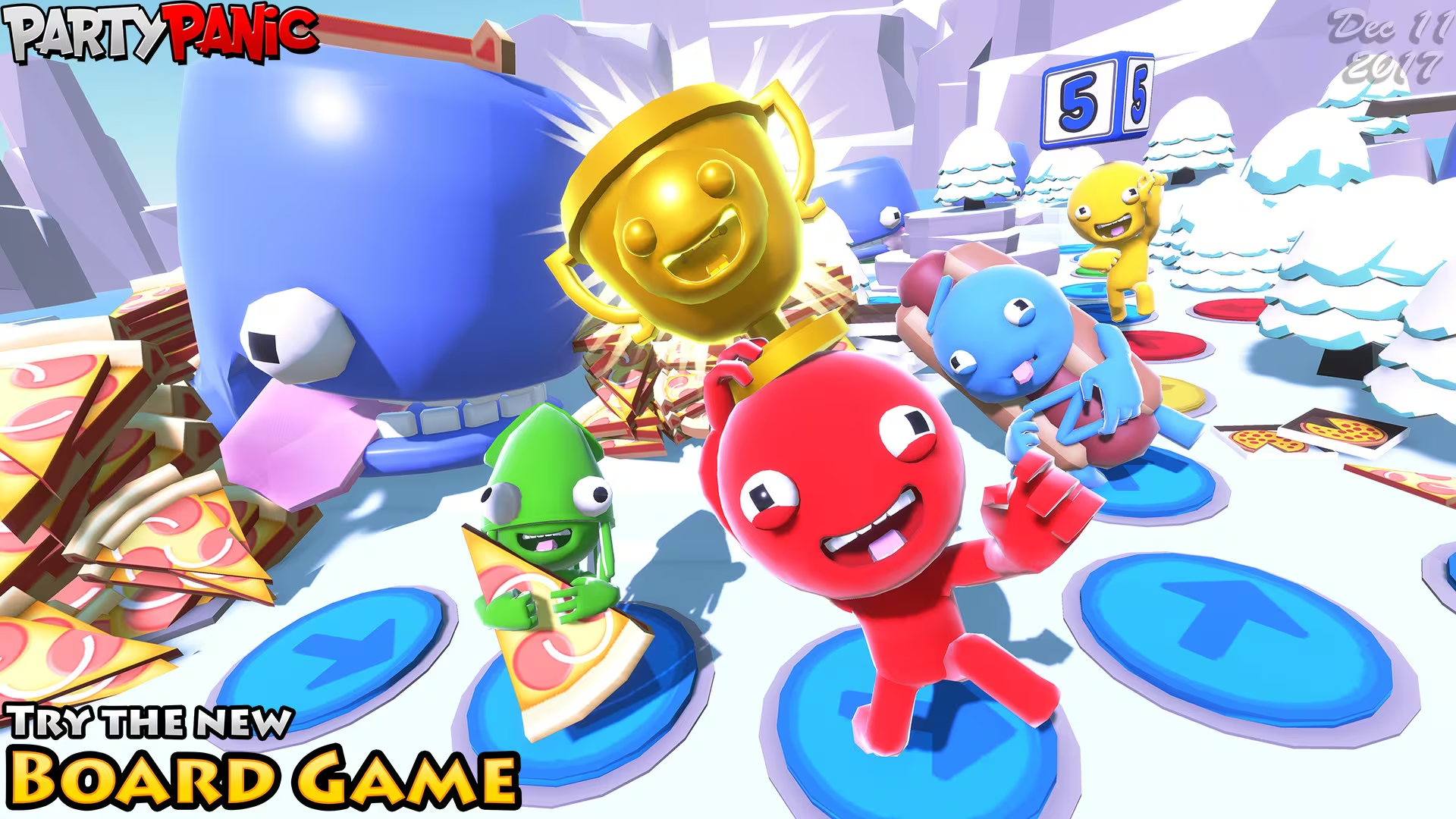
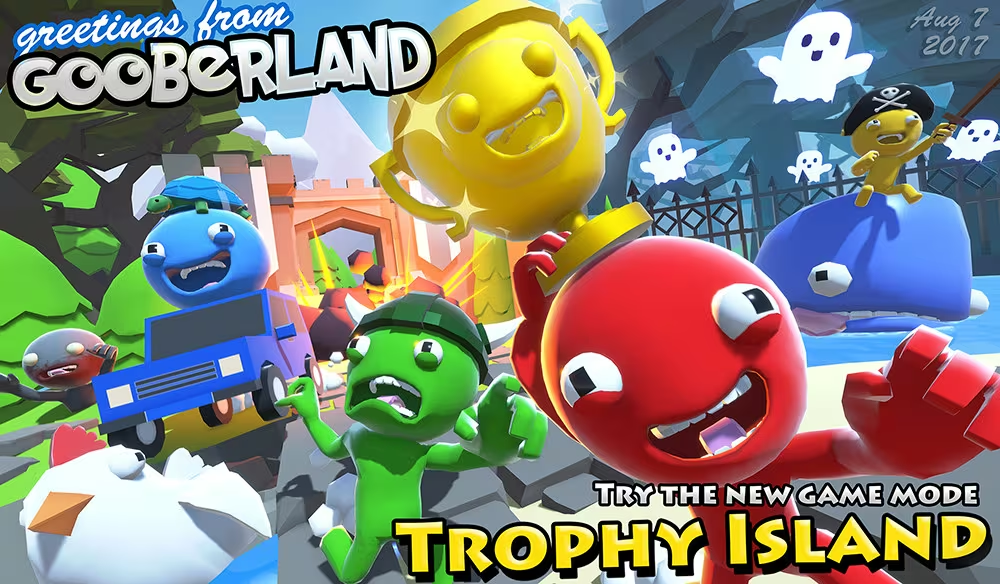
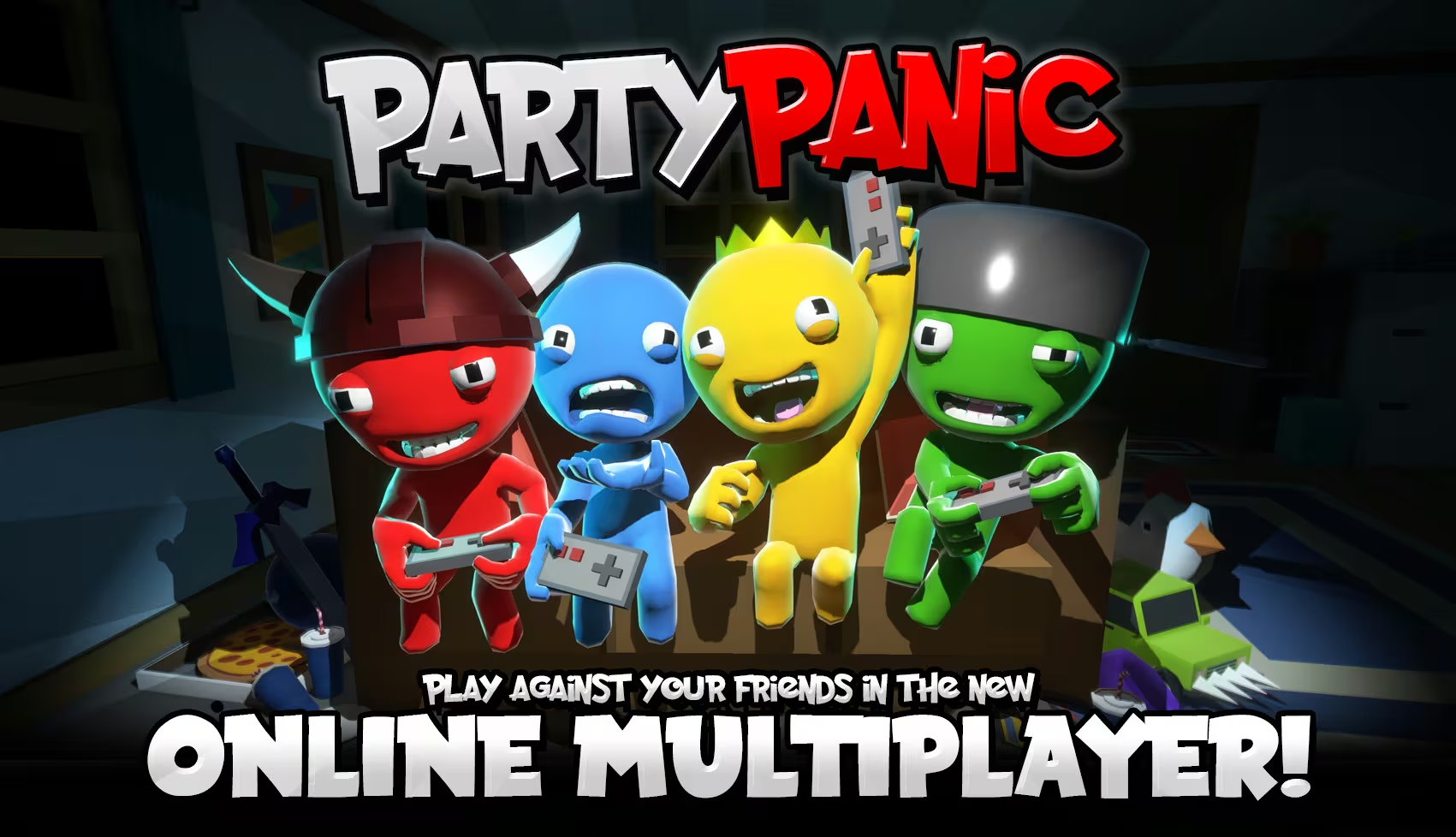
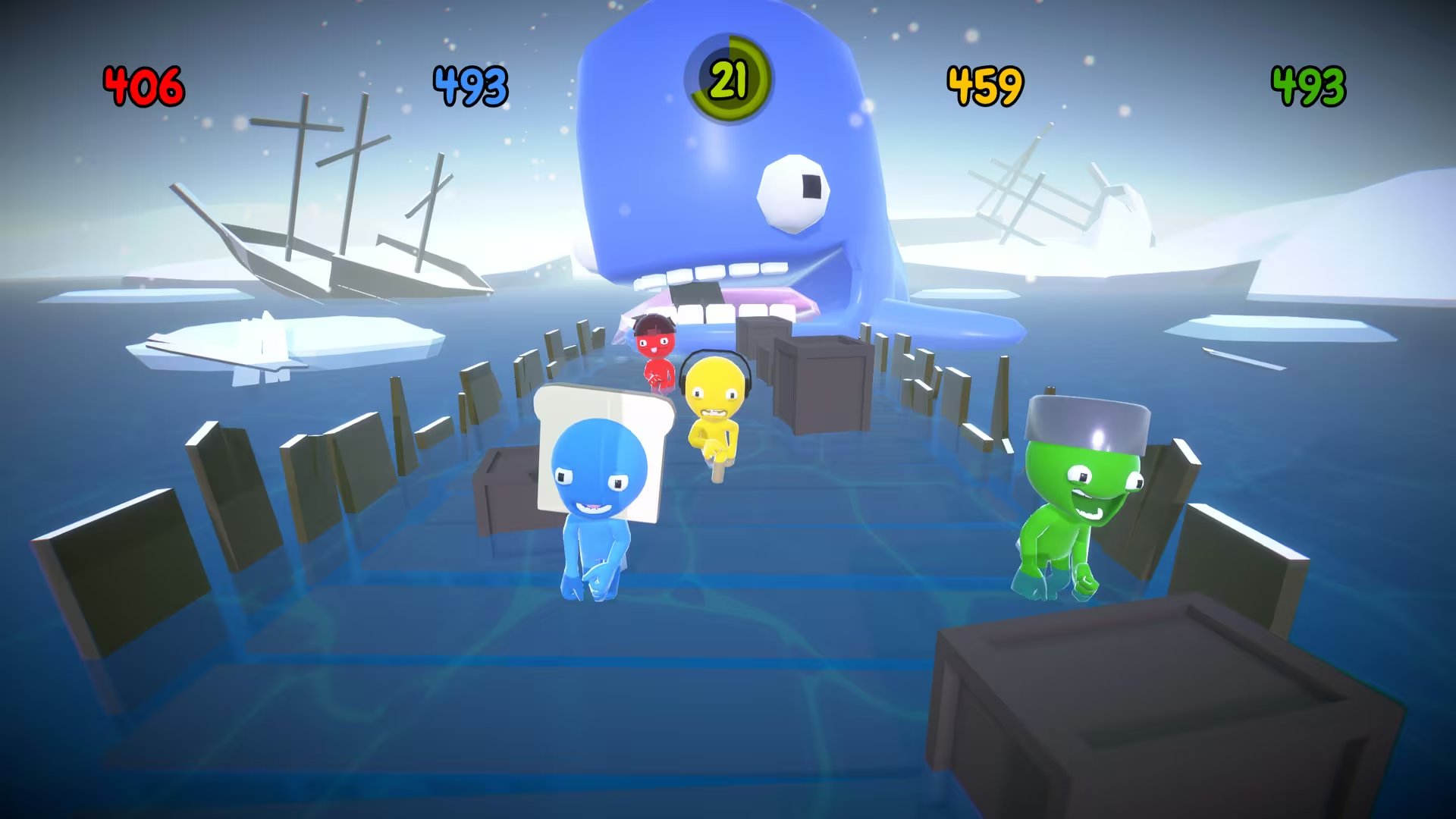
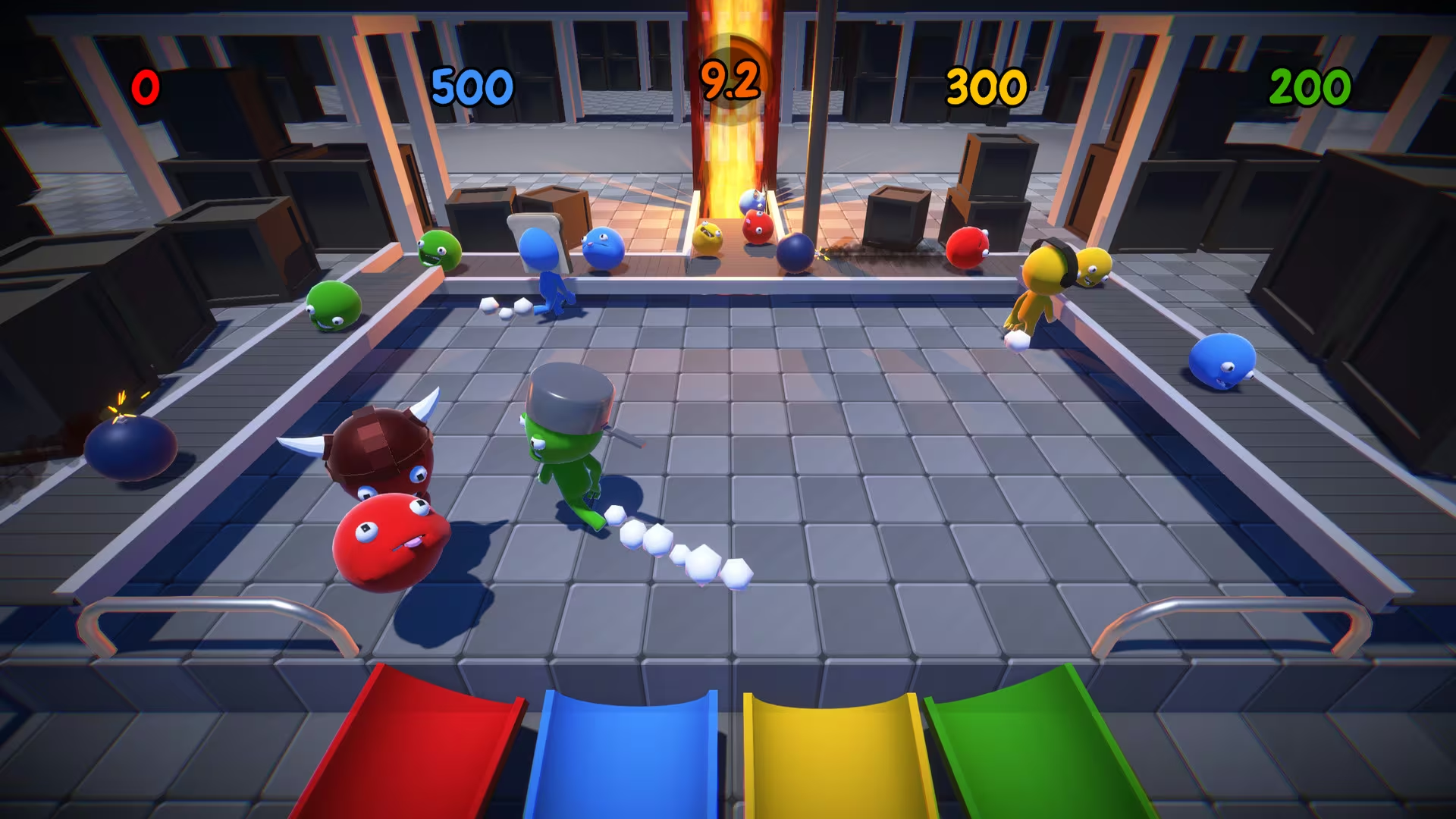
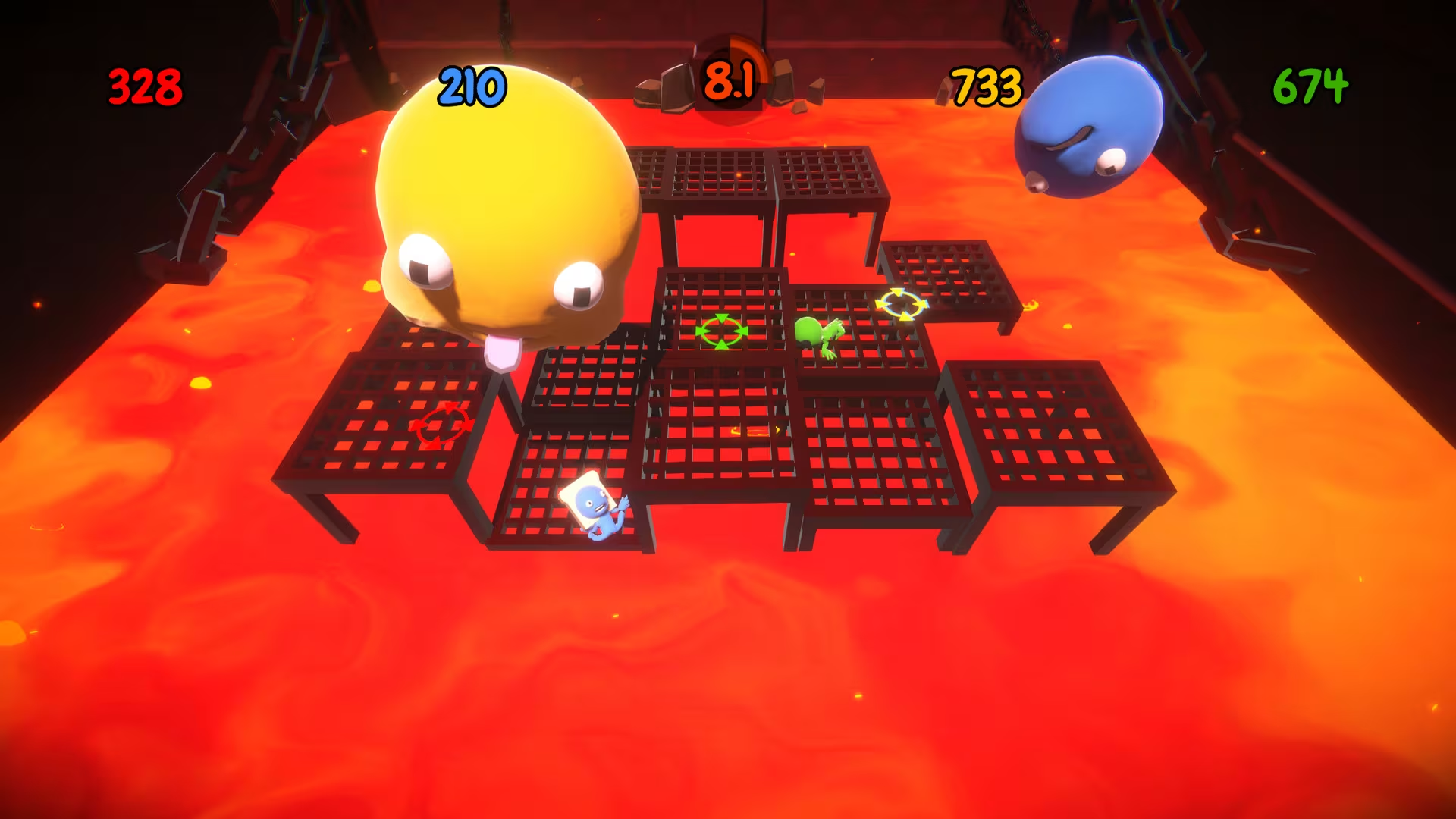
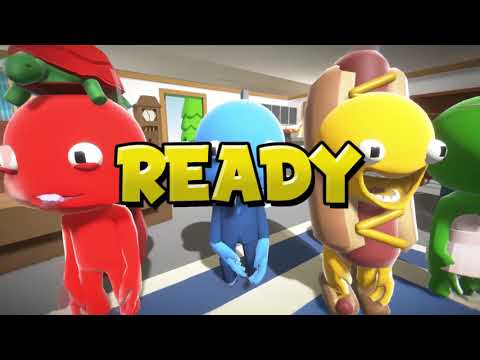
Party Panic is an online and local-multiplayer party game. Compete against your friends in the all new board game, play 30+ rapid fire minigames, race through the brutal Gauntlet, or complete the challenges on Trophy Island. There is even a built in drinking game! You'll laugh, you'll cry, it's stupid.

Global score

76/100

Genres

Action, Casual, Indie

Similar games

    Pros

    • Fun and silly party mini-games
    • Local and online multiplayer
    • Character customization
    • Developer actively updates and engages
    • Good for social gatherings and laughter

    Cons

    • Limited number of mini-games and boards
    • Bugs and glitches reported
    • Ui and controls can be clunky
    • Small online player base
    • Some mini-games feel repetitive or unbalanced

    Analysis

    Less representative of its motivational profile, with noticeable differences. Motivations that often define this kind of title include Competition, Fellowship, Domination, Status. It leans lower than usual among comparable games on Story, Survival, Exploration.

    How to use the graph
    Similar games map

    Each dot is a game. They are arranged from the same motivation profile as in the “Motivations” section below. Closer dots usually mean more similar reasons to play (exploration, competition, relaxation, etc.)—not that one game is “better” than another.

    • Larger dot with a light outline: the game you are viewing.
    • Colour: groups of games with comparable motivation patterns (statistical clusters).
    • Hover a dot to see the game name; click to open its page.
    • Scroll or double-click the chart to zoom out and see more games.

    Why don’t the axes read like a score? This view uses t-SNE: it only keeps who is close to whom. The scales are not “good to bad” or hours played—they separate groups on the map. Read distance between dots, not the axis numbers.

    Motivations

    • Autonomy
      3

      "Players can choose from many mini-games and customize characters, but gameplay is structured around preset mini-games and board game modes."

    • Competence
      2

      "Mini-games are easy to learn but hard to master; some skill involved but also button mashing and chaotic gameplay."

    • Competition
      4

      "Strong competitive element with players competing in mini-games and board game modes, including score limits and trophies."

    • Continuation
      1

      "Players enjoy repeated sessions with friends, but some reviews note limited content leading to boredom after extended play."

    • Cooperation
      -2

      "Focus is on competing against others rather than working together; some modes allow playing with bots but limited cooperative goals."

    • Creativity
      2

      "Character customization and hats allow some self-expression; gameplay mostly uses predefined mini-games and board layouts."

    • Domination
      3

      "Players can punch and kick others, steal trophies, and disrupt opponents, reflecting exertion of control over others."

    • Escapism
      3

      "Players use the game for fun and distraction, enjoying silly chaotic gameplay and social laughter."

    • Expectation
      -4

      "Players engage voluntarily for fun and socializing; no indication of obligation or pressure to play."

    • Experimenting
      1

      "Some variety in mini-games and modes encourages trying different challenges, but many mini-games feel repetitive."

    • Exploration
      -3

      "Gameplay mostly occurs in known mini-games and board maps; limited discovery or new area exploration."

    • Expression
      2

      "Customization options for characters and hats allow personal expression within the game."

    • Fantasy
      3

      "Cartoonish, silly characters and mini-games provide an imaginative, non-realistic experience."

    • Fellowship
      4

      "Strong emphasis on playing with friends locally or online, social laughter, and party atmosphere."

    • Growth
      1

      "Some skill development possible in mastering mini-games, but limited depth and learning opportunities."

    • Health
      -5

      "Sedentary gameplay with no physical activity involved."

    • Idle
      -3

      "Requires active attention and participation during fast-paced mini-games."

    • Intimacy
      2

      "Social interactions with friends and family, some emotional sharing through laughter and shared experiences."

    • Leadership
      -2

      "No clear leadership roles; players compete individually without managing or guiding others."

    • Progression
      2

      "Players unlock hats and costumes through leveling up, but overall progression is limited to cosmetic rewards."

    • Relaxation
      -1

      "Gameplay is chaotic and fast-paced, causing excitement and stress rather than relaxation."

    • Sensation
      3

      "Bright visuals, silly sounds, and fast action provide sensory stimulation and emotional fun."

    • Status
      1

      "Some recognition through trophies and leaderboards, but limited social status emphasis."

    • Story
      -5

      "No narrative or story elements; gameplay is context-free mini-games and board modes."

    • Strategy
      1

      "Some strategic elements in board game mode and mini-game tactics, but mostly straightforward and chaotic gameplay."

    • Thrill
      3

      "Fast-paced, unpredictable mini-games create suspense and excitement."

    • Value
      0

      "Mixed opinions on value; fun for social play but limited content and bugs reduce perceived return."

    • Violence
      3

      "Enjoyment of punching, kicking, and disrupting other players is a core gameplay element."

    • Survival
      -2

      "Minimal survival elements; gameplay is low-risk and focused on mini-game objectives."

    Last update: 29/04/2026